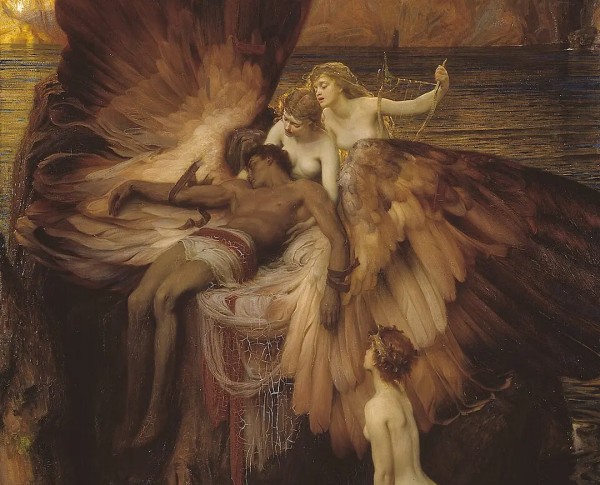
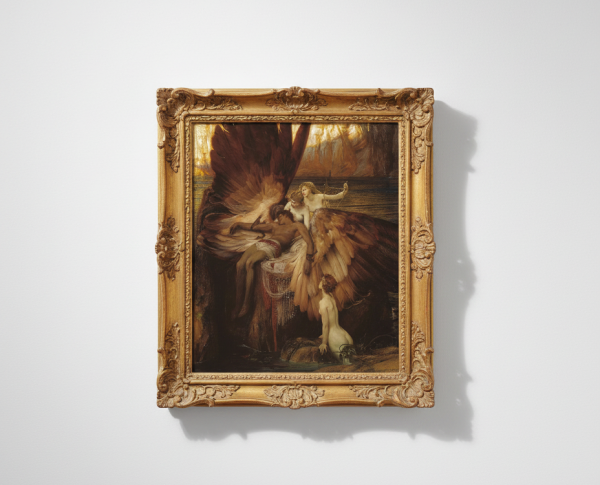
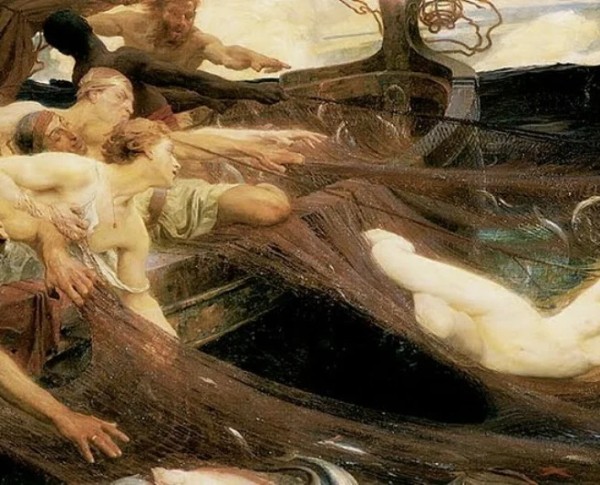
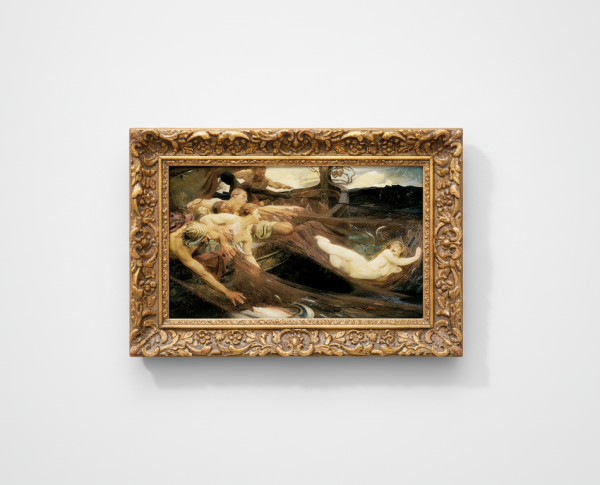
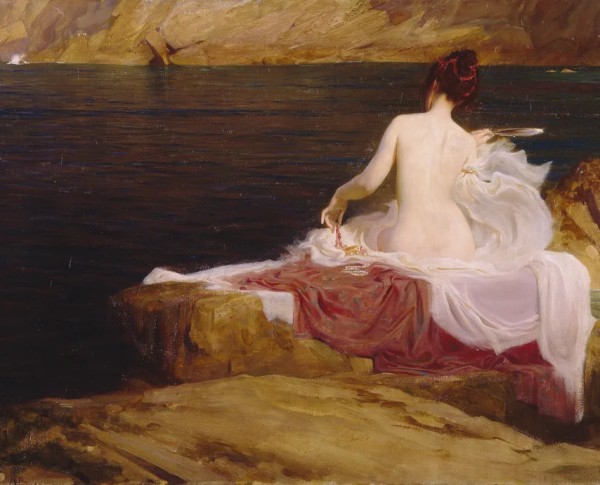
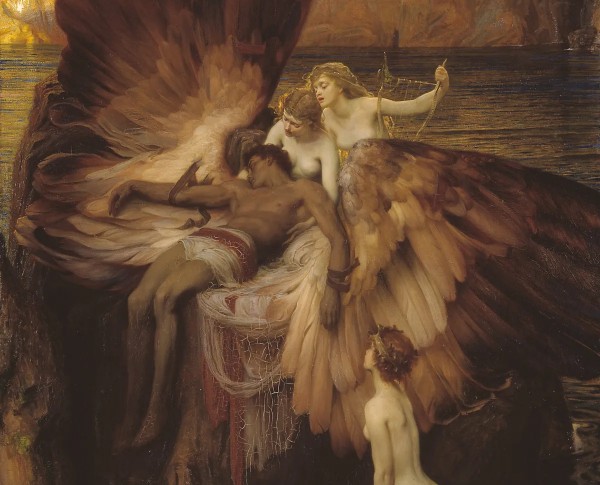
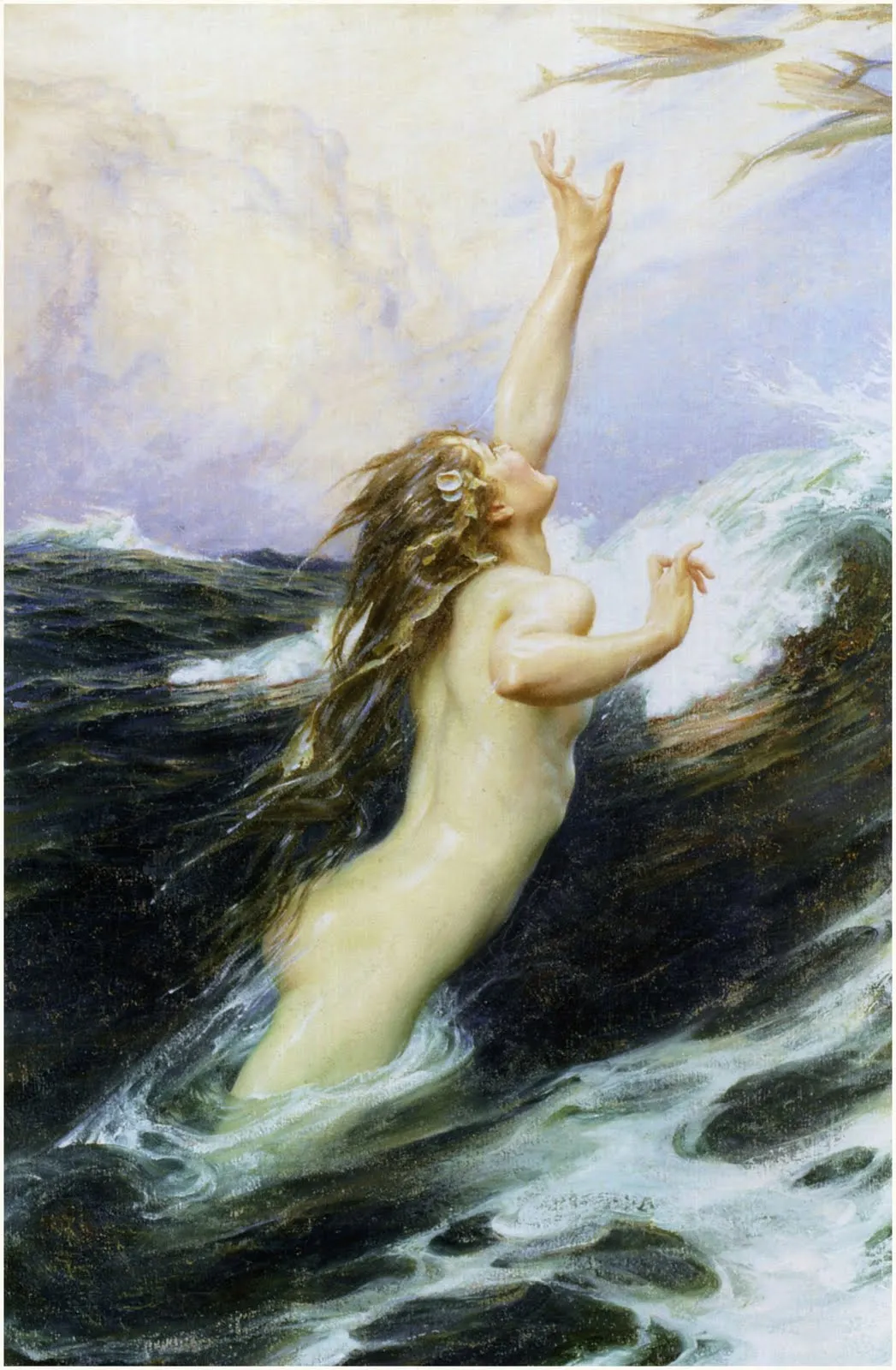
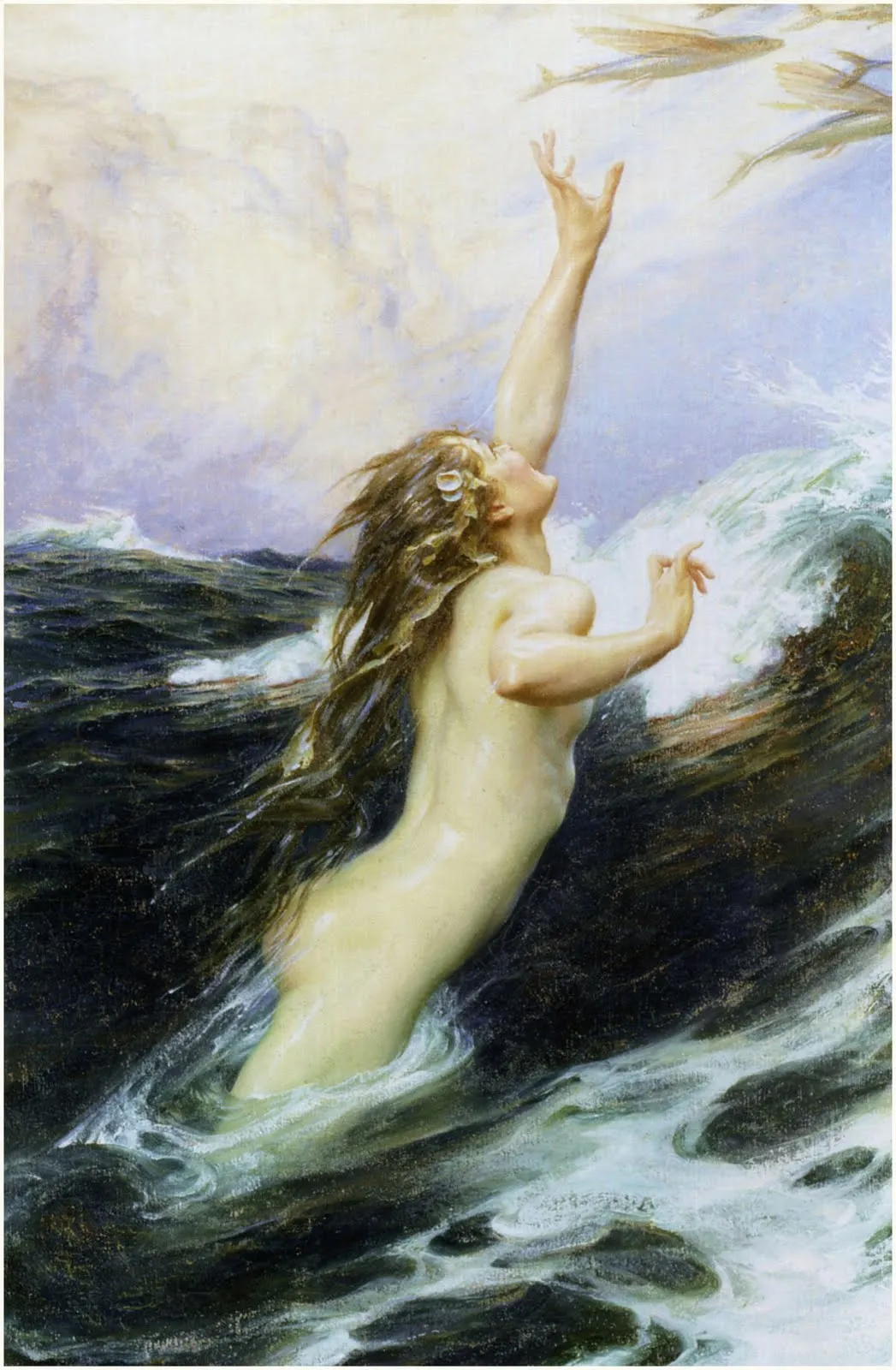
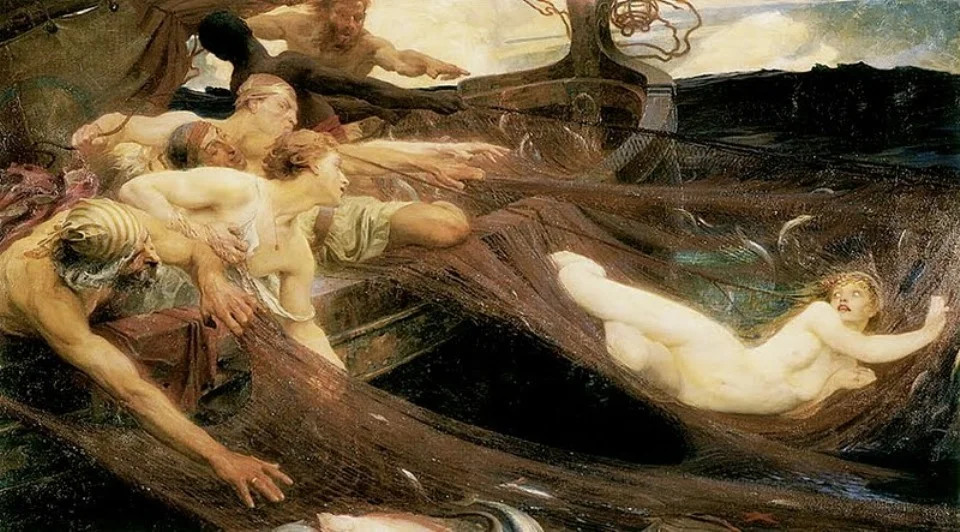
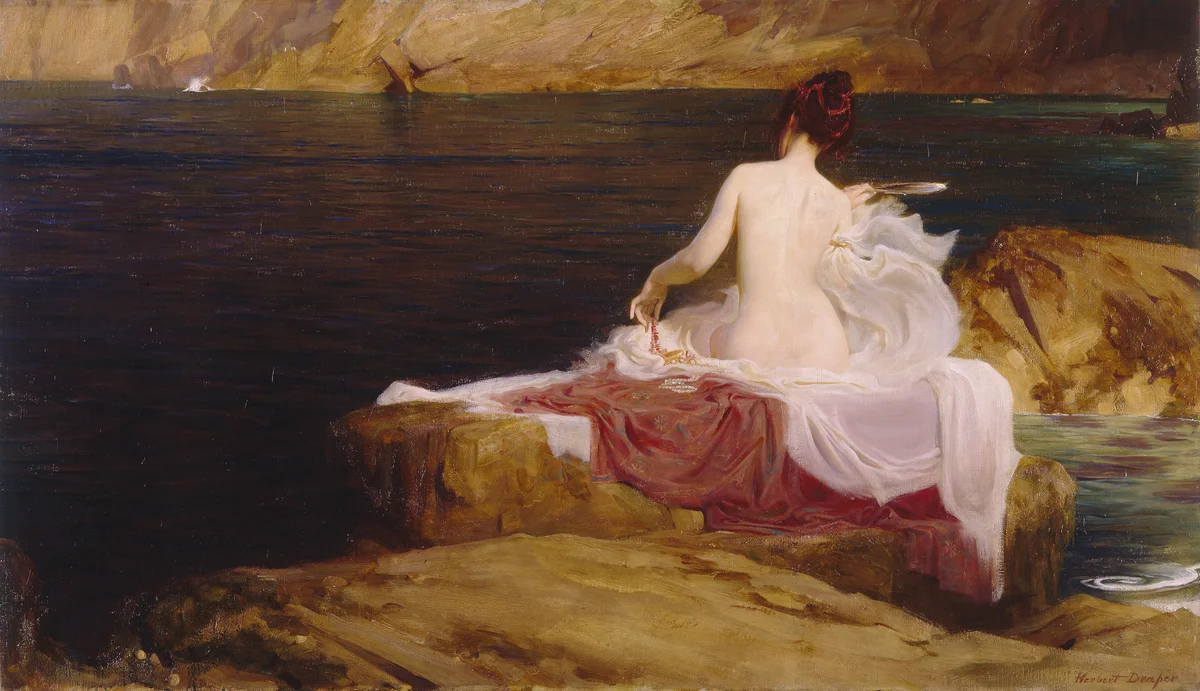
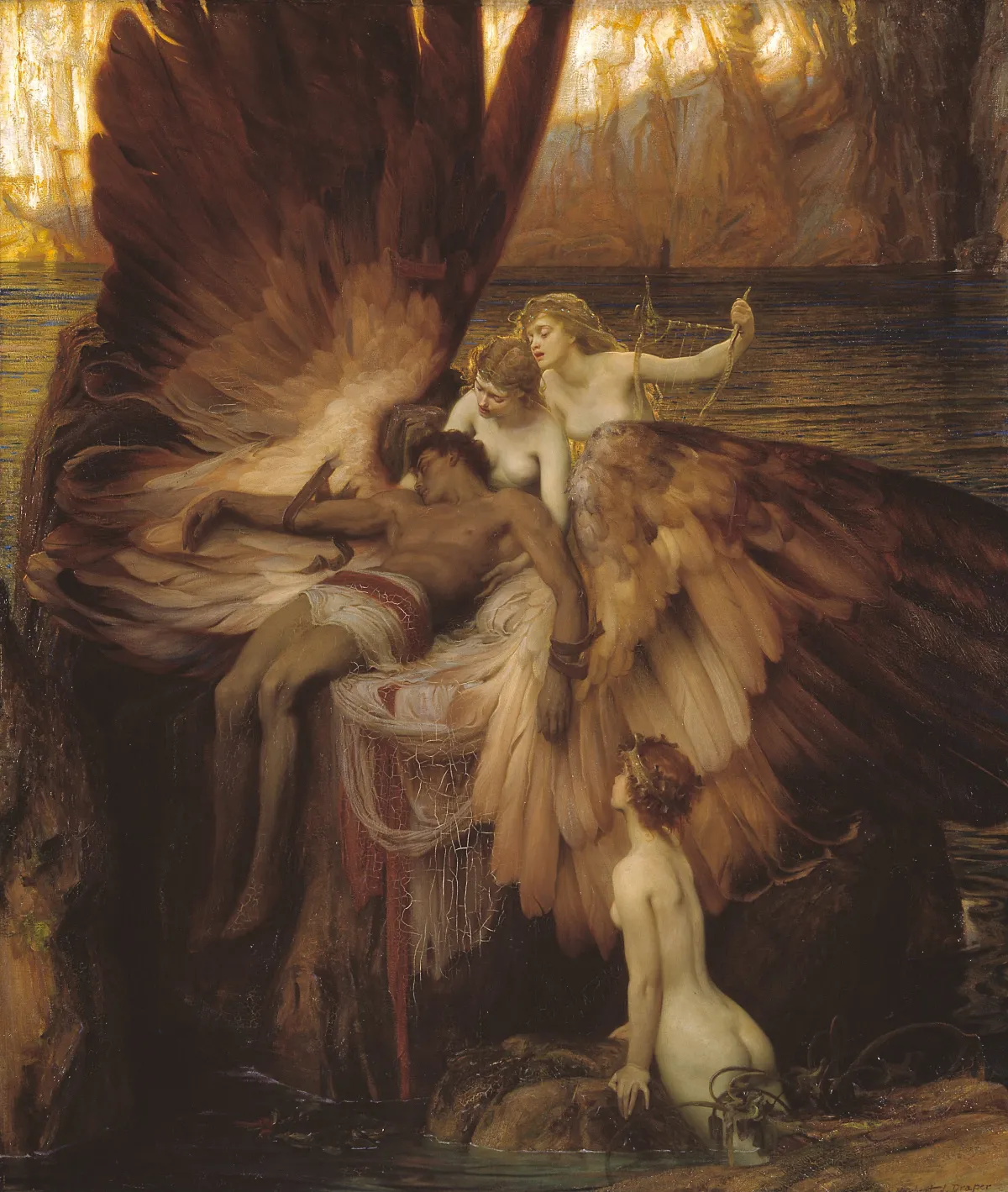
Herbert James Draper’s "Flying Fish" demonstrates exceptional skill with oil on canvas, showcasing the artist’s mastery of light, texture, and form. The Neo-Classical movement’s influence is evident in the painting’s refined lines and classical composition. Those interested in the techniques Draper employed will also appreciate similar works, including "The Sea Maiden" and "Calypso's Isle," each offering a glimpse into the artist’s meticulous approach to oil on canvas artistry.
Every element in "Flying Fish" weaves a tapestry of myth and meaning, aligning with the Neo-Classical tradition of storytelling through art. Draper’s fine art painting for sale invites viewers to delve into symbolic details, from the ethereal figures to the enchanting sea creatures. This narrative richness connects "Flying Fish" to related masterpieces like "Prospero Summoning Nymphs and Deities" and "The Gates of Dawn," all of which explore timeless tales through visual allegory.
For art collectors, "Flying Fish" by Herbert James Draper is more than just a hand-painted oil painting—it is a prized piece of the Neo-Classical movement. This fine art painting for sale embodies both artistic excellence and historical significance. Pairing it with related works such as "The Sea Maiden" and "The Golden Fleece" creates a distinguished collection, celebrating Draper’s influence and the enduring allure of Neo-Classical masterpieces.
When Art Meets History
Herbert James Draper’s "Flying Fish" is a remarkable example of the Neo-Classical movement, blending mythological themes with historical artistry. Created as a hand-painted oil painting, it echoes the grandeur of classical antiquity, much like "The Declaration of Independence" and "Scène De La Vie Italienne." Draper’s meticulous approach places "Flying Fish" alongside other masterpieces, demonstrating how fine art can capture both the spirit of its time and the enduring allure of mythological storytelling.
Techniques That Speak
Draper’s "Flying Fish" showcases his mastery of oil on canvas, with each brushstroke illuminating the delicate interplay between light and form. His technique mirrors the precision found in works like "Rubens Peale with a Geranium" and "Basilius Von Ramdohr." The Neo-Classical style is evident in the painting’s balanced composition and refined details, highlighting Draper’s skill and dedication to the tradition of fine art painting for sale, prized by collectors and art enthusiasts alike.
Emotions on Display
In "Flying Fish," Herbert James Draper captures a sense of wonder and freedom, emotions that resonate through every hand-painted oil painting he created. The figures and marine elements evoke a dreamlike atmosphere, reminiscent of the emotive power found in "Divina Comedia" and "Le Saint-sacrement Porté Aux Malades." Draper’s Neo-Classical approach ensures that viewers connect deeply with the narrative, making the artwork a standout piece in any collection of fine art painting for sale.
Coveted by Collectors
"Flying Fish" remains a highly sought-after oil on canvas among art collectors, celebrated for its exquisite technique and emotional depth. Herbert James Draper’s work is frequently compared to other Neo-Classical masterpieces like "Scène De La Vie Italienne" and "The Declaration of Independence." Its enduring appeal as a fine art painting for sale ensures it continues to captivate new generations, securing its place in prestigious collections worldwide alongside other notable works of the period.
Related Neo-Classical Hand-Painted Oil Paintings by Other Artists
Other Famous Neo-Classical Artists:
Frequently Asked Questions About Flying Fish
Who is the artist of Flying Fish?
The artist of Flying Fish is Herbert James Draper, a prominent British painter known for his mythological and allegorical themes.
What year was Flying Fish created?
Flying Fish was created in the early 20th century, specifically in 1907, during a period when Draper was gaining recognition for his unique style.
What artistic style is represented in Flying Fish?
Flying Fish exemplifies the Symbolist movement, characterized by its emphasis on dream-like imagery and emotional resonance rather than realistic representation.
What themes are explored in Flying Fish?
The painting explores themes of transformation and the ethereal connection between nature and the human experience, symbolized through the depiction of the fish in flight.
What is the significance of the fish in the painting?
The fish in Flying Fish symbolizes freedom and transcendence, representing the idea of breaking free from earthly constraints and embracing the spiritual realm.
How does Draper's use of color contribute to the painting?
Draper's use of vibrant colors creates a sense of movement and vitality, enhancing the dreamlike quality of the scene and drawing viewers into its fantastical atmosphere.
What influences can be seen in Draper's work?
Draper's work shows influences from the Pre-Raphaelite Brotherhood and the Aesthetic Movement, particularly in his attention to detail and the romanticized portrayal of subjects.
What is the historical context of Flying Fish?
Flying Fish was created during a time of artistic experimentation in the early 20th century, reflecting a shift towards more imaginative and symbolic representations in art.
Where can I view Flying Fish?
Flying Fish is part of the collection at various art institutions, and its location may vary; please check with the specific gallery for current exhibitions.
What impact has Flying Fish had on contemporary art?
Flying Fish has influenced contemporary artists by demonstrating the power of symbolism and imagination in art, encouraging a continued exploration of the surreal and the fantastical.























_GFM_Painting_(1).webp)


 100% Hand-Painted: Finished in 3-6 Weeks

.png)

















_(1).webp)