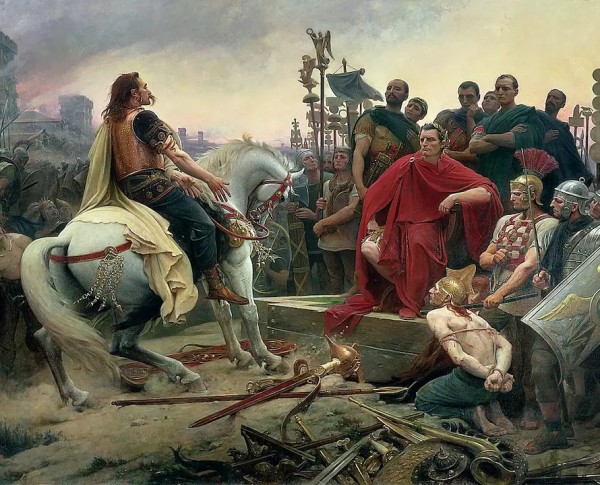
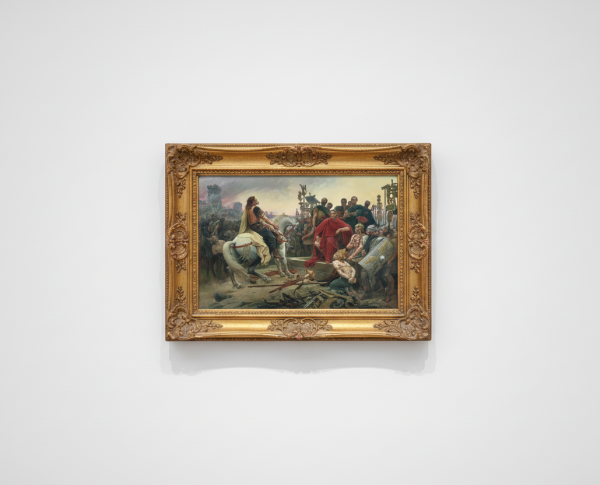
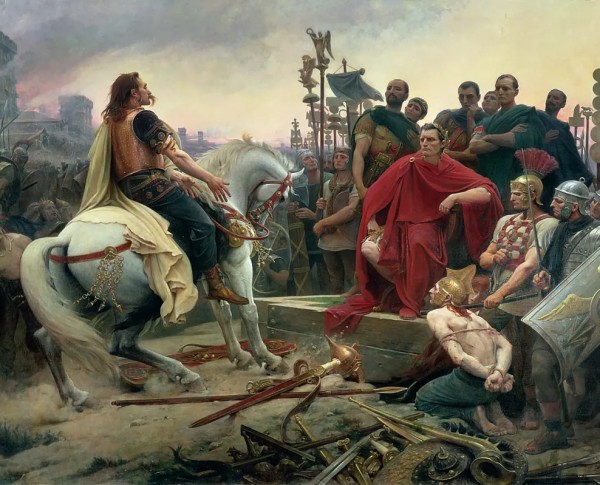
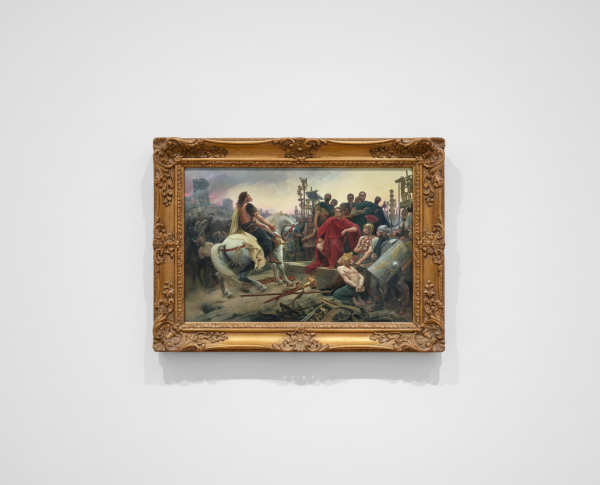
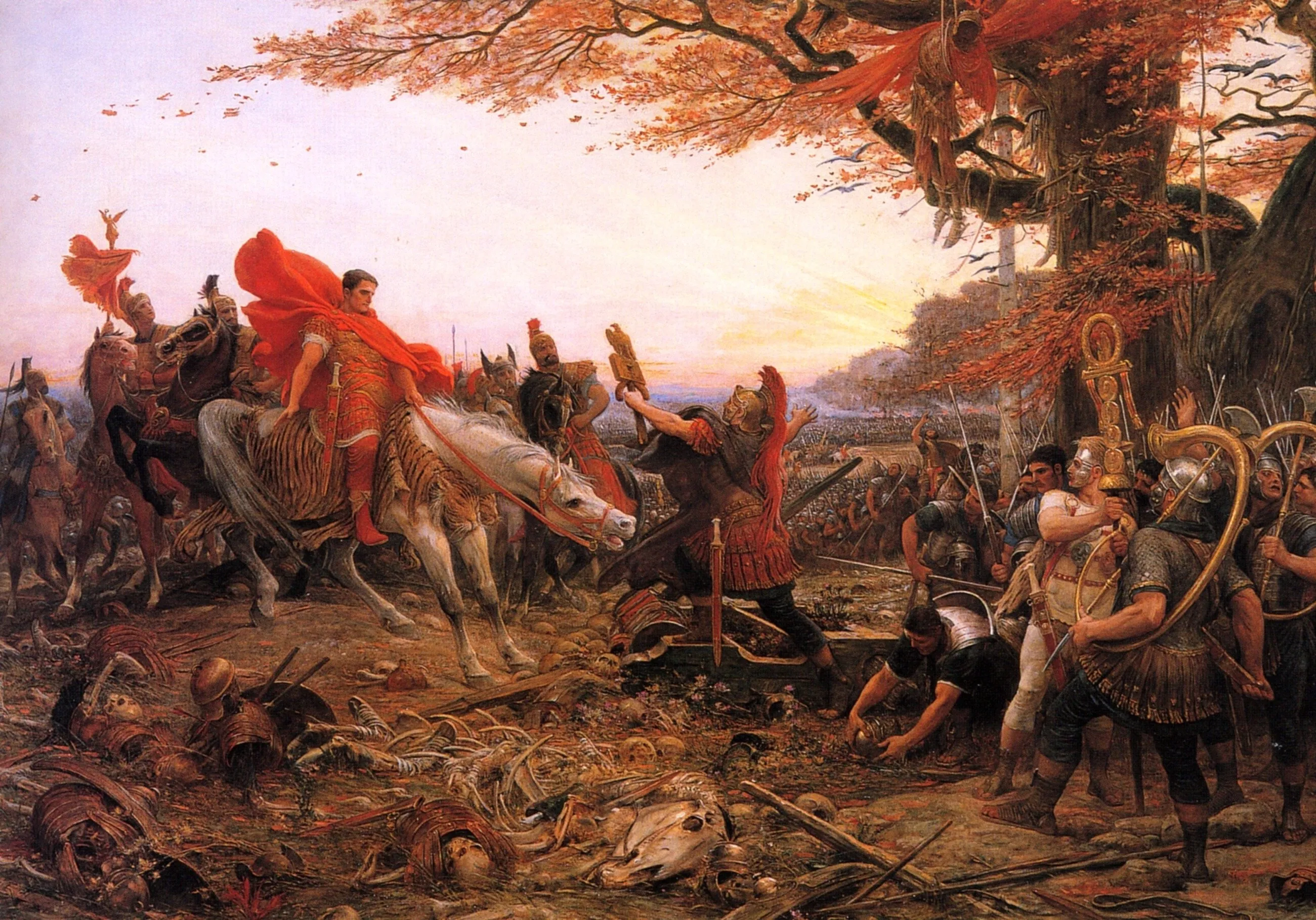
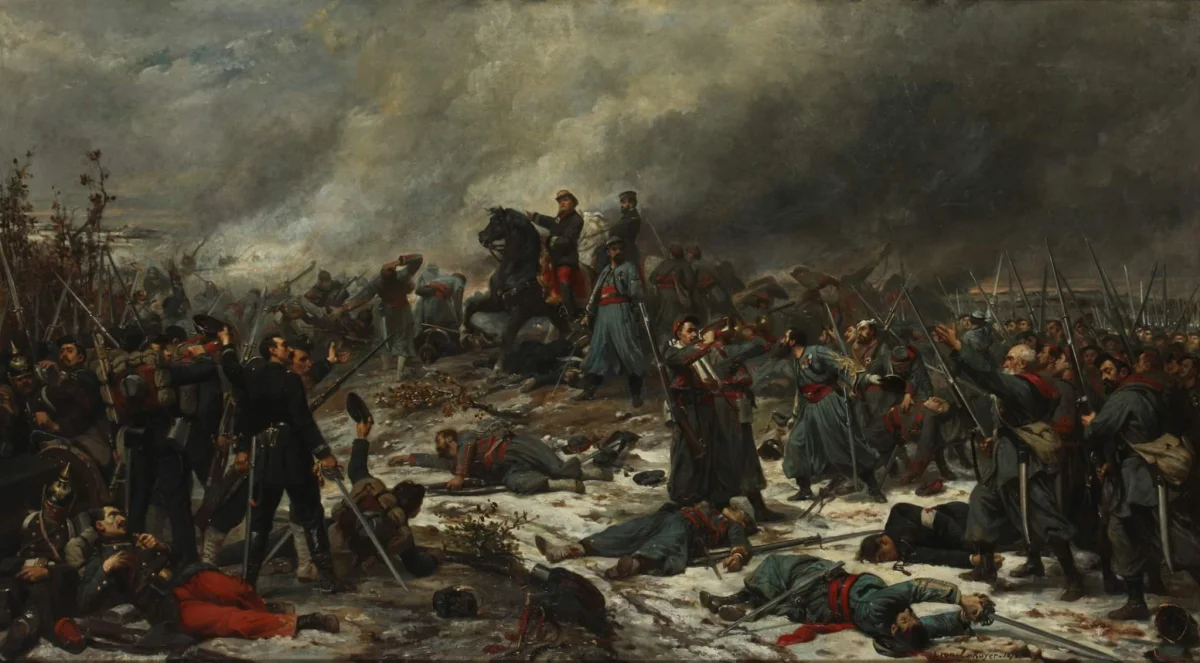
Lionel Noel Royer's technical prowess is evident in every brushstroke of this oil on canvas. His attention to light, texture, and emotion brings Germanicus and the Roman soldiers to life, reflecting the precision and grandeur typical of Academic Art. Comparable works, such as "Auguste Au Tombeau D'Alexandre" and "General Gaston de Sonis," display similar mastery, making Royer's paintings highly desirable among those seeking museum-quality historical scenes for their collections.
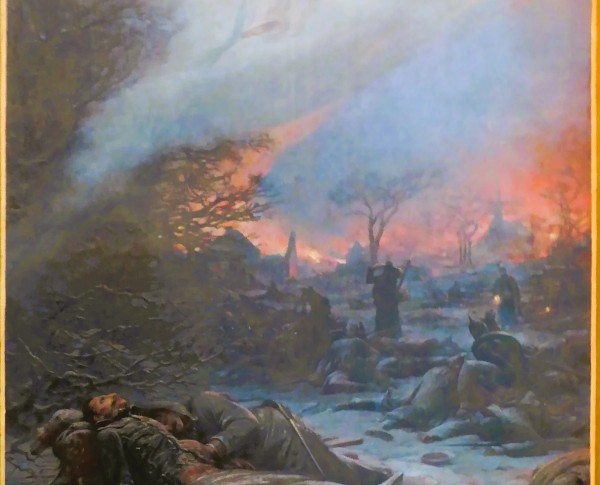
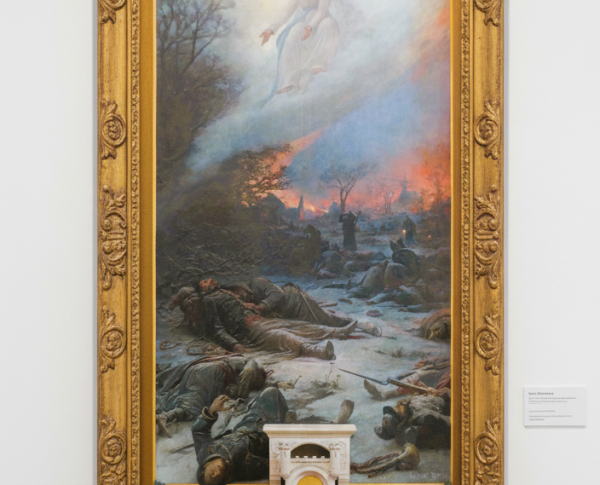
Within "Germanicus Devant Les Restes Des Légions De Varus," Royer weaves a narrative rich with symbolism and emotion, depicting the aftermath of a devastating defeat. The fine art painting for sale resonates with viewers, drawing them into the resilience and sorrow of the Roman legions. Royer’s storytelling prowess is also evident in "La Bataille De Conte La Prusse" and "Champ De Bataille D'Auvours," where historical moments are immortalized through powerful imagery and attention to symbolic detail.
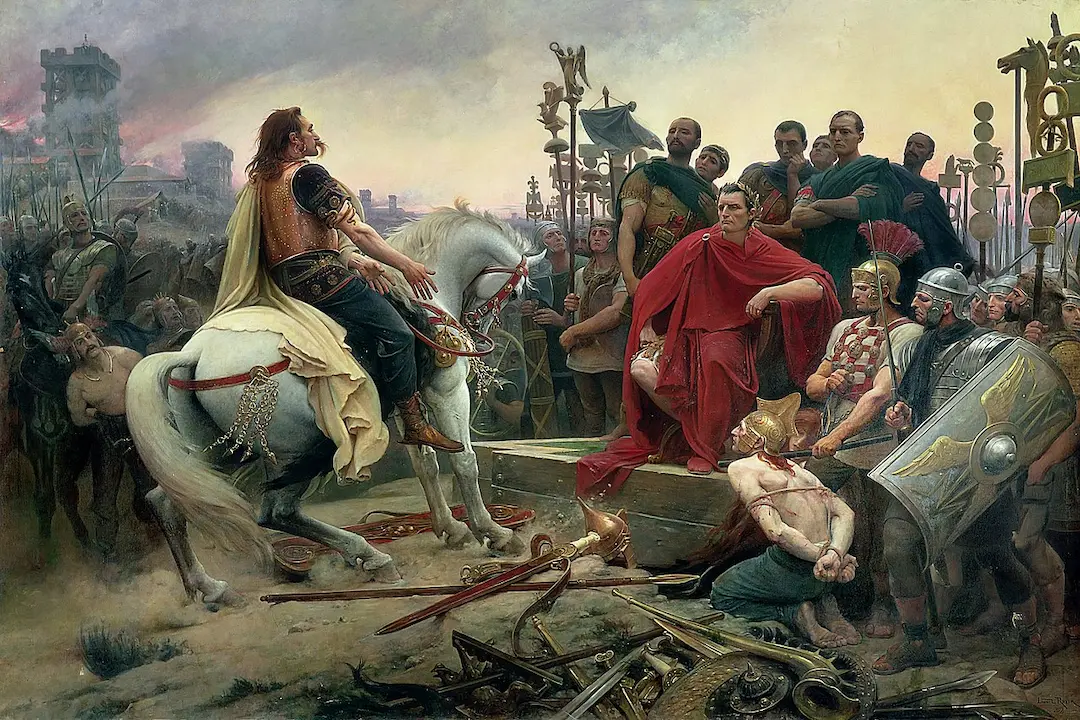
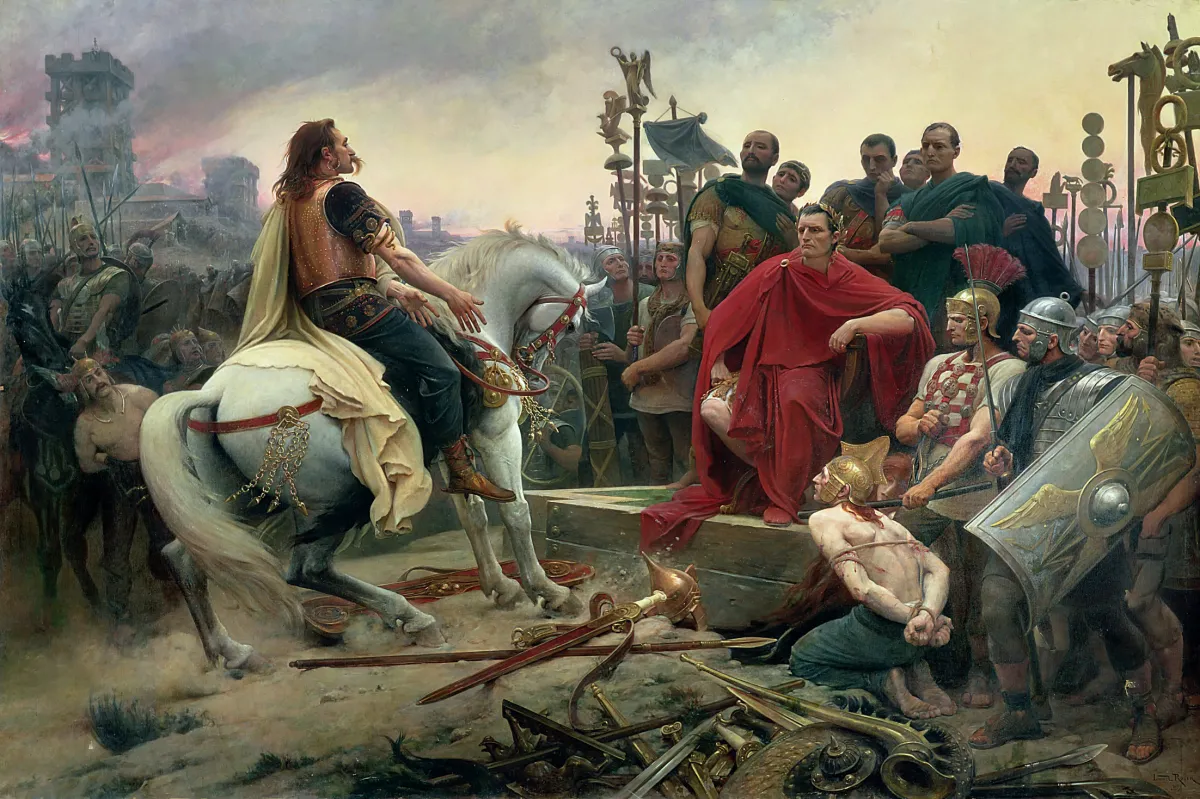
For art connoisseurs, a hand-painted oil painting like "Germanicus Devant Les Restes Des Légions De Varus" is a remarkable acquisition. Lionel Noel Royer’s work stands alongside celebrated pieces such as "Portrait of Comte D'Adhémar De Cransac" and "Vercingetorix Throwing down His Weapons at the feet of Julius Caesar." This masterpiece from the Academic Art movement is not only a testament to historical artistry but also a valuable addition for those seeking distinguished fine art pieces for their personal galleries.
When Art Meets History
"Germanicus Devant Les Restes Des Légions De Varus" by Lionel Noel Royer stands as a testament to the power of history in art. Painted in the distinguished Academic Art movement, this hand-painted oil painting captures the aftermath of a pivotal Roman defeat. Royer, renowned for his historical narratives, brings to life the emotional weight of Germanicus’s discovery. Similar to works like "Boy in Hessian costume from the Schwalm area near Ziegenhain," this masterpiece bridges the gap between past and present.
Techniques That Speak
Lionel Noel Royer’s mastery of oil on canvas is evident in every brushstroke of this painting. The artist utilizes the precise techniques characteristic of Academic Art to create lifelike textures and dramatic lighting. The composition guides the viewer’s eye across the devastated battlefield, echoing the detailed realism found in "Still Life: Objects of Art." This oil on canvas work demonstrates Royer’s dedication to historical accuracy and technical excellence, making it a standout among his peers.
Emotions on Display
The emotional intensity in "Germanicus Devant Les Restes Des Légions De Varus" is palpable. Royer skillfully conveys Germanicus’s grief and resolve, immersing viewers in the tragedy. Through expressive faces and somber colors, the painting evokes a powerful response, much like "Cupid" and "Drunken peasants." This fine art painting for sale is more than a visual record; it is a deeply moving portrayal of loss and leadership, inviting reflection on moments that shaped history.
Coveted by Collectors
For collectors of Academic Art, Lionel Noel Royer’s "Germanicus Devant Les Restes Des Légions De Varus" is a prized acquisition. The hand-painted oil painting exemplifies the movement’s grandeur and attention to historical detail. Its significance is comparable to sought-after works such as "Still Life with Fruit, Glass of Wine, 1863." Owning this piece means possessing a chapter of art history, making it a truly coveted treasure among fine art painting for sale today.
Related Academic Art Hand-Painted Oil Paintings by Other Artists
Other Famous Academic Art Artists:
Frequently Asked Questions About Germanicus Devant Les Restes Des Légions De Varus
What historical event does the painting depict?
The painting illustrates the aftermath of the Battle of the Teutoburg Forest in 9 AD, where the Roman general Germanicus is shown confronting the remains of the legions lost under Varus.
Who was Germanicus and why is he significant in Roman history?
Germanicus was a prominent Roman general and the nephew of Emperor Tiberius. He is significant for his military campaigns in Germania and his efforts to avenge the defeat of Varus, which had a lasting impact on Roman-German relations.
What artistic techniques did Lionel Noel Royer employ in this painting?
Royer utilized dramatic lighting and rich colors to enhance the emotional weight of the scene, employing a realistic style that captures both the grandeur and tragedy of the historical moment.
What symbols are present in the painting and what do they represent?
The broken standards and fallen armor symbolize the defeat and loss of the Roman legions, while Germanicus’s posture conveys a sense of mourning and determination to restore honor to Rome.
How does this painting reflect the themes of honor and tragedy in Roman culture?
The painting encapsulates the Roman ideals of honor and valor, juxtaposed with the tragedy of loss, illustrating the emotional and moral complexities faced by leaders in times of defeat.
What is the significance of the setting in the painting?
The desolate landscape serves as a stark reminder of the battlefield's devastation, emphasizing the gravity of the situation and the somber mood surrounding the remnants of the legions.
How does Royer’s portrayal of Germanicus contribute to our understanding of his character?
Royer's portrayal of Germanicus as a noble and reflective leader highlights his role as a compassionate figure, deeply affected by the loss of his soldiers, which adds depth to his historical persona.
In what ways does this painting serve as a commentary on leadership?
The painting serves as a commentary on the burdens of leadership, illustrating how leaders must grapple with the consequences of their decisions, particularly in the face of tragedy and loss.
What impact did the Battle of the Teutoburg Forest have on Roman military strategy?
The defeat at Teutoburg Forest led to significant changes in Roman military strategy, including a more cautious approach to expansion and a reevaluation of the Roman approach to warfare in Germania.
How does this artwork fit into the broader context of 19th-century historical painting?
This artwork exemplifies the 19th-century trend of historical painting, where artists sought to capture significant moments from the past, blending dramatic narrative with a focus on realism and emotional depth.























_GFM_Painting_(1).webp)


 100% Hand-Painted: Finished in 3-6 Weeks

.png)















_(1).webp)