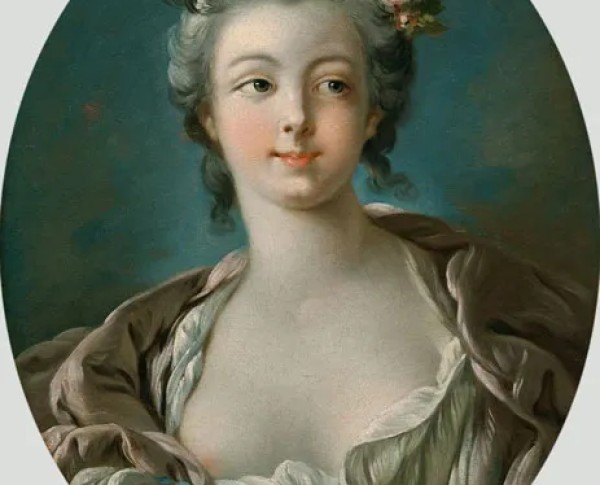
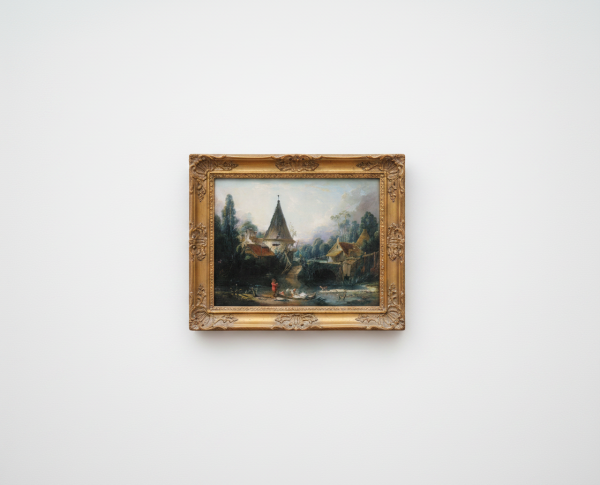
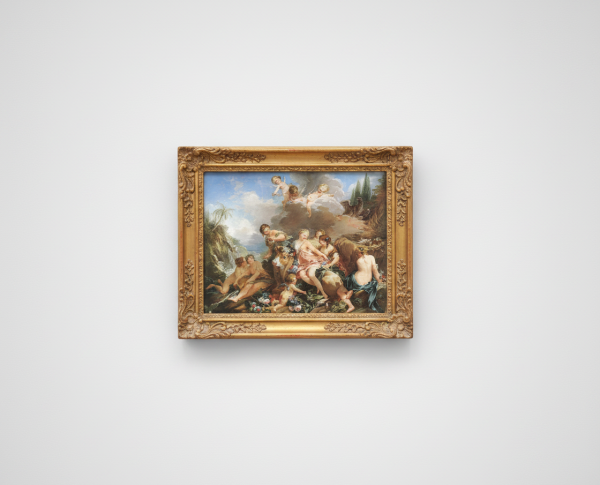
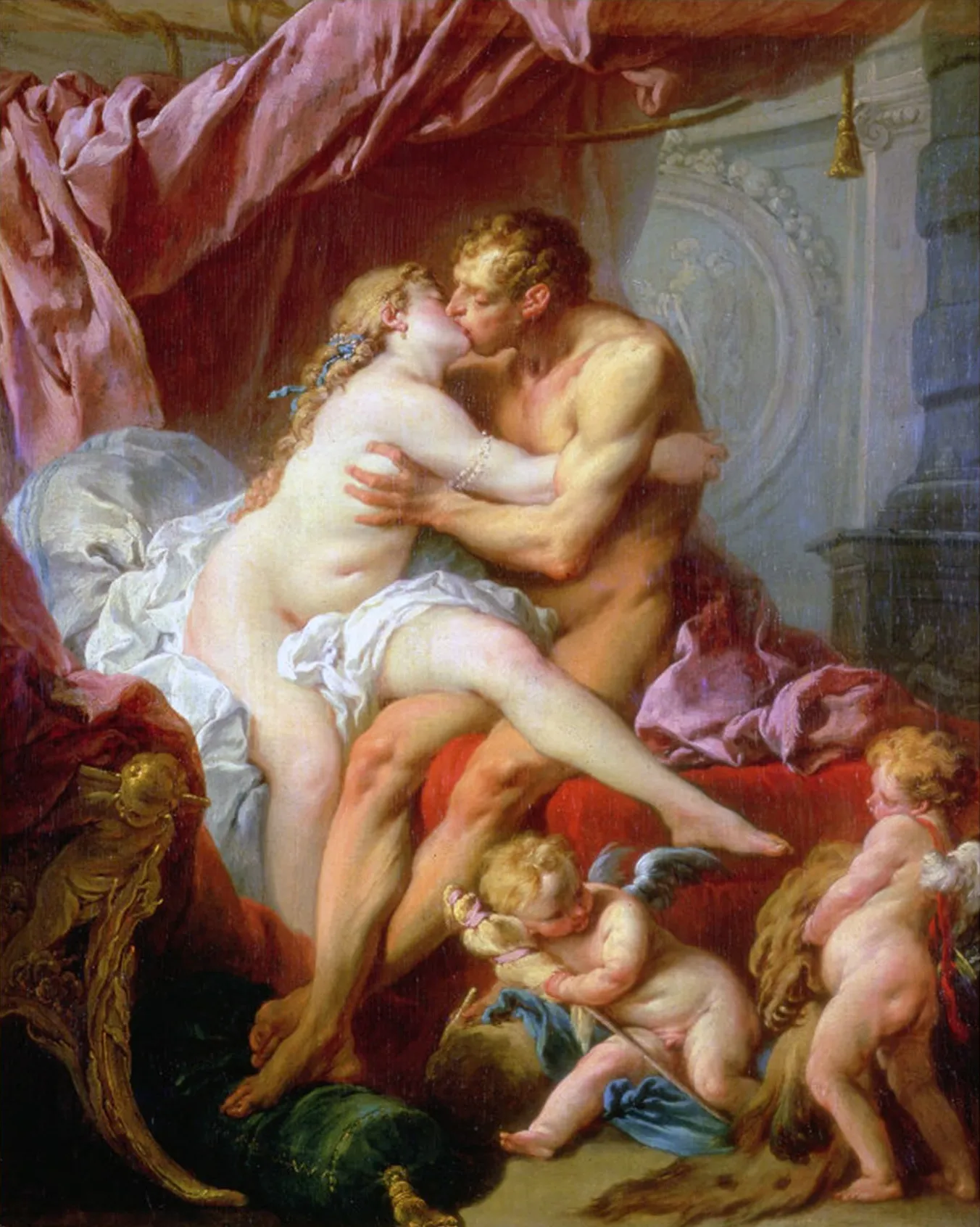
Francois Boucher’s technique in this oil on canvas artwork demonstrates his exceptional skill and attention to detail. With soft, flowing brushwork, he captures the gentle contours and intricate textures that define the Rococo style. Collectors can appreciate similar artistry in related works such as "Seated Nude" and "The Painter in his Studio," all of which highlight the enduring allure of Boucher’s oil on canvas masterpieces.
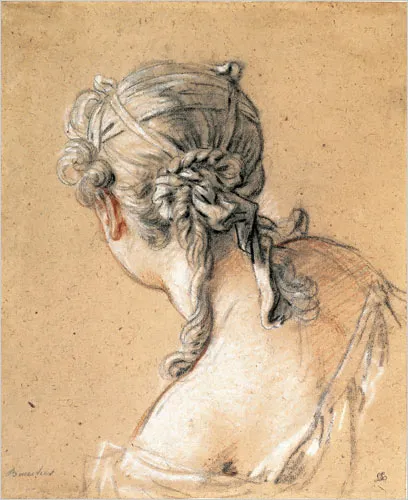
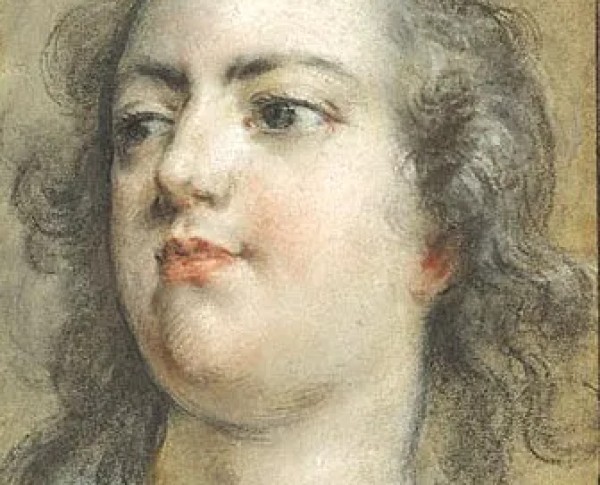
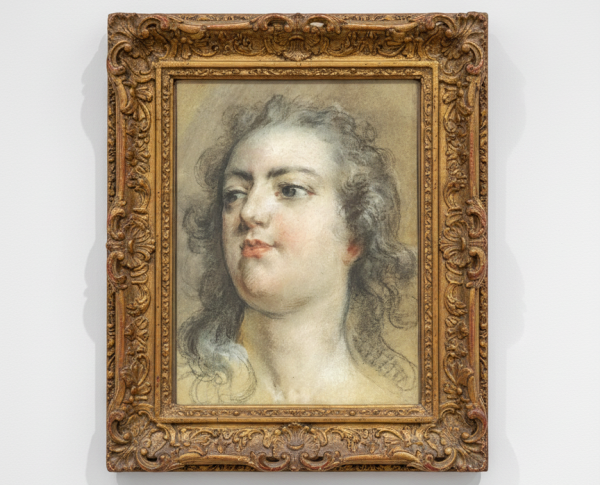
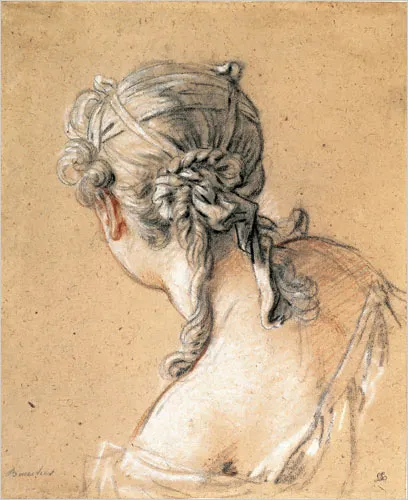
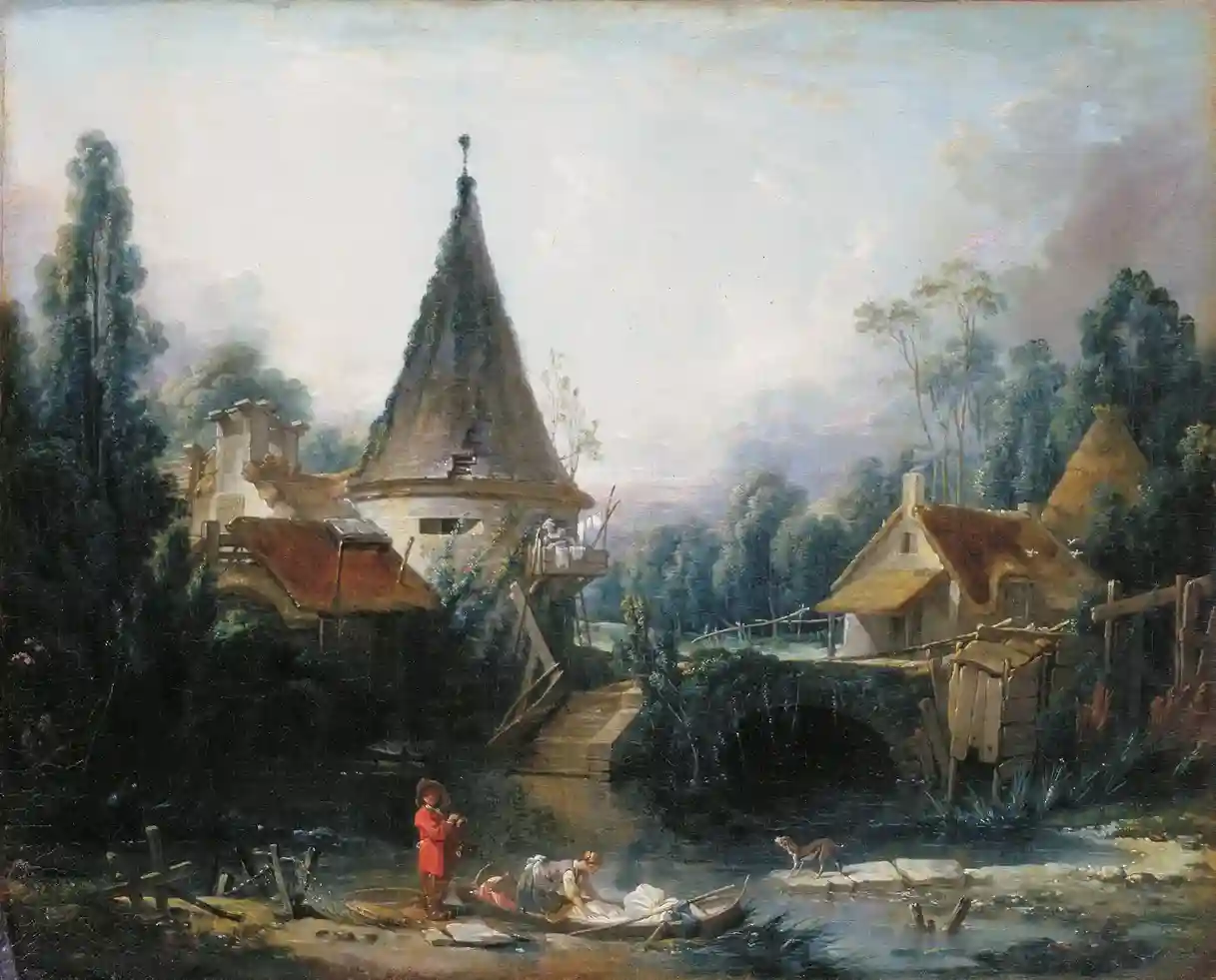
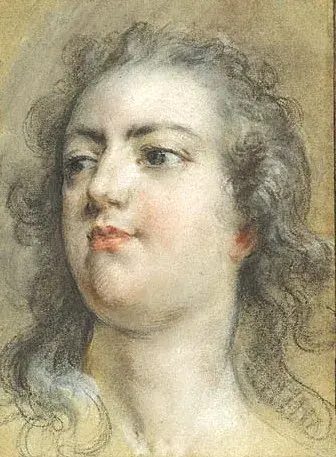
The enigmatic pose in "Head of a Woman from Behind" invites viewers to imagine the subject’s story and the symbolism behind her turned gaze. As a fine art painting for sale, it offers a glimpse into the private moments celebrated by the Rococo movement. Boucher’s narrative approach is echoed in pieces like "The Rest on the Flight into Egypt" and "Landscape near Beauvais early," each telling their own unique visual story.
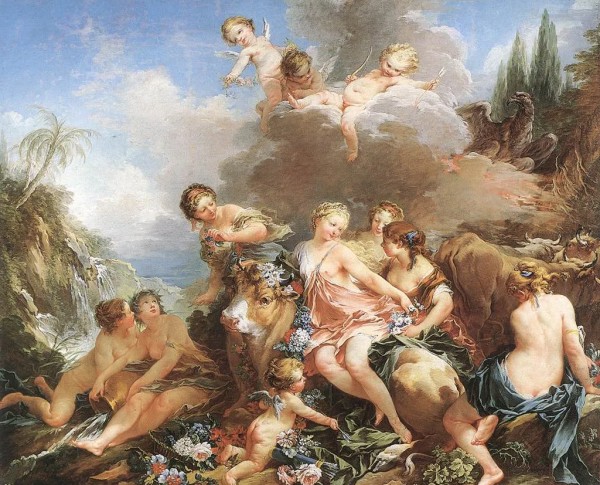
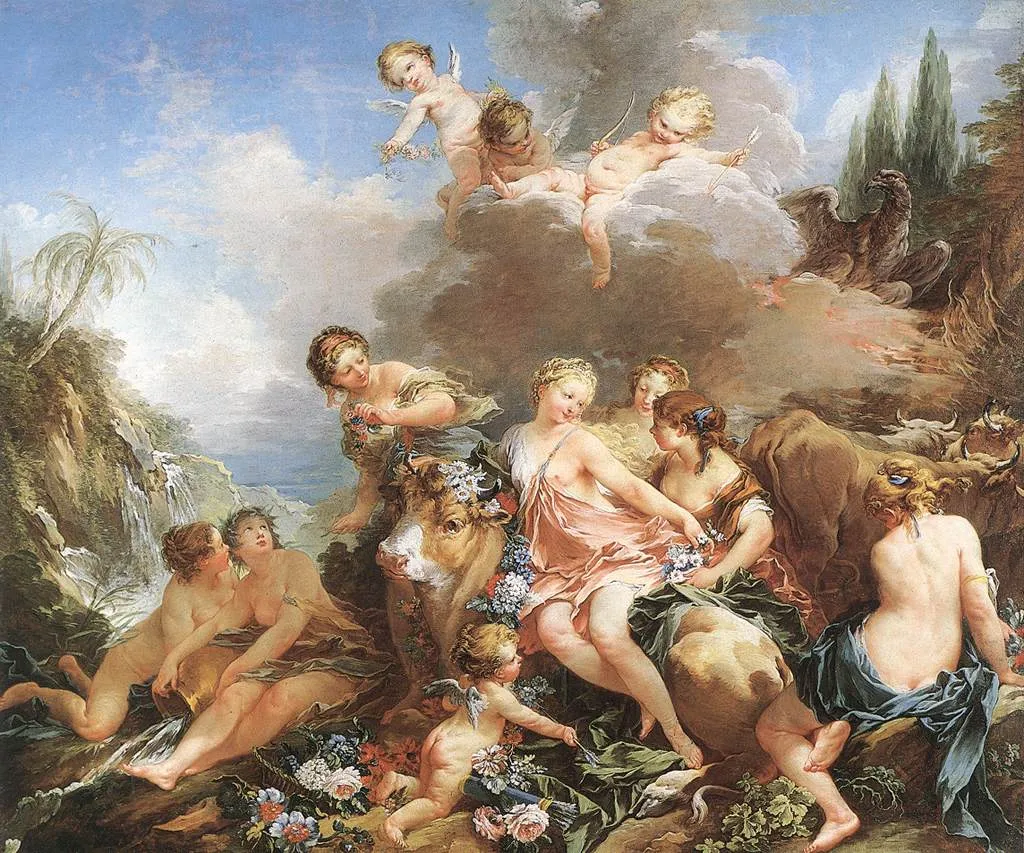
For art lovers, acquiring "Head of a Woman from Behind" means owning a hand-painted oil painting that epitomizes Rococo refinement. Francois Boucher’s work is revered among collectors, and this piece is an exquisite complement to related products such as "The beautiful kitchen" and "The Rape of Europa." Its timeless appeal and artistic significance make it a fine art painting for sale that stands out in any collection.
When Art Meets History
"Head of a Woman from Behind" by Francois Boucher is a captivating example of the Rococo movement, renowned for its elegance and lightness. Painted during the 18th century, this hand-painted oil painting reflects the era's fascination with grace and beauty. Boucher, also known for works like "Ducal Palace, Venice, c.1755" and "The Piazza San Marco in Venice," masterfully captures the spirit of his time, making this piece a significant contribution to art history.
Techniques That Speak
Francois Boucher employs exquisite oil on canvas techniques in "Head of a Woman from Behind," showcasing his remarkable skill. The delicate brushwork and subtle color palette highlight the Rococo movement's signature style. Boucher’s technique can also be admired in related paintings such as "Venice: A Regatta on the Grand Canal" and "View of the Mills of Dolo on the Brenta." Each stroke in this masterpiece demonstrates the artist’s refined approach to capturing softness and realism.
Emotions on Display
This fine art painting for sale reveals a quiet intimacy, as Boucher captures the gentle pose and hidden face of his subject. The emotional resonance of "Head of a Woman from Behind" lies in its intriguing perspective, inviting viewers to imagine the woman's story. Similar emotional depth can be found in Boucher’s "The Bucintoro," where subtle gestures and expressions evoke a sense of mystery and elegance characteristic of the Rococo movement.
Coveted by Collectors
Collectors highly value "Head of a Woman from Behind" for its historical significance and artistry within the Rococo movement. As a hand-painted oil painting by Francois Boucher, it stands alongside masterpieces such as "Ducal Palace, Venice, c.1755" and "View of the Mills of Dolo on the Brenta." The painting’s timeless charm and masterful execution make it a sought-after treasure for anyone seeking a fine art painting for sale that embodies elegance and sophistication.
Related Rococo Hand-Painted Oil Paintings by Other Artists
Other Famous Rococo Artists:
Frequently Asked Questions About Head of a Woman from Behind
What is the historical context of "Head of a Woman from Behind"?
This painting by Francois Boucher was created during the Rococo period in the 18th century, a time characterized by ornate detail, light colors, and playful themes. Boucher was a prominent figure in this movement, which celebrated beauty and sensuality.
What artistic techniques did Boucher employ in this painting?
Boucher utilized soft brushwork and a delicate color palette to create a sense of intimacy and warmth. The use of light and shadow enhances the three-dimensionality of the subject, drawing the viewer's eye to the contours of the woman's head and hair.
What does the composition of the painting signify?
The composition, featuring the woman’s head turned away from the viewer, invites contemplation and mystery. This angle emphasizes the beauty of the subject while also suggesting themes of allure and the unseen, common in Rococo art.
How does "Head of a Woman from Behind" reflect Boucher's style?
This work exemplifies Boucher’s signature style, characterized by an emphasis on sensuality and femininity. His ability to capture the softness of the female form and the subtleties of expression is evident in this piece.
What symbolism can be found in the depiction of the woman?
The woman’s profile, viewed from behind, symbolizes mystery and the allure of femininity. This perspective often evokes a sense of longing and curiosity, inviting viewers to imagine the thoughts and emotions of the subject.
In what ways does this painting connect to the themes of the Rococo period?
The painting embodies Rococo themes of love, beauty, and the pleasures of life. The focus on the female figure reflects the era's fascination with romanticism and the celebration of the human form in an intimate manner.
What influence did Boucher have on later artists?
Boucher's work significantly influenced the development of 18th-century French art and beyond. His emphasis on color, light, and the portrayal of the female figure can be seen in the works of later artists, including Jean-Honoré Fragonard and Élisabeth Louise Vigée Le Brun.
What materials were likely used in the creation of this painting?
Boucher typically worked with oil paints on canvas, a medium that allowed for rich color and texture. The use of oil paint also facilitated the blending of tones, contributing to the soft and luminous quality of the work.
How does this painting compare to other works by Boucher?
What is the significance of the title "Head of a Woman from Behind"?
The title emphasizes the focus on the woman's head and the choice of perspective. It invites viewers to engage with the subject in a way that is both personal and detached, reflecting the duality of attraction and mystery often found in Boucher's work.























_GFM_Painting_(1).webp)


 100% Hand-Painted: Finished in 3-6 Weeks

.png)















_(1).webp)