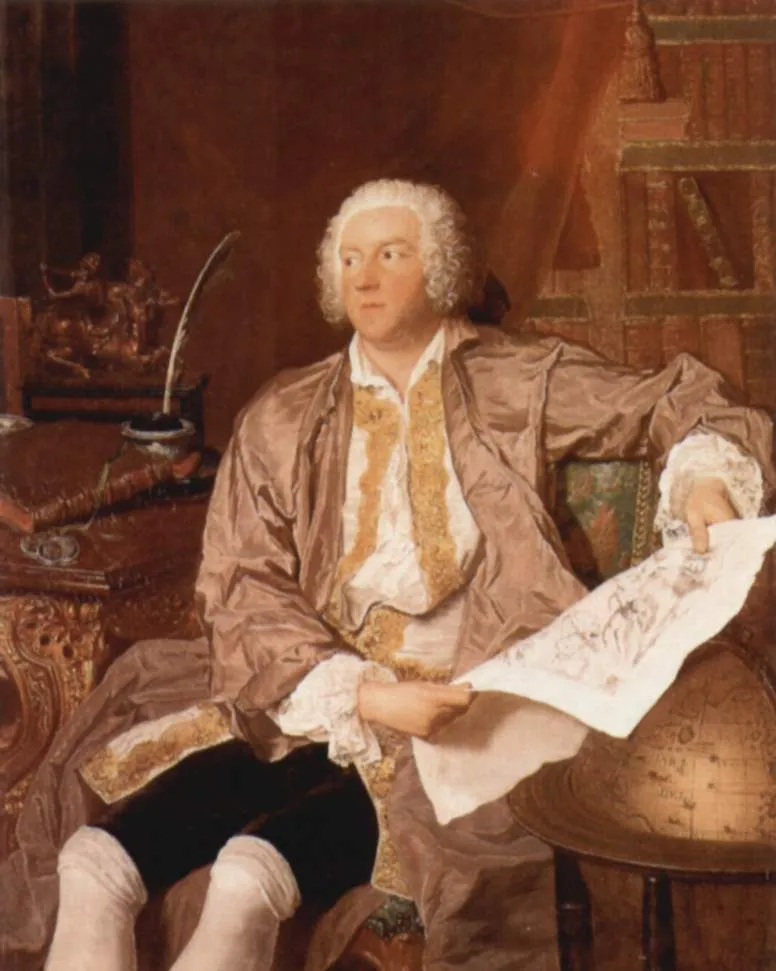
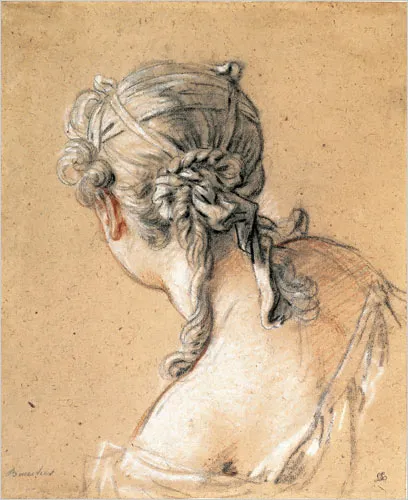
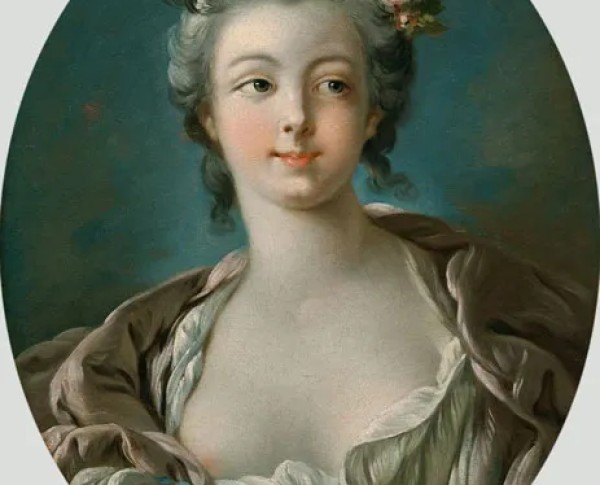
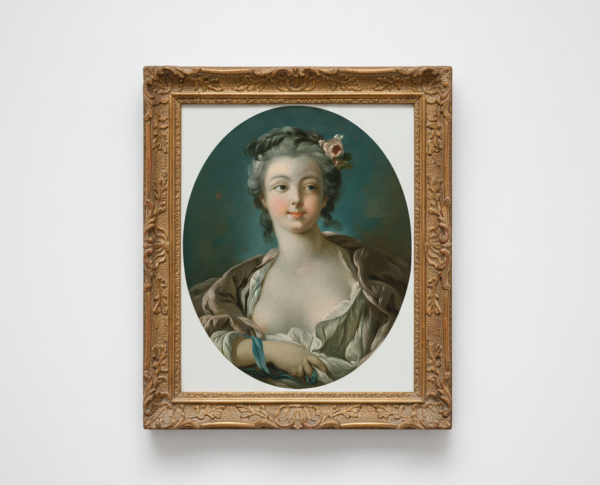
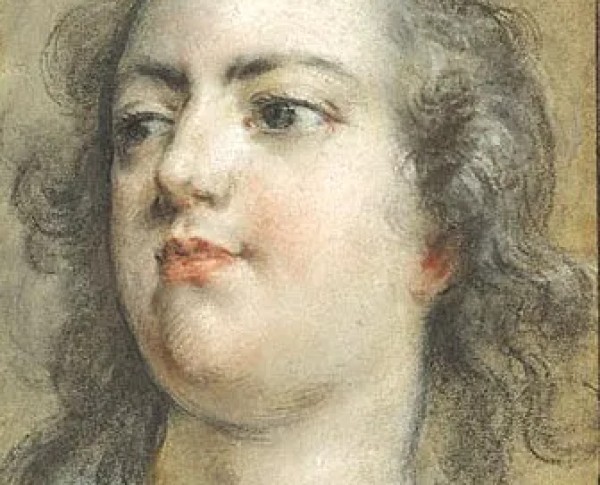
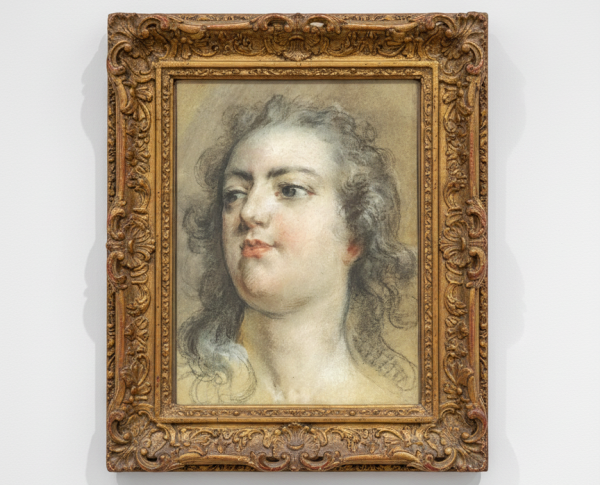
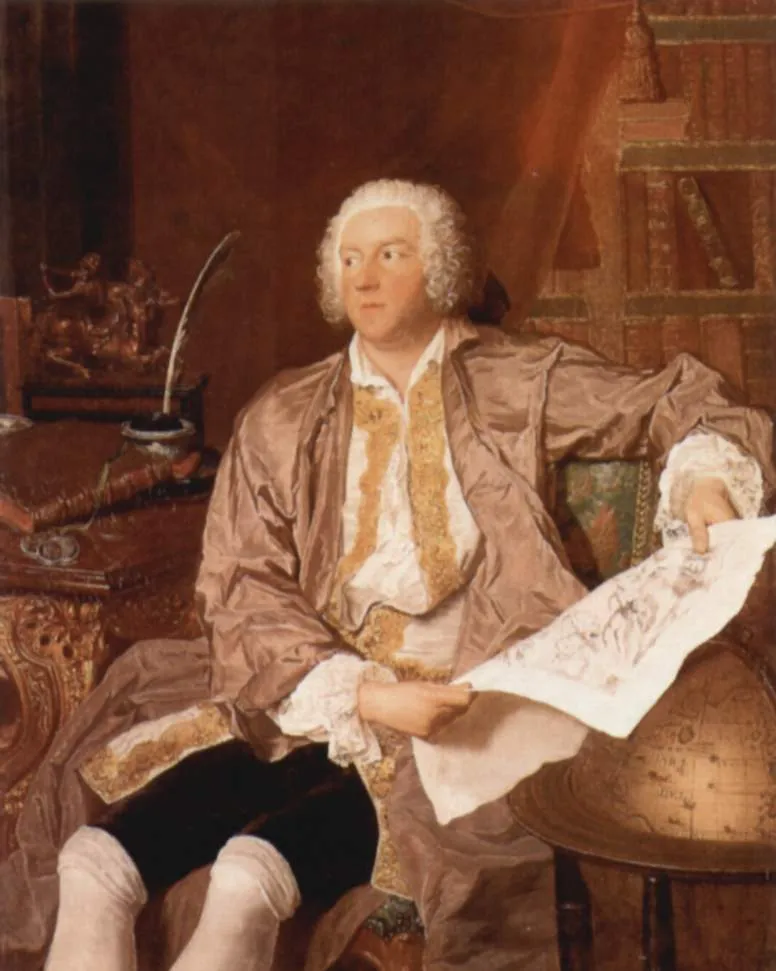
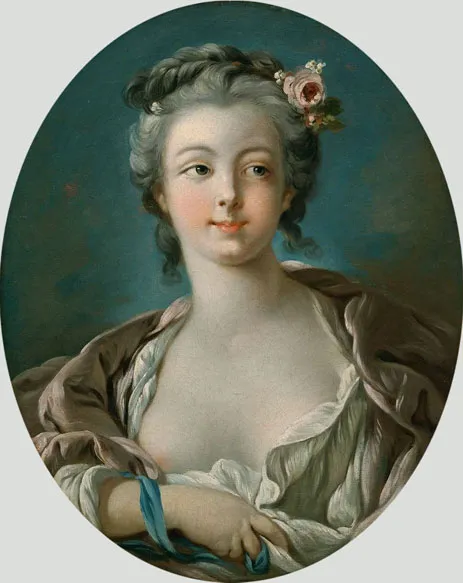
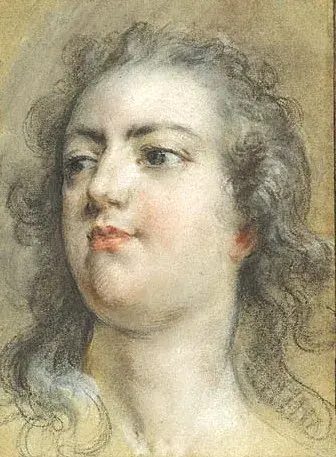
The "Portrait of Carl Gustaf Tessin" exemplifies Boucher’s skill with oil on canvas, seamlessly blending delicate brushwork with soft Rococo hues. Each stroke reveals the artist’s dedication to capturing personality and luxury, qualities seen in related pieces such as "Head of a Woman from Behind" and "Young Woman with Flowers in Her Hair wrongly called Portrait of Madame Boucher." This oil on canvas remains a stunning representation of Rococo elegance in portraiture.
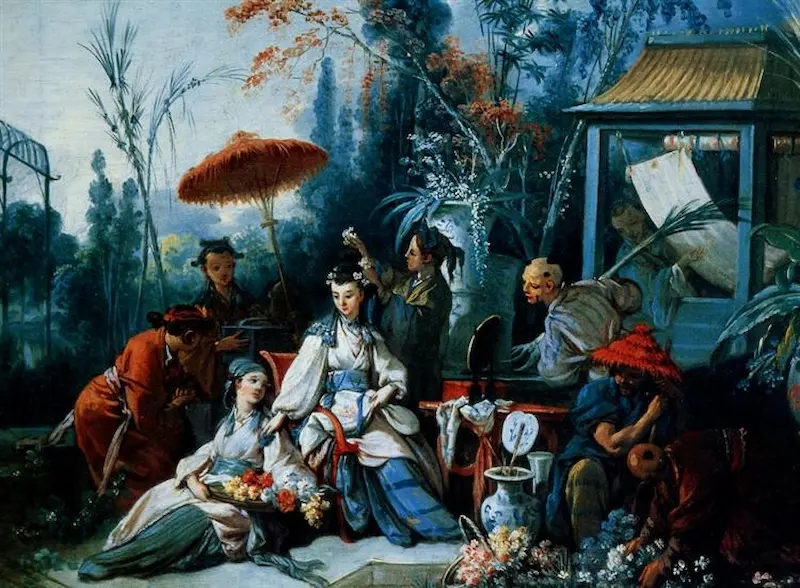
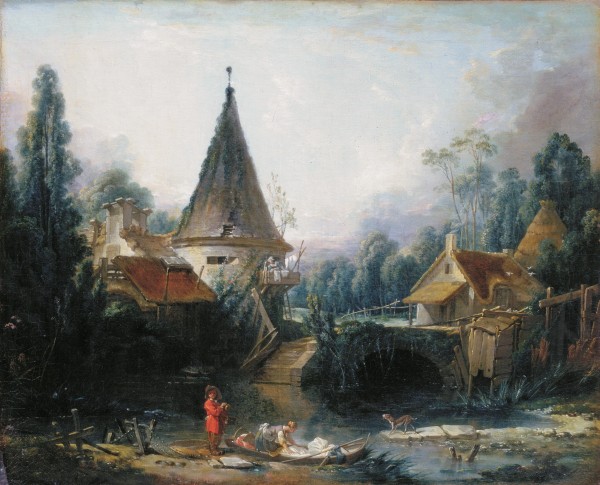
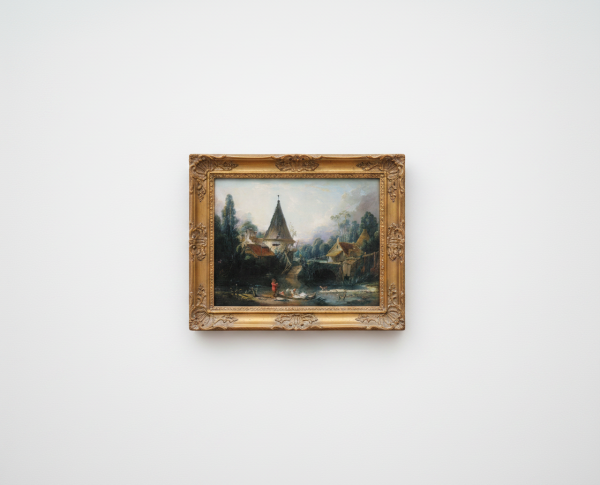
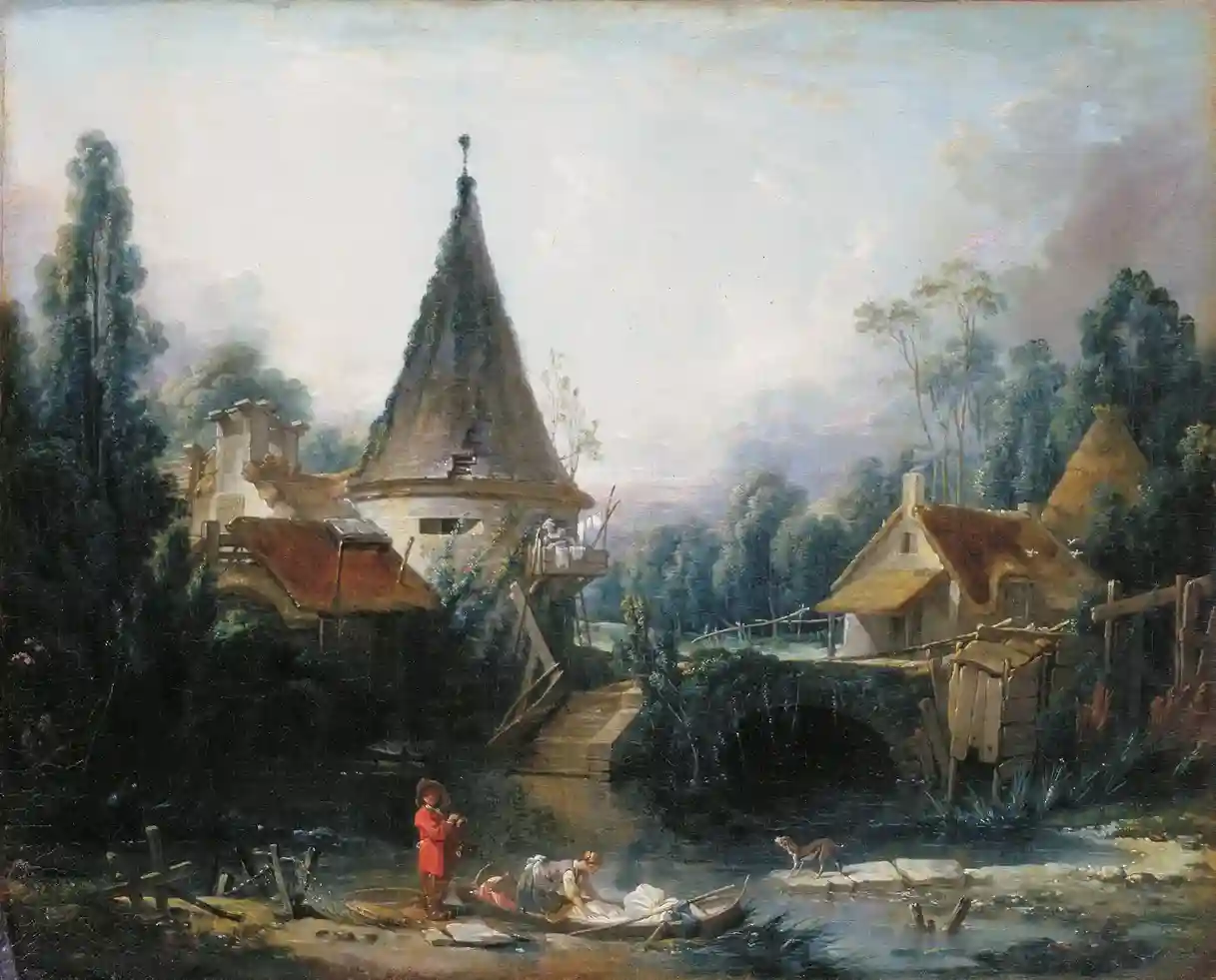
Within this fine art painting for sale, Boucher infuses subtle storytelling through costume, pose, and background. The "Portrait of Carl Gustaf Tessin" not only immortalizes a prominent patron but also hints at the cultural exchange between France and Sweden during the Rococo era. Similar narrative richness can be found in Boucher’s "Landscape near Beauvais early" and "Charms of Country Life," making these masterpieces highly sought after by collectors.
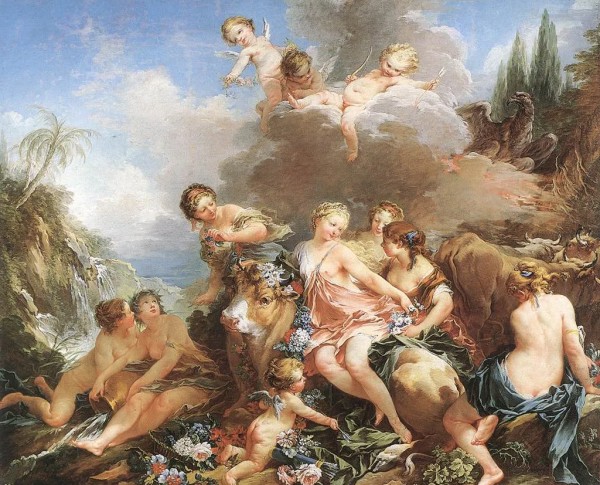
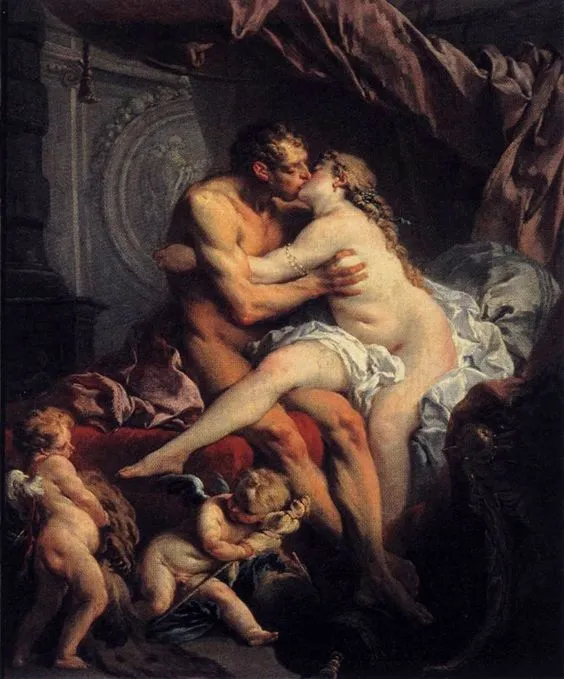
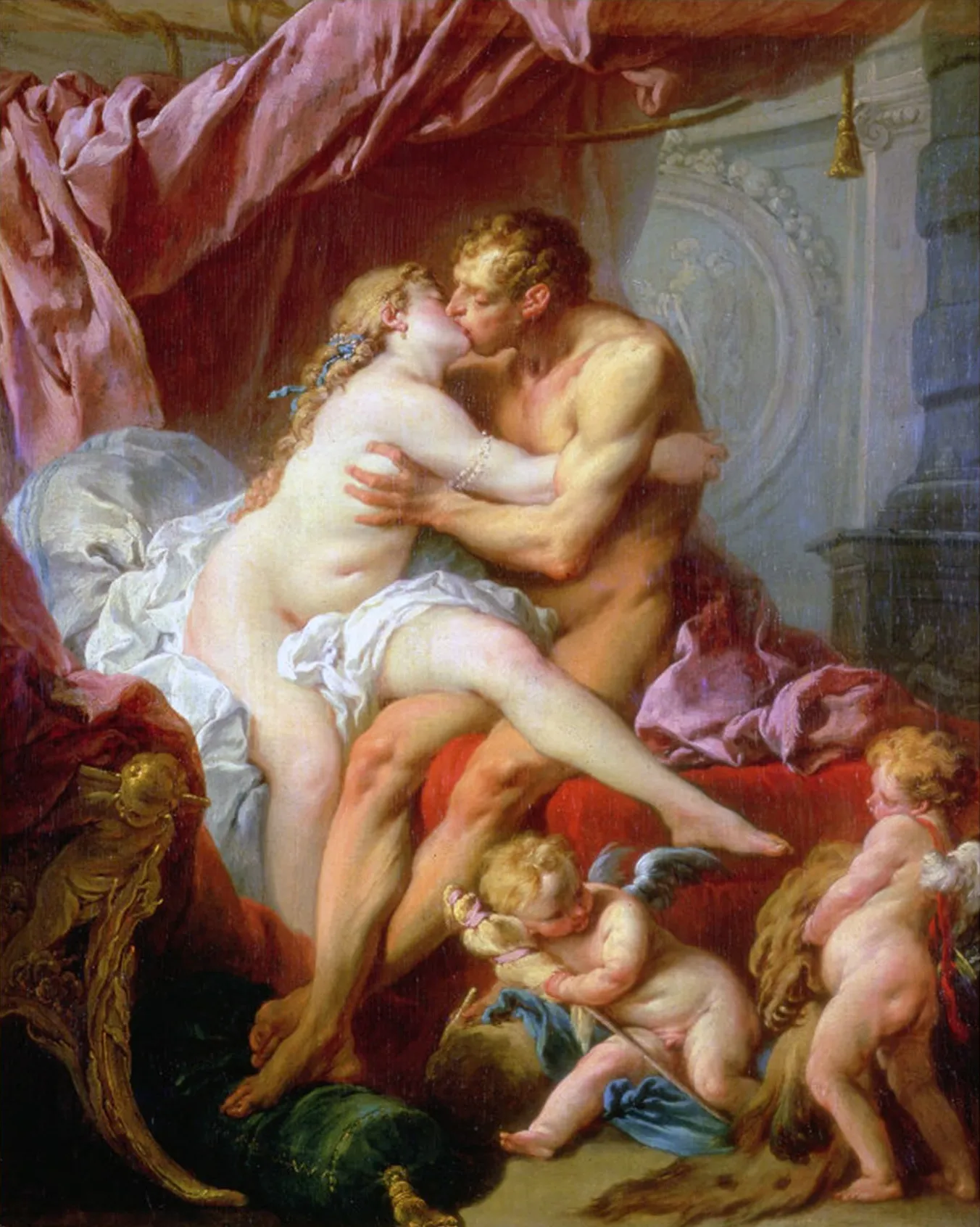
Owning a hand-painted oil painting like "Portrait of Carl Gustaf Tessin" brings home a piece of Rococo history. Francois Boucher’s celebrated craftsmanship ensures that each artwork is not just a visual delight but also a valuable collector’s item. Art lovers seeking a fine art painting for sale often explore related products, such as "Charms of Country Life" or "Hercules and Omfala," to enrich their collections with timeless elegance and cultural significance.
When Art Meets History
"Portrait of Carl Gustaf Tessin" by Francois Boucher is a remarkable example of the Rococo movement, blending historical context with exquisite artistry. Created by the masterful French painter, this hand-painted oil painting captures the essence of 18th-century elegance. The work reflects Boucher’s close relationship with his patrons, including Tessin himself. Like his contemporaries who painted "View of the Mills of Dolo on the Brenta" or "The Piazza San Marco in Venice," Boucher’s portraits are windows into a refined era.
Techniques That Speak
Francois Boucher’s "Portrait of Carl Gustaf Tessin" demonstrates his virtuosity with oil on canvas, a medium favored by artists of the Rococo period. The delicate brushwork and vibrant palette highlight Boucher’s ability to render textures and fabrics with lifelike precision. This painting shares its technical brilliance with masterpieces such as "The Entrance to the Grand Canal, Venice, c.1730" and "Ducal Palace, Venice, c.1755," showcasing the artist’s command of light and shadow.
Emotions on Display
The "Portrait of Carl Gustaf Tessin" radiates the charm and sophistication characteristic of Rococo fine art painting for sale. Francois Boucher infuses the subject with warmth and subtle expression, inviting viewers to connect with Tessin’s personality. This emotional depth places the painting alongside works like "The Bucintoro," where the interplay of mood and setting creates a captivating narrative. Boucher’s sensitive portrayal captures both the individual and the spirit of his time.
Coveted by Collectors
As a celebrated hand-painted oil painting, Francois Boucher’s "Portrait of Carl Gustaf Tessin" remains highly sought after by collectors and art lovers. Its status within the Rococo movement and connection to related paintings like "The Piazza San Marco in Venice" and "The Entrance to the Grand Canal, Venice, c.1730" enhance its desirability. This masterpiece is a testament to Boucher’s enduring influence and the lasting appeal of 18th-century French portraiture.
Related Rococo Hand-Painted Oil Paintings by Other Artists
Other Famous Rococo Artists:
Frequently Asked Questions About Portrait of Carl Gustaf Tessin
Who was Carl Gustaf Tessin?
Carl Gustaf Tessin was a prominent Swedish statesman and diplomat in the 18th century, known for his contributions to Swedish culture and the arts, as well as his role in the development of the Swedish Academy.
What artistic style is "Portrait of Carl Gustaf Tessin" associated with?
This portrait is associated with the Rococo style, characterized by its ornate detail, vibrant colors, and a sense of playful elegance, which was prevalent in the 18th century.
What is the significance of the color palette used in the painting?
The color palette features soft pastels and rich hues, which are typical of Boucher's work. These colors evoke a sense of warmth and intimacy, reflecting the personality and status of Tessin.
How does Boucher's technique contribute to the portrayal of Tessin?
Boucher's technique, characterized by fluid brushwork and delicate detailing, enhances the lifelike quality of Tessin's features, capturing both his physical likeness and his dignified presence.
What elements in the painting symbolize Tessin's status?
Elements such as the luxurious fabrics, the ornate setting, and the careful attention to detail in Tessin's attire symbolize his high social standing and his role as a patron of the arts.
What is the historical context of the painting?
The painting was created during a time of cultural flourishing in Europe, particularly in France, where artists like Boucher were redefining portraiture and contributing to the Rococo movement.
How does "Portrait of Carl Gustaf Tessin" reflect the values of its time?
The portrait reflects the values of the Rococo period, emphasizing beauty, elegance, and the celebration of individual identity, which were central to the cultural discourse of the 18th century.
What role did François Boucher play in the art world of his time?
François Boucher was a leading figure in the Rococo movement, known for his decorative style and ability to convey sensuality and charm in his works, influencing many artists and the direction of French art.
What impact did this portrait have on subsequent portraiture?
This portrait set a precedent for future portraiture by emphasizing personality and character over mere likeness, influencing the way subjects were depicted in the years to come.
Where can I view "Portrait of Carl Gustaf Tessin" today?
The painting is housed in a prominent art collection, where it can be viewed by the public, allowing visitors to appreciate Boucher's artistry and Tessin's historical significance.























_GFM_Painting_(1).webp)


 100% Hand-Painted: Finished in 3-6 Weeks

.png)















_(1).webp)