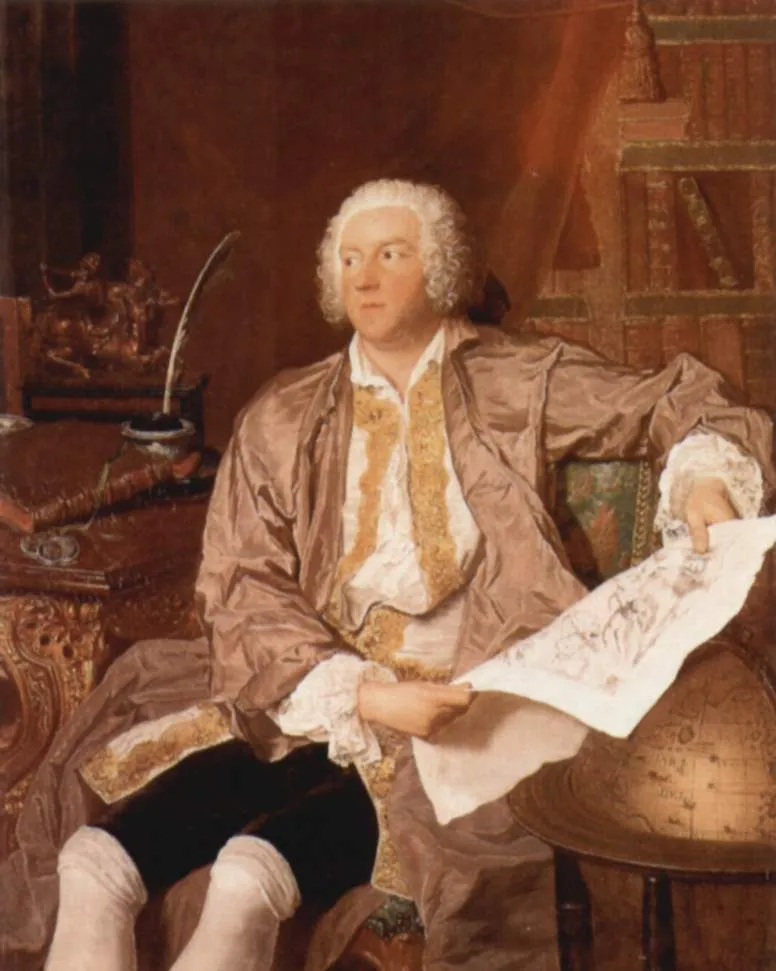
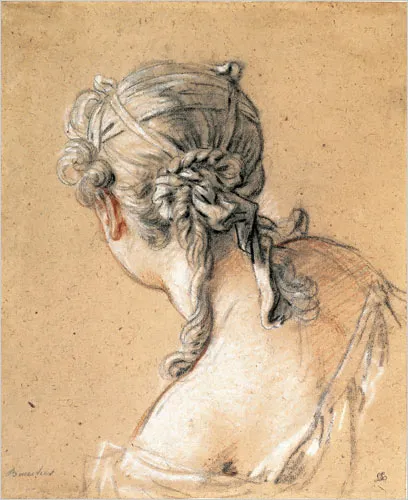
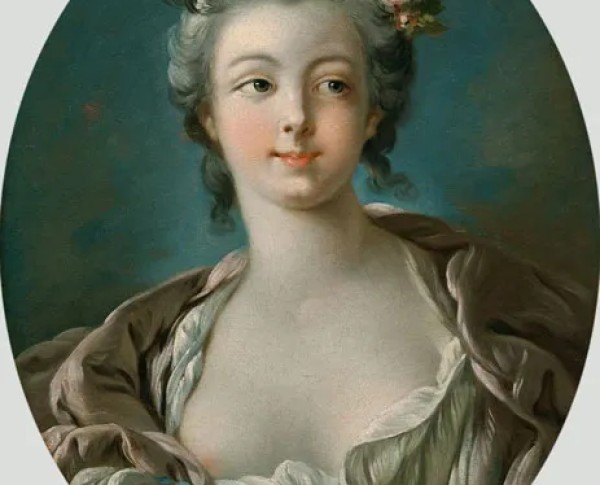
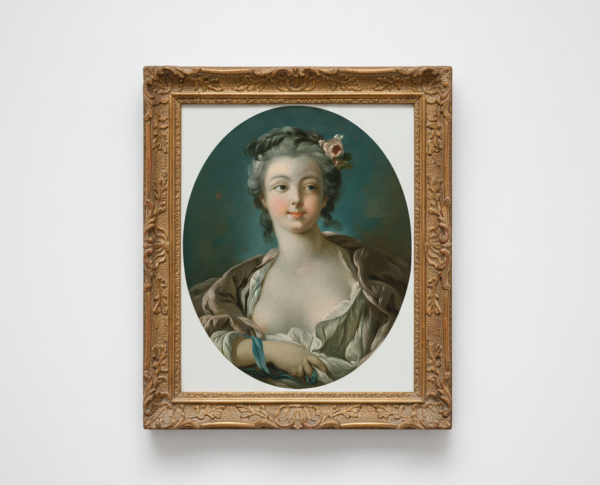
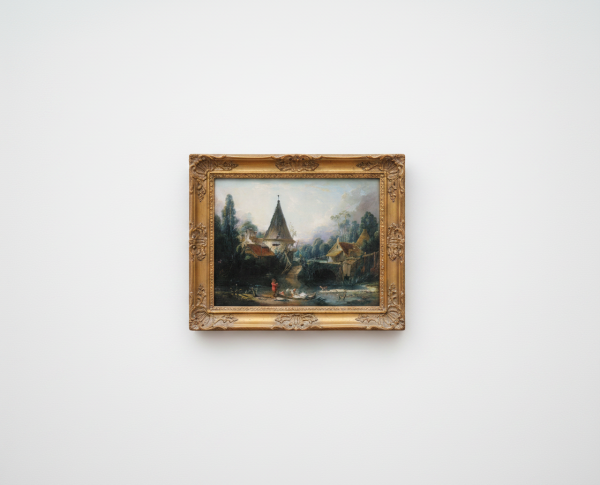
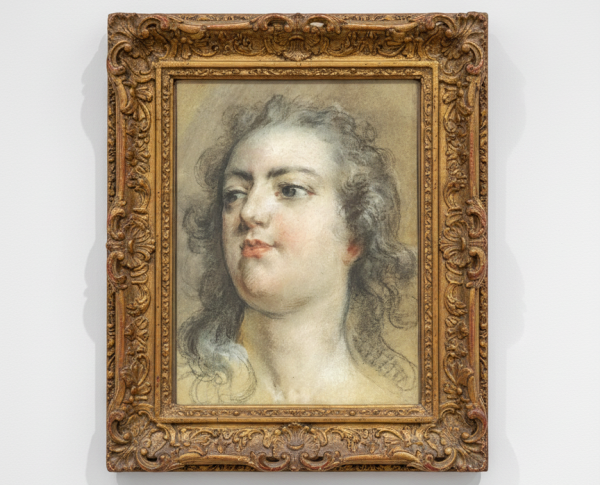
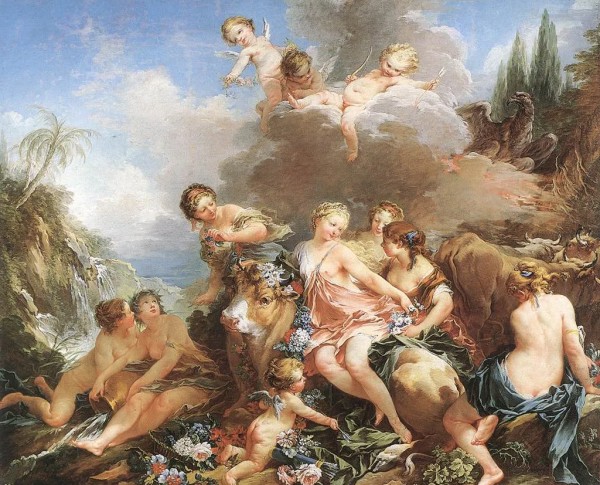
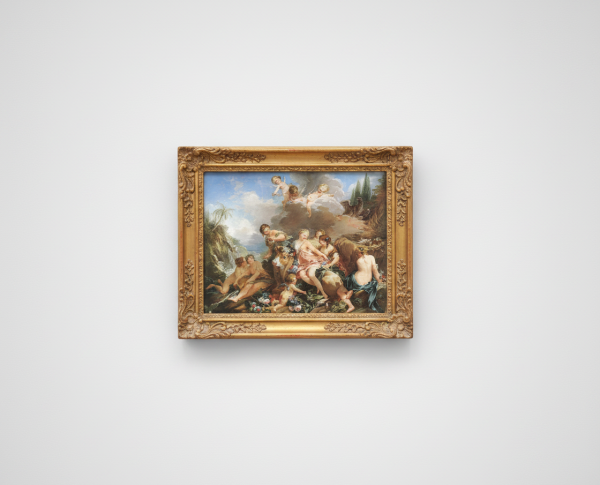
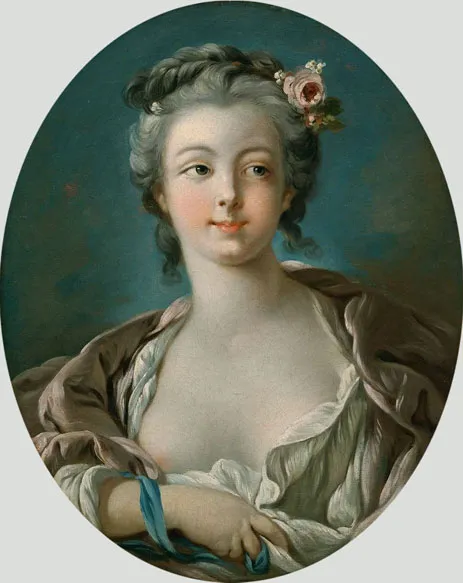
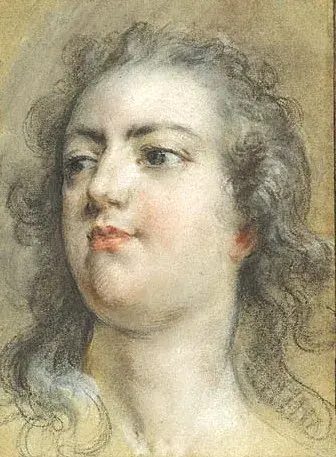
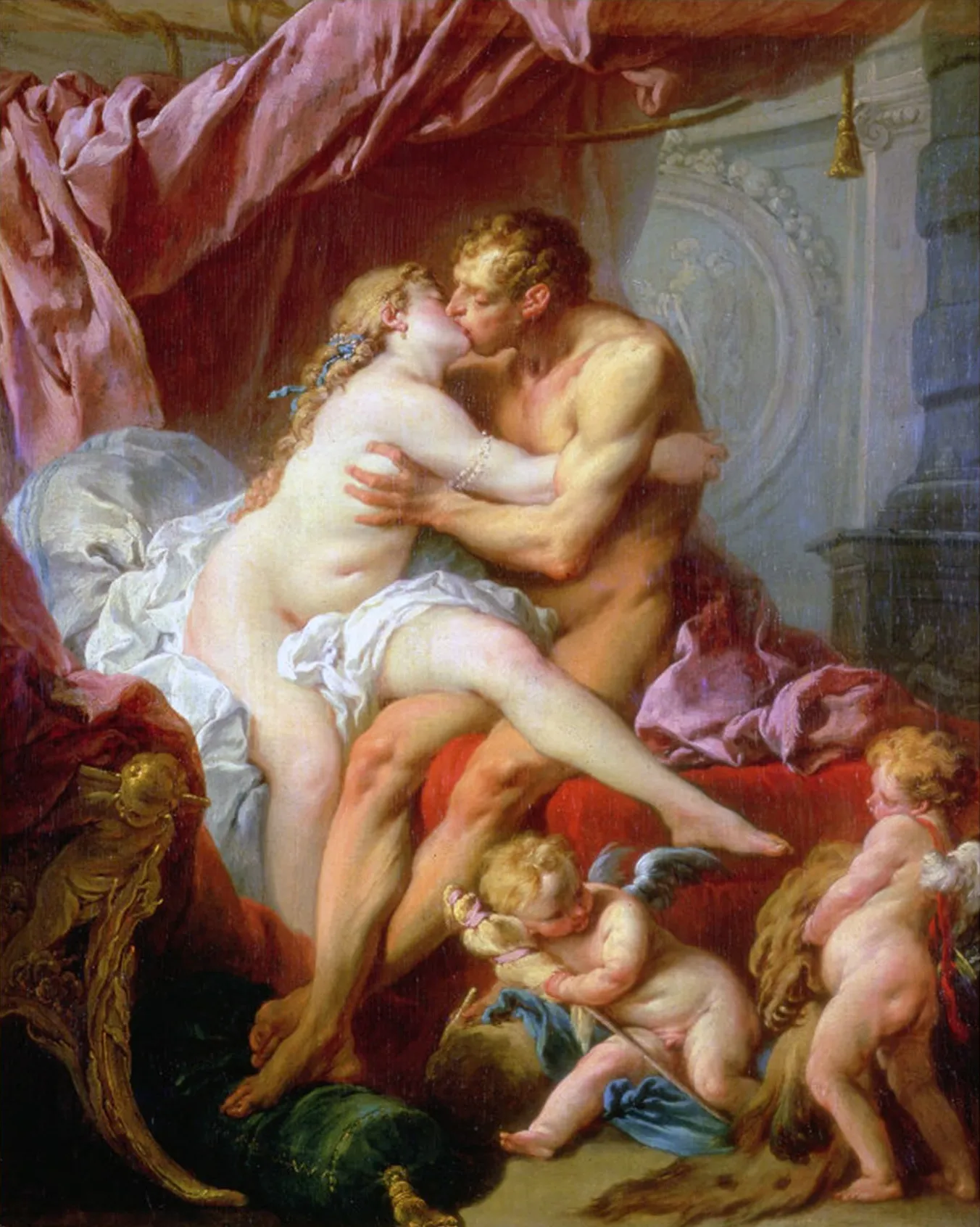
The intricate details and lush textures in "Hercules and Omphale" showcase Boucher’s expertise in oil on canvas. Each brushstroke reveals his dedication to creating depth, softness, and dynamic movement within the composition. Collectors who appreciate this level of craftsmanship often seek out related masterpieces, such as "Head of King Louis XV" or "Young Woman with Flowers in Her Hair wrongly called Portrait of Madame Boucher," to enhance their collections of Rococo art.
"Hercules and Omphale" is more than just a fine art painting for sale; it is a visual narrative rich with symbolism. Boucher brings to life the playful reversal of roles between Hercules and Omphale, a favorite theme in Rococo art. Through his composition, he invites viewers to explore layers of meaning, much like his other celebrated works from the era, which continue to captivate art historians and collectors alike.
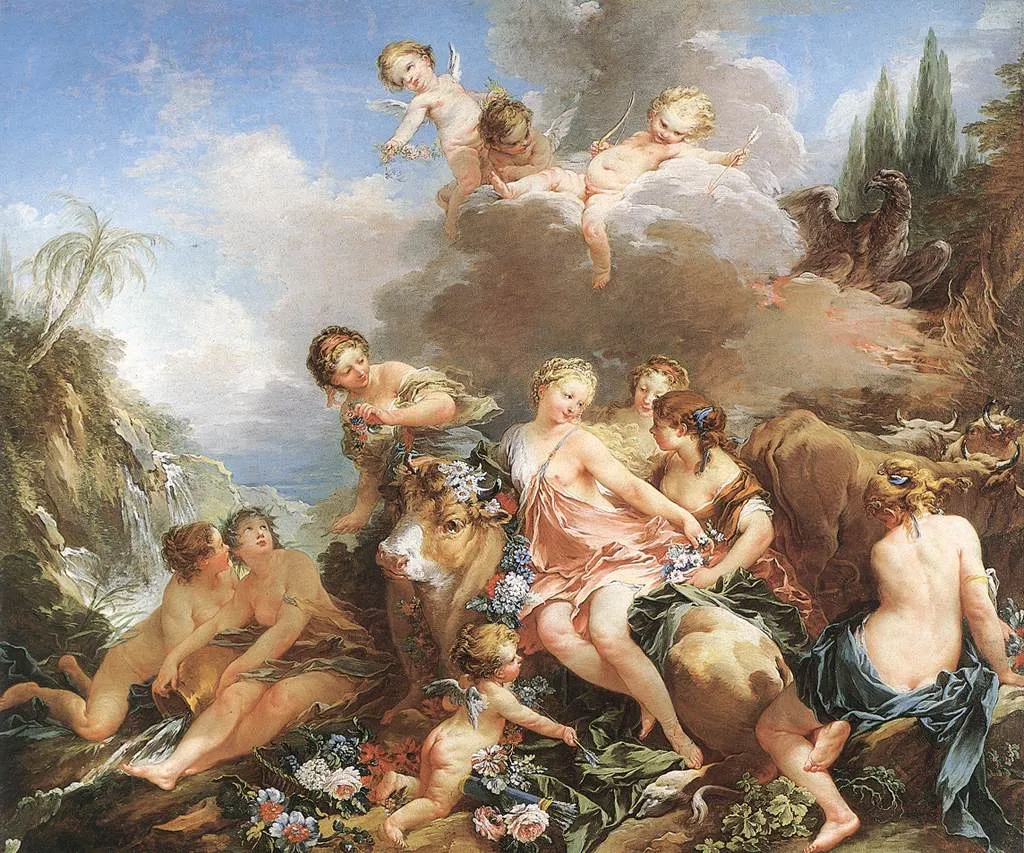
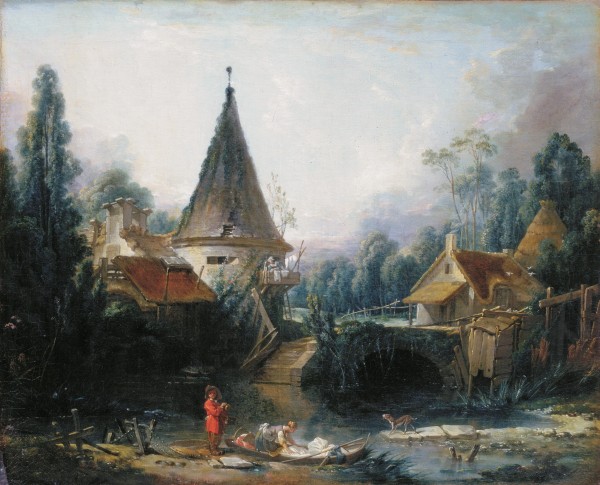
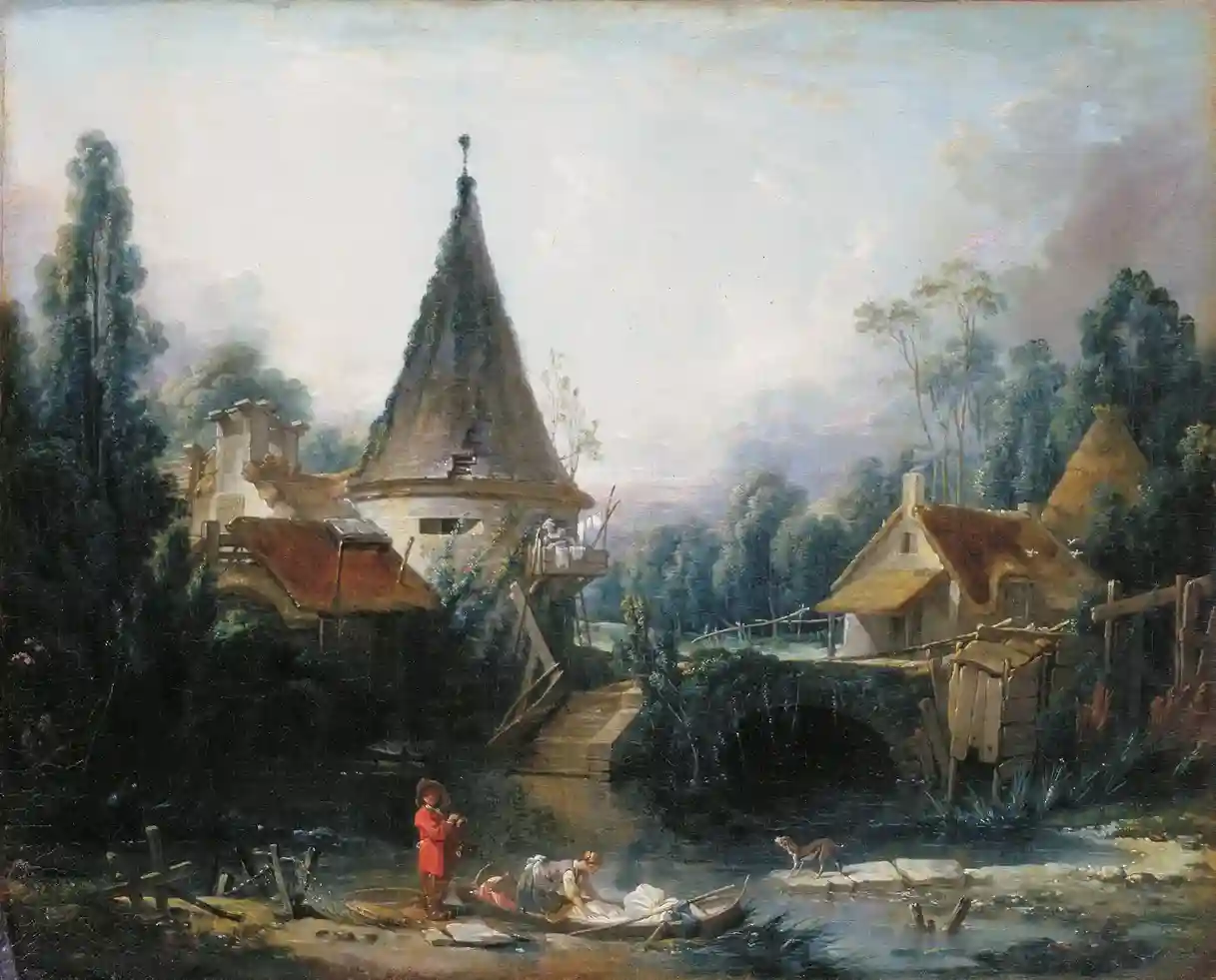
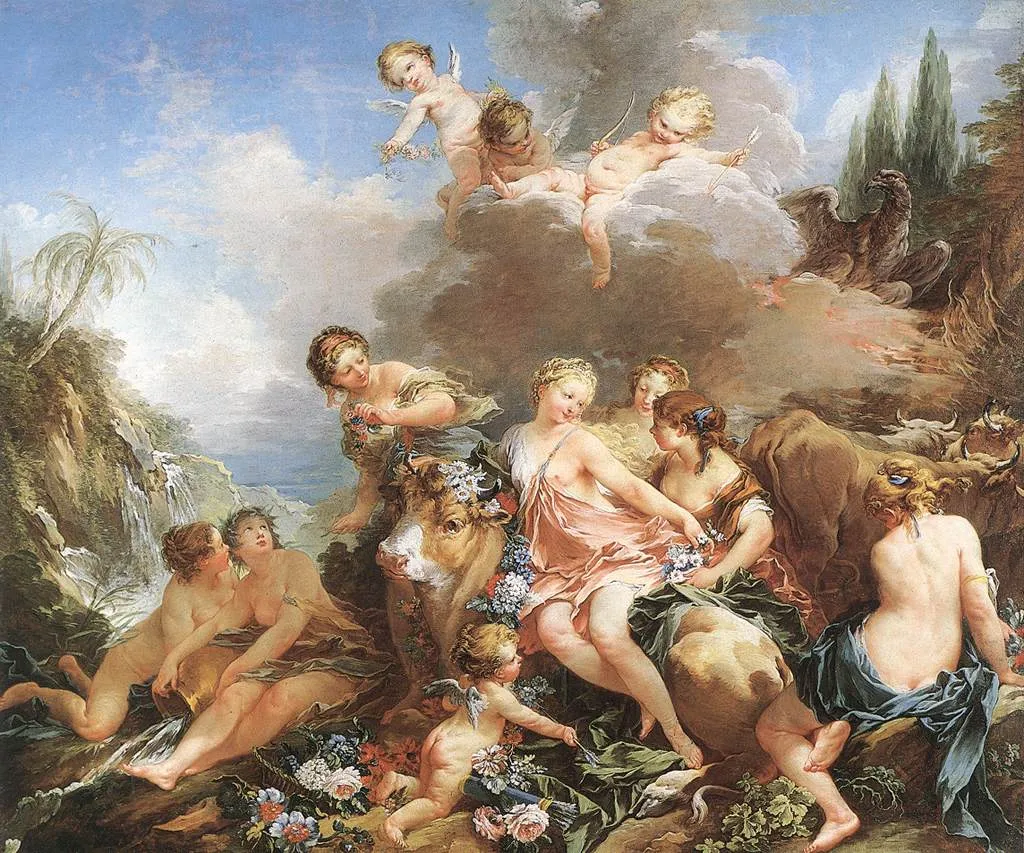
For those seeking a hand-painted oil painting that embodies the spirit of the Rococo movement, "Hercules and Omphale" by François Boucher is a prized acquisition. Its historical significance and exquisite execution make it a standout among fine art painting for sale. Pairing this masterpiece with related works like "Landscape near Beauvais early" or "The Rape of Europa" creates a collection that exemplifies the opulence and refinement of 18th-century French art.
When Art Meets History
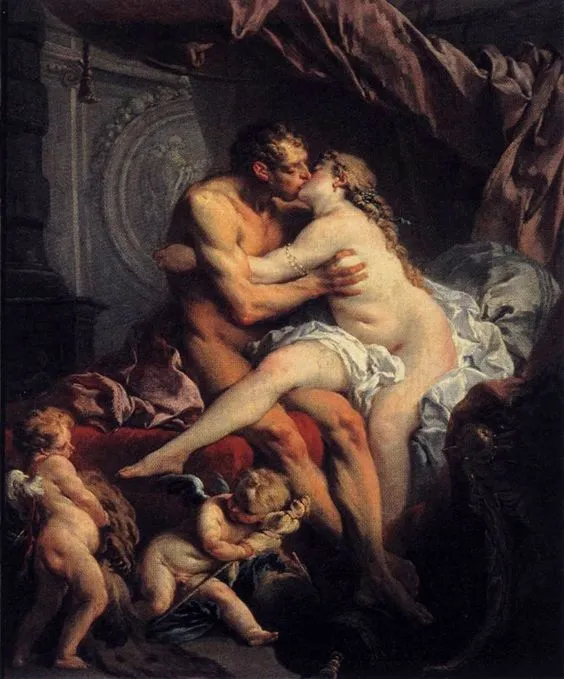
Francois Boucher’s "Hercules and Omphale" stands as a testament to the Rococo movement’s fascination with mythological tales and lavish aesthetics. This hand-painted oil painting beautifully captures the legendary moment when Hercules, stripped of his heroic garb, serves Omphale. Boucher’s mastery is evident in every brushstroke, echoing the vibrancy found in related works like "The Piazza San Marco in Venice" and "View of the Mills of Dolo on the Brenta". Such pieces offer a window into 18th-century artistic sensibilities.
Techniques That Speak
Boucher’s "Hercules and Omphale" exemplifies the Rococo era’s technical grace with its delicate use of oil on canvas. The intricate details, soft pastel hues, and fluid lines are reminiscent of his other masterpieces, such as "The Bucintoro, Ducal Palace, Venice, c.1755". The artist’s technique brings a sense of movement and intimacy to the scene, making this oil on canvas a true celebration of Rococo artistry and storytelling.
Emotions on Display
In "Hercules and Omphale," Francois Boucher channels the emotional complexity of myth through expressive gestures and playful interaction. The figures’ tender connection is heightened by the Rococo palette, infusing the fine art painting for sale with warmth and sensuality. Similar emotional depth is seen in works like "The Stonemason's Yard," inviting viewers to experience both vulnerability and strength in a single glance, hallmarks of Boucher’s celebrated approach.
Coveted by Collectors
As a renowned example of Rococo art, "Hercules and Omphale" by Francois Boucher is highly sought after among art aficionados. Its status as a hand-painted oil painting elevates its desirability, placing it alongside related masterpieces like "The Piazza San Marco in Venice." Collectors value such works not only for their historical significance but also for their enduring beauty, making them exceptional additions to any fine art collection.
Related Rococo Hand-Painted Oil Paintings by Other Artists
Other Famous Rococo Artists:
Frequently Asked Questions About Hercules and Omphale
What is the historical context of "Hercules and Omphale"?
"Hercules and Omphale" was painted by Francois Boucher in the 18th century, a period characterized by the Rococo style, which emphasized ornate detail and playful themes. The painting reflects the fascination with classical mythology that was prevalent during this time.
Who are the main figures depicted in the painting?
The painting features Hercules, the legendary hero of Greek mythology, and Omphale, the queen of Lydia. Their relationship is central to the narrative, showcasing themes of power dynamics and gender roles.
What themes are explored in "Hercules and Omphale"?
The painting explores themes of strength and submission, as well as the complexities of love and power. It juxtaposes Hercules' heroic masculinity with Omphale's authoritative femininity, challenging traditional gender roles.
What artistic techniques did Boucher use in this painting?
Boucher employed soft, flowing lines and a vibrant color palette typical of the Rococo style. His use of light and shadow enhances the sensuality of the figures and creates a dreamlike atmosphere.
How does the composition of the painting contribute to its meaning?
The composition features a dynamic arrangement of figures, with Omphale seated in a position of dominance over Hercules. This positioning visually reinforces the theme of power exchange between the two characters.
What symbolism can be found in the painting?
The painting is rich in symbolism, with Hercules' club and Omphale's spindle representing the duality of strength and domesticity. The juxtaposition of these objects highlights the complexities of their relationship.
What influences did Boucher draw upon for this work?
Boucher was influenced by classical mythology and the works of earlier artists, including Nicolas Poussin. His interpretation of the mythological narrative reflects the Rococo interest in sensuality and elegance.
How does "Hercules and Omphale" reflect Rococo art principles?
The painting embodies Rococo principles through its playful subject matter, ornate details, and emphasis on lightness and grace. The intimate portrayal of the figures invites viewers into a whimsical narrative.
What was the reception of "Hercules and Omphale" during Boucher's time?
Upon its completion, the painting was well-received and admired for its technical skill and imaginative subject matter. Boucher's work was celebrated in the French court, aligning with the tastes of the aristocracy.
What is the significance of the characters' attire in the painting?
The attire of Hercules and Omphale is significant as it reflects their respective roles. Hercules is depicted in a more vulnerable state, while Omphale's luxurious garments signify her power and status, enhancing the painting's thematic depth.























_GFM_Painting_(1).webp)


 100% Hand-Painted: Finished in 3-6 Weeks

.png)















_(1).webp)