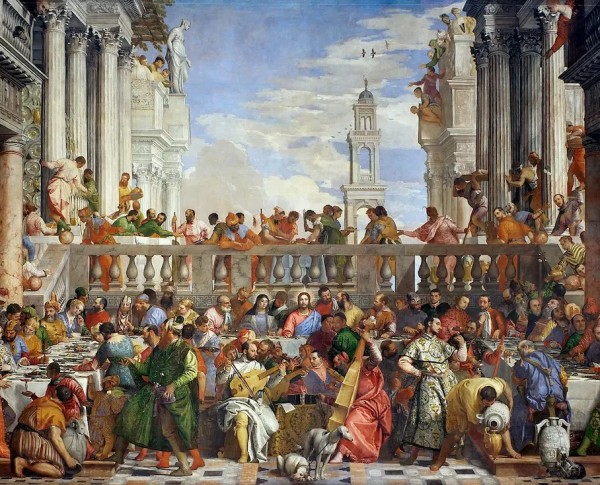
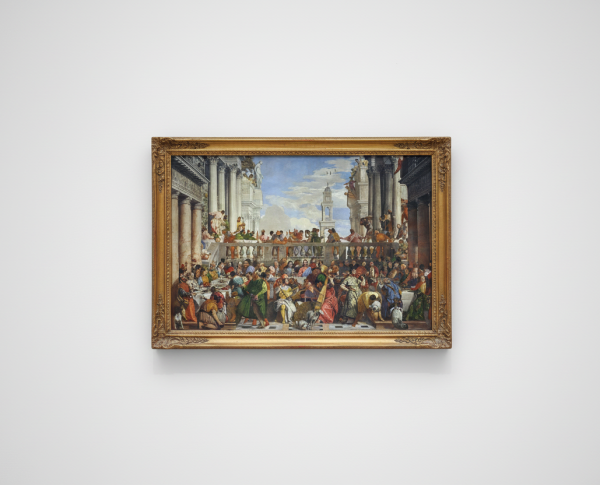
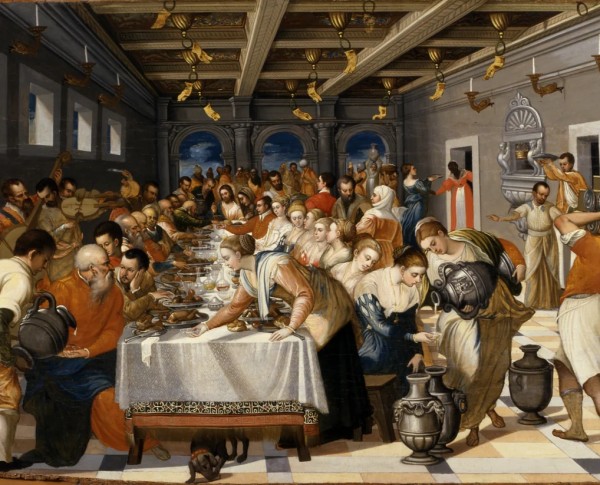
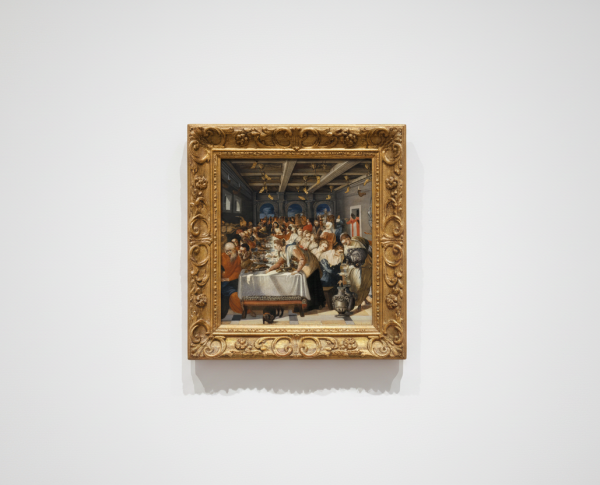
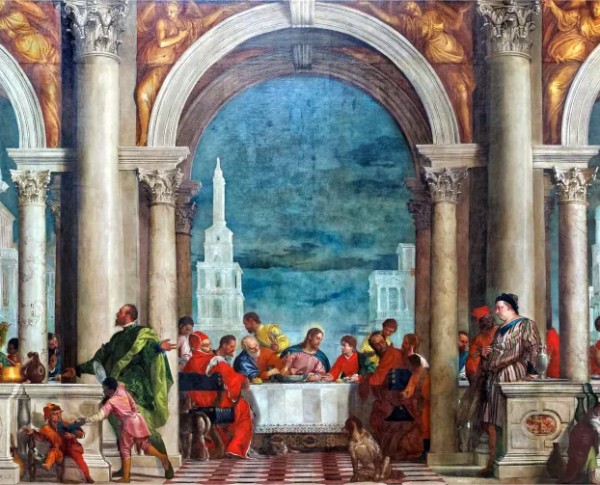
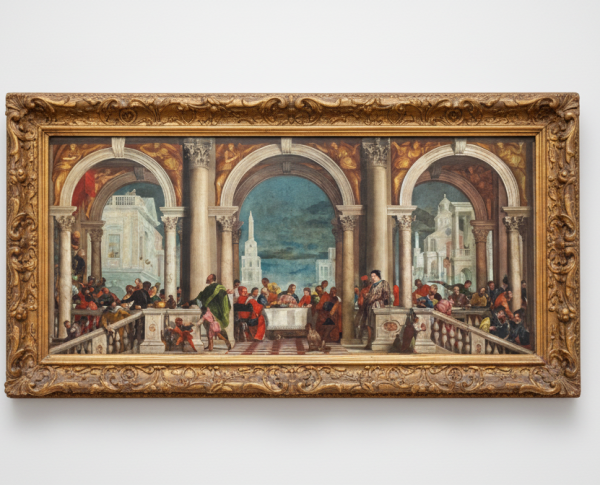
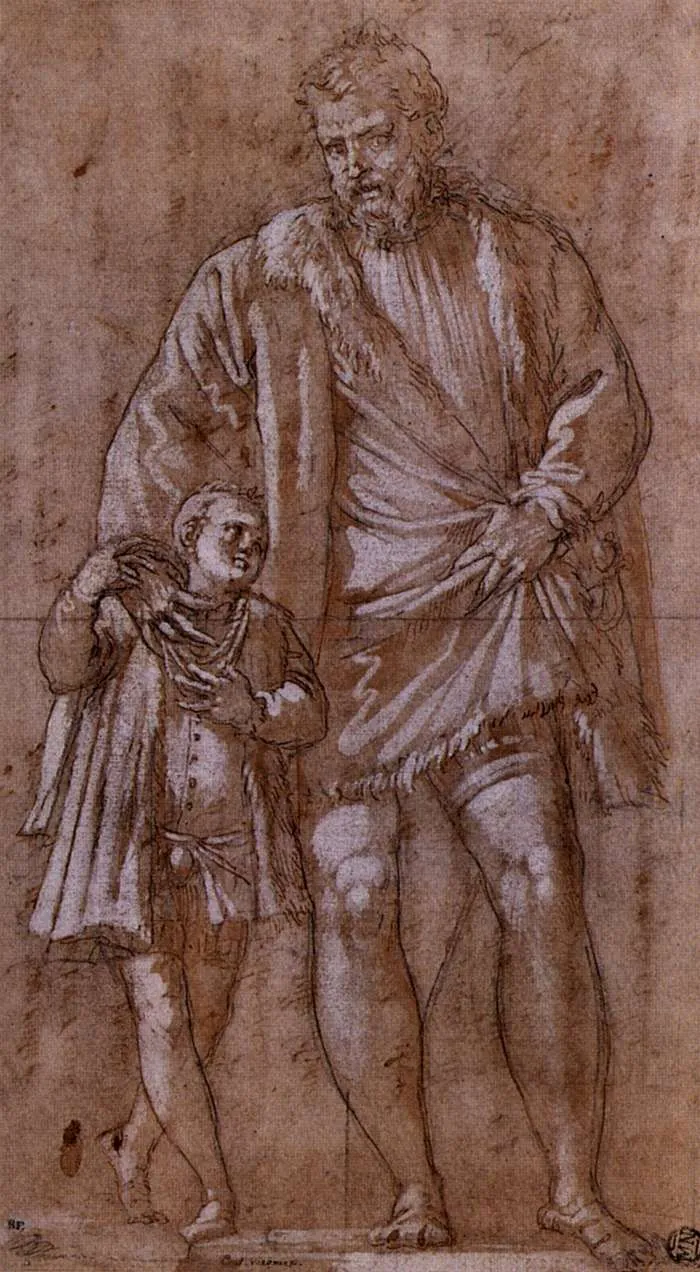
Paolo Veronese’s artistic brilliance shines through in this oil on canvas, where the meticulous rendering of fabrics and lifelike expressions reveal his technical prowess. The painting, rooted in the Renaissance tradition, captures both the individuality and status of its subjects. Collectors and enthusiasts seeking a fine art painting for sale will appreciate Veronese’s skill, as seen in his other works like "Lucretia" and "Madonna Enthroned with Child," which also display his exceptional attention to detail.
"Iseppo and Adriano da Porto" is more than just a portrait; it is a tapestry of stories and symbols woven into a hand-painted oil painting. Veronese’s composition subtly communicates the social standing and familial bonds of the Da Porto family, echoing themes found in "St John the Baptist, St Louis of Toulouse and Donors." The Renaissance movement’s love for allegory is evident, making this work a rich source for art historians and collectors alike.
For art collectors, owning "Iseppo and Adriano da Porto" means possessing a piece of Renaissance history—a true fine art painting for sale. Paolo Veronese’s reputation as a master ensures that this oil on canvas remains a coveted item, much like his "Mystic Marriage of St Catherine." This painting’s provenance and artistry make it a valuable addition to any collection, especially for those passionate about the timeless elegance of Renaissance masterpieces.
When Art Meets History
"Iseppo and Adriano da Porto" by Paolo Veronese is a remarkable example of Renaissance portraiture, blending personal story with historical context. This hand-painted oil painting captures the dignified presence of its subjects, reflecting the values and aspirations of Venetian nobility. Veronese, renowned for works like "Christ Carrying the Cross" and "Portrait of Ariosto," masterfully immortalizes the era, making this fine art painting for sale a coveted treasure among collectors and art historians alike.
Techniques That Speak
Paolo Veronese’s mastery shines through in his use of oil on canvas, evident in "Iseppo and Adriano da Porto." The artist’s technique involves delicate layering and vibrant coloration, characteristic of the Renaissance movement. Subtle lighting and intricate textures bring the figures to life, comparable to his other works such as "Portrait of a Woman" and "Mary with the Child and Saints." This oil on canvas painting demonstrates Veronese’s exceptional skill in rendering lifelike portraits.
Emotions on Display
In "Iseppo and Adriano da Porto," Veronese conveys a profound sense of intimacy and familial pride. The subjects’ expressions and posture evoke trust and strength, hallmarks of Renaissance portraiture. This hand-painted oil painting draws viewers into the emotional world of its sitters, much like Veronese achieves in "Orpheus and Eurydice." The emotional depth captured in this work makes it a standout among fine art paintings for sale from the period.
Coveted by Collectors
"Iseppo and Adriano da Porto" is highly sought after by art enthusiasts and collectors, thanks to its historical significance and artistic excellence. As a fine art painting for sale, it represents the pinnacle of Paolo Veronese’s Renaissance artistry. Collectors also value related paintings such as "Portrait of Ariosto" and "Christ Carrying the Cross," all of which exemplify the enduring appeal of oil on canvas masterpieces from the era.
Related Renaissance Hand-Painted Oil Paintings by Other Artists
Other Famous Renaissance Artists:
Frequently Asked Questions About Iseppo and Adriano da Porto
What is the historical context of "Iseppo and Adriano da Porto"?
"Iseppo and Adriano da Porto" was created during the late Renaissance period, a time characterized by a revival of classical themes and humanistic values. Paolo Veronese, the artist, was known for his grand compositions and vibrant colors, which reflect the cultural richness of Venice in the 16th century.
Who are the figures depicted in the painting?
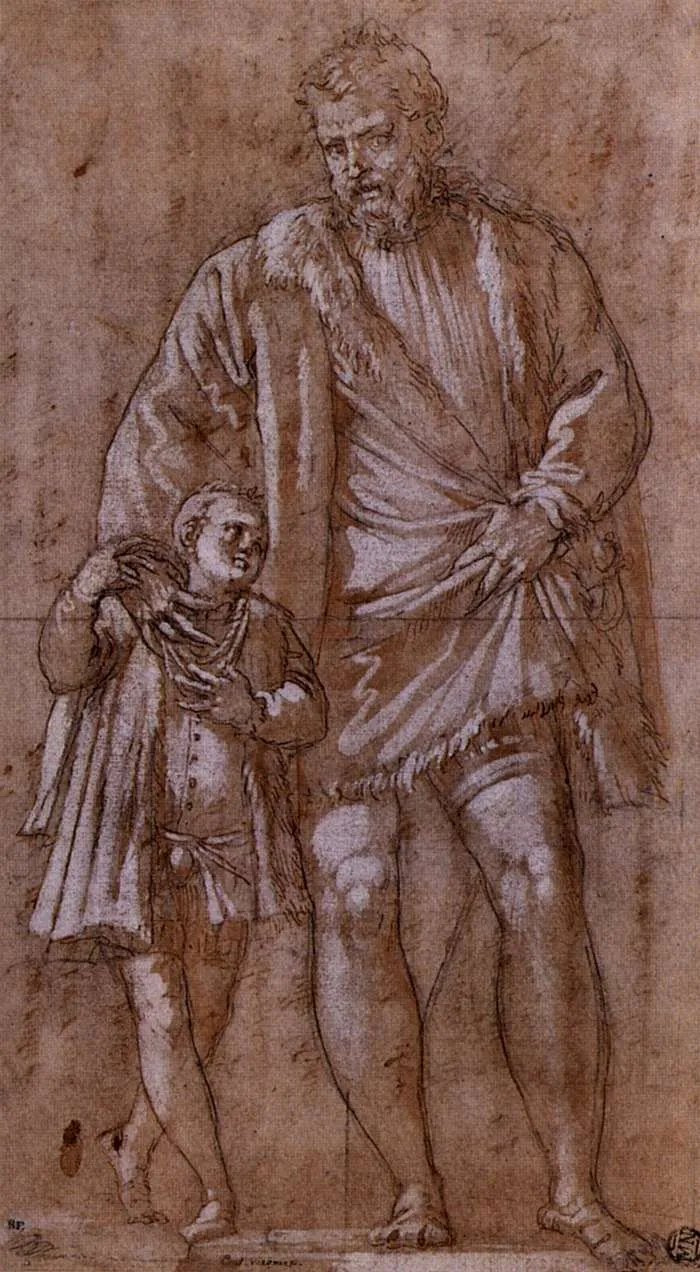
The painting features Iseppo and Adriano da Porto, two prominent Venetian figures. They were known for their contributions to the cultural and social life of Venice, and their portrayal by Veronese highlights their significance in the community during that era.
What artistic techniques did Veronese employ in this painting?
Veronese utilized a variety of techniques in "Iseppo and Adriano da Porto," including the use of chiaroscuro to create depth and volume, as well as a rich palette that enhances the emotional impact of the scene. His mastery of composition is evident in the balanced arrangement of figures and the dynamic interplay of light and shadow.
What is the significance of the setting in the painting?
The setting of "Iseppo and Adriano da Porto" is significant as it reflects the opulence of Venetian architecture and culture. The background elements serve to contextualize the figures within their societal framework, emphasizing their status and the grandeur of their environment.
How does Veronese convey emotion in this artwork?
Veronese conveys emotion through the expressions and postures of the figures, as well as through the use of color. The warm tones and dynamic poses suggest a sense of camaraderie and mutual respect between Iseppo and Adriano, inviting viewers to engage with their narrative.
What role does symbolism play in "Iseppo and Adriano da Porto"?
Symbolism plays a crucial role in the painting, with various elements representing virtues such as friendship, loyalty, and civic duty. The gestures and interactions between the figures symbolize their bond and shared values, reflecting the ideals of Renaissance humanism.
What influences can be seen in Veronese's style in this painting?
Veronese's style in "Iseppo and Adriano da Porto" shows influences from both Venetian and Mannerist traditions. His emphasis on color and theatricality, along with the graceful forms of the figures, exemplifies the merging of these artistic movements during the Renaissance.
How does this painting reflect the social dynamics of 16th century Venice?
The painting reflects the social dynamics of 16th century Venice by showcasing the importance of personal relationships and social status. The portrayal of Iseppo and Adriano illustrates the interconnectedness of individuals within the Venetian elite, highlighting their roles in the cultural and political landscape of the time.
What can be inferred about Veronese's intentions with this artwork?
Veronese's intentions with "Iseppo and Adriano da Porto" likely include celebrating the virtues of friendship and civic responsibility. By immortalizing these figures, he not only honors their contributions but also reinforces the values of the society in which he lived.
How has "Iseppo and Adriano da Porto" influenced later artists?
"Iseppo and Adriano da Porto" has influenced later artists through its innovative use of color and composition, as well as its thematic exploration of human relationships. Veronese's approach to depicting narrative and emotion has inspired generations of artists seeking to convey similar ideals in their work.























_GFM_Painting_(1).webp)


 100% Hand-Painted: Finished in 3-6 Weeks

.png)
















_(1).webp)