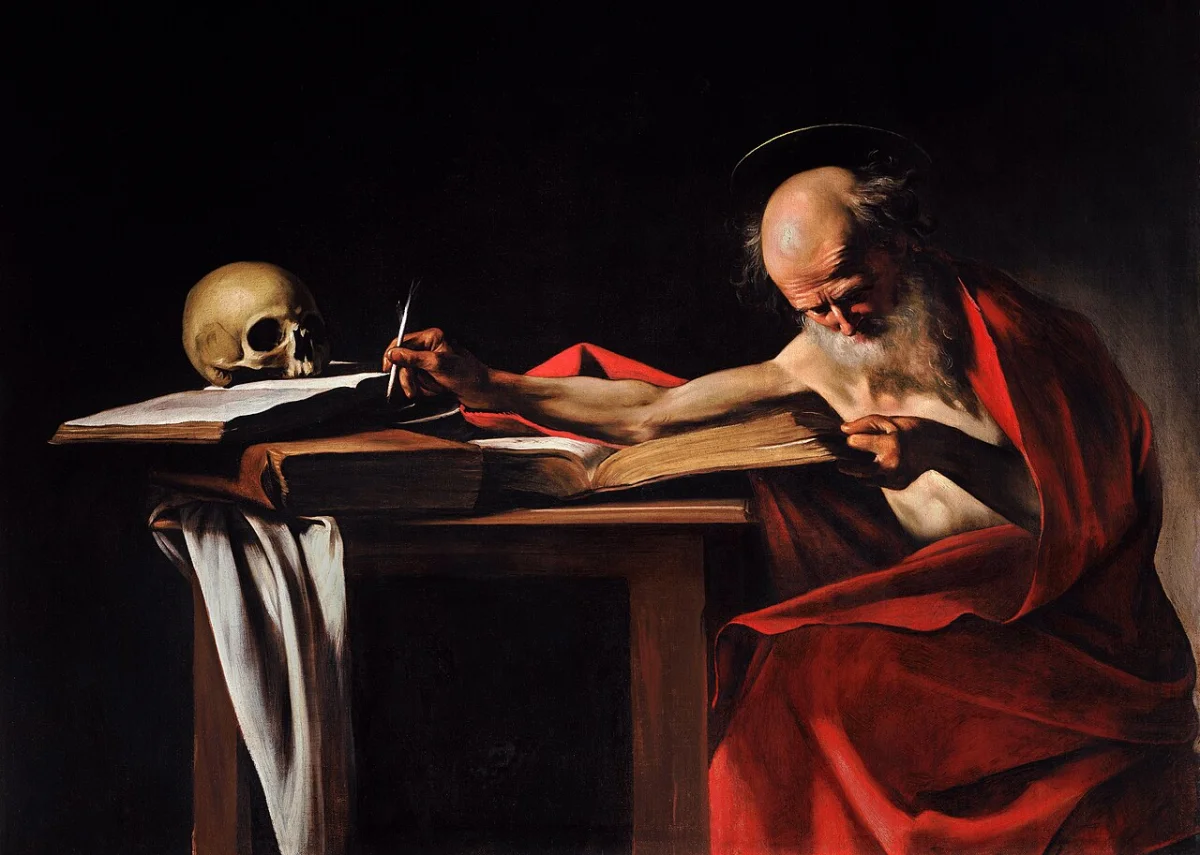
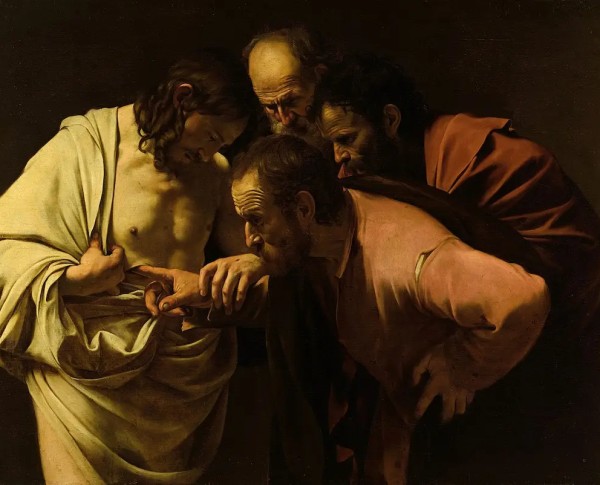
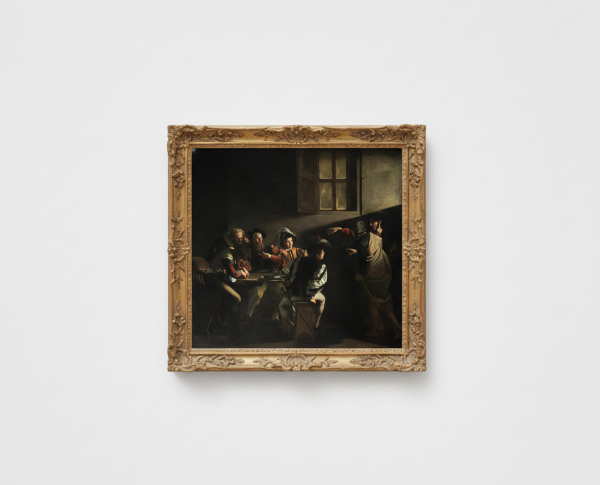
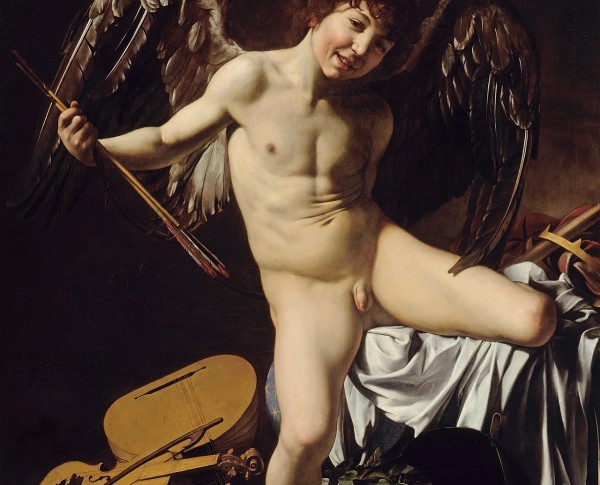
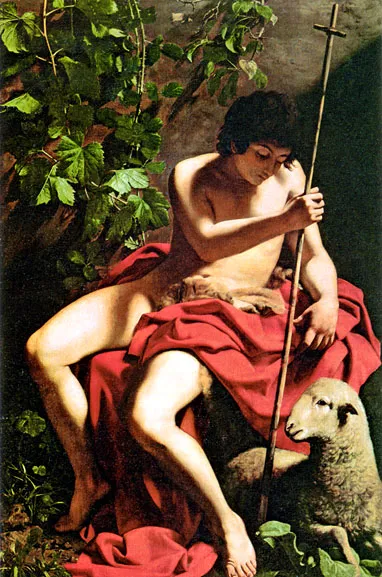
The meticulous technique displayed in "John the Baptist" exemplifies Caravaggio’s mastery with oil on canvas. His bold brushwork and realistic depiction of human emotion set a new standard in the Baroque era. This painting’s dynamic contrasts and lifelike presence make it a remarkable example of Caravaggio’s genius. Pairing this piece with "Penitent Magdalene" or "A lute player" can create a stunning showcase of fine Baroque oil paintings within your space.
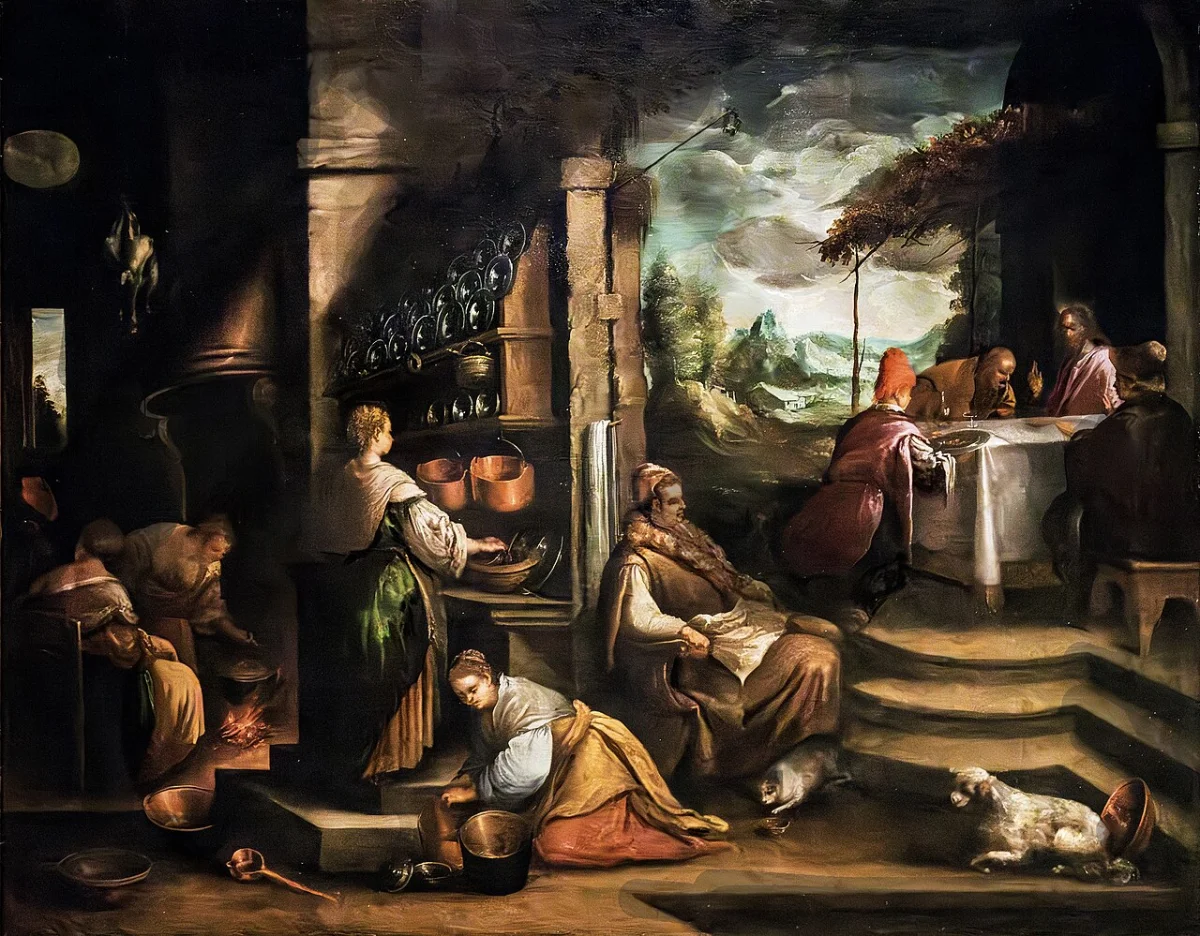
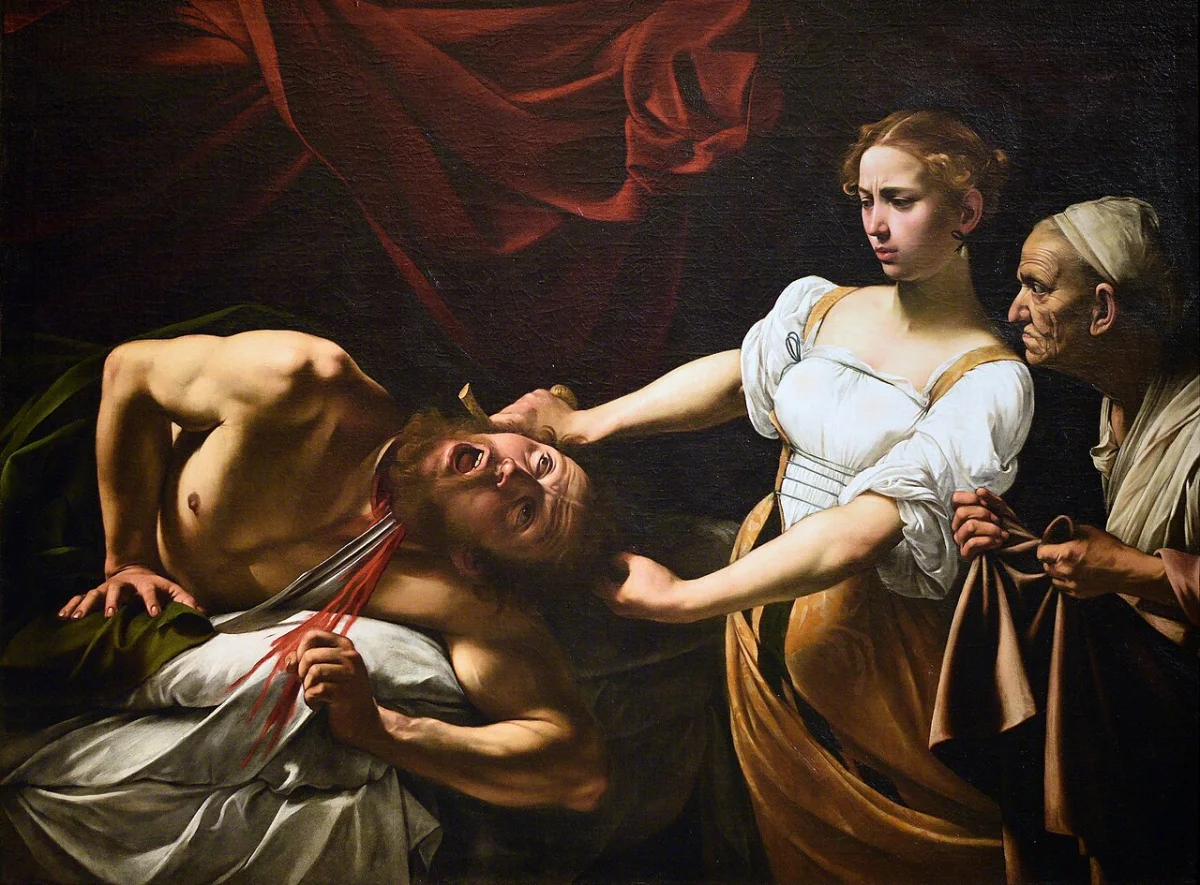
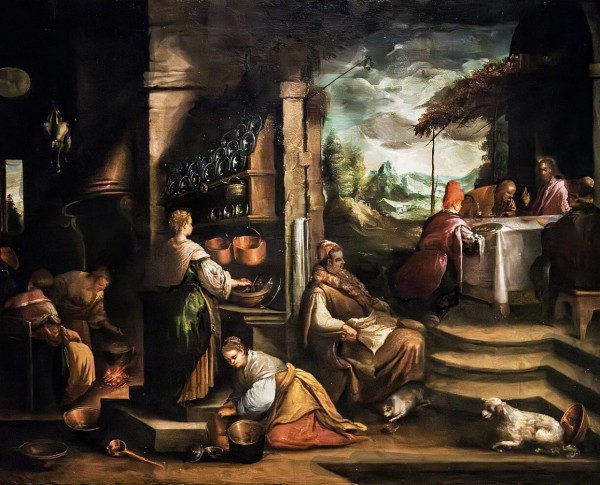
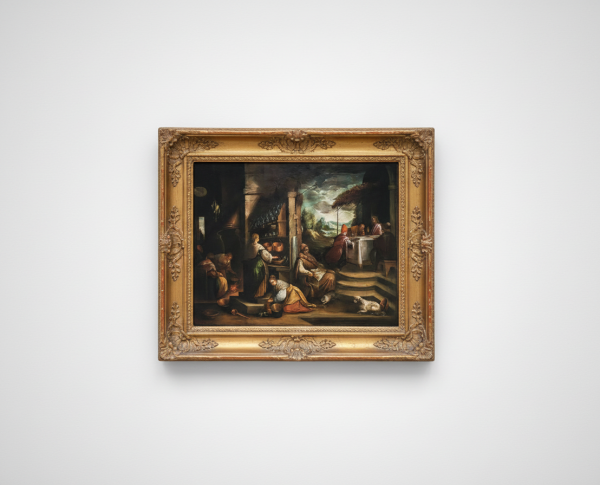
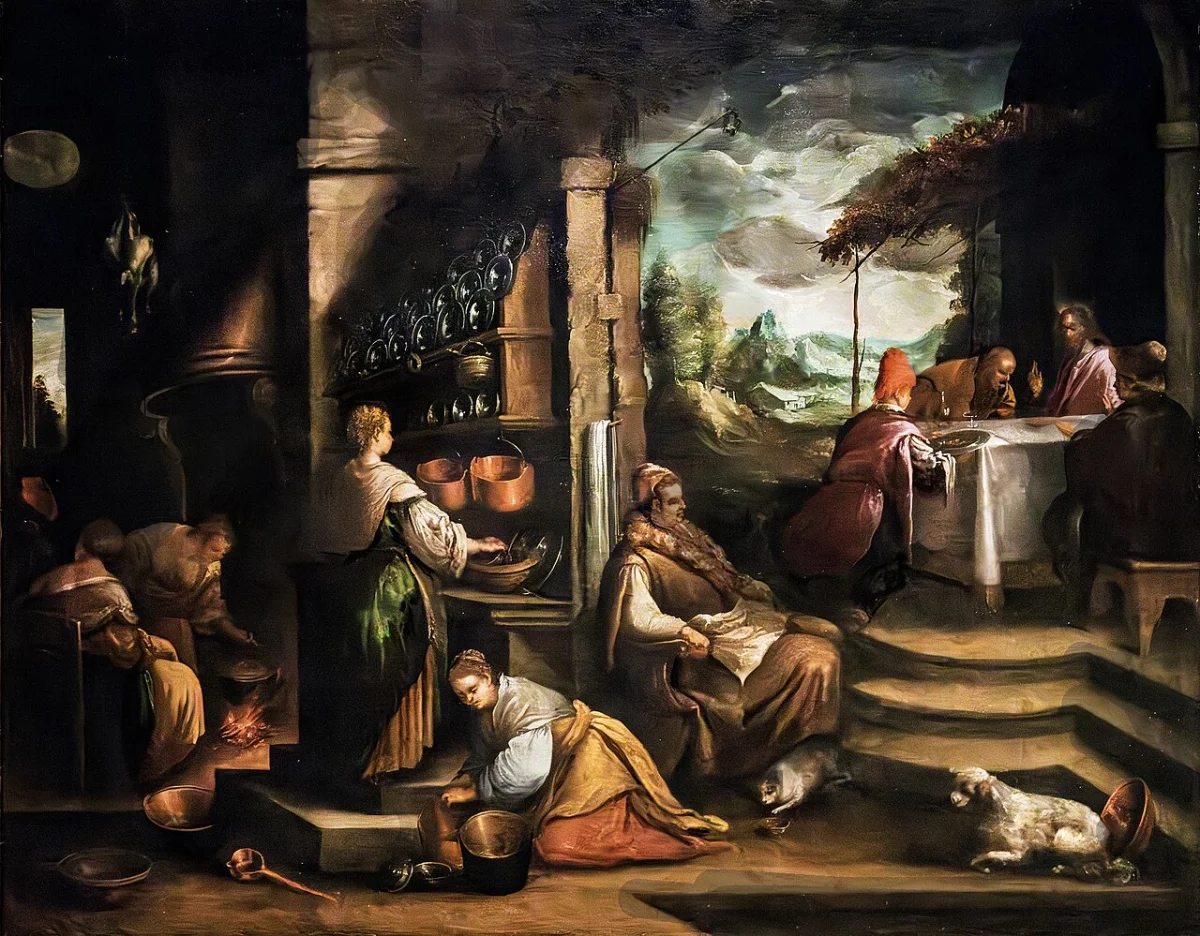
"John the Baptist" is more than just a fine art painting for sale; it is a visual narrative rich with religious symbolism. Caravaggio’s portrayal invites viewers to reflect on themes of sacrifice, redemption, and faith, hallmarks of the Baroque movement. Collectors may also appreciate the symbolic storytelling found in related works like "Judith Beheading Holofernes (Caravaggio)" or "Supper at Emmaus," enhancing the spiritual resonance of any art collection.
Owning Caravaggio’s "John the Baptist" means possessing a significant piece of Baroque history. This hand-painted oil painting offers timeless beauty and a dramatic focal point for any fine art collection. For those seeking to expand their repertoire, consider acquiring companion artworks such as "Portrait of Maffeo Barberini" or "A lute player" to further celebrate the evocative artistry of Caravaggio and the enduring allure of oil on canvas masterpieces.
When Art Meets History
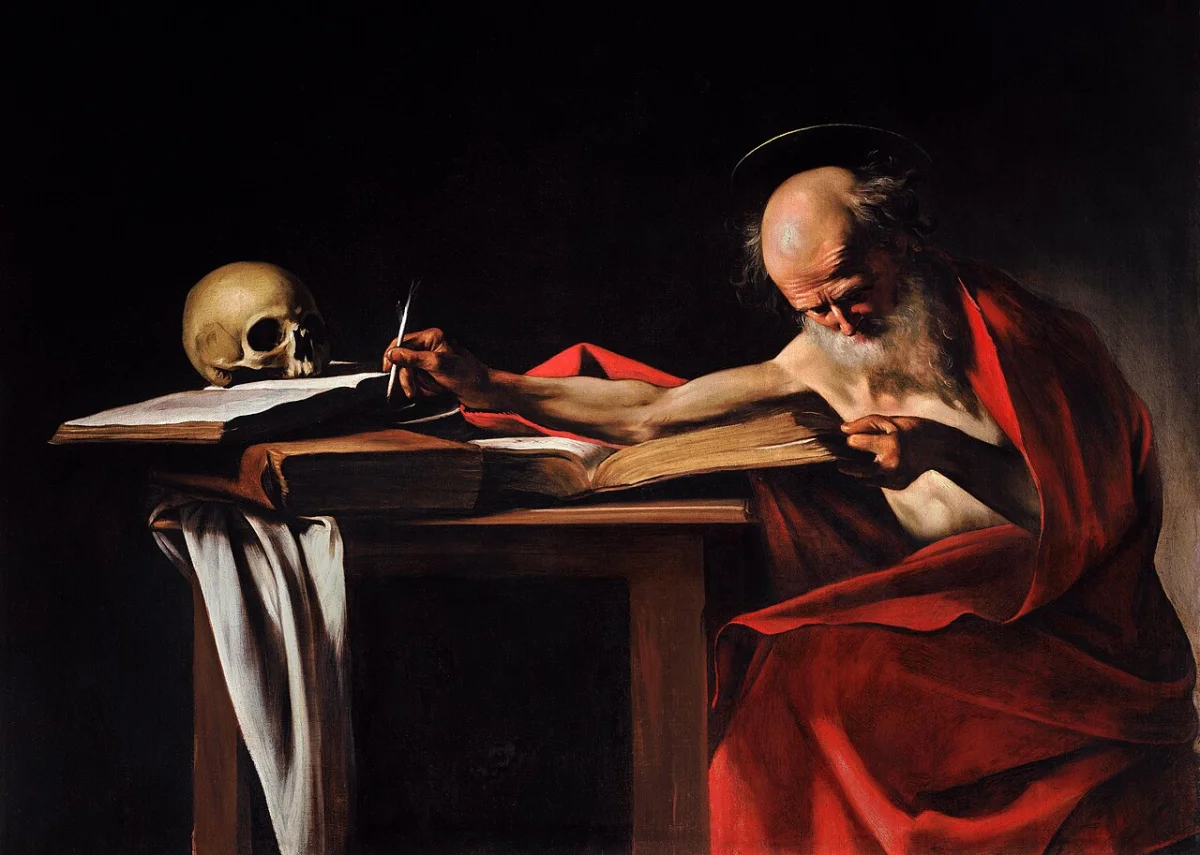
"John the Baptist" by Caravaggio stands as a key example of the Baroque movement, merging drama with realism. Created in the early 17th century, this hand-painted oil painting captures a pivotal biblical figure at a time when religious art flourished. Caravaggio’s powerful depiction aligns with other masterpieces like "Repentant Mary Magdalene" and "Self-Portrait," both reflecting the era’s fascination with intense emotion and spiritual themes.
Techniques That Speak
Caravaggio’s "John the Baptist" showcases the artist’s signature use of chiaroscuro, a striking contrast between light and dark, which brings depth and realism to the oil on canvas. This Baroque technique is also seen in his works "Mercury and Battus" and "Arcadian Landscape." The careful attention to detail and lifelike representation make each brushstroke a testament to Caravaggio’s mastery and innovation within the fine art tradition.
Emotions on Display
In "John the Baptist," Caravaggio’s approach to emotion is palpable, as he imbues the subject with a sense of vulnerability and introspection. The fine art painting for sale evokes a deep connection between viewer and subject, a hallmark of the Baroque movement. This emotional intensity is similarly evident in related works like "Portrait of Charles II" and "Repentant Mary Magdalene," where the artist’s psychological insight takes center stage.
Coveted by Collectors
Caravaggio’s "John the Baptist" remains highly sought after among art connoisseurs and collectors, celebrated for its historical importance and artistic brilliance. As a prime example of a hand-painted oil painting from the Baroque era, it joins other cherished works such as "Self-Portrait" and "Arcadian Landscape" in prestigious collections. The allure of owning such a masterpiece underscores the enduring value of Caravaggio’s legacy in the world of fine art.
Related Baroque Hand-Painted Oil Paintings by Other Artists
Other Famous Baroque Artists:
Frequently Asked Questions About John the Baptist
Who is the artist of "John the Baptist"?
The painting "John the Baptist" was created by the renowned Italian Baroque artist Caravaggio, known for his dramatic use of light and shadow.
What is the historical context of "John the Baptist"?
What artistic techniques did Caravaggio use in this painting?
Caravaggio employed chiaroscuro, a technique that contrasts light and dark, to create a dramatic effect and to enhance the three-dimensionality of the figures.
What is the significance of John the Baptist in Christian art?
John the Baptist is a pivotal figure in Christianity, symbolizing repentance and the preparation for the coming of Christ, often depicted in art to convey spiritual themes.
How does Caravaggio's portrayal of John the Baptist differ from traditional representations?
Caravaggio's portrayal is marked by a more humanized and relatable depiction of John, emphasizing his humanity rather than an idealized saintly figure.
What are the symbolic elements present in "John the Baptist"?
The painting features symbolic elements such as the lamb, which represents Christ, and the wilderness setting, symbolizing John's ascetic lifestyle and prophetic role.
What is the significance of light in "John the Baptist"?
The use of light in "John the Baptist" serves to highlight the figure of John, drawing the viewer's attention to his expression and the emotional weight of the scene.
In what ways did "John the Baptist" influence later artists?
Caravaggio's innovative techniques and realistic portrayal of biblical figures influenced the Baroque movement and inspired numerous artists to adopt similar approaches in their works.
What is the current location of "John the Baptist"?
"John the Baptist" is housed in the collection of the Museo di Capodimonte in Naples, Italy, where it continues to be a focal point for visitors and art historians alike.
How does "John the Baptist" reflect Caravaggio's overall artistic style?
The painting exemplifies Caravaggio's signature style, characterized by dramatic realism, emotional intensity, and a departure from traditional idealism in favor of depicting raw human experience.























_GFM_Painting_(1).webp)


 100% Hand-Painted: Finished in 3-6 Weeks

.png)















_(1).webp)