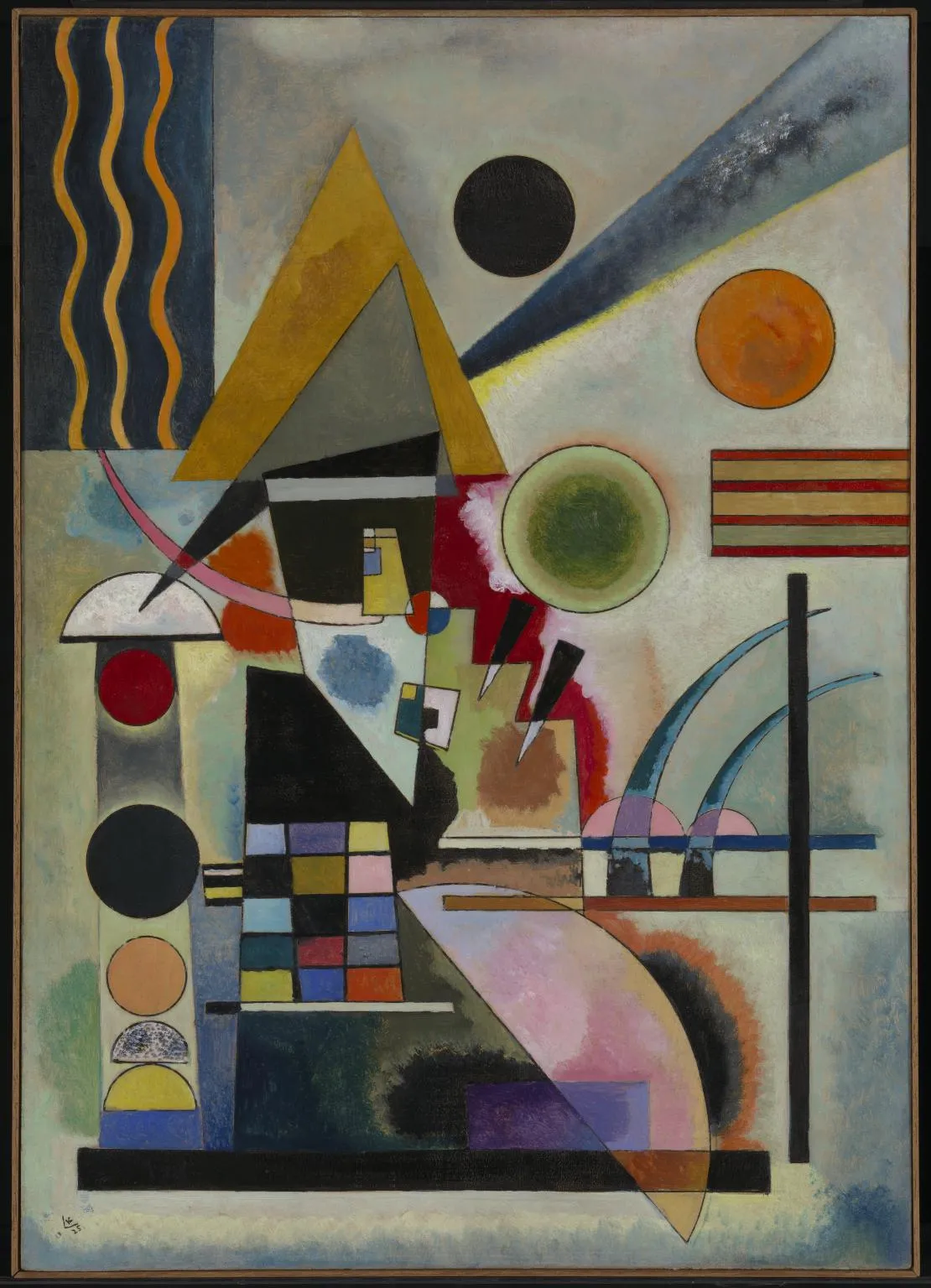
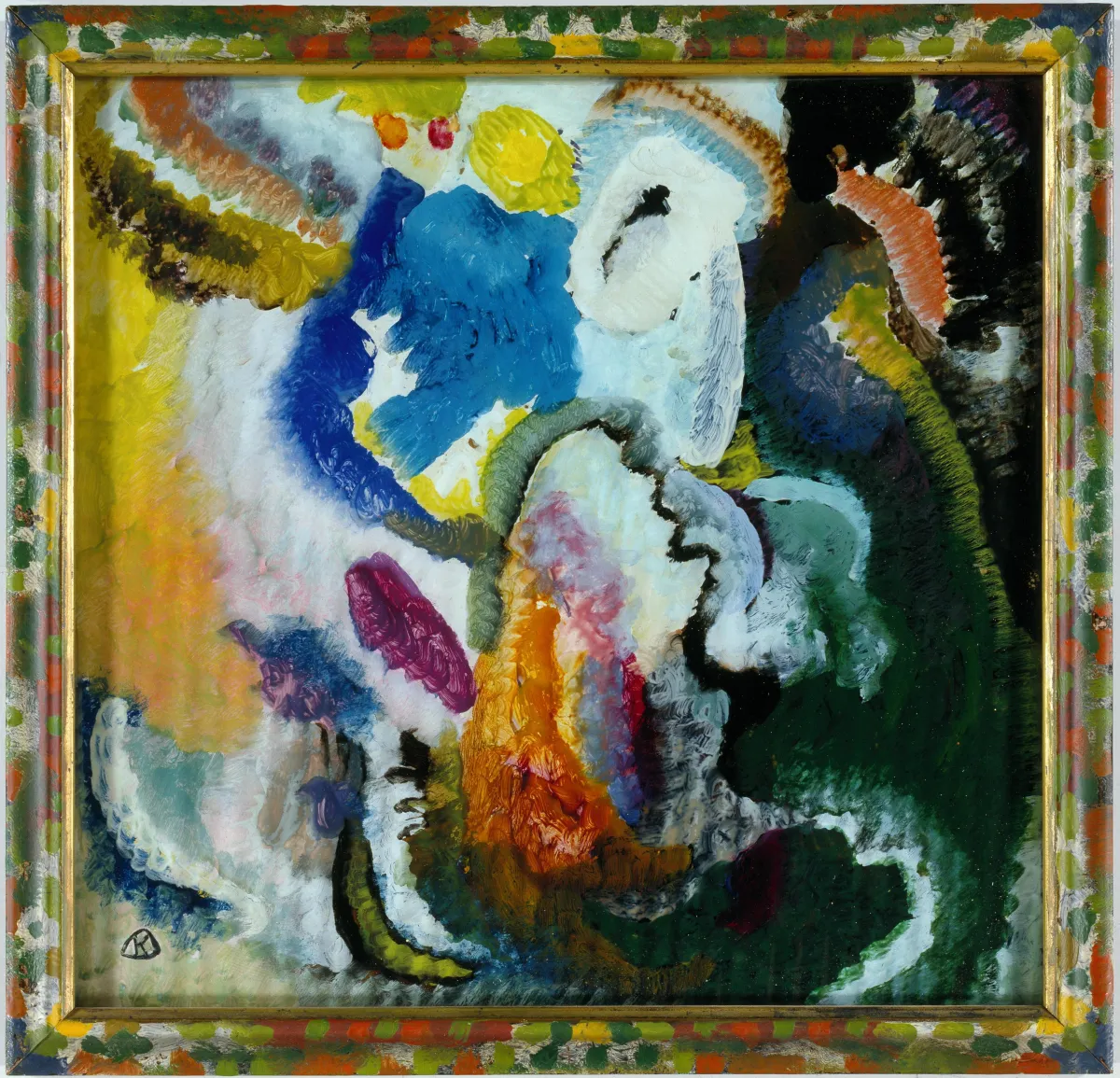
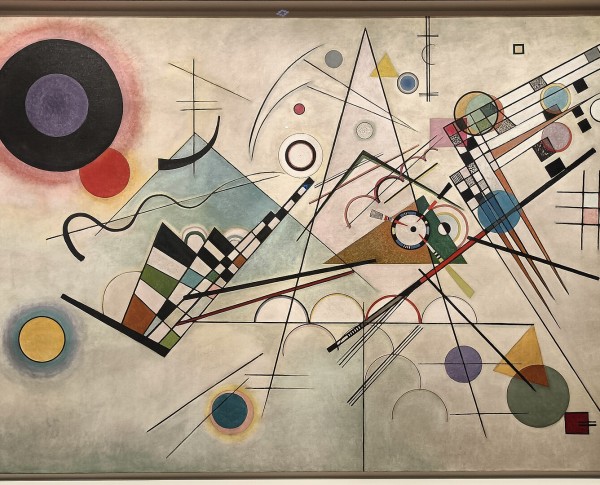
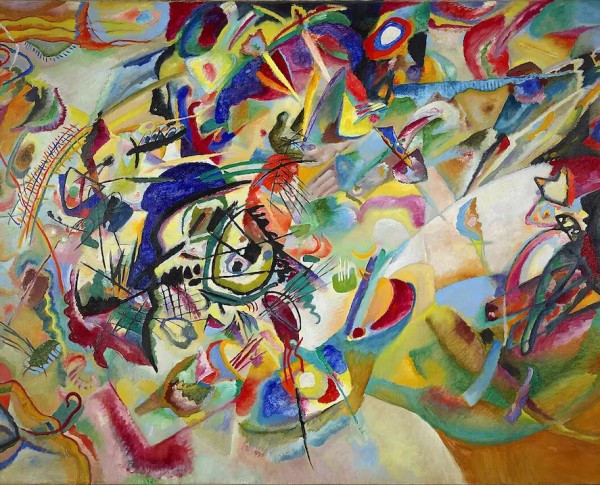
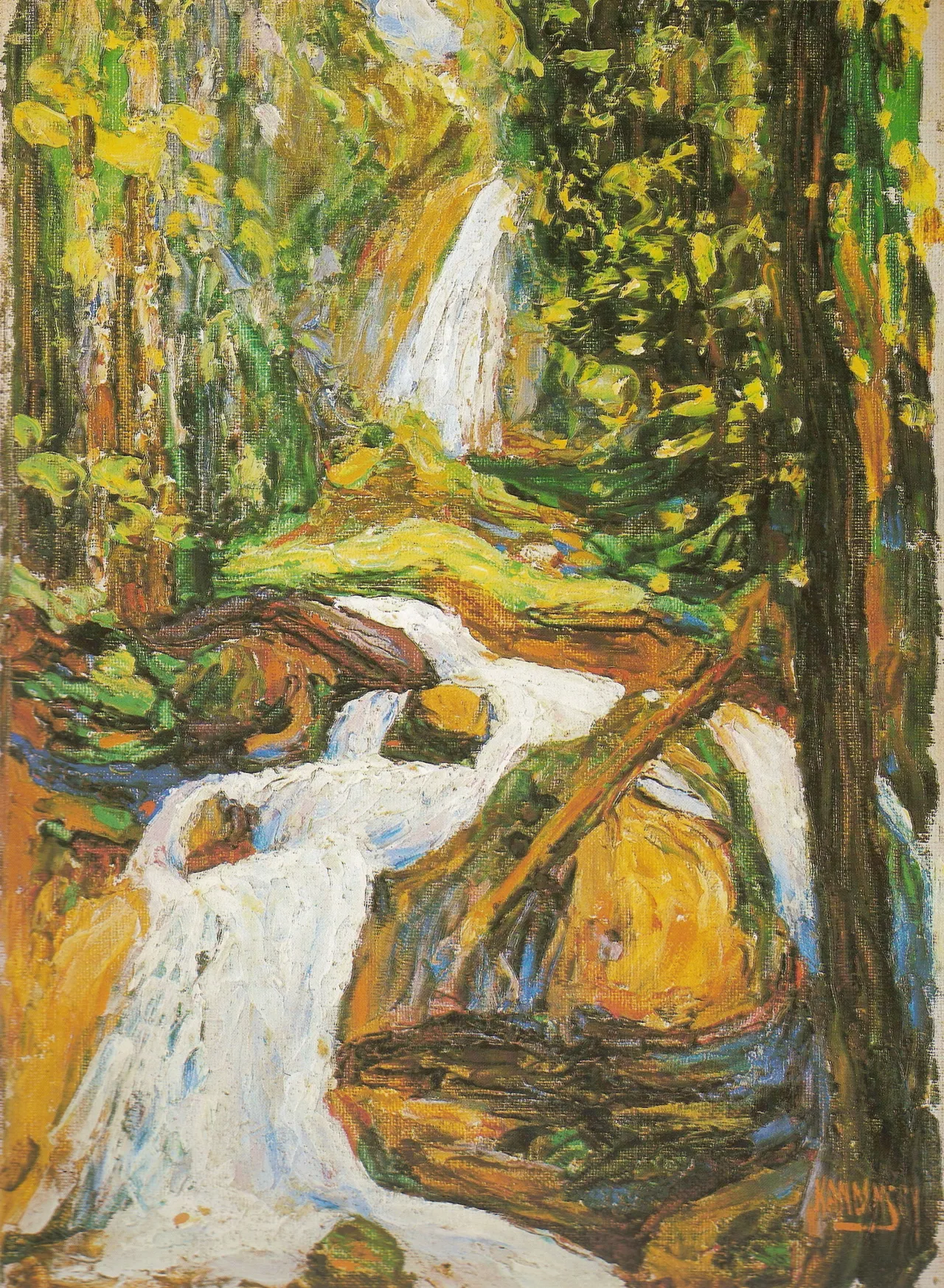
With “Kochel: Waterfall I,” Kandinsky’s mastery of oil on canvas is evident in every brushstroke. The vibrant hues and sweeping gestures exemplify his innovative approach within the Abstract Expressionism movement. Each layer of paint reveals the artist’s deep understanding of color theory and rhythm. For enthusiasts interested in technique, comparing this work to “Picture with a Horserider” or “Colorful Life” highlights Kandinsky’s evolving style and profound impact on modern art.
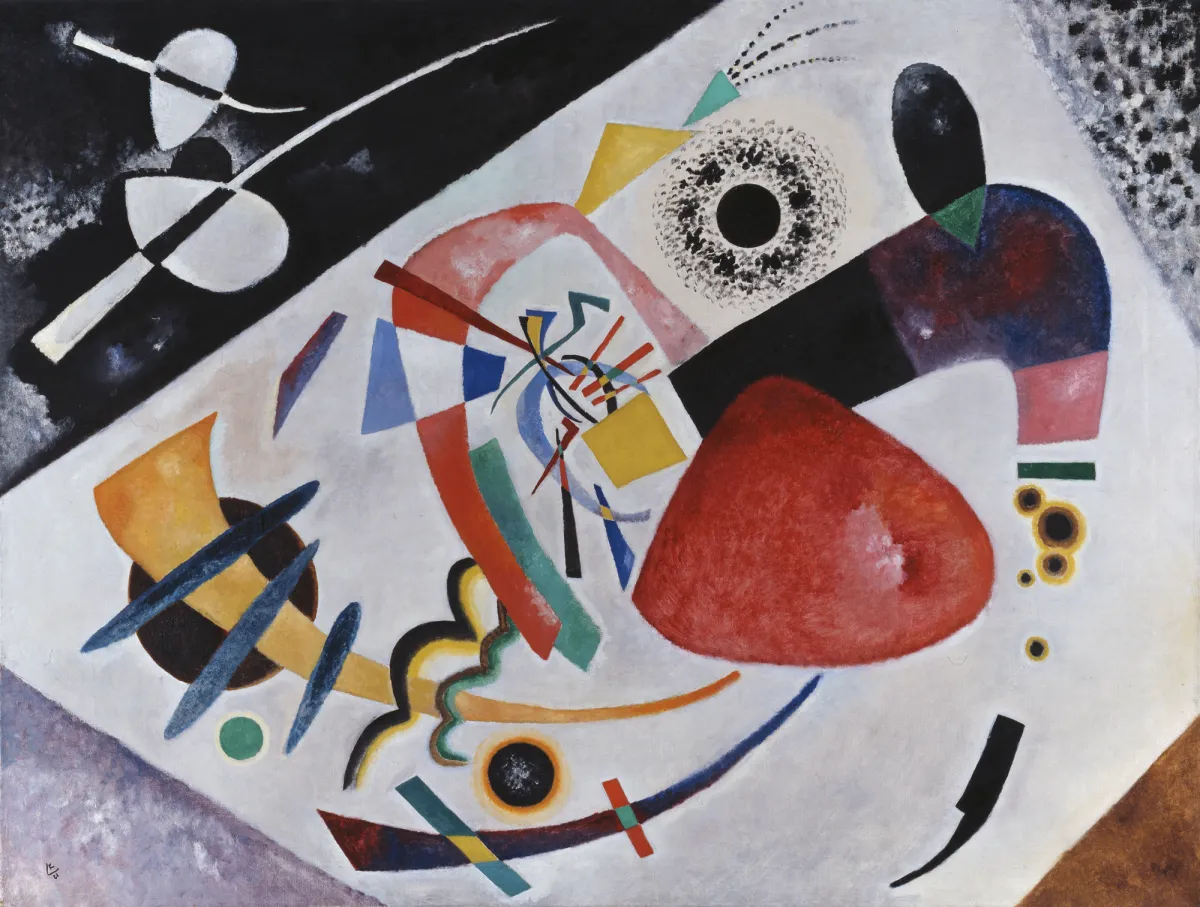
“Kochel: Waterfall I” overflows with meaning, inviting viewers to interpret its swirling forms and dynamic energy. Kandinsky often embedded personal and universal symbols within his fine art painting for sale, drawing from music, nature, and spirituality. This painting’s abstracted waterfall hints at transformation and flow, themes echoed in works like “Sketch for ‘Composition II’” and “Red Spot II.” Collectors and admirers treasure these layers of symbolism that make each viewing a new experience.
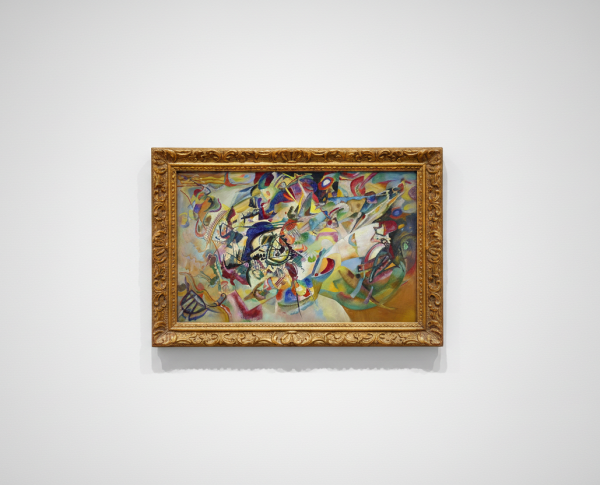
Owning “Kochel: Waterfall I” means possessing a significant piece of art history. This hand-painted oil painting by Wassily Kandinsky not only exemplifies Abstract Expressionism but also stands alongside esteemed works such as “Woman in Moscow” and “Improvisation 26.” For those seeking a fine art painting for sale, this masterpiece offers exceptional value and prestige, making it a coveted addition to any collection focused on influential modern artists and their groundbreaking creations.
When Art Meets History
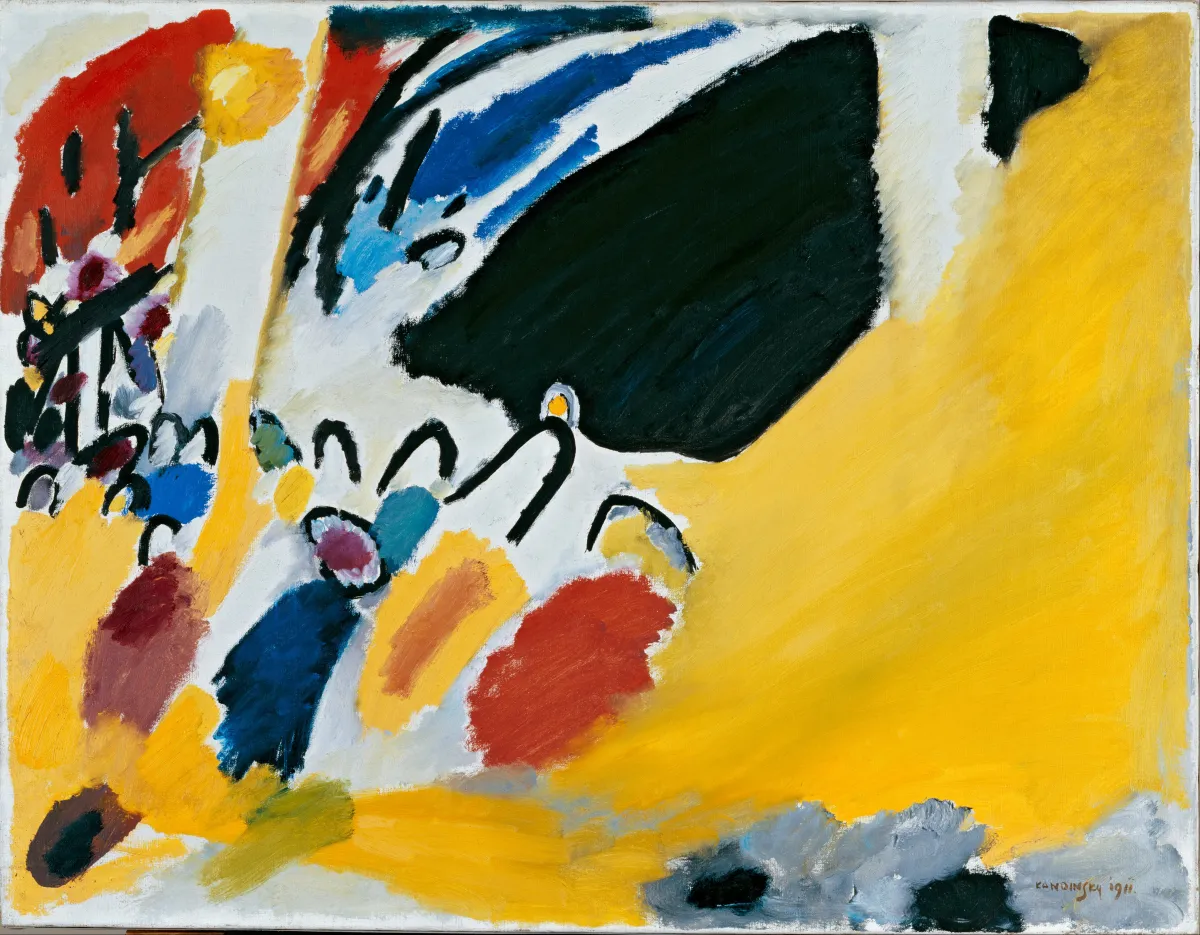
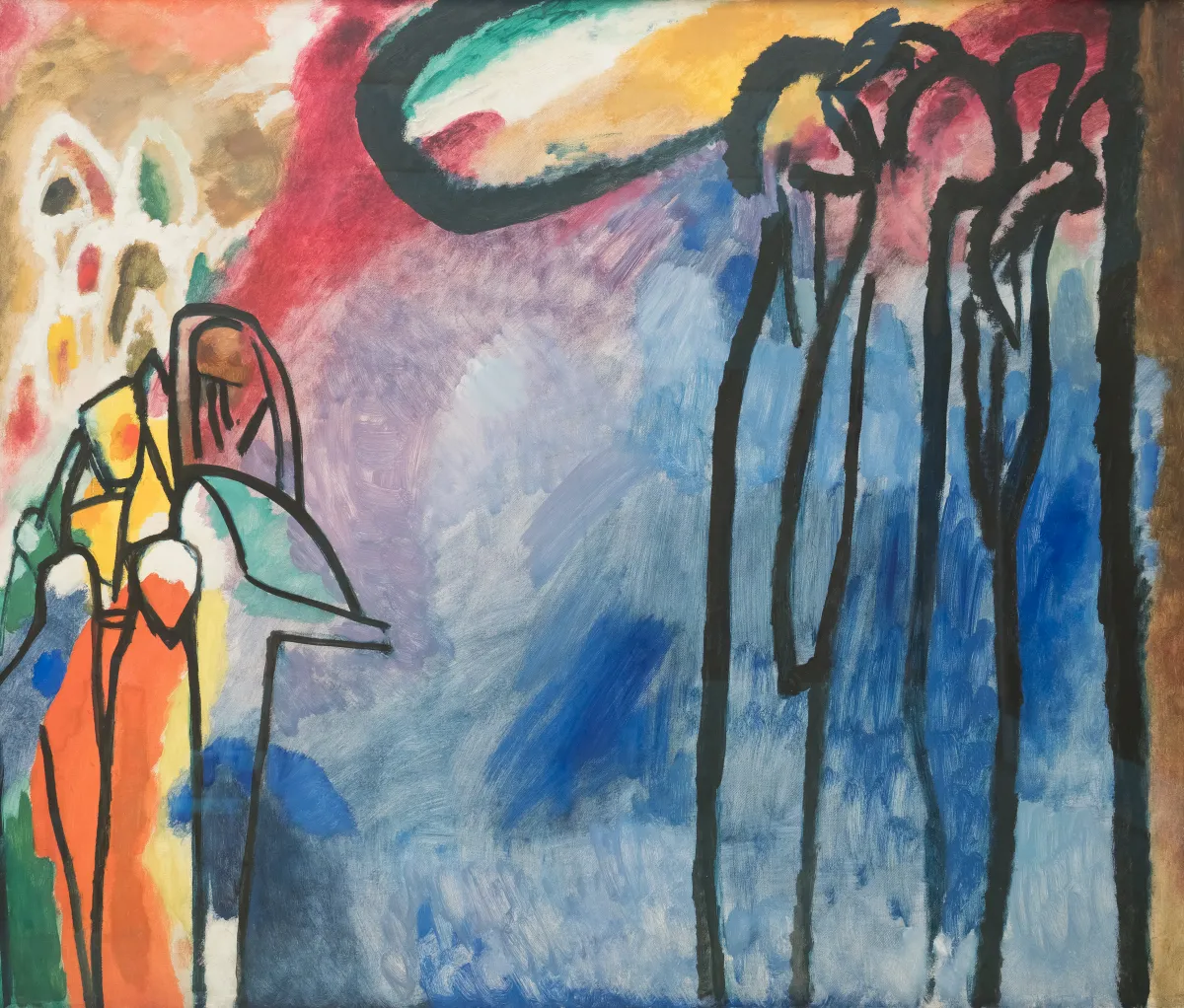
"Kochel: Waterfall I" by Wassily Kandinsky is a remarkable example of Abstract Expressionism, a movement that revolutionized modern art. Created during a transformative period, this hand-painted oil painting captures the dynamic energy of early 20th-century Europe. Kandinsky, known for his innovative vision, drew inspiration from nature and emotion, as seen in this piece and related works like "Untitled (Violet, Black, Orange, Yellow on White and Red), 1949". The painting’s historical context adds depth to its visual impact.
Techniques That Speak
Wassily Kandinsky’s mastery is evident in "Kochel: Waterfall I" through his brilliant use of oil on canvas. His meticulous layering and bold brushwork create a sense of movement and rhythm, hallmarks of Abstract Expressionism. The vibrant interplay of color and form invites viewers to experience the painting’s energy firsthand. Similar to related paintings from the era, Kandinsky’s technique in this artwork demonstrates why oil on canvas remains a preferred medium for artists seeking expressive freedom.
Emotions on Display
"Kochel: Waterfall I" radiates intense emotion, a signature of Kandinsky’s approach within Abstract Expressionism. The swirling shapes and vivid colors evoke feelings of awe and introspection, making this fine art painting for sale a powerful statement piece. Kandinsky’s ability to translate emotion into visual language connects this work to others in his oeuvre, as well as to related paintings like "Untitled (Violet, Black, Orange, Yellow on White and Red), 1949". Every brushstroke is a testament to feeling.
Coveted by Collectors
Collectors worldwide highly seek "Kochel: Waterfall I" for its historical significance and artistic innovation. As a hand-painted oil painting by Wassily Kandinsky, it represents a pinnacle of Abstract Expressionism. The painting’s rarity and connection to related works only enhance its desirability among art enthusiasts. Owning such a piece offers a unique opportunity to possess a fragment of art history, making it a standout fine art painting for sale in any distinguished collection.
Related Abstract Expressionism Hand-Painted Oil Paintings by Other Artists
Other Famous Abstract Expressionism Artists:
Frequently Asked Questions About Kochel: Waterfall I
What is the historical context of "Kochel: Waterfall I"?
"Kochel: Waterfall I" was created during a period when Wassily Kandinsky was exploring the interplay between color and form, reflecting the broader movements of Expressionism and Abstract art in the early 20th century.
What artistic techniques did Kandinsky employ in this painting?
Kandinsky used bold colors and dynamic shapes to convey emotion and movement, employing a technique that emphasizes abstraction over realism, which is characteristic of his later works.
What does the waterfall symbolize in "Kochel: Waterfall I"?
The waterfall in this painting symbolizes the flow of energy and the dynamic nature of life, reflecting Kandinsky's belief in the spiritual and transformative power of nature.
How does "Kochel: Waterfall I" relate to Kandinsky's other works?
This painting is part of Kandinsky's exploration of abstraction, similar to his other works from this period, where he sought to express inner emotions through color and form rather than representational imagery.
What influences can be seen in the color palette of "Kochel: Waterfall I"?
The color palette is influenced by Kandinsky's interest in color theory, particularly the emotional responses elicited by different colors, which he believed could evoke spiritual experiences.
What is the significance of the title "Kochel"?
"Kochel" refers to the location in Bavaria, Germany, where Kandinsky found inspiration in the natural landscape, which is reflected in the organic forms and vibrant colors of the painting.
How did Kandinsky's experiences in Kochel influence his artistic vision?
Kandinsky's time in Kochel allowed him to immerse himself in nature, which profoundly influenced his artistic vision, leading to a deeper exploration of abstraction and the emotional resonance of the natural world.
What role does abstraction play in "Kochel: Waterfall I"?
Abstraction in this painting serves as a means for Kandinsky to transcend the physical representation of the waterfall, allowing viewers to engage with the emotional and spiritual essence of the scene.
How does "Kochel: Waterfall I" reflect Kandinsky's philosophical beliefs?
The painting reflects Kandinsky's philosophical beliefs about the interconnectedness of art, spirituality, and nature, emphasizing the idea that art can evoke profound emotional and spiritual responses.
What impact did "Kochel: Waterfall I" have on the art world?
"Kochel: Waterfall I" contributed to the evolution of abstract art, influencing future generations of artists to explore color, form, and emotion beyond traditional representational boundaries.






















_GFM_Painting_(1).webp)


 100% Hand-Painted: Finished in 3-6 Weeks

.png)


















_(1).webp)