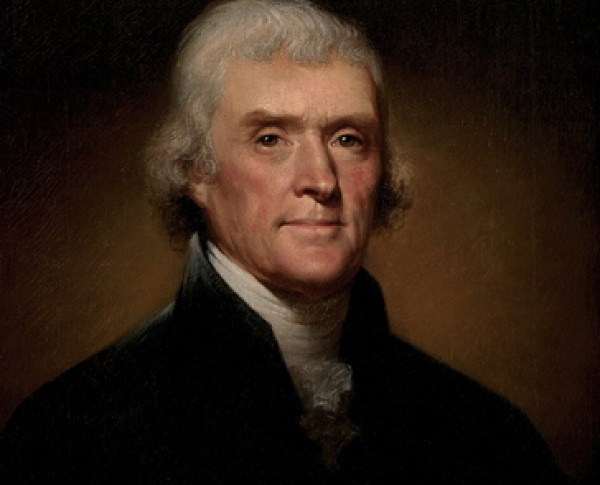
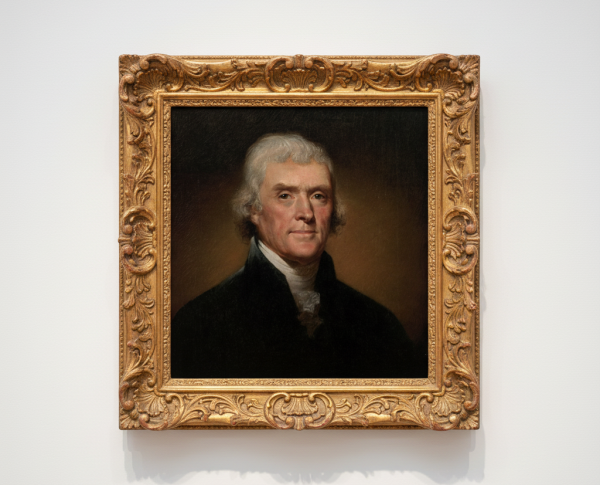
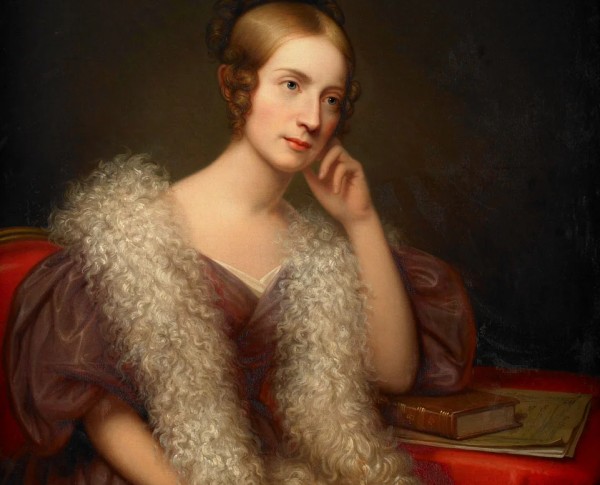
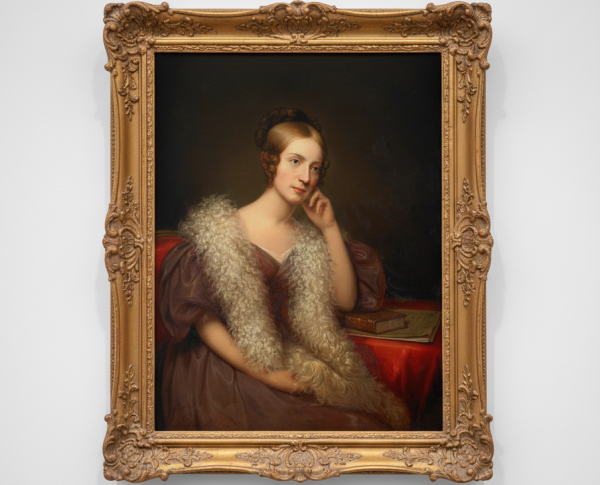
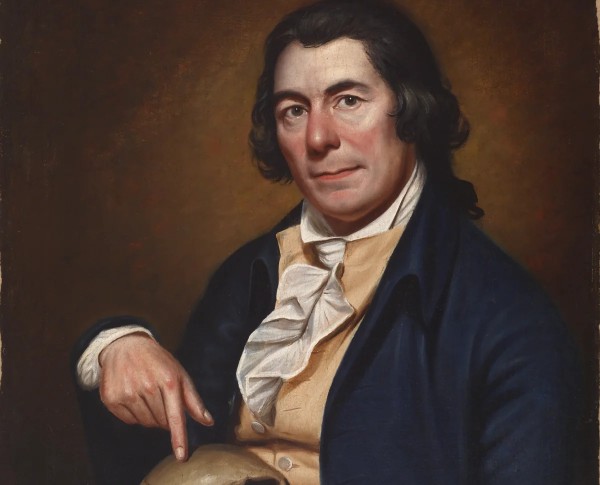
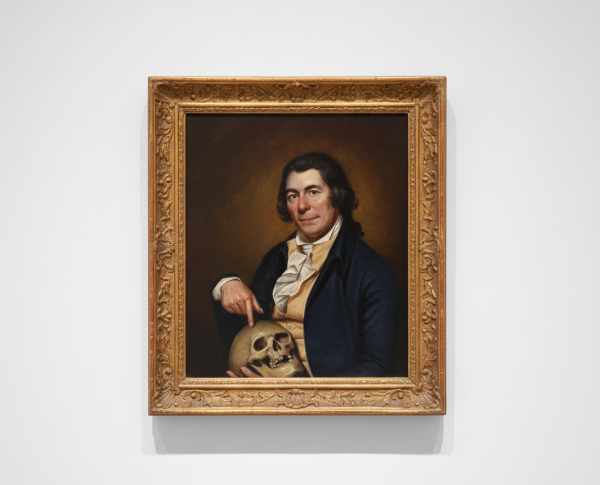
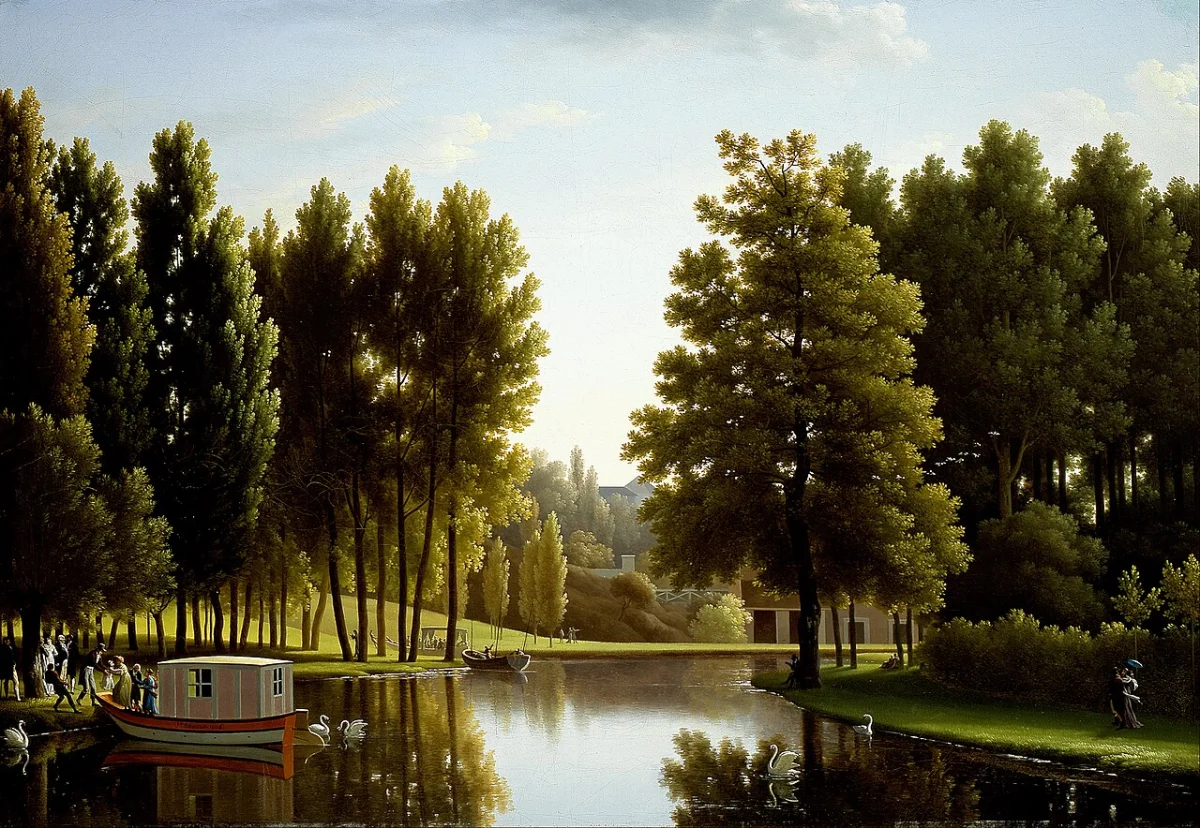
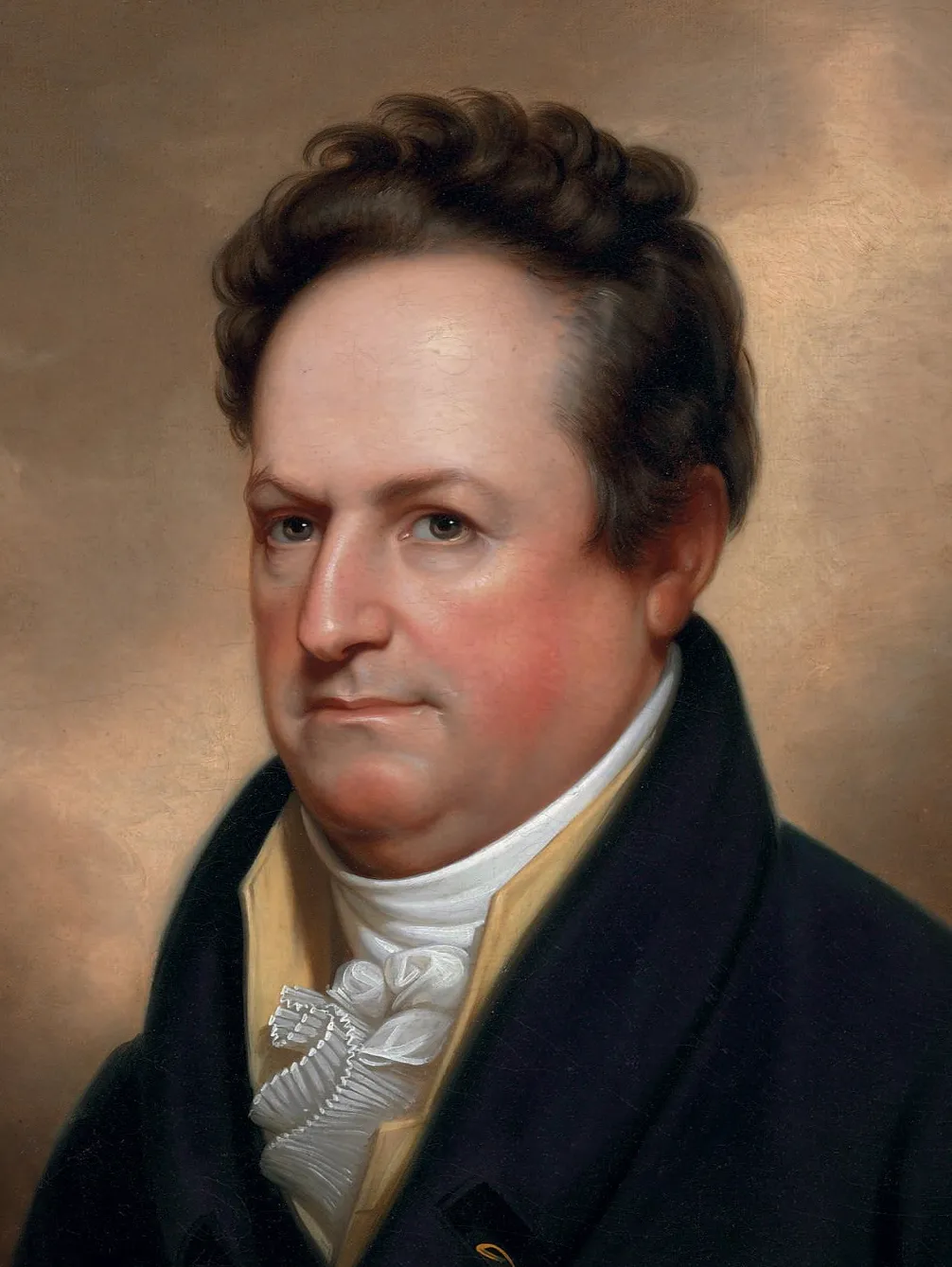
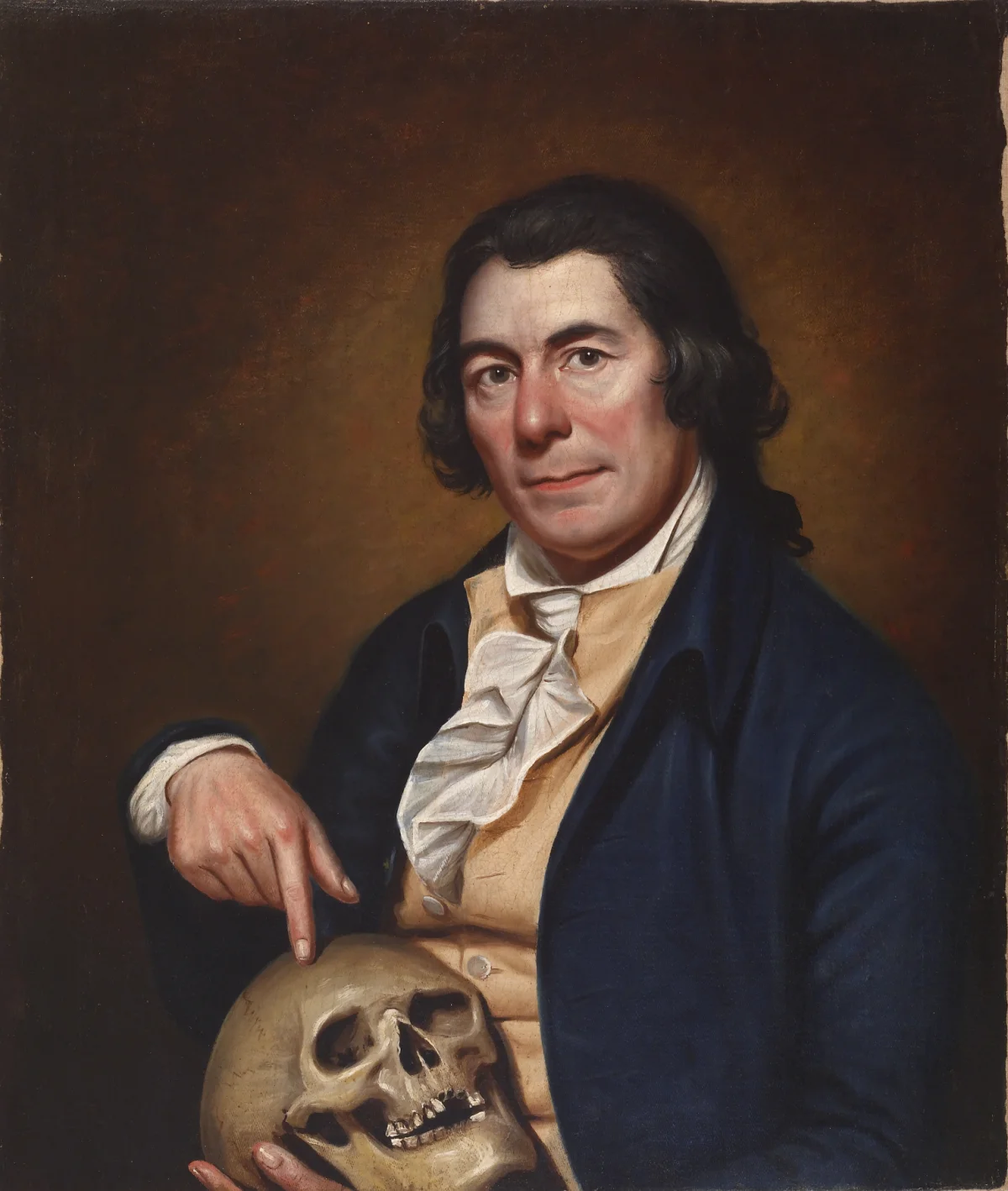
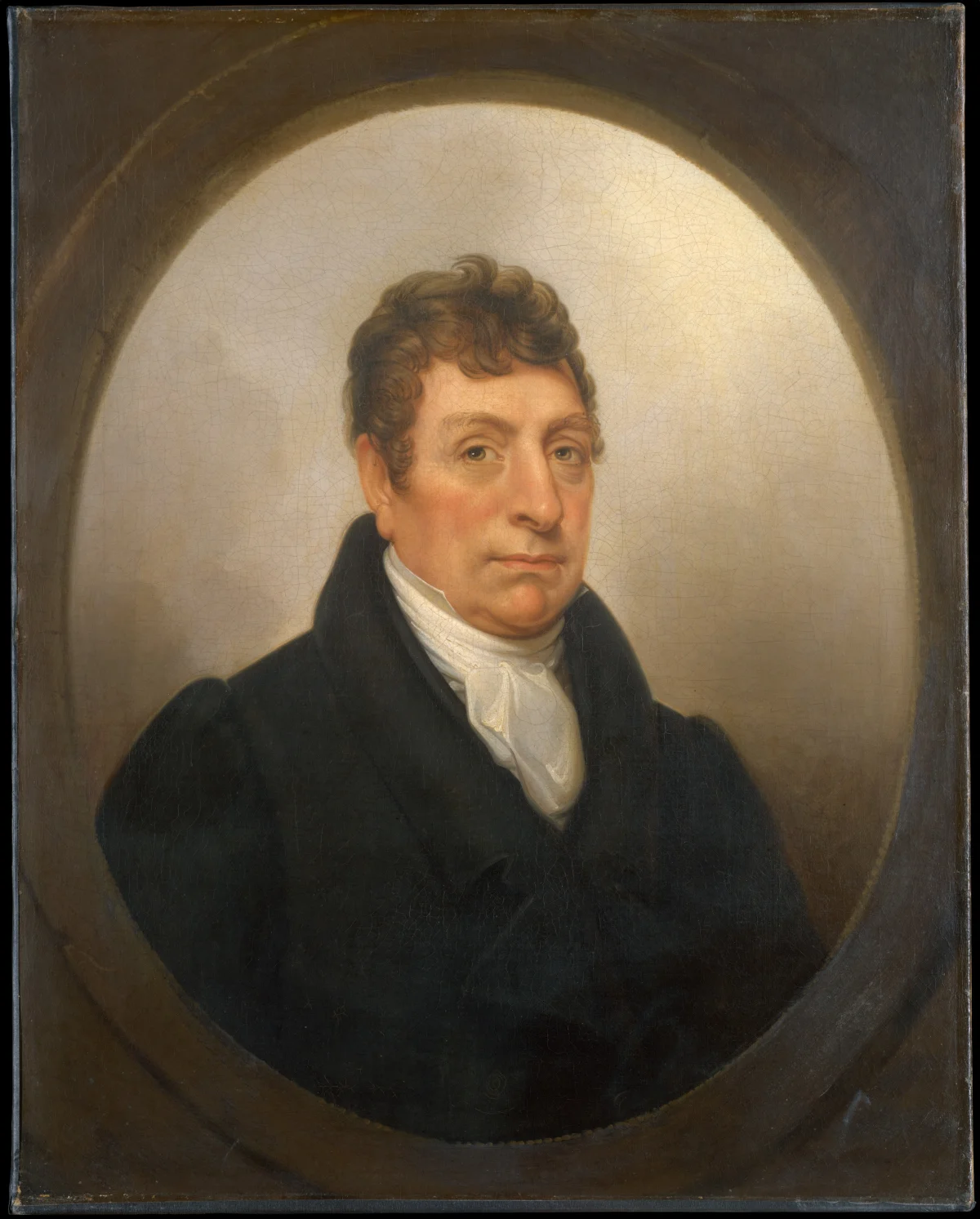
Rembrandt Peale’s "Portrait of Dewitt Clinton" is a remarkable example of oil on canvas technique, showcasing the artist’s refined brushwork and attention to detail. The Neo-Classical style is evident in the painting’s balanced composition and lifelike representation. Peale’s ability to capture personality and presence makes this painting a standout among other masterpieces like "Portrait of William Short" and "Caroline Louisa Pratt Bartlett." Each stroke reinforces the timeless appeal of Neo-Classical art.
Within "Portrait of Dewitt Clinton," viewers discover subtle symbols and stories that evoke the spirit of the Neo-Classical movement. Rembrandt Peale’s fine art painting for sale not only immortalizes Clinton’s legacy but also reflects broader themes of civic virtue and public service. Similar narratives can be found in related works such as "Portrait of America's First Bishop and Archbishop, John Carroll" and "Man Wearing Feather Cloak and Helmit," each offering rich historical context for collectors and art lovers alike.
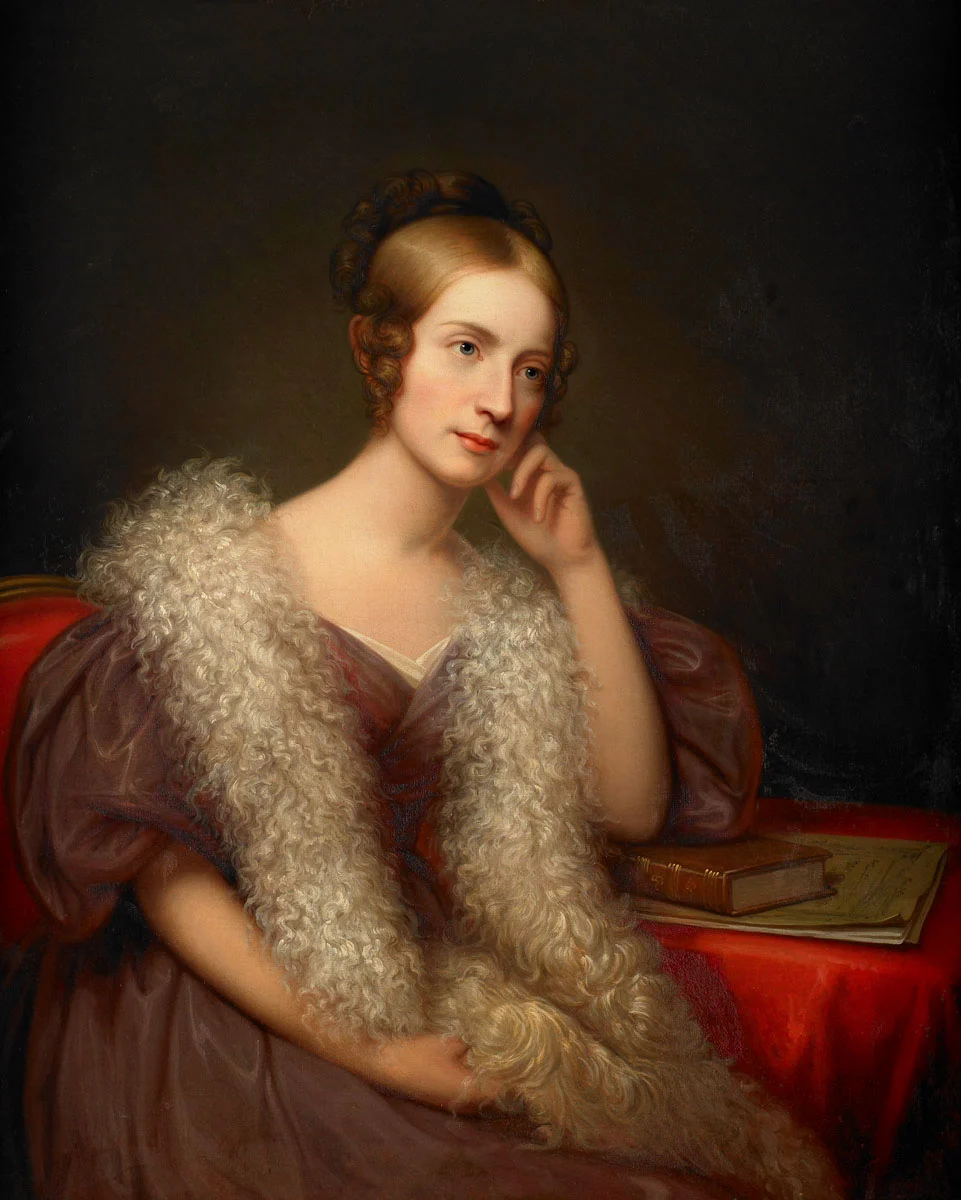
For those seeking a distinguished addition to their collection, Rembrandt Peale’s "Portrait of Dewitt Clinton" represents an exceptional hand-painted oil painting from the Neo-Classical era. Its provenance and craftsmanship make it a valuable acquisition, resonating with collectors who admire works like "The Roman Daughter" and "Caroline Louisa Pratt Bartlett." As a fine art painting for sale, it embodies the sophistication and heritage that define Peale’s remarkable artistic legacy.
When Art Meets History
"Portrait of Dewitt Clinton" by Rembrandt Peale stands as a remarkable hand-painted oil painting within the Neo-Classical movement. Peale, renowned for his masterful portraits, captures Dewitt Clinton, a pivotal figure in American history, with striking realism and dignity. This work, much like other Neo-Classical masterpieces such as "Lament for Icarus" and "Lake Fucino and the Abruzzi Mountains," bridges the gap between historical narrative and artistic brilliance, offering viewers a timeless glimpse into the past.
Techniques That Speak
Rembrandt Peale’s "Portrait of Dewitt Clinton" demonstrates his exceptional skill with oil on canvas, employing delicate brushstrokes and a balanced composition typical of the Neo-Classical style. Peale’s careful attention to detail, from Clinton’s thoughtful expression to the rich textures of his attire, showcases the technical prowess that defines his work. This portrait, akin to "The Kelpie" and "Adventurer," highlights how the medium of oil on canvas elevates both subject and setting in fine art.
Emotions on Display
In "Portrait of Dewitt Clinton," Rembrandt Peale conveys a sense of gravitas and intellectual depth, hallmarks of the Neo-Classical movement. The sitter’s composed demeanor and penetrating gaze evoke admiration and respect—qualities echoed in other celebrated works like "Beaumes De Venise" and "Lament for Icarus." This fine art painting for sale not only immortalizes Clinton but also invites viewers to connect emotionally, making it a standout piece in Peale’s illustrious portfolio.
Coveted by Collectors
Collectors prize Rembrandt Peale’s "Portrait of Dewitt Clinton" for its historical significance and exquisite artistry, hallmarks of the Neo-Classical era. As with related paintings such as "Lake Fucino and the Abruzzi Mountains" and "The Kelpie," this hand-painted oil painting attracts those seeking to own a piece of cultural heritage. The enduring appeal of Peale’s portraits ensures that his works remain highly sought after in the world of fine art painting for sale.
Related Neo-Classical Hand-Painted Oil Paintings by Other Artists
Other Famous Neo-Classical Artists:
Frequently Asked Questions About Portrait of Dewitt Clinton
Who is depicted in the painting "Portrait of Dewitt Clinton"?
The painting features Dewitt Clinton, an influential American politician and the 4th Governor of New York, known for his role in the construction of the Erie Canal.
What is the significance of Dewitt Clinton in American history?
Dewitt Clinton is recognized for his contributions to the development of New York State and his vision for infrastructure improvements, which played a crucial role in the economic growth of the United States in the 19th century.
Who was the artist of "Portrait of Dewitt Clinton"?
The painting was created by Rembrandt Peale, an American portraitist known for his detailed and lifelike representations of prominent figures of his time.
What artistic techniques did Rembrandt Peale employ in this portrait?
Peale utilized a combination of chiaroscuro to create depth and dimension, as well as a meticulous attention to detail in the textures of clothing and facial features, enhancing the realism of the portrait.
What is the historical context of the painting?
The portrait was painted during the early 19th century, a time of significant political and social change in America, reflecting the growing influence of individuals like Clinton in shaping the nation’s future.
What symbolism is present in "Portrait of Dewitt Clinton"?
The painting symbolizes leadership and vision, with Clinton’s confident posture and direct gaze conveying his determination and commitment to public service and progress.
How does this portrait compare to other portraits of the era?
Unlike many portraits of the time that emphasized idealization, Peale’s work captures a more personal and approachable likeness of Clinton, reflecting the emerging American identity and the importance of individual character.
What materials were used in the creation of this painting?
Rembrandt Peale typically used oil on canvas, a common medium for portraiture in the 19th century, allowing for rich colors and detailed textures.
Where can I view "Portrait of Dewitt Clinton" today?
The painting is part of the collection at the art gallery, where it is displayed to highlight its historical significance and artistic merit.
What impact did "Portrait of Dewitt Clinton" have on American art?
This portrait is significant as it showcases the evolution of American portraiture, emphasizing individuality and realism, which influenced future generations of artists in their portrayal of public figures.























_GFM_Painting_(1).webp)


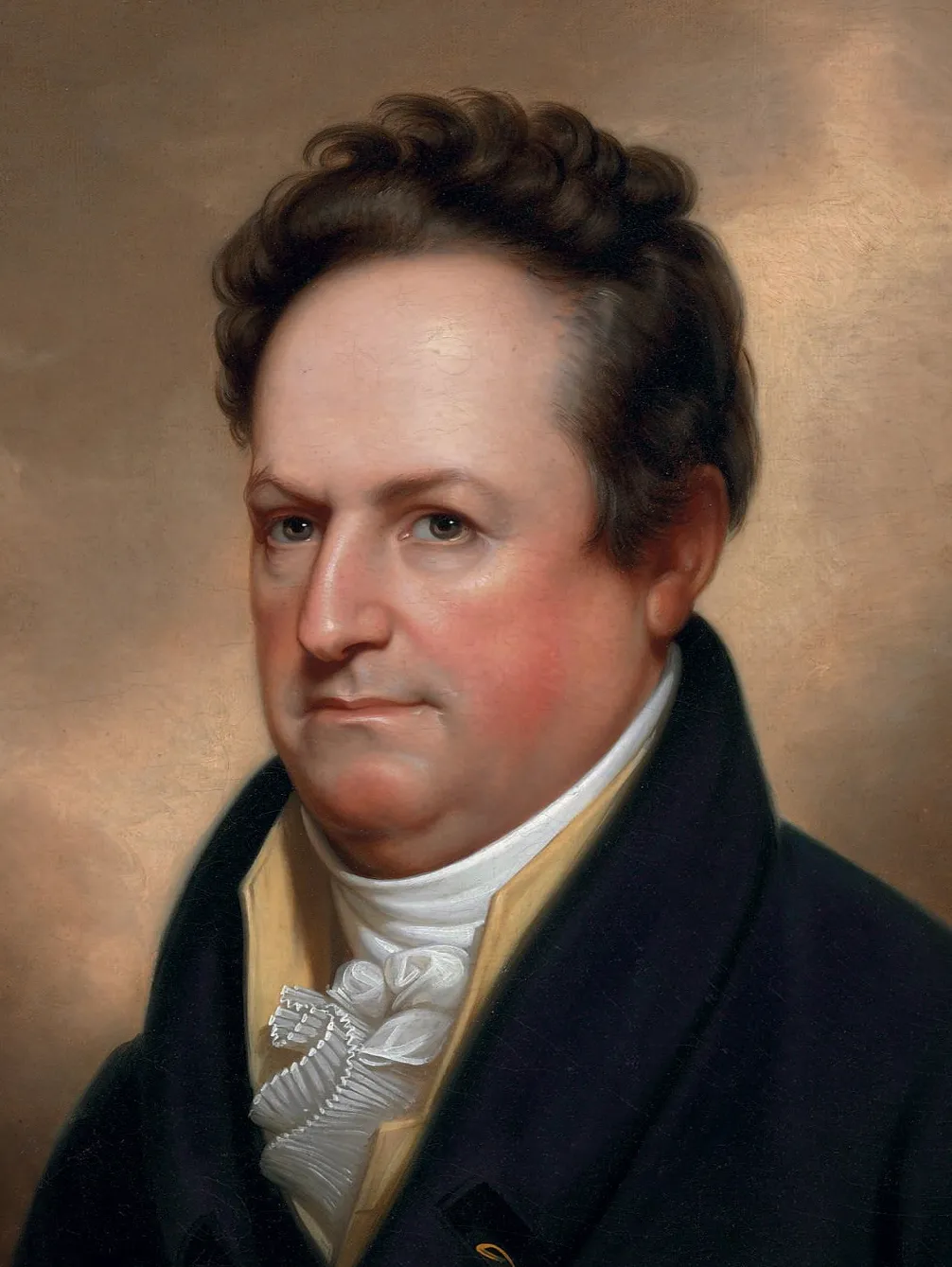
 100% Hand-Painted: Finished in 3-6 Weeks

.png)
















_(1).webp)