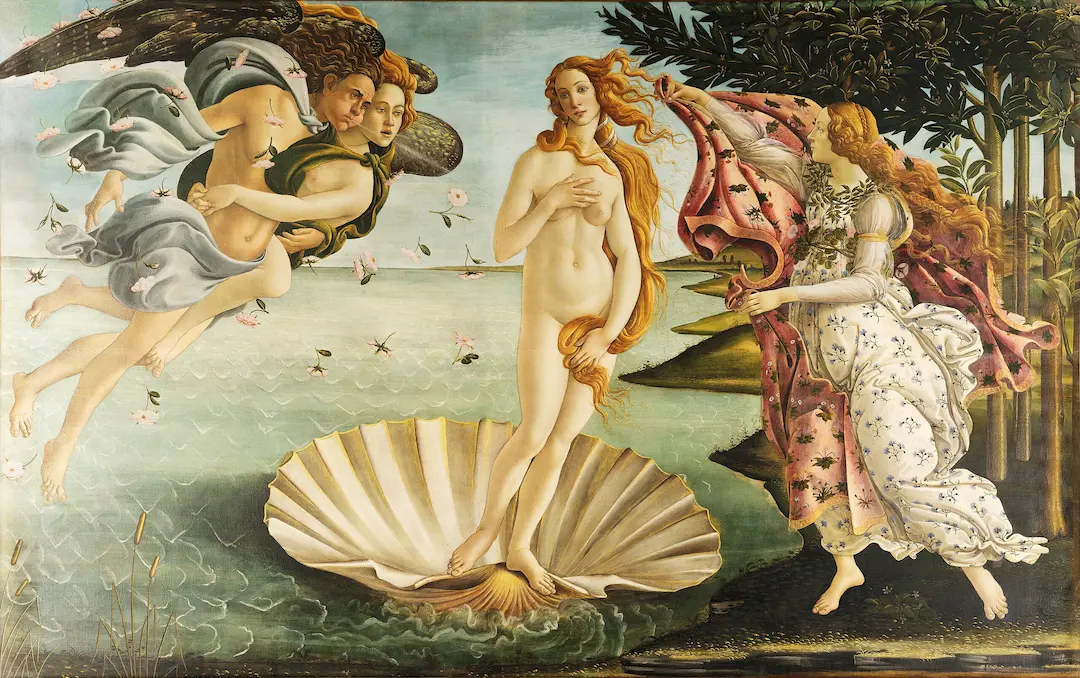
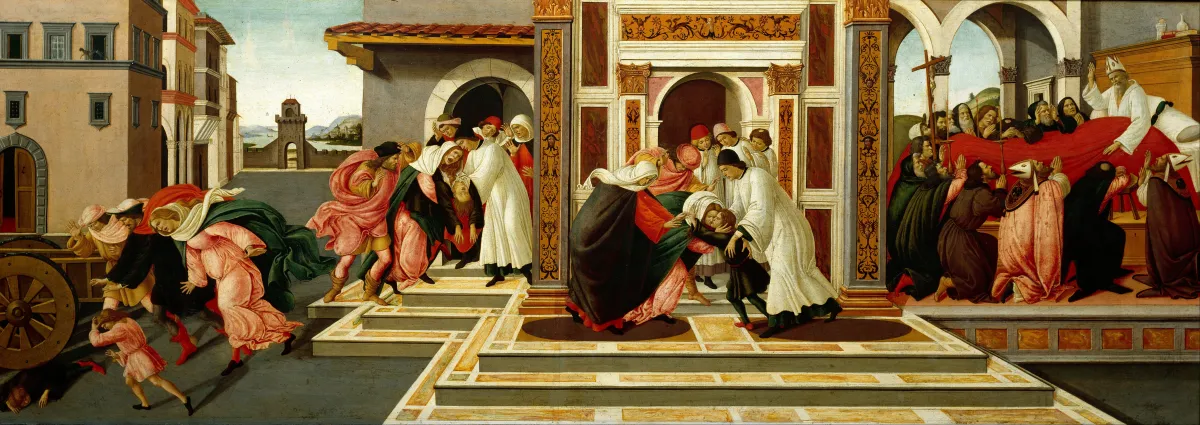
"Last Miracle and the Death of Saint Zenobius" by Alessandro Filipepi, famously known as Sandro Botticelli, stands as a testament to the Early Renaissance movement. This hand-painted oil painting captures a pivotal religious moment, exemplifying Botticelli's ability to convey emotion and narrative through art. Collectors and art enthusiasts seeking to enhance their collection can explore related masterpieces such as "Madonna and Child" or "Birth of Christ" to complement their appreciation of Botticelli's legacy.
Botticelli’s "Last Miracle and the Death of Saint Zenobius" showcases the artist’s refined technique and mastery of oil on canvas. The Early Renaissance era is renowned for its advancements in depth, perspective, and realism, all of which are evident in this remarkable piece. Botticelli’s delicate brushwork and expert use of color bring the scene to life, making this painting a prime example for those interested in the highest standards of oil on canvas works from this influential period.
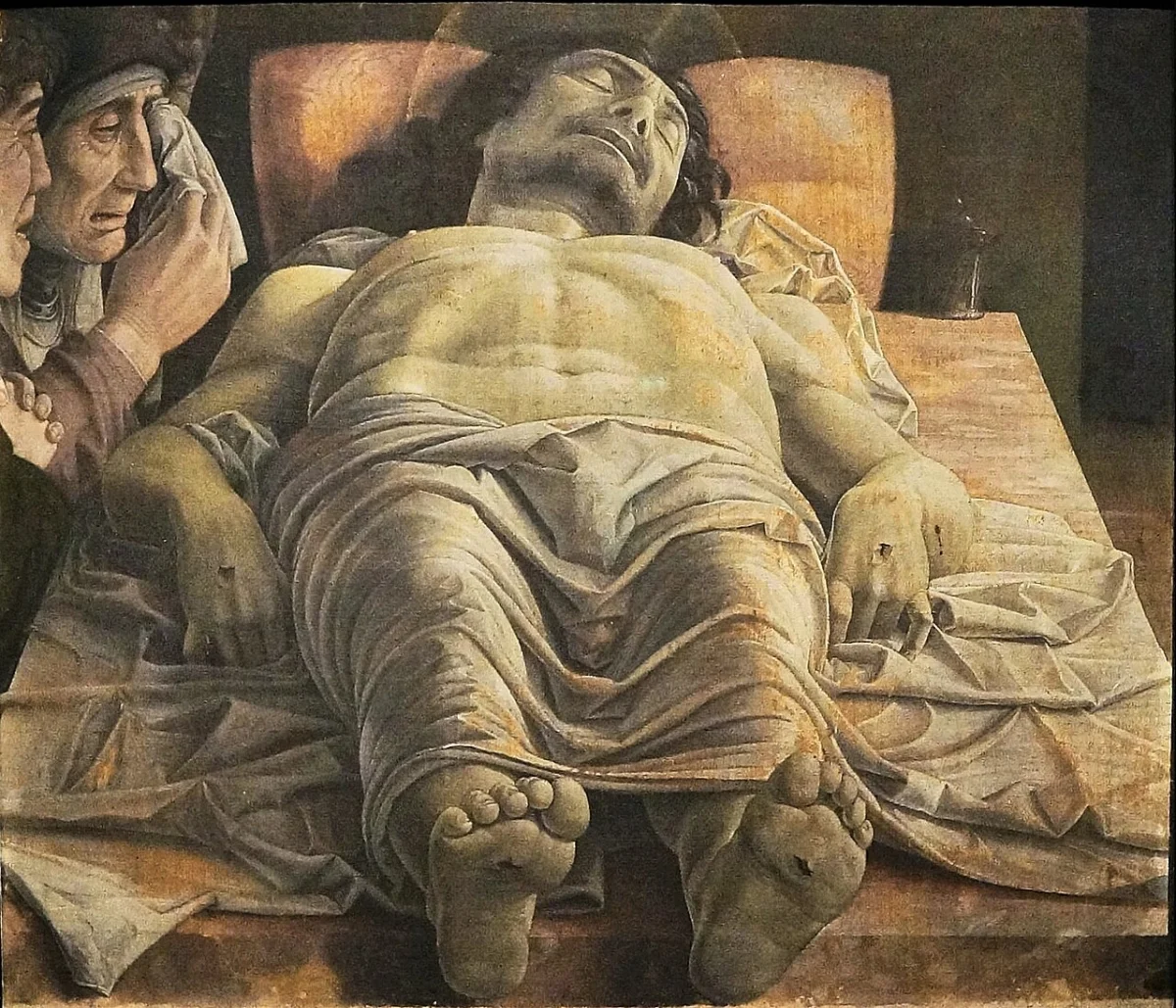
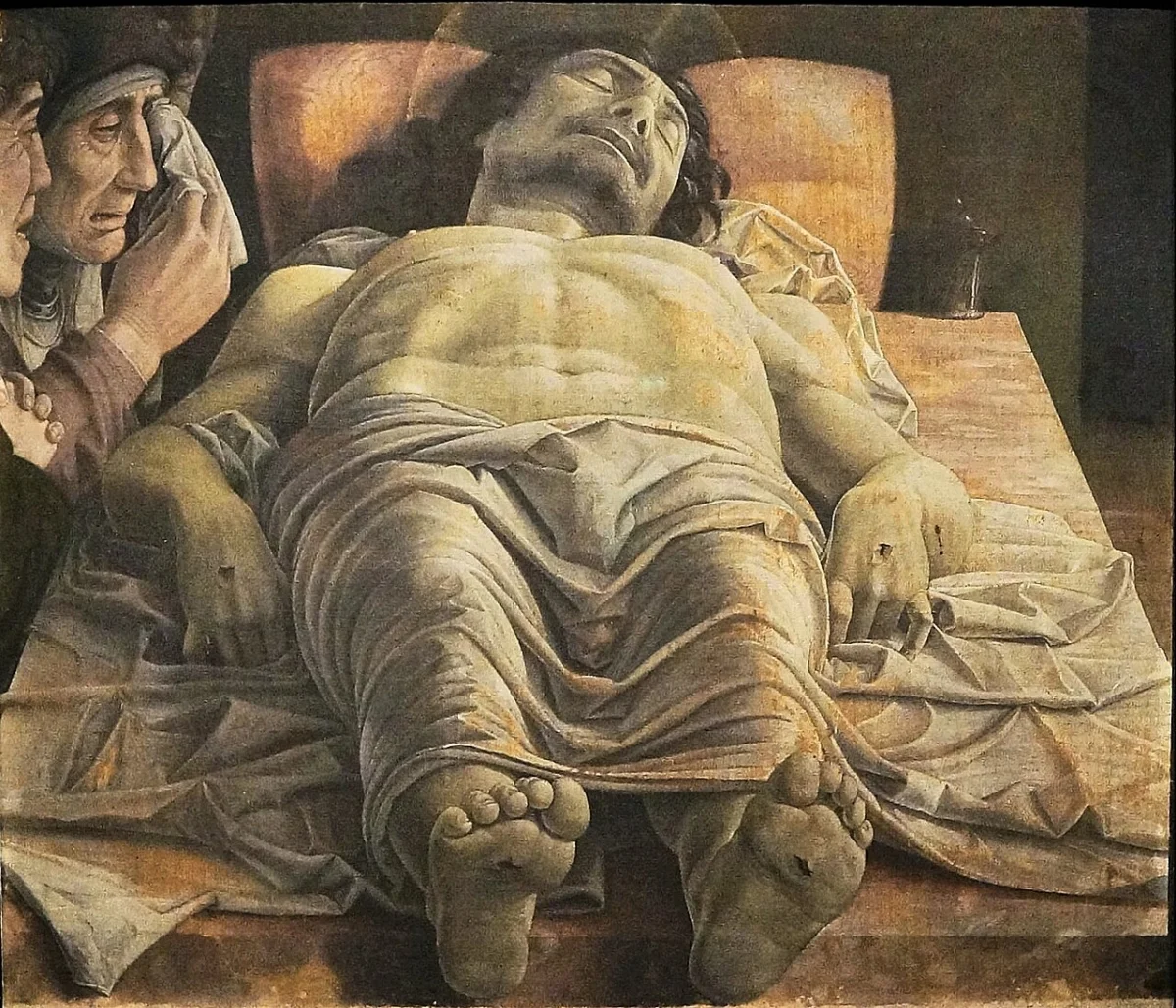
This fine art painting for sale is rich with symbolism, reflecting the spiritual and narrative depth characteristic of the Early Renaissance. "Last Miracle and the Death of Saint Zenobius" depicts not only a historical event but also Botticelli’s talent for embedding subtle details and allegories. Art lovers can further explore these themes in related works like "The Trials of Moses" and "Lamentation over the Dead Christ," which also demonstrate Botticelli’s storytelling prowess.
When Art Meets History
"Last Miracle and the Death of Saint Zenobius" by Alessandro Filipepi, famously known as Sandro Botticelli, is a remarkable example of the Early Renaissance movement. This hand-painted oil painting captures a pivotal moment in Florentine religious history, blending storytelling and devotion seamlessly. Botticelli’s mastery is evident, much like in his related works such as "St John the Baptist Preaching" and "The Agony in the Garden," which also reflect deep historical and spiritual significance.
Techniques That Speak
Botticelli’s use of oil on canvas in "Last Miracle and the Death of Saint Zenobius" highlights the technical innovations of the Early Renaissance. His delicate brushwork, luminous colors, and masterful composition bring the narrative to life. The painting’s refined details can be compared to those in "Flagellation" and "The Penance of St Jerome," showcasing the artist’s unique approach to storytelling through art. Such oil on canvas works remain highly influential within both classical and contemporary art circles.
Emotions on Display
The emotional depth in Botticelli’s "Last Miracle and the Death of Saint Zenobius" is palpable. Each figure’s expression and gesture convey grief, reverence, and hope, hallmarks of the Early Renaissance’s focus on human emotion. This fine art painting for sale echoes the intense spirituality also seen in his "Album del Louvre, epigrafi e monete" and other masterpieces. Botticelli’s ability to evoke empathy and reflection sets his work apart in the canon of Renaissance art.
Coveted by Collectors
As a fine art painting for sale, "Last Miracle and the Death of Saint Zenobius" is highly sought after by collectors and museums alike. Sandro Botticelli’s works, emblematic of the Early Renaissance, are prized for their historical and aesthetic significance. Alongside related paintings like "The Agony in the Garden" and "St John the Baptist Preaching," this masterpiece continues to attract admiration and desire, solidifying Botticelli’s enduring legacy in the art market.
Related Early Renaissance Hand-Painted Oil Paintings by Other Artists
Other Famous Early Renaissance Artists:
Frequently Asked Questions About Last Miracle and the Death of Saint Zenobius
What is the historical context of "Last Miracle and the Death of Saint Zenobius"?
This painting, created by Sandro Botticelli in the late 15th century, reflects the Renaissance's focus on humanism and religious themes, depicting the story of Saint Zenobius, a prominent figure in Florentine history.
Who was Saint Zenobius and why is he significant?
Saint Zenobius was the first bishop of Florence and is revered for his miracles and leadership in the early Christian community, making him a vital figure in the city's religious history.
What artistic techniques did Botticelli employ in this painting?
Botticelli utilized tempera on wood, employing a delicate color palette and intricate details, which are characteristic of his style, to convey emotion and narrative depth.
What are the main themes depicted in the painting?
The primary themes include faith, martyrdom, and divine intervention, illustrated through the miraculous events surrounding Saint Zenobius's life and death.
How does Botticelli's style contribute to the overall impact of the painting?
Botticelli's signature flowing lines and ethereal figures create a sense of grace and spirituality, enhancing the painting's emotional resonance and religious significance.
What symbols are present in "Last Miracle and the Death of Saint Zenobius"?
Key symbols include the halo surrounding Saint Zenobius, representing holiness, and the presence of angels, which signifies divine approval and the heavenly realm.
How does this painting reflect the values of the Renaissance period?
The artwork embodies Renaissance values by integrating classical themes with Christian iconography, emphasizing the importance of individual experience and spiritual enlightenment.
What is the significance of the composition in this painting?
The composition is carefully arranged to draw the viewer's eye towards Saint Zenobius, highlighting his importance and the central narrative of the miraculous event.
In what ways has "Last Miracle and the Death of Saint Zenobius" influenced later artists?
This painting has influenced later artists by showcasing the integration of narrative and emotion in religious art, inspiring a more personal approach to spiritual themes in subsequent works.
Where can I view "Last Miracle and the Death of Saint Zenobius" today?
The painting is housed in the Museo di San Marco in Florence, Italy, where visitors can appreciate its historical and artistic significance in person.























_GFM_Painting_(1).webp)


 100% Hand-Painted: Finished in 3-6 Weeks

.png)












.webp)



_(1).webp)