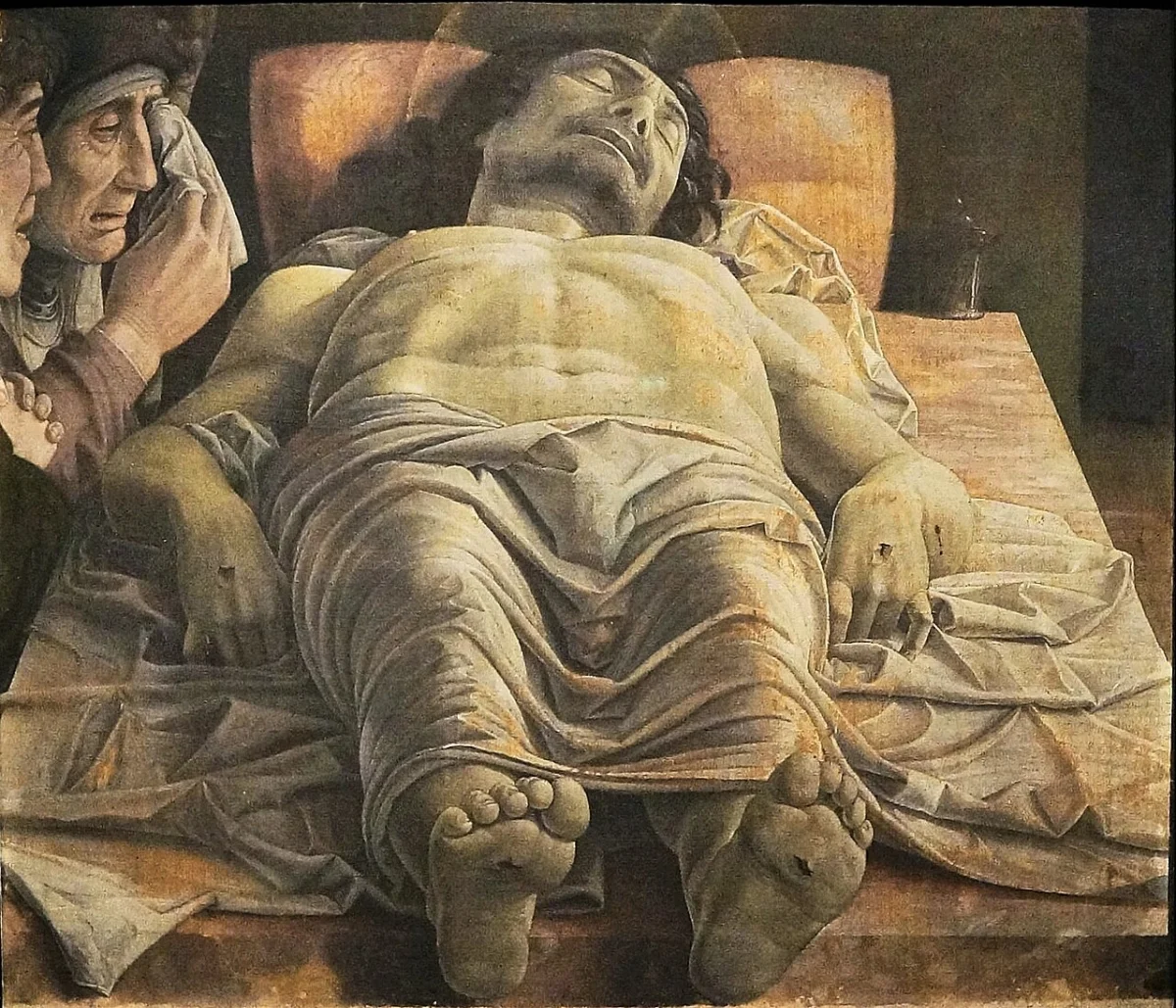
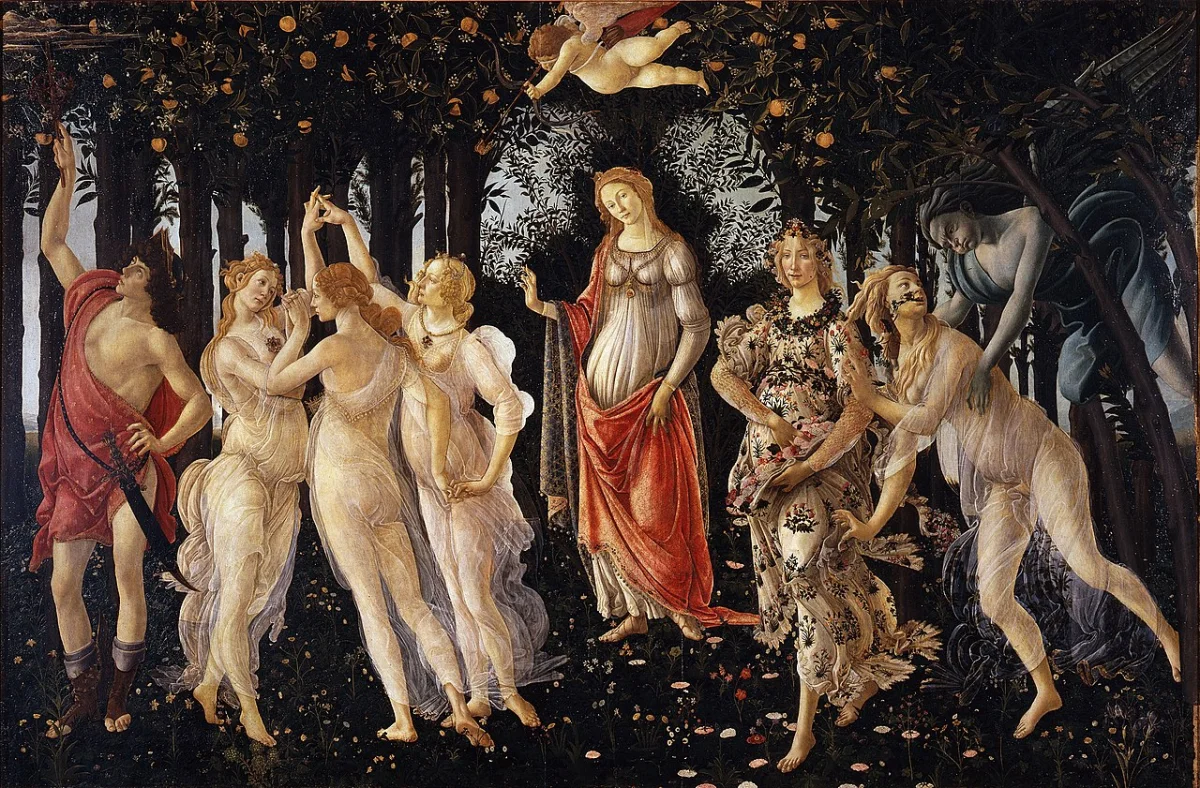
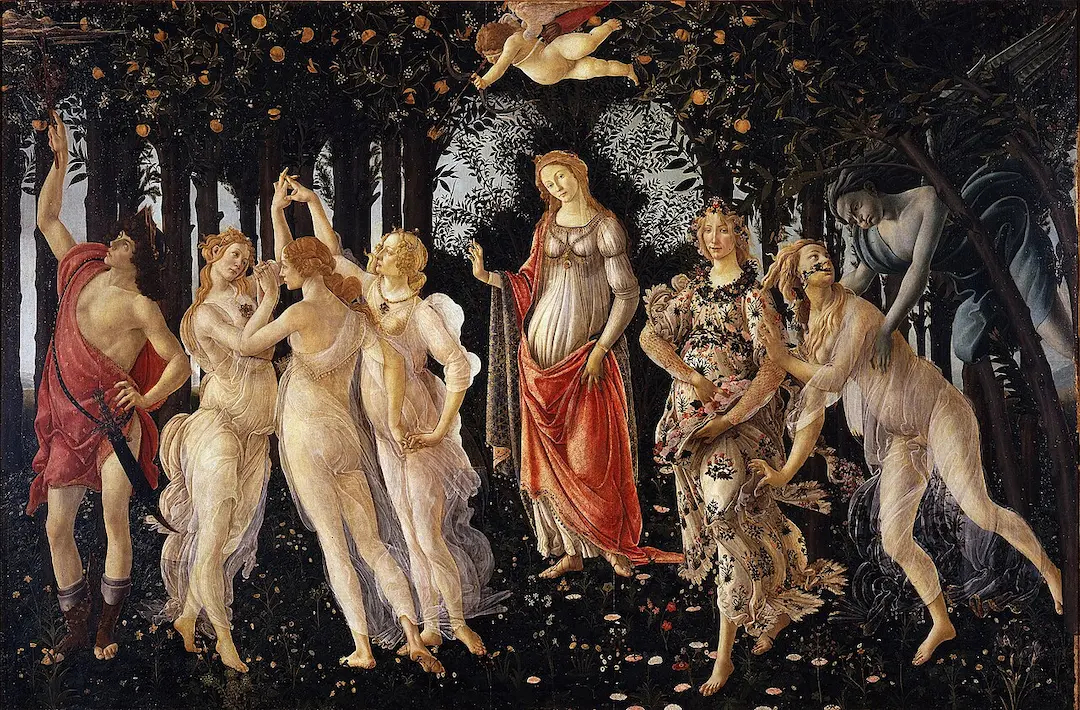
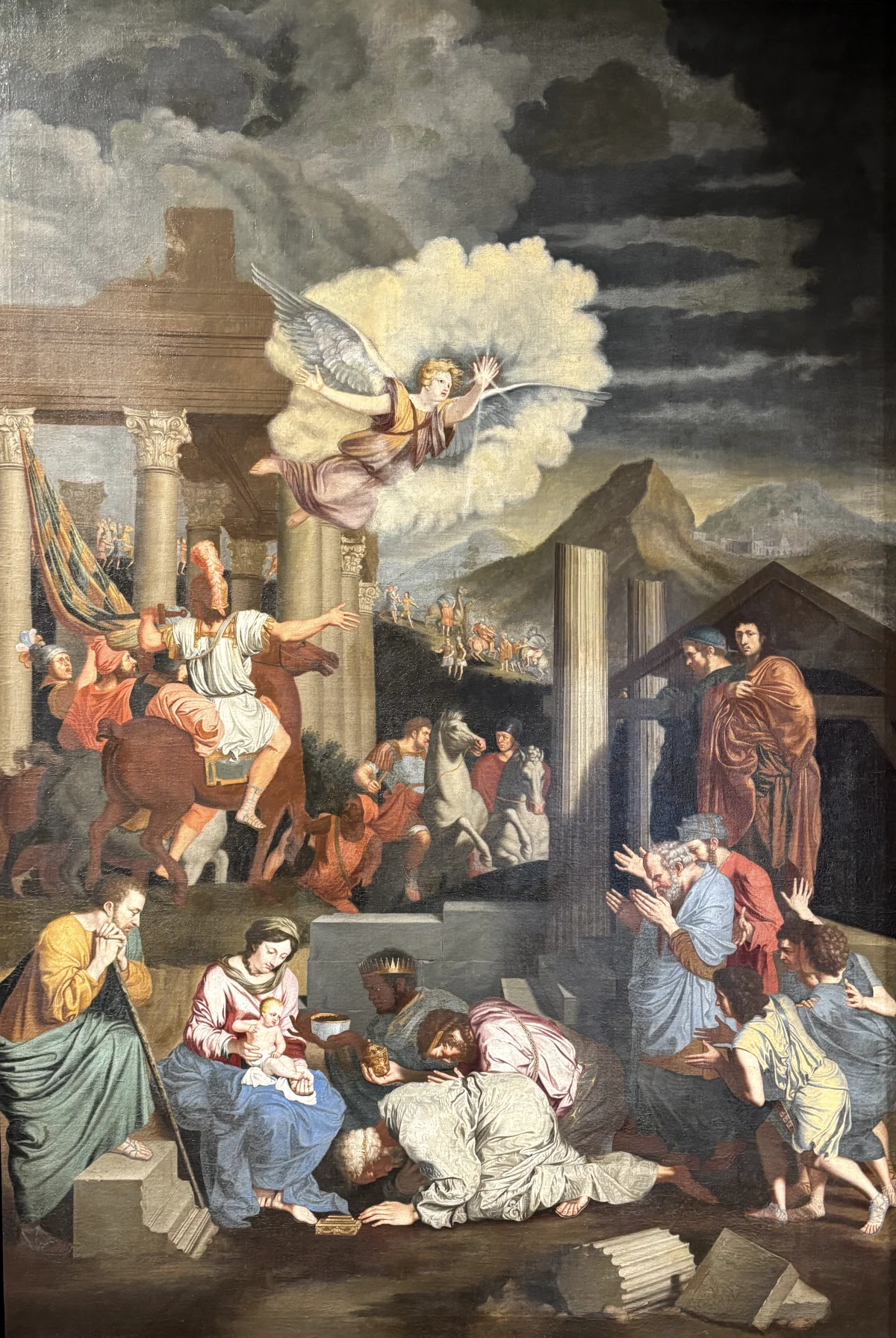
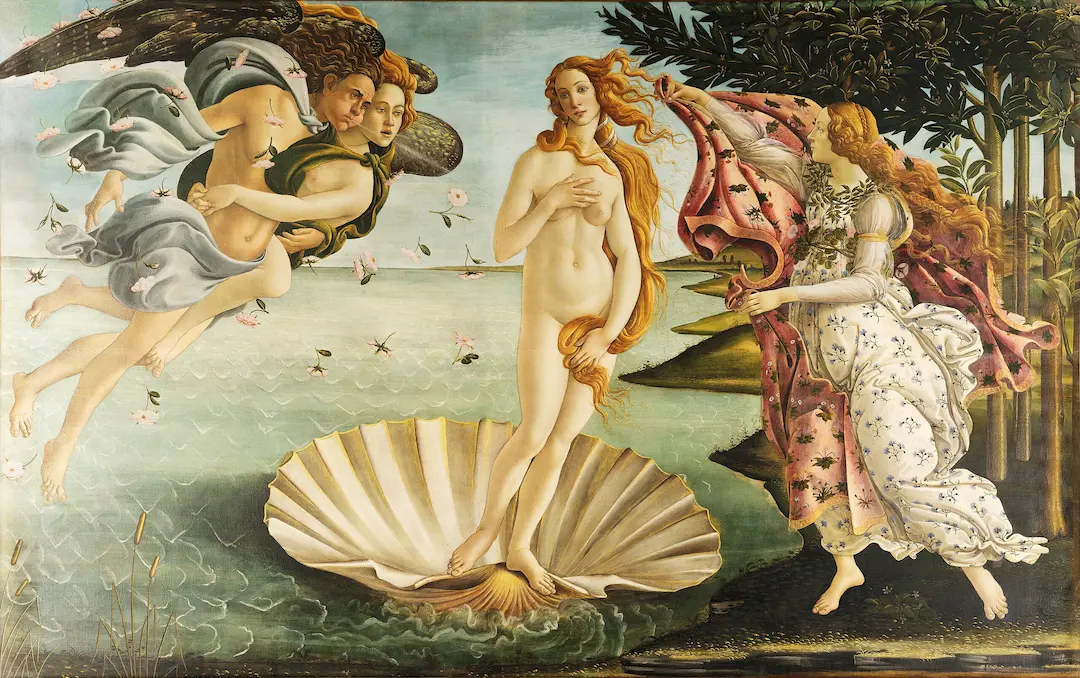
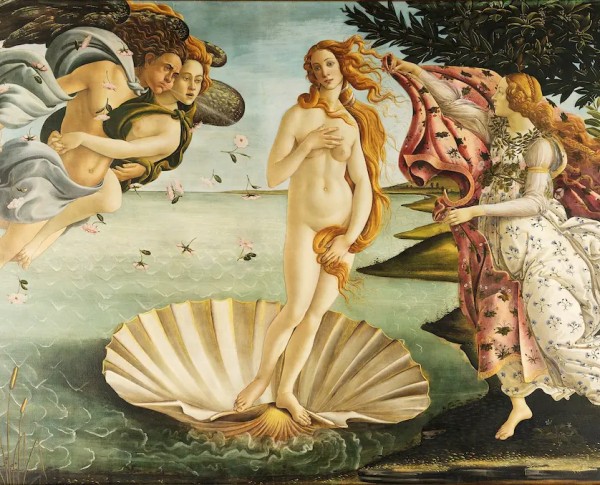
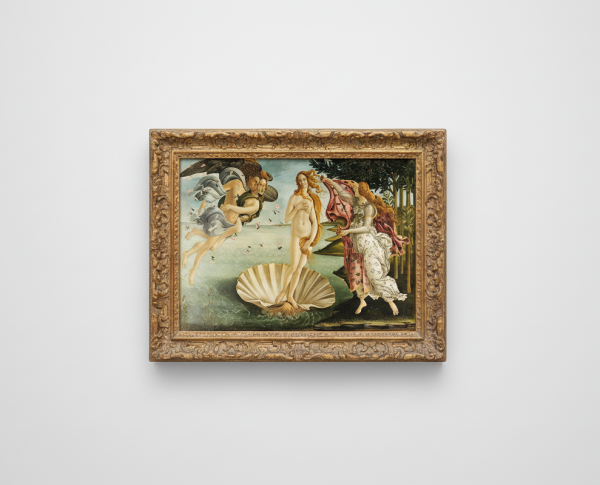
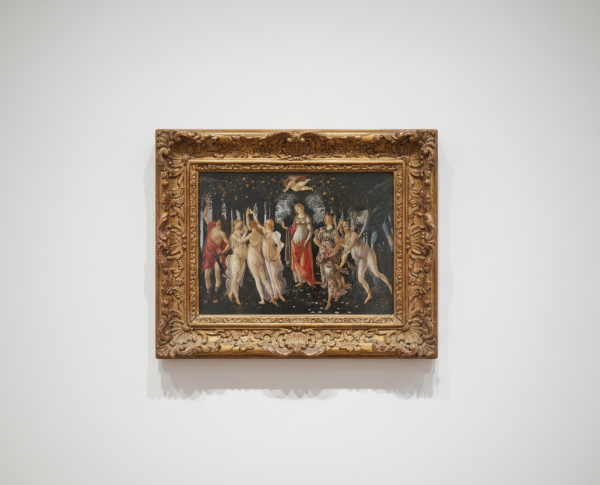
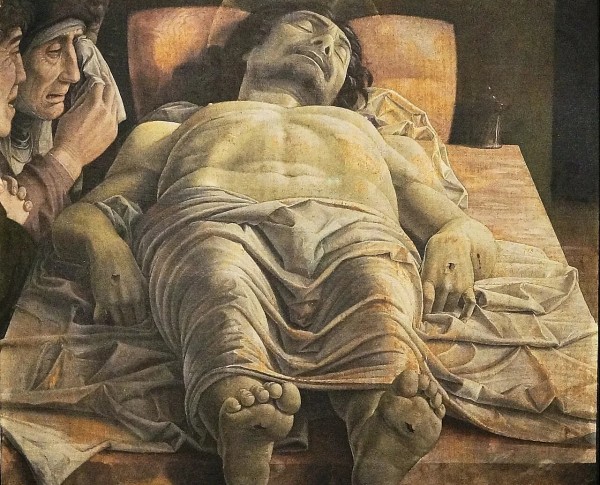
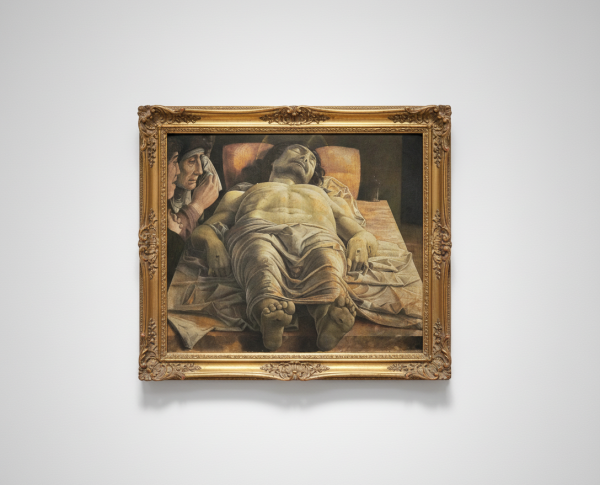
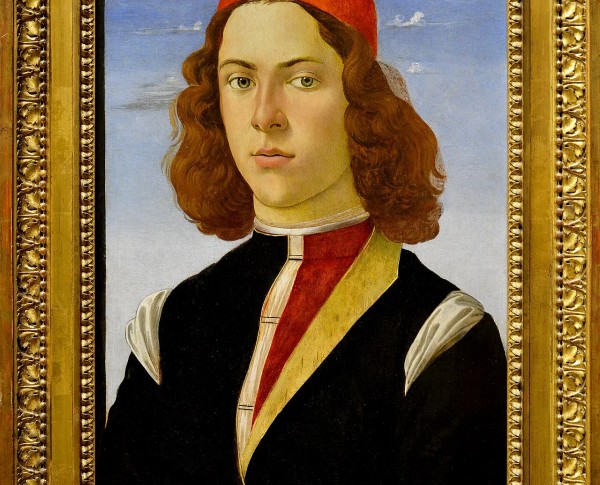
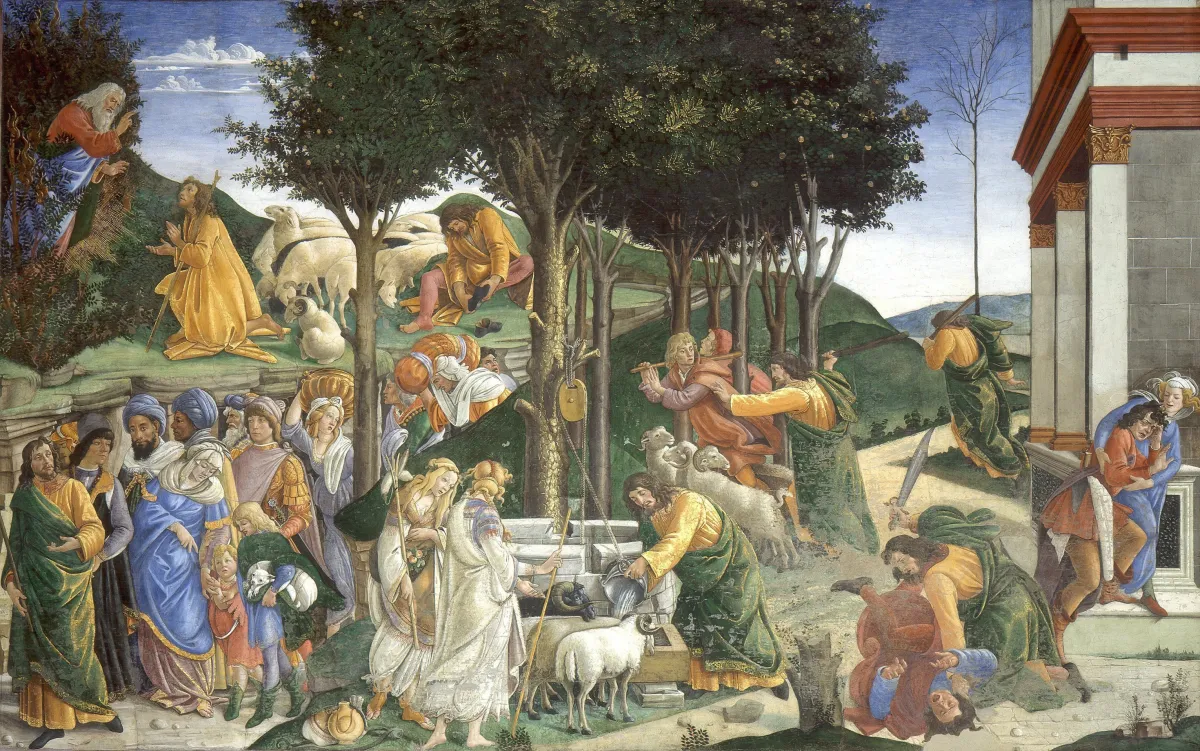
"The Trials of Moses" by Alessandro Filipepi, widely known as Sandro Botticelli, stands as a remarkable hand-painted oil painting from the Early Renaissance movement. This masterpiece is celebrated for its rich narrative and artistic innovation. Botticelli’s influence shaped the direction of Renaissance art, and his works continue to inspire collectors and art lovers alike. For those interested in Botticelli’s legacy, explore related products such as "The Annunciation" and "Madonna of the Rosegarden."
Botticelli’s "The Trials of Moses" exemplifies the exquisite craftsmanship of oil on canvas techniques during the Early Renaissance. Every detail, from vibrant colors to intricate figures, demonstrates Botticelli’s unique approach to composition and storytelling. The painting’s quality and precision make it a standout piece among Early Renaissance works. Enhance your collection with other masterpieces like "Madonna and Child with an Angel" or "A Young Man Being Introduced to the Seven Liberal Arts."
"The Trials of Moses" is not just a fine art painting for sale; it is a tapestry of biblical stories and Renaissance symbolism. Botticelli infuses the scene with narrative depth, capturing Moses’ journey through trials and triumphs. The Early Renaissance movement’s love for allegory and detail is evident throughout the canvas. Collectors may also appreciate related works such as "Punishment of the Rebels" and "Temptations of Christ" for their symbolic richness.
When Art Meets History
"The Trials of Moses" by Alessandro Filipepi, better known as Sandro Botticelli, is a masterful hand-painted oil painting that captures a pivotal moment in biblical history. Created during the Early Renaissance movement, this artwork demonstrates Botticelli’s deep engagement with religious themes. Like his related paintings, such as "The Flagellation of Christ" and "Saint Jerome," Botticelli’s work reflects the era’s fascination with storytelling through art, providing a visual narrative that resonates with both history enthusiasts and art lovers alike.
Techniques That Speak
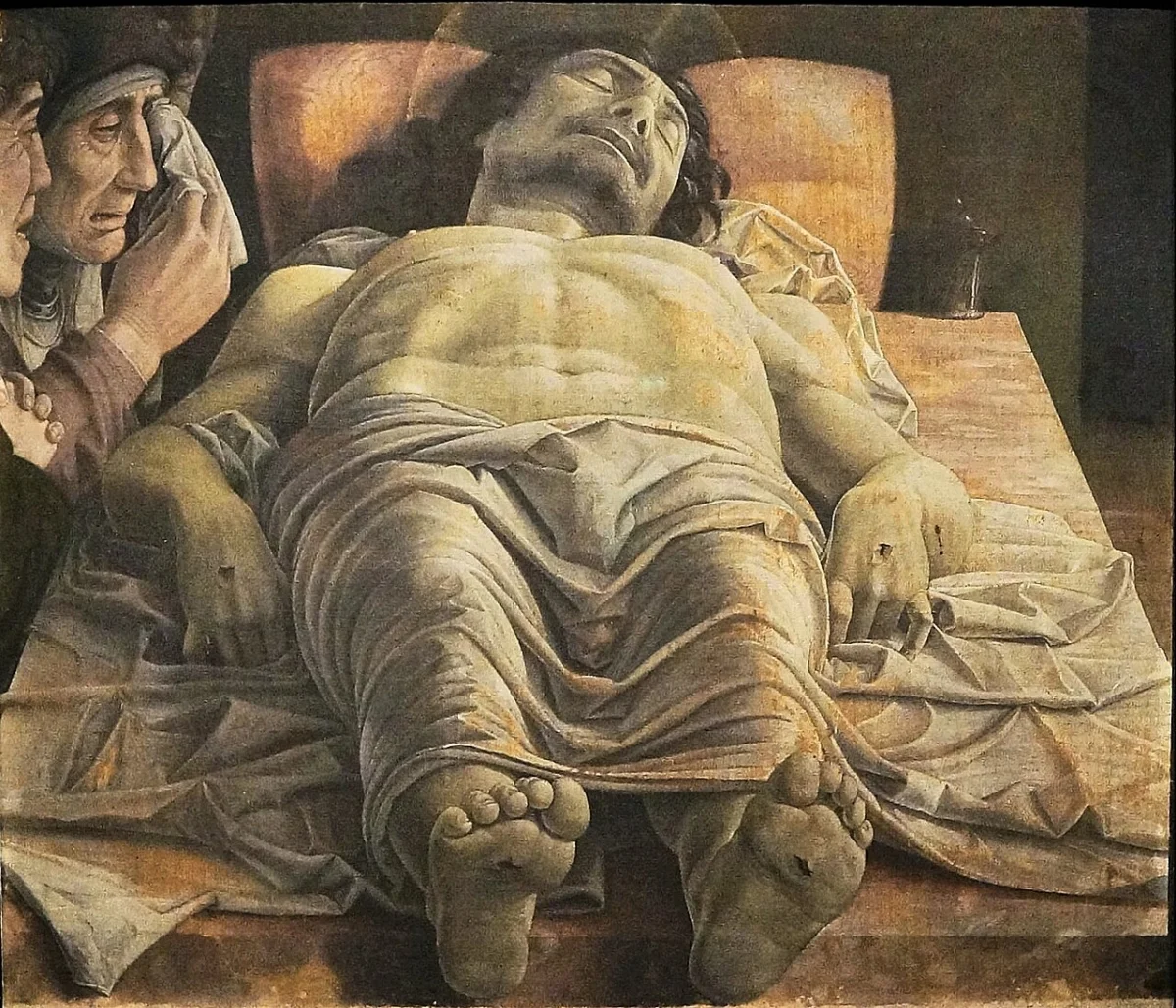
Botticelli’s "The Trials of Moses" is a stunning example of oil on canvas technique, showcasing the artist’s exceptional skill in composition, color, and detail. As seen in other Early Renaissance works like "The Agony in the Garden" and "Lamentation," Botticelli employs delicate brushwork and layered pigments to create a sense of depth and realism. The careful arrangement of figures and landscapes in this painting highlights the technical mastery that defines Botticelli’s approach to the fine art of his time.
Emotions on Display
In "The Trials of Moses," Botticelli brings to life the intense emotions and spiritual struggles of his subjects through expressive gestures and evocative facial expressions. This fine art painting for sale invites viewers to connect with the characters’ journeys, much like his other works such as "Saint Jerome and a Donor." The painting’s dynamic composition and vibrant color palette immerse the audience in the emotional landscape of the Early Renaissance, making it a timeless masterpiece.
Coveted by Collectors
"The Trials of Moses" holds a special place among collectors of Renaissance art, prized for its historical significance and the renowned skill of Sandro Botticelli. As with related masterpieces like "The Flagellation of Christ," this hand-painted oil painting is highly sought after for its artistry and provenance. Collectors appreciate the opportunity to own a piece that exemplifies the ingenuity and beauty of the Early Renaissance, making it a standout addition to any distinguished collection.
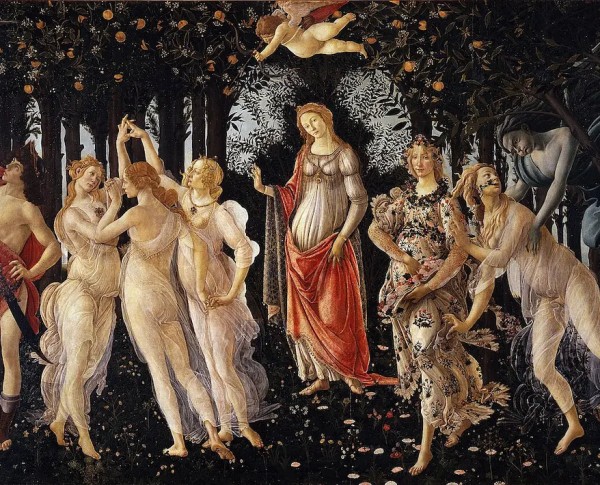
Related Early Renaissance Hand-Painted Oil Paintings by Other Artists
Other Famous Early Renaissance Artists:
Frequently Asked Questions About The Trials of Moses
What is the historical context of "The Trials of Moses"?
"The Trials of Moses" was created during the early Renaissance period, a time characterized by a renewed interest in classical antiquity and humanism. This painting reflects the cultural and religious themes prevalent in Florence during the late 15th century.
Who is the artist behind "The Trials of Moses"?
The painting was created by Alessandro Filipepi, more commonly known as Sandro Botticelli, an influential Italian painter of the early Renaissance known for his mythological and religious works.
What are the main themes depicted in "The Trials of Moses"?
The painting explores themes of divine intervention, justice, and the struggle between faith and adversity, illustrating significant events from the life of Moses as he leads the Israelites out of Egypt.
What artistic techniques did Botticelli use in this painting?
Botticelli employed techniques such as linear perspective, vibrant color palettes, and intricate detailing to create a sense of depth and movement, which are hallmarks of his distinctive style.
What symbolism is present in "The Trials of Moses"?
The painting is rich in symbolism, with elements such as the parting of the Red Sea representing liberation and divine guidance, while the figures of Moses and the Israelites symbolize faith and perseverance in the face of trials.
How does "The Trials of Moses" reflect Botticelli's artistic philosophy?
Botticelli's work often emphasizes beauty, grace, and the human experience. In "The Trials of Moses," he conveys a narrative that reflects both the spiritual and physical struggles of humanity, aligning with his belief in the power of art to inspire and educate.
What influences can be seen in Botticelli's portrayal of biblical figures?
Botticelli's portrayal of biblical figures often draws from classical ideals of beauty and proportion, influenced by the Renaissance revival of Greco-Roman aesthetics, which can be seen in the idealized forms and expressions of the characters in "The Trials of Moses."
What is the significance of the setting in "The Trials of Moses"?
The setting of the painting, with its dramatic landscapes and celestial elements, serves to enhance the narrative of divine intervention, emphasizing the monumental nature of the events depicted and the importance of the journey undertaken by Moses and his people.
How does "The Trials of Moses" compare to Botticelli's other works?
While Botticelli is renowned for his mythological paintings, "The Trials of Moses" showcases his ability to convey religious narratives with the same emotional depth and technical skill, bridging the gap between secular and sacred themes in his oeuvre.
What impact did "The Trials of Moses" have on later artists?
The painting has influenced subsequent generations of artists by exemplifying the integration of narrative and symbolism in art. Its emotional resonance and technical mastery have inspired many to explore similar themes in their own works.























_GFM_Painting_(1).webp)


 100% Hand-Painted: Finished in 3-6 Weeks

.png)












.webp)



_(1).webp)