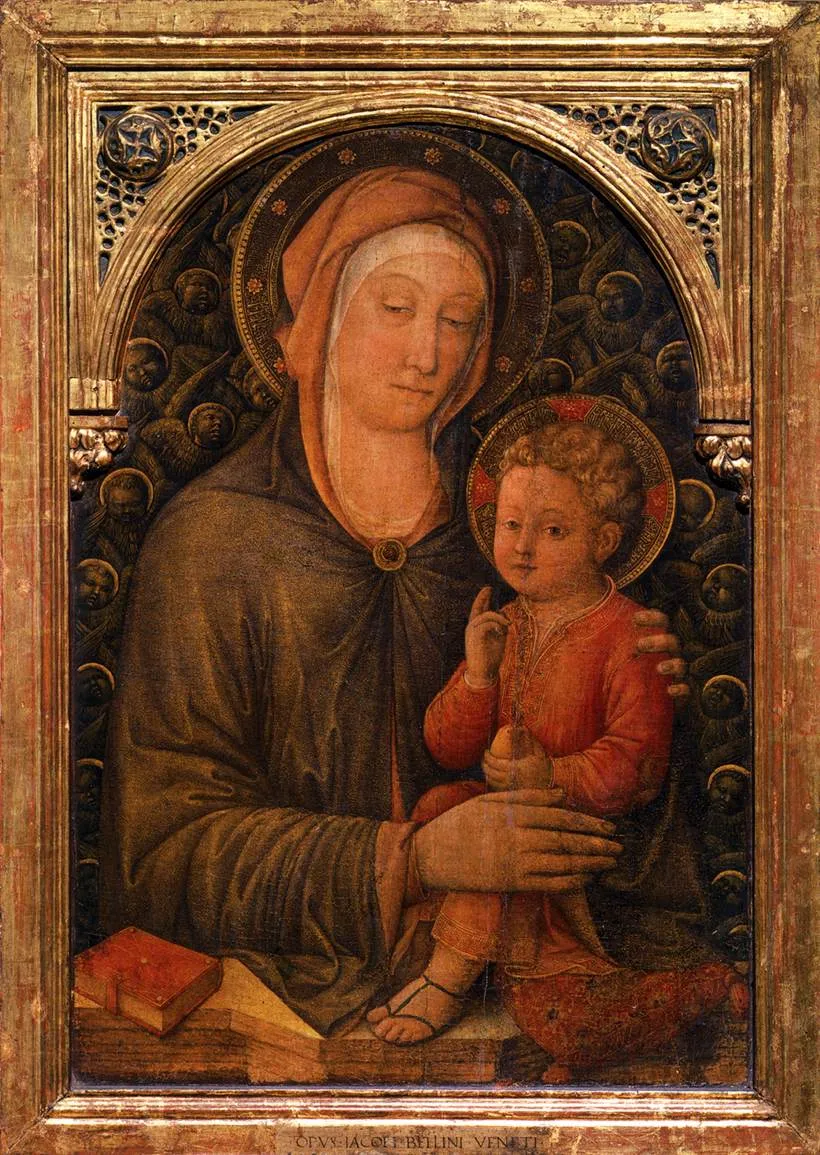
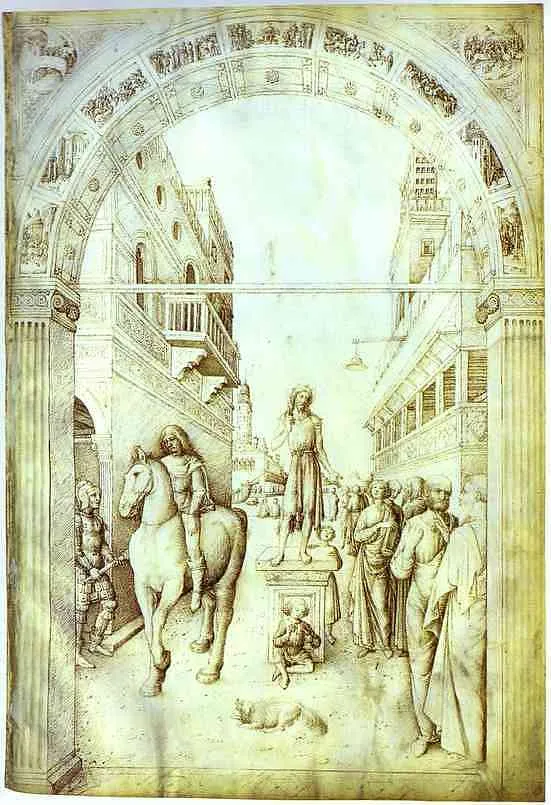
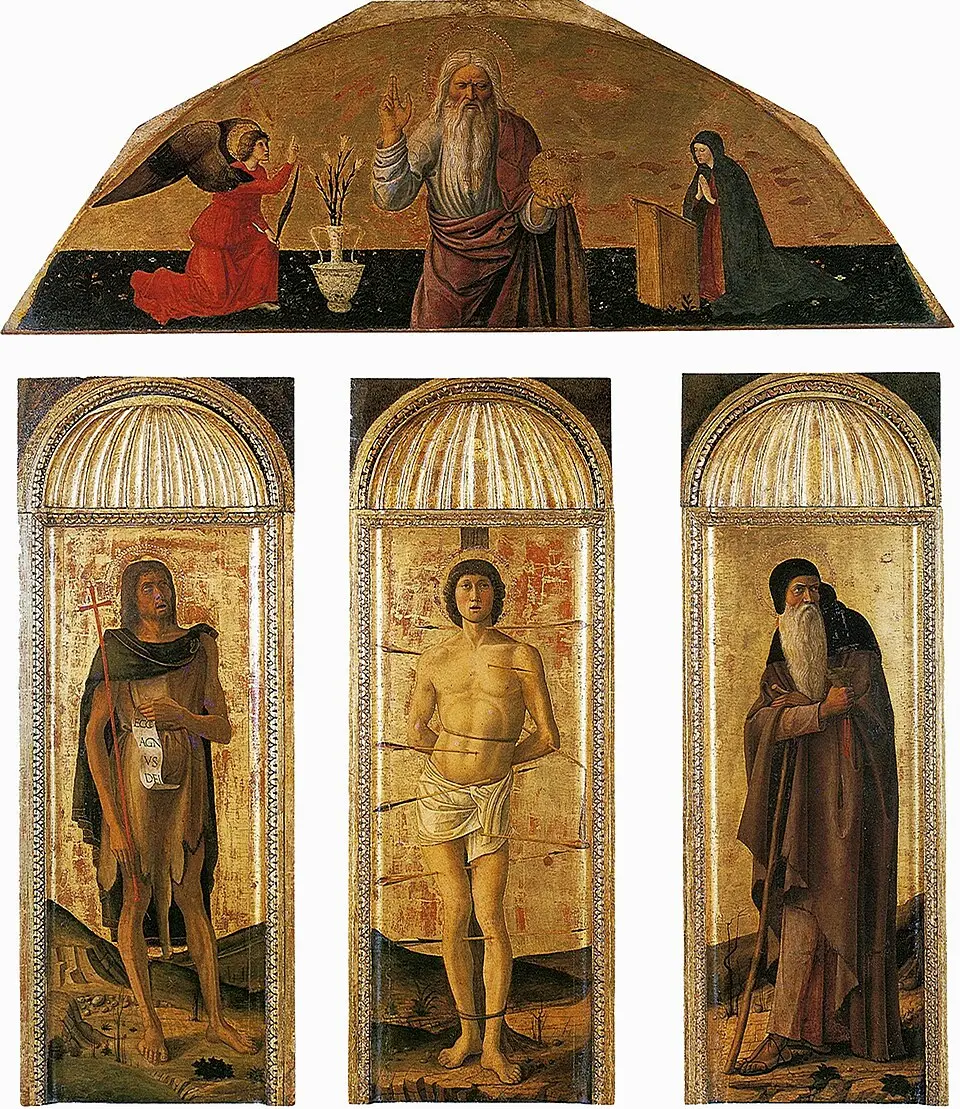
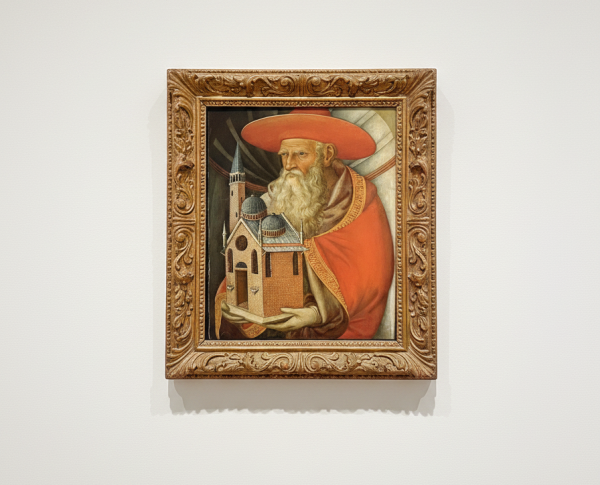
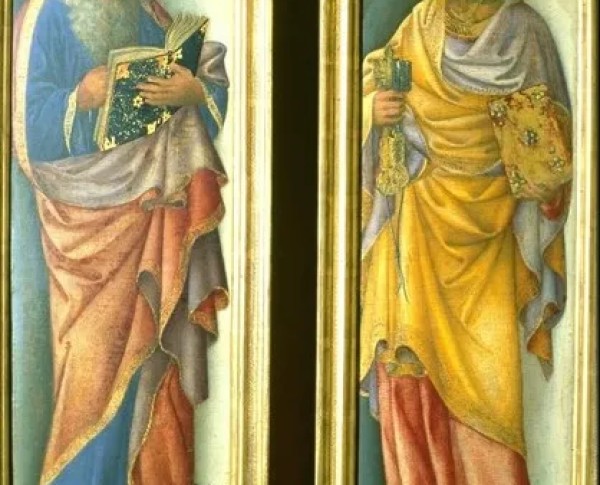
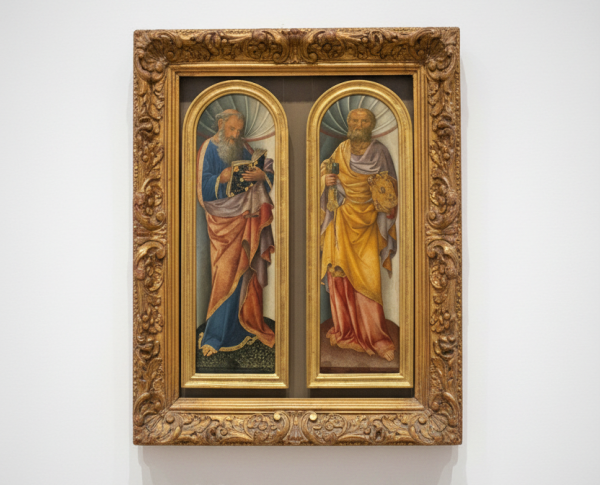
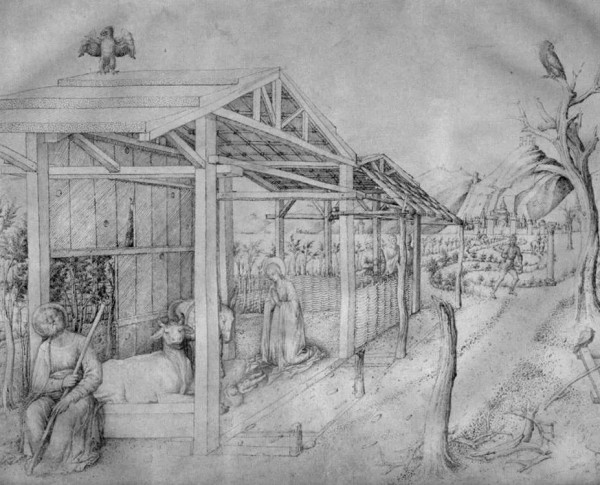
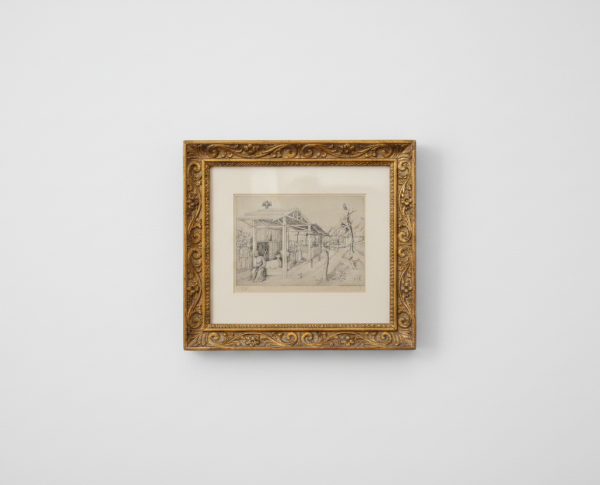
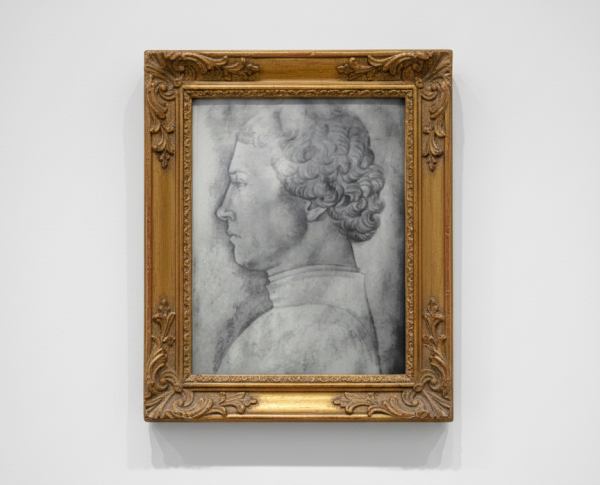
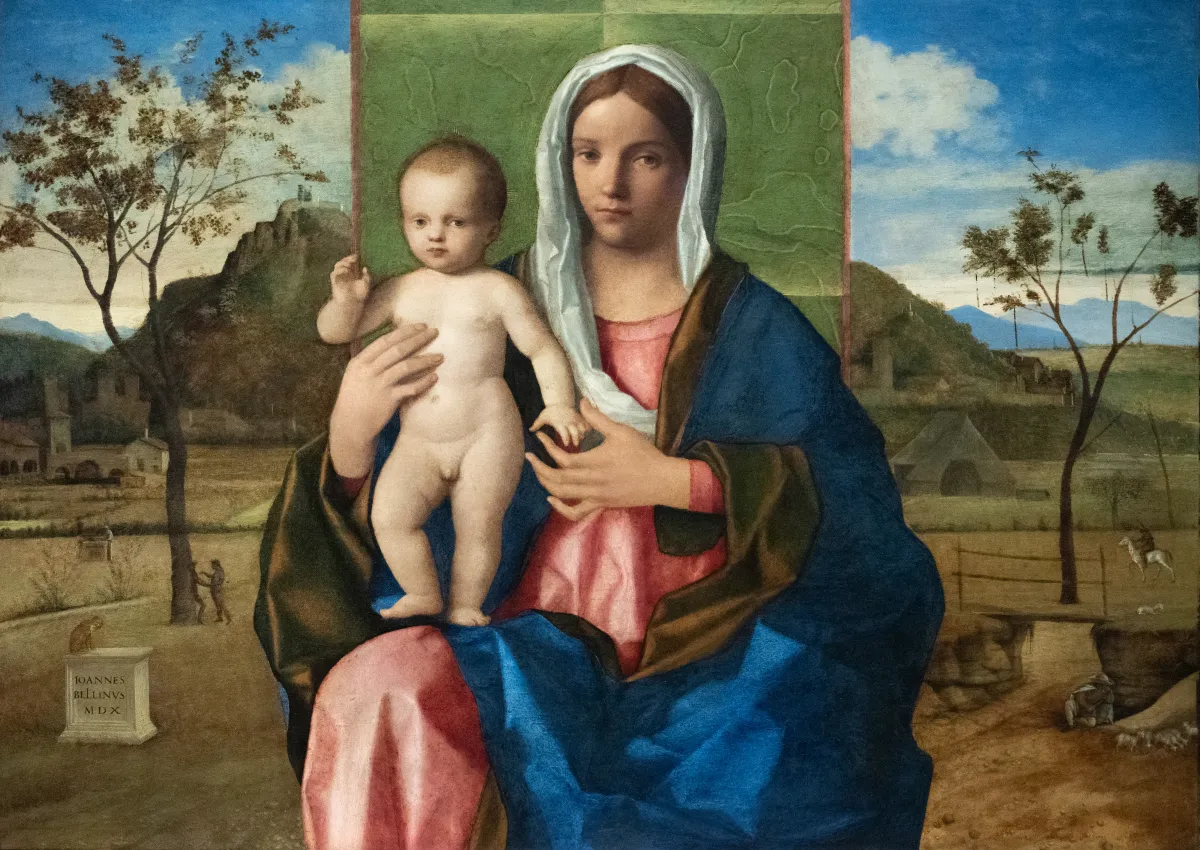
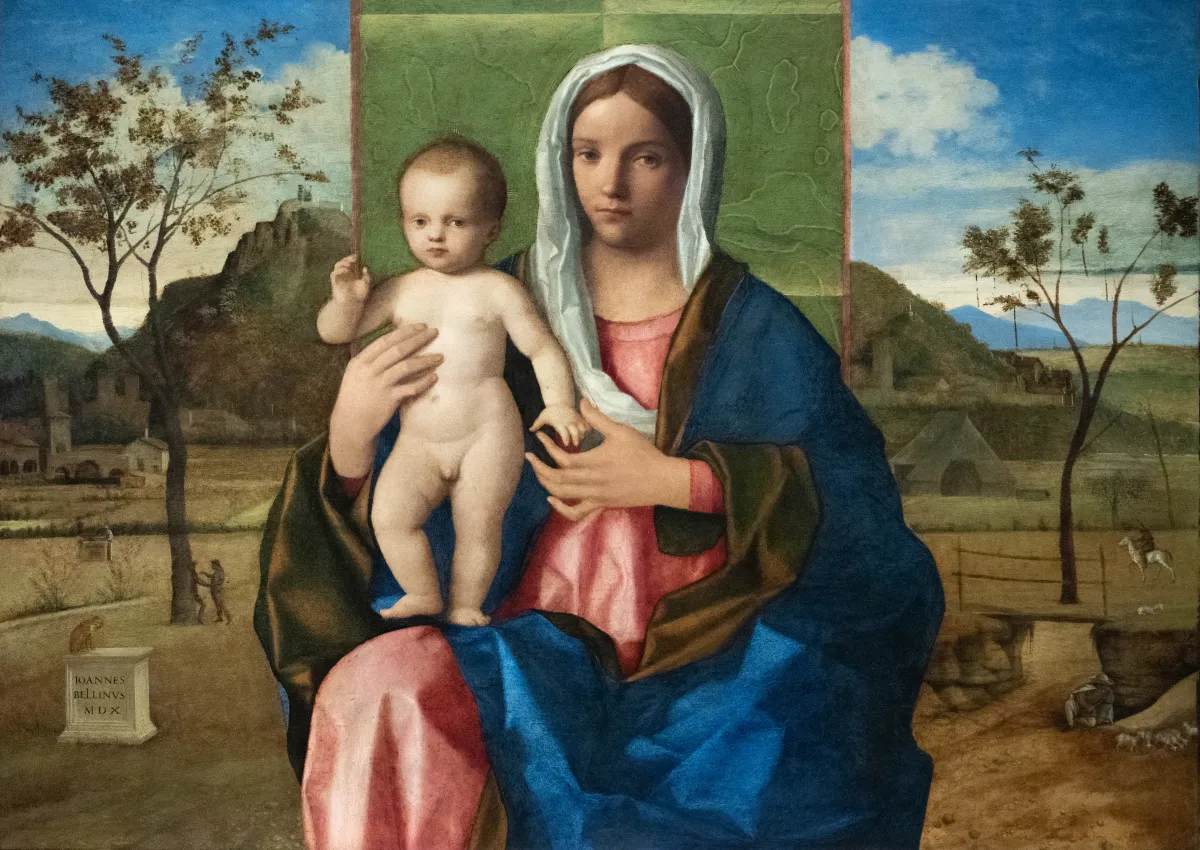
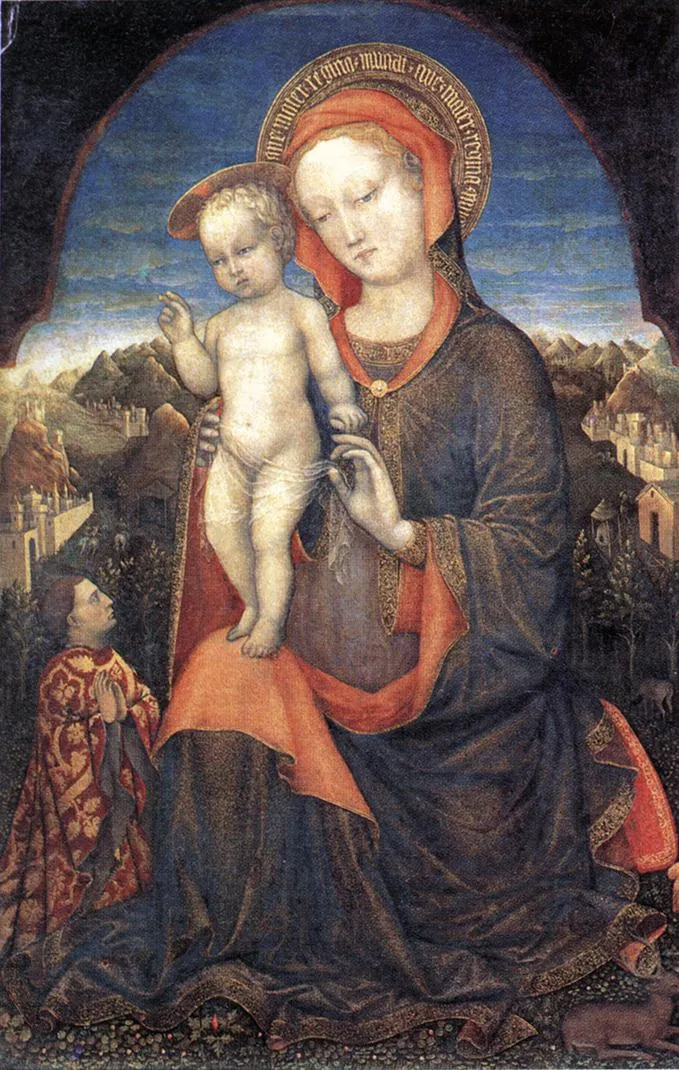
Jacopo Bellini’s "Madonna and Child Blessing" demonstrates exceptional technique, with each brushstroke revealing his command over the medium of oil on canvas. The Early Renaissance period was marked by the emergence of perspective and naturalism, both evident in this painting. Bellini’s meticulous attention to detail elevates the work, making it a standout among fine art painting for sale. Collectors also admire his other creations, such as "St John the Baptist Preaching" and "Mourning over Christ."
In "Madonna and Child Blessing," Jacopo Bellini weaves profound symbolism typical of the Early Renaissance. The gentle gesture of blessing, the serene expressions, and the careful composition all contribute to the narrative. This hand-painted oil painting invites viewers to explore themes of maternal love and divine grace. Bellini’s storytelling style is also prominent in related works like "Lamentation" and "Saint Jerome," making them highly sought-after pieces for those who appreciate symbolic art.
"Madonna and Child Blessing" by Jacopo Bellini is a fine art painting for sale that appeals to discerning collectors of Early Renaissance art. Its historical importance and exquisite craftsmanship ensure its place among treasured masterpieces. Owning this oil on canvas not only enhances a collection but also connects admirers to Bellini’s artistic legacy. Collectors often pair it with related works such as "Saint Jerome" and "Mourning over Christ" to create a remarkable ensemble of Renaissance art.
When Art Meets History
"Madonna and Child Blessing" by Jacopo Bellini is a prime example of the Early Renaissance, a period that transformed the course of European art. This hand-painted oil painting captures the spiritual fervor and innovative techniques that defined Bellini’s era. As with other masterpieces like "Birth of Venus (La Nascita di Venere)" and "The Madonna of Mercy," this work bridges medieval traditions and modern realism, making it a significant piece for those exploring the roots of Renaissance artistry.
Techniques That Speak
Jacopo Bellini’s mastery is evident in his delicate use of oil on canvas, a medium that allowed for greater depth, texture, and luminosity. In "Madonna and Child Blessing," subtle shading and careful brushwork evoke a sense of intimacy and realism, hallmarks of the Early Renaissance movement. Bellini’s approach is reminiscent of techniques seen in "Saint Augustine" and "The Trials of Moses," showcasing his influence on generations of artists to come.
Emotions on Display
The emotional resonance in "Madonna and Child Blessing" is immediate and profound. Bellini’s composition captures the gentle bond between mother and child, inviting viewers to contemplate themes of tenderness and divinity. Such depth of feeling is a hallmark of the Early Renaissance and is similarly found in works like "Madonna of the Rosegarden." This fine art painting for sale offers collectors a chance to own a piece that radiates both historical significance and heartfelt emotion.
Coveted by Collectors
Collectors highly value "Madonna and Child Blessing" for its historical importance and artistic excellence. As a hand-painted oil painting by Jacopo Bellini, it represents a pivotal moment in the Early Renaissance movement. Its connection to other revered pieces, including "The Madonna of Mercy" and "The Trials of Moses," enhances its desirability. For those seeking an authentic oil on canvas masterpiece, this painting stands as a testament to Bellini’s enduring legacy in the world of fine art.
Related Early Renaissance Hand-Painted Oil Paintings by Other Artists
Other Famous Early Renaissance Artists:
Frequently Asked Questions About Madonna and Child Blessing
What is the historical context of "Madonna and Child Blessing"?
"Madonna and Child Blessing" was created during the early Renaissance period, a time characterized by a renewed interest in classical art and humanism. Jacopo Bellini, the artist, was a pivotal figure in this movement, influencing many subsequent artists.
Who was Jacopo Bellini and what is his significance in art history?
Jacopo Bellini was an Italian painter born in the late 14th century. He is regarded as one of the founders of the Venetian school of painting and is known for his innovative use of perspective and color, which greatly influenced the development of Renaissance art.
What are the key artistic techniques used in "Madonna and Child Blessing"?
The painting showcases Bellini's mastery of chiaroscuro, the use of light and shadow to create depth. Additionally, the composition reflects a balanced arrangement, typical of Renaissance ideals, emphasizing harmony and proportion.
What symbolism is present in "Madonna and Child Blessing"?
The figures of the Madonna and Child are rich in symbolism, representing divine love and protection. The gesture of blessing by the Child signifies the connection between humanity and the divine, a common theme in Christian art.
How does "Madonna and Child Blessing" reflect Renaissance ideals?
The painting embodies Renaissance ideals through its realistic portrayal of human figures, the use of perspective, and the emphasis on naturalism. It reflects the era's focus on human experience and spirituality.
What materials and techniques did Jacopo Bellini use for this painting?
Jacopo Bellini typically used tempera on wood panels for his works. This technique allowed for vibrant colors and fine detail, which are evident in the intricate patterns of the Madonna's garments and the delicate features of the figures.
What influence did "Madonna and Child Blessing" have on later artists?
This painting influenced many artists of the High Renaissance, including Titian and Raphael, who admired Bellini's ability to convey emotion and spirituality through composition and color, setting a standard for future religious artworks.
In what ways does the composition of "Madonna and Child Blessing" enhance its message?
The composition draws the viewer's eye towards the central figures of the Madonna and Child, creating a focal point that emphasizes their significance. The surrounding elements and gentle color palette enhance the serene and sacred atmosphere of the scene.
How does "Madonna and Child Blessing" compare to other works by Jacopo Bellini?
Compared to other works by Bellini, "Madonna and Child Blessing" exemplifies his evolving style, showcasing a greater emphasis on emotional expression and depth in the figures, which became more pronounced in his later works.
What role does the Madonna play in the context of this painting?
The Madonna serves as a symbol of maternal love and divine grace. In this painting, she is depicted not only as the mother of Christ but also as an intercessor between humanity and the divine, reinforcing her importance in Christian theology.






















_GFM_Painting_(1).webp)


 100% Hand-Painted: Finished in 3-6 Weeks

.png)
















_(1).webp)