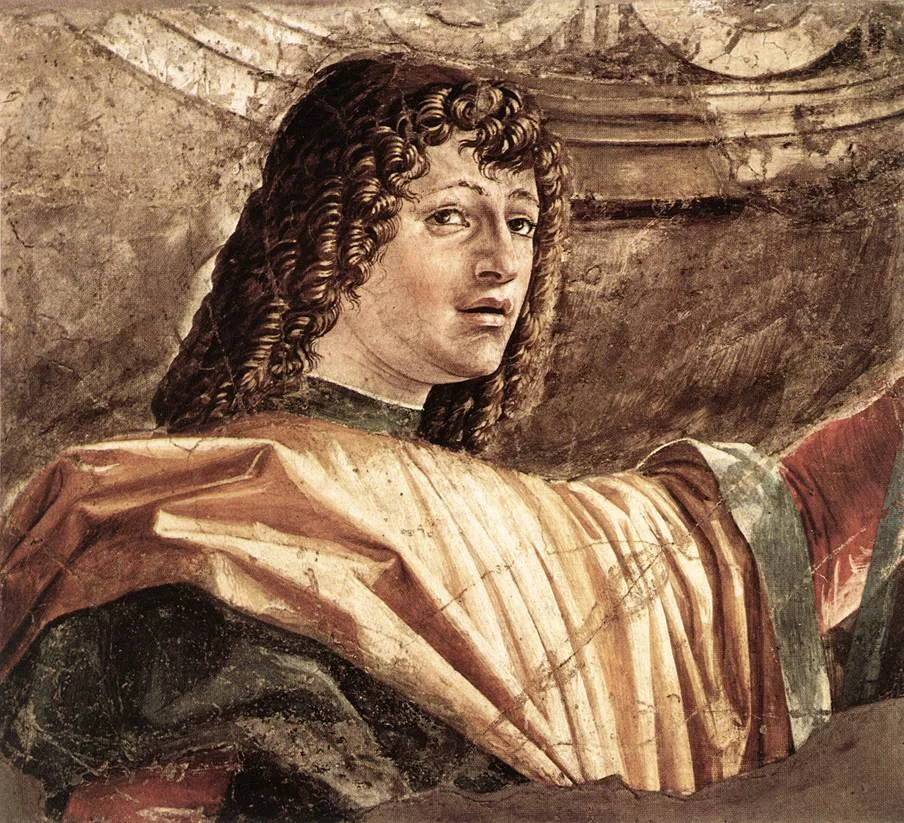
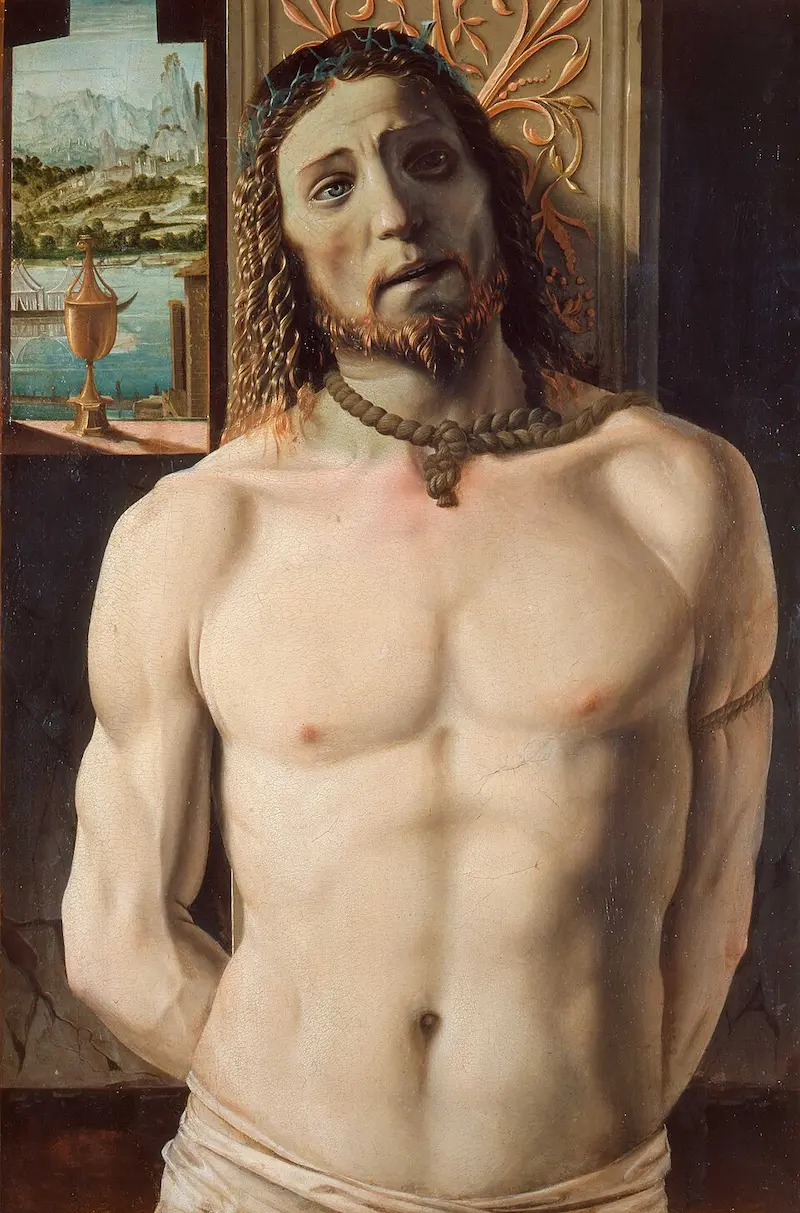
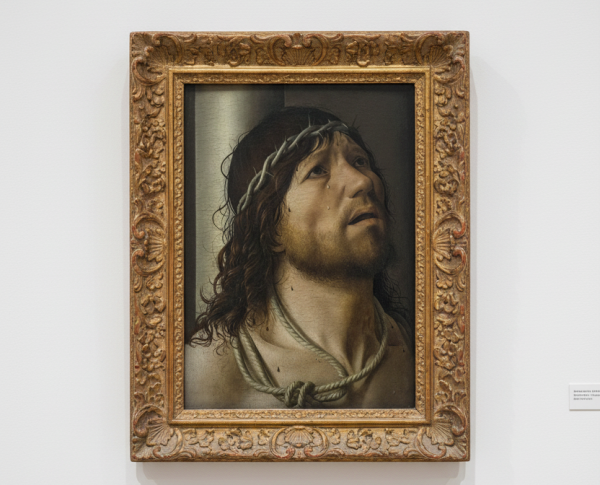
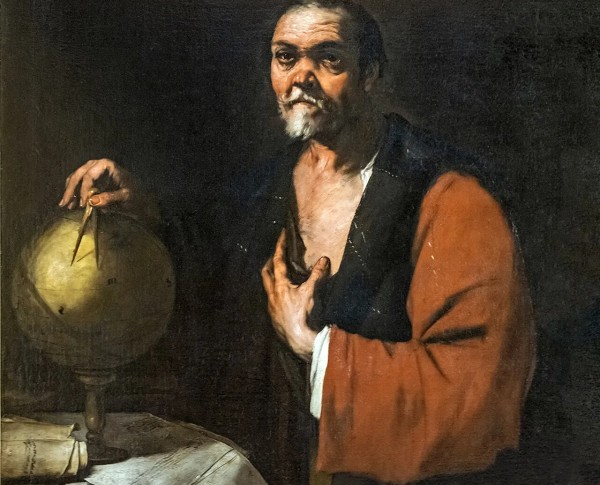
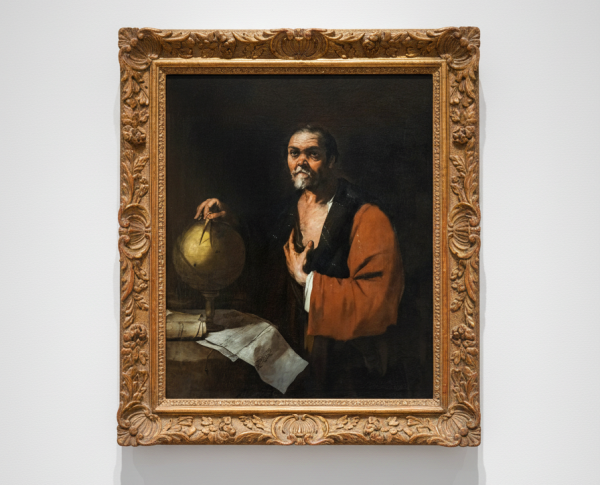
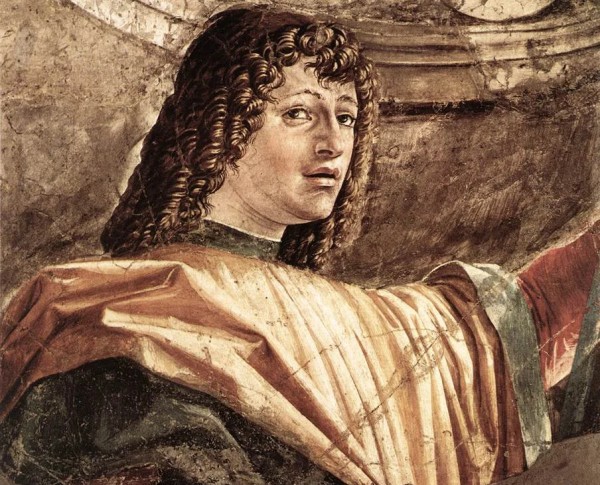
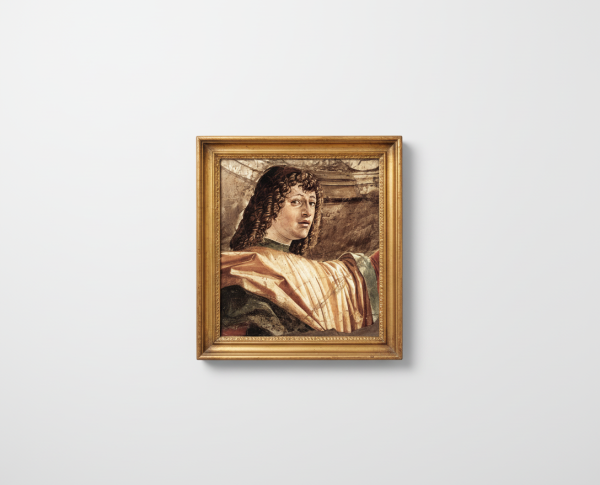
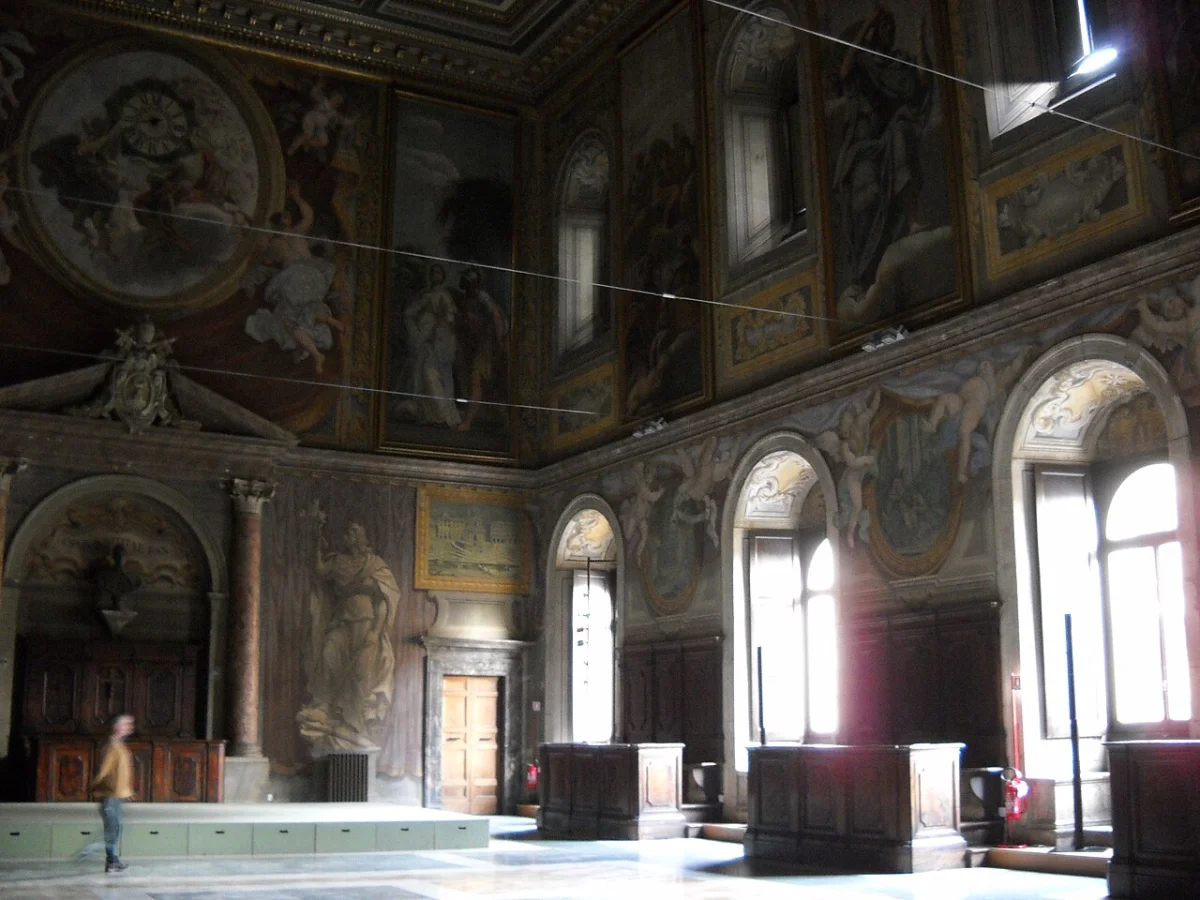
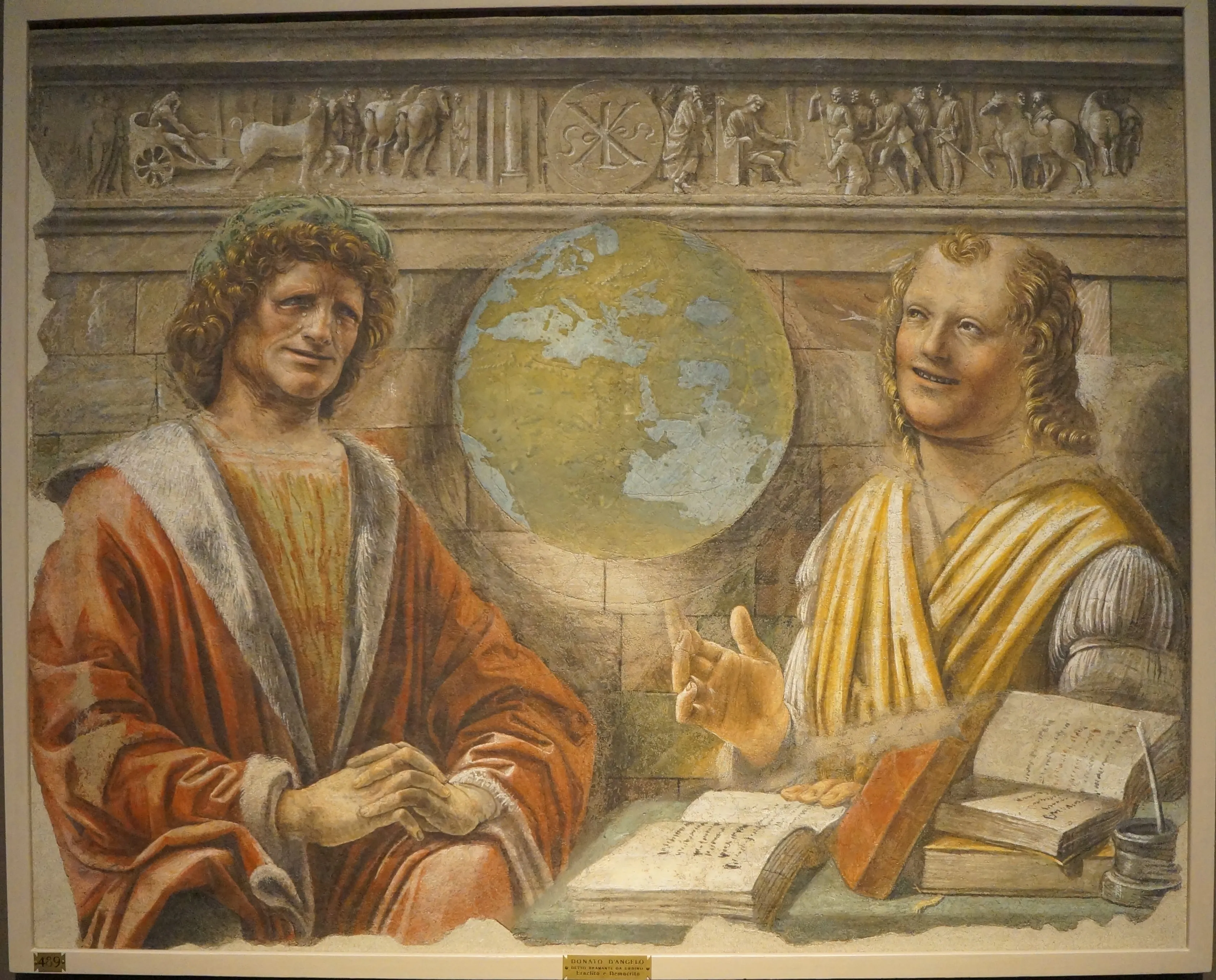
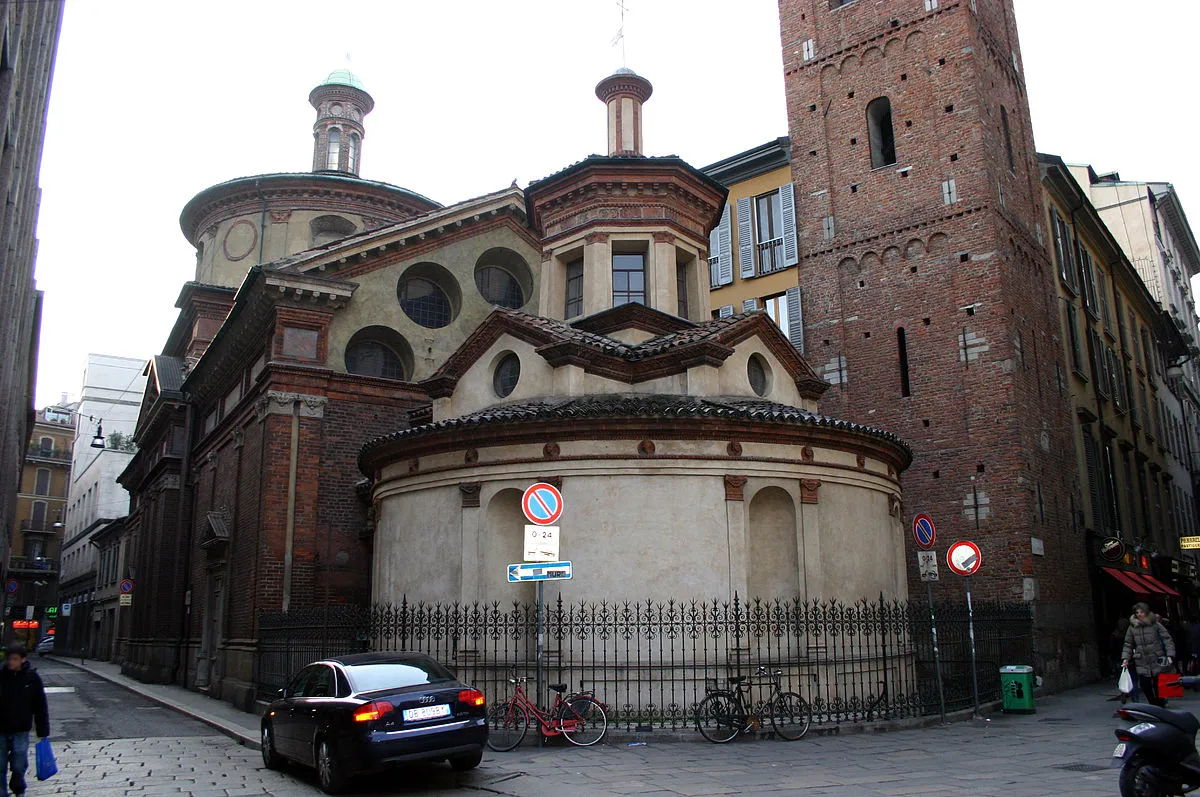
Donato Bramante’s "Palazzo della Cancelleria" showcases his unparalleled skill with oil on canvas, blending depth, perspective, and structure in a way that epitomizes the High Renaissance aesthetic. Each brushstroke reflects Bramante’s architectural genius, similar to his other masterpieces like "Crying Heraclitus and Laughing Democritus." This painting not only demonstrates technical prowess but also provides a window into the sophisticated artistry that defined an era of cultural rebirth.
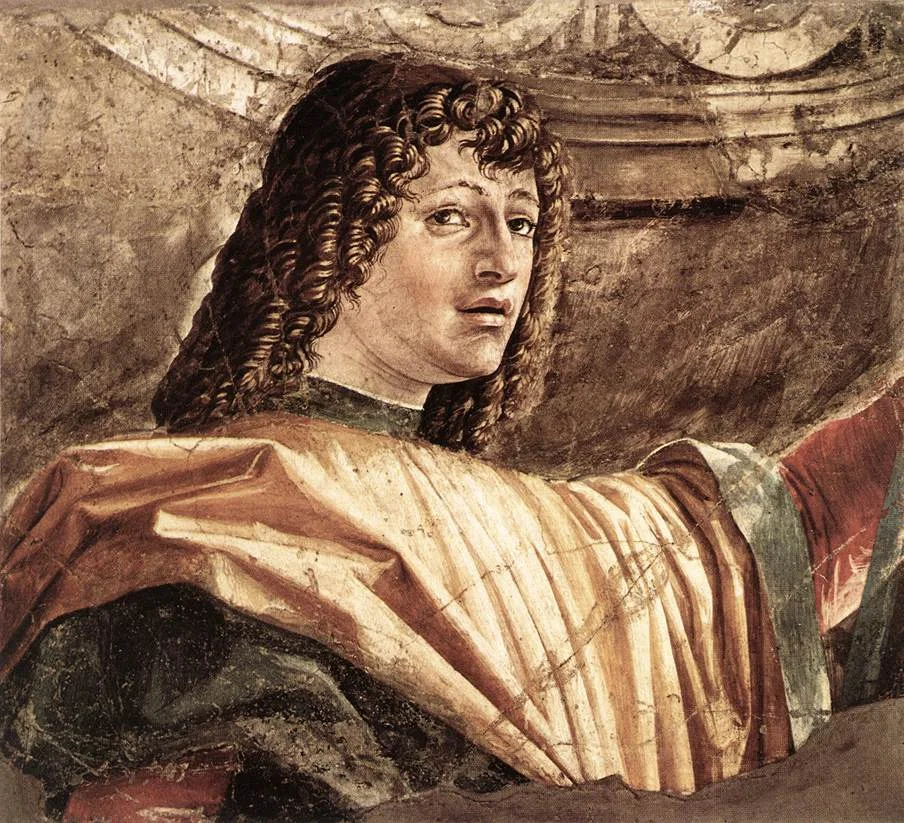
Within "Palazzo della Cancelleria," viewers discover layers of symbolism woven into the composition, a hallmark of Bramante’s High Renaissance style. The architectural forms and spatial harmony evoke themes of power, stability, and beauty. Much like "The Chanter" and "Man with a Mace," this fine art painting for sale invites collectors to explore the nuanced stories embedded in Bramante’s works, enriching any space with historical depth and artistic intrigue.
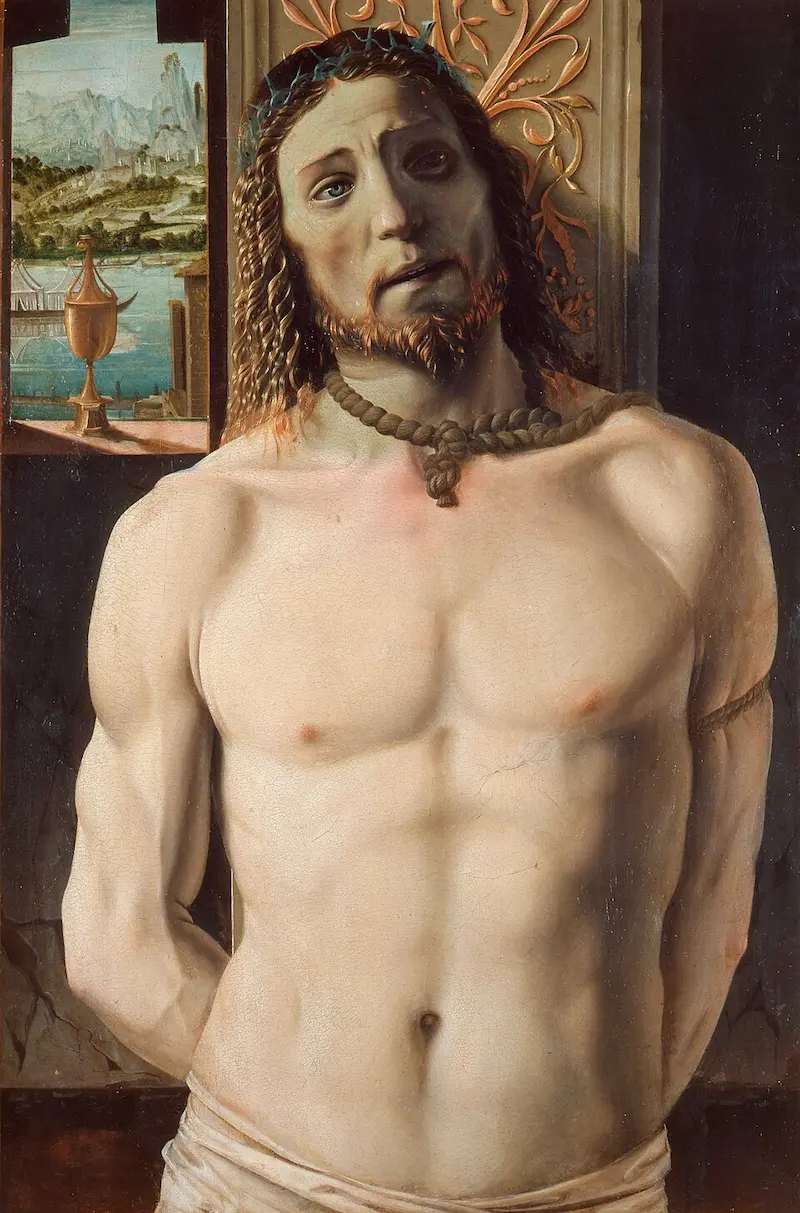
For collectors, "Palazzo della Cancelleria" by Donato Bramante represents an extraordinary opportunity to own a piece of High Renaissance history. As a hand-painted oil painting, it stands alongside related products like "Bramante D'urbin," offering timeless elegance and cultural significance. Whether displayed in a private gallery or public setting, this masterpiece elevates any collection, embodying the sophistication and enduring appeal of Renaissance fine art paintings for sale.
When Art Meets History
"Palazzo della Cancelleria" by Donato Bramante stands as a testament to the grandeur of the High Renaissance movement. This hand-painted oil painting captures the architectural brilliance and historical significance of one of Rome’s iconic palaces. Bramante’s work, alongside masterpieces like "La Donna Velata" and "The Transfiguration," reflects the era’s fusion of art and culture. Collectors and enthusiasts alike appreciate the historical depth found in every brushstroke of this remarkable piece.
Techniques That Speak
Donato Bramante’s "Palazzo della Cancelleria" showcases the refined techniques characteristic of High Renaissance artists. Executed in oil on canvas, the painting demonstrates masterful use of perspective, light, and shadow. Bramante’s architectural expertise shines through, creating a harmonious balance between structure and artistry. This approach is echoed in related paintings such as "Disputation of the Holy Sacrament (La Disputa)" and "Woman's Head," revealing the technical prowess of Renaissance masters.
Emotions on Display
The emotional resonance of "Palazzo della Cancelleria" is palpable, inviting viewers to experience the serenity and grandeur of Renaissance Rome. Bramante’s careful composition evokes a sense of awe and reverence, much like the feelings inspired by "Madonna & Child (Madonna del Granduca) 1505." This fine art painting for sale not only embodies the spirit of its era but also stirs a deep appreciation for the emotional power of architectural beauty.
Coveted by Collectors
Collectors are drawn to the timeless allure of Donato Bramante’s "Palazzo della Cancelleria," a masterpiece of the High Renaissance. The painting’s oil on canvas medium ensures its lasting vibrancy and appeal. As with related works like "La Donna Velata" and "The Transfiguration," this fine art painting for sale represents a prized addition to any collection, offering both historical significance and artistic excellence for discerning art lovers.
Related High Renaissance Hand-Painted Oil Paintings by Other Artists
Other Famous High Renaissance Artists:
Frequently Asked Questions About Palazzo della Cancelleria
What is the historical significance of Palazzo della Cancelleria?
Palazzo della Cancelleria, designed by Donato Bramante, is significant as it exemplifies Renaissance architecture and reflects the political power of the Papacy during the late 15th century. It served as the residence of the Cardinal of San Lorenzo in Damaso and later became the seat of the Roman Curia.
How does Palazzo della Cancelleria represent Renaissance architectural principles?
The building showcases key Renaissance principles such as symmetry, proportion, and the use of classical elements. Bramante's design incorporates a harmonious blend of geometric shapes and classical columns, emphasizing balance and order.
What artistic techniques did Donato Bramante employ in the design of Palazzo della Cancelleria?
Bramante utilized techniques such as chiaroscuro to create depth and dimension, as well as intricate stonework to enhance the building's visual appeal. His use of pilasters and arcades also reflects the influence of ancient Roman architecture.
What are the symbolic elements found in Palazzo della Cancelleria?
The Palazzo features symbolic elements such as the papal insignia and motifs that represent the authority of the Church. These symbols serve to reinforce the power and influence of the Papacy during the Renaissance period.
How did the design of Palazzo della Cancelleria influence later architectural works?
The design of Palazzo della Cancelleria had a profound impact on subsequent Renaissance architecture, influencing buildings such as the Palazzo Farnese and the Vatican's St. Peter's Basilica. Its emphasis on classical forms and spatial organization set a precedent for future architects.
What materials were used in the construction of Palazzo della Cancelleria?
The Palazzo was constructed primarily using travertine and brick, materials that were readily available in Rome. The choice of these materials not only reflects the architectural style of the time but also contributes to the building's durability and aesthetic appeal.
What role did Palazzo della Cancelleria play in the cultural life of Rome?
Palazzo della Cancelleria served as a center for cultural and political activities in Rome. It hosted important events, gatherings, and discussions among influential figures of the Renaissance, thereby contributing to the intellectual and artistic climate of the era.
How does the layout of Palazzo della Cancelleria reflect its purpose?
The layout of Palazzo della Cancelleria is designed to facilitate both private and public functions, with grand reception rooms and intimate chambers. This duality reflects its purpose as both a residence and a seat of administrative power.
What are some notable features of the façade of Palazzo della Cancelleria?
The façade of Palazzo della Cancelleria is characterized by its elegant stonework, large windows, and the prominent entrance. The use of pilasters and a central portal creates a sense of grandeur, inviting visitors to appreciate its architectural beauty.
How has Palazzo della Cancelleria been preserved over the years?
Palazzo della Cancelleria has undergone various restoration efforts to preserve its architectural integrity and historical significance. These efforts ensure that the building remains a vital part of Rome's cultural heritage and continues to be appreciated by future generations.























_GFM_Painting_(1).webp)


 100% Hand-Painted: Finished in 3-6 Weeks

.png)
















_(1).webp)