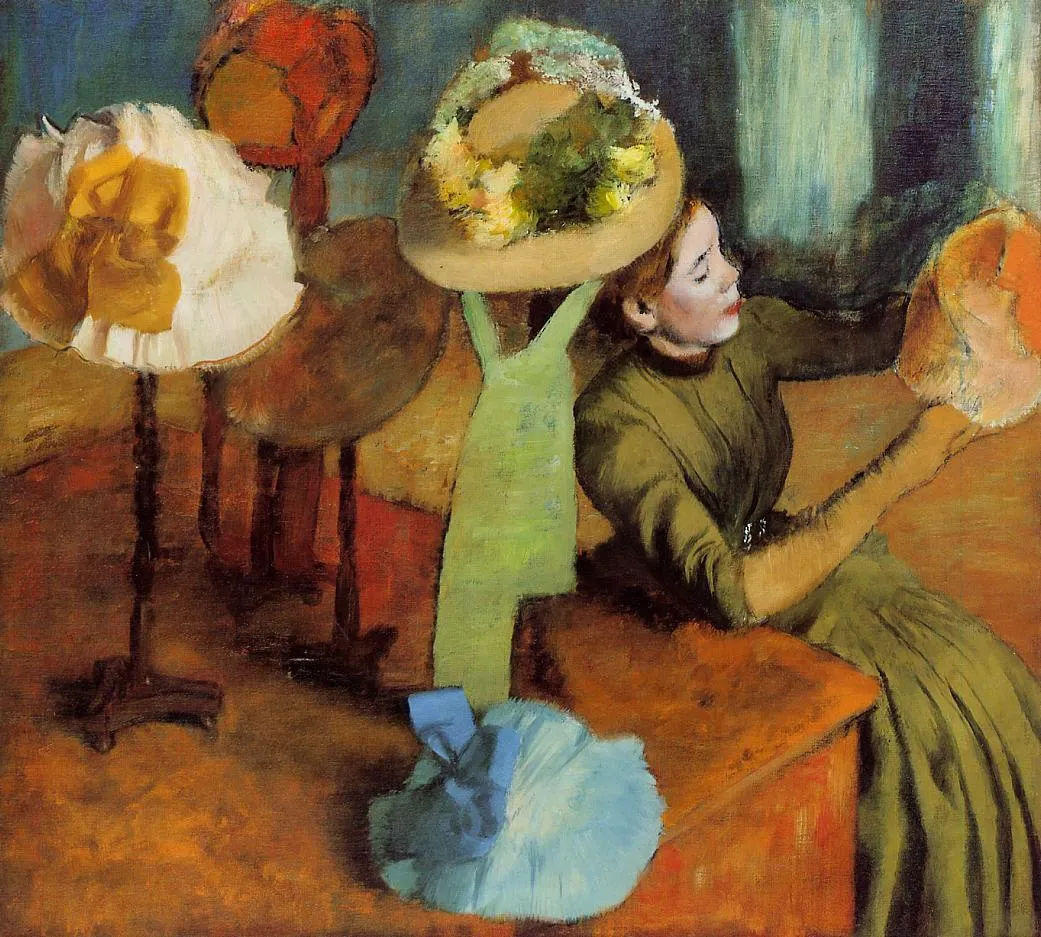
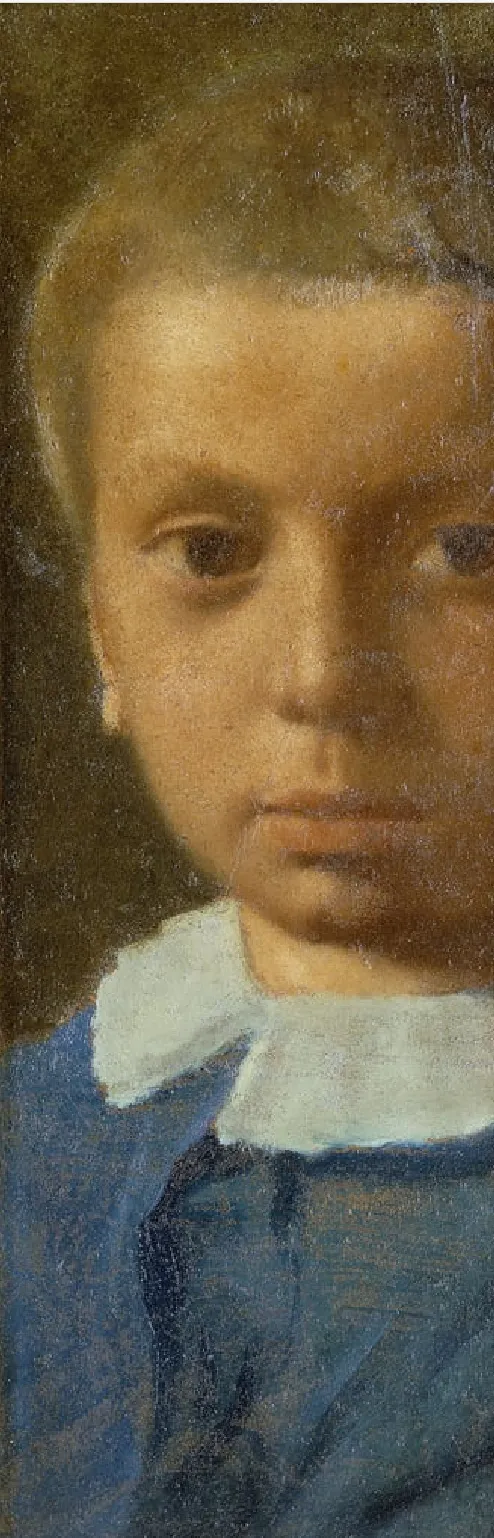
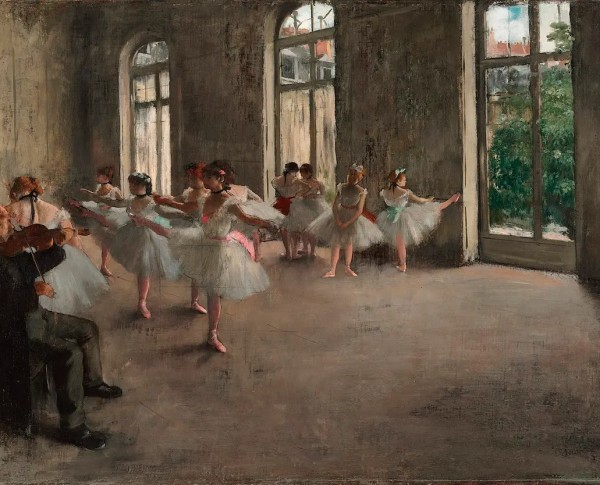
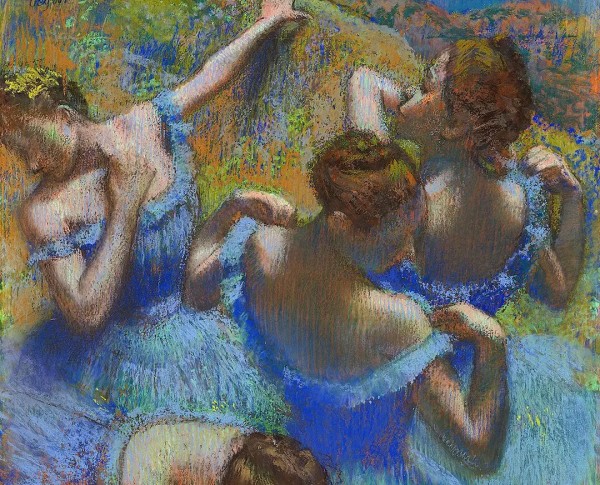
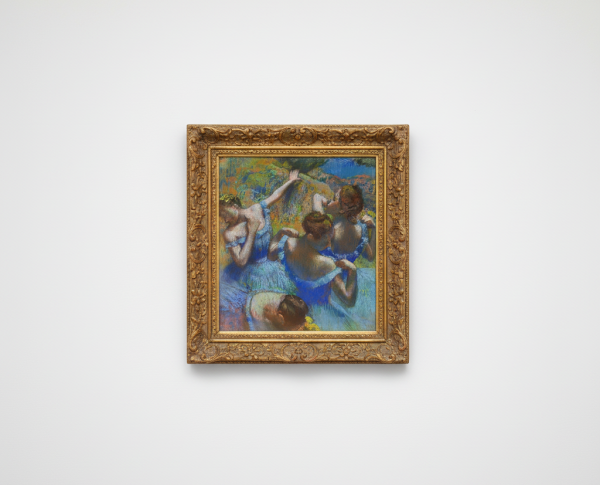
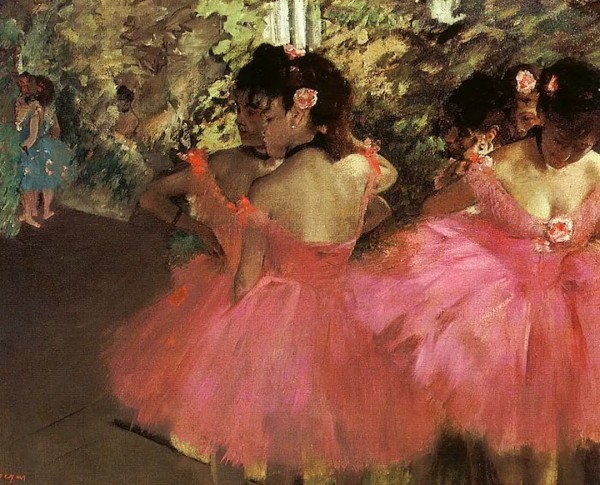
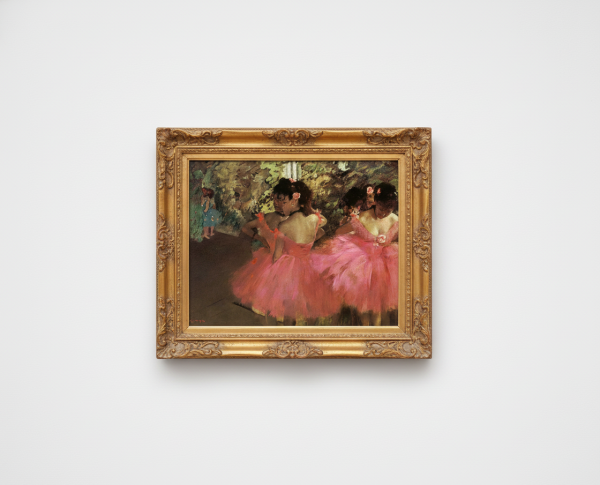
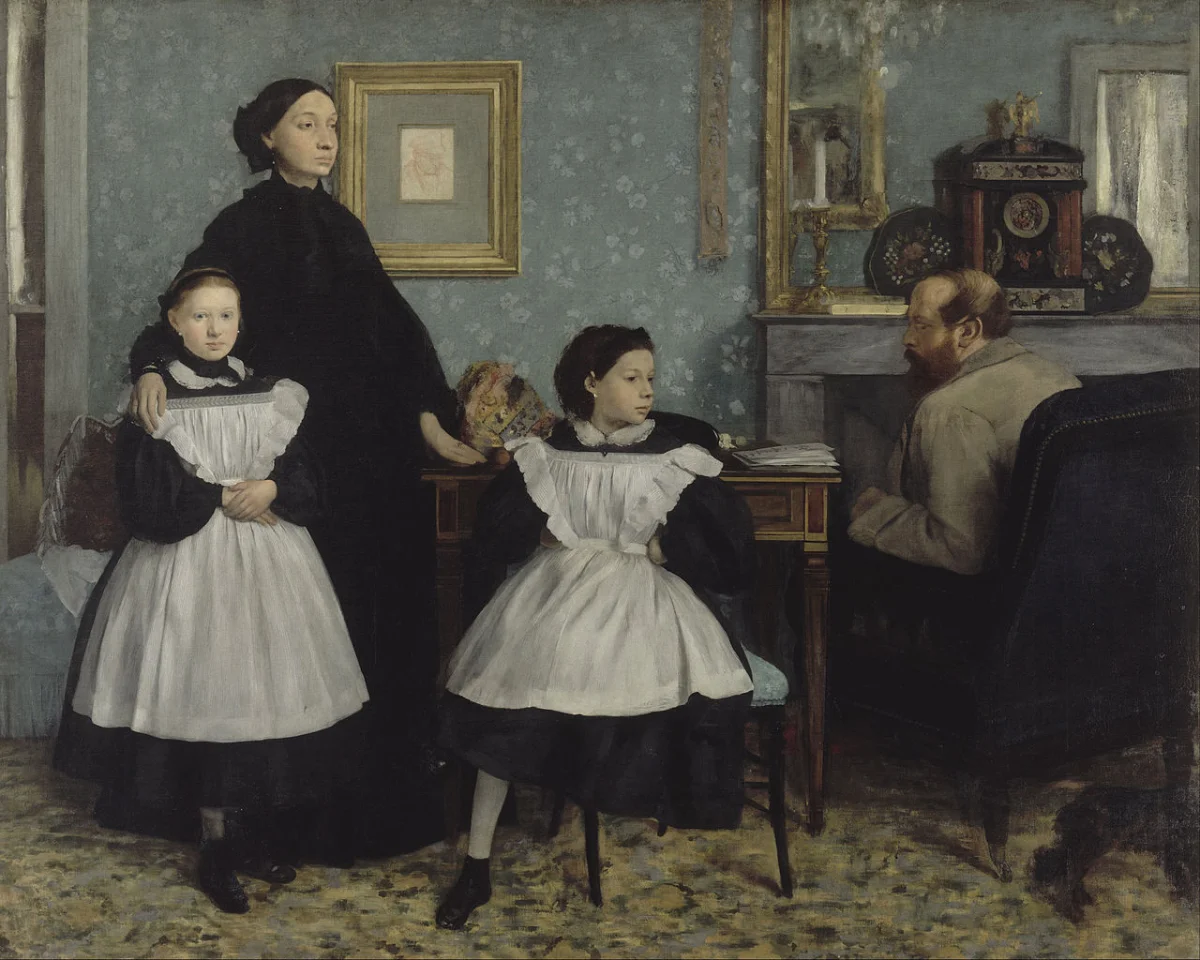
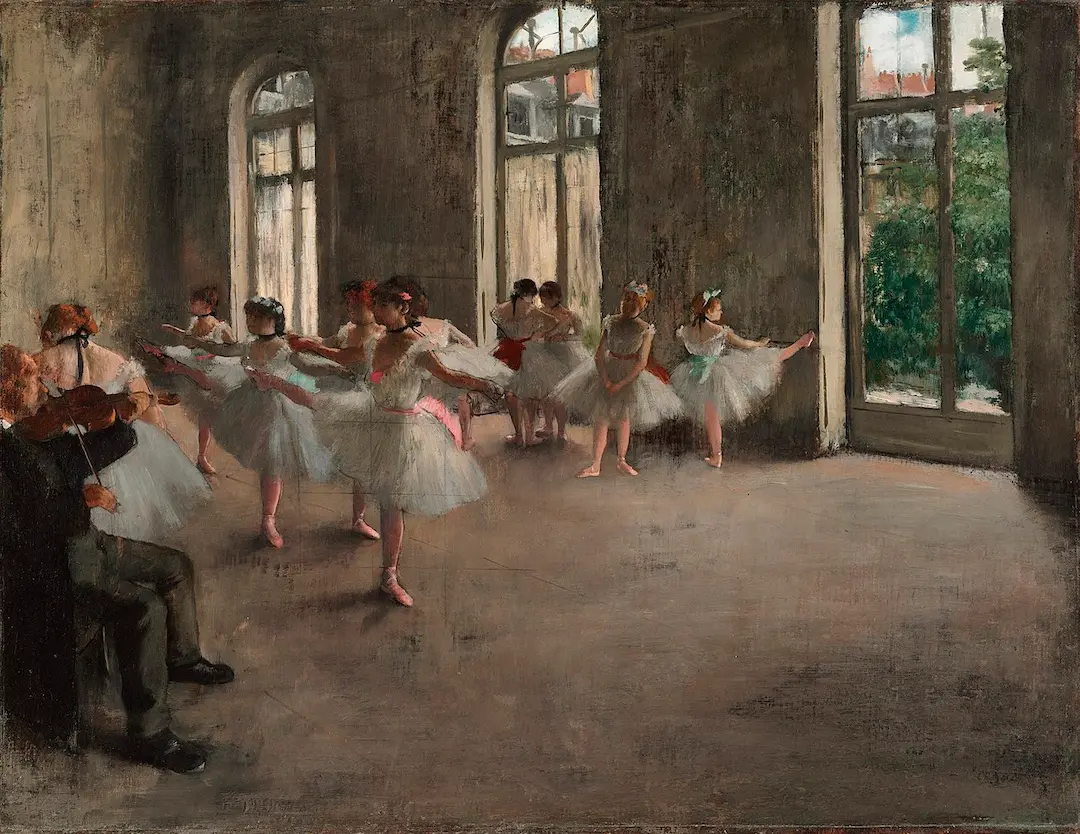
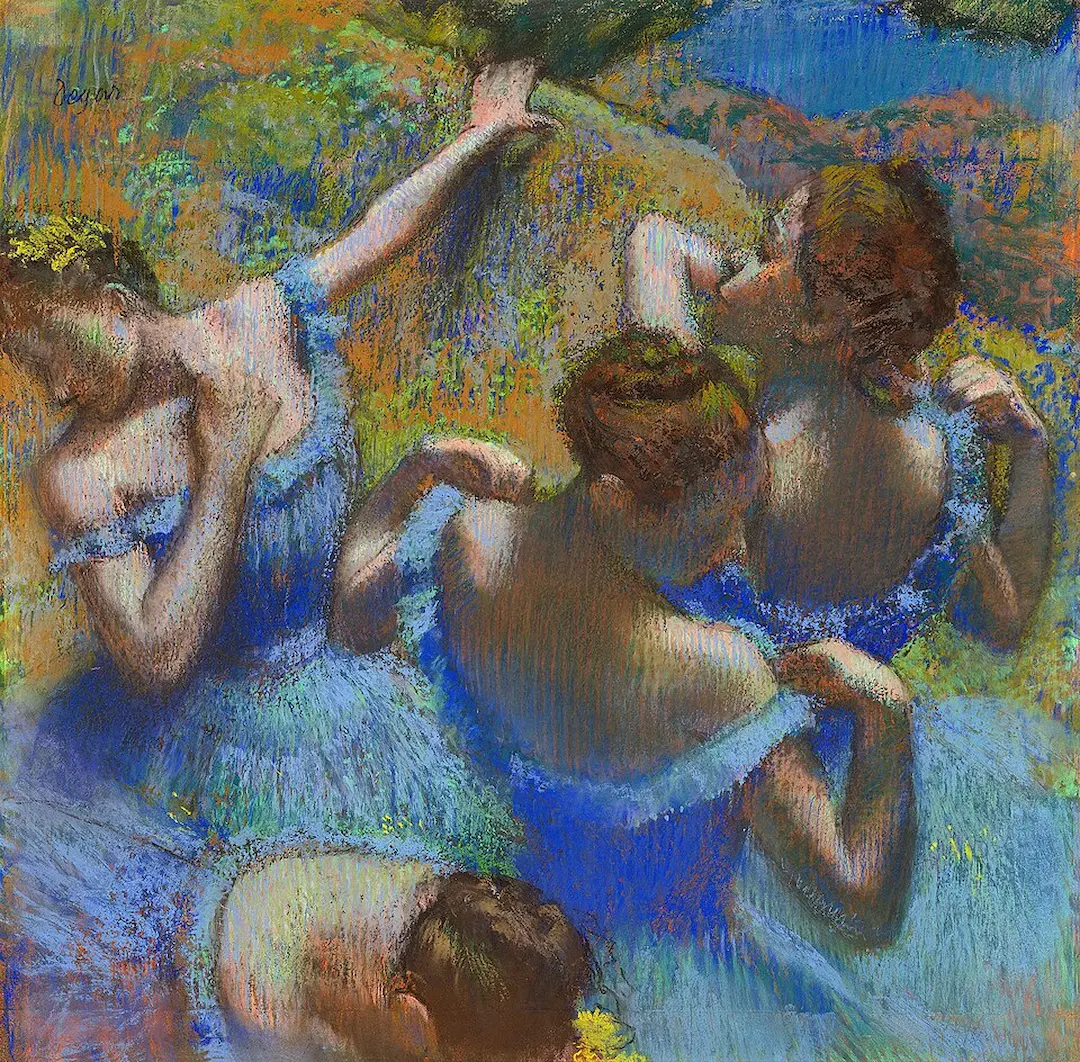
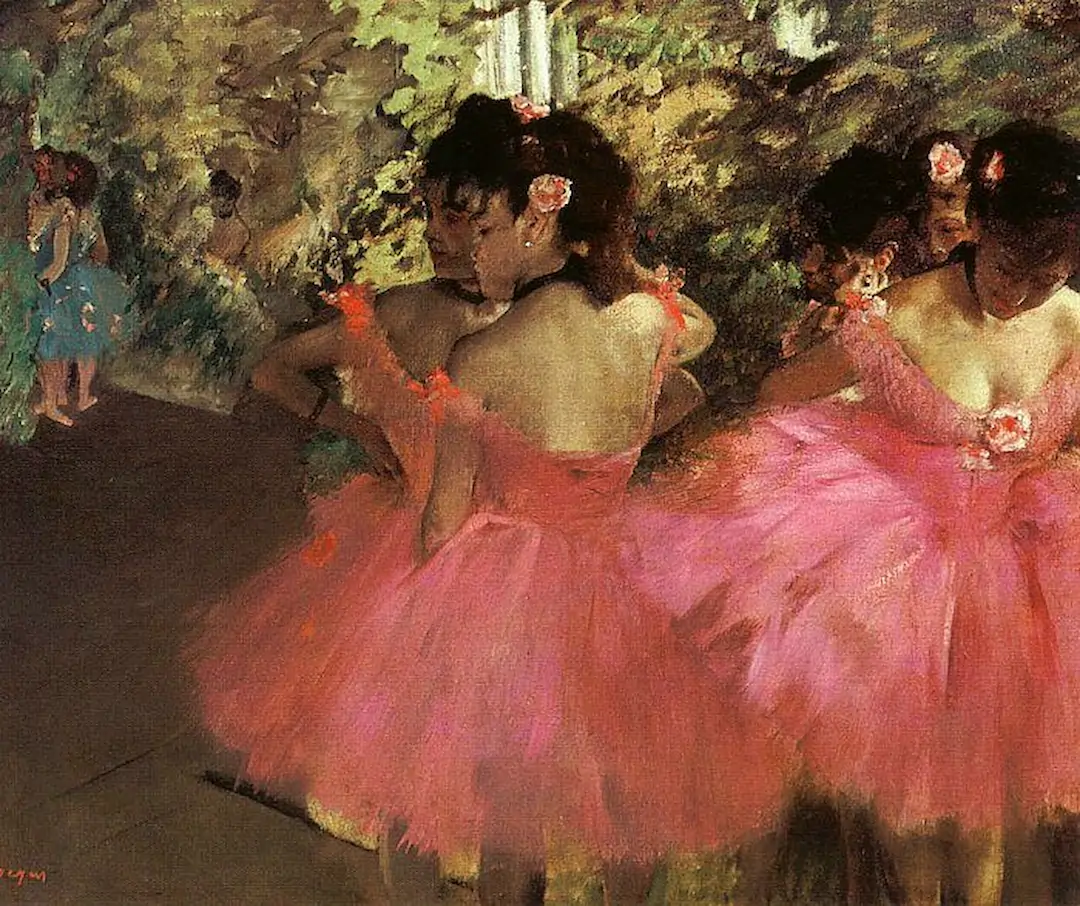
Edgar Degas’s "The Bellelli Family" demonstrates his skillful use of color, light, and composition, hallmarks of the Impressionism movement. Each brushstroke in this oil on canvas masterpiece brings the subjects to life, emphasizing their individuality and relationships. Collectors and enthusiasts seeking a fine art painting for sale often turn to Degas’s works, including "Dancers In Pink" and "Blue Dancers, c.1899," for their enduring beauty and technical brilliance.
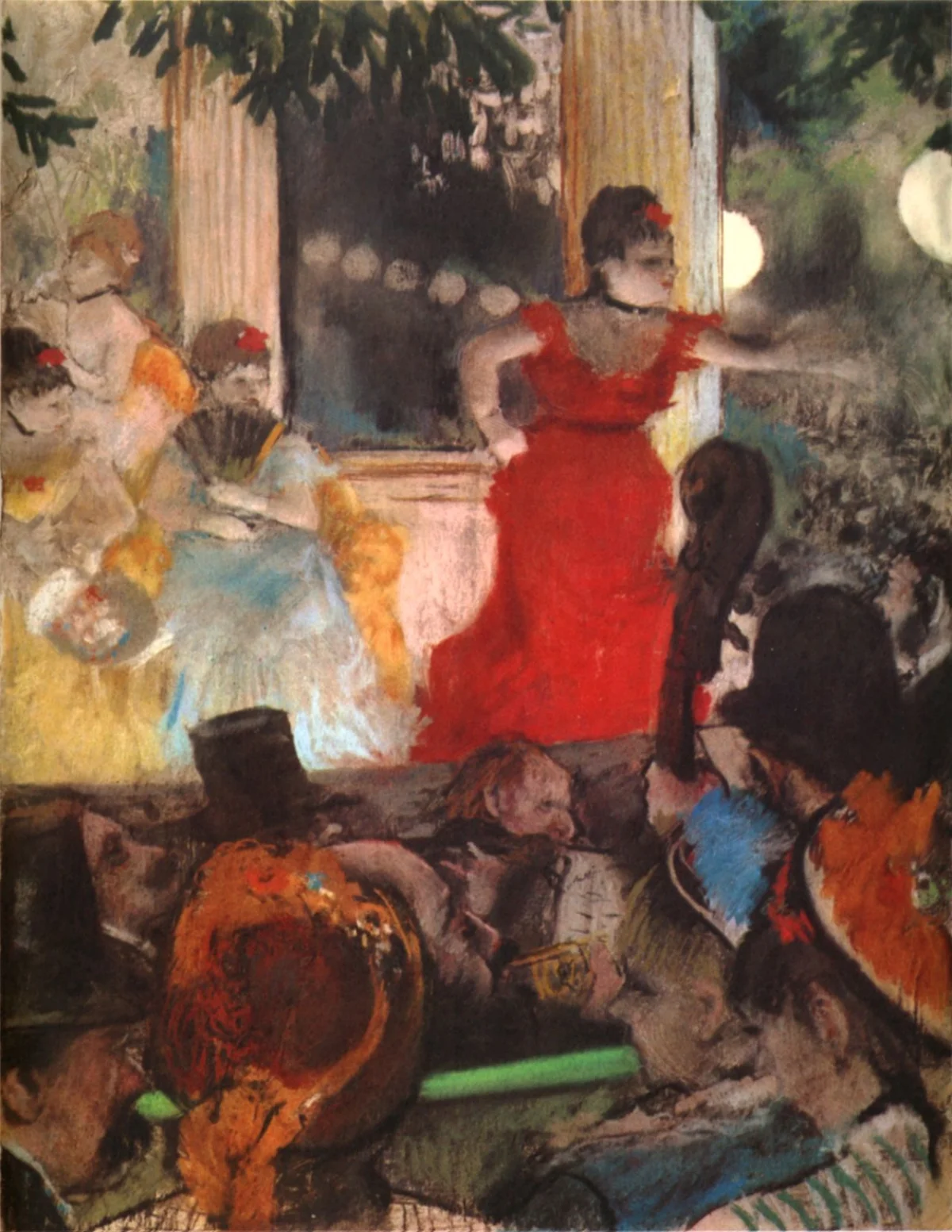
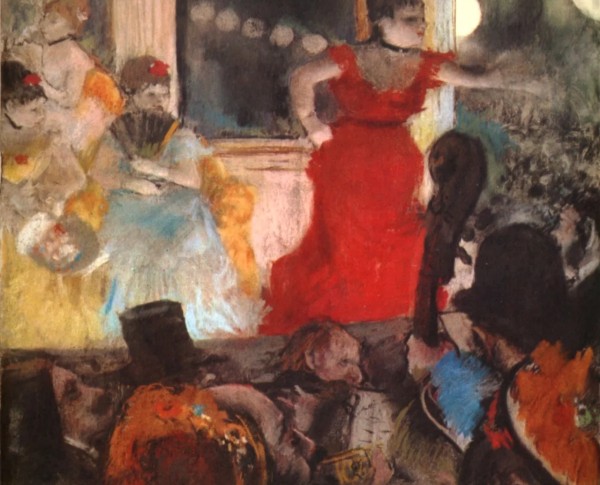
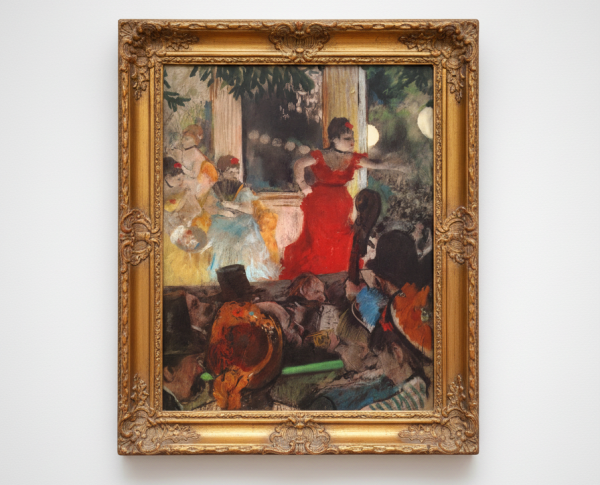
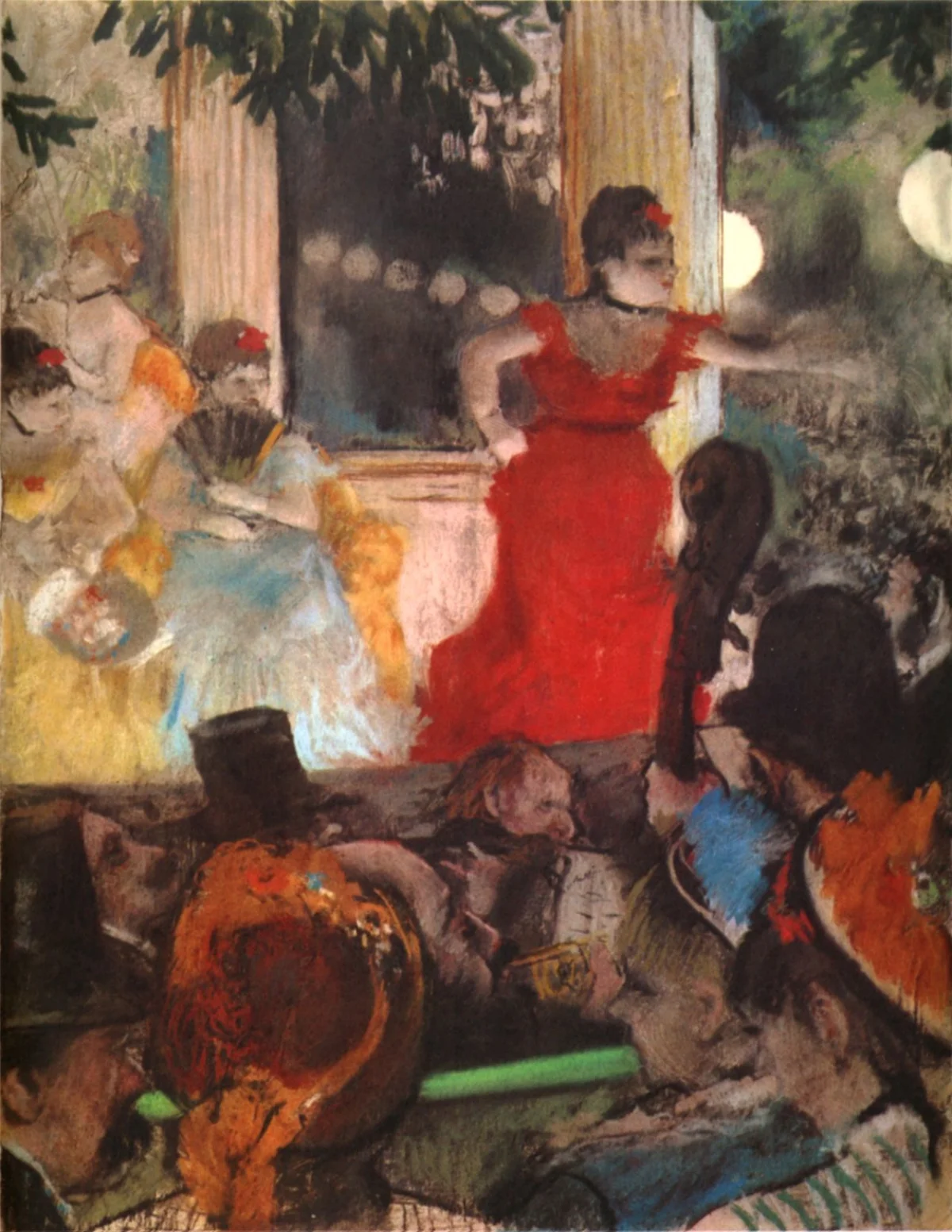
In "The Bellelli Family," Degas weaves subtle narratives through posture, gaze, and placement, inviting viewers into the private world of his relatives. This hand-painted oil painting is rich with symbolism, reflecting both personal and societal themes of the Impressionism period. Alongside related works like "Le Café-concert aux ambassadeurs," Degas’s art continues to inspire those who appreciate the depth of storytelling in fine art painting for sale.
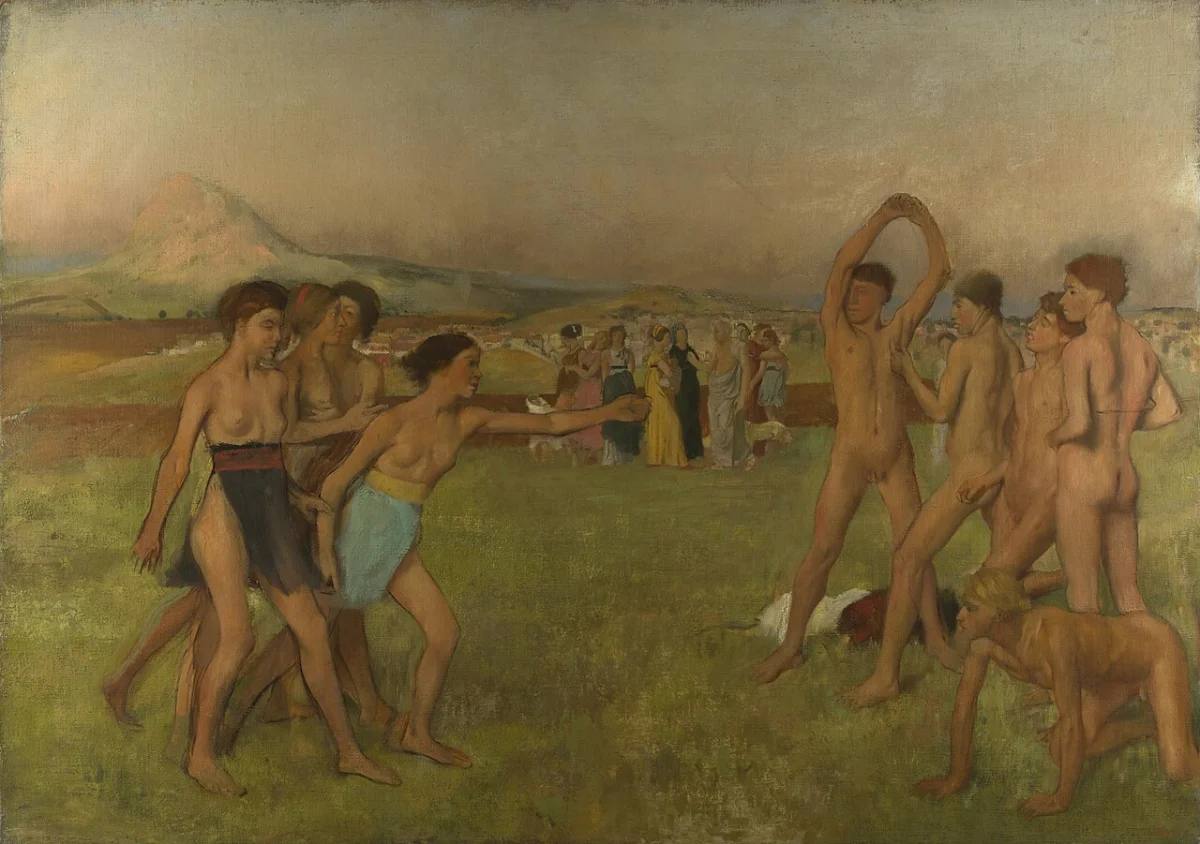
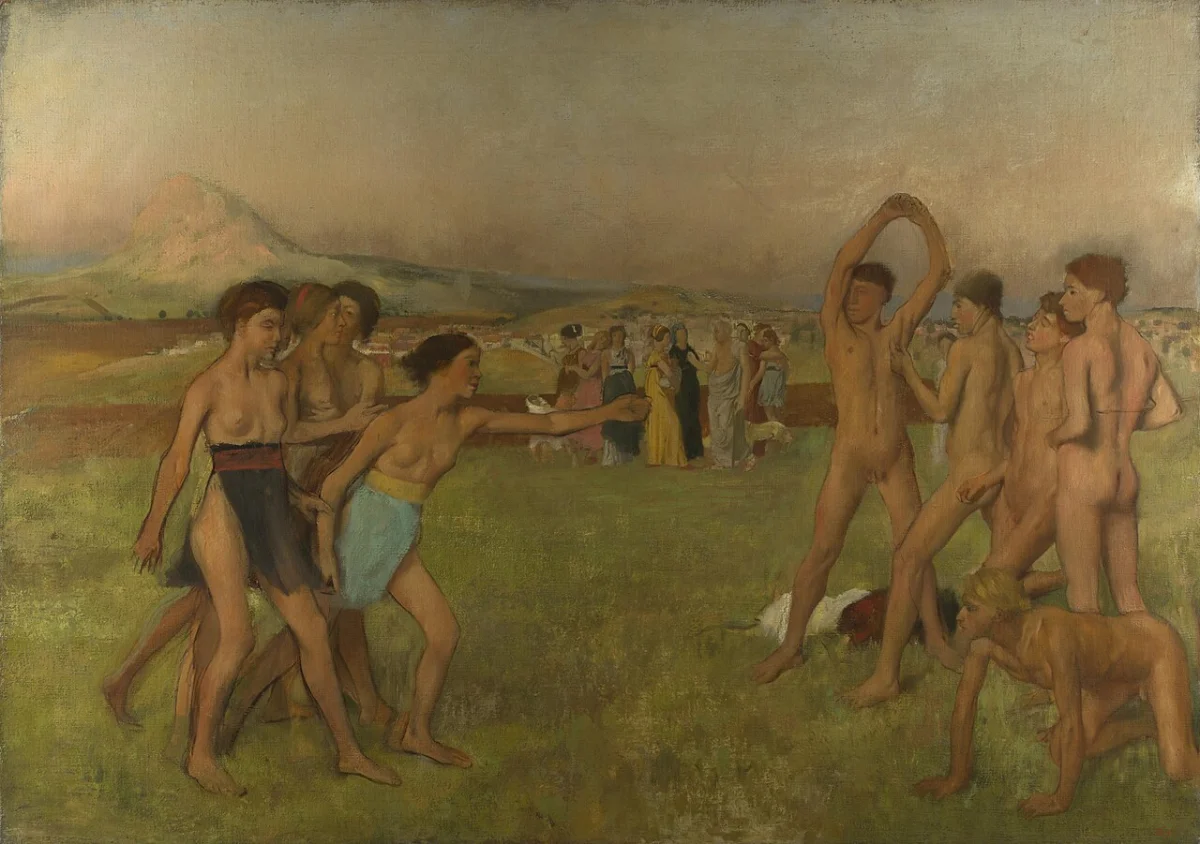
For art collectors, "The Bellelli Family" by Edgar Degas is a prized possession within the Impressionism movement. As an original oil on canvas, it embodies the sophistication and emotional resonance that define Degas’s oeuvre. Those who seek a fine art painting for sale often explore related products such as "Young Spartans Exercising" and "Dancers In Pink," recognizing the investment value and cultural significance of Degas’s masterpieces.
When Art Meets History
Edgar Degas’s masterpiece, "The Bellelli Family," stands as a testament to the Impressionism movement and its profound impact on art history. This hand-painted oil painting captures a deeply personal moment, reflecting the societal changes of the era. Degas, known for works like "Dance At Bougival" and "Children in the Sea, 1909," masterfully blends family narrative with historical context, making "The Bellelli Family" a significant milestone in both his career and the evolution of modern art.
Techniques That Speak
Degas’s remarkable use of oil on canvas in "The Bellelli Family" showcases his technical prowess and innovation within Impressionism. The interplay of light and shadow, meticulous brushwork, and subtle color palette reveal the artist’s dedication to realism and emotional depth. This approach, also evident in related paintings like "Impression, Sunrise" and "Garden at Sainte-Adresse," demonstrates how Degas’s technique elevated the status of oil on canvas works in the fine art world.
Emotions on Display
The emotional resonance of "The Bellelli Family" sets it apart as a fine art painting for sale that captivates viewers. Degas skillfully conveys the complex dynamics between family members, their postures and expressions telling a story of distance and longing. Similar to "The Walk Woman With A Parasol," this painting invites the audience to explore the psychological depth behind each subject, highlighting the Impressionist focus on genuine, heartfelt emotion within domestic scenes.
Coveted by Collectors
As a hand-painted oil painting, "The Bellelli Family" remains highly sought after by collectors and enthusiasts of Impressionism. Its rarity and historical significance contribute to its desirability, much like other masterpieces by Degas and his contemporaries. The painting’s connection to related works, such as "Garden at Sainte-Adresse" and "Dance At Bougival," further enhances its value, solidifying its reputation as a fine art painting for sale that appeals to discerning art lovers worldwide.
Related Impressionism Hand-Painted Oil Paintings by Other Artists
Other Famous Impressionism Artists:
Frequently Asked Questions About The Bellelli Family
What is the historical context of "The Bellelli Family"?
"The Bellelli Family" was painted by Edgar Degas in 1858-1867, during a period marked by significant social and political changes in France, including the rise of the bourgeoisie and the impact of the Industrial Revolution.
Who are the subjects depicted in "The Bellelli Family"?
The painting features the artist's relatives, specifically his aunt, uncle, and their two daughters, reflecting Degas's personal connections and the intimate nature of family life in the 19th century.
What artistic techniques did Degas employ in this painting?
Degas utilized a combination of traditional oil painting techniques and innovative compositional arrangements, incorporating unusual perspectives and a focus on capturing the momentary nature of the scene.
How does "The Bellelli Family" reflect the characteristics of Impressionism?
While not strictly an Impressionist work, "The Bellelli Family" showcases Degas's interest in capturing light and movement, as well as his focus on everyday subjects, which are hallmarks of the Impressionist movement.
What is the significance of the composition in "The Bellelli Family"?
The composition is notable for its asymmetry and the arrangement of figures, which creates a sense of intimacy and psychological depth, inviting viewers to engage with the family's dynamic.
What symbols can be found in "The Bellelli Family"?
The inclusion of various objects, such as the family’s clothing and the furnishings, symbolizes the social status and cultural aspirations of the bourgeoisie during that era, reflecting their values and lifestyle.
How does Degas's use of color contribute to the painting's mood?
Degas employs a muted color palette, which evokes a sense of nostalgia and introspection, enhancing the emotional weight of the family scene and the relationships depicted within it.
What role does light play in "The Bellelli Family"?
The interplay of light and shadow in the painting serves to highlight the figures and create depth, drawing attention to the expressions and interactions among family members.
How does "The Bellelli Family" compare to Degas's other works?
This painting stands out for its focus on family and domestic life, contrasting with Degas's more well-known depictions of ballet dancers and urban scenes, showcasing his versatility as an artist.
What impact did "The Bellelli Family" have on Degas's career?
The painting marked a significant development in Degas's exploration of family themes and psychological depth, influencing his later works and solidifying his reputation as a master of capturing human emotion and interaction.






















_GFM_Painting_(1).webp)


 100% Hand-Painted: Finished in 3-6 Weeks

.png)















_(1).webp)