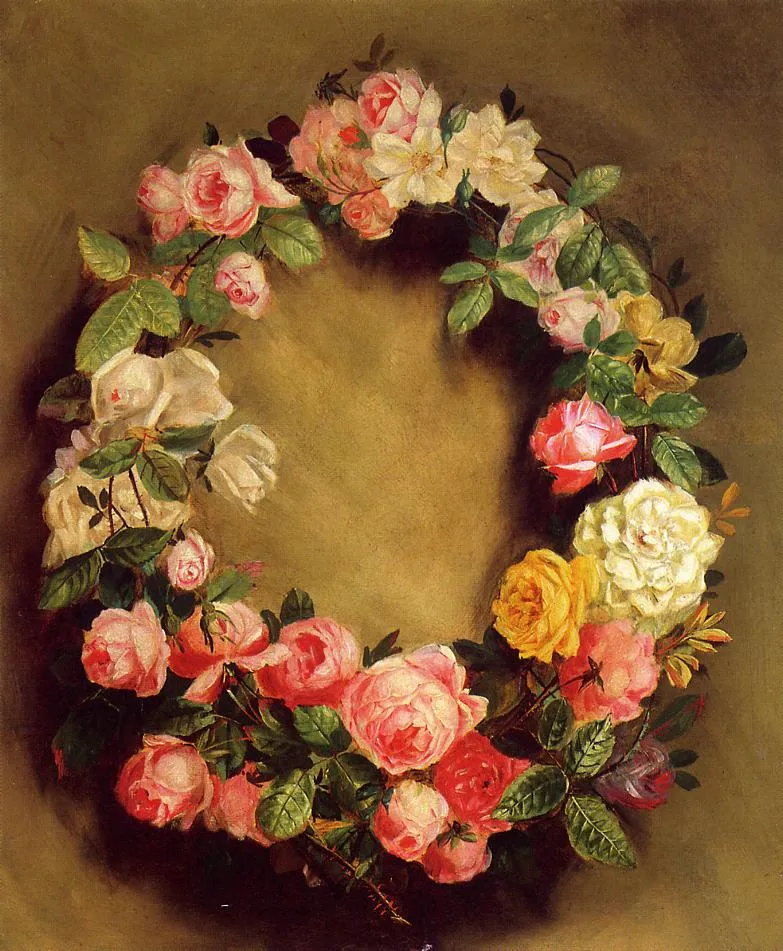
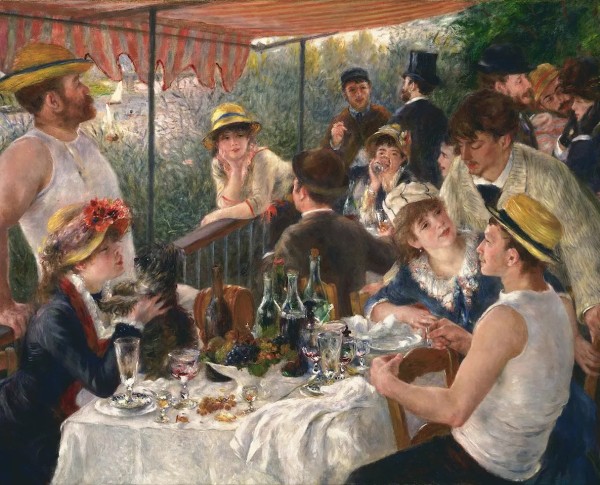
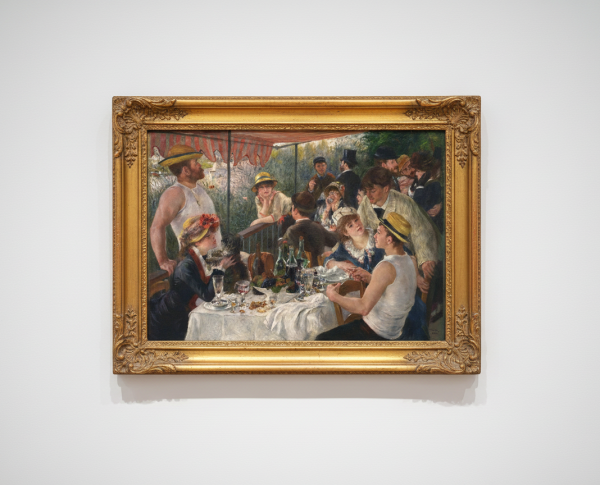
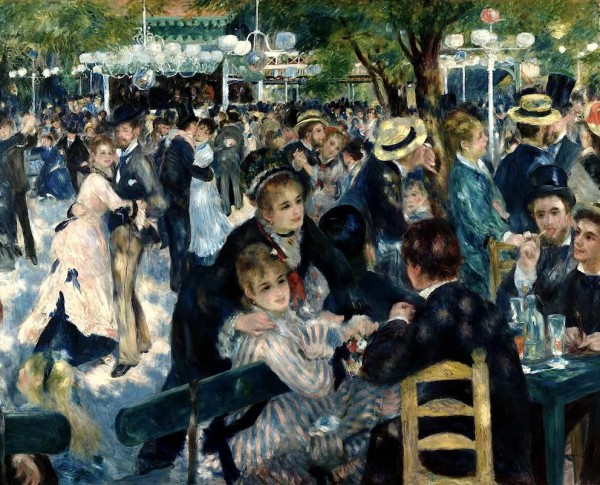
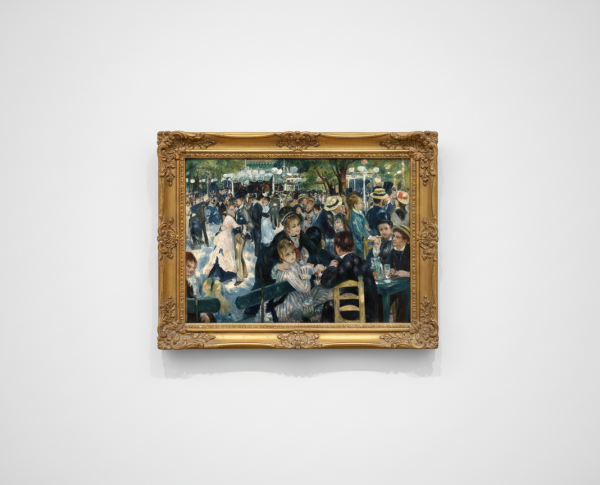
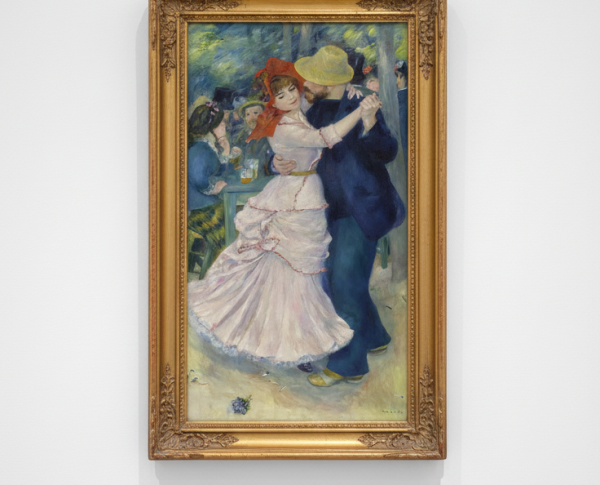
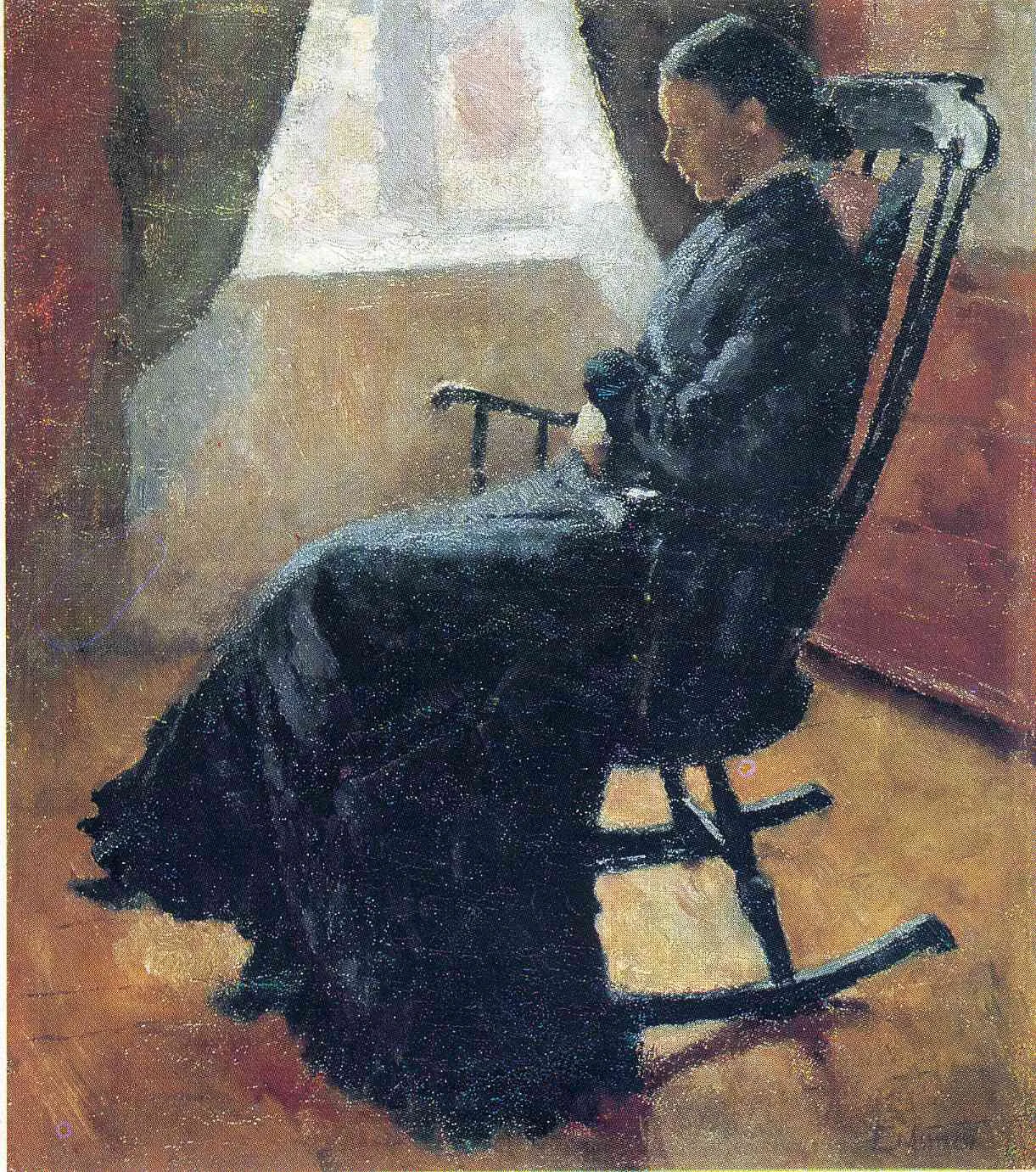
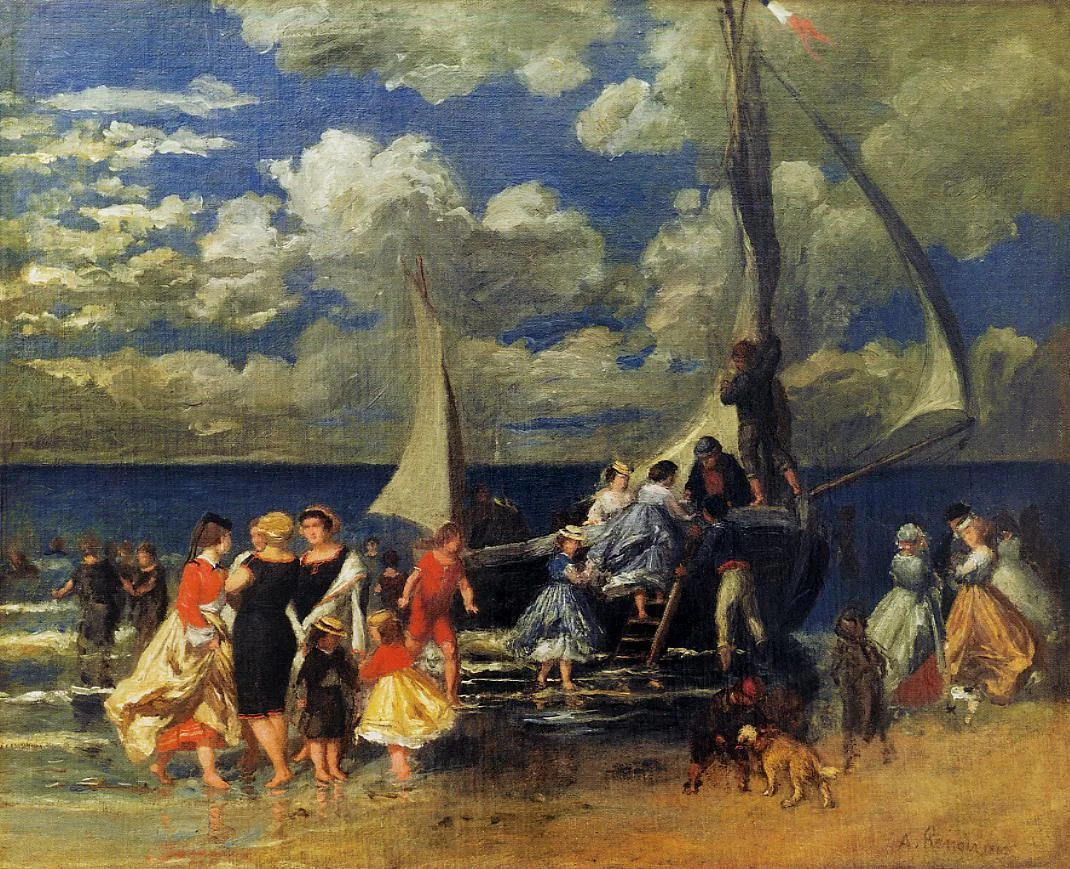
Renoir’s expertise shines through in every brushstroke of "The Return of the Boating Party," a stunning oil on canvas. The interplay of light, color, and texture exemplifies the Impressionism movement’s focus on atmosphere and sensation. This masterpiece, along with related works like "Spring Bouquet" and "The Daughters of Catulle Mendès," showcases Renoir’s ability to infuse life into each scene, making his oil on canvas paintings highly sought after by collectors worldwide.
"The Return of the Boating Party" by Pierre Auguste Renoir invites viewers to imagine the stories and relationships among its lively characters. As a fine art painting for sale, it resonates with themes of camaraderie and celebration, hallmarks of the Impressionism movement. Renoir’s attention to gesture and expression is mirrored in related products such as "Sleeping Cat" and "Two Sisters," offering rich narratives and symbolism for art lovers to explore.
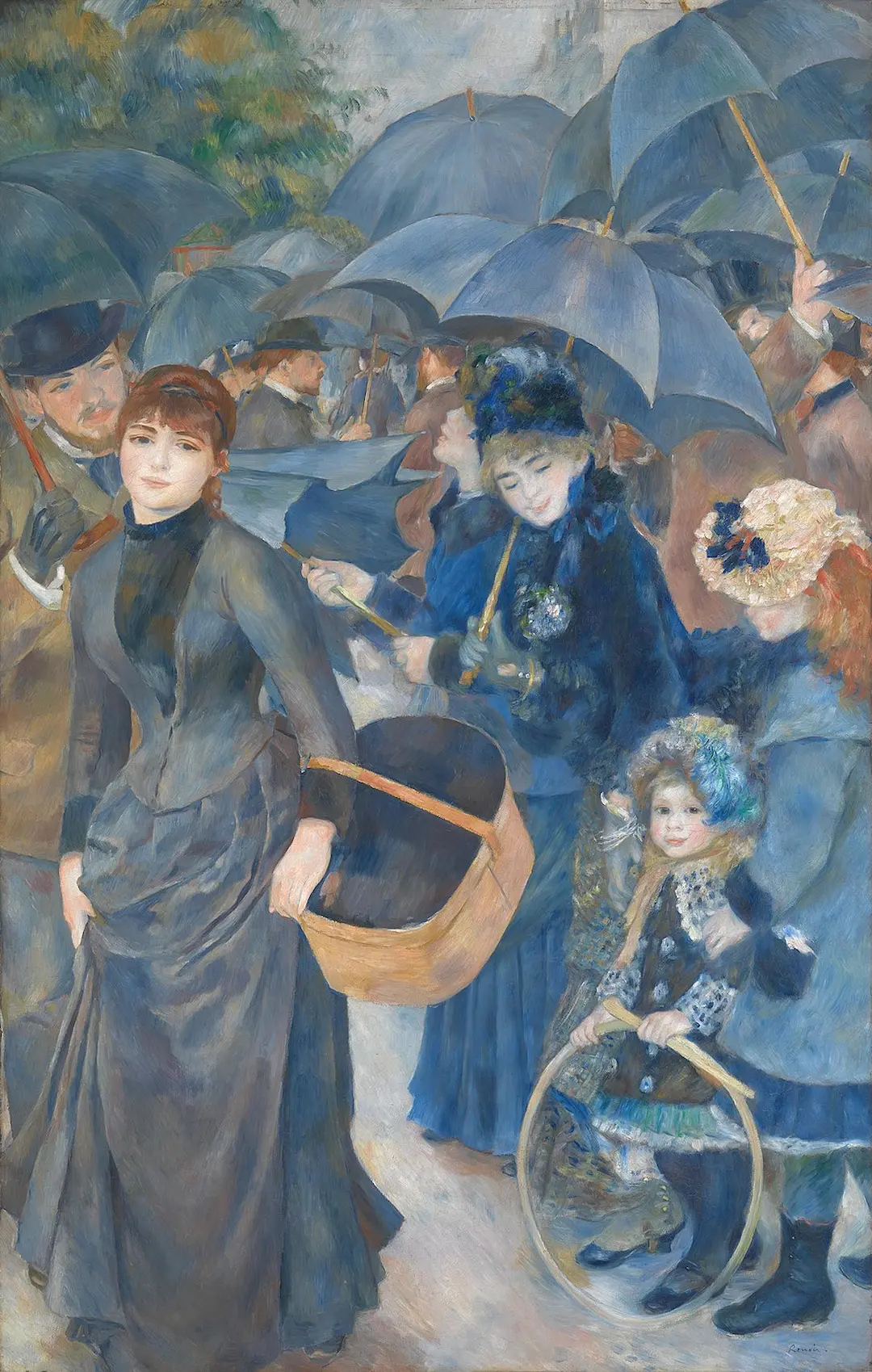
For collectors, "The Return of the Boating Party" represents more than a hand-painted oil painting; it is a cherished piece of Impressionist history. Renoir’s signature style and emotional depth make this artwork a centerpiece in any collection. Those seeking fine art painting for sale often look to his masterpieces, including "Umbrellas" and "Spring Bouquet," to bring the timeless beauty and vibrancy of the Impressionism movement into their own spaces.
When Art Meets History
"The Return of the Boating Party" by Pierre Auguste Renoir stands as a remarkable testament to the Impressionism movement. Painted in the late 19th century, this hand-painted oil painting captures a lively scene reminiscent of Renoir’s love for leisure and social gatherings. The work is often compared to his other masterpieces such as "Regatta at Sainte-Adresse" and "Children in the Sea, 1909," each reflecting the vibrant spirit of the era and the artist’s unique perspective.
Techniques That Speak
Utilizing the signature Impressionist technique, Pierre Auguste Renoir’s "The Return of the Boating Party" features loose brushwork and a luminous palette. The painting, executed in oil on canvas, demonstrates Renoir’s mastery of capturing fleeting light and movement. The artist’s approach can also be seen in related works like "Farm near Honfleur" and "Poppy Field near Vétheuil," where the same vibrant colors and energetic strokes bring each fine art painting for sale to life.
Emotions on Display
In "The Return of the Boating Party," Renoir masterfully conveys a sense of joy and camaraderie, hallmarks of the Impressionism movement. The painting’s composition, much like "Road to the Saint-Simeon Farm," immerses viewers in the warmth of human connection. Each figure, rendered with care in this oil on canvas, exudes emotion and spontaneity, inviting the audience to share in a moment of celebration and togetherness.
Coveted by Collectors
"The Return of the Boating Party" remains a sought-after masterpiece among art enthusiasts and collectors worldwide. As with other hand-painted oil paintings by Pierre Auguste Renoir, such as "Children in the Sea, 1909," its historical significance and artistic brilliance make it a prized fine art painting for sale. The enduring appeal of this Impressionist work ensures its place in prestigious collections, cherished for its beauty and cultural impact.
Related Impressionism Hand-Painted Oil Paintings by Other Artists
Other Famous Impressionism Artists:
Frequently Asked Questions About The Return of the Boating Party
What year was The Return of the Boating Party painted?
The Return of the Boating Party was completed in 1881.
What artistic movement is Renoir associated with in this painting?
This painting is a quintessential example of Impressionism, characterized by its vibrant colors and loose brushwork.
What themes are explored in The Return of the Boating Party?
The painting explores themes of leisure, social interaction, and the joys of life, capturing a moment of camaraderie among friends.
Who are the figures depicted in the painting?
The figures include Renoir's friends and family, notably his future wife, Aline Charigot, and the artist Gustave Caillebotte.
What is the significance of the setting in The Return of the Boating Party?
The setting, a riverside scene, symbolizes the leisure activities of the Parisian bourgeoisie during the late 19th century.
How does Renoir use color in this painting?
Renoir employs a vibrant palette with warm tones to evoke a sense of joy and vitality, enhancing the celebratory atmosphere of the scene.
What techniques did Renoir use to create depth in the painting?
Renoir used a combination of overlapping figures, varied brushstrokes, and light effects to create a sense of depth and movement within the composition.
How does The Return of the Boating Party reflect Renoir's artistic philosophy?
The painting reflects Renoir's belief in the beauty of everyday life and the importance of capturing fleeting moments of happiness.
What impact did The Return of the Boating Party have on the art world?
This work solidified Renoir's reputation as a leading figure in Impressionism and influenced future generations of artists in their portrayal of social scenes.
Where is The Return of the Boating Party currently housed?
The painting is part of the collection at the Phillips Collection in Washington, D.C.






















_GFM_Painting_(1).webp)


 100% Hand-Painted: Finished in 3-6 Weeks

.png)

















_(1).webp)