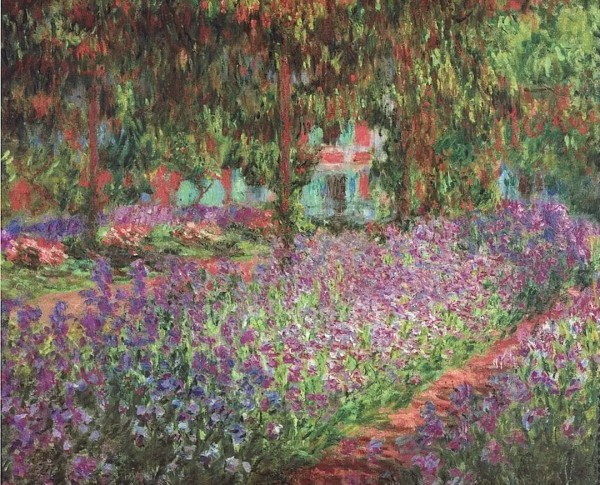
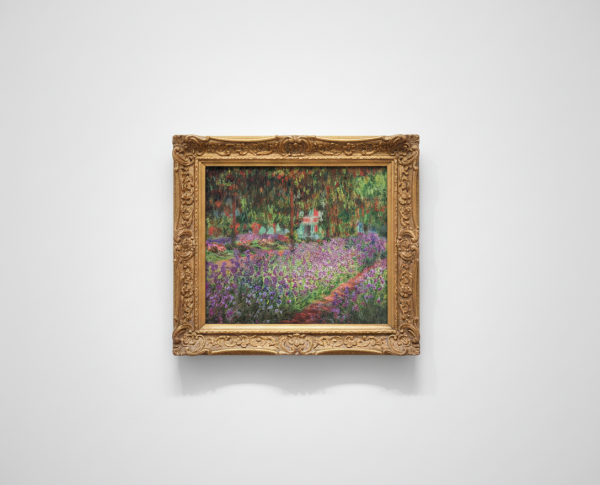
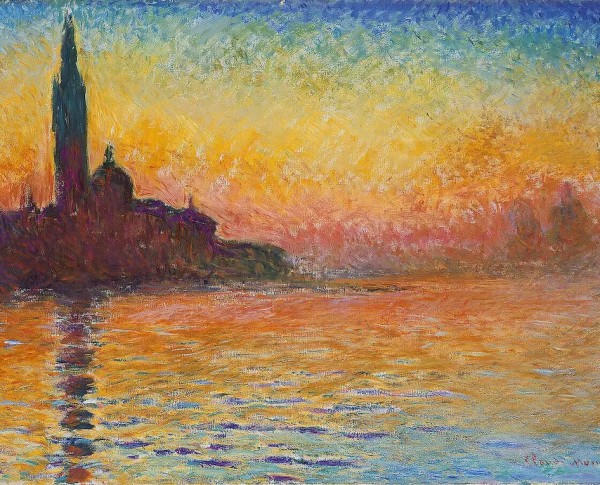
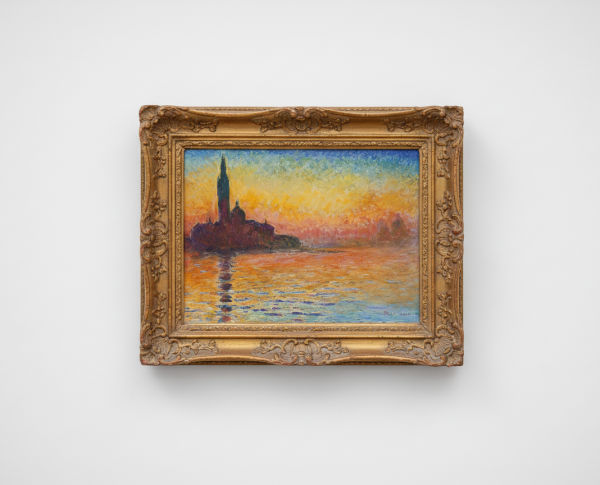
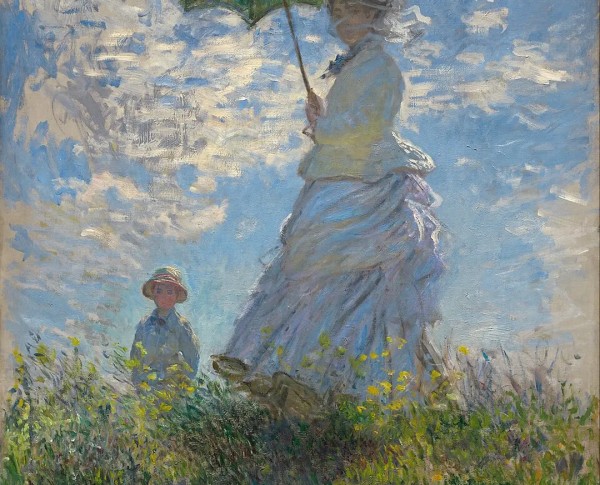
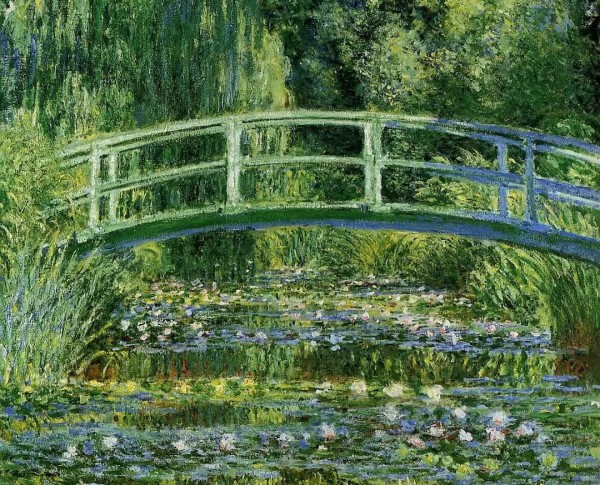
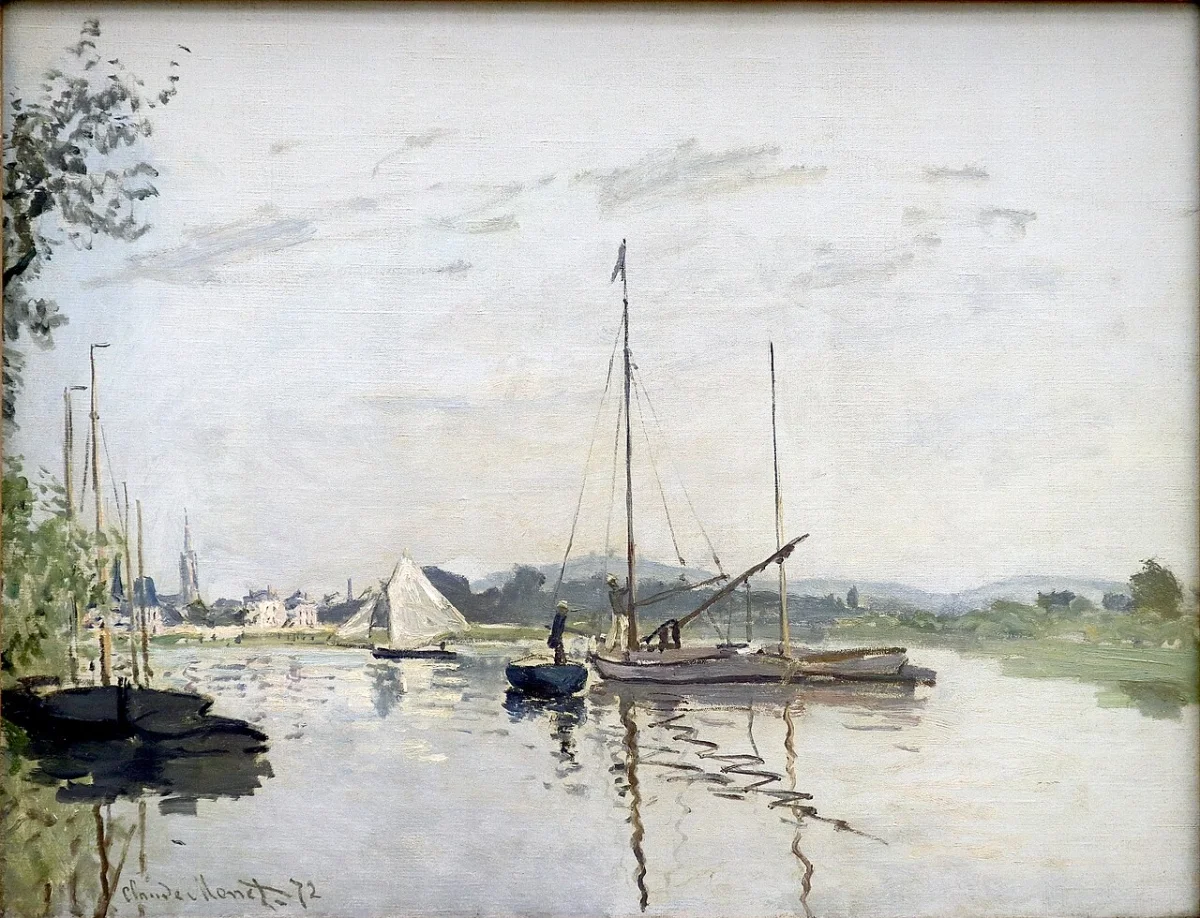
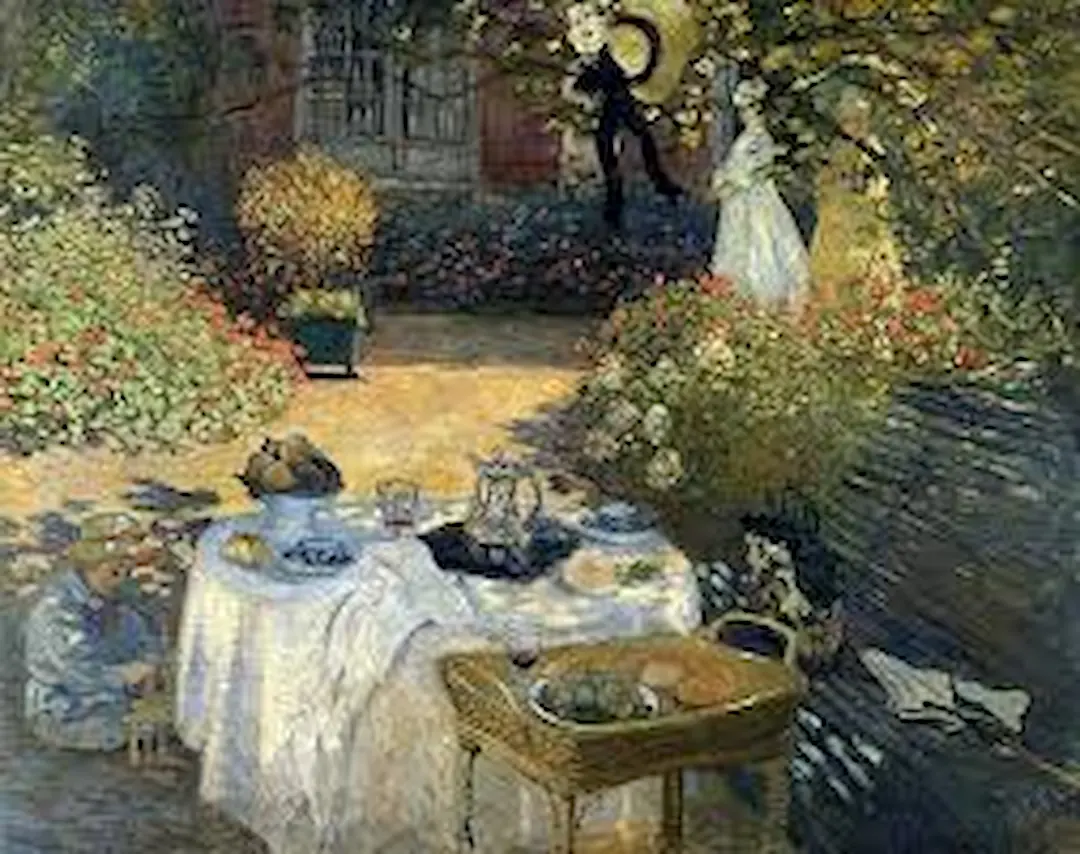
Every brushstroke in Claude Monet’s “Argenteuil Musée D'orsay” demonstrates his unparalleled command of the oil on canvas medium. As a leading figure of the Impressionism movement, Monet’s technique brings shimmering light and fleeting moments to life. The painting’s subtle color transitions and atmospheric effects are echoed in related pieces like “A Corner of the Studio” and “Trophies of the Hunt,” making each oil on canvas work highly sought after by collectors and enthusiasts alike.
“Argenteuil Musée D'orsay” by Claude Monet is more than just a beautiful scene; it is a fine art painting for sale that tells stories of riverside leisure and the changing Parisian suburbs. Through Impressionism, Monet imbued everyday moments with profound meaning, an approach also seen in “The Pointe of Heve” and “Terrace at the Seaside.” Each element in the painting alludes to modernity, tranquility, and the fleeting nature of time, making it a cherished piece in art history.
For those seeking a hand-painted oil painting that embodies the spirit of Impressionism, “Argenteuil Musée D'orsay” by Claude Monet is a true collector’s treasure. Its exquisite composition and historical significance make it highly desirable, much like Monet’s “Sainte-Adresse” and other related works. Owning such a masterpiece connects collectors to the vibrant legacy of one of art’s greatest innovators, ensuring the painting’s value endures for generations to come.
When Art Meets History
Claude Monet’s "Argenteuil Musée D'orsay" stands as a testament to the Impressionism movement, capturing a pivotal moment in art history. Painted during Monet’s time in Argenteuil, this hand-painted oil painting reflects the vibrant, changing world of late 19th-century France. Like related works such as "Paris Street - Rainy Weather 1877" and "Two Sisters," Monet’s masterpiece showcases the evolving relationship between society and its environment, making it a remarkable piece in the historical tapestry of fine art.
Techniques That Speak
Monet’s use of oil on canvas in "Argenteuil Musée D'orsay" exemplifies his pioneering Impressionist techniques. Through loose, rapid brushstrokes and a luminous palette, Monet captures fleeting light and atmospheric effects, hallmarks of the movement. This technique can also be seen in related paintings like "A Girl with a Watering Can" and "White slave trade," further demonstrating Monet’s mastery. The result is a dynamic visual experience that invites viewers to immerse themselves in the scene.
Emotions on Display
"Argenteuil Musée D'orsay" by Claude Monet evokes a sense of tranquility and immediacy, hallmarks of the Impressionism movement. The gentle play of light and color infuses the hand-painted oil painting with emotion, inviting viewers to experience the serenity of riverside life. Like "And They Still Say Fish is Expensive!" and "Two Sisters," this work captures both the fleeting beauty of the moment and the artist’s emotional response to nature, offering a deeply personal viewing experience.
Coveted by Collectors
Monet’s "Argenteuil Musée D'orsay" remains a highly sought-after fine art painting for sale, admired by collectors and institutions worldwide. Its significance within the Impressionism movement, alongside related paintings such as "Paris Street - Rainy Weather 1877" and "A Girl with a Watering Can," makes it a prized addition to any collection. The enduring appeal of Monet’s vision ensures that his works continue to captivate and inspire art enthusiasts and collectors alike.
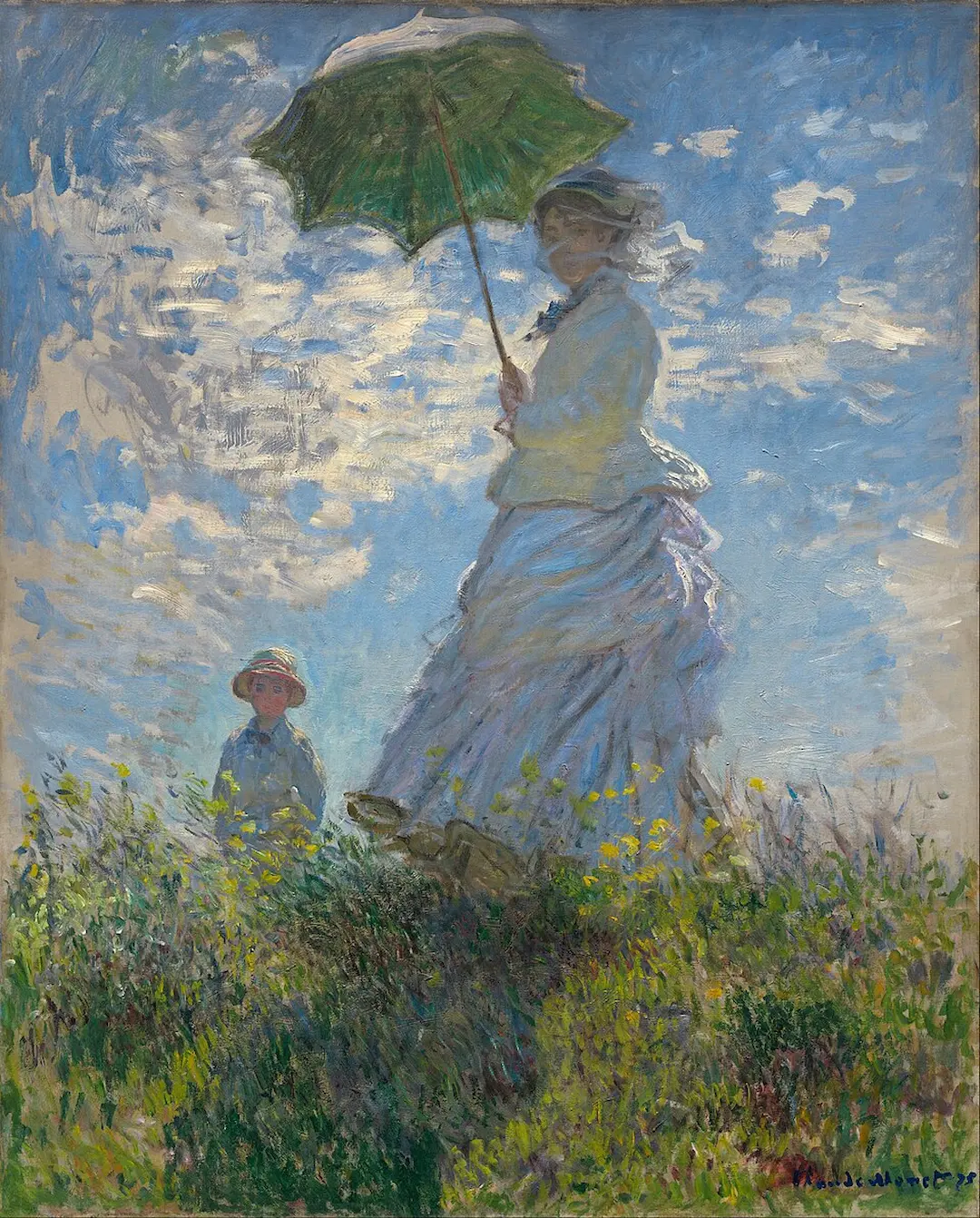
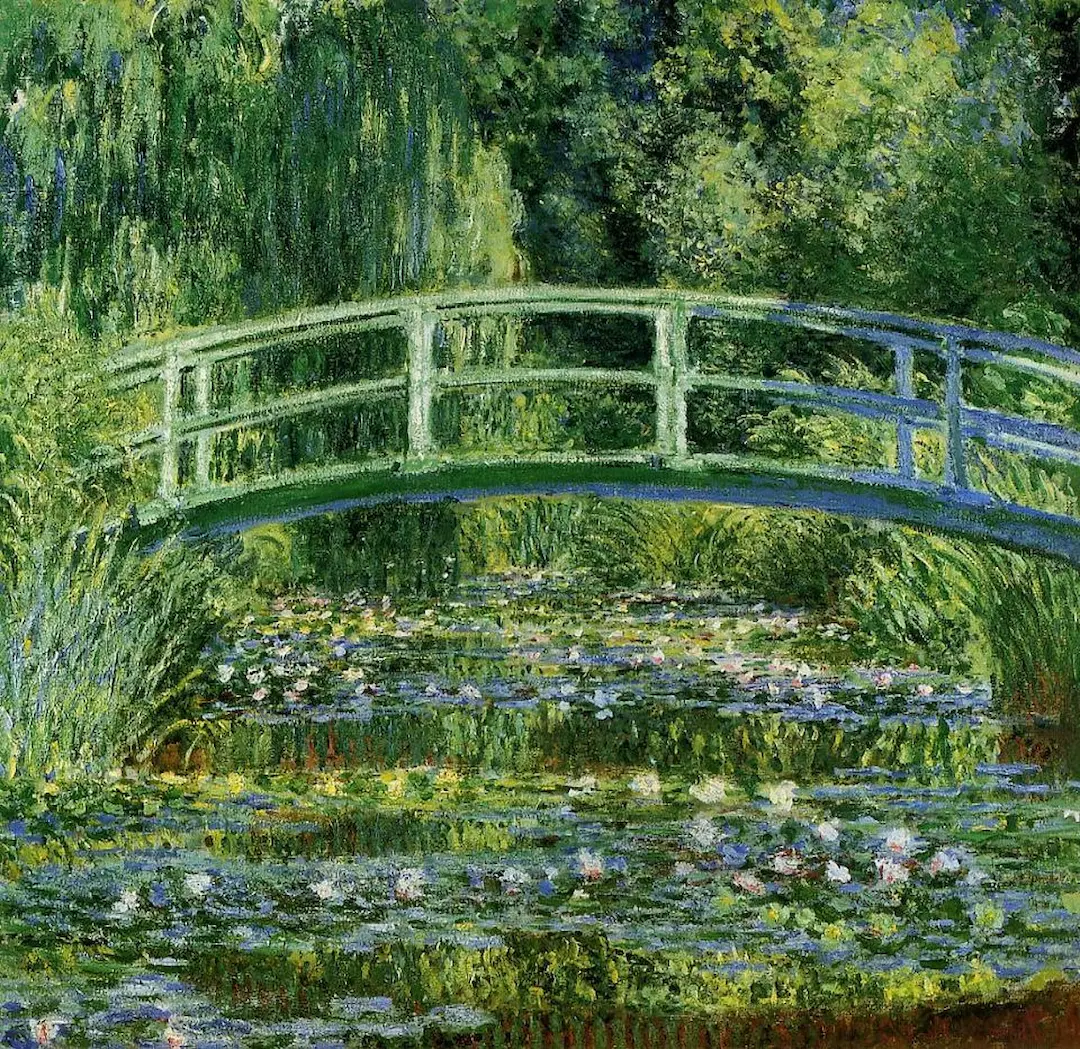
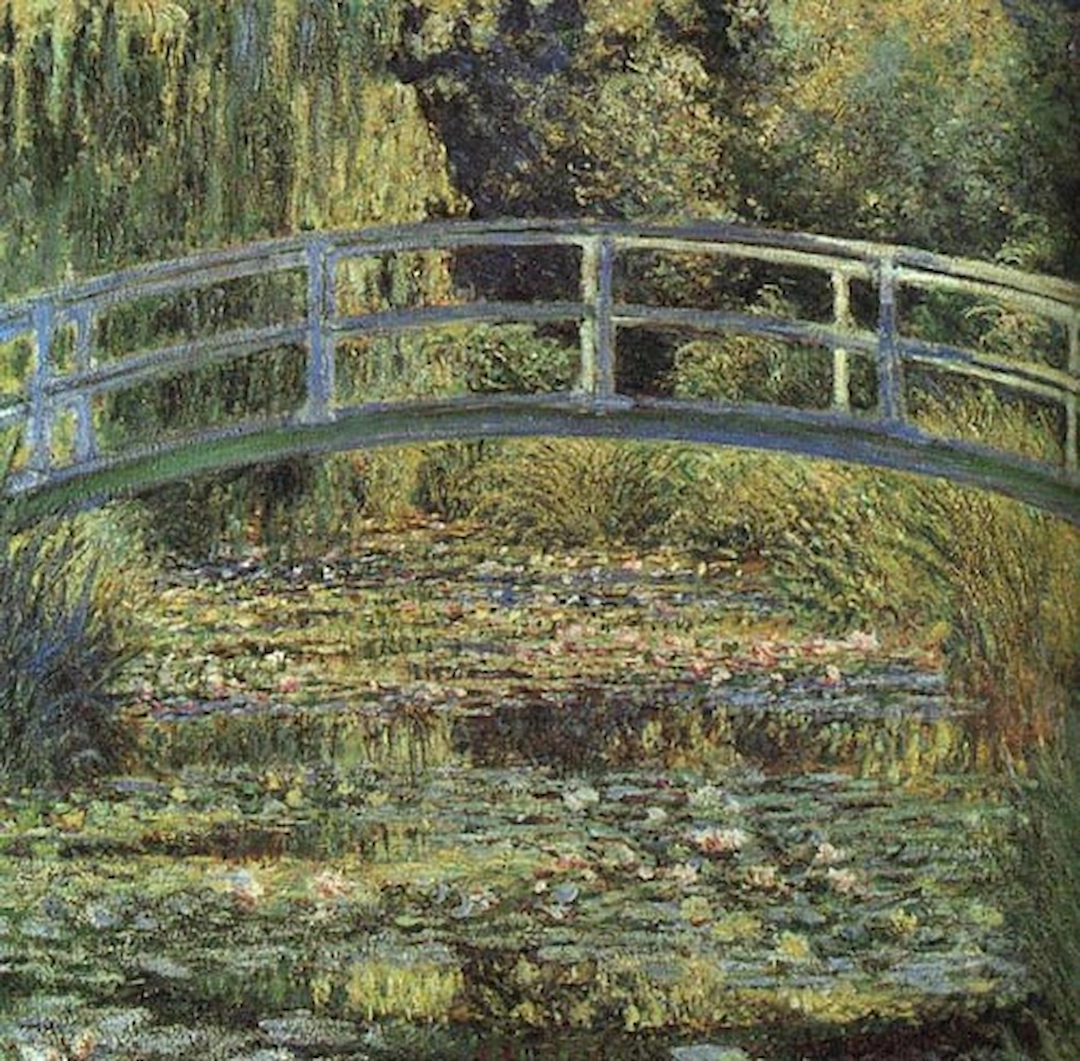
Related Impressionism Hand-Painted Oil Paintings by Other Artists
Other Famous Impressionism Artists:
Frequently Asked Questions About Argenteuil Musée D'orsay
What is the historical context of "Argenteuil" by Claude Monet?
"Argenteuil" was painted during the late 19th century, a time when Impressionism was gaining prominence in the art world. Monet captured the essence of modern life and the changing landscape of France, reflecting the industrialization and urbanization of the era.
What artistic techniques did Monet employ in "Argenteuil"?
Monet utilized loose brushwork and a vibrant color palette to convey the effects of light and atmosphere. His technique of applying paint in quick, short strokes allowed him to capture the fleeting moments of nature and the play of sunlight on water.
What themes are explored in "Argenteuil"?
The painting explores themes of leisure and the beauty of nature, showcasing the idyllic life along the Seine River. It reflects the harmony between humanity and the natural world, a central theme in Impressionist art.
How does "Argenteuil" reflect Impressionist principles?
"Argenteuil" embodies key Impressionist principles such as the emphasis on light, color, and everyday subject matter. Monet's focus on capturing a moment in time rather than a detailed representation aligns with the movement's philosophy of portraying the sensory experience of a scene.
What is the significance of the location depicted in "Argenteuil"?
Argenteuil, a suburb of Paris, was a popular retreat for Parisians in the 19th century. The painting captures the charm of this locale, symbolizing the escape from urban life and the appreciation of nature, which was a common theme in Impressionist works.
What influence did "Argenteuil" have on subsequent artists?
The painting influenced future generations of artists by demonstrating the importance of capturing light and atmosphere. Monet's innovative approach inspired the development of modern art movements, including Post-Impressionism and Fauvism.
How does "Argenteuil" compare to other works by Monet?
Compared to other works by Monet, "Argenteuil" showcases a similar focus on water and light but emphasizes a more tranquil and leisurely scene. It is part of a series of paintings that depict the same location, highlighting Monet's fascination with the changing effects of light.
What role does color play in "Argenteuil"?
Color plays a crucial role in "Argenteuil," as Monet uses a bright and varied palette to evoke the vibrancy of the scene. The use of complementary colors enhances the visual impact and helps convey the mood of a sunny day by the river.
What symbolic meanings can be derived from "Argenteuil"?
The painting symbolizes the harmony between nature and human activity, reflecting a sense of peace and tranquility. It also represents the shift towards modernity, as the boats and leisure activities depicted signify the changing social dynamics of the time.
How has "Argenteuil" been received by critics and art historians?
"Argenteuil" has been praised for its innovative approach and technical mastery. Critics and art historians recognize it as a significant work that encapsulates the essence of Impressionism, contributing to Monet's legacy as one of the foremost artists of the movement.






















_GFM_Painting_(1).webp)


 100% Hand-Painted: Finished in 3-6 Weeks

.png)















_(1).webp)