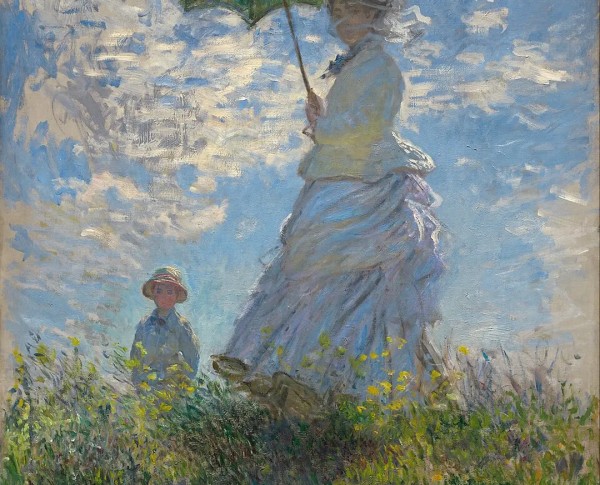
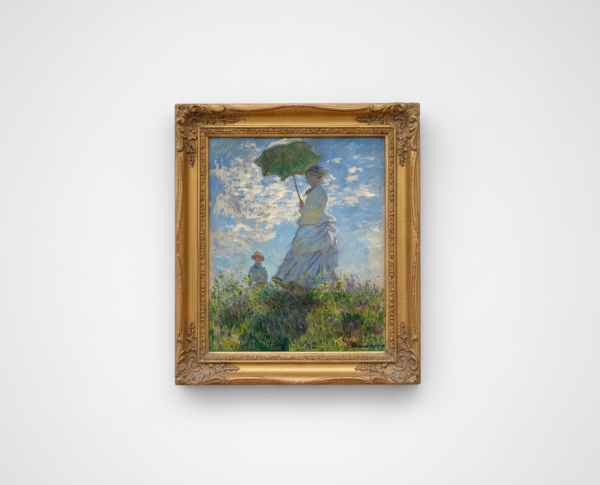
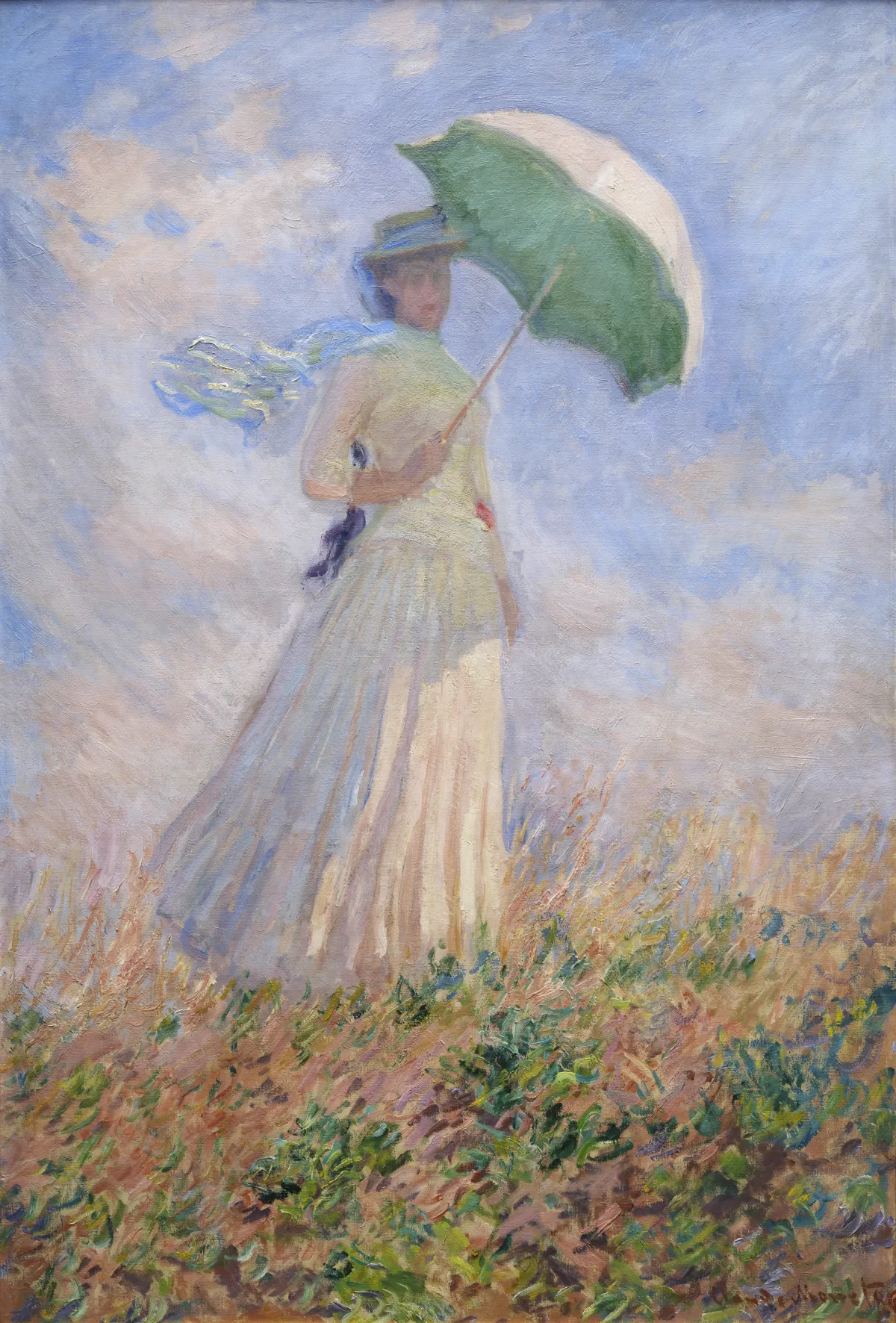
Monet's "Femme à l'ombrelle tournée vers la droite" demonstrates exquisite technique, utilizing oil on canvas to evoke movement and atmosphere. The airy brushwork and vibrant palette embody the essence of Impressionism, making this piece a prime example of Monet’s innovative approach. Art aficionados exploring related products, such as "Still Life With Bottles" or "The Railway Bridge at Argenteuil," will appreciate the same dedication to detail and authenticity in each oil on canvas masterpiece from this celebrated artist.
Within "Femme à l'ombrelle tournée vers la droite," Claude Monet weaves subtle narratives through color and composition. The figure’s pose and the play of sunlight evoke themes of leisure and tranquility, hallmarks of Impressionism. This fine art painting for sale invites viewers to interpret its story, much like Monet’s "View At Rouelles Le Havre" and "Le Pont D'argenteuil." Each work offers a glimpse into the artist’s world, rich with emotion and symbolic resonance.
Owning "Femme à l'ombrelle tournée vers la droite" by Claude Monet means acquiring a piece of art history. This hand-painted oil painting is a testament to Impressionism’s enduring appeal and Monet’s unparalleled vision. Collectors seeking a fine art painting for sale will find this and related pieces—such as "Women in the Garden" and "Le Pont D'argenteuil"—to be invaluable additions, celebrating the genius of Monet and the timeless beauty of his oil on canvas works.
When Art Meets History
"Femme à l'ombrelle tournée vers la droite" by Claude Monet stands as an iconic example of the Impressionism movement. Painted in 1886, this hand-painted oil painting captures a fleeting moment in time, echoing the spirit of innovation that defined Monet's era. Alongside related works like "Bal du moulin de la Galette" and "The Floor Scrapers 1875," Monet's masterpiece connects viewers to a period when art was rapidly evolving and redefining visual storytelling.
Techniques That Speak
Claude Monet’s mastery of oil on canvas is evident in "Femme à l'ombrelle tournée vers la droite." Utilizing quick, expressive brushstrokes and a vibrant palette, Monet brings light and atmosphere to life. This approach, characteristic of Impressionism, can also be seen in related paintings like "Les orangers" and "Chapel on the Láchar estate." The texture and movement in each stroke highlight Monet’s revolutionary technique, distinguishing his art from traditional academic painting.
Emotions on Display
With "Femme à l'ombrelle tournée vers la droite," Monet evokes a sense of tranquility and spontaneity, hallmarks of the Impressionist movement. The subject’s gentle pose, bathed in sunlight, conveys a moment of peaceful contemplation. This fine art painting for sale invites viewers to experience the same emotion Monet captured, much like in "The Daughters of Catulle Mendès," where fleeting expressions and natural settings take center stage, drawing the audience into the artist’s emotive world.
Coveted by Collectors
As a celebrated work by Claude Monet, "Femme à l'ombrelle tournée vers la droite" remains highly sought after by collectors and museums alike. Its historical significance and exquisite execution make it a prized possession among Impressionist masterpieces. Collectors who appreciate oil on canvas works, such as "Bal du moulin de la Galette" and "Les orangers," recognize the enduring value and appeal of acquiring such a distinguished fine art painting for sale from Monet’s illustrious career.
Related Impressionism Hand-Painted Oil Paintings by Other Artists
Other Famous Impressionism Artists:
Frequently Asked Questions About Femme à l'ombrelle tournée vers la droite
What is the historical context of Femme à l'ombrelle tournée vers la droite?
This painting was created in 1886 during the Impressionist movement, a time when artists were exploring new techniques and subjects, often focusing on light and its effects on color.
What techniques did Claude Monet use in this painting?
Monet employed loose brushwork and a vibrant color palette to capture the fleeting effects of light and atmosphere, characteristic of his Impressionist style.
Who is the figure depicted in Femme à l'ombrelle tournée vers la droite?
The figure in the painting is believed to be Monet's wife, Camille Monet, who often served as a model for his works, embodying the themes of nature and femininity.
What is the significance of the umbrella in the painting?
The umbrella serves as both a practical object and a symbol of protection, reflecting themes of femininity and the interplay between nature and human presence.
How does this painting exemplify Impressionism?
Femme à l'ombrelle tournée vers la droite exemplifies Impressionism through its emphasis on capturing a moment in time, the use of light, and the portrayal of everyday life.
What emotions does the painting evoke?
The painting evokes a sense of tranquility and joy, inviting viewers to appreciate the beauty of nature and the fleeting moments of life.
How does Monet's use of color contribute to the overall composition?
Monet's use of vibrant greens, blues, and whites creates a harmonious balance, drawing the viewer's eye to the figure while simultaneously celebrating the surrounding landscape.
What role does light play in Femme à l'ombrelle tournée vers la droite?
Light is a central element in the painting, as Monet captures the way sunlight filters through the umbrella and reflects off the figure, enhancing the sense of movement and life.
In what ways does this painting reflect Monet's artistic evolution?
This work reflects Monet's evolution towards a more abstract representation of forms and colors, moving away from detailed realism to focus on the essence of the subject.
What is the legacy of Femme à l'ombrelle tournée vers la droite in the art world?
The painting is considered a masterpiece of Impressionism and has influenced countless artists, solidifying Monet's reputation as a pioneer of modern art and the exploration of light and color.






















_GFM_Painting_(1).webp)


 100% Hand-Painted: Finished in 3-6 Weeks

.png)
















_(1).webp)