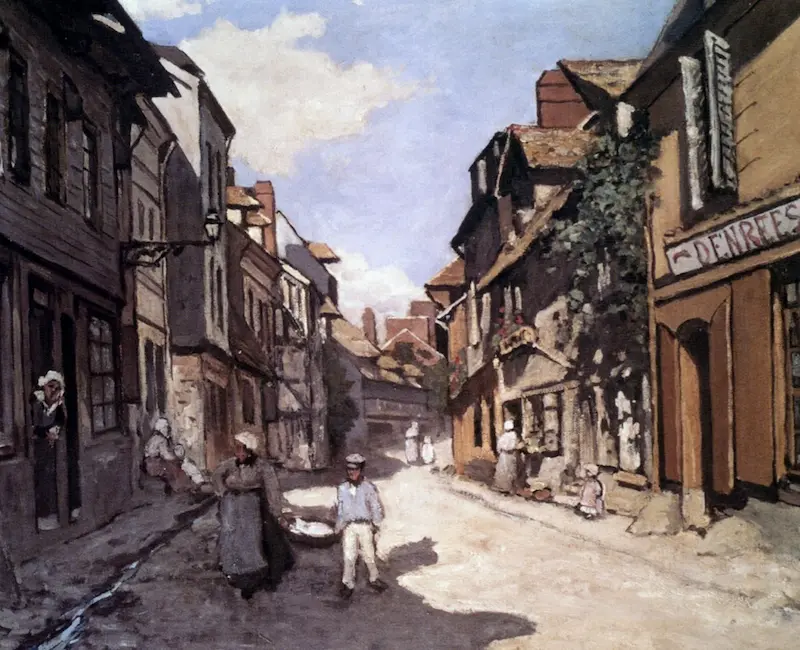
Monet’s technique in "Street of the Bavolle Honfleur" exemplifies the mastery found in oil on canvas masterpieces. Each brushstroke delivers a sense of movement and atmosphere, making this piece a quintessential Impressionist work. The painting’s lively street scene is reminiscent of Monet’s other celebrated works such as "Water Lily Pond" and "Spring Flowers," reflecting his ability to transform ordinary vistas into extraordinary fine art treasures for enthusiasts and collectors alike.
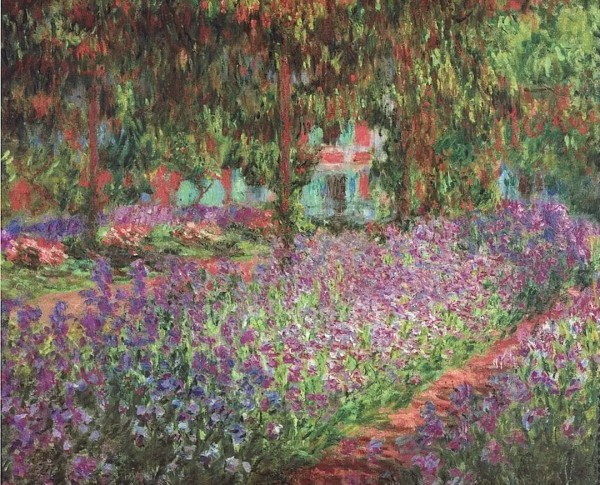
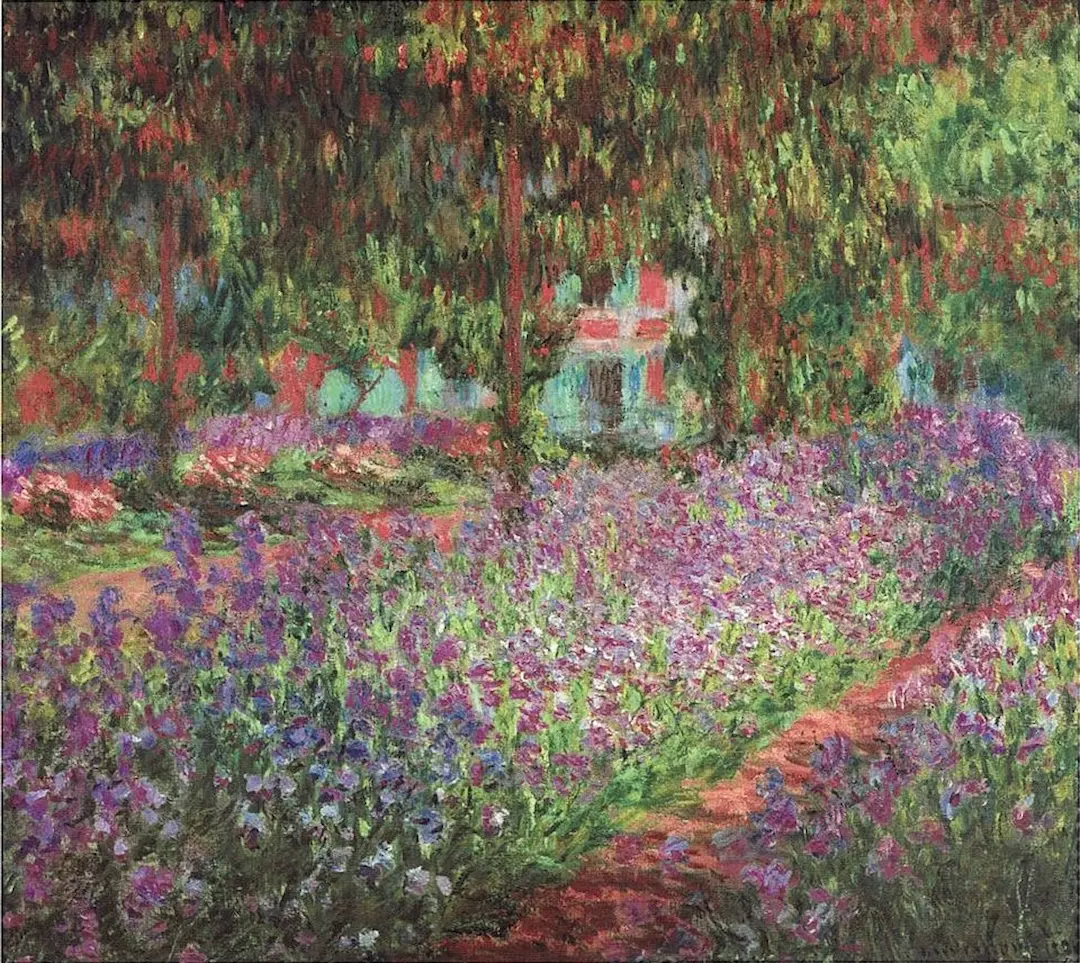
Beyond its visual appeal, "Street of the Bavolle Honfleur" tells a story of daily life in 19th-century France, immortalized through Monet’s Impressionist lens. This fine art painting for sale invites viewers to step into a bustling street, filled with the charm and energy of Honfleur. Monet’s narrative style resonates with themes present in "Irises In Monets Garden" and "Wild Poppies, Near Argenteuil," offering a glimpse into the artist's world and his deep connection to his surroundings.
Owning "Street of the Bavolle Honfleur" by Claude Monet is a dream for any art collector who values Impressionism and exquisite hand-painted oil painting. This piece, along with related products like "Spring Flowers" and "Water Lily Pond," elevates any collection with its historical significance and artistic brilliance. Monet’s enduring legacy ensures that each painting remains a prized possession, admired for its beauty, technique, and profound influence on the art world.
When Art Meets History
"Street of the Bavolle Honfleur" by Claude Monet stands as a testament to the Impressionism movement, capturing a vibrant slice of 19th-century French life. This hand-painted oil painting reflects Monet's fascination with the changing urban landscape, similar to his works "Paris Street - Rainy Weather 1877" and "Dance At The Moulin De La Galette." Through his brushwork, Monet immortalizes the bustling streets of Honfleur, making history accessible to art lovers and collectors alike.
Techniques That Speak
Claude Monet expertly employs oil on canvas to create lively, fleeting impressions of everyday scenes in "Street of the Bavolle Honfleur." His loose brushstrokes and mastery of light echo techniques seen in related paintings like "Umbrellas" and "Children in the Sea, 1909." These signature Impressionist methods allow Monet to evoke atmosphere and movement, demonstrating why his works remain celebrated within the fine art community and continue to influence generations of artists.
Emotions on Display
"Street of the Bavolle Honfleur" radiates the emotional essence of a bustling French town, a hallmark of Monet's Impressionist style. The vibrant palette and dynamic composition evoke a sense of nostalgia and liveliness, drawing viewers into the scene. Much like "Sad Inheritance" and "Dance At The Moulin De La Galette," this fine art painting for sale conveys deep human connection and everyday joy, resonating with those seeking art that speaks to the heart.
Coveted by Collectors
Collectors are continually captivated by Monet’s "Street of the Bavolle Honfleur," a stunning example of Impressionism’s enduring appeal. Its status as a hand-painted oil painting places it alongside masterpieces like "Umbrellas" and "Children in the Sea, 1909." The artwork’s provenance, artistic innovation, and historical significance make it a prized possession for those seeking a distinctive piece of art history, ensuring its place among the world’s most sought-after fine art painting for sale.
Related Impressionism Hand-Painted Oil Paintings by Other Artists
Other Famous Impressionism Artists:
Frequently Asked Questions About Street of the Bavolle Honfleur
What is the historical context of "Street of the Bavolle Honfleur"?
"Street of the Bavolle Honfleur" was painted in 1867, during a period when Claude Monet was exploring the effects of light and color in his work. This time was significant in the development of Impressionism, as artists began to break away from traditional techniques and subjects.
What artistic techniques did Monet employ in this painting?
Monet utilized loose brushwork and a vibrant color palette to capture the fleeting effects of light on the streets of Honfleur. His technique emphasized spontaneity, allowing the viewer to experience the scene as if they were present at that moment.
What is the significance of the location depicted in the painting?
Honfleur, a picturesque port town in Normandy, was a favored subject for many artists of the time. The painting captures the charm of its narrow streets and historic architecture, reflecting the beauty of everyday life that Impressionists sought to immortalize.
How does "Street of the Bavolle Honfleur" reflect Impressionist ideals?
This work embodies Impressionist ideals by prioritizing the depiction of light and atmosphere over precise detail. Monet's focus on capturing a moment in time aligns with the movement's emphasis on perception and the experience of the natural world.
What themes are explored in this painting?
The painting explores themes of urban life and the relationship between nature and human habitation. It reflects a sense of tranquility and harmony, showcasing how the environment influences daily life in a bustling town.
How does the composition of the painting contribute to its impact?
The composition features a dynamic interplay of light and shadow, guiding the viewer's eye through the scene. The use of diagonal lines and varying perspectives creates a sense of depth and movement, enhancing the overall visual experience.
What role did color play in "Street of the Bavolle Honfleur"?
Color plays a pivotal role in this painting, with Monet using a range of hues to evoke mood and atmosphere. The vibrant blues and greens contrast with warm earth tones, illustrating the interplay of light and shadow in the urban landscape.
What influence did "Street of the Bavolle Honfleur" have on future artists?
This painting influenced subsequent generations of artists by demonstrating the power of color and light in conveying emotion and atmosphere. Its innovative approach to composition and technique paved the way for modern art movements that followed.
How does this painting reflect Monet's artistic evolution?
"Street of the Bavolle Honfleur" marks a significant point in Monet's artistic evolution, showcasing his shift towards a more spontaneous and expressive style. It highlights his growing interest in capturing the essence of a moment rather than focusing on meticulous detail.
What is the legacy of "Street of the Bavolle Honfleur" in art history?
The legacy of this painting lies in its embodiment of Impressionist principles and its influence on the trajectory of modern art. It remains a celebrated work that continues to inspire artists and art lovers alike, representing a pivotal moment in the history of art.






















_GFM_Painting_(1).webp)


 100% Hand-Painted: Finished in 3-6 Weeks

.png)















_(1).webp)