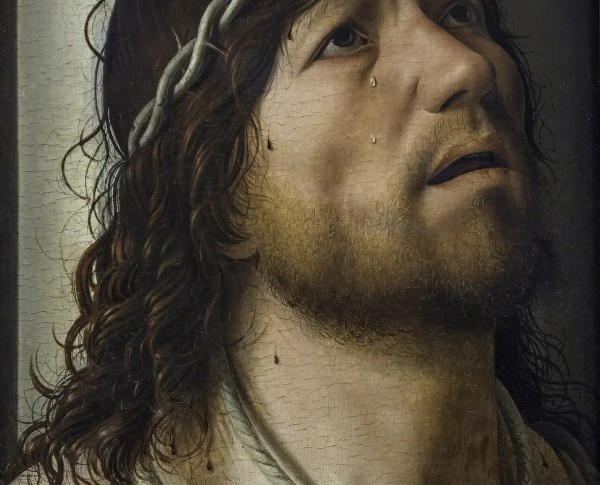
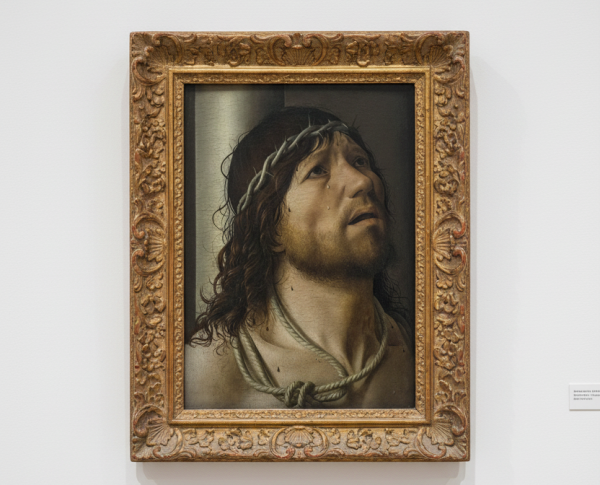
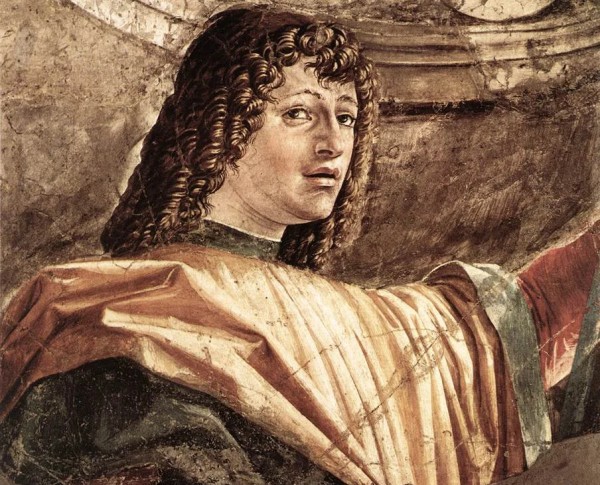
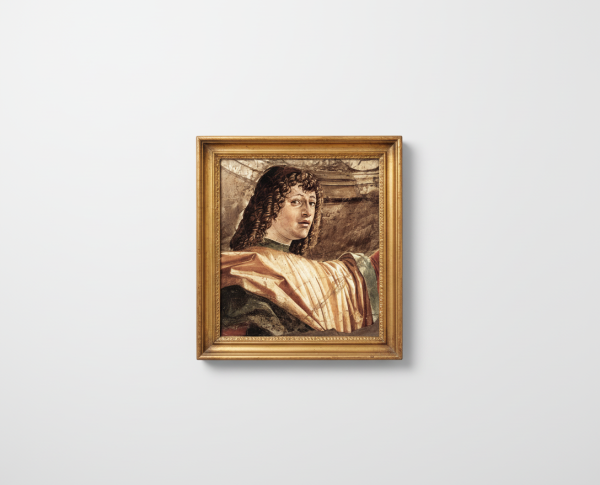
Donato Bramante’s "Sforza Castle - Bramante loggia bridge" exemplifies the technical brilliance of oil on canvas. Each brushstroke demonstrates Bramante's deep understanding of perspective, light, and architectural detail, hallmarks of the High Renaissance. This remarkable painting invites viewers into a world of refined beauty and historical intrigue. Collectors may also be interested in complementary works like "Bramante D'urbin" or "Man with a Halbard" for a cohesive Renaissance display.
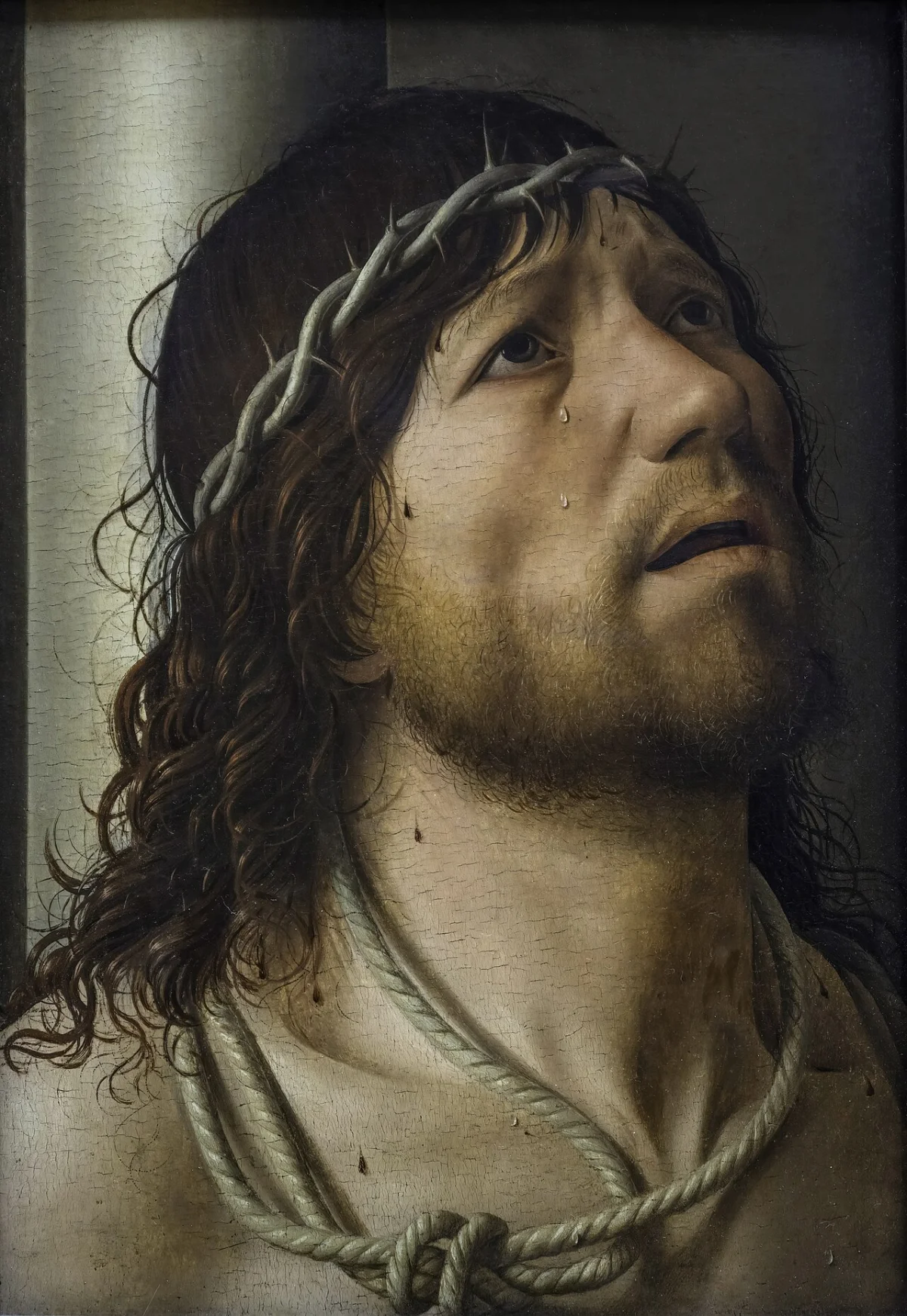
Within "Sforza Castle - Bramante loggia bridge," Donato Bramante weaves a tapestry of stories and symbols, typical of the High Renaissance. The fine art painting for sale not only depicts a famous architectural landmark but also reflects the cultural and intellectual spirit of its era. Art lovers can further explore the symbolism of this period with related pieces such as "Christ at the Column" and "The Chanter," each enriching the narrative of Renaissance art.
As a hand-painted oil painting, "Sforza Castle - Bramante loggia bridge" by Donato Bramante is a true collector’s treasure. Its High Renaissance origins and masterful execution make it a standout piece for any fine art collection. Those seeking to expand their collection will find harmony in pairing it with related products like "Man at Arms" or "Poet Laureate with Red Hat," ensuring a gallery of timeless Renaissance masterpieces.
When Art Meets History
Donato Bramante’s “Sforza Castle - Bramante loggia bridge” is a remarkable testament to the High Renaissance movement, where architecture and artistry blend seamlessly. This hand-painted oil painting captures the grandeur of Milan's historic castle, echoing the era’s fascination with classical balance and proportion. Bramante’s work stands alongside masterpieces like “The Baptism of Christ” and “The Triumph Of Galatea,” offering a unique glimpse into the artistic innovations that shaped Renaissance Italy.
Techniques That Speak
The meticulous brushwork in “Sforza Castle - Bramante loggia bridge” exemplifies Bramante’s mastery of oil on canvas. His expert use of perspective, light, and shadow brings the loggia bridge to life, reflecting the technical brilliance of the High Renaissance. Like “Sleeve Study for the Annunciation,” this piece showcases subtle gradations and architectural precision, making it a standout among fine art painting for sale. Bramante’s techniques continue to inspire awe in art lovers and historians alike.
Emotions on Display
In “Sforza Castle - Bramante loggia bridge,” viewers sense a profound reverence for history and architectural beauty, hallmarks of the High Renaissance. Bramante’s hand-painted oil painting invites contemplation, much like “The Madonna Of The Chair” and “Madonna & Child (Madonna del Granduca) 1505.” The tranquil ambiance and harmonious composition evoke both nostalgia and admiration, making this work resonate emotionally with collectors seeking meaningful connections to Renaissance artistry.
Coveted by Collectors
“Sforza Castle - Bramante loggia bridge” remains a highly sought-after fine art painting for sale among collectors of High Renaissance masterpieces. Donato Bramante’s legacy, alongside related works such as “The Triumph Of Galatea,” ensures enduring demand for his art. The painting’s historical significance, combined with its exquisite technique, makes it a prized addition to any collection, reflecting both the sophistication of the era and the timeless appeal of oil on canvas art.
Related High Renaissance Hand-Painted Oil Paintings by Other Artists
Other Famous High Renaissance Artists:
Frequently Asked Questions About Sforza Castle - Bramante loggia bridge
What is the historical significance of the Sforza Castle?
The Sforza Castle, originally built in the 15th century, served as a symbol of power for the Sforza family, who ruled Milan. It represents the Renaissance ideals of strength and beauty, and its architecture reflects the political and cultural aspirations of the time.
Who was Donato Bramante and what is his contribution to architecture?
Donato Bramante was an influential Italian architect of the High Renaissance, known for his innovative designs and use of classical elements. His work on the Sforza Castle loggia bridge exemplifies his mastery of symmetry and proportion, which laid the groundwork for future architectural developments.
What architectural style is represented in the loggia bridge?
The loggia bridge exemplifies Renaissance architecture, characterized by its use of classical orders, harmonious proportions, and an emphasis on symmetry. Bramante's design integrates these elements, creating a visually striking and functional structure.
What symbolic meanings are associated with the loggia bridge?
The loggia bridge symbolizes the connection between different realms—both physical and metaphorical. It serves as a passageway, representing the transition from the fortified castle to the surrounding landscape, embodying the Renaissance spirit of exploration and discovery.
How does the loggia bridge reflect Renaissance ideals?
The loggia bridge reflects Renaissance ideals through its emphasis on harmony, balance, and the revival of classical antiquity. Bramante's design showcases the era's pursuit of beauty and intellectualism, merging functionality with aesthetic appeal.
What materials were used in the construction of the loggia bridge?
The loggia bridge was primarily constructed using local stone and brick, materials that were readily available in Milan. This choice not only reflects the architectural practices of the time but also emphasizes the connection to the surrounding environment.
What role did the loggia bridge play in the overall design of Sforza Castle?
The loggia bridge serves as a crucial element in the overall design of Sforza Castle, providing access and enhancing the aesthetic appeal of the castle's façade. It integrates the castle's defensive architecture with the elegance of Renaissance design, creating a cohesive visual narrative.
How has the perception of Bramante's work evolved over time?
Over time, Bramante's work has been increasingly recognized for its innovative approach and influence on subsequent generations of architects. His designs, including the loggia bridge, are now celebrated as pivotal contributions to the development of Renaissance architecture.
What influences can be seen in Bramante's design of the loggia bridge?
Bramante's design of the loggia bridge shows influences from classical Roman architecture, particularly in its use of columns and arches. Additionally, the integration of landscape into the architectural design reflects the Renaissance focus on nature and humanism.
Is the loggia bridge accessible to the public today?
Yes, the loggia bridge is accessible to the public as part of the Sforza Castle complex. Visitors can explore this architectural marvel and appreciate its historical and artistic significance within the context of the castle and the Renaissance era.























_GFM_Painting_(1).webp)



 100% Hand-Painted: Finished in 3-6 Weeks


.png)
















_(1).webp)