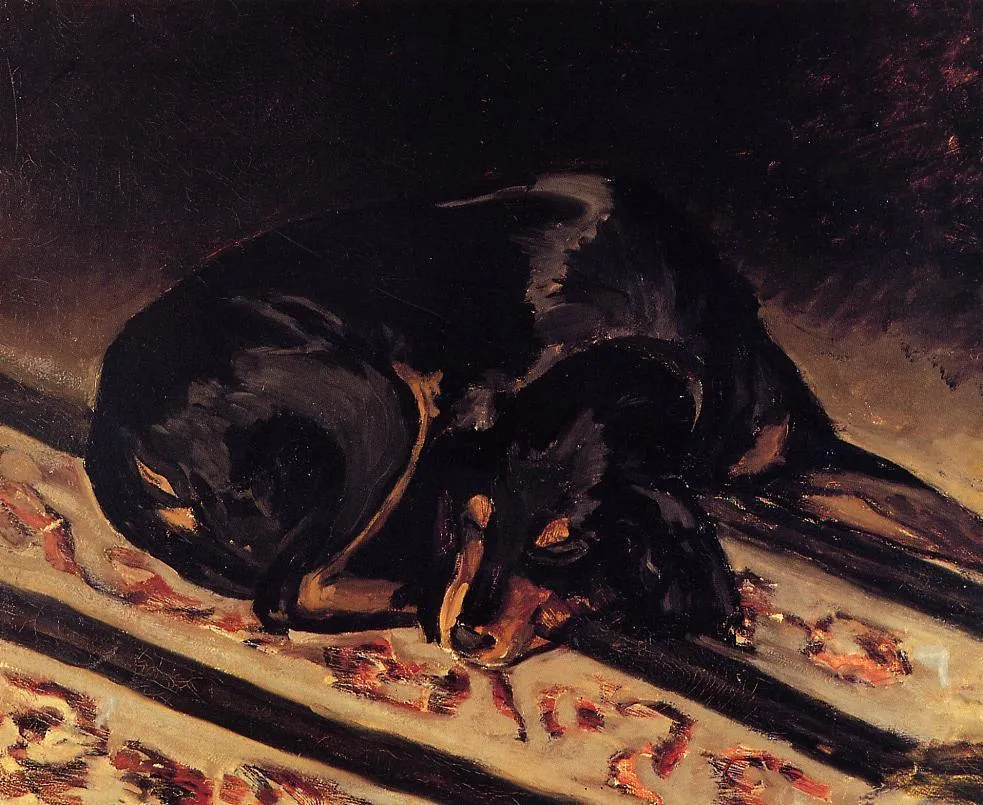
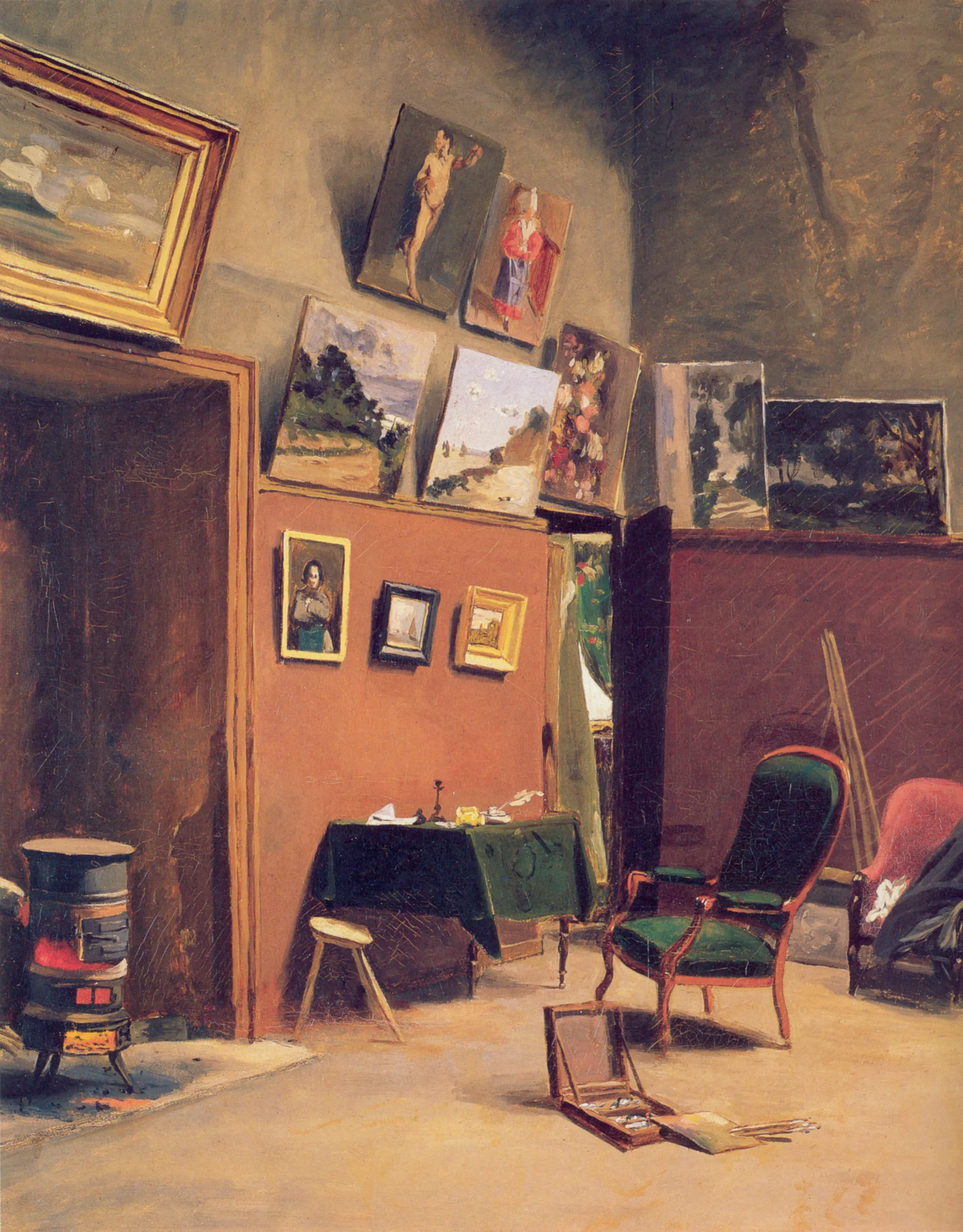
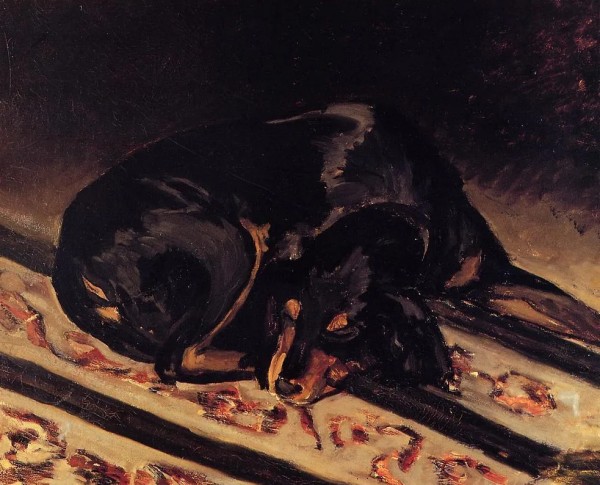
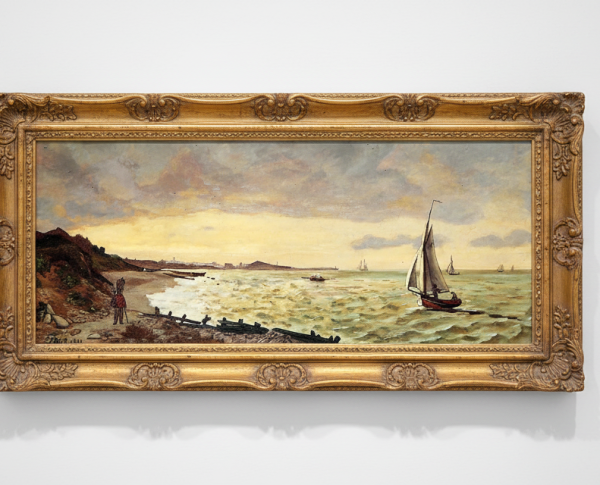
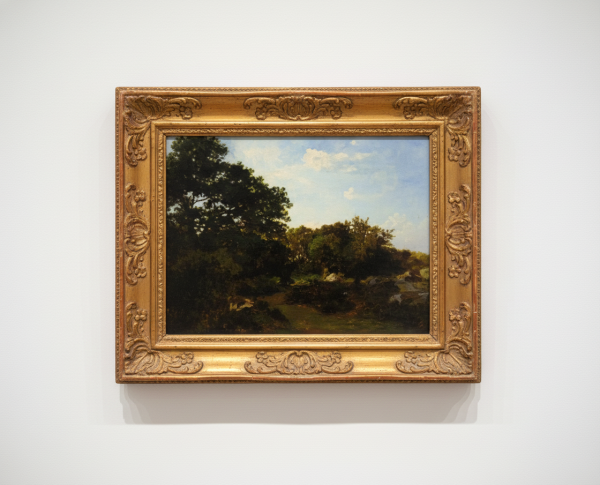
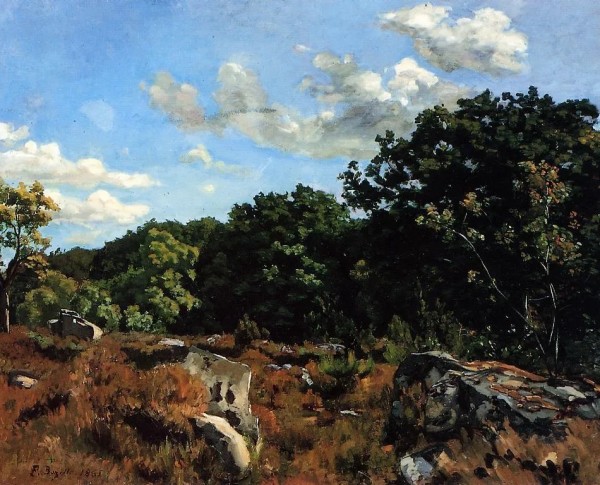
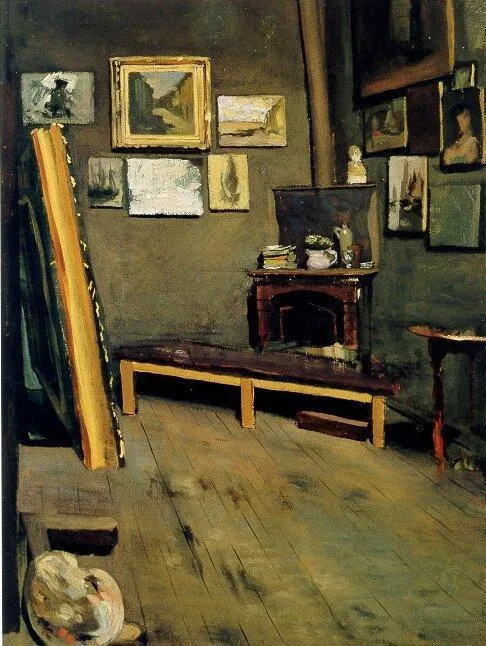
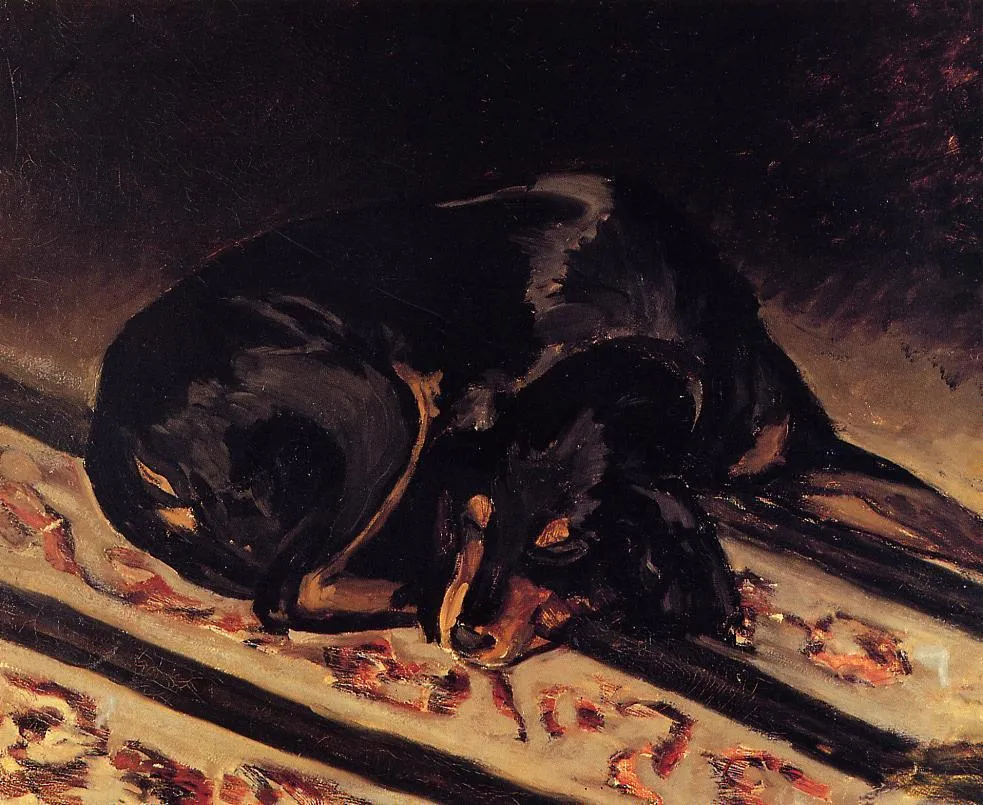
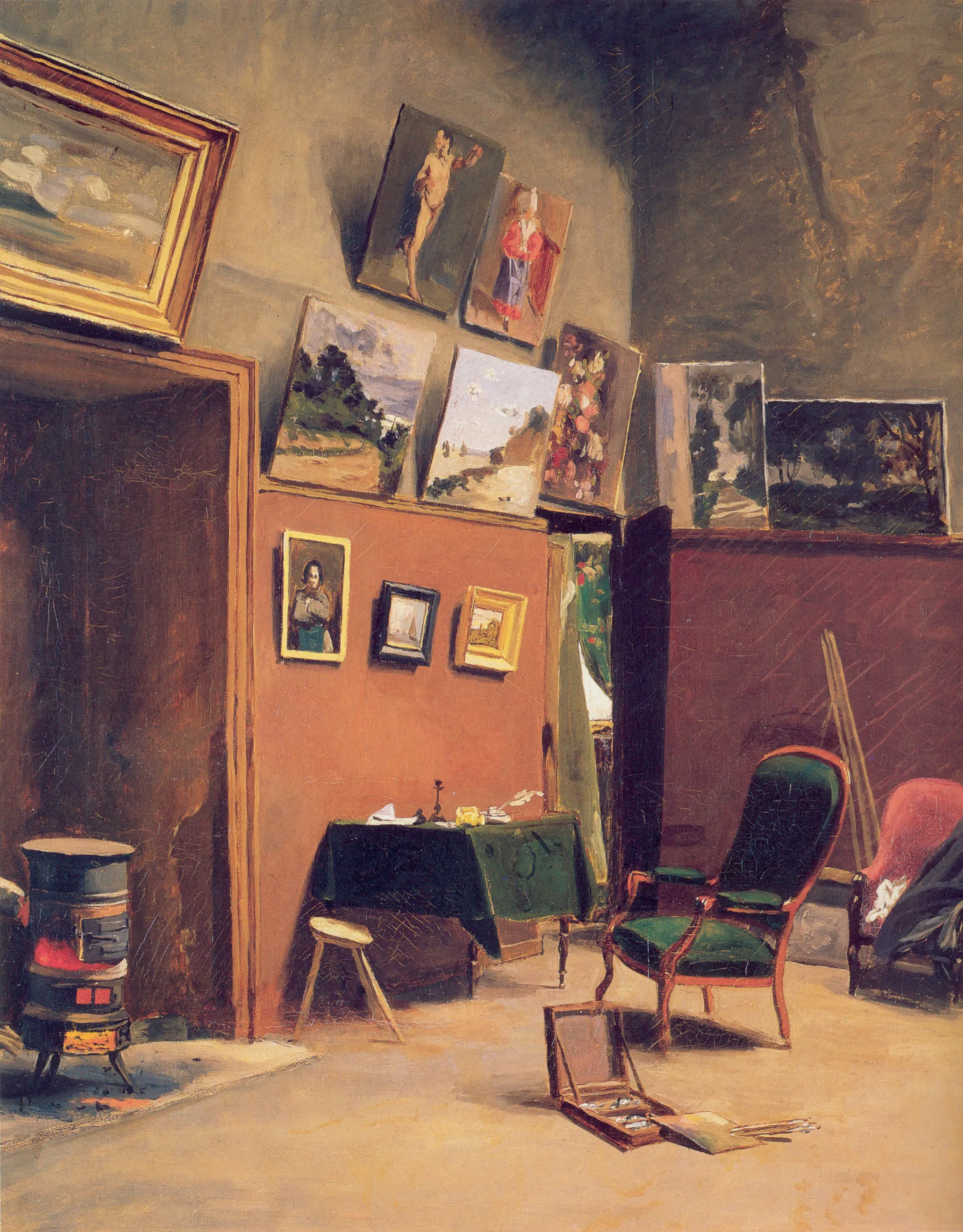
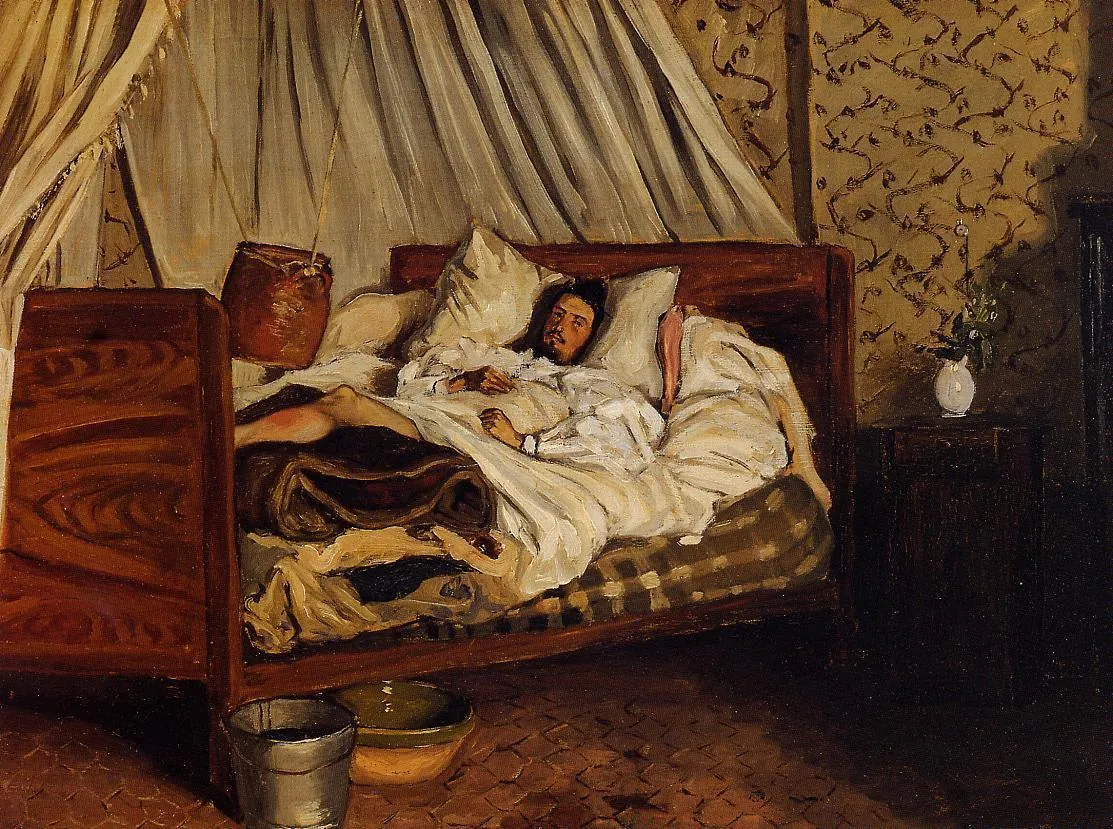
Frederic Bazille’s "Studio of The Rue Visconti" exemplifies his talent for rendering detail and mood using oil on canvas. The Realism movement’s emphasis on truthful representation comes alive through Bazille’s skillful brushwork and attentive composition. Every stroke in this masterpiece reveals his devotion to both subject and medium. Collectors interested in similar works may also appreciate "Family Reunion" and "The Dog Rita Asleep," both notable oil on canvas paintings by Bazille.
Within "Studio of The Rue Visconti," Bazille weaves subtle stories and symbols that reflect the spirit of the Realism movement. The carefully arranged objects and figures speak to the daily life and creative process of the artist. This fine art painting for sale resonates with collectors seeking meaning beyond aesthetics. To enrich your collection, consider related works such as "Mall of Aigues-Mortes" and "Still Life with Fish," both rich in narrative and symbolism.
Owning "Studio of The Rue Visconti" by Frederic Bazille is a unique opportunity for any fine art enthusiast. This hand-painted oil painting not only embodies the essence of the Realism movement but also adds historical significance to any collection. As you explore other works like "Studio in the rue de Furstenberg," you’ll discover the depth of Bazille’s artistry. Each piece, including this masterpiece, represents a valuable fine art painting for sale to treasure for generations.
When Art Meets History
"Studio of The Rue Visconti" by Frederic Bazille stands as a testament to the Realism movement, capturing the essence of 19th-century artistic life. This hand-painted oil painting offers an intimate glimpse into Bazille's creative world, where he mingled with fellow artists and revolutionized modern art. Similar to "Dressing for the Carnival" and "Mercury and Argus," this work bridges personal narrative with historical context, making it a fine art painting for sale that resonates with collectors and historians alike.
Techniques That Speak
Frederic Bazille’s mastery is evident in his use of oil on canvas, a hallmark of Realism, to portray the nuanced textures and lighting within his Parisian studio. The meticulous brushwork and attention to detail in "Studio of The Rue Visconti" echo his approach in "Oak on the shore of the Gulf of Finland." This oil on canvas technique allows Bazille to capture subtle shifts in atmosphere, inviting viewers to immerse themselves in the artist’s creative environment.
Emotions on Display
In "Studio of The Rue Visconti," Bazille channels a sense of camaraderie and introspection, typical of the Realism movement. The painting radiates a quiet energy, much like his works "On the Southern Plains" and "In Front of Yorktown." Each hand-painted oil painting by Bazille reflects a spectrum of emotions, drawing viewers into the personal and collective experiences of artists during this vibrant period, making it a compelling fine art painting for sale.
Coveted by Collectors
As a prime example of Realism, "Studio of The Rue Visconti" is highly sought after by collectors who appreciate authentic representation and historical significance. The painting’s status as a hand-painted oil painting enhances its value, much like Bazille’s other masterpieces such as "Mercury and Argus." Those seeking an exceptional fine art painting for sale will find this work a remarkable addition, celebrated for its artistry and its connection to the flourishing Parisian art scene.
Related Realism Hand-Painted Oil Paintings by Other Artists
Other Famous Realism Artists:
Frequently Asked Questions About Studio of The Rue Visconti
What is the historical context of "Studio of The Rue Visconti"?
"Studio of The Rue Visconti" was painted in 1868, during a period of significant artistic innovation in France. This era saw the rise of Impressionism, with artists seeking to capture the effects of light and color in their work.
Who was Frederic Bazille and what was his significance in art history?
Frederic Bazille was a French painter associated with the Impressionist movement. He is known for his contributions to the style and for his friendships with other prominent artists, such as Claude Monet and Pierre-Auguste Renoir, which influenced the development of modern art.
What artistic techniques are evident in "Studio of The Rue Visconti"?
The painting showcases Bazille's use of loose brushwork and a vibrant color palette, characteristic of Impressionism. His technique emphasizes the play of light and shadow, creating a sense of immediacy and movement within the studio setting.
What themes are explored in "Studio of The Rue Visconti"?
The painting explores themes of artistic creation and the intimate environment of a studio. It reflects the camaraderie among artists and the collaborative spirit of the time, highlighting the importance of the studio as a space for experimentation and innovation.
What does the composition of "Studio of The Rue Visconti" reveal about Bazille's artistic intentions?
The composition features a dynamic arrangement of figures and objects, drawing the viewer's eye throughout the canvas. This layout suggests a narrative of artistic collaboration and the lively atmosphere of the studio, emphasizing the social aspect of art-making.
How does "Studio of The Rue Visconti" reflect the influence of other artists?
The painting reflects the influence of both Realism and Impressionism, blending techniques from both movements. Bazille's interactions with contemporaries like Monet and Renoir are evident in his approach to light and color, as well as in the depiction of everyday life.
What symbolic elements can be found in "Studio of The Rue Visconti"?
Symbolically, the studio represents a sanctuary for creativity and exploration. The presence of various art materials and unfinished works suggests the ongoing journey of artistic development, while the figures symbolize the collaborative nature of the artistic community.
In what ways does "Studio of The Rue Visconti" contribute to our understanding of Impressionism?
The painting contributes to our understanding of Impressionism by illustrating the movement's focus on capturing contemporary life and the artist's personal experience. Bazille's work encapsulates the shift towards a more subjective and spontaneous approach to art, which defines the Impressionist ethos.
What role does light play in "Studio of The Rue Visconti"?
Light plays a crucial role in "Studio of The Rue Visconti," as Bazille masterfully captures its effects on the figures and objects within the studio. The interplay of natural and artificial light enhances the painting's atmosphere and highlights the transient qualities of the moment.
How is the concept of modernity represented in "Studio of The Rue Visconti"?
The concept of modernity is represented through the depiction of contemporary artists engaged in their work, surrounded by modern art materials and techniques. Bazille's focus on the everyday life of artists reflects the broader societal changes occurring in 19th-century France, marking a departure from traditional artistic themes.























_GFM_Painting_(1).webp)


 100% Hand-Painted: Finished in 3-6 Weeks

.png)















_(1).webp)