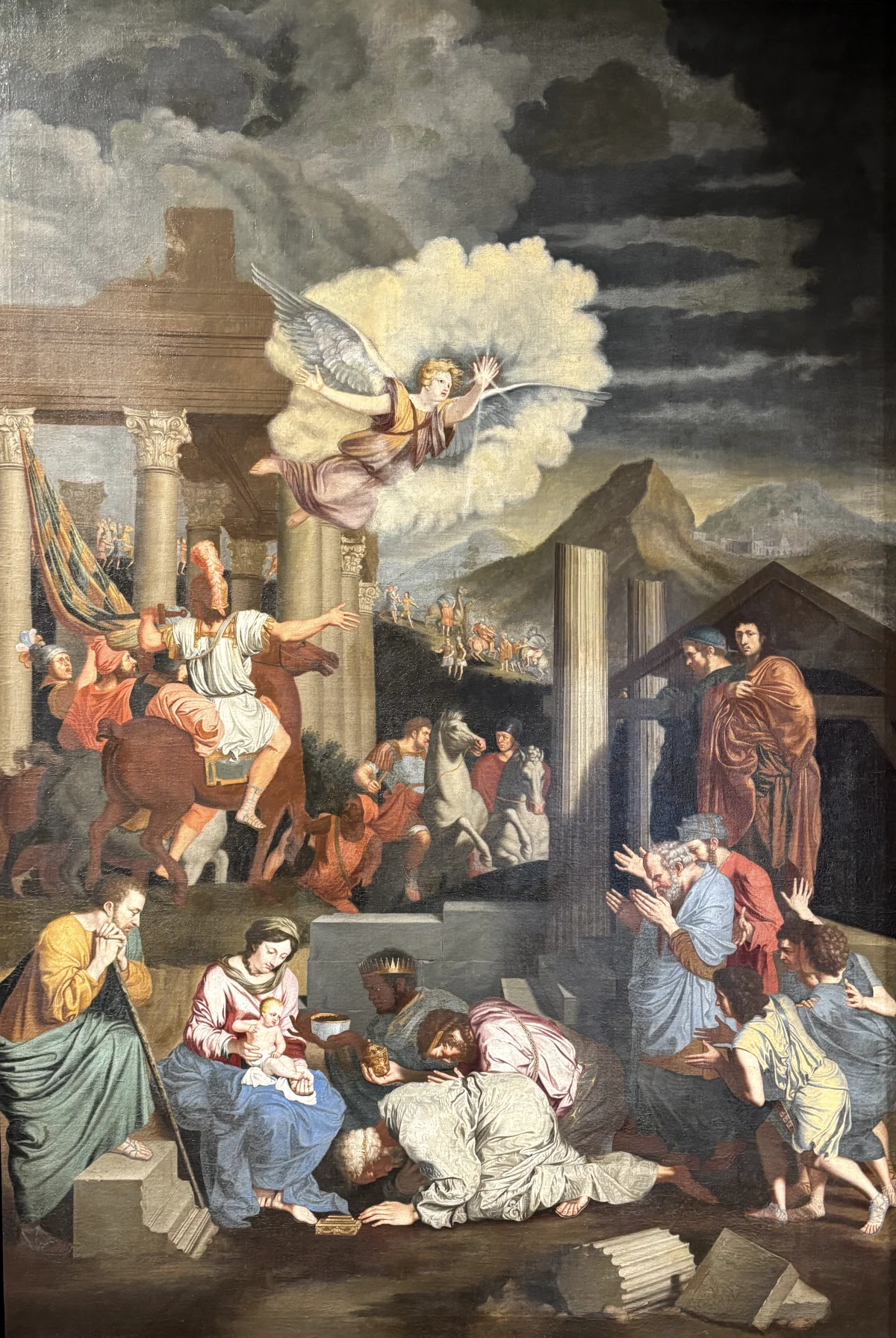
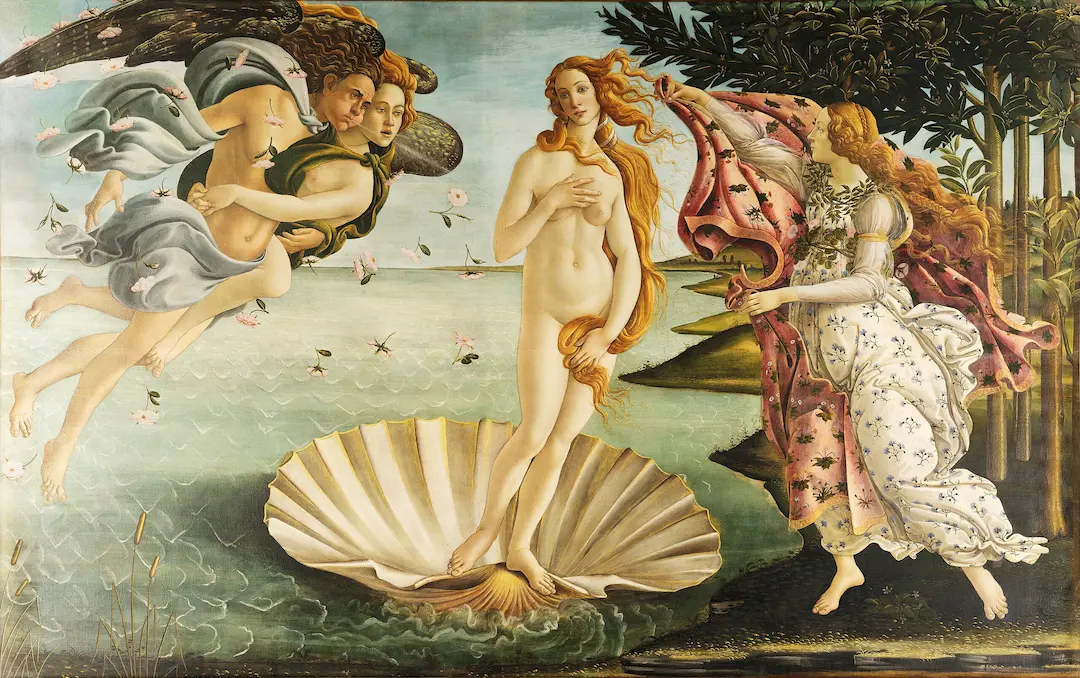
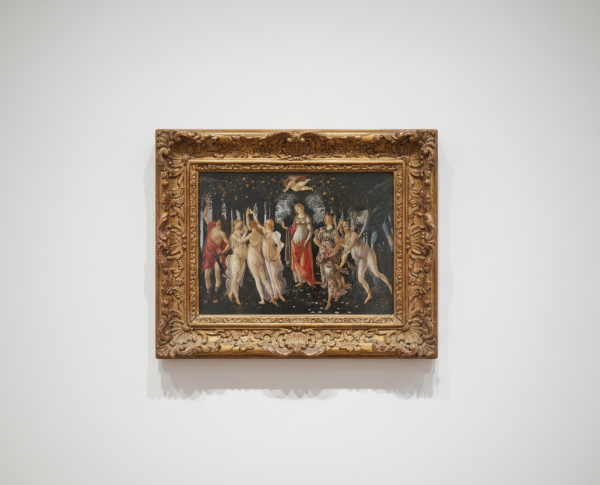
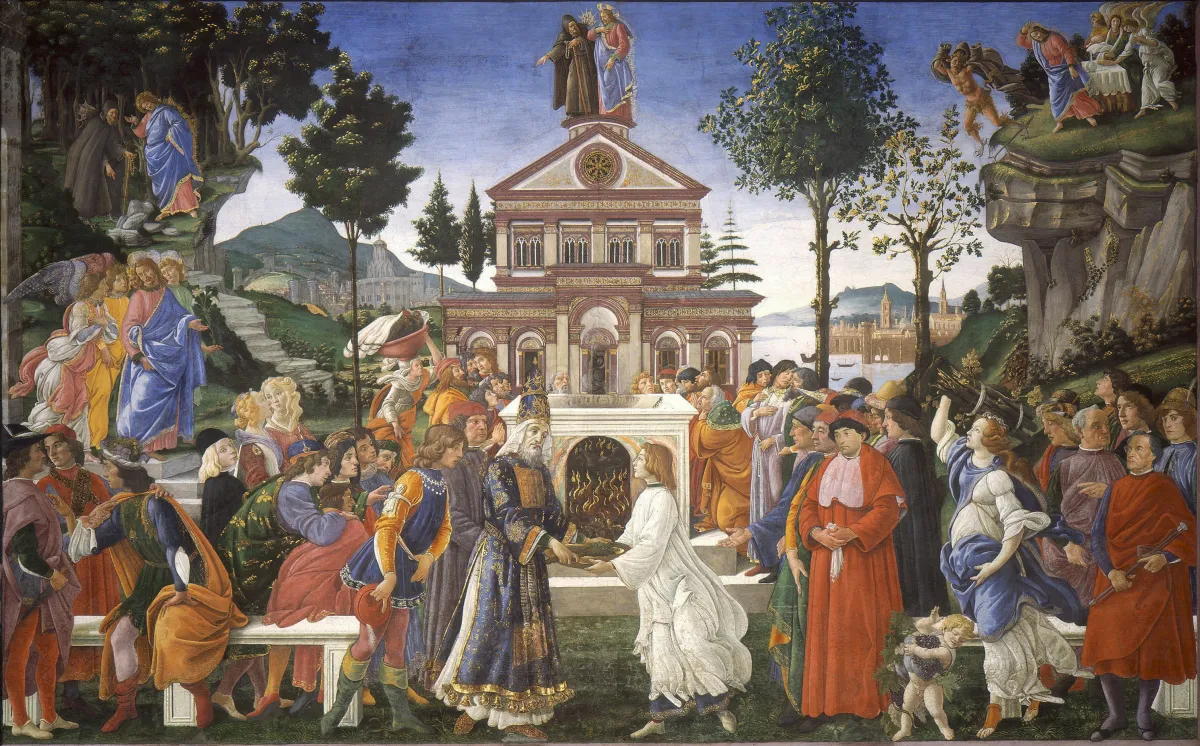
"Temptations of Christ" by Alessandro Filipepi, known as Sandro Botticelli, stands as a testament to the Early Renaissance movement. This hand-painted oil painting exemplifies Botticelli's influence on art history, capturing a pivotal biblical narrative with masterful technique. Collectors and enthusiasts are drawn to Botticelli's works, including related masterpieces like "The Annunciation" and "Madonna of the Rosegarden," for their profound impact and enduring beauty in the realm of fine art.
Botticelli's expertise is evident in every element of "Temptations of Christ," showcasing his refined approach to oil on canvas. The Early Renaissance movement favored clarity, depth, and harmonious composition, all of which are beautifully rendered in this painting. Admirers of Botticelli's artistry often seek related works such as "A Young Man Being Introduced to the Seven Liberal Arts" and "Venus and the Three Graces Presenting Gifts to Giovanna degli Albizzi" for their technical brilliance and historical significance.
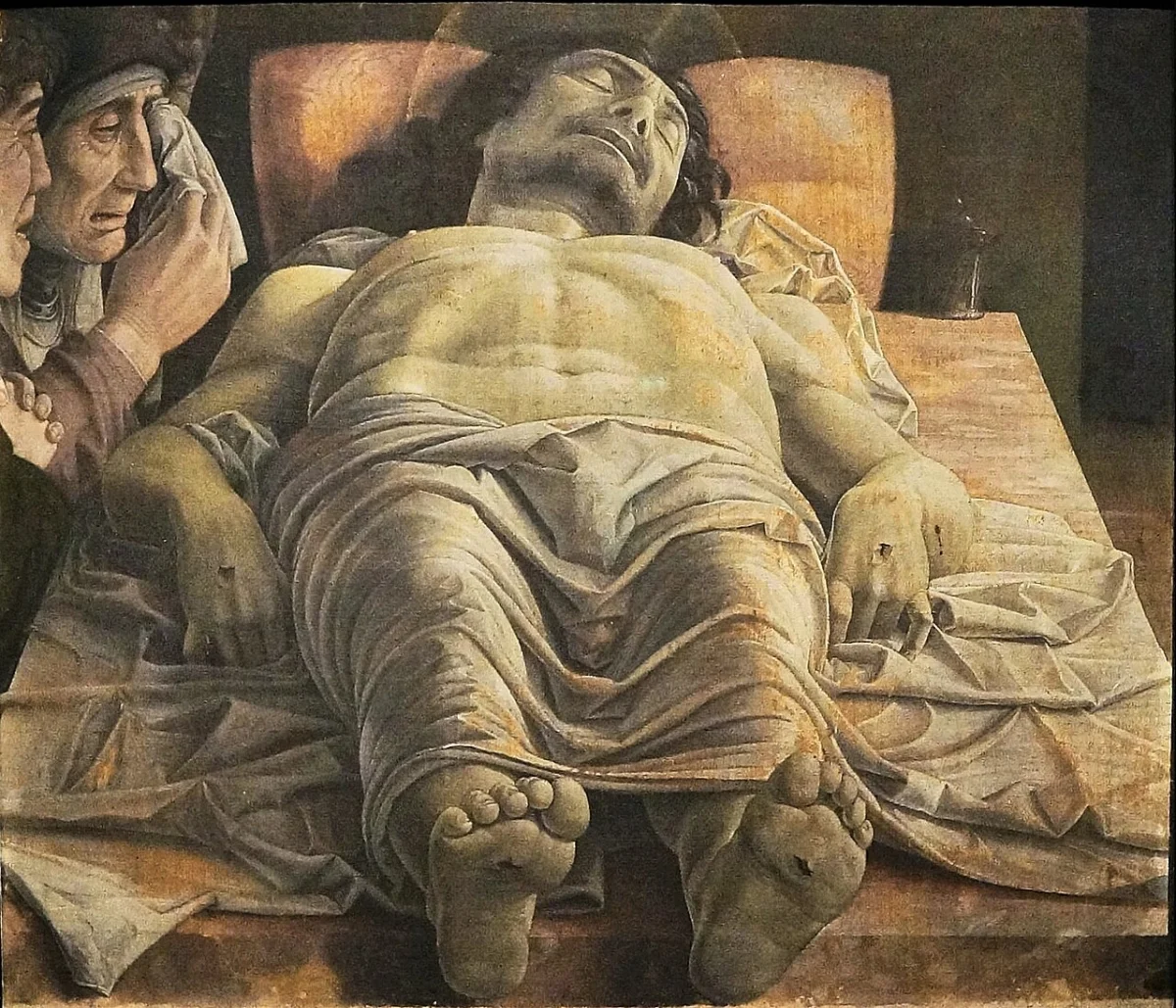
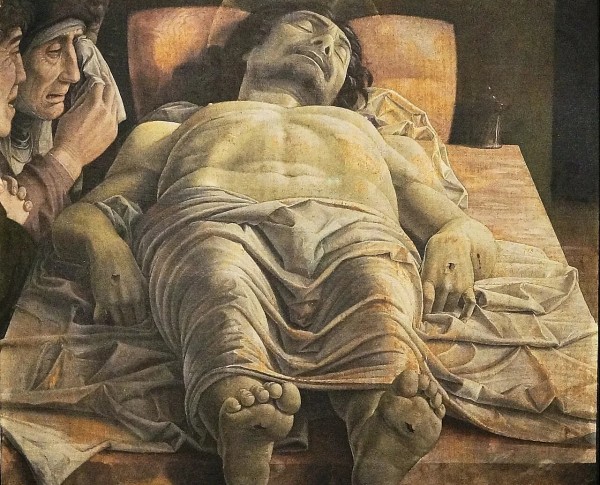
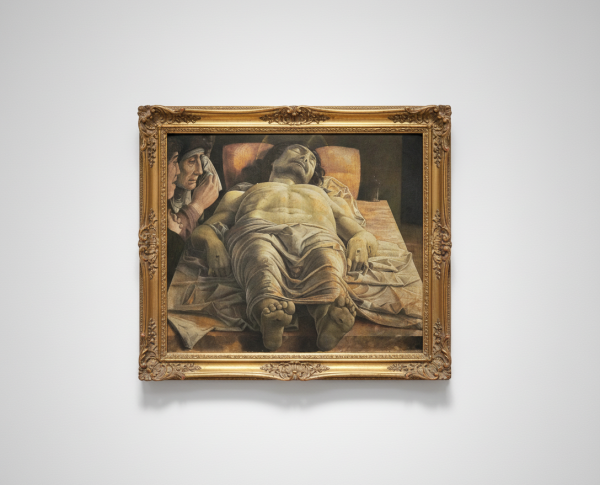
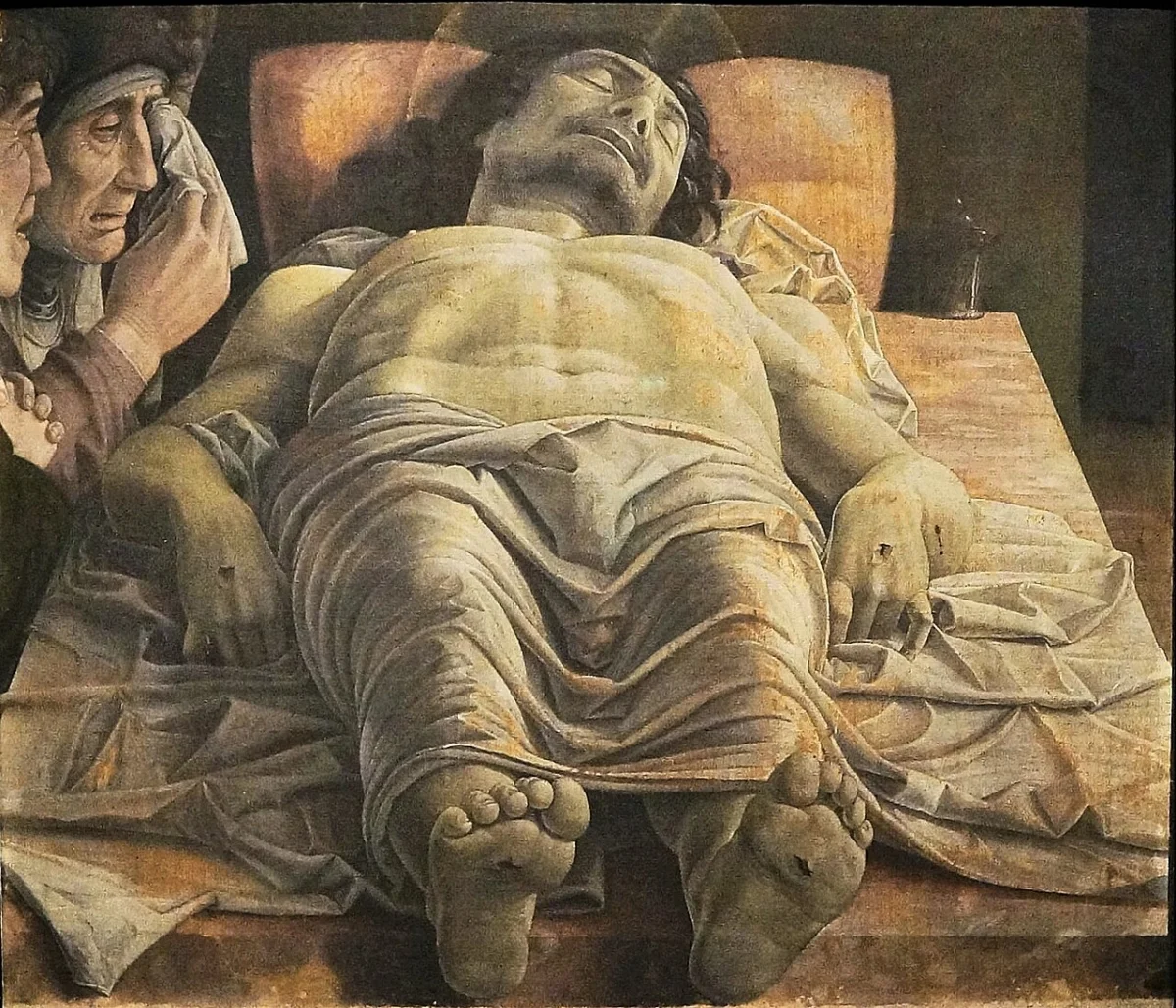
The narrative of "Temptations of Christ" unfolds through Botticelli's symbolic imagery and expressive figures, hallmarks of Early Renaissance storytelling. Each detail in the oil painting reveals spiritual struggles and divine triumphs, inviting viewers to contemplate its deeper meanings. Collectors who appreciate Botticelli's symbolic language often explore similar fine art painting for sale, such as "Lamentation over the Dead Christ" and "Madonna and Child with Six Saints," for their rich iconography and emotional resonance.
Owning "Temptations of Christ" by Sandro Botticelli is a unique opportunity for those seeking an exceptional fine art painting for sale. As a masterpiece of the Early Renaissance, this hand-painted oil painting not only enhances any collection but also connects its owner to a legacy of artistic innovation. Collectors often complement their acquisitions with related Botticelli works, including "Madonna of the Rosegarden" and "The Annunciation," to celebrate the enduring allure of Renaissance art.
When Art Meets History
"Temptations of Christ" by Alessandro Filipepi, more famously known as Sandro Botticelli, stands as a profound example of the Early Renaissance movement. This hand-painted oil painting draws inspiration from pivotal biblical events, capturing the moment Christ faces temptation. Botticelli, renowned for works like "The Flagellation of Christ" and "Saint Jerome," masterfully blends history and artistry, making this piece a cornerstone of Renaissance religious art. Collectors and historians alike treasure such masterpieces for their cultural significance.
Techniques That Speak
Botticelli’s "Temptations of Christ" employs meticulous oil on canvas techniques, a hallmark of the Early Renaissance. The artist’s delicate brushwork and use of perspective bring depth and emotion to each figure. Similar to his approach in "The Agony in the Garden" and "St Jerome and a Donor," Botticelli’s layering of colors and attention to detail create a luminous effect, highlighting the spiritual intensity of the scene. Such technique defines the movement’s innovative spirit.
Emotions on Display
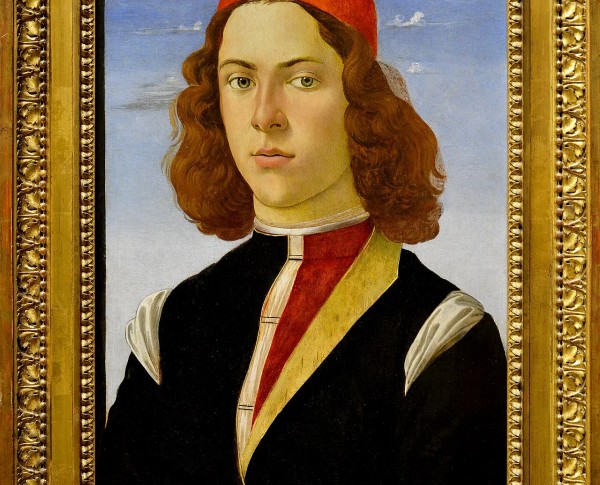
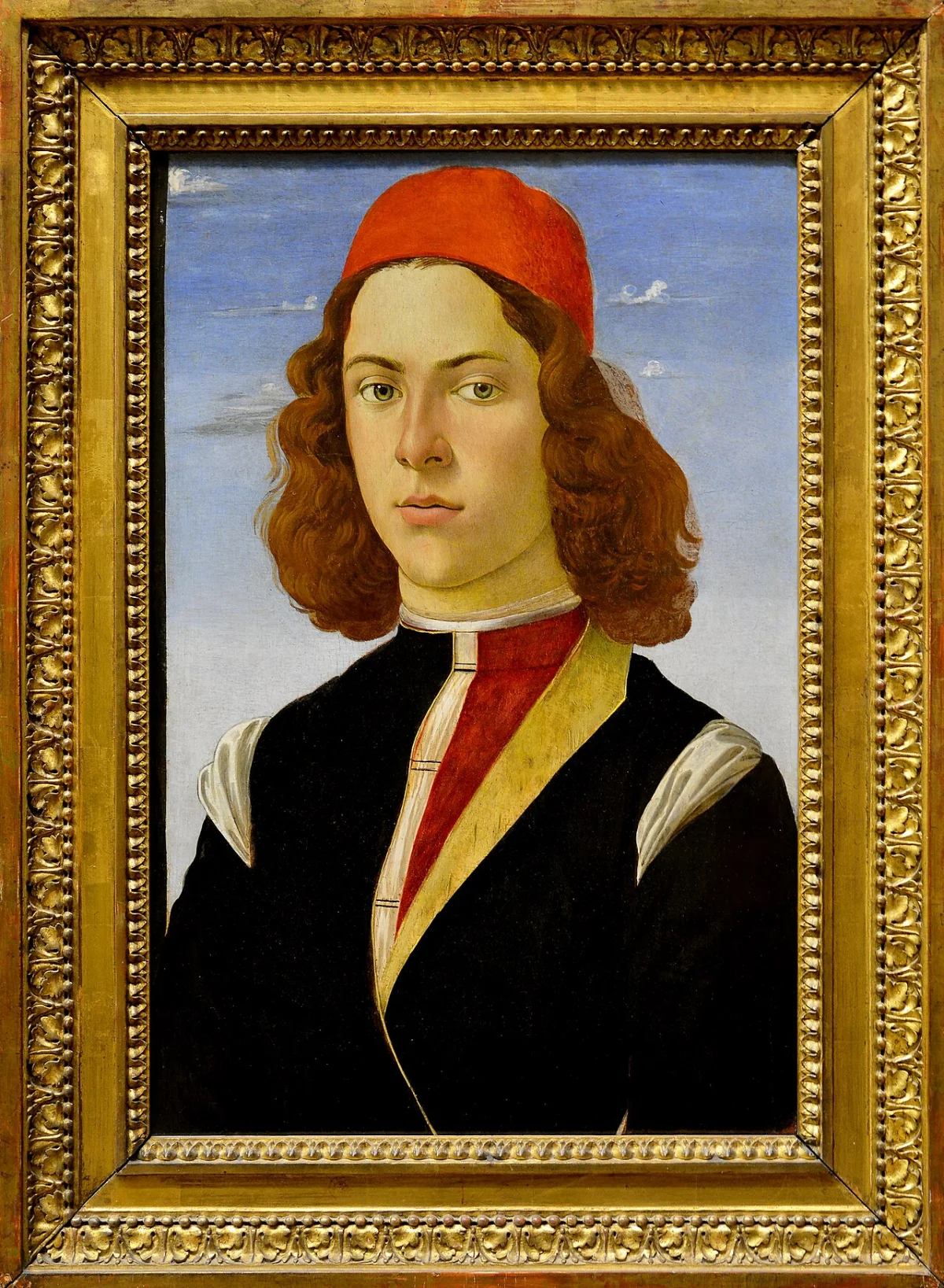
In this fine art painting for sale, Botticelli captures the profound emotional struggle of Christ during temptation. The viewer senses the tension, hope, and resolve that define the biblical moment. As seen in related works like "Profile of a Man," Botticelli’s ability to convey emotion through subtle gestures and facial expressions is unmatched. "Temptations of Christ" stands as a testament to the artist’s talent for infusing spiritual narratives with deeply human feeling.
Coveted by Collectors
Collectors worldwide seek out Botticelli’s masterpieces, and "Temptations of Christ" is no exception. Its historical significance and exquisite craftsmanship elevate it among Early Renaissance treasures. Alongside "Saint Jerome" and "The Flagellation of Christ," this hand-painted oil painting remains highly desirable in the art market. For those looking to invest in a piece of art history, Botticelli’s works continue to be some of the most coveted and celebrated fine art painting for sale.
Related Early Renaissance Hand-Painted Oil Paintings by Other Artists
Other Famous Early Renaissance Artists:
Frequently Asked Questions About Temptations of Christ
What is the historical context of "Temptations of Christ"?
"Temptations of Christ" was painted during the early Renaissance, a period marked by a revival of classical learning and a focus on humanism. This painting reflects the spiritual and cultural climate of 15th-century Florence, where Botticelli was influenced by both religious themes and the emerging humanist philosophy.
Who commissioned "Temptations of Christ" and why?
The specific details of the commission for "Temptations of Christ" are not well-documented. However, it is believed that Botticelli was commissioned by a member of the Medici family, who were significant patrons of the arts and sought to promote religious themes in their collections.
What are the main themes depicted in the painting?
The primary themes of "Temptations of Christ" include the struggle between good and evil, the nature of temptation, and the divine mission of Christ. The painting illustrates the biblical narrative of Christ's temptation in the wilderness, emphasizing moral and spiritual conflict.
How does Botticelli use symbolism in "Temptations of Christ"?
Botticelli employs rich symbolism throughout the painting. The figures represent various virtues and vices, with Christ embodying divine strength and the tempter symbolizing worldly distractions. The landscape and celestial elements further enhance the spiritual narrative.
What artistic techniques did Botticelli use in this painting?
Botticelli utilized tempera on wood, a technique that allows for fine detail and vibrant colors. His use of linear perspective and careful composition creates a sense of depth, while his characteristic flowing lines and graceful figures contribute to the overall aesthetic harmony of the work.
How does "Temptations of Christ" reflect Botticelli's style?
The painting showcases Botticelli's signature style, characterized by elegant figures, intricate details, and a lyrical quality. His ability to convey emotion through facial expressions and gestures is evident, making the spiritual narrative more relatable and impactful.
What role does color play in "Temptations of Christ"?
Color in "Temptations of Christ" serves to enhance the emotional and symbolic aspects of the painting. The use of contrasting colors emphasizes the tension between the divine and the earthly, while softer tones create a serene atmosphere that invites contemplation.
What influence did "Temptations of Christ" have on later artists?
"Temptations of Christ" has had a lasting impact on subsequent generations of artists. Botticelli's innovative approach to composition and symbolism inspired the works of later Renaissance painters, who sought to explore similar themes of spirituality and human experience.
How does the painting relate to contemporary interpretations of faith?
The themes of temptation and moral choice depicted in "Temptations of Christ" resonate with contemporary discussions of faith and ethics. The painting invites viewers to reflect on their own struggles with temptation and the pursuit of spiritual integrity in a modern context.
Where can "Temptations of Christ" be viewed today?
"Temptations of Christ" is housed in a prominent art collection, allowing visitors to appreciate Botticelli's masterful work in person. It is essential to check the gallery's current exhibition schedule for viewing opportunities.























_GFM_Painting_(1).webp)


 100% Hand-Painted: Finished in 3-6 Weeks

.png)












.webp)



_(1).webp)