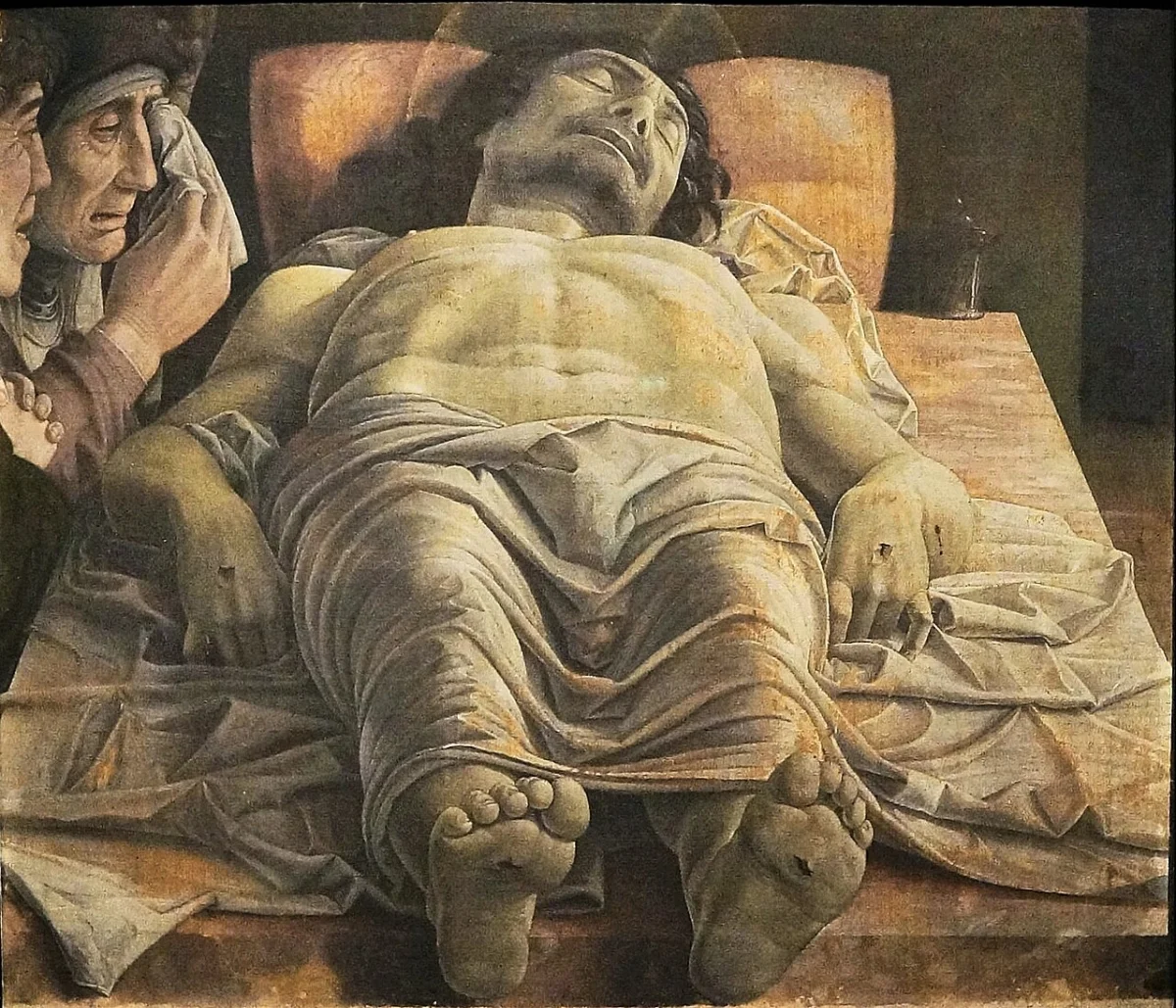
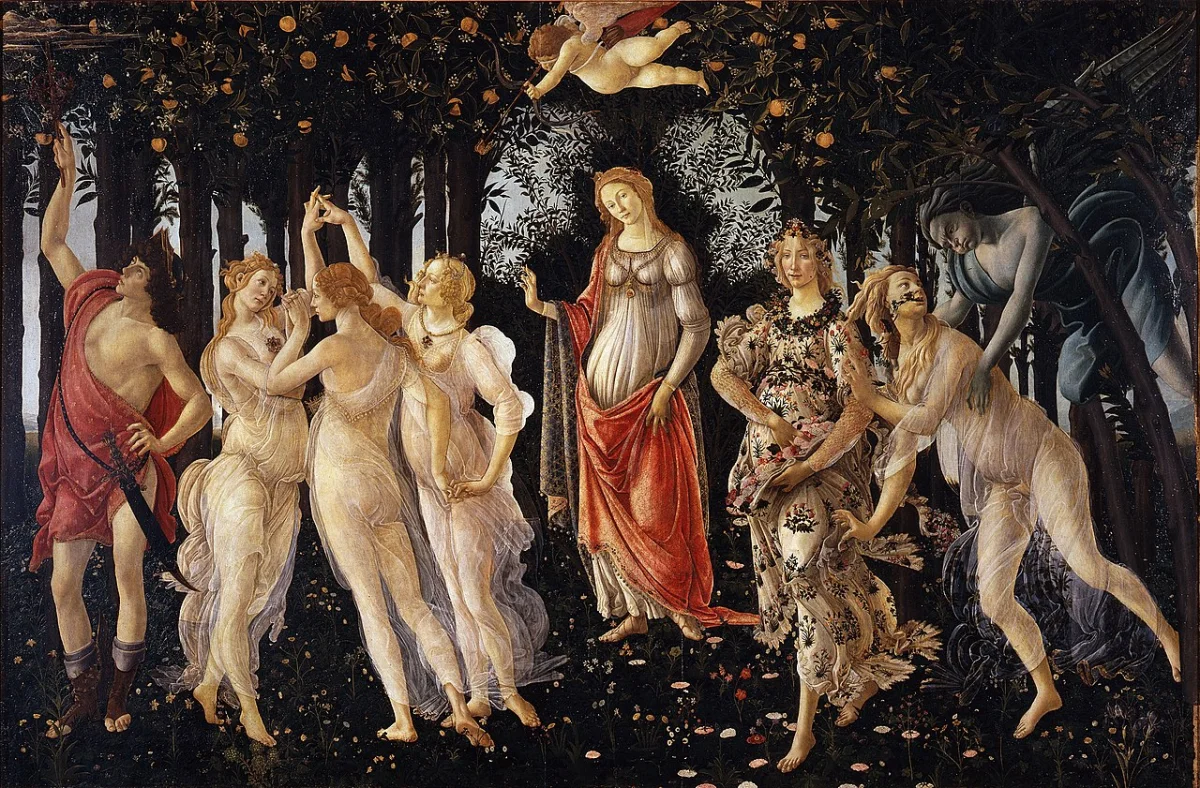
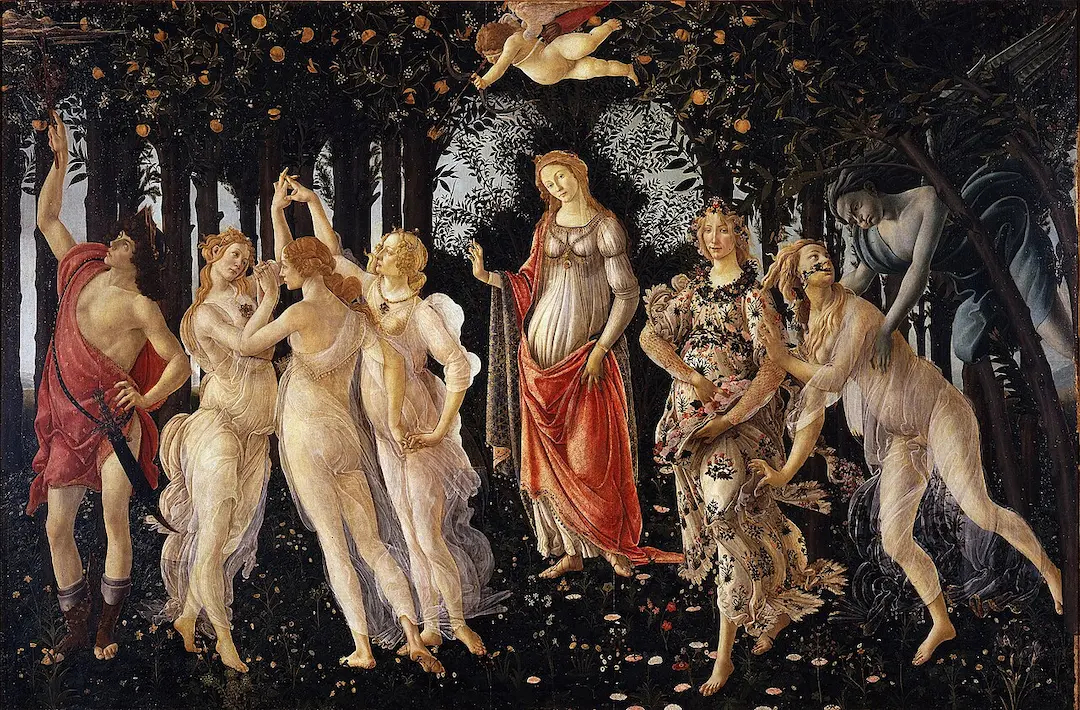
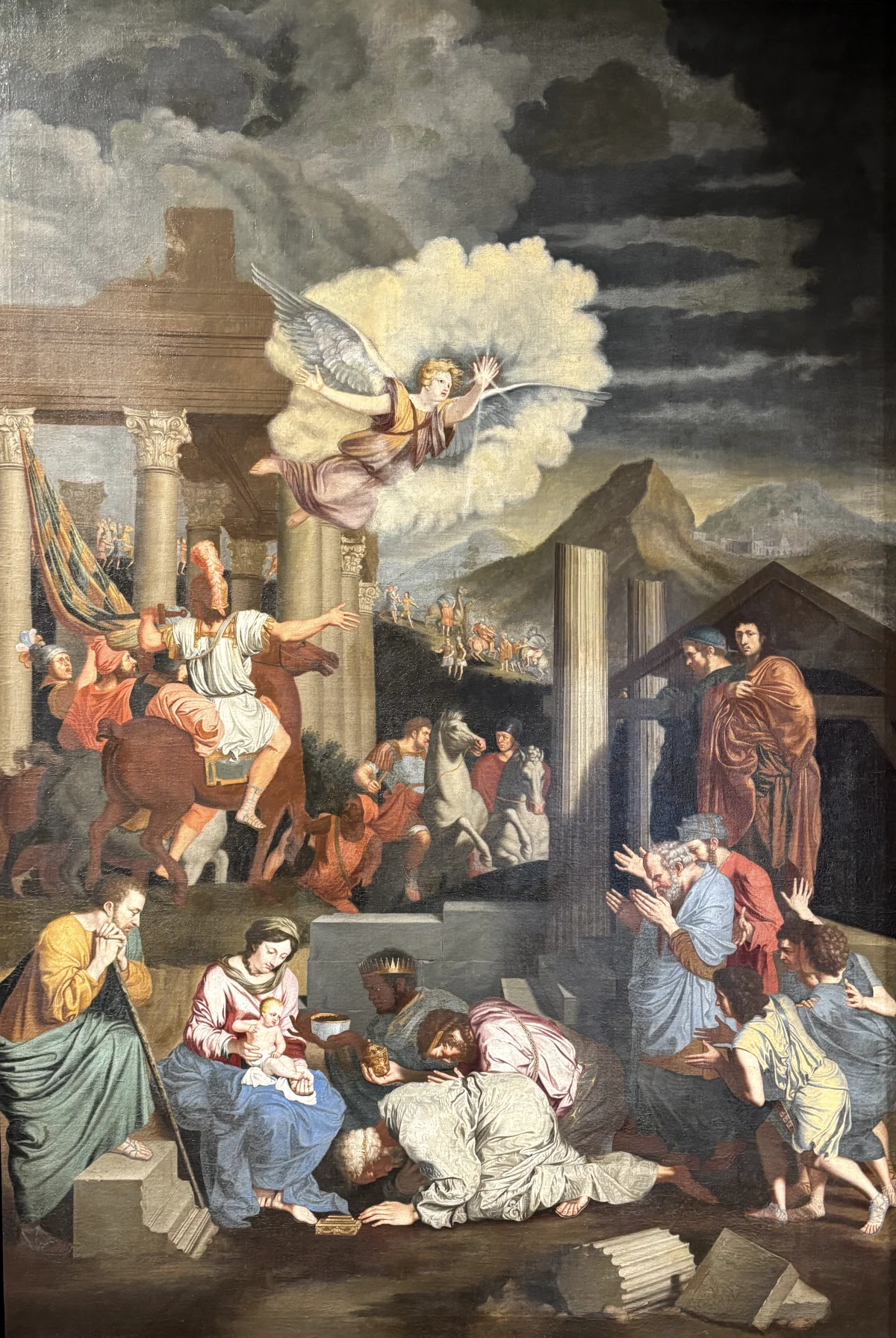
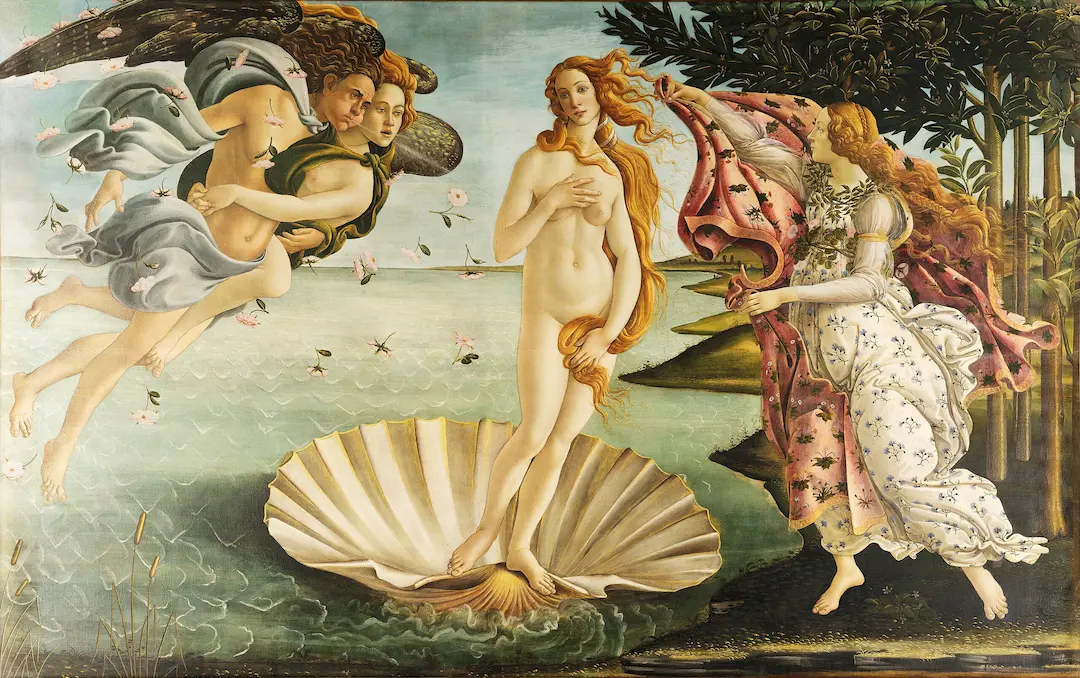
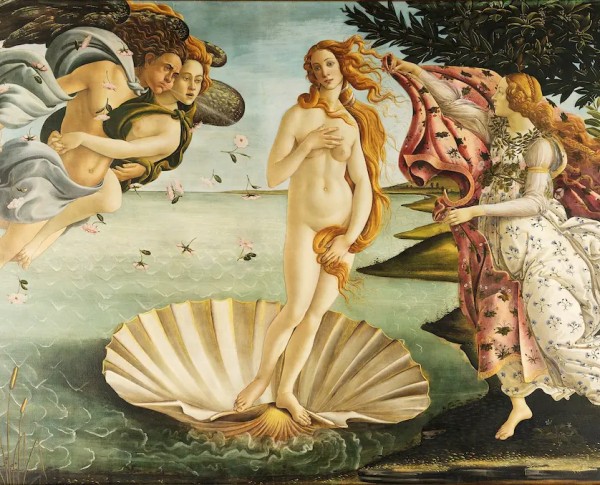
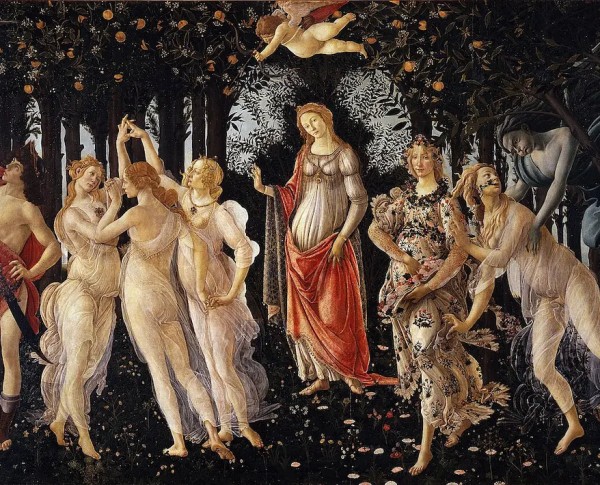
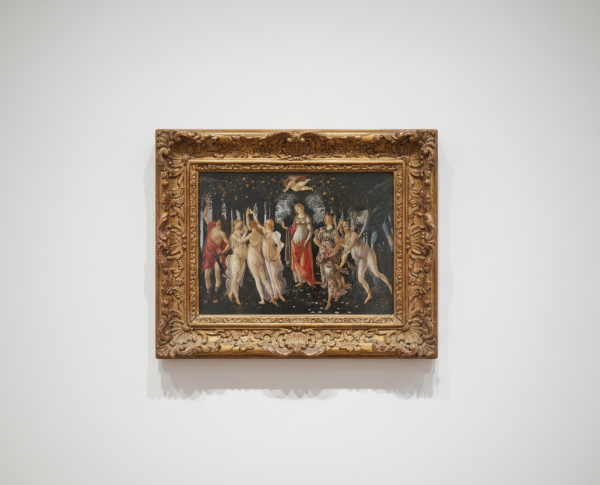
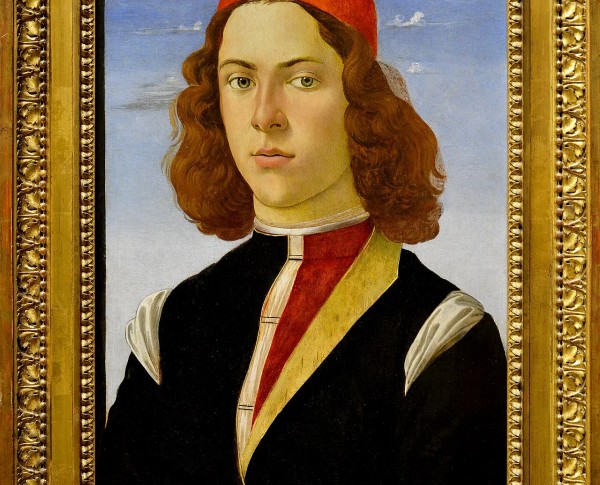
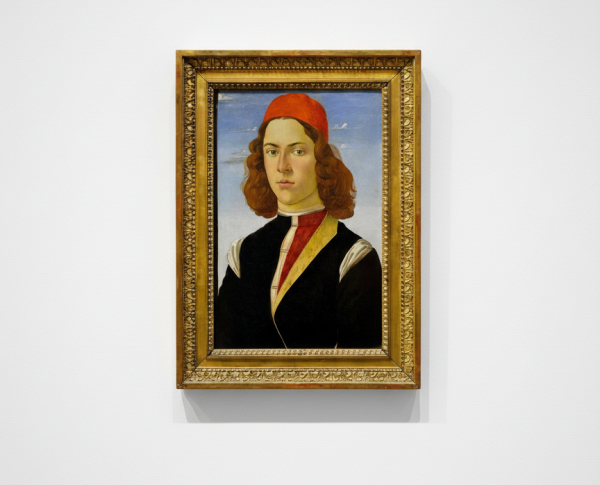
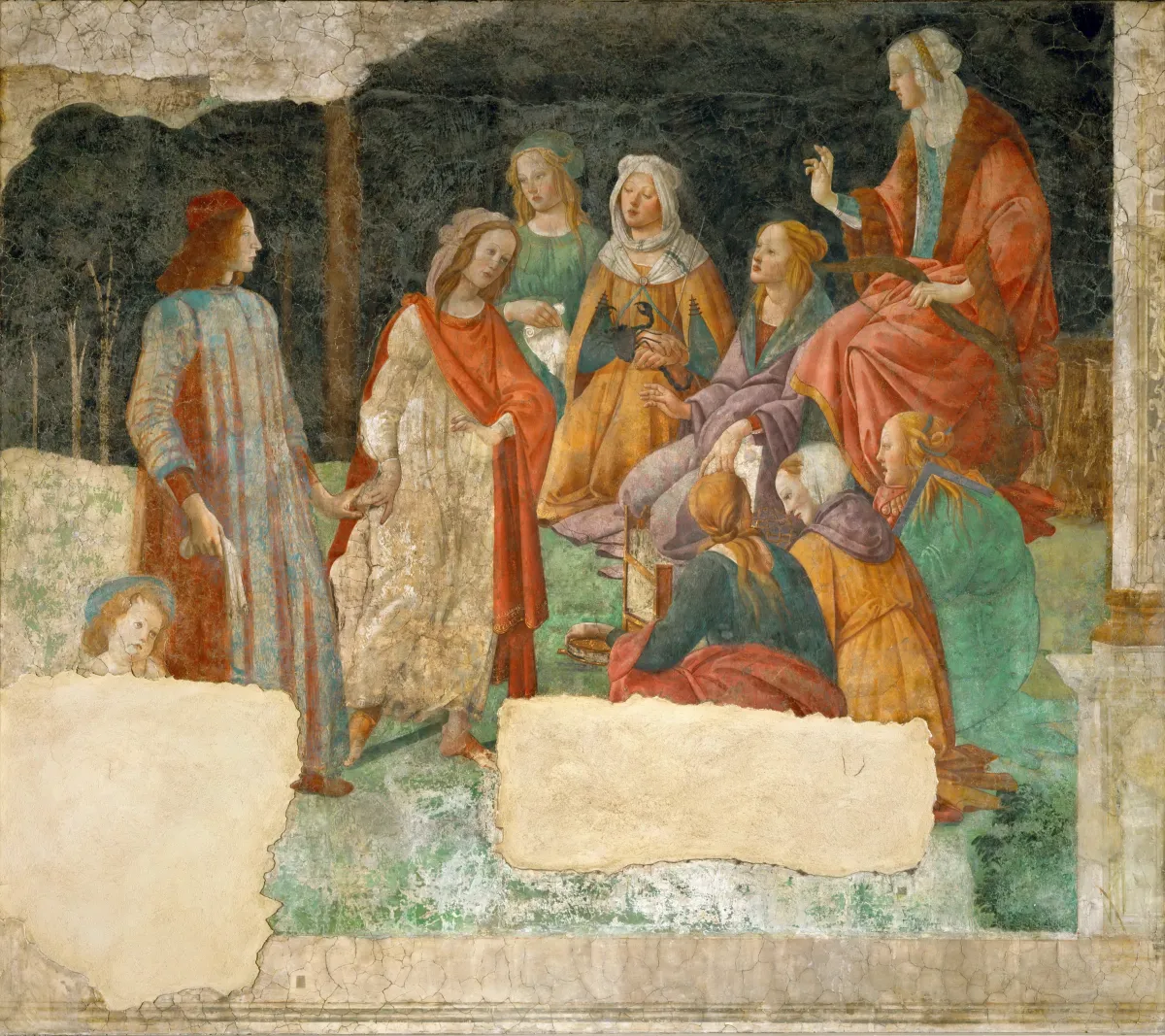
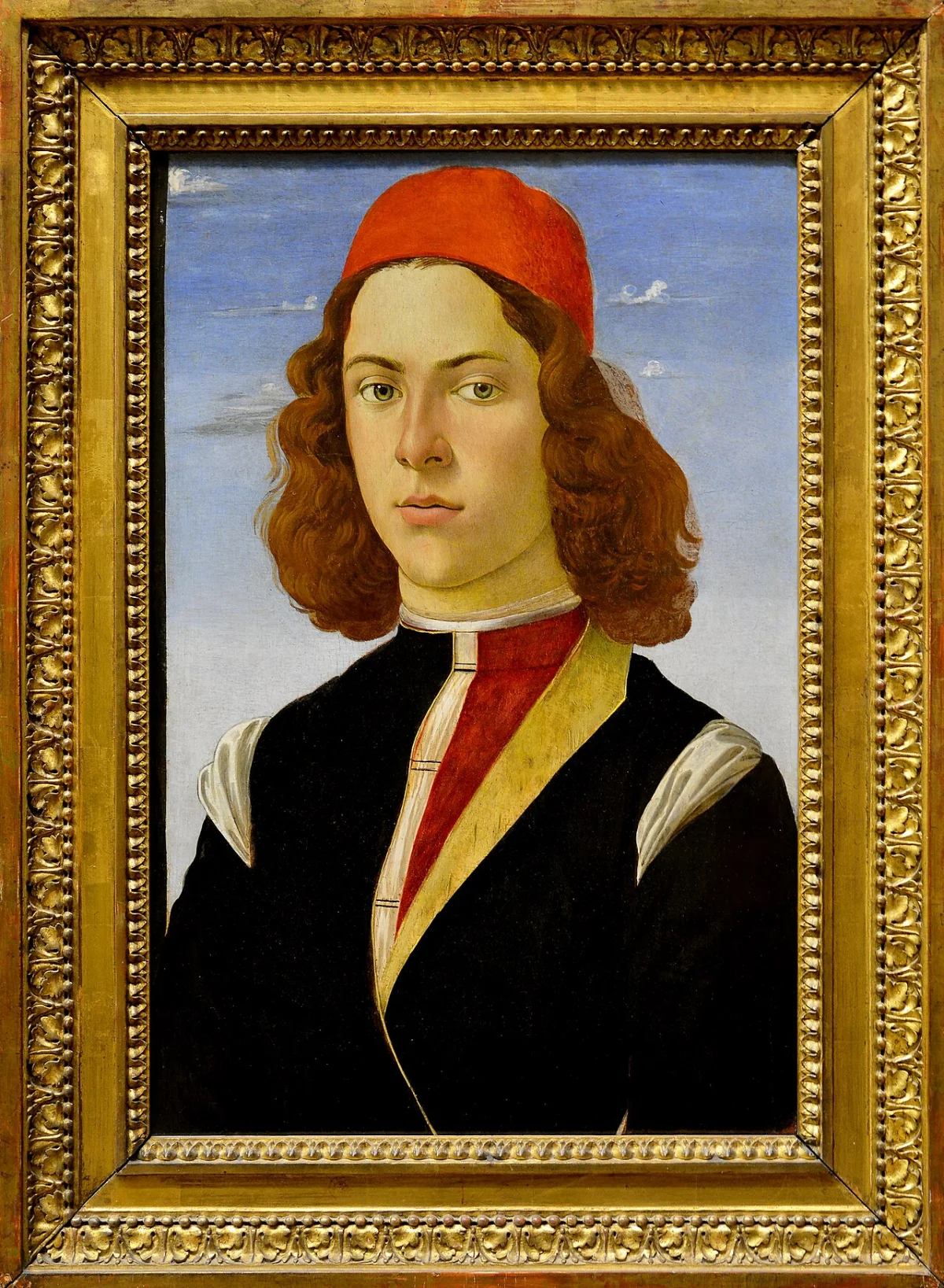
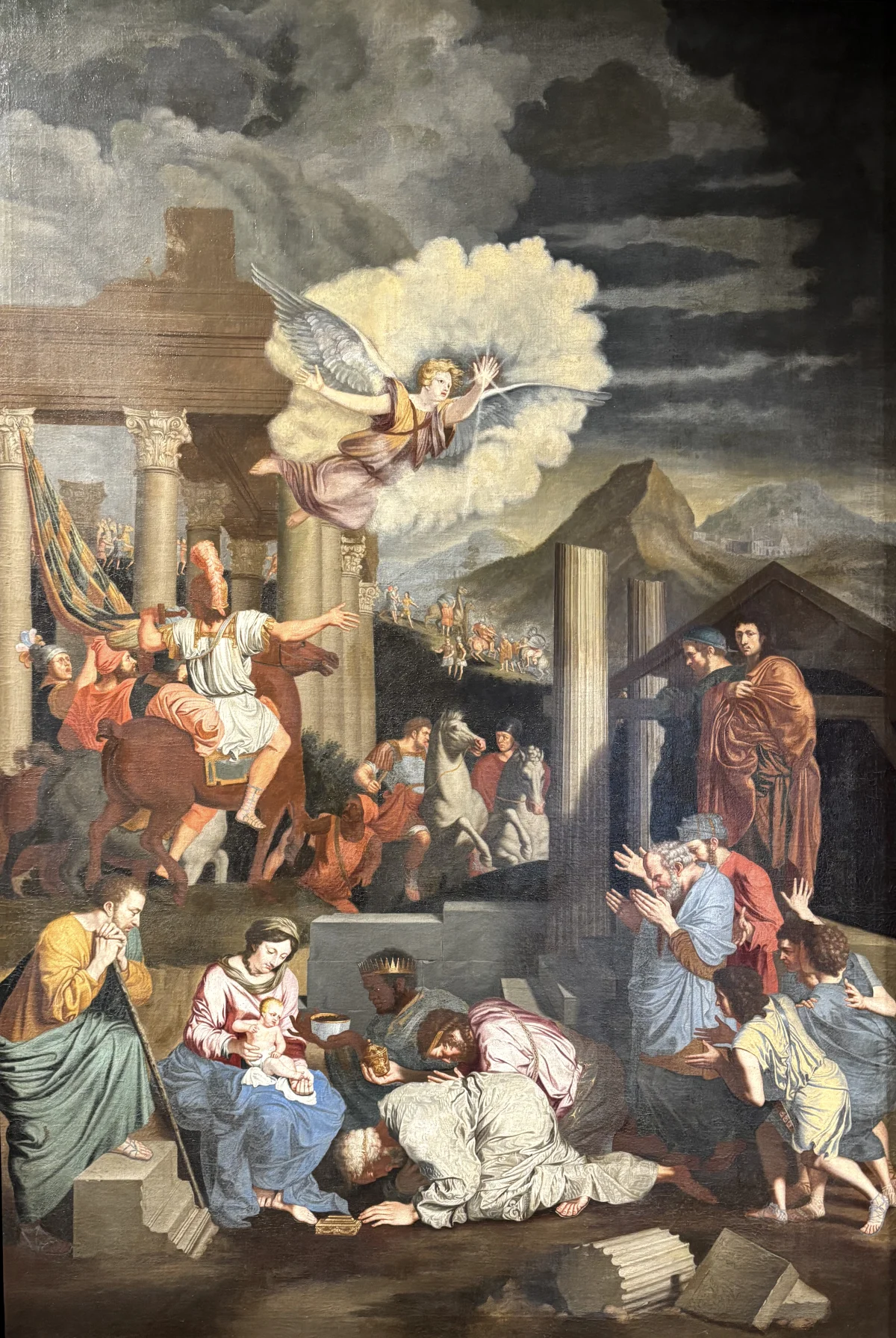
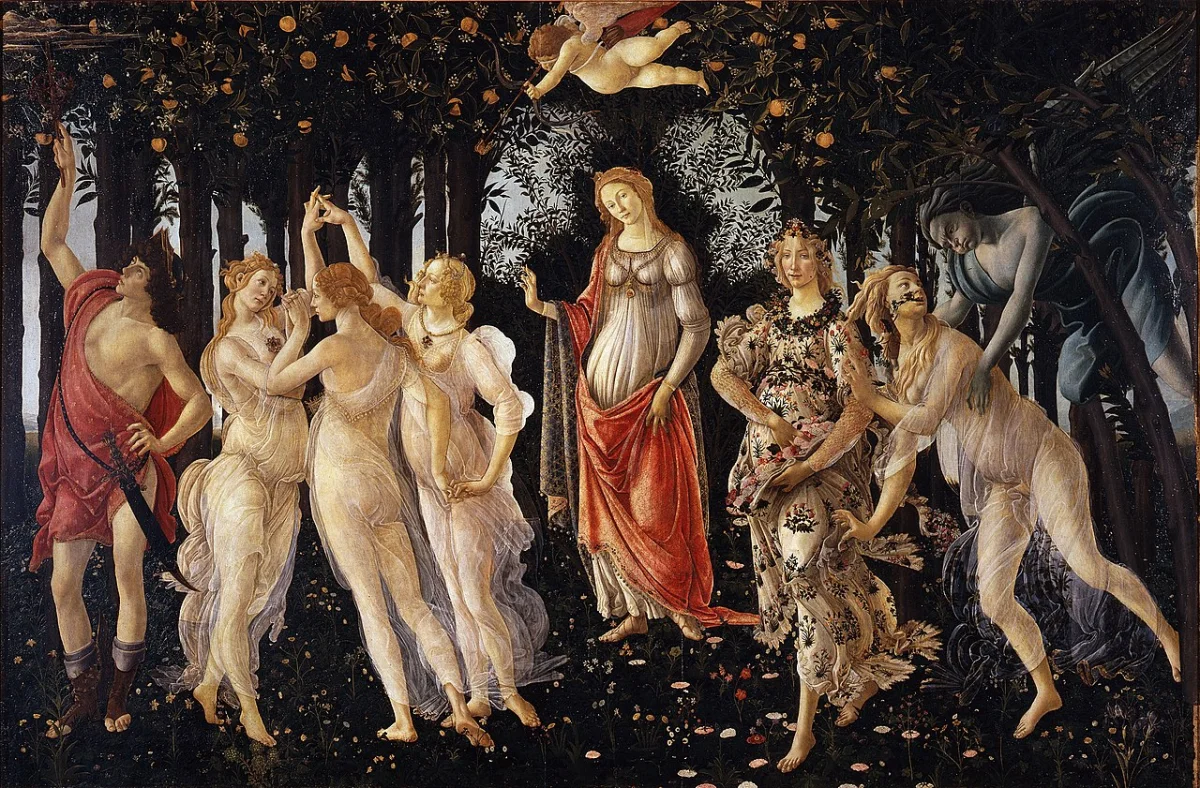
"A Young Man Being Introduced to the Seven Liberal Arts" by Alessandro Filipepi, better known as Sandro Botticelli, is a remarkable hand-painted oil painting from the Early Renaissance movement. Botticelli’s influence endures, with this masterpiece illustrating the era’s emphasis on knowledge and beauty. Collectors and enthusiasts seeking a fine art painting for sale will appreciate its historical importance, much like Botticelli’s other works such as "Primavera" and "Adoration of the Magi."
Botticelli’s technical prowess shines through in this oil on canvas, as each brushstroke conveys elegance and precision typical of the Early Renaissance. The painting’s luminous colors and delicate figures are hallmarks of Botticelli’s style, making it a sought-after hand-painted oil painting. Those who admire "Madonna and Child with an Angel" or "Virgin and child with two angels" will find similar masterful techniques in this captivating work.
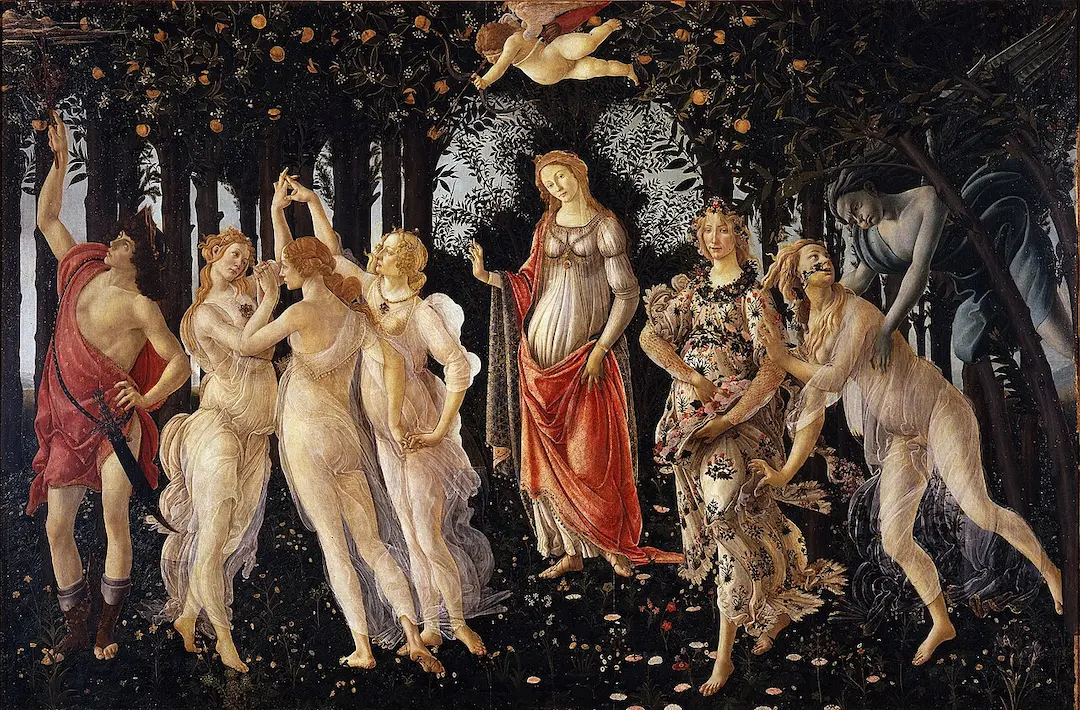
This fine art painting for sale encapsulates the values of the Early Renaissance, depicting a young man’s journey into wisdom through the seven liberal arts. Botticelli expertly weaves symbolism and storytelling, much as he does in "Allegory Of Spring La Primavera" and "Madonna with two angels." The figures and attributes within the scene reflect the era’s reverence for learning, making it a meaningful addition to any collection.
For art lovers and collectors, "A Young Man Being Introduced to the Seven Liberal Arts" stands as a testament to Botticelli’s genius and the enduring appeal of oil on canvas. As with his celebrated works like "Primavera" and "Madonna and Child with an Angel," this painting is a fine art painting for sale that embodies the sophistication of the Early Renaissance, making it a prized acquisition for discerning connoisseurs.
When Art Meets History
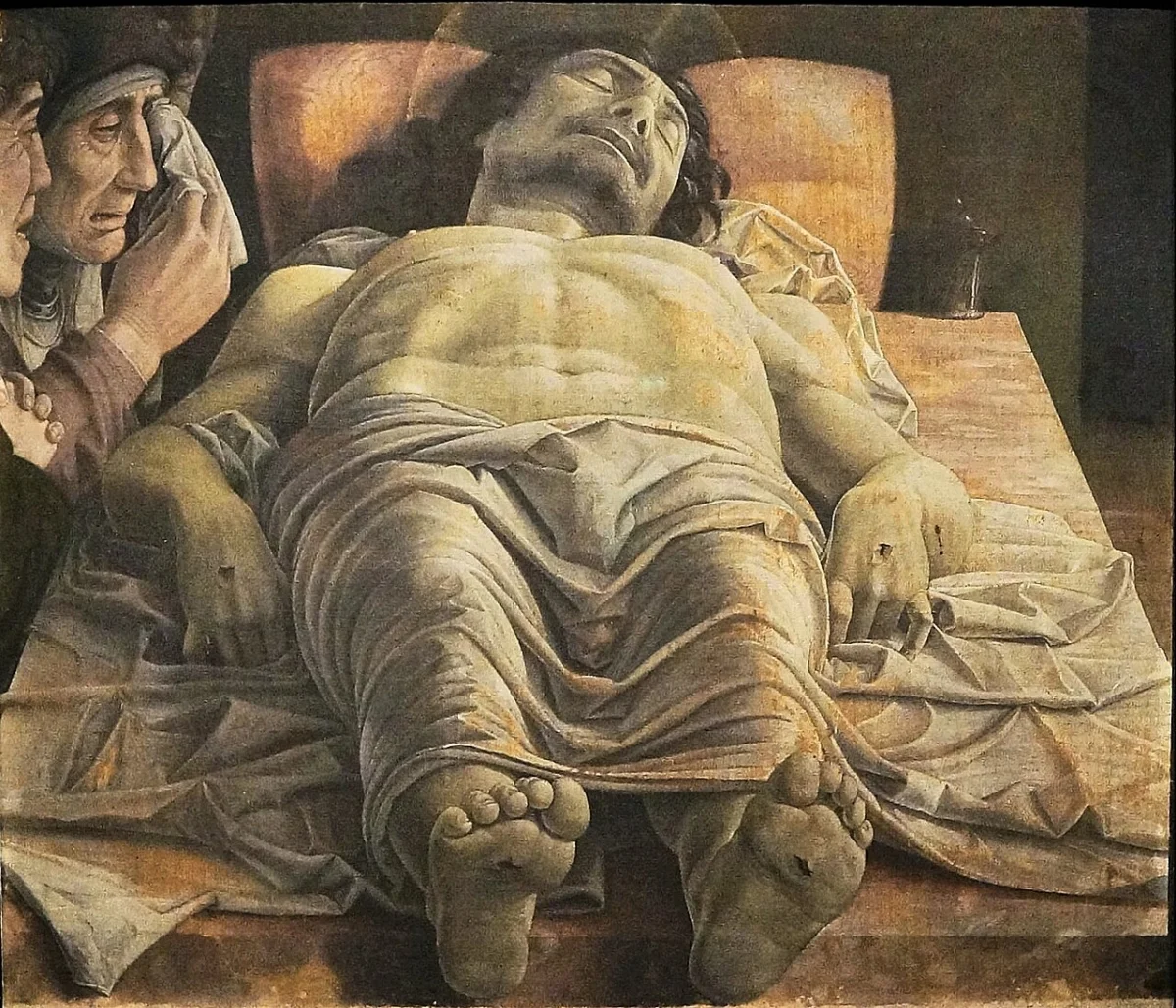
"A Young Man Being Introduced to the Seven Liberal Arts" by Alessandro Filipepi, widely known as Sandro Botticelli, stands as a testament to the Early Renaissance movement. This hand-painted oil painting captures the era’s fascination with classical knowledge and artistic innovation. Botticelli’s work is often compared to related paintings such as "The Agony in the Garden" and "Flagellation," which also reflect the intellectual spirit of the period, making this masterpiece a key highlight in Renaissance art history.
Techniques That Speak
Sandro Botticelli’s mastery is evident in the meticulous application of oil on canvas, a medium that allows for rich color and subtle shading. In "A Young Man Being Introduced to the Seven Liberal Arts," Botticelli’s brushwork and composition echo the techniques seen in related works like "The Flagellation of Christ" and "John the Evangelist." His use of perspective and delicate linework exemplifies the Early Renaissance movement’s dedication to realism and harmony in every oil on canvas creation.
Emotions on Display
Botticelli’s "A Young Man Being Introduced to the Seven Liberal Arts" is more than just a fine art painting for sale; it is an emotional narrative. The young man’s expression and the symbolic gestures of the figures evoke curiosity, reverence, and enlightenment. Similar emotional depth can be found in Botticelli’s "Saint Jerome" and "the Apostle Peter," where human experience is beautifully rendered. These elements make the painting a moving example of Early Renaissance artistry.
Coveted by Collectors
Collectors and art enthusiasts highly prize Botticelli’s "A Young Man Being Introduced to the Seven Liberal Arts" for its historical significance and exquisite detail. As a hand-painted oil painting from the Early Renaissance movement, it stands alongside masterpieces like "The Agony in the Garden" and "Flagellation." Such works are sought after in galleries and auctions, and owning a fine art painting for sale by Botticelli is considered a prestigious addition to any serious art collection.
Related Early Renaissance Hand-Painted Oil Paintings by Other Artists
Other Famous Early Renaissance Artists:
Frequently Asked Questions About A Young Man Being Introduced to the Seven Liberal Arts
What is the historical context of "A Young Man Being Introduced to the Seven Liberal Arts"?
This painting, created by Sandro Botticelli in the late 15th century, reflects the Renaissance's revival of classical learning and the importance of education during this period. It emphasizes the value placed on the liberal arts in shaping a well-rounded individual.
Who are the figures depicted in the painting?
The central figure is a young man, often interpreted as a representation of the ideal student, being introduced to personifications of the Seven Liberal Arts: Grammar, Rhetoric, Logic, Geometry, Arithmetic, Music, and Astronomy. Each figure embodies a specific discipline, showcasing the breadth of knowledge available during the Renaissance.
What are the Seven Liberal Arts, and why are they significant?
The Seven Liberal Arts consist of the Trivium (Grammar, Rhetoric, Logic) and the Quadrivium (Arithmetic, Geometry, Music, Astronomy). They were considered essential for a free citizen's education in ancient Greece and Rome, and their revival during the Renaissance signifies a return to classical ideals and the pursuit of knowledge.
What artistic techniques did Botticelli employ in this painting?
Botticelli utilized tempera on panel, a technique that allows for fine detail and vibrant colors. His use of linear perspective and careful composition guides the viewer's eye through the scene, creating a harmonious balance between the figures and their surroundings.
How does Botticelli's style reflect the Renaissance period?
Botticelli's style is characterized by graceful lines, idealized forms, and a focus on beauty and harmony. This aligns with Renaissance ideals that emphasized humanism, the importance of the individual, and the revival of classical aesthetics.
What symbolism is present in the painting?
The painting symbolizes the enlightenment and empowerment that comes from education. The young man represents the potential of youth, while the Seven Liberal Arts signify the diverse fields of knowledge that contribute to a well-rounded education, promoting intellectual and moral development.
In what ways does the painting reflect Botticelli's philosophical beliefs?
Botticelli was influenced by Neoplatonism, which emphasized the connection between beauty, truth, and goodness. This painting illustrates his belief in the transformative power of knowledge and the pursuit of higher ideals through education and the arts.
What role did patronage play in the creation of this artwork?
Botticelli was supported by influential patrons, including the Medici family, who valued art as a means of showcasing their wealth and intellect. Their patronage allowed Botticelli to explore themes of education and humanism, which were central to the cultural agenda of the time.
How has "A Young Man Being Introduced to the Seven Liberal Arts" influenced modern perceptions of education?
This painting continues to inspire discussions about the importance of a well-rounded education. It serves as a reminder of the enduring value of the liberal arts in fostering critical thinking, creativity, and cultural literacy in contemporary society.
Where can I view "A Young Man Being Introduced to the Seven Liberal Arts"?
The painting is housed in the collection of the Uffizi Gallery in Florence, Italy. It is part of a larger narrative of Botticelli's works that celebrate humanism and the beauty of knowledge.























_GFM_Painting_(1).webp)


 100% Hand-Painted: Finished in 3-6 Weeks

.png)












.webp)



_(1).webp)