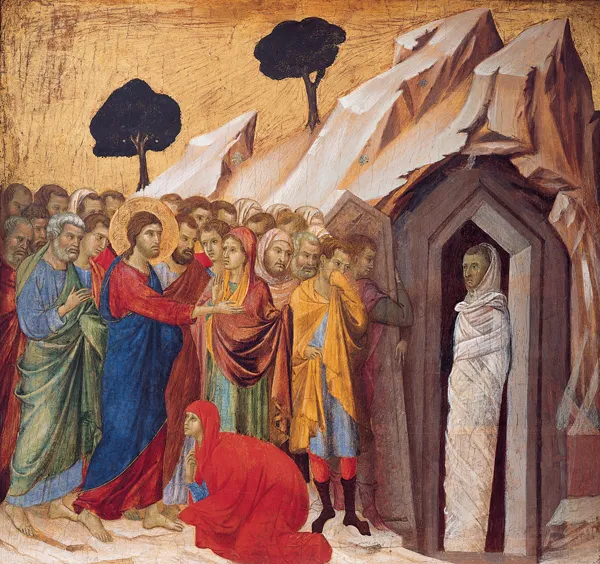
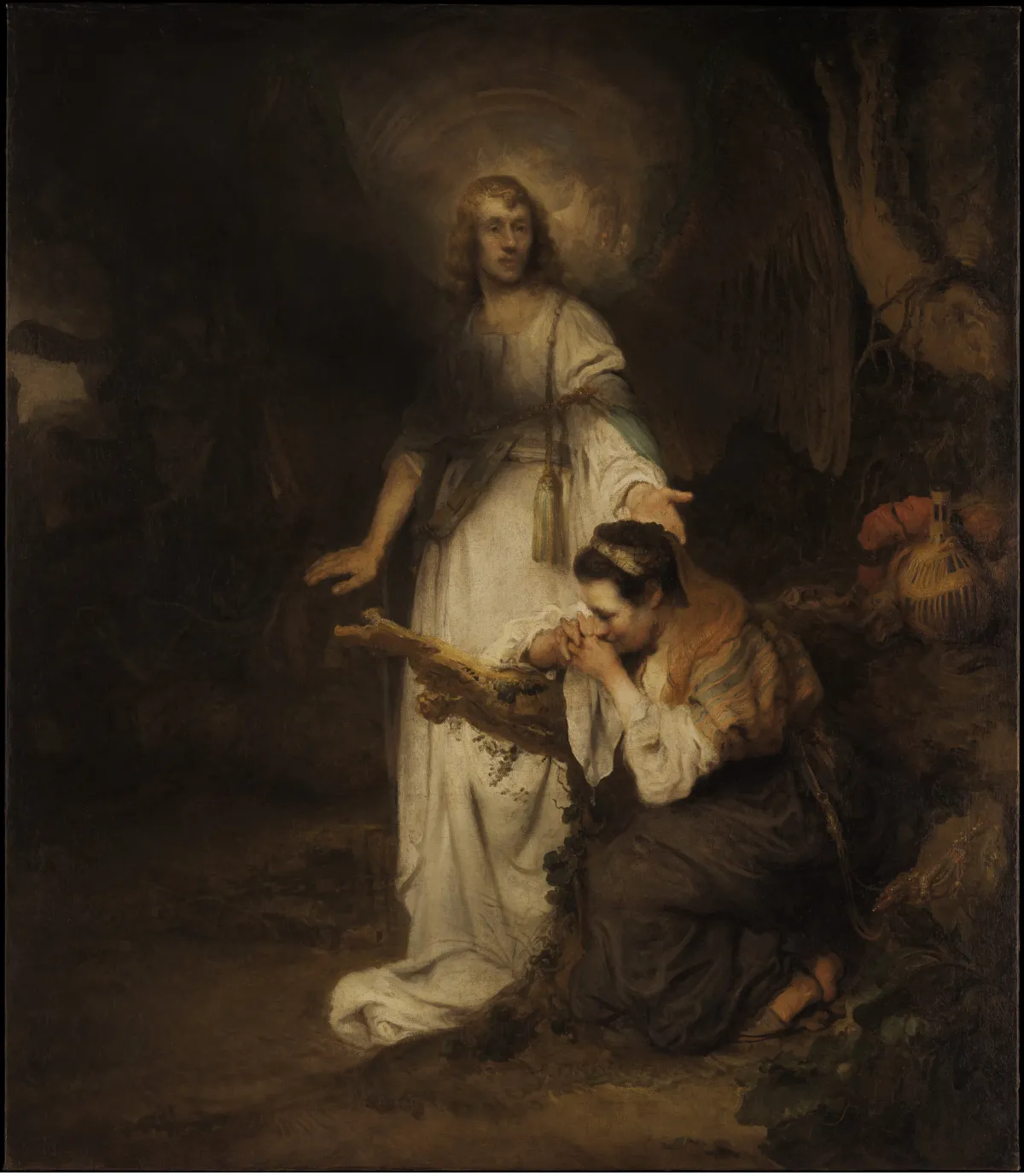
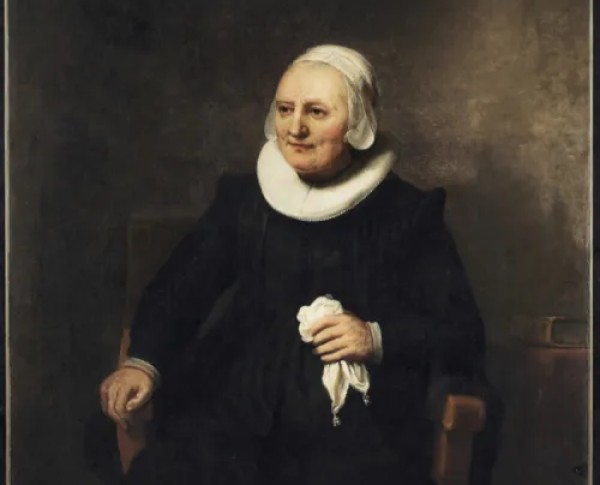
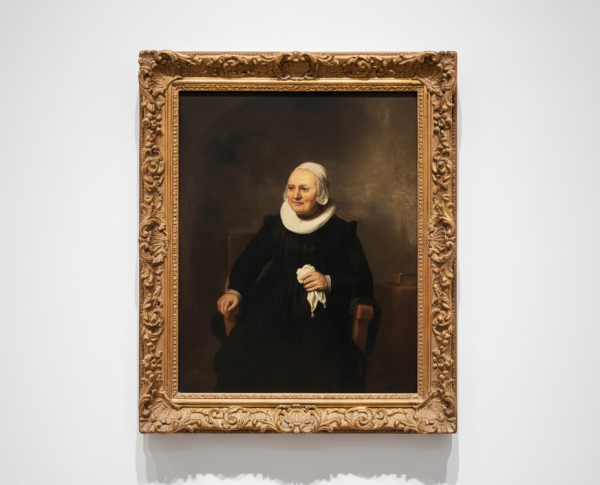
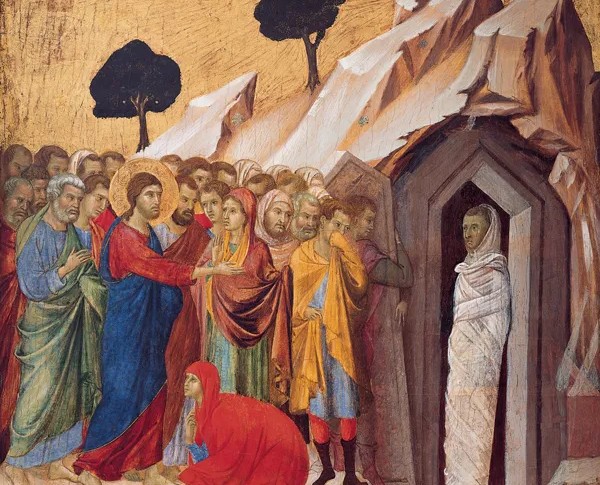
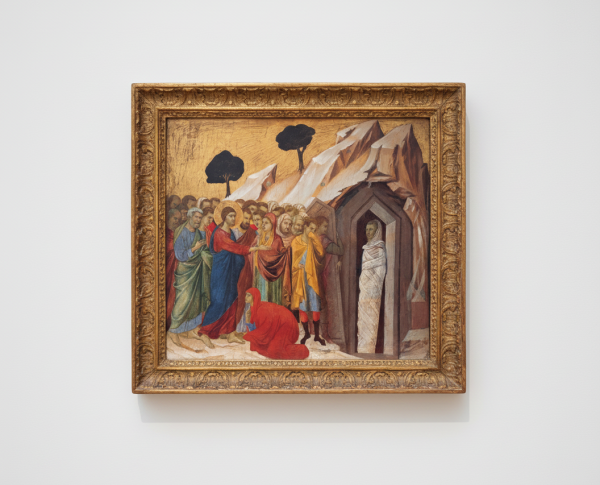
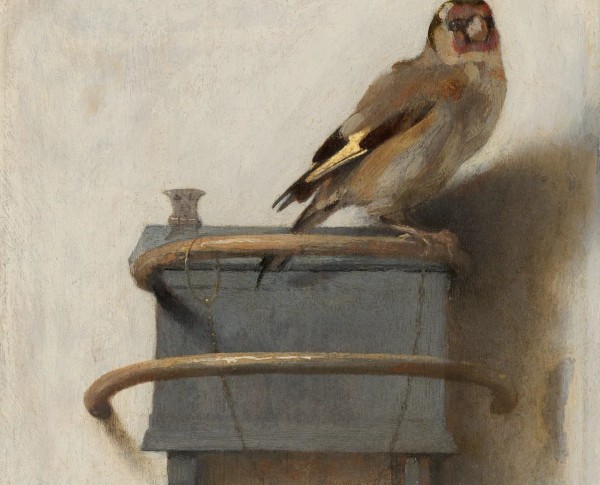
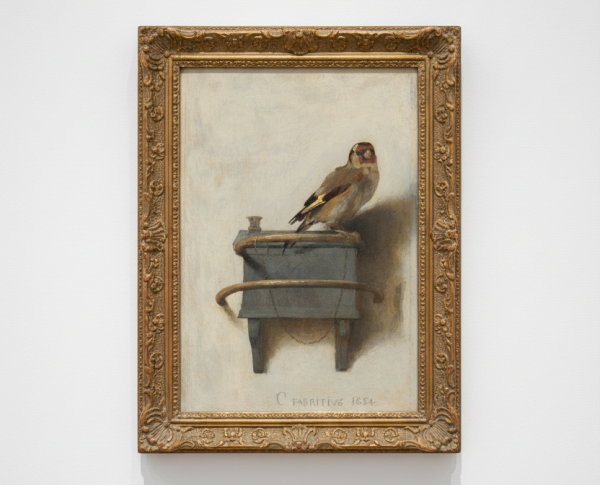
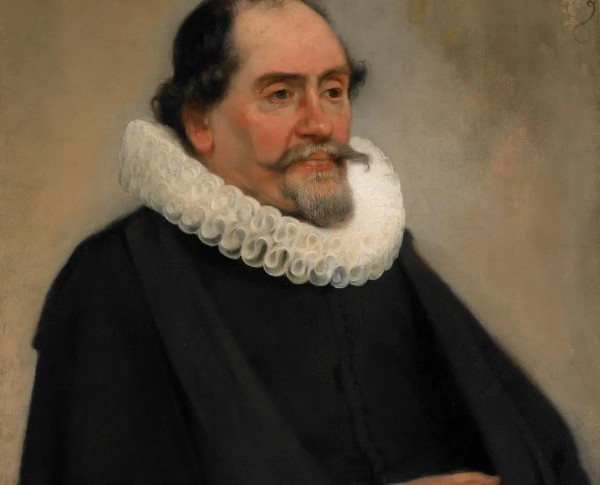
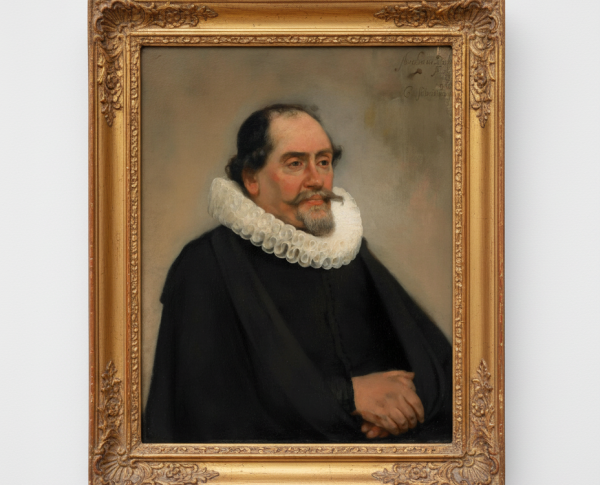
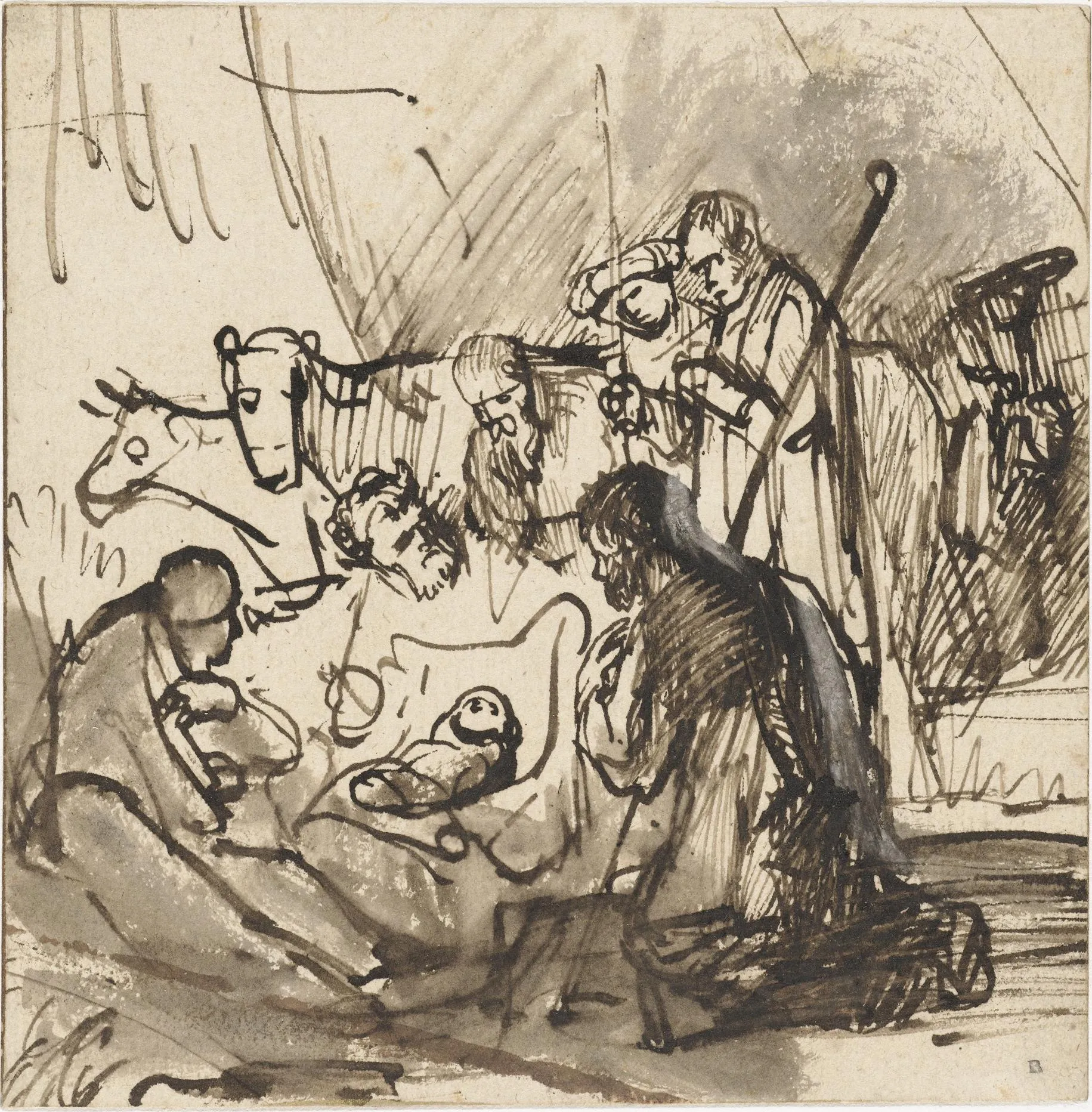
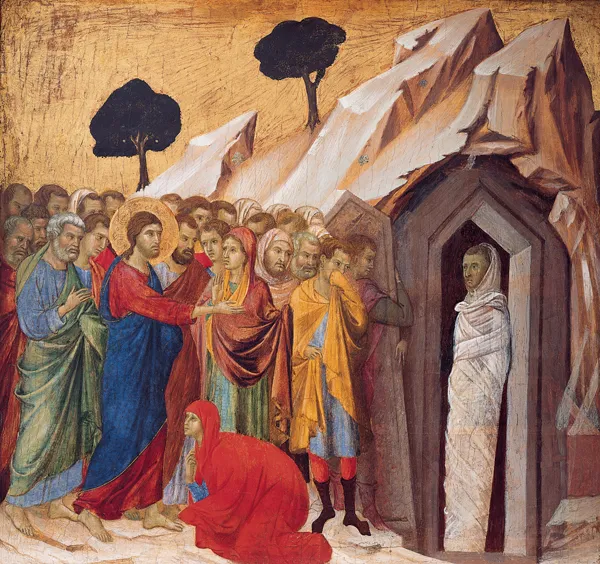
"The Adoration of the Shepherds" showcases Fabritius’s remarkable technique in oil on canvas, a hallmark of Dutch Golden Age artistry. His brushwork brings light and shadow into harmonious balance, emphasizing the emotional resonance of the scene. This painting, along with related works such as "The Raising of Lazarus," demonstrates Fabritius’s exceptional skill, making each oil on canvas piece a testament to the enduring legacy of this fine art tradition.
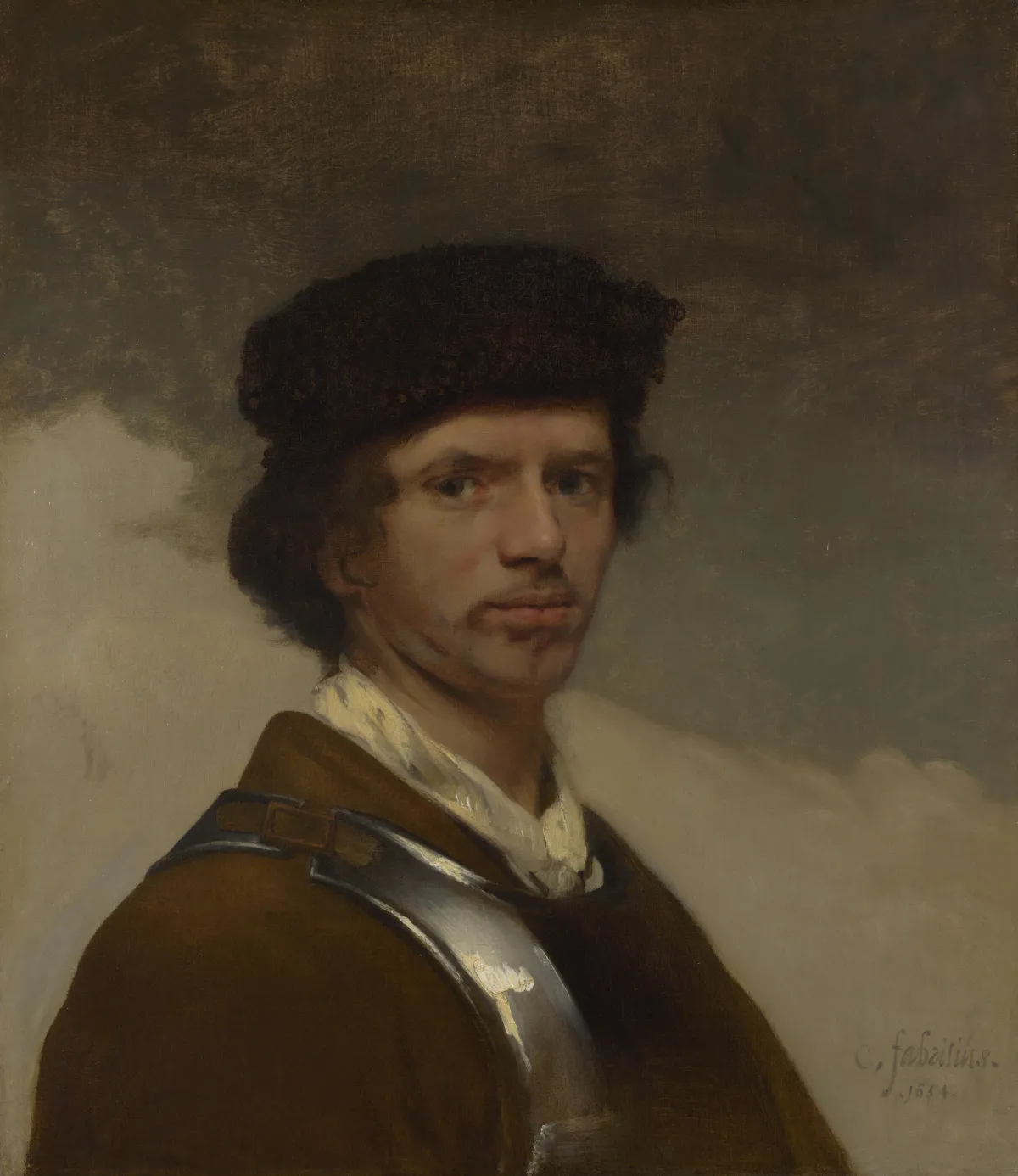
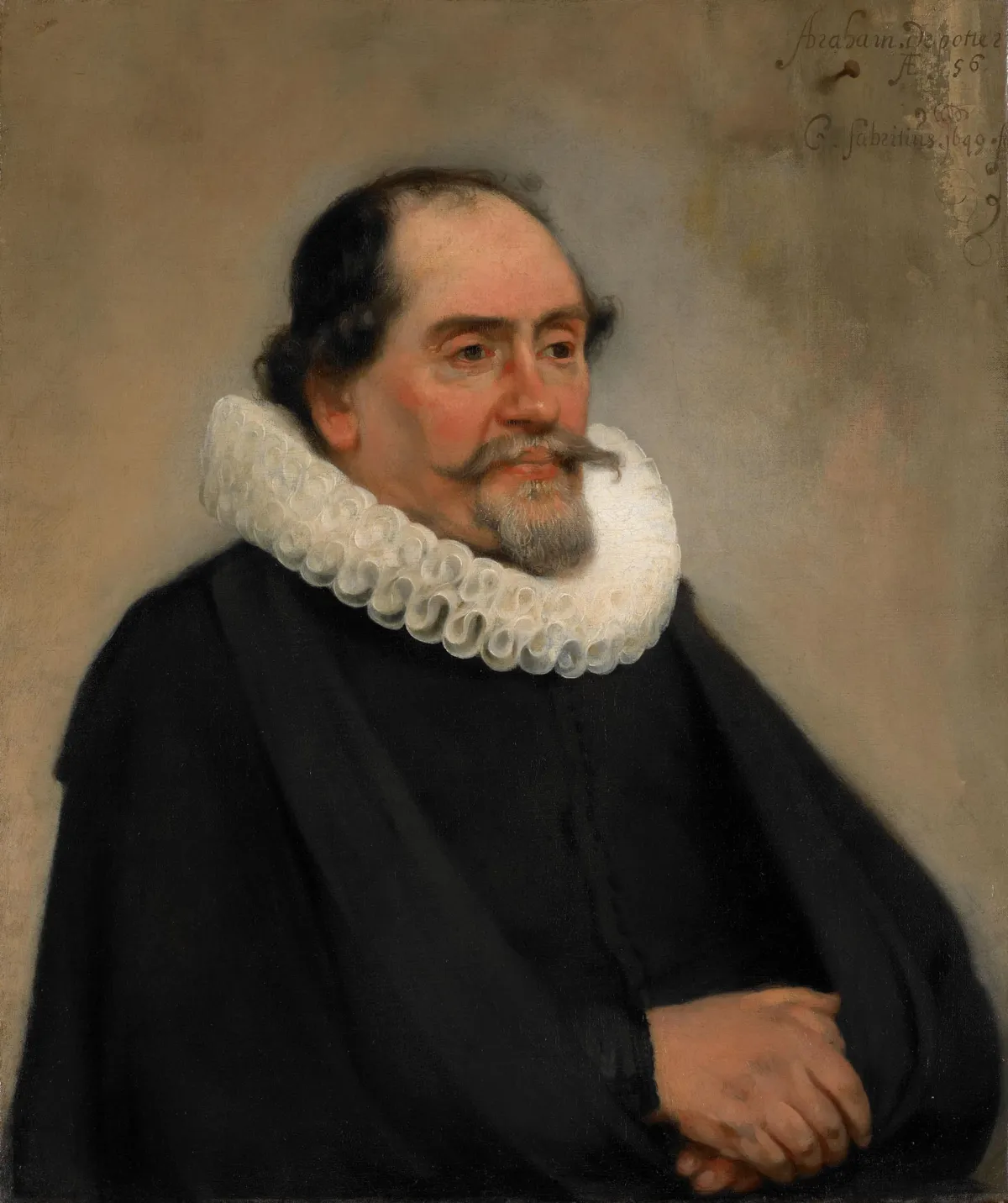
In this fine art painting for sale, Fabritius infuses "The Adoration of the Shepherds" with rich symbolism and narrative depth. The humble shepherds, bathed in gentle light, underscore themes of reverence and humility central to the Dutch Golden Age. Collectors and enthusiasts will find parallels with symbolic storytelling in "Mercury and Aglauros" and "Young Man in a Fur Cap," further highlighting Fabritius’s unique approach to narrative art.
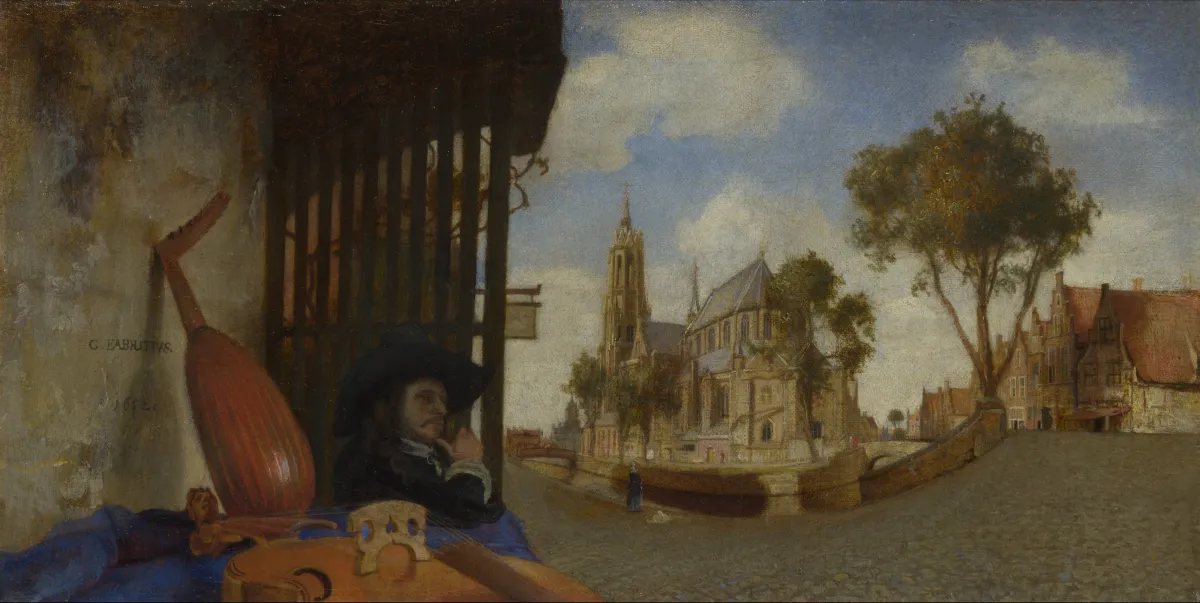
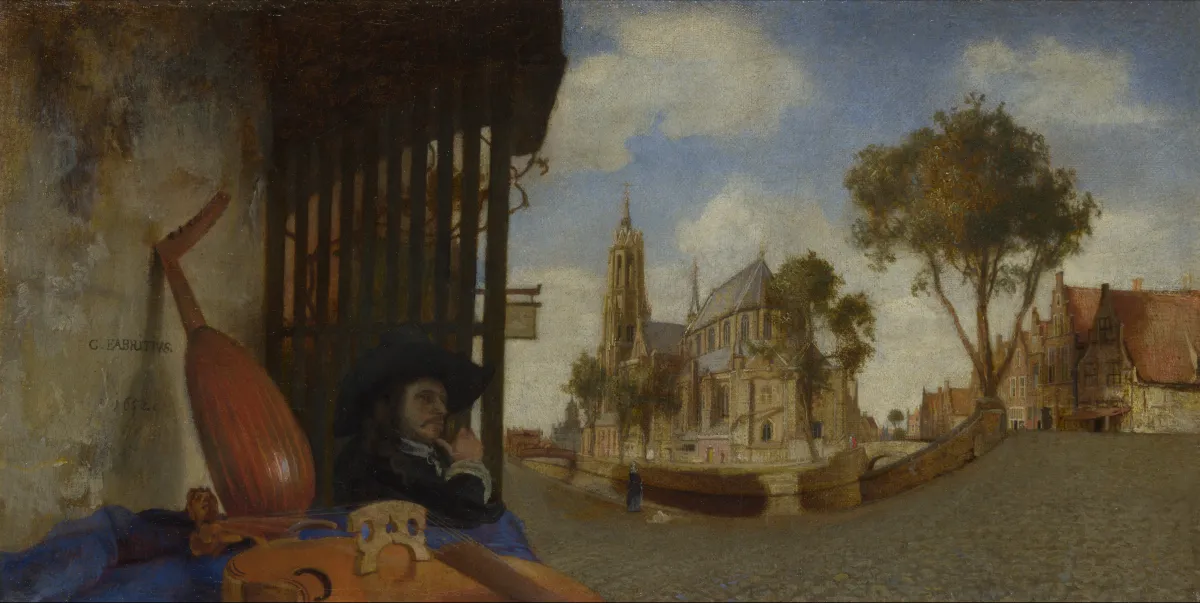
For art lovers seeking a hand-painted oil painting that embodies the spirit of the Dutch Golden Age, "The Adoration of the Shepherds" by Carel Fabritius is a prized acquisition. Its historical significance and artistic mastery place it among the most desirable fine art painting for sale. Pairing this masterpiece with related works like "A View of Delft" or "The Raising of Lazarus" enhances any collection, offering a window into a transformative era in art history.
When Art Meets History
Carel Fabritius, a notable figure of the Dutch Golden Age, created "The Adoration of the Shepherds" as a masterful hand-painted oil painting that captures a significant biblical moment. This period saw Dutch masters like Rembrandt and Vermeer, whose works such as "The Night Watch" and "Woman with a Pearl Necklace" remain iconic. Fabritius's painting not only showcases his unique style but also reflects the artistic innovations that defined the Dutch Golden Age movement.
Techniques That Speak
Utilizing oil on canvas, Carel Fabritius demonstrates his remarkable skill in "The Adoration of the Shepherds." His technique, reminiscent of contemporaries who produced masterpieces like "The Little Street" and "The Procuress," involves delicate brushwork and a keen attention to light. The rich textures and dynamic composition of this oil on canvas highlight the artist's ability to breathe life into religious narratives, distinguishing his work within the Dutch Golden Age movement.
Emotions on Display
In "The Adoration of the Shepherds," viewers experience a profound emotional depth, a hallmark of Fabritius's approach to fine art painting for sale. The expressive faces and dramatic lighting evoke awe and reverence, drawing parallels to emotive works like "Anatomy Lesson of Dr Tulp." Fabritius’s masterful rendering of human emotion invites viewers to engage intimately with the scene, showcasing the powerful storytelling that defines the Dutch Golden Age.
Coveted by Collectors
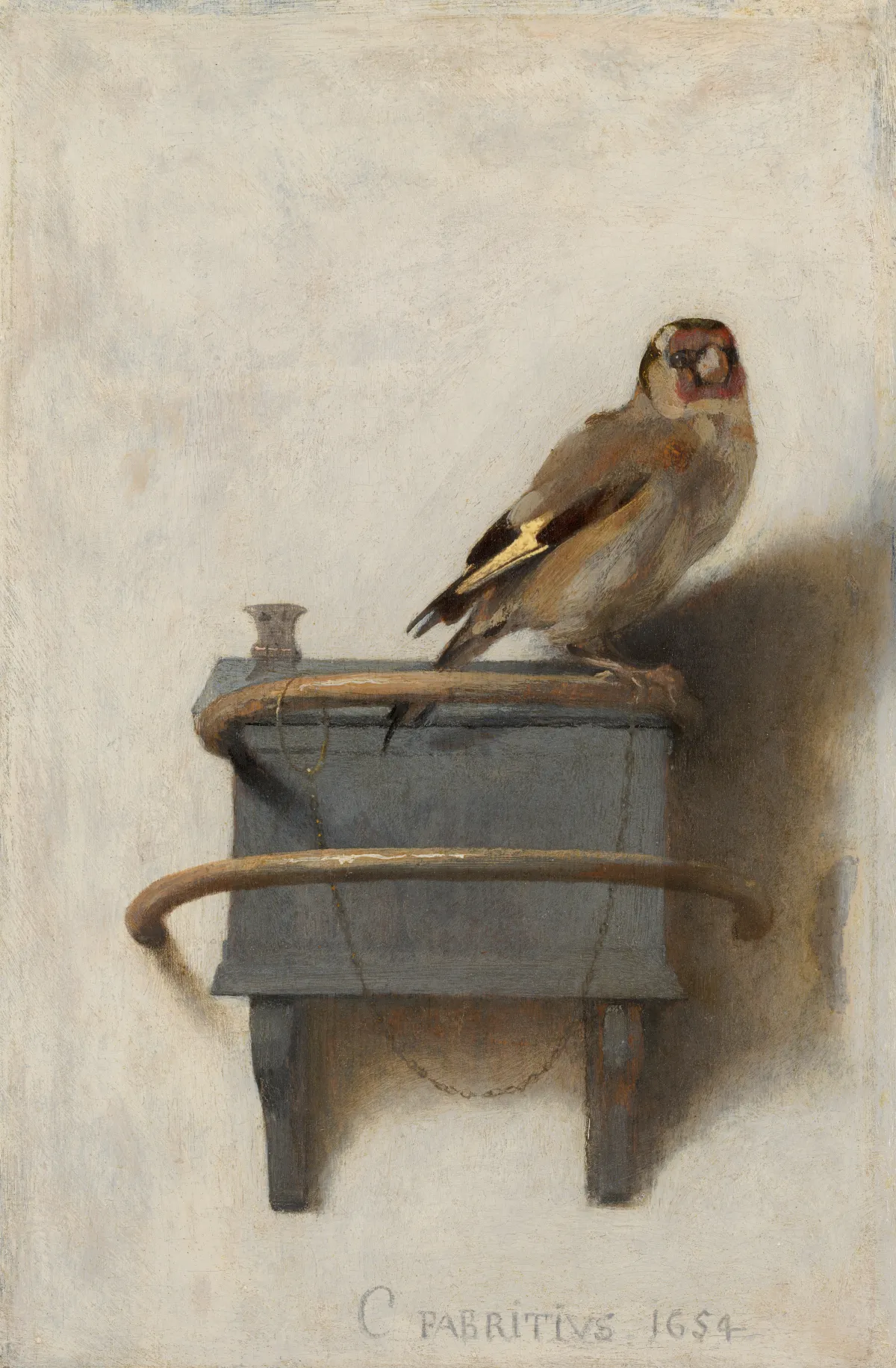
Today, "The Adoration of the Shepherds" by Carel Fabritius is highly sought after by collectors of Dutch Golden Age art, much like celebrated pieces such as "Woman with a Pearl Necklace" and "The Little Street." As a fine art painting for sale, its rarity and historical significance make it a prized addition to any collection. Fabritius’s attention to detail and innovative technique further enhance its desirability among connoisseurs of classic oil paintings.
Related Dutch Golden Age Hand-Painted Oil Paintings by Other Artists
Other Famous Dutch Golden Age Artists:
Frequently Asked Questions About The Adoration of the Shepherds
Who is the artist of The Adoration of the Shepherds?
The Adoration of the Shepherds was painted by Carel Fabritius, a notable Dutch painter of the 17th century, known for his innovative use of light and color.
What is the historical context of The Adoration of the Shepherds?
This painting was created during the Dutch Golden Age, a period marked by great wealth and cultural achievement in the Netherlands, particularly in the arts.
What artistic techniques did Carel Fabritius employ in this painting?
Fabritius utilized chiaroscuro, a technique that contrasts light and shadow, to create depth and focus on the figures, enhancing the emotional impact of the scene.
What is the significance of the shepherds in the painting?
The shepherds represent humility and the common man, emphasizing the theme of accessibility to divine grace, as they are among the first to witness the birth of Christ.
How does Fabritius depict the Virgin Mary in The Adoration of the Shepherds?
Mary is portrayed with a serene expression, highlighting her role as the mother of Christ and symbolizing purity and maternal love within the Christian tradition.
What role does light play in The Adoration of the Shepherds?
Light serves as a symbolic representation of divinity, illuminating the figures and creating a sense of warmth and reverence around the newborn Christ.
Are there any notable symbols present in the painting?
Yes, the presence of the lamb, often associated with Christ, symbolizes innocence and sacrifice, reinforcing the painting's religious themes.
What is the composition of The Adoration of the Shepherds?
The composition is dynamic, with figures arranged in a triangular formation that draws the viewer's eye towards the central figure of Christ, enhancing the narrative focus.
How does The Adoration of the Shepherds compare to other works of the same theme?
Fabritius's interpretation is unique due to its intimate portrayal of the shepherds and the use of natural light, distinguishing it from more traditional, grand depictions of the Nativity.
What is the legacy of Carel Fabritius as an artist?
Fabritius is remembered for his innovative techniques and contributions to the Baroque style, influencing later artists and leaving a lasting impact on the art world despite his short life.






















_GFM_Painting_(1).webp)


 100% Hand-Painted: Finished in 3-6 Weeks

.png)















_(1).webp)