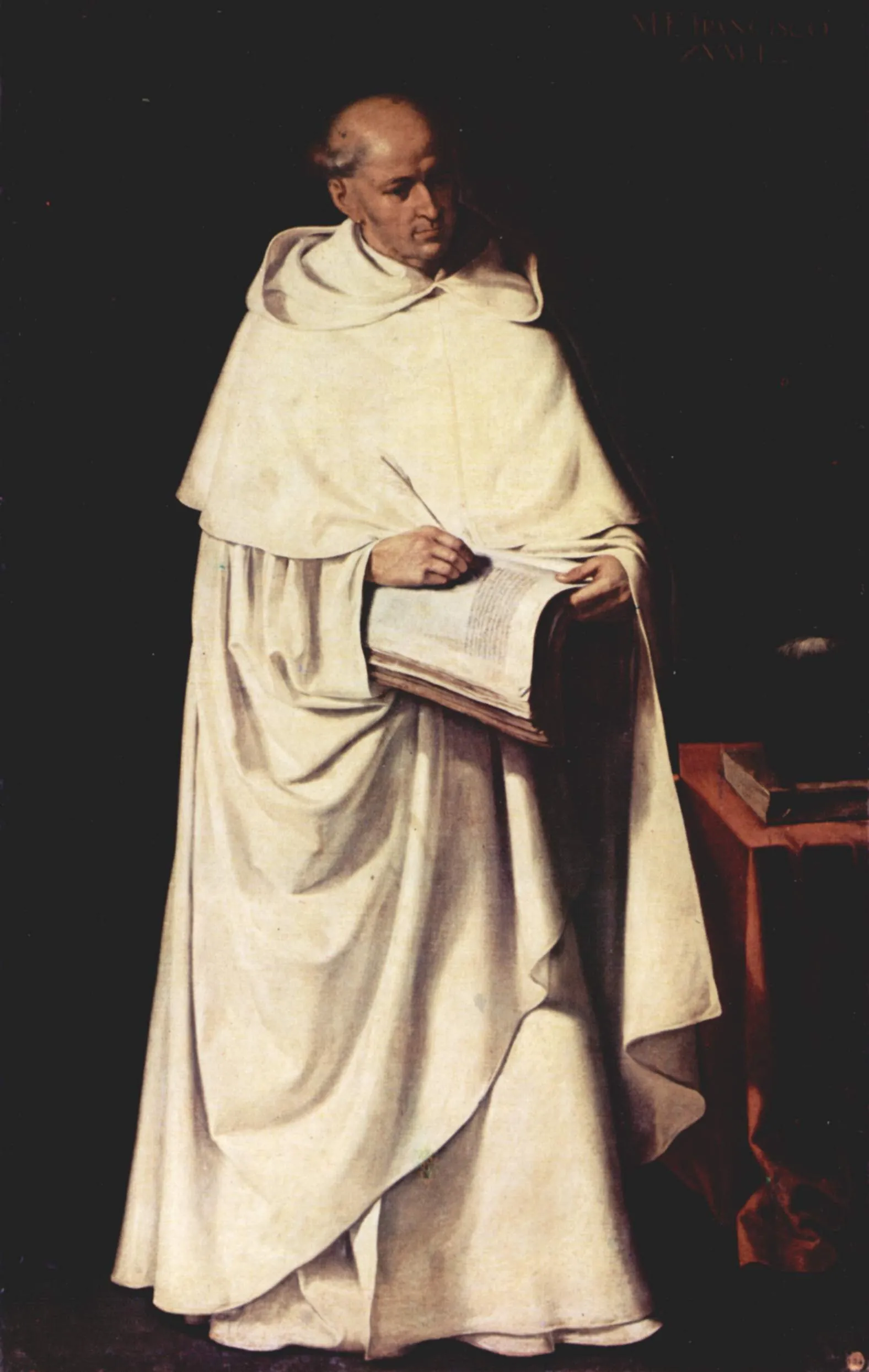
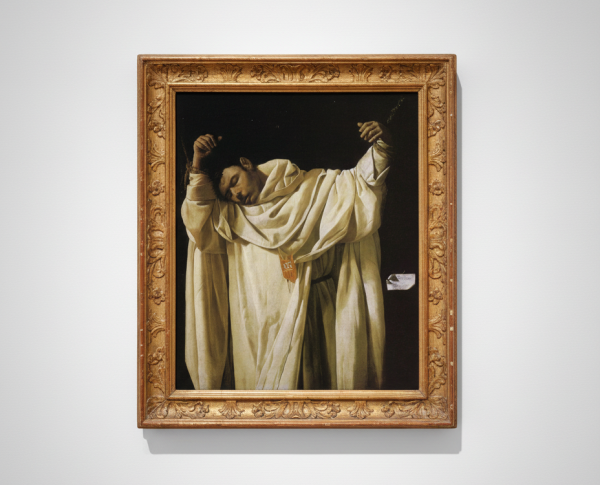
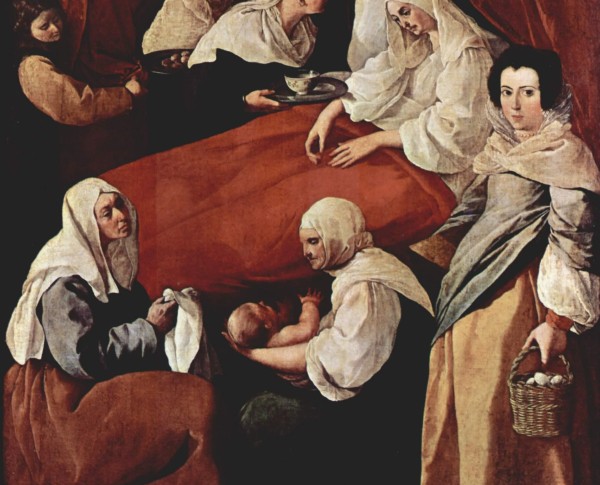
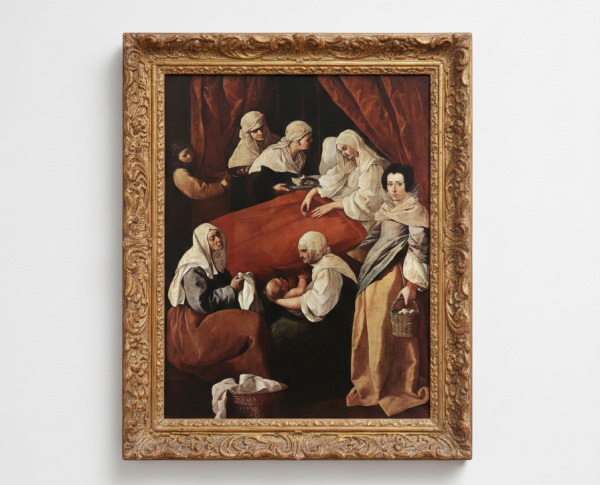
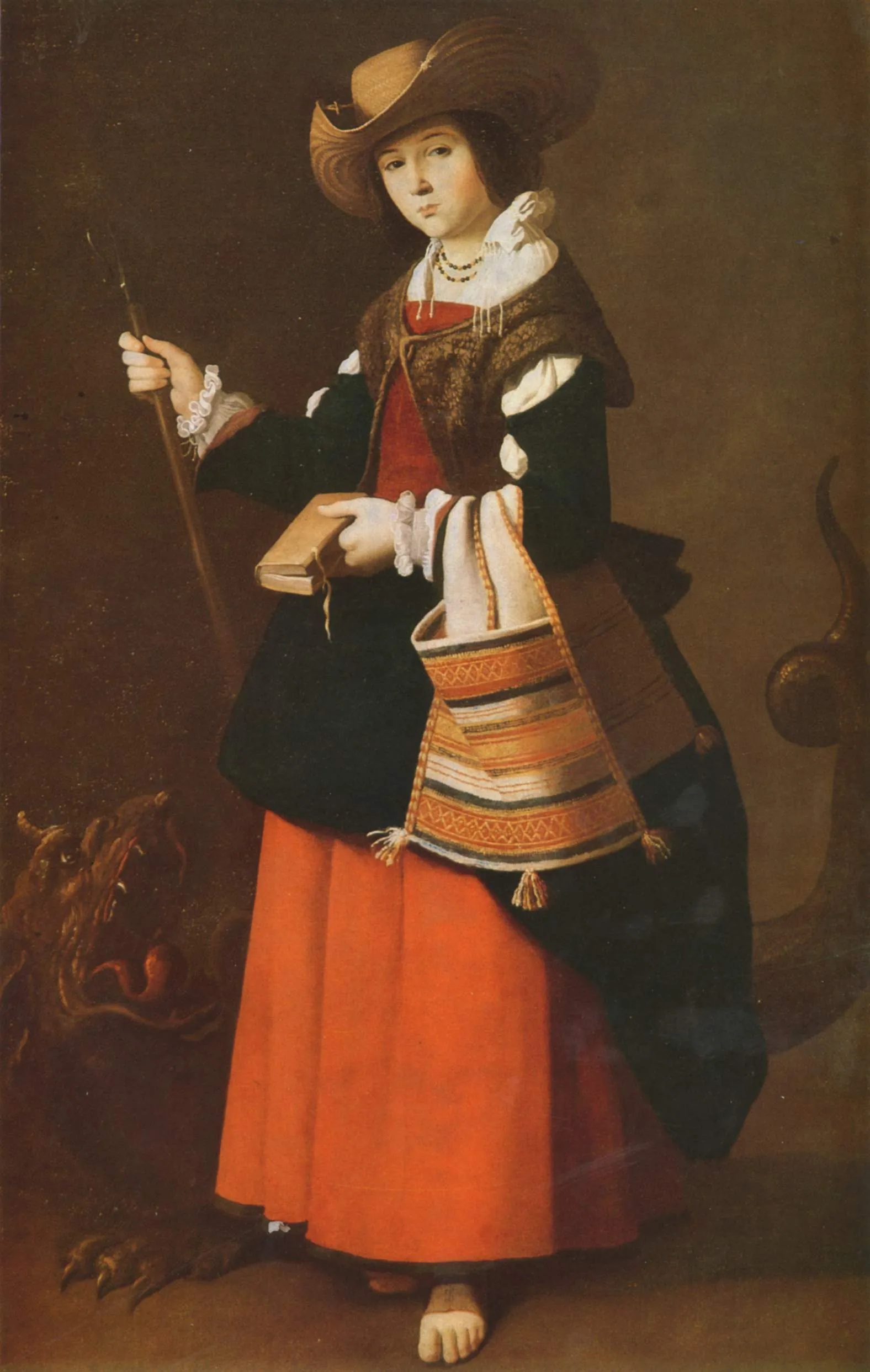
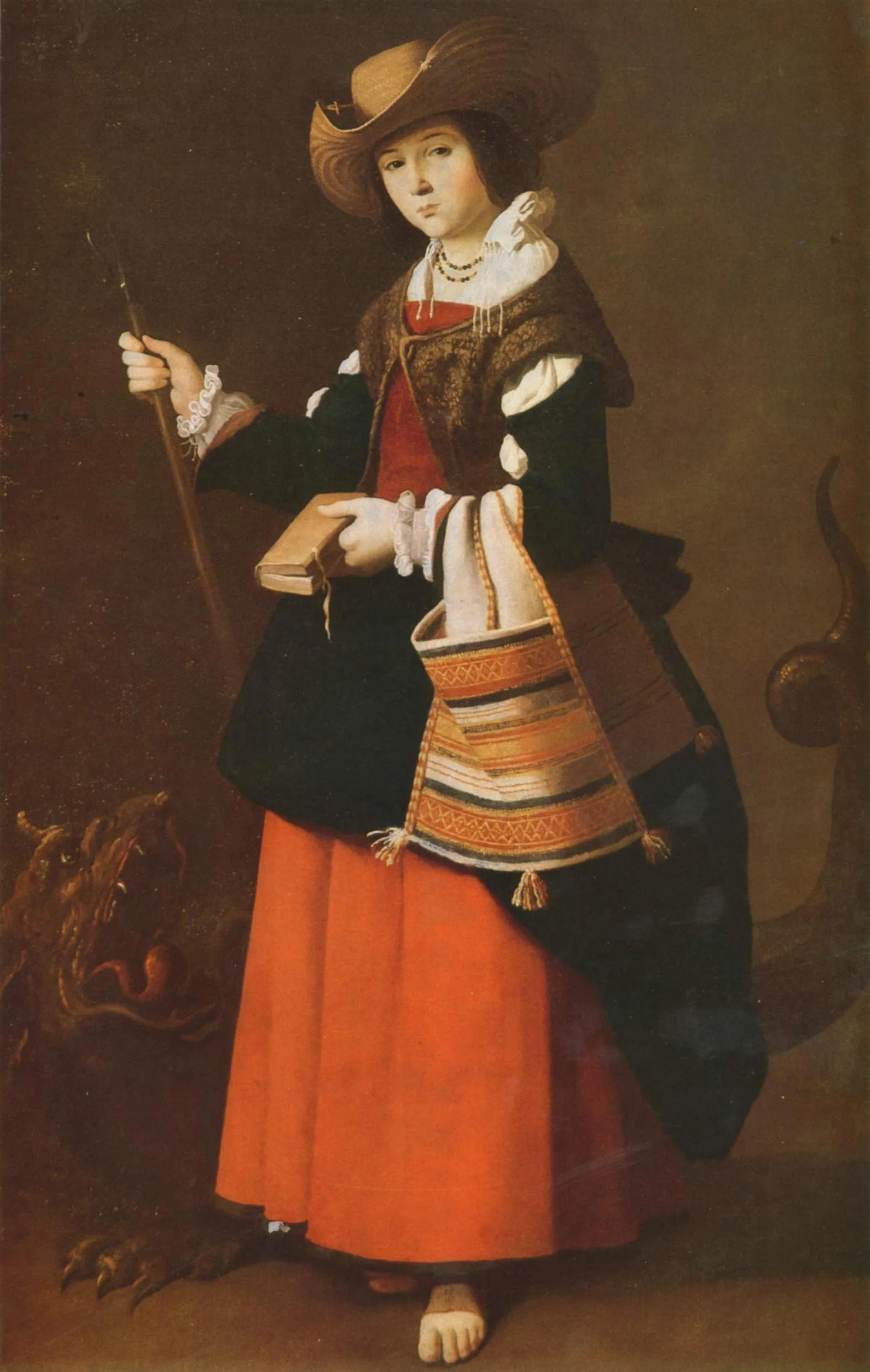
Francisco de Zurbaran’s "Saint Margaret, dressed as a shepherdess" reveals his technical brilliance and meticulous attention to detail. The oil on canvas medium allows for a rich interplay of light and shadow, a hallmark of the Baroque movement. Each brushstroke reflects Zurbaran’s mastery, evident in related works such as "St Pierre Pascal, Bishop of Jaen" and "The Young Virgin." This painting exemplifies the refined techniques that make his oil on canvas pieces so revered.
Within "Saint Margaret, dressed as a shepherdess," Francisco de Zurbaran weaves deep symbolism and narrative. The painting’s iconography, typical of Baroque art, invites viewers to explore themes of faith and virtue. Like in "Apparition of Jesus Child to St Anthony of Padua" and "Apostle St Andrew," Zurbaran uses symbolic elements to elevate his hand-painted oil painting beyond portraiture, creating a spiritual dialogue that resonates with admirers of religious fine art.
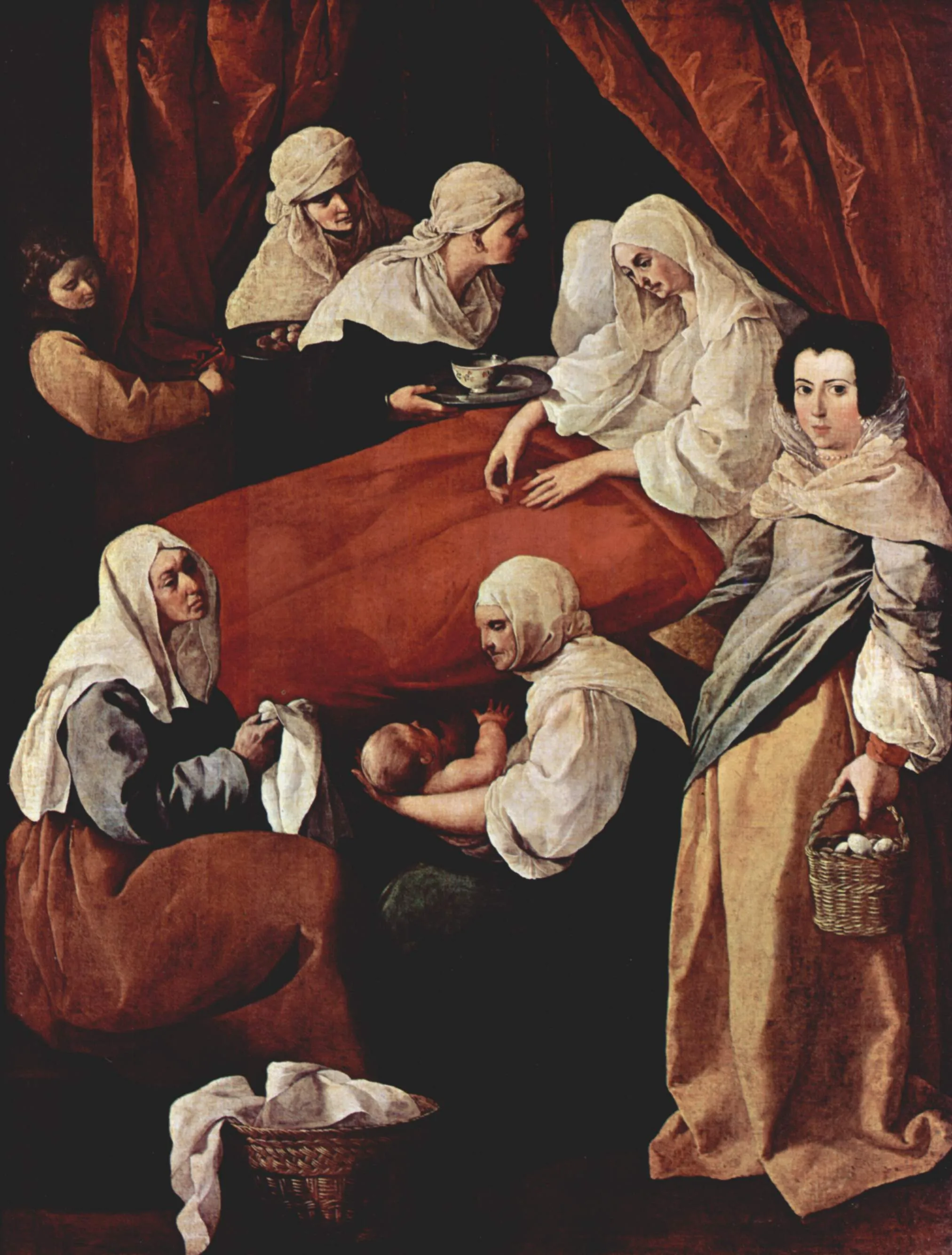
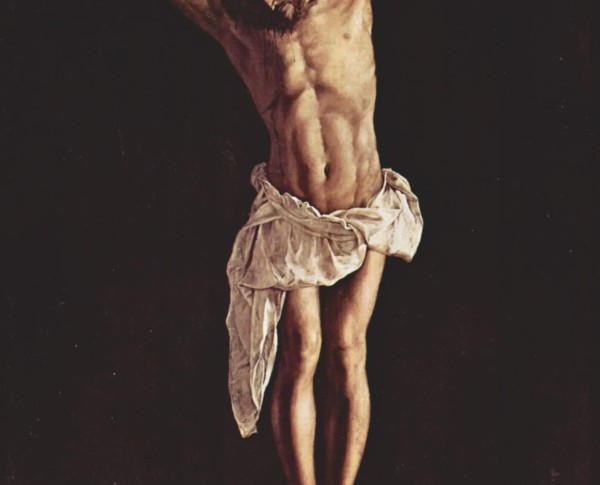
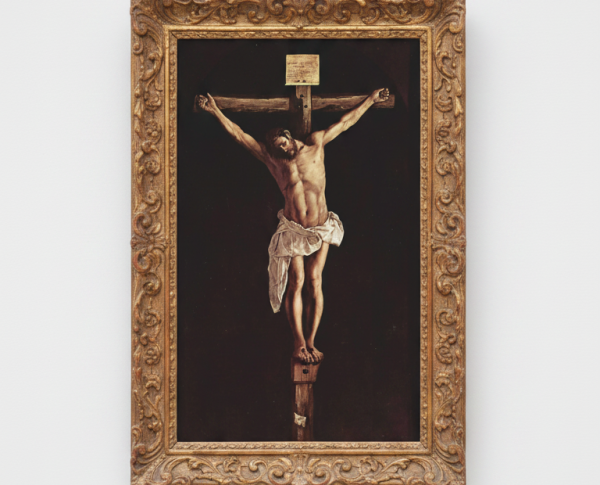
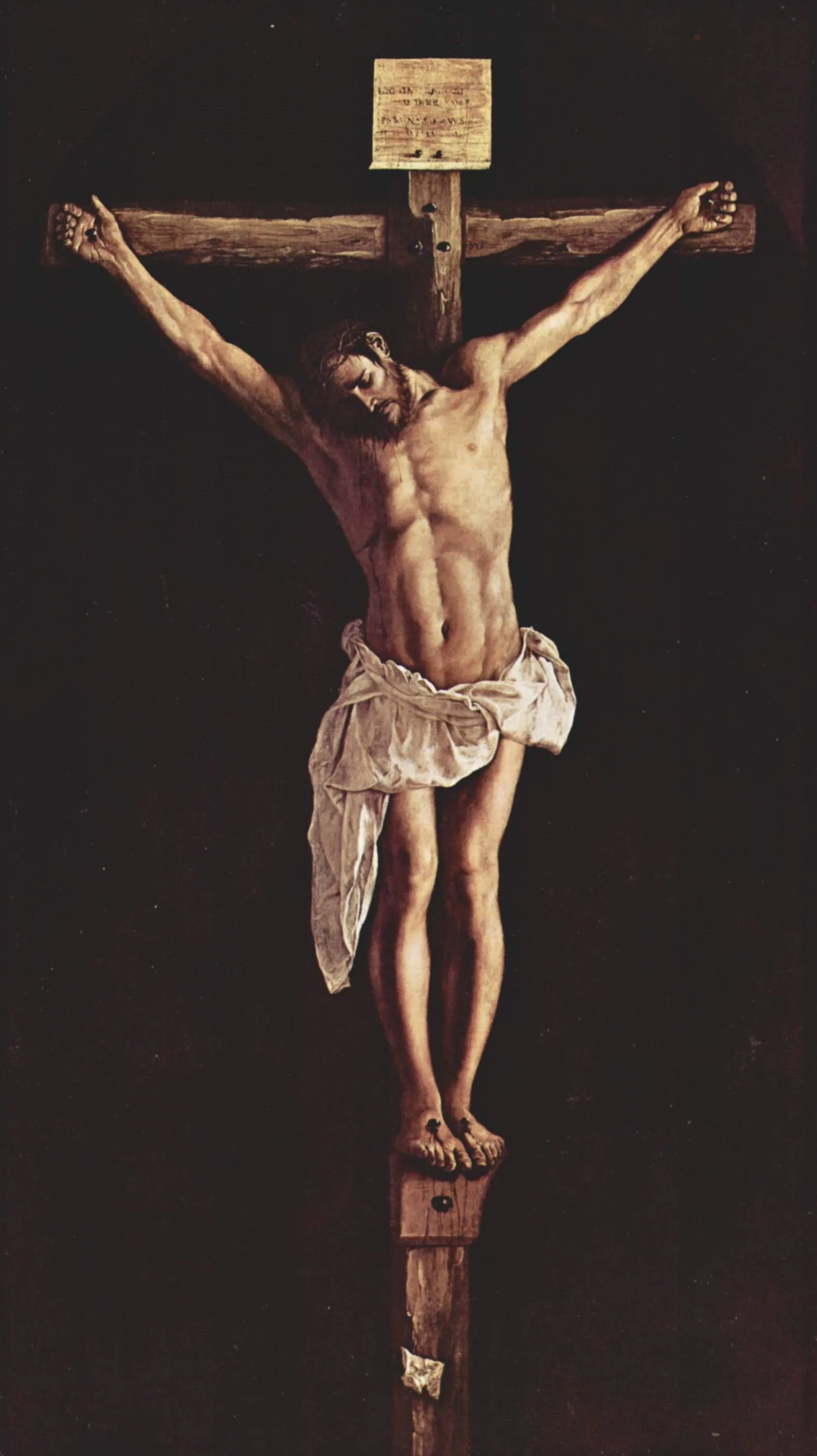
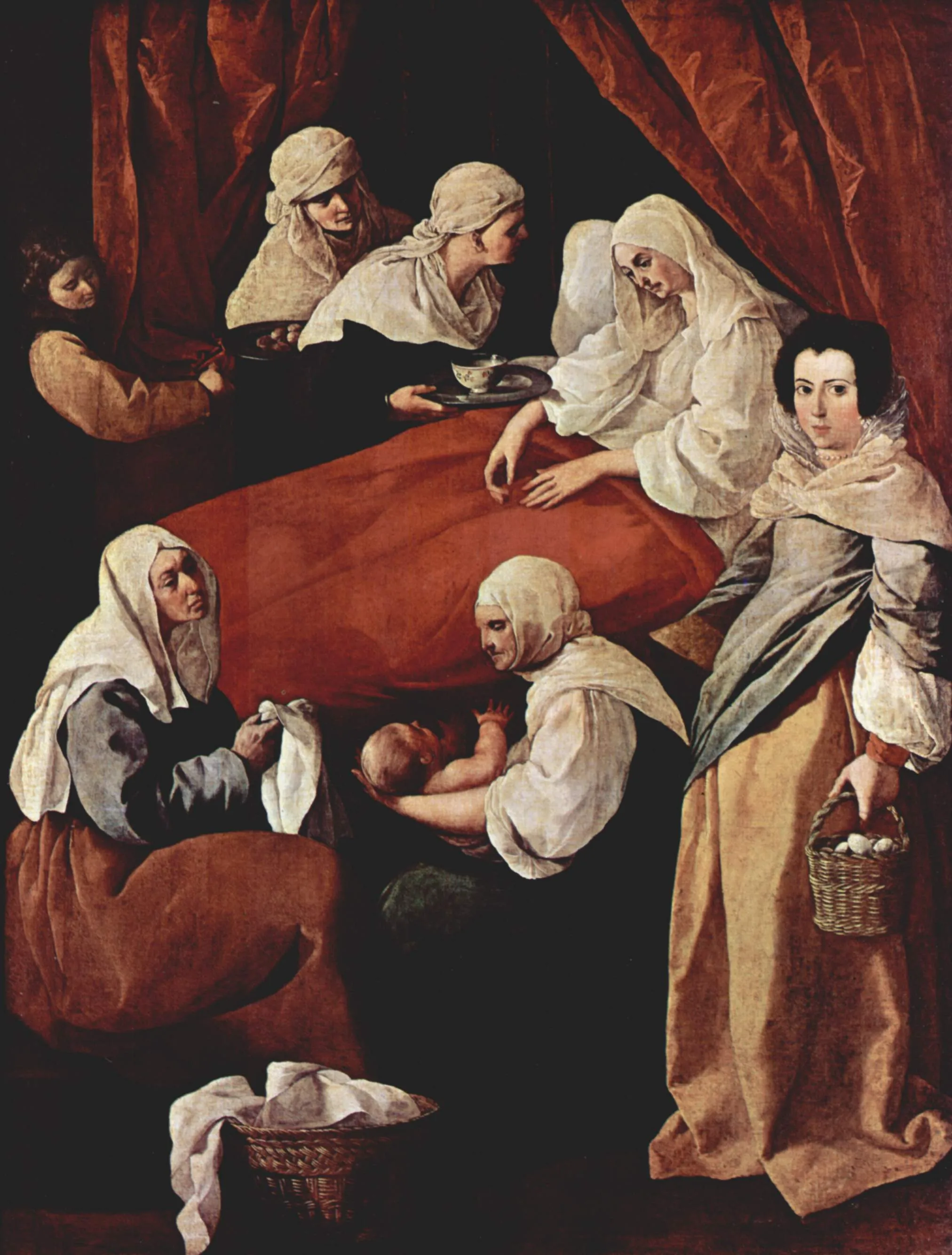
For collectors and enthusiasts, "Saint Margaret, dressed as a shepherdess" by Francisco de Zurbaran represents a remarkable fine art painting for sale from the Baroque era. Its connection to other masterpieces, such as "Christ on the Cross" and "Birth of the Virgin," enhances its desirability. Owning this work means possessing a piece of history, crafted by a master whose oil on canvas paintings continue to inspire and captivate audiences worldwide.
When Art Meets History
"Saint Margaret, dressed as a shepherdess" by Francisco de Zurbaran is a remarkable example of Baroque artistry. This hand-painted oil painting captures both religious reverence and rural simplicity, reflecting the cultural and spiritual climate of 17th-century Spain. Zurbaran, well-known for works like "Saint Matthew and the Angel" and "The Angel and Hagar," masterfully blends sacred themes with everyday imagery, enriching the history of Baroque fine art. Collectors and scholars continue to admire his timeless creations.
Techniques That Speak
Francisco de Zurbaran’s "Saint Margaret, dressed as a shepherdess" utilizes the oil on canvas technique, which was favored by Baroque artists for its depth and realism. The detailed textures of Margaret’s attire and the soft play of light exemplify Zurbaran’s technical prowess. Similar to his works "Portrait of a Courtesan" and "The Taking of Christ," this painting demonstrates his ability to render lifelike figures, making it a prized example of oil on canvas from the Baroque era.
Emotions on Display
In "Saint Margaret, dressed as a shepherdess," Francisco de Zurbaran infuses the figure with serene dignity and quiet strength, hallmarks of Baroque emotional depth. The painting’s gentle palette and contemplative mood invite viewers to connect with Margaret’s story. Like Caravaggio’s "Amor Vincit Omnia," this fine art painting for sale resonates with powerful human emotions, ensuring its enduring appeal among art lovers who cherish evocative, spiritual masterpieces.
Coveted by Collectors
Collectors of Baroque art highly prize "Saint Margaret, dressed as a shepherdess" by Francisco de Zurbaran for its exceptional artistry and historical significance. As a hand-painted oil painting, it stands alongside masterpieces such as "Saint Matthew and the Angel" and "The Angel and Hagar." Its rarity and connection to Zurbaran’s celebrated body of work make it a sought-after piece, ensuring its place among the most esteemed fine art painting for sale in galleries and private collections.
Related Baroque Hand-Painted Oil Paintings by Other Artists
Other Famous Baroque Artists:
Frequently Asked Questions About Saint Margaret, dressed as a shepherdess
What is the historical significance of "Saint Margaret, dressed as a shepherdess"?
This painting by Francisco de Zurbarán, created in the 17th century, reflects the Baroque period's emphasis on religious themes and the veneration of saints, particularly in Spain. Saint Margaret was a popular figure in Catholic devotion, symbolizing purity and faith.
Who was Francisco de Zurbarán?
Francisco de Zurbarán was a Spanish painter known for his religious works and mastery of light and shadow. He was active during the Spanish Golden Age and is celebrated for his ability to convey deep spirituality through his art.
What artistic techniques did Zurbarán employ in this painting?
Zurbarán utilized chiaroscuro to create a dramatic contrast between light and shadow, enhancing the three-dimensionality of the figure. His meticulous attention to detail and texture, particularly in the clothing and shepherdess attributes, showcases his skill in realism.
What symbolism is present in "Saint Margaret, dressed as a shepherdess"?
The shepherdess attire symbolizes humility and pastoral life, reflecting Saint Margaret's connection to innocence and purity. Additionally, the lamb, often associated with her iconography, represents Christ and the idea of sacrifice.
How does this painting reflect the Baroque style?
The painting exemplifies the Baroque style through its emotional intensity, dramatic use of light, and focus on religious themes. The composition draws the viewer's eye to the figure of Saint Margaret, emphasizing her importance and the narrative of her faith.
What is the significance of the colors used in the painting?
Zurbarán's choice of colors, particularly the soft pastels and earthy tones, conveys a sense of serenity and purity. The use of light colors in the shepherdess's attire enhances her divine qualities, while darker backgrounds create a sense of depth and focus on the figure.
What influence did Zurbarán's work have on later artists?
Zurbarán's emphasis on religious themes and his unique handling of light influenced many artists in the Baroque period and beyond. His ability to convey spirituality through realism inspired subsequent generations, including the Spanish painter Murillo.
Where can "Saint Margaret, dressed as a shepherdess" be viewed today?
The painting is part of the collection at the Museo de Bellas Artes in Seville, Spain. It is a significant piece within the museum's extensive collection of Baroque art.
What are the main themes explored in this artwork?
The primary themes of the painting include faith, purity, and the sanctity of life. It reflects the spiritual journey of Saint Margaret and her role as a protector of the faithful, embodying the virtues of devotion and humility.
How does "Saint Margaret, dressed as a shepherdess" compare to other works by Zurbarán?
This painting shares similarities with other works by Zurbarán in its focus on religious figures and the use of chiaroscuro. However, the pastoral elements and the portrayal of a female saint in a shepherdess role distinguish it within his oeuvre, showcasing his versatility as an artist.























_GFM_Painting_(1).webp)


 100% Hand-Painted: Finished in 3-6 Weeks

.png)
















_(1).webp)