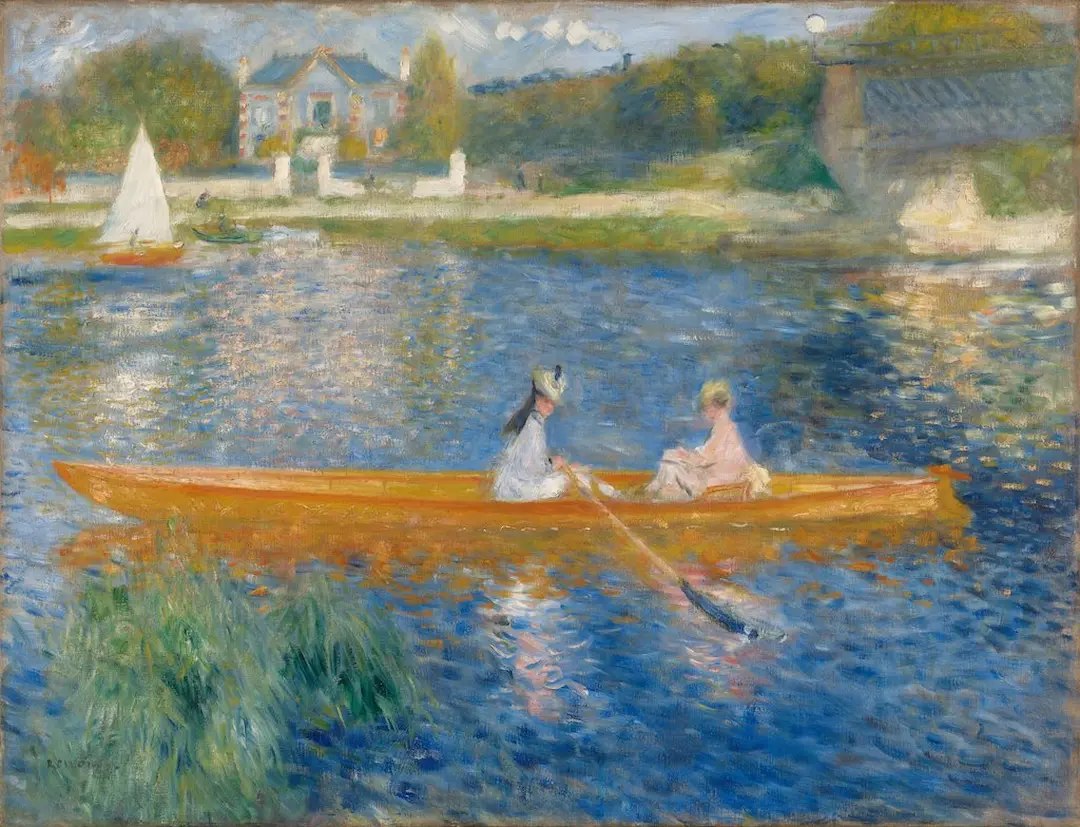
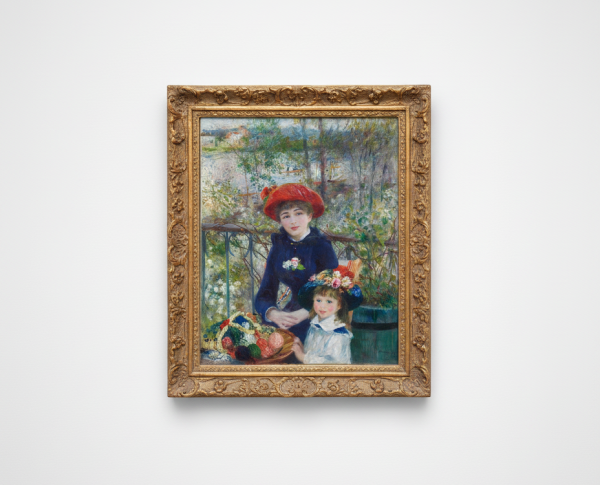
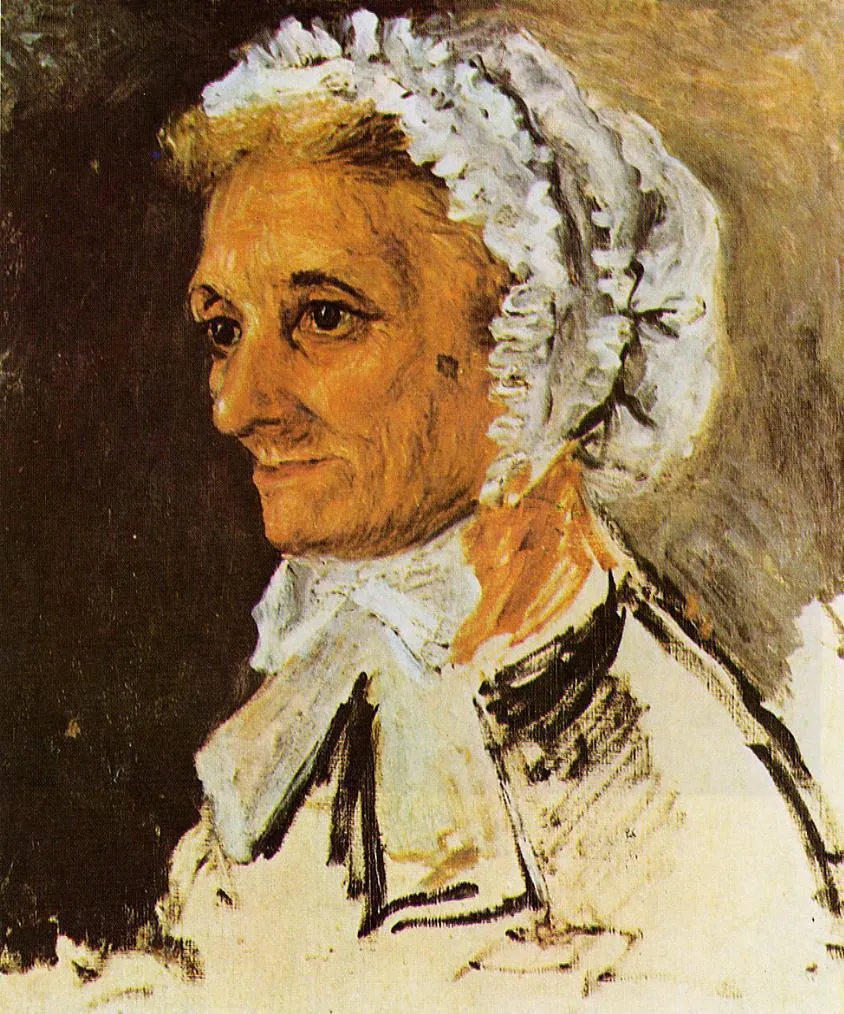
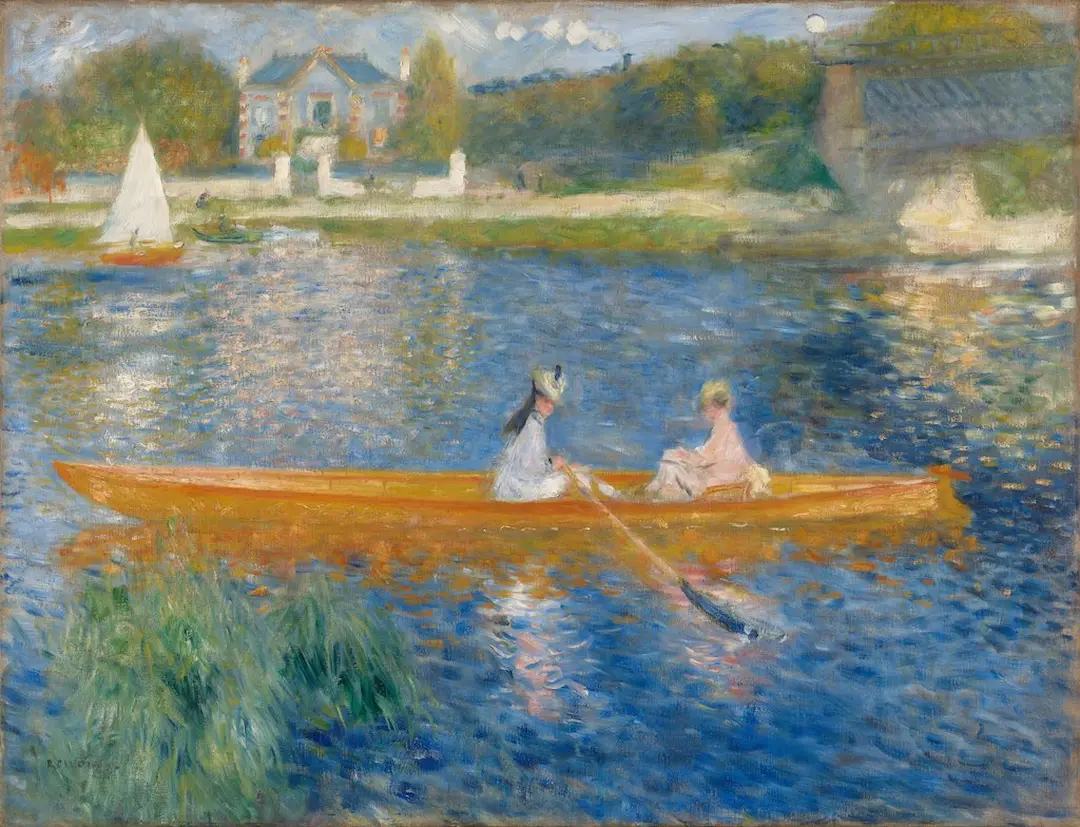
Renoir’s exceptional technique is evident in "The Artist's Mother," where his use of oil on canvas creates a soft, luminous effect typical of Impressionism. Every brushstroke in this painting reveals the artist’s dedication to capturing natural light and genuine emotion. Similar mastery can be seen in his other works, such as "The Seine At Asnieres Aka The Skiff" and "By the Seashore," which further demonstrate his innovative approach to fine art painting for sale.
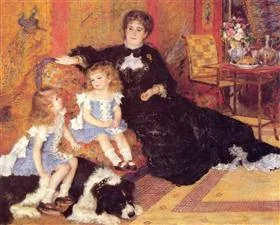
In "The Artist's Mother," Pierre Auguste Renoir weaves a narrative of familial love, respect, and admiration. The composition and gentle color palette symbolize warmth and serenity, hallmarks of Impressionism. This hand-painted oil painting resonates with viewers, much like "Young Girls in Black" and "Madame Georges Charpentier and her Children," inviting them to explore the personal stories and subtle symbolism that Renoir masterfully infuses into his fine art painting for sale.
For art collectors, "The Artist's Mother" by Pierre Auguste Renoir is a prized example of Impressionism and a sought-after oil on canvas. Its timeless appeal makes it a coveted addition alongside related pieces like "A Girl with a Watering Can" and "Reclining Nude." As a fine art painting for sale, it offers an opportunity to own a piece of history and experience the enduring beauty of Renoir’s artistry in the Impressionist movement.
When Art Meets History
"The Artist’s Mother" by Pierre Auguste Renoir is a remarkable example of the Impressionism movement, capturing both personal and historical significance. Painted during an era when artists sought to depict fleeting moments, this hand-painted oil painting reflects Renoir’s close relationship with his mother. Similar to related works such as "Blue Dancers, c.1899" and "The Bellelli Family," this portrait bridges the intimate with the universal, inviting viewers to appreciate its place within art history and the evolution of Impressionism.
Techniques That Speak
Renoir’s mastery of oil on canvas is evident in "The Artist’s Mother," where soft brushstrokes and luminous colors bring the subject to life. The Impressionist technique, also visible in "Farm near Honfleur" and "Poppy Field near Vétheuil," employs light and shade to create a gentle atmosphere. Renoir’s attention to detail and innovative use of color showcase his ability to evoke emotion and realism through the Impressionism style, making each stroke an essential part of the narrative.
Emotions on Display
In "The Artist’s Mother," Pierre Auguste Renoir captures a spectrum of emotions, from tenderness to introspection, typical of fine art painting for sale from the Impressionism movement. The sitter’s serene expression and the intimate setting evoke a sense of warmth, much like in "Children in the Sea, 1909." Renoir’s empathetic portrayal invites viewers to connect with the subject on a personal level, highlighting the emotional depth and sensitivity that define his portraits.
Coveted by Collectors
As a celebrated work by Pierre Auguste Renoir, "The Artist’s Mother" remains highly sought after by collectors of Impressionist art. Its status as a distinguished oil on canvas, alongside masterpieces like "The Bellelli Family" and "Poppy Field near Vétheuil," contributes to its enduring appeal in the art market. This painting exemplifies the timeless beauty and historic significance that make Renoir’s works prized fine art paintings for sale around the world.
Related Impressionism Hand-Painted Oil Paintings by Other Artists
Other Famous Impressionism Artists:
Frequently Asked Questions About The Artist's Mother
What is the historical context of "The Artist's Mother"?
"The Artist's Mother" was painted in 1876, during a period when Pierre-Auguste Renoir was establishing himself as a leading figure in the Impressionist movement. This era was characterized by a shift away from traditional academic painting towards a more personal and expressive style.
What is the significance of the subject in the painting?
The subject of the painting, Renoir's mother, represents a deep personal connection for the artist. This work not only showcases his affection for her but also highlights the role of family and domestic life in the artist's oeuvre.
How does Renoir's technique contribute to the overall impact of the painting?
Renoir employs loose brushwork and a vibrant color palette, typical of his Impressionist style. This technique creates a sense of warmth and intimacy, drawing viewers into the emotional depth of the subject.
What themes are explored in "The Artist's Mother"?
The painting explores themes of maternal love, familial bonds, and the everyday life of the artist. It reflects the significance of personal relationships in shaping artistic expression.
How does this painting compare to other works by Renoir?
Unlike many of Renoir's more vibrant and lively scenes, "The Artist's Mother" is more subdued and intimate, focusing on a single figure rather than a bustling social environment. This contrast highlights Renoir's versatility as an artist.
What artistic influences can be seen in "The Artist's Mother"?
Renoir was influenced by the Realist movement, which emphasized the depiction of everyday life. This influence is evident in the naturalistic portrayal of his mother and the emphasis on domesticity.
What symbolic elements are present in the painting?
The presence of the mother figure symbolizes nurturing and support, reflecting the artist's own reliance on familial ties. The soft colors and gentle brushstrokes further enhance this sense of comfort and safety.
What was the reception of "The Artist's Mother" at the time of its creation?
At the time of its creation, the painting received a mixed reception. While some critics appreciated its emotional depth, others were less favorable, reflecting the broader tensions surrounding the Impressionist movement.
How does "The Artist's Mother" reflect Renoir's artistic evolution?
This painting marks a significant moment in Renoir's artistic evolution, showcasing his shift towards a more personal and introspective style, which would continue to develop throughout his career.
In what ways does "The Artist's Mother" embody the principles of Impressionism?
The painting embodies Impressionism through its focus on light, color, and the depiction of a fleeting moment. Renoir captures the essence of his subject with a sense of immediacy and emotional resonance, hallmarks of the movement.






















_GFM_Painting_(1).webp)


 100% Hand-Painted: Finished in 3-6 Weeks

.png)

















_(1).webp)