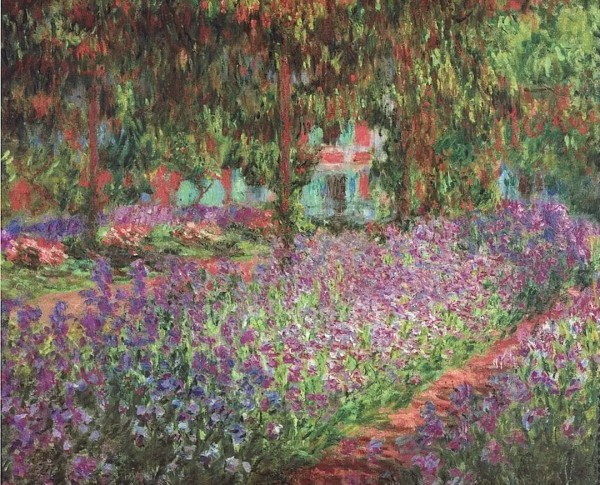
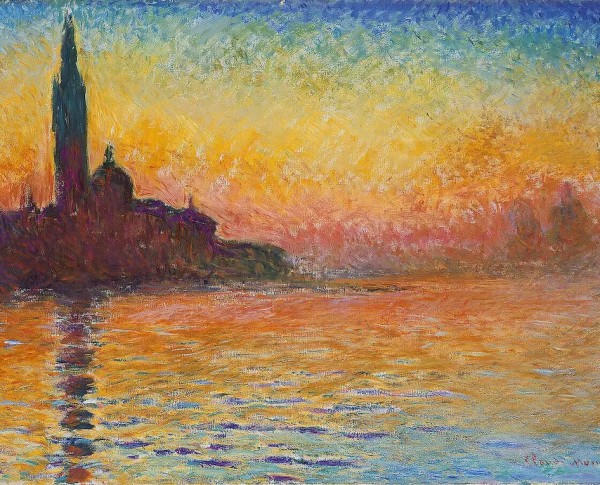
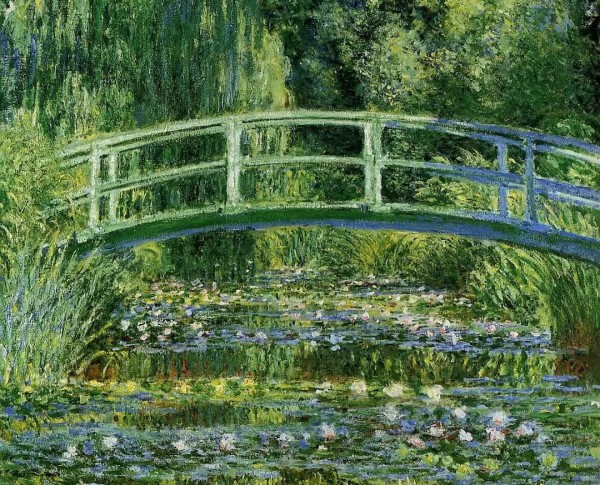
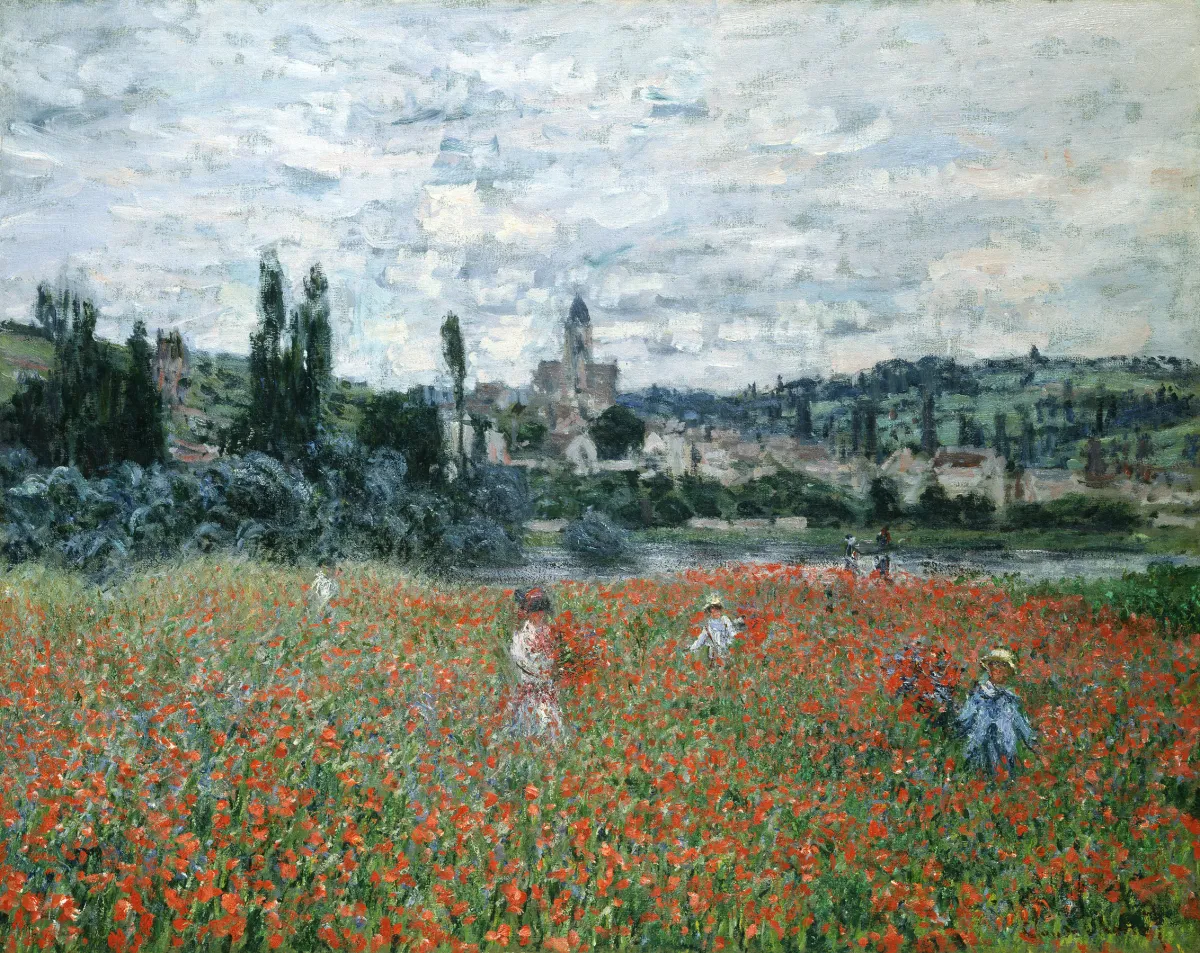
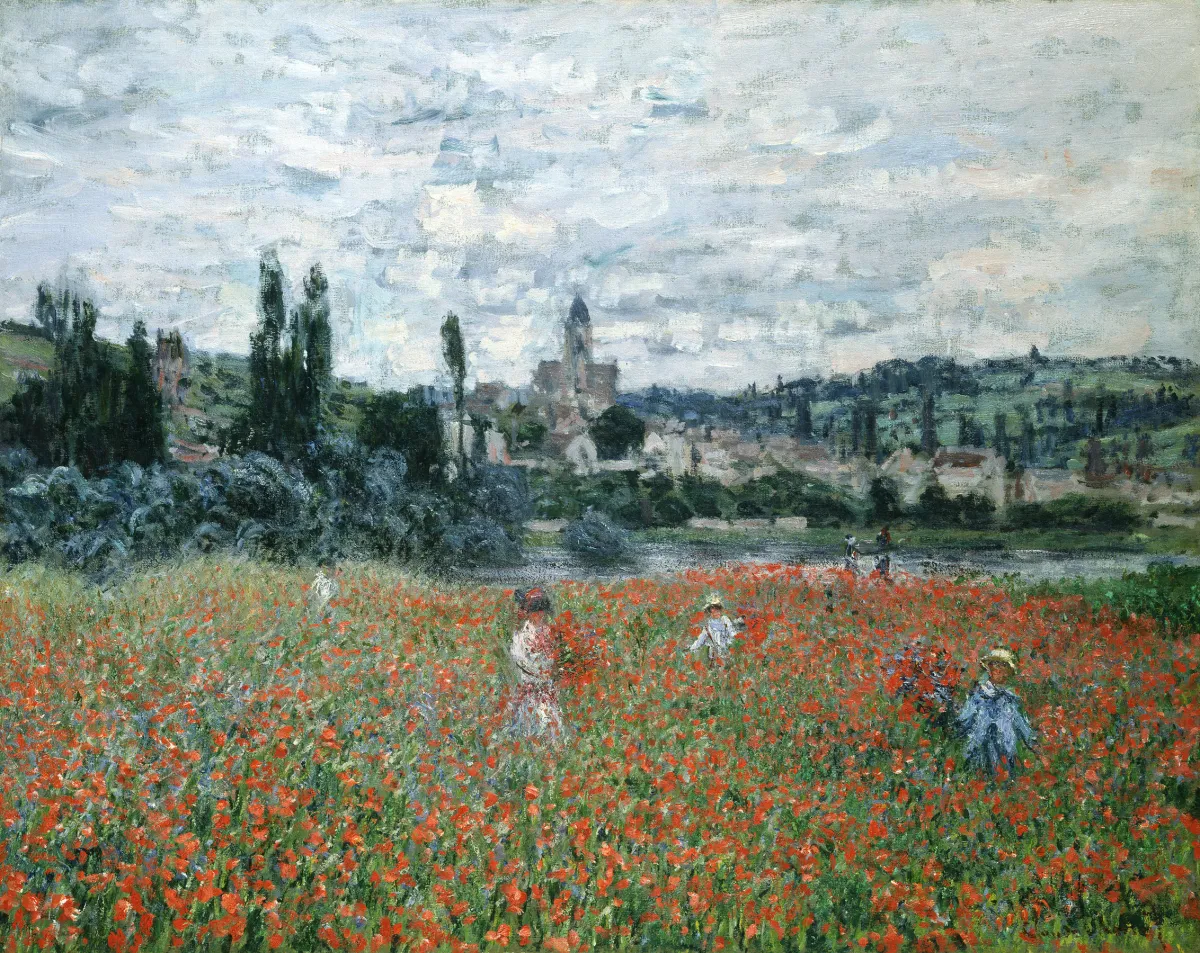
Claude Monet’s "Poppy Field near Vétheuil" exemplifies the artist’s mastery of oil on canvas, with every brushstroke breathing life into the landscape. The interplay of light and color is quintessential Impressionism, showcasing Monet’s skill at capturing fleeting moments. This painting, along with "The Road from Chailly to Fontainebleau" and "Water Lily Pond," highlights Monet’s dedication to his craft and his innovative techniques that define fine art from this celebrated era.
In "Poppy Field near Vétheuil," Monet uses vibrant reds and lush greens to symbolize renewal and the beauty of everyday life. The painting’s composition invites viewers to wander through the fields, experiencing the serenity and movement that Impressionism is known for. As a fine art painting for sale, it resonates with collectors seeking deeper meaning. Similar works like "Woman in the Garden" and "Seacoast at Saint-Adresse" also reveal Monet’s narrative artistry and symbolic depth.
Owning "Poppy Field near Vétheuil" is a privilege for any art enthusiast, as this piece represents the pinnacle of Impressionist achievement. Claude Monet’s vision, rendered exquisitely in oil on canvas, ensures lasting value and aesthetic pleasure. As a fine art painting for sale, it pairs beautifully with other Monet classics such as "Sunset" or "Water Lily Pond," making it an essential addition to a distinguished collection of Impressionist masterpieces.
When Art Meets History
"Poppy Field near Vétheuil" by Claude Monet stands as a testament to the vibrant era of Impressionism. Painted during Monet's prolific years, this hand-painted oil painting captures the rural beauty of Vétheuil, intertwining art with the historical backdrop of late 19th-century France. Like related works such as "Paris Street - Rainy Weather 1877" and "Vue de toits," Monet’s piece reflects both the changing landscape and the evolving artistic movement that redefined fine art.
Techniques That Speak
Monet’s mastery of oil on canvas is evident in "Poppy Field near Vétheuil," where rapid brushstrokes and a luminous palette create an immersive landscape. The Impressionist technique, also seen in "Two Sisters Aka On The Terrace," celebrates light, movement, and fleeting moments. Through layered textures and bold color choices, Monet’s approach in this oil on canvas piece invites viewers to experience the scene as if standing amidst the poppies themselves.
Emotions on Display
In "Poppy Field near Vétheuil," Monet evokes a sense of tranquility and wonder, hallmark emotions of the Impressionism movement. The scene’s gentle hues and soft contours stir nostalgia and joy, similar to the feelings found in "After a Bath. Woman Drying the Back of her Neck" and "Ambroise Vollard." This fine art painting for sale allows collectors and art lovers alike to bring a piece of Monet’s emotional landscape into their own spaces.
Coveted by Collectors
Claude Monet’s "Poppy Field near Vétheuil" remains highly sought after in the world of fine art painting for sale. Collectors value its historical significance and the artist’s innovative Impressionist vision. Alongside masterpieces like "Paris Street - Rainy Weather 1877" and "Two Sisters Aka On The Terrace," this painting exemplifies Monet’s enduring appeal, making it a prized addition for those seeking to own a genuine piece of art history.
Related Impressionism Hand-Painted Oil Paintings by Other Artists
Other Famous Impressionism Artists:
Frequently Asked Questions About Poppy Field near Vétheuil
What is the historical context of "Poppy Field near Vétheuil"?
"Poppy Field near Vétheuil" was painted in 1880, during a period when Claude Monet was deeply engaged in exploring the effects of light and color in nature. This era was significant for the Impressionist movement, which sought to capture fleeting moments and the beauty of the natural world.
What techniques did Monet use in this painting?
Monet employed loose brushwork and a vibrant color palette to convey the movement of the poppies in the wind and the shimmering light of the sun. His technique of layering colors and using short strokes is characteristic of his Impressionist style.
What is the significance of the poppies in the painting?
The poppies symbolize beauty and transience, reflecting the fleeting nature of life. Monet's choice to depict these flowers in a field suggests a celebration of nature's ephemeral qualities, which was a central theme in his work.
Where was "Poppy Field near Vétheuil" painted?
The painting was created in Vétheuil, a village along the Seine River in France. This location was significant for Monet, as he often painted the landscapes surrounding his home there, capturing the essence of the French countryside.
How does "Poppy Field near Vétheuil" reflect Impressionist principles?
This artwork exemplifies Impressionist principles through its focus on light, color, and the depiction of everyday scenes. Monet's emphasis on capturing the momentary effects of sunlight on the landscape aligns with the movement's goal of portraying the world as it is experienced.
What emotions does the painting evoke?
The vibrant colors and lively composition evoke feelings of joy and tranquility. The idyllic scene invites viewers to appreciate the beauty of nature, encouraging a sense of peace and reflection.
What role did Vétheuil play in Monet's artistic development?
Vétheuil was a crucial location for Monet, as it provided him with a rich landscape to explore his artistic ideas. The village's scenic beauty inspired many of his works and allowed him to experiment with light and color in new ways.
How does this painting compare to Monet's other works?
"Poppy Field near Vétheuil" shares similarities with other works from Monet's oeuvre, particularly in its focus on natural landscapes and the use of vibrant colors. However, it stands out for its dynamic composition and the specific portrayal of poppies, which are less common in his other paintings.
What influence did "Poppy Field near Vétheuil" have on later artists?
The painting has influenced numerous artists by showcasing the potential of color and light in landscape painting. Its innovative approach to capturing the essence of nature has inspired generations of artists within and beyond the Impressionist movement.
Is there a specific story behind the creation of this painting?
While there is no documented story behind the creation of "Poppy Field near Vétheuil," it is known that Monet was deeply inspired by the beauty of the fields surrounding his home. His passion for capturing the essence of the landscape likely drove him to create this vibrant work.






















_GFM_Painting_(1).webp)


 100% Hand-Painted: Finished in 3-6 Weeks

.png)















_(1).webp)