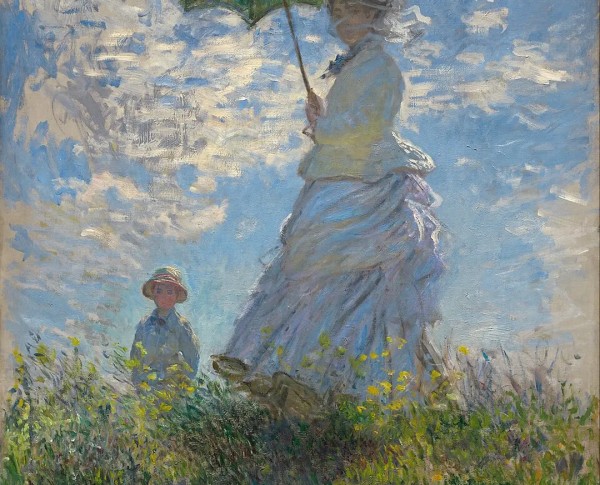
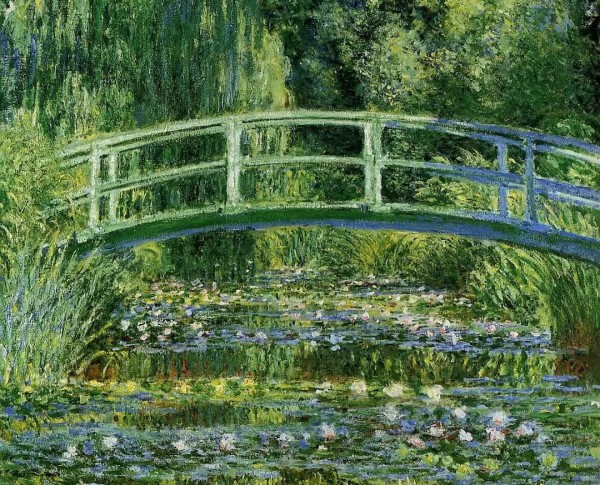
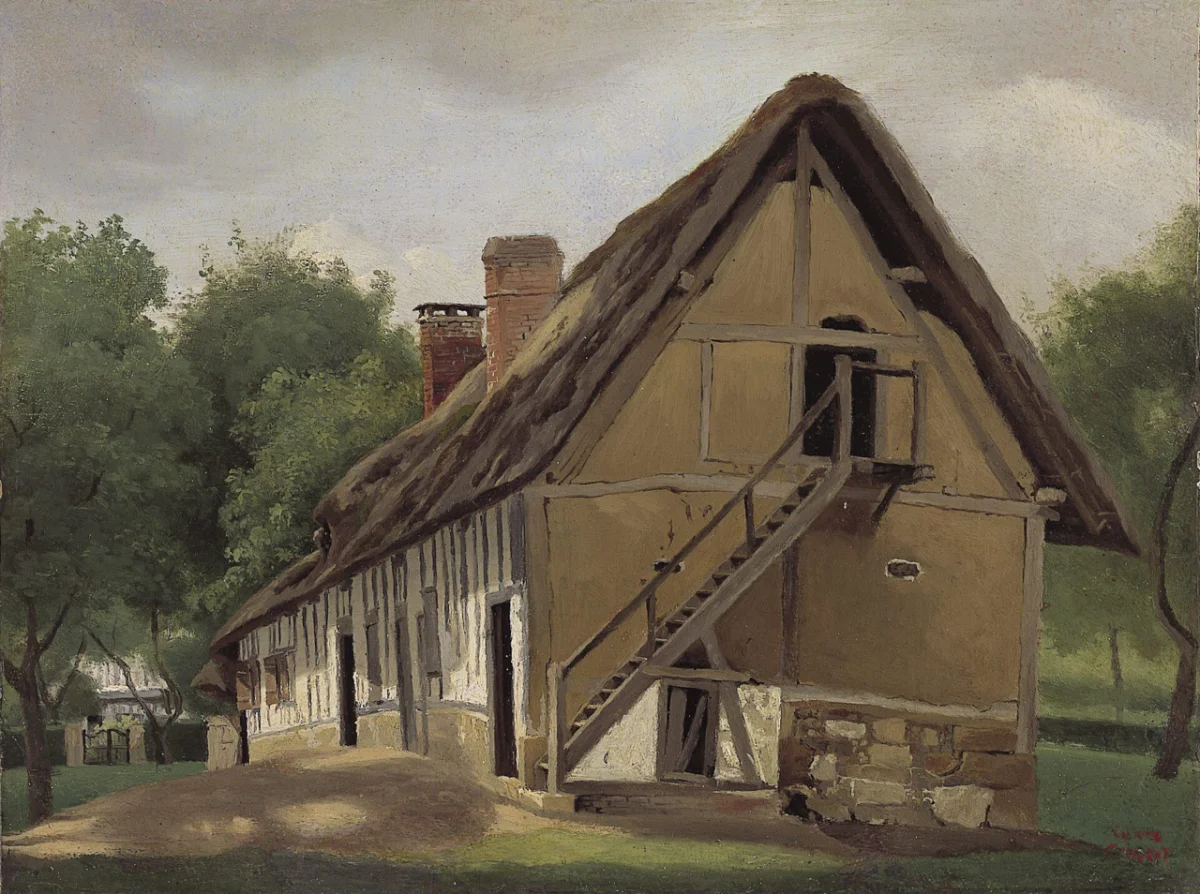
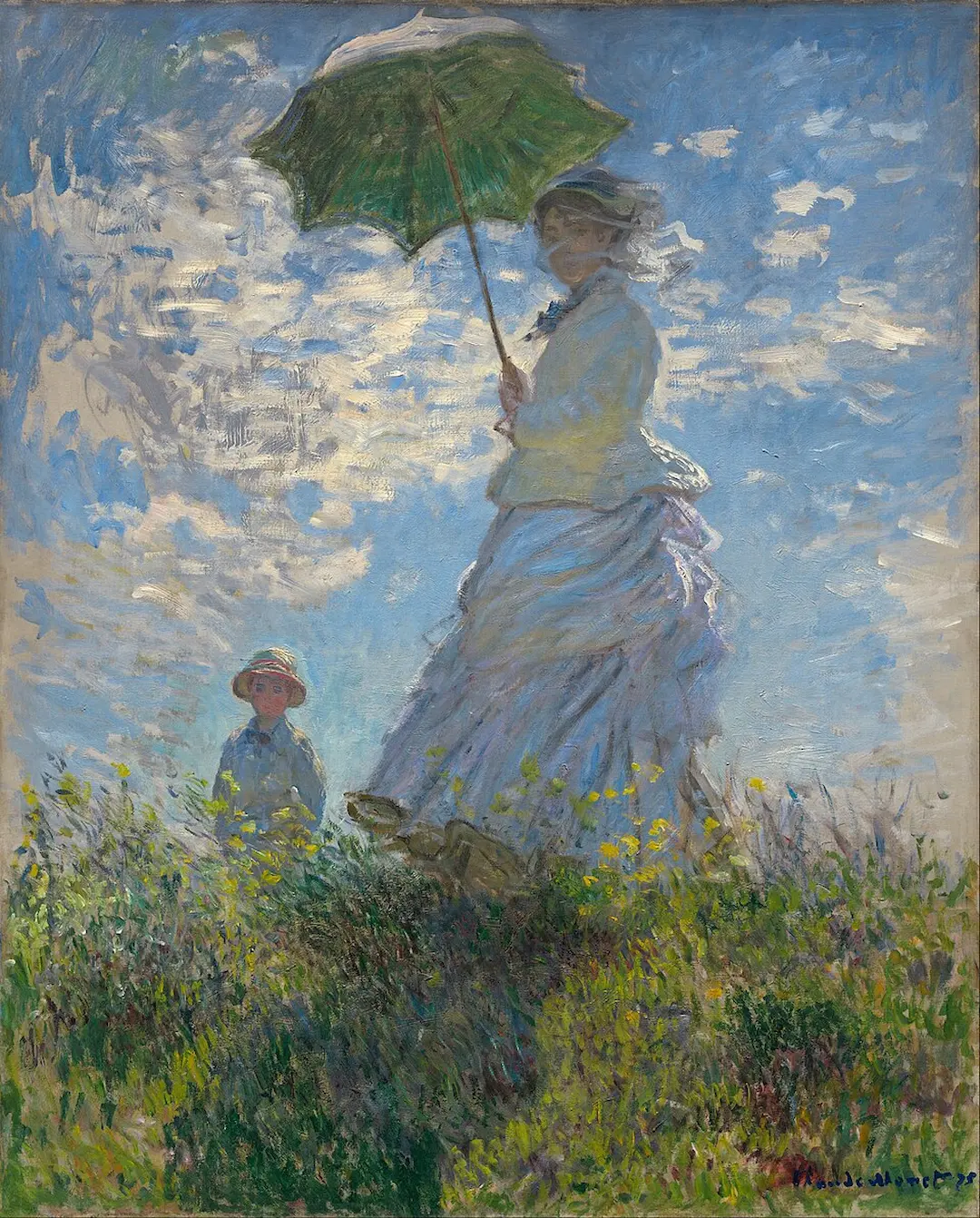
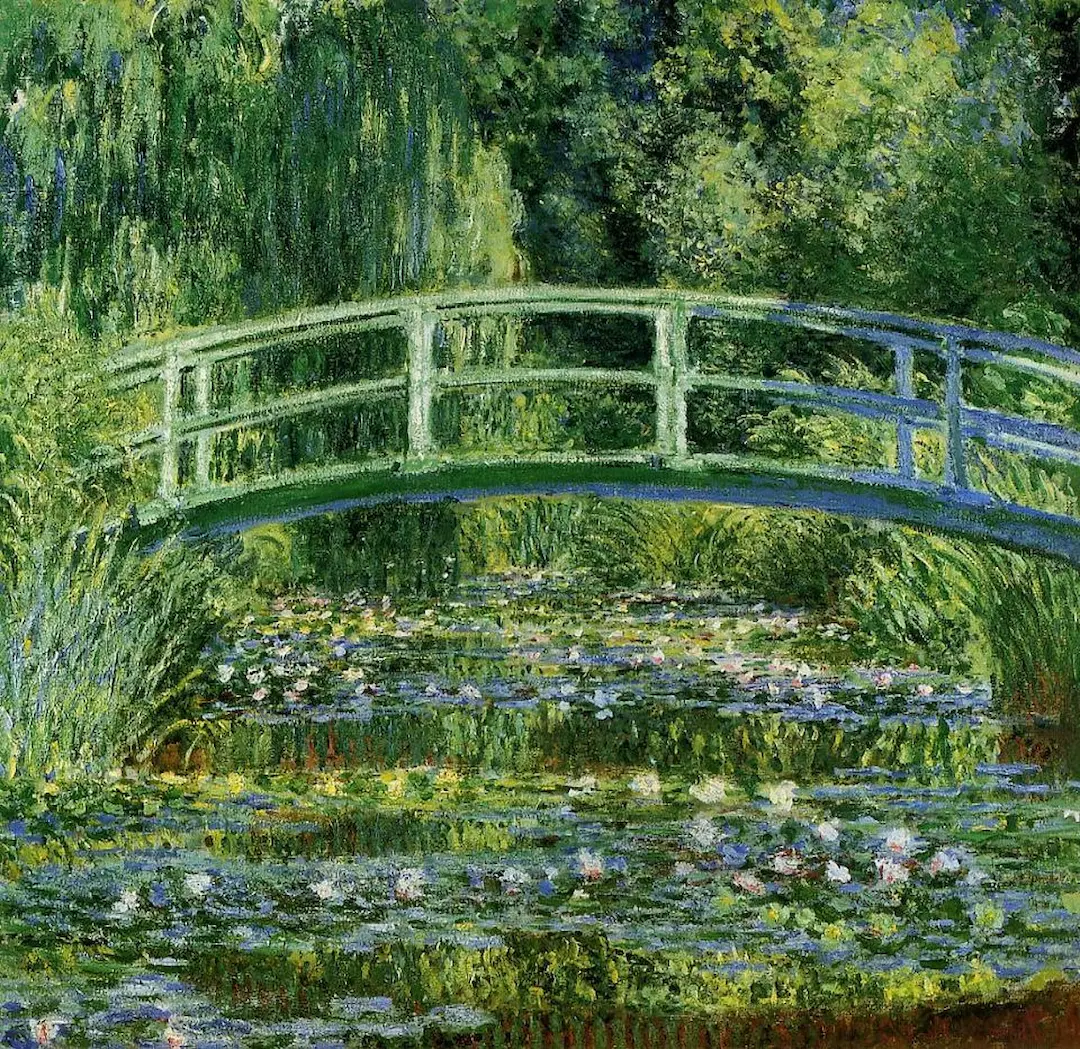
Monet’s technique in "Farm near Honfleur" reveals his innovative approach to oil on canvas. Every brushstroke exemplifies the fleeting light and atmospheric effects characteristic of the Impressionism movement. Monet’s craftsmanship in this piece echoes through related works such as "The Walk Woman With A Parasol" and "Water Lily Pond." The painting’s vibrant colors and textured surfaces showcase why Monet remains a master of oil on canvas artistry.
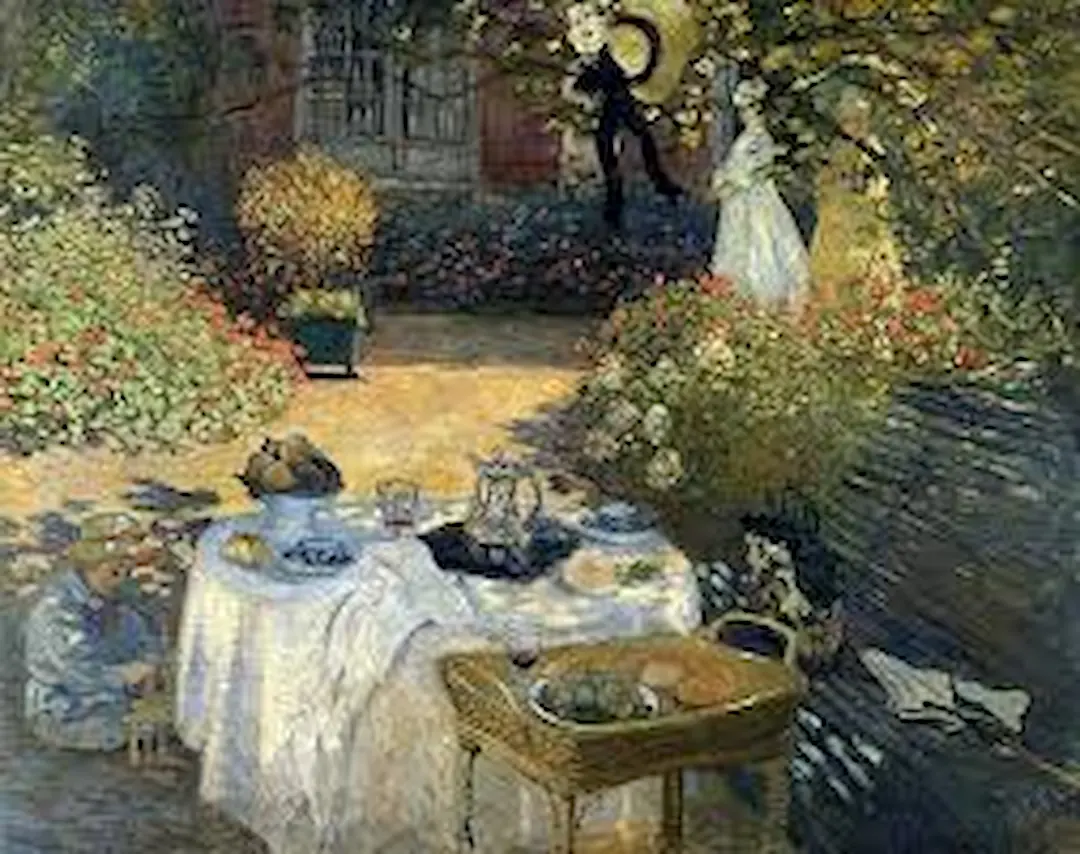
Within "Farm near Honfleur," Claude Monet weaves subtle stories of everyday rural life, using light and landscape as expressive tools. This fine art painting for sale resonates with themes also found in Monet’s "The Luncheon (Monet’s Garden At Argenteuil)" and "Camille," inviting viewers to interpret the emotions and symbolism behind each scene. The painting’s gentle ambiance and evocative imagery are hallmarks of the Impressionism movement’s narrative depth.
For collectors, "Farm near Honfleur" represents a remarkable hand-painted oil painting by Claude Monet, embodying the spirit of Impressionism. Its historical significance and exquisite technique make it a prized addition alongside related masterpieces like "Woman in the Garden" and "Camille." Owning such a work offers a unique opportunity to experience Monet’s vision firsthand, making it a highly desirable fine art painting for sale in today’s art market.
When Art Meets History
"Farm near Honfleur" by Claude Monet stands as a remarkable hand-painted oil painting from the Impressionism movement, capturing rural France with vivid authenticity. Created during a pivotal era, this masterpiece reflects Monet’s dedication to portraying everyday life. Like his contemporaries who painted works such as "A Girl with a Watering Can" and "Paris Street - Rainy Weather 1877," Monet immortalized fleeting moments, making "Farm near Honfleur" an essential part of art history and a testament to Impressionist ideals.
Techniques That Speak
Monet’s technique in "Farm near Honfleur" exemplifies the Impressionist approach, utilizing oil on canvas to achieve delicate brushwork and luminous color. Through rapid, visible strokes, Monet captured the shifting light and atmosphere of the countryside, a hallmark of the movement. This method connects his work to related paintings like "Girls At The Piano2" and "Umbrellas," where artists also explored new ways of seeing and representing the world with vibrant, expressive applications of paint.
Emotions on Display
In "Farm near Honfleur," Claude Monet masterfully conveys a sense of tranquility and nostalgia, inviting viewers into a serene rural scene. The hand-painted oil painting radiates warmth and familiarity, evoking feelings similar to those found in "White slave trade" and "A Girl with a Watering Can." Monet’s Impressionist style allows the viewer to experience not only the physical landscape but also the emotional resonance that defines much of his celebrated body of work.
Coveted by Collectors
As a fine art painting for sale, "Farm near Honfleur" continues to captivate collectors worldwide, much like Monet’s other celebrated works from the Impressionism movement. The painting’s historical significance and artistic mastery ensure its desirability among enthusiasts of oil on canvas masterpieces. Collectors who appreciate works such as "Umbrellas" and "Girls At The Piano2" often seek out Monet’s authentic scenes, making his rural depictions highly sought after in the art market.
Related Impressionism Hand-Painted Oil Paintings by Other Artists
Other Famous Impressionism Artists:
Frequently Asked Questions About Farm near Honfleur
What is the historical context of "Farm near Honfleur"?
"Farm near Honfleur" was painted by Claude Monet in 1866, during a period when he was exploring the effects of light and color in outdoor settings. This work reflects the Impressionist movement's departure from traditional techniques and its embrace of modernity.
What artistic techniques did Monet use in this painting?
Monet employed loose brushwork and a vibrant palette to capture the ephemeral qualities of light and atmosphere. His technique of applying color in quick, short strokes allows the viewer to perceive the scene as a moment in time.
What is the significance of the location depicted in the painting?
The painting depicts a rural landscape near Honfleur, a town in Normandy, France, known for its picturesque scenery. This location was a favorite among Impressionist artists, symbolizing the beauty of nature and the simplicity of rural life.
How does "Farm near Honfleur" reflect Impressionist ideals?
The painting embodies Impressionist ideals by focusing on the effects of natural light and the transient beauty of the landscape. Monet's choice to paint en plein air (outdoors) exemplifies the movement's emphasis on capturing immediate visual impressions.
What themes are present in "Farm near Honfleur"?
The painting explores themes of nature, tranquility, and the relationship between humanity and the environment. The serene depiction of the farm suggests a harmonious coexistence with nature, a common theme in Monet's work.
What colors dominate the palette of "Farm near Honfleur"?
The palette is characterized by soft greens, blues, and earthy tones, which evoke a sense of calm and reflect the natural setting. The use of light and shadow enhances the three-dimensionality of the landscape.
How does this painting compare to Monet's other works?
"Farm near Honfleur" shares similarities with other works from Monet's early period, particularly in its focus on rural landscapes and the effects of light. However, it also marks a transition towards the more vibrant and abstract styles seen in his later masterpieces.
What impact did "Farm near Honfleur" have on the art world?
This painting contributed to the recognition of Impressionism as a legitimate art movement. It showcased Monet's innovative approach and influenced subsequent generations of artists to explore light, color, and outdoor scenes.
What symbolism can be found in "Farm near Honfleur"?
The farm itself can be seen as a symbol of rural life and the simplicity of existence, contrasting with the industrialization of the time. The peaceful landscape invites viewers to reflect on the beauty of nature and the importance of preserving it.
Where is "Farm near Honfleur" currently housed?
The painting is part of a private collection, but it has been exhibited in various prestigious galleries and museums, contributing to its legacy as an important work in the Impressionist canon.























_GFM_Painting_(1).webp)


 100% Hand-Painted: Finished in 3-6 Weeks

.png)















_(1).webp)