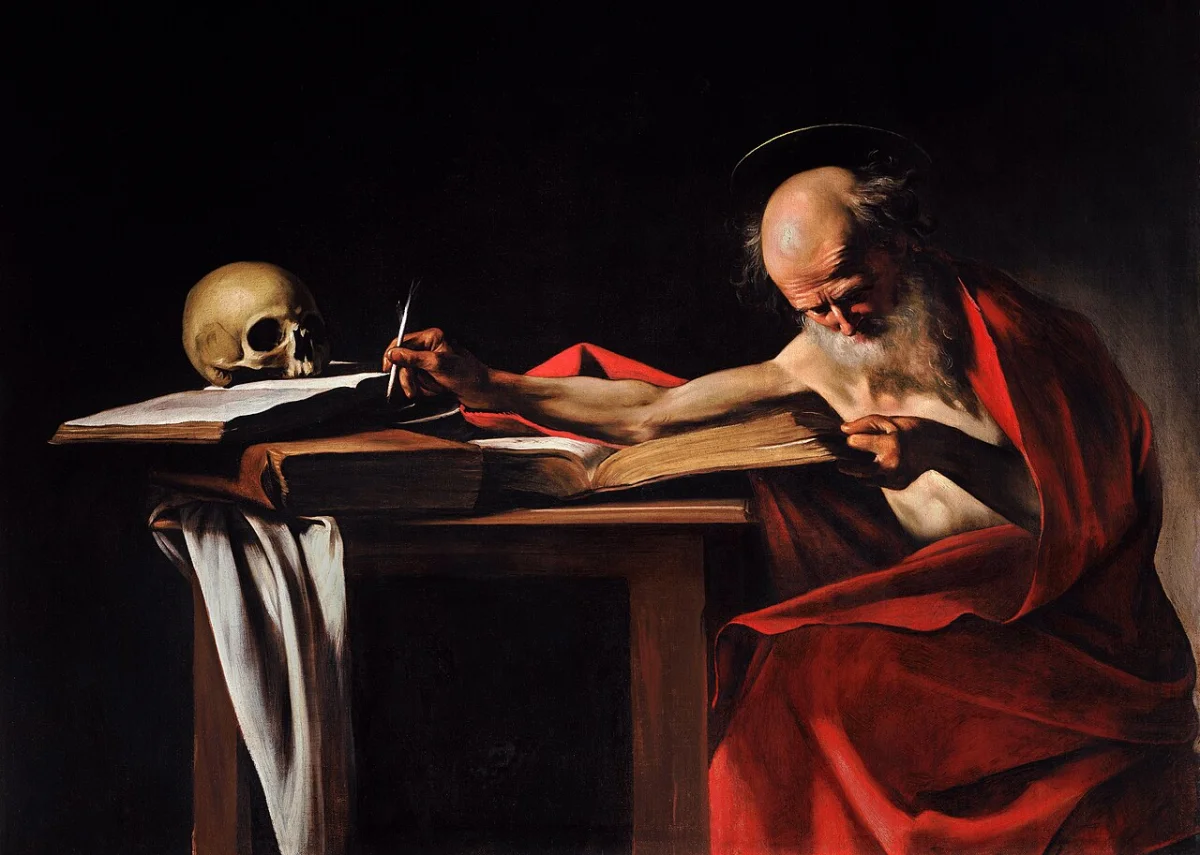
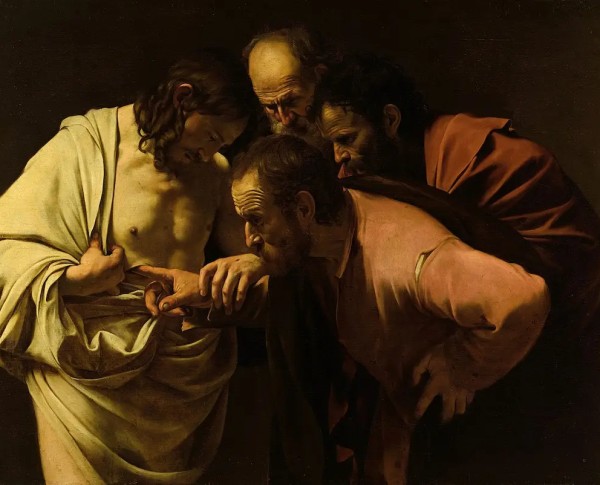
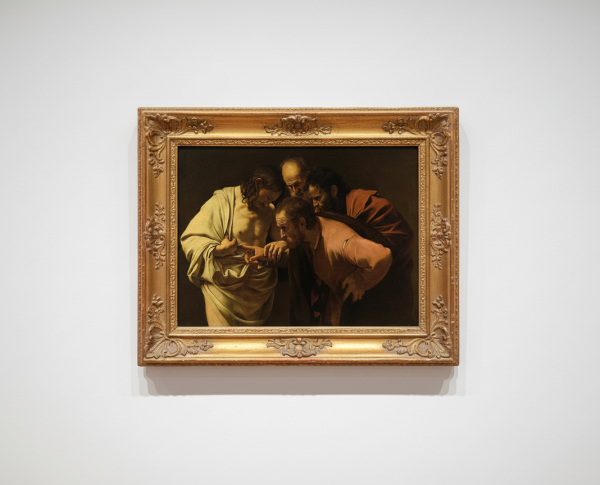
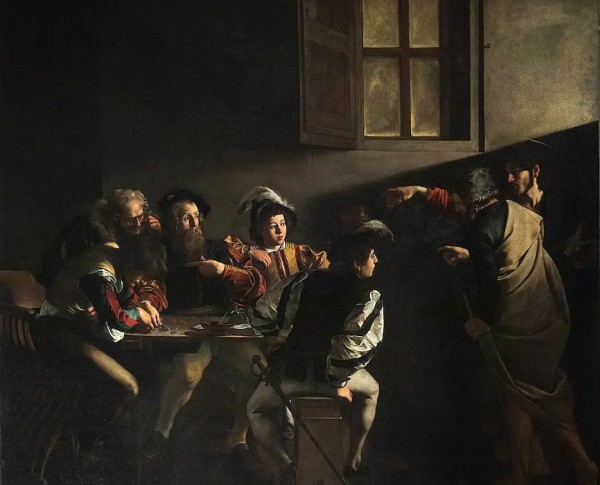
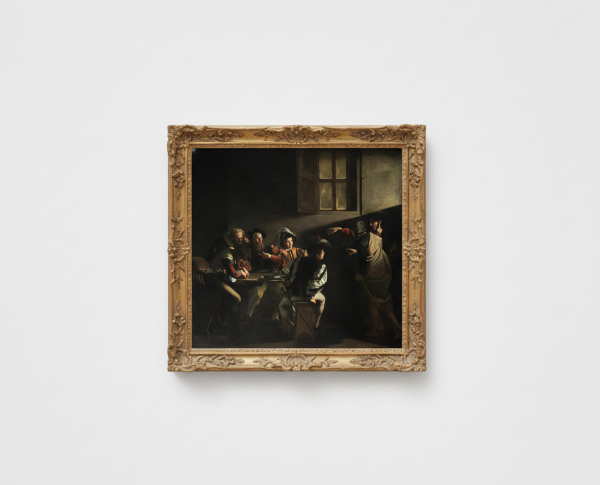
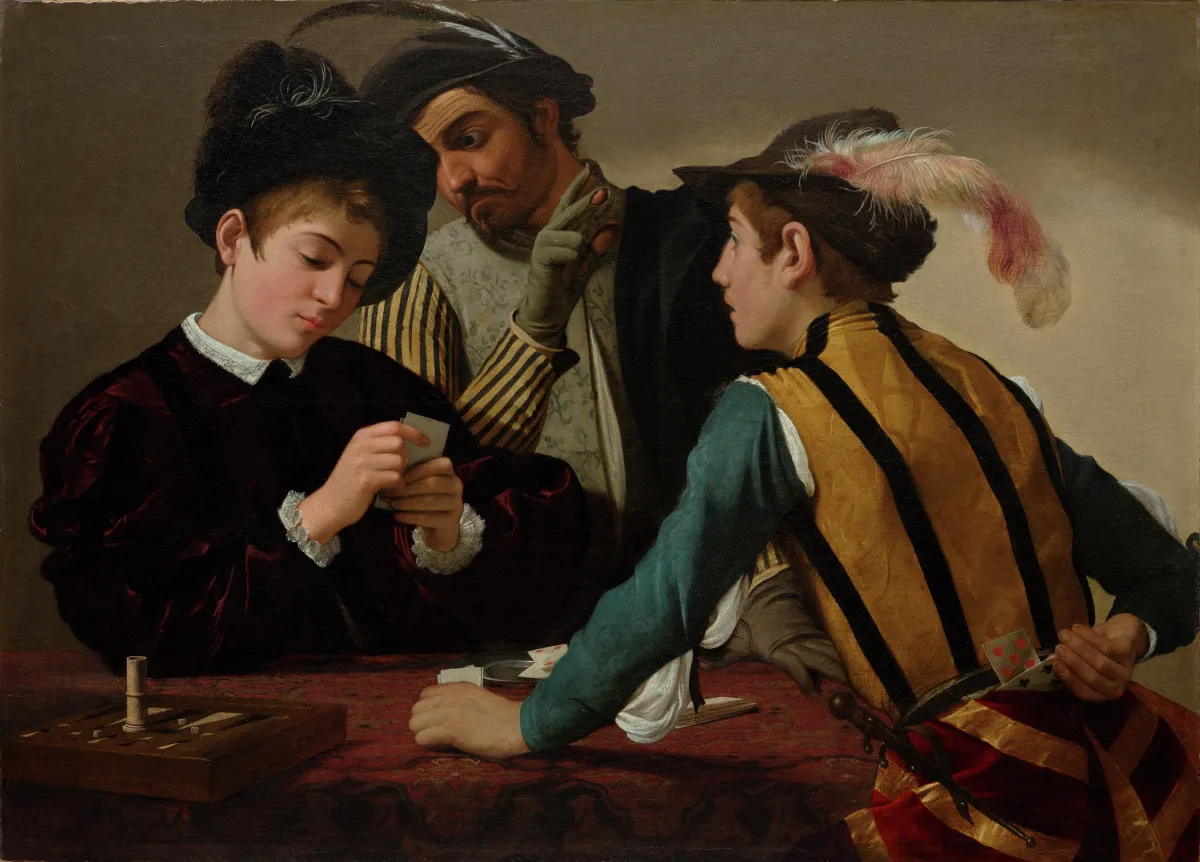
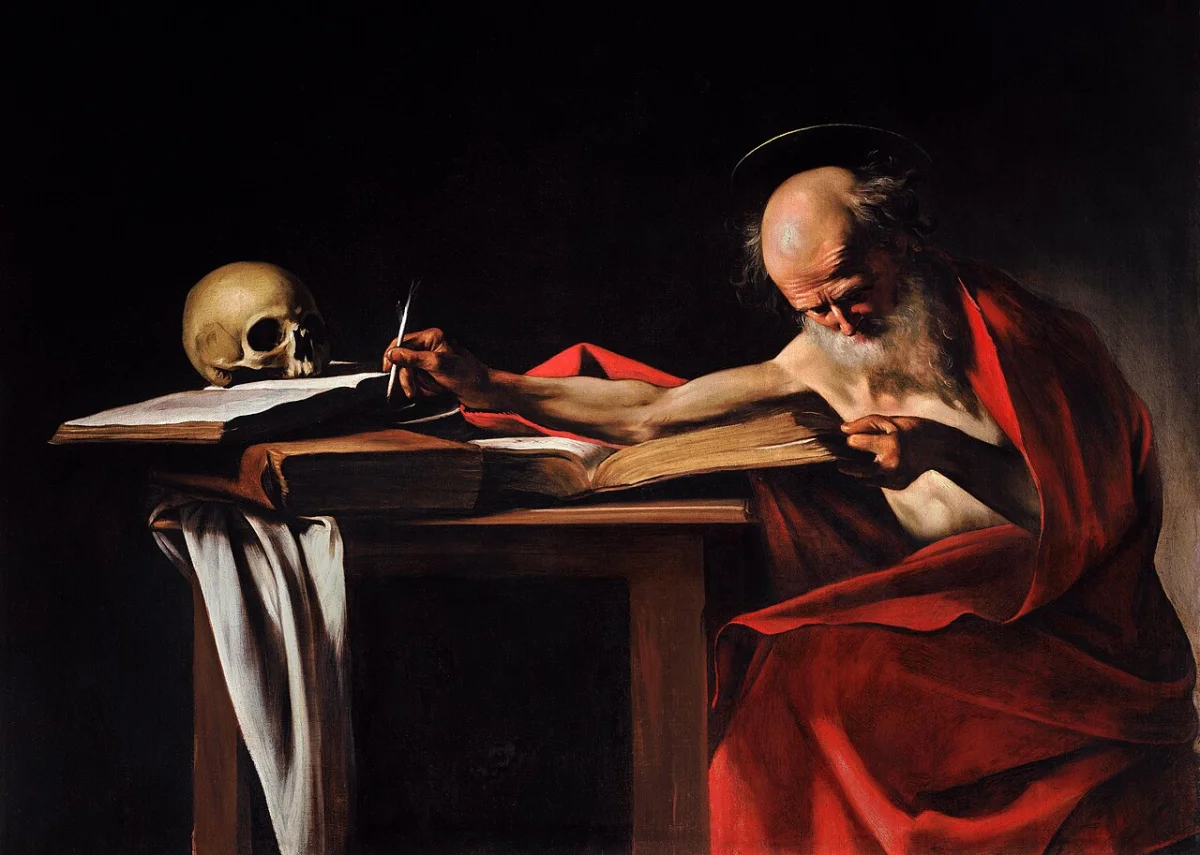
Caravaggio's "The Cardsharps" stands as a pivotal hand-painted oil painting from the Baroque movement, capturing the intrigue and drama of 16th-century life. This remarkable work not only exemplifies Caravaggio’s revolutionary use of light and shadow but also paved the way for future artists. Collectors and enthusiasts seeking a fine art painting for sale often turn to masterpieces like "The Cardsharps" or related works such as "The Musicians" and "Saint Jerome Writing."
The meticulous detail in Caravaggio’s "The Cardsharps" demonstrates his exceptional skill in oil on canvas technique, a hallmark of Baroque artistry. The painting’s lifelike figures and dramatic contrasts showcase Caravaggio’s innovative approach, which brought new depth and realism to fine art. Admirers of this work may also appreciate other masterpieces by Caravaggio, including "Boy with a Basket of Fruit" and "Medusa," each reflecting his unique mastery.
For collectors, owning a hand-painted oil painting like Caravaggio’s "The Cardsharps" is a rare opportunity to possess a piece of Baroque history. Such works not only enhance any art collection but also serve as conversation pieces due to their rich provenance and artistic value. Other sought-after paintings for acquisition include "Saint Jerome Writing" and "The Musicians," each reflecting Caravaggio’s enduring influence in the world of fine art.
When Art Meets History
Caravaggio’s "The Cardsharps," a masterpiece of the Baroque movement, captures a moment of deception and intrigue, reflecting the complexities of 16th-century society. This hand-painted oil painting stands alongside works like "Apparition of Jesus Child to St Anthony of Padua" and "Mother Combing the Hair of Her Child," highlighting Caravaggio’s ability to blend narrative with realism. The painting’s historical context and vivid storytelling make it a pivotal piece in the evolution of Baroque art.
Techniques That Speak
Renowned for his mastery of oil on canvas, Caravaggio employs dramatic lighting and precise detail in "The Cardsharps." His innovative use of chiaroscuro creates depth and intensity, drawing the viewer into the scene. This technique, also seen in "Portrait of Fra Zumel Francisco" and "Portrait of Charles II," distinguishes Caravaggio among Baroque painters. The interplay of shadows and light in this oil on canvas work demonstrates the artist’s unparalleled technical prowess.
Emotions on Display
"The Cardsharps" is more than a mere depiction of a card game; it is a study of human emotion and psychology. Caravaggio’s fine art painting for sale reveals the tension, cunning, and naivety of its characters, embodying the emotional drama characteristic of Baroque masterpieces. Similar emotional depth can be observed in "Meditation of St Francis" and other works by Caravaggio, making his paintings resonate deeply with audiences across centuries.
Coveted by Collectors
As one of Caravaggio’s most renowned pieces, "The Cardsharps" is highly sought after by art collectors worldwide. This hand-painted oil painting has inspired admiration and competition among collectors, much like his other celebrated works. The enduring appeal of this Baroque masterpiece ensures that any fine art painting for sale by Caravaggio, including related paintings, remains a prized possession in prestigious collections and galleries around the globe.
Related Baroque Hand-Painted Oil Paintings by Other Artists
Other Famous Baroque Artists:
Frequently Asked Questions About The Cardsharps
What is the historical context of "The Cardsharps"?
"The Cardsharps" was painted by Caravaggio around 1594, during the late Renaissance period in Italy. This was a time characterized by dramatic shifts in artistic expression, with a focus on realism and emotional depth, which Caravaggio exemplified in his work.
What techniques did Caravaggio use in "The Cardsharps"?
Caravaggio employed chiaroscuro, a technique that uses strong contrasts between light and dark to create a sense of volume and depth. This is evident in the way he highlights the faces and hands of the figures, drawing the viewer's attention to their expressions and actions.
What is the significance of the characters depicted in the painting?
The characters in "The Cardsharps" represent archetypes of deception and manipulation. The young man, who appears naive, is being duped by the older cardsharp, symbolizing the theme of innocence corrupted by vice.
How does "The Cardsharps" reflect Caravaggio's style?
This painting exemplifies Caravaggio's signature style of realism and dramatic storytelling. His use of everyday subjects and naturalistic details, combined with a theatrical composition, invites viewers into the narrative, making it both relatable and engaging.
What are the symbolic elements present in "The Cardsharps"?
The cards themselves symbolize chance and fate, while the act of gambling represents moral ambiguity. The tension between the players highlights themes of trust and betrayal, inviting viewers to reflect on the nature of human relationships.
What role does light play in "The Cardsharps"?
Light serves as a crucial element in "The Cardsharps," illuminating the central figures while casting shadows that enhance the drama of the scene. This manipulation of light not only emphasizes the emotional intensity but also guides the viewer's eye through the composition.
How does "The Cardsharps" compare to other works by Caravaggio?
Compared to other works by Caravaggio, "The Cardsharps" showcases his early exploration of genre scenes, focusing on everyday life rather than religious subjects. It shares thematic similarities with his later works, such as the exploration of moral dilemmas and the human condition.
What influence did "The Cardsharps" have on later artists?
"The Cardsharps" had a profound influence on the Baroque movement and subsequent artists, inspiring them to adopt Caravaggio's dramatic use of light and shadow, as well as his focus on realism and psychological depth in their own works.
What is the current location of "The Cardsharps"?
"The Cardsharps" is housed in the Kimbell Art Museum in Fort Worth, Texas. It remains a significant piece in the museum's collection, celebrated for its artistic merit and historical importance.
What can viewers learn from "The Cardsharps"?
Viewers can learn about the complexities of human interactions, the consequences of deceit, and the moral choices individuals face. The painting serves as a timeless reminder of the darker aspects of human nature and the allure of temptation.























_GFM_Painting_(1).webp)


 100% Hand-Painted: Finished in 3-6 Weeks

.png)
















_(1).webp)