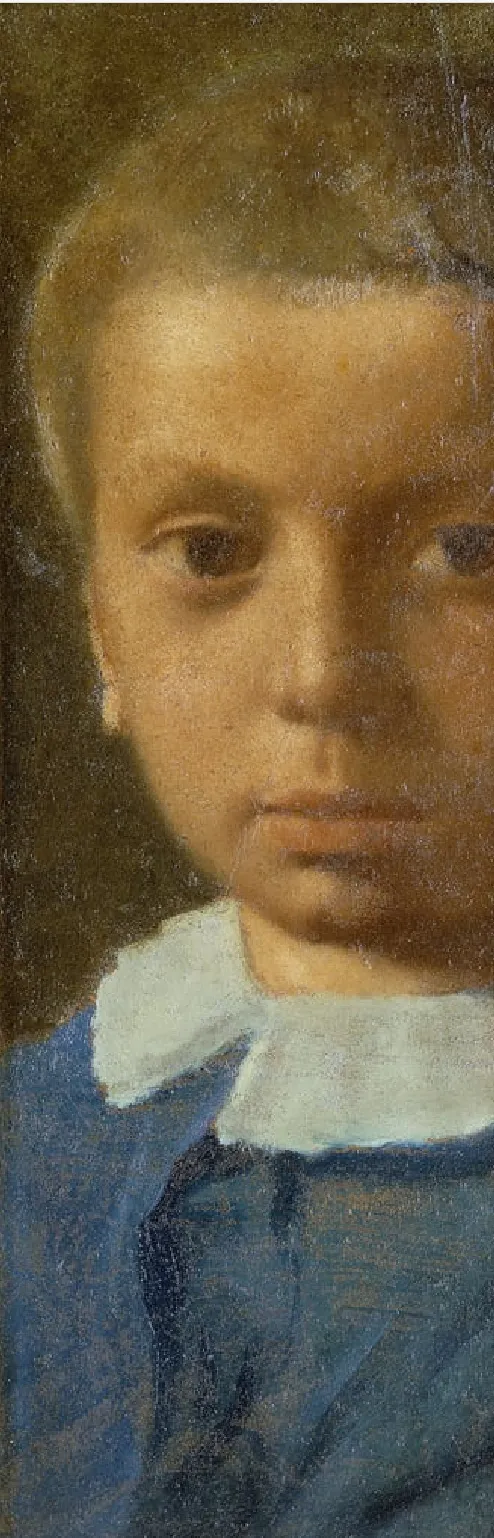
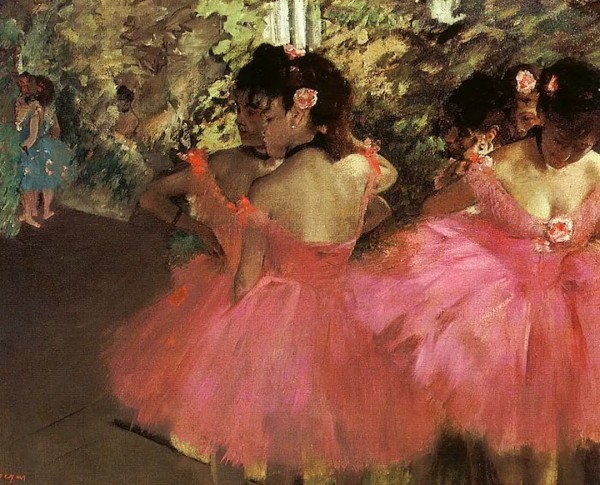
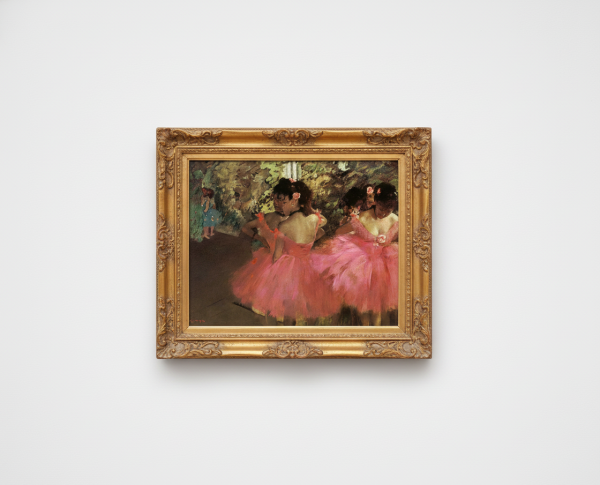
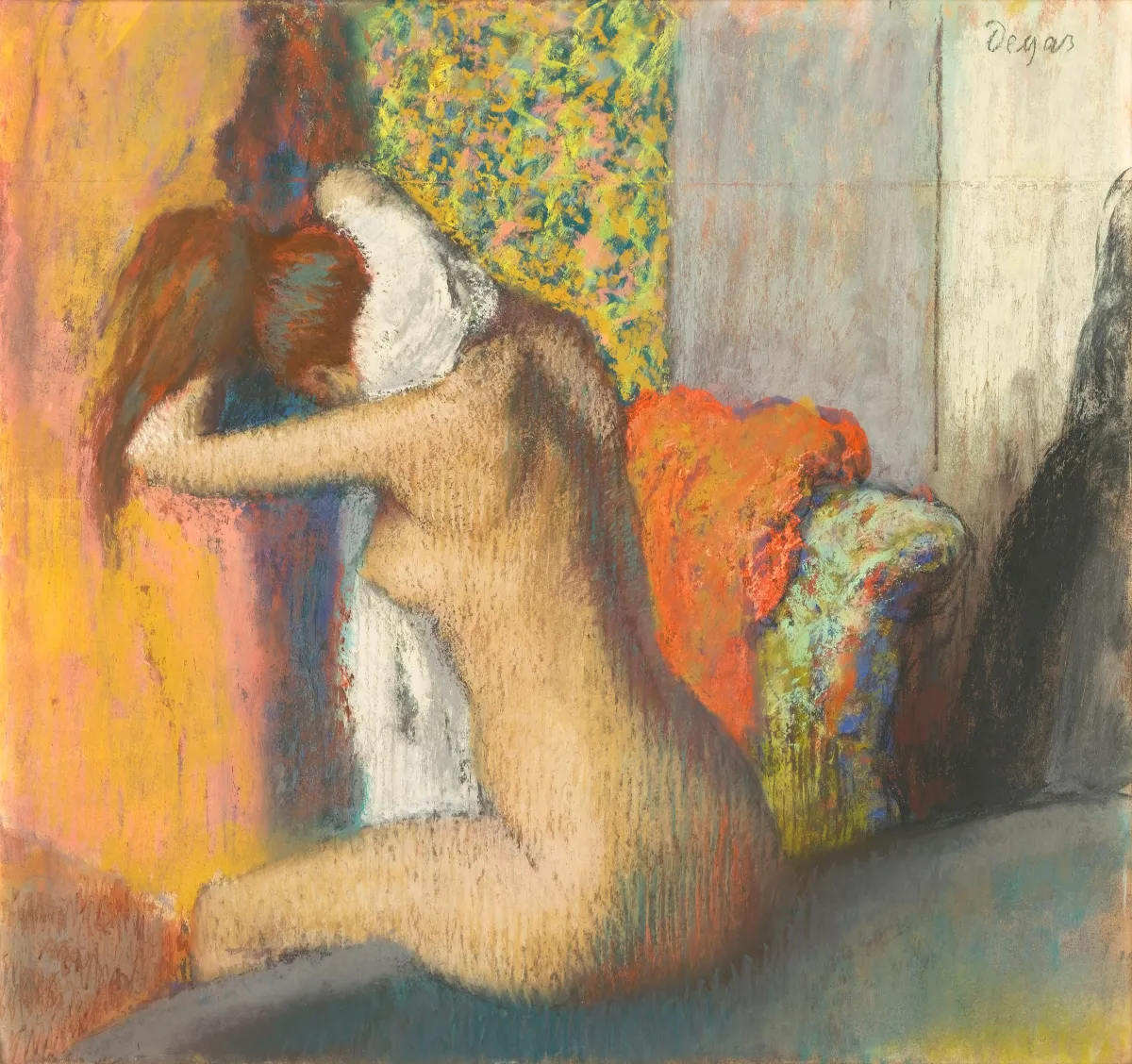
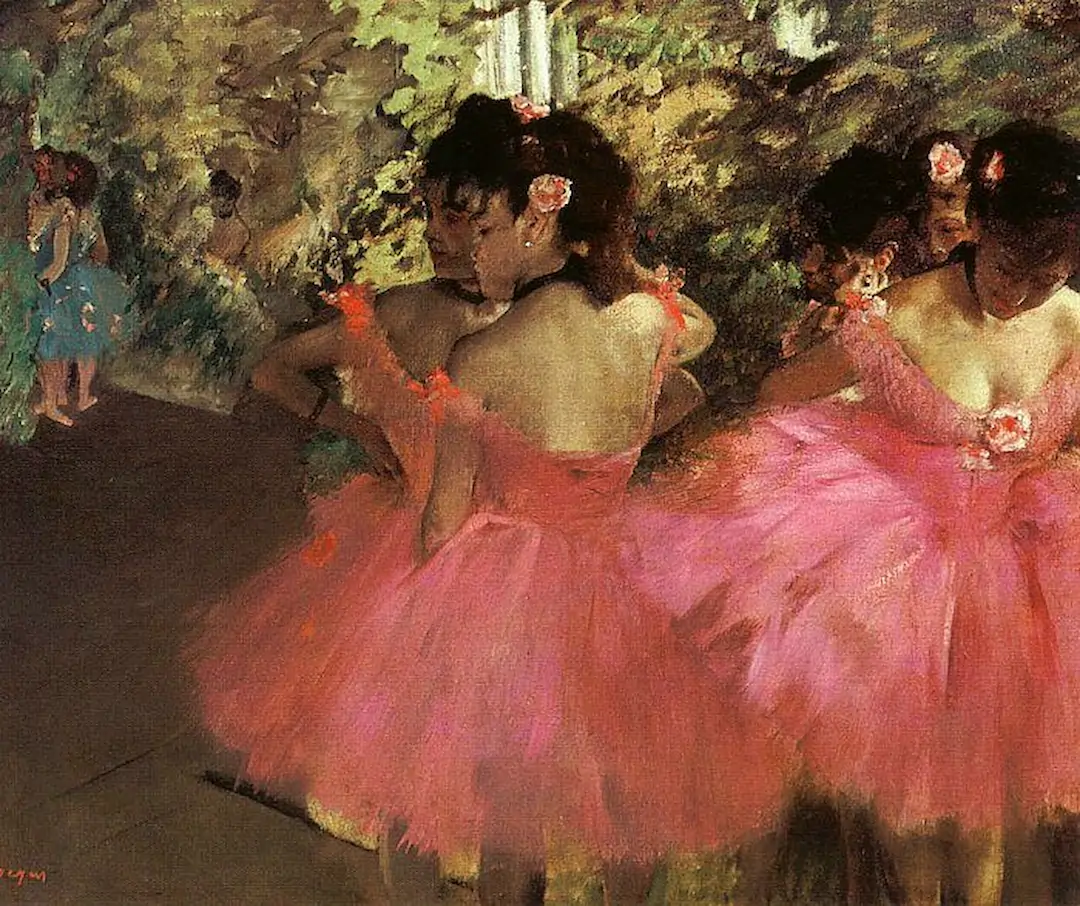
Degas’s expert use of oil on canvas in "After a Bath. Woman Drying the Back of her Neck." reveals his celebrated technique and unique perspective on the human form. This piece, like his works "Racehorses at Longchamp" and "Dancers In Pink," demonstrates his commitment to capturing movement and light. The painting’s textured brushstrokes and soft palette are hallmarks of Impressionism, showcasing why Degas remains a pivotal figure in the evolution of fine art painting for sale.
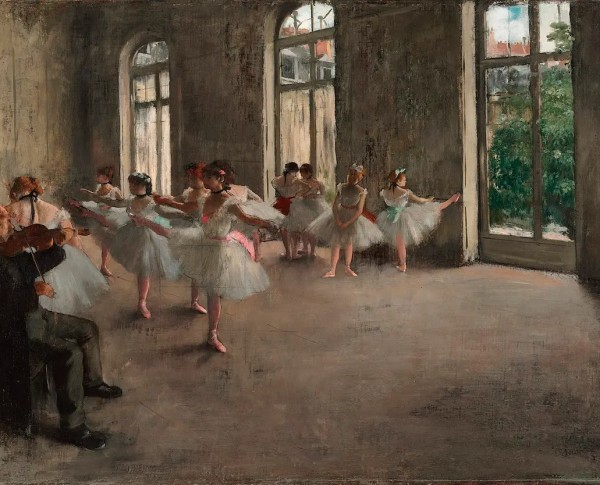
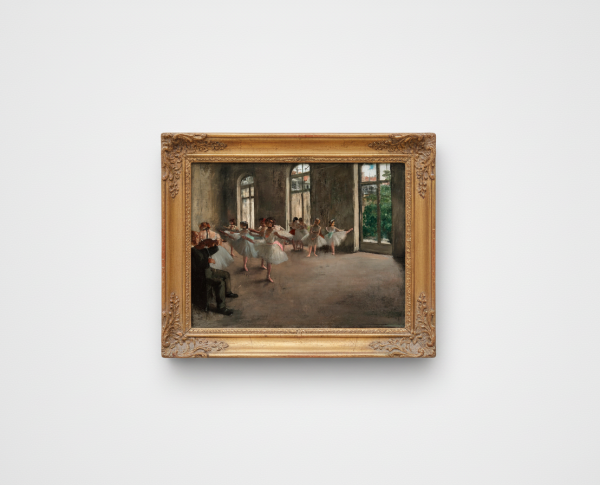
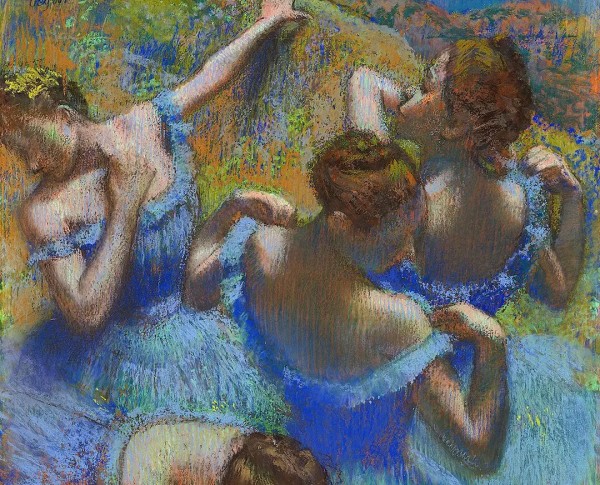
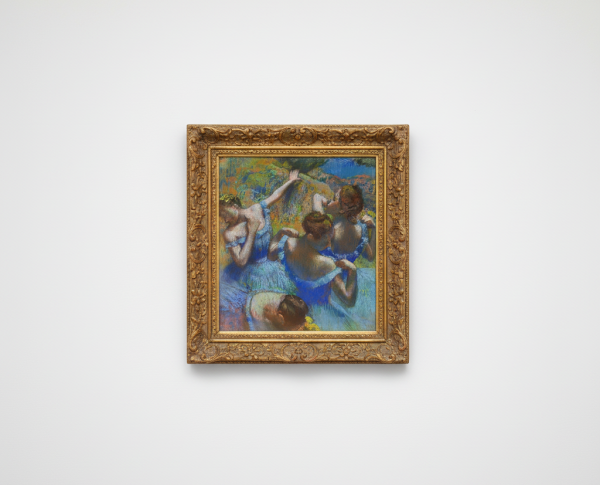
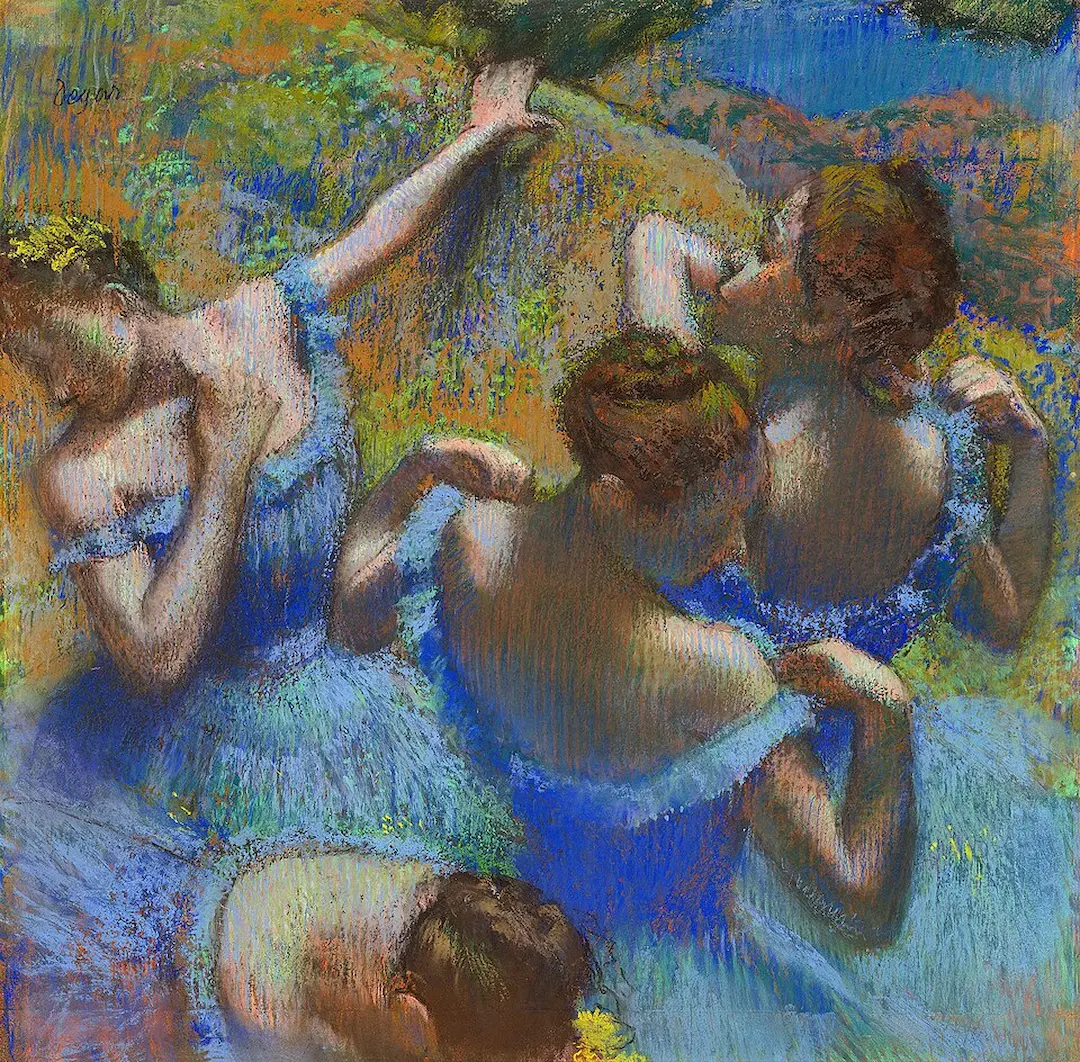
Every element in "After a Bath. Woman Drying the Back of her Neck." tells a story, from the woman’s delicate posture to the subtle interplay of light and shadow. Edgar Degas imbued his hand-painted oil paintings with layers of meaning, inviting viewers to contemplate the quiet moments of daily life. Collectors often seek related works such as "Ballet Rehearsal, 1873," and "Blue Dancers, c.1899" to complement this evocative piece and deepen their appreciation of Impressionism.
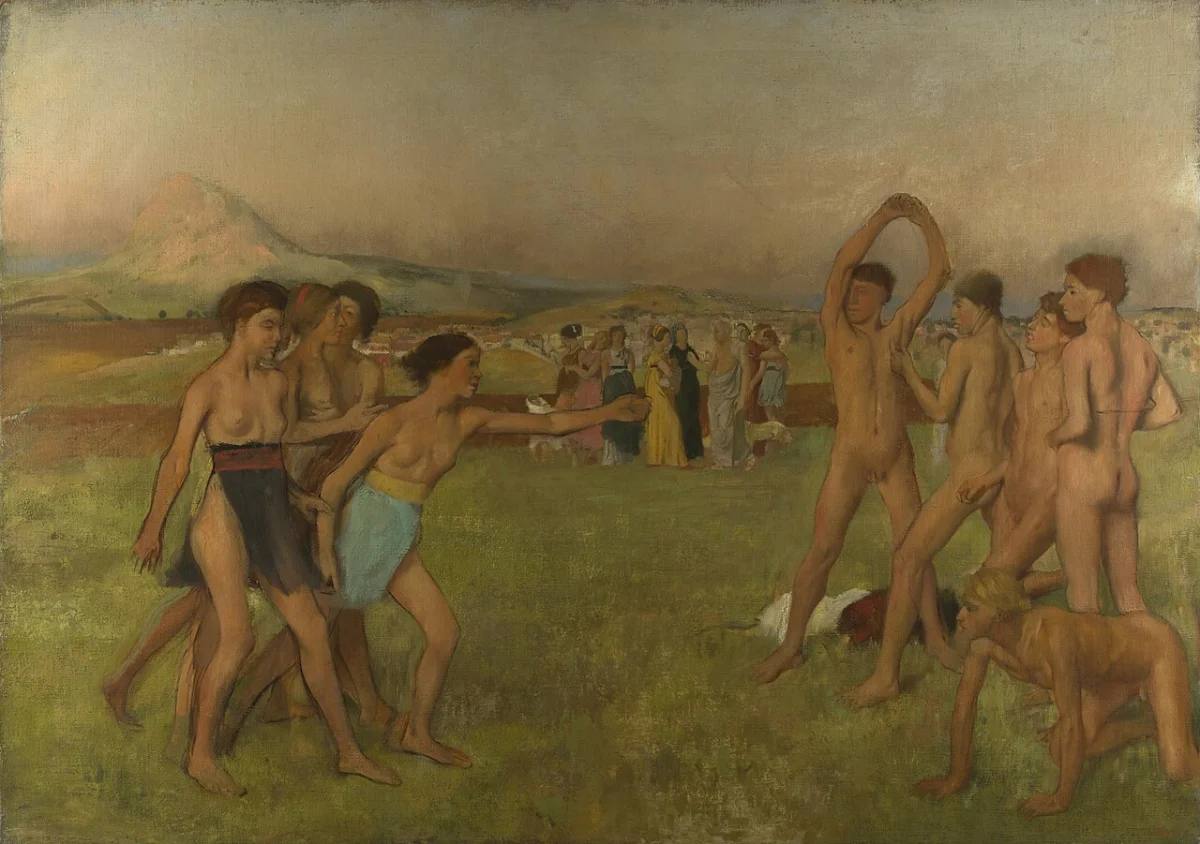
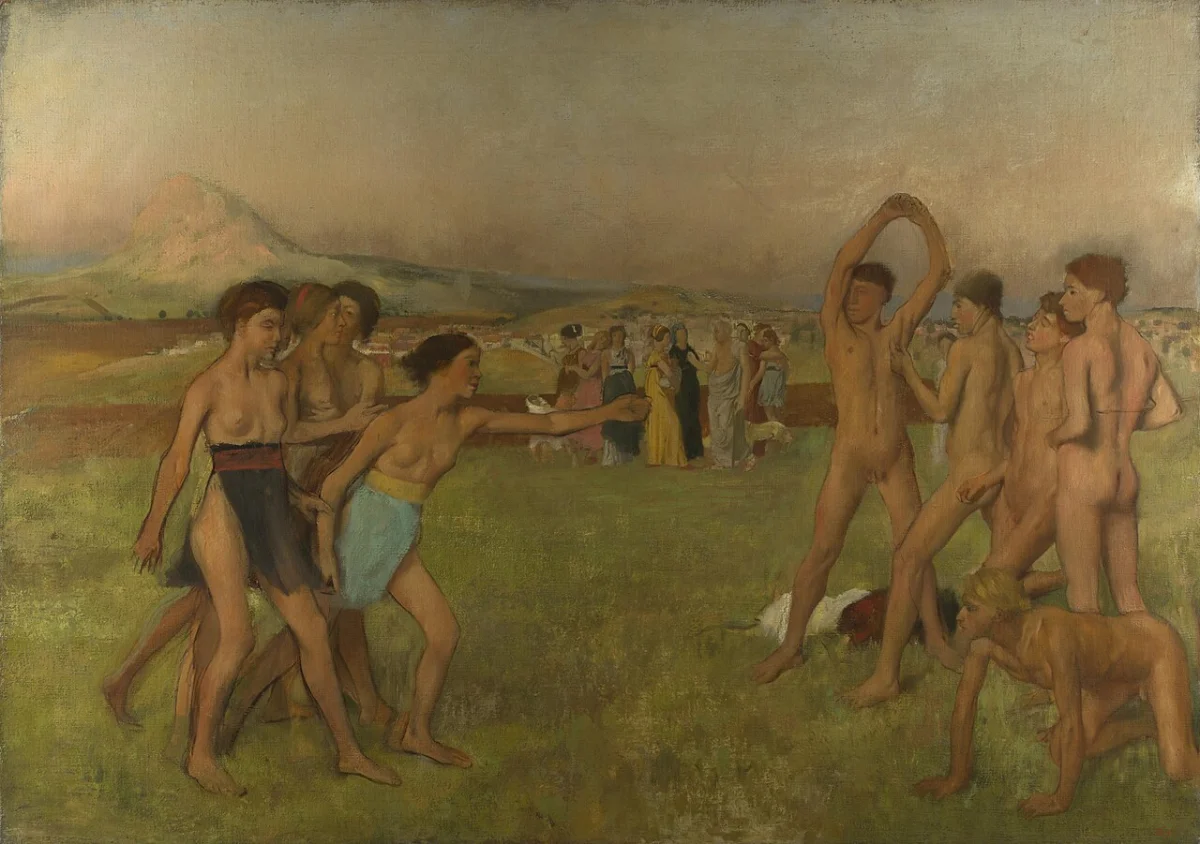
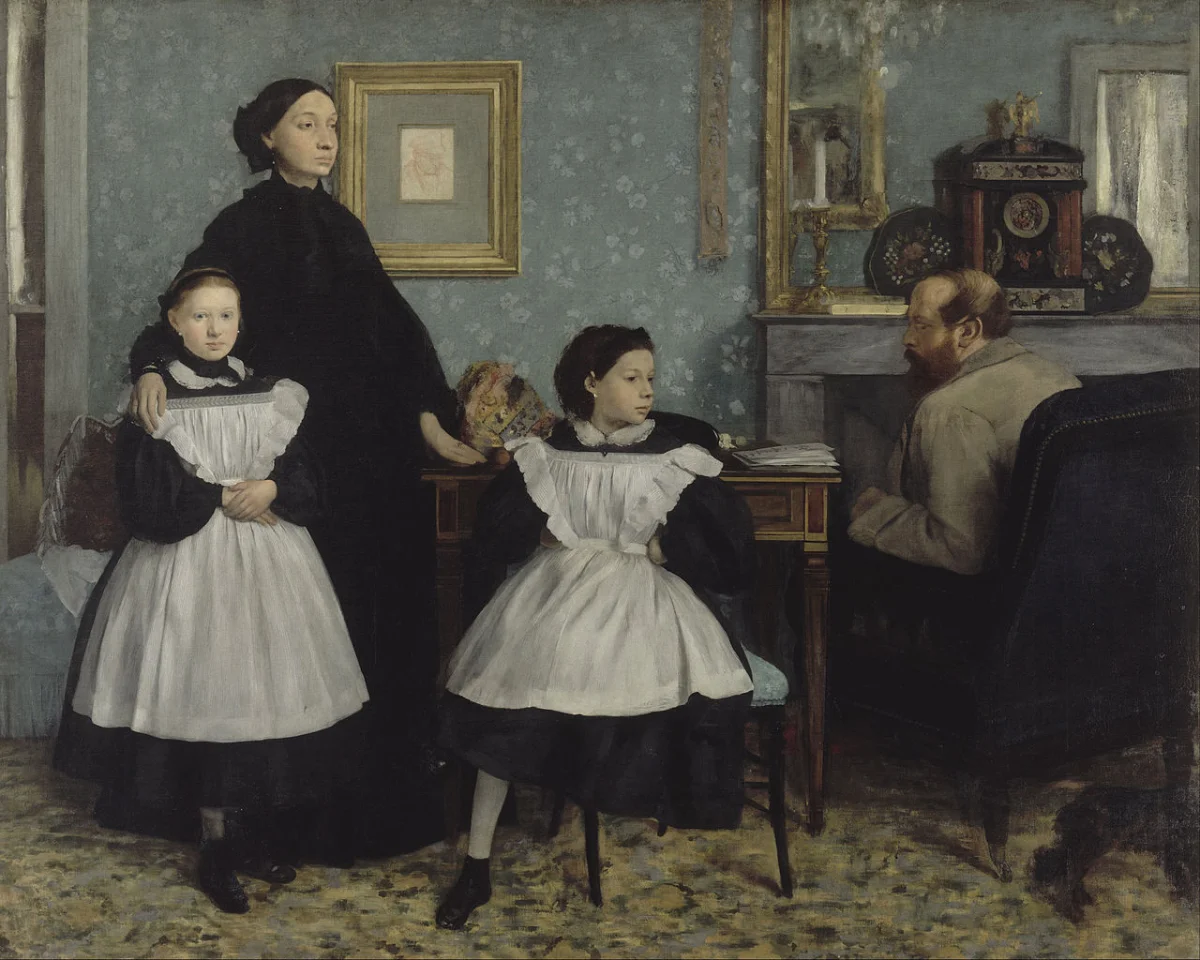
For those passionate about collecting masterpieces, "After a Bath. Woman Drying the Back of her Neck." represents a quintessential fine art painting for sale from the Impressionist era. Edgar Degas’s legacy is further enriched by related products like "The Bellelli Family" and "Young Spartans Exercising," which offer a broader view of his artistic achievements. This oil on canvas painting remains a prized addition to any discerning collector’s gallery, celebrated for its elegance and historical significance.
When Art Meets History
Edgar Degas, a prominent figure in the Impressionism movement, created "After a Bath. Woman Drying the Back of her Neck" during an era of profound artistic change. This hand-painted oil painting reflects the late 19th-century fascination with everyday moments and candid human gestures. Degas’s work can be appreciated alongside related paintings such as "Impression, Sunrise" and "Luncheon Of The Boating Party," which similarly capture fleeting moments in time and the vibrancy of modern life.
Techniques That Speak
Degas's mastery of oil on canvas is evident in "After a Bath. Woman Drying the Back of her Neck," where delicate brushwork and subtle color transitions highlight the softness of the subject’s skin. Drawing from Impressionist ideals, Degas uses light and texture to evoke intimacy and realism. Related works like "Dance At The Moulin De La Galette" and "A Girl with a Watering Can" also showcase Impressionism’s hallmark techniques, making each composition a visual delight for art lovers.
Emotions on Display
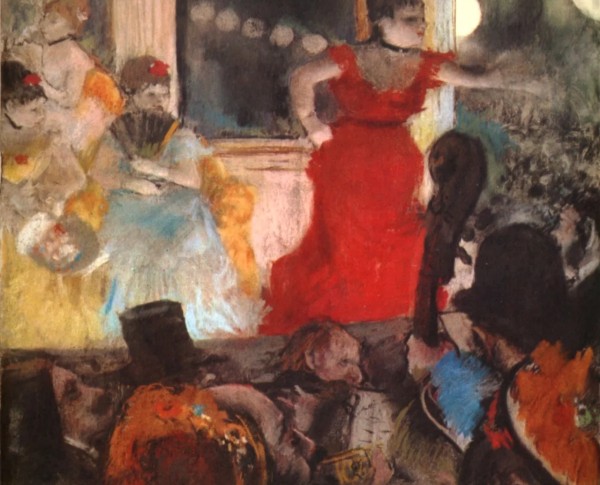
"After a Bath. Woman Drying the Back of her Neck" by Edgar Degas captures a private, tranquil moment, inviting viewers to contemplate the subject’s vulnerability and grace. This fine art painting for sale resonates with the quiet introspection found in Degas’s other works and those by his contemporaries. Impressionist paintings such as "Chapel on the Láchar estate" and "Impression, Sunrise" similarly evoke emotion through atmosphere and subtle gestures, making them highly sought after by collectors.
Coveted by Collectors
As a distinguished hand-painted oil painting, "After a Bath. Woman Drying the Back of her Neck" holds significant appeal for collectors of Impressionist art. Edgar Degas’s unique perspective and technical prowess ensure this piece stands out in any collection. Alongside related masterpieces like "Luncheon Of The Boating Party" and "Dance At The Moulin De La Galette," this artwork exemplifies the enduring allure of Impressionism and remains a prized acquisition for those seeking authentic oil on canvas treasures.
Related Impressionism Hand-Painted Oil Paintings by Other Artists
Other Famous Impressionism Artists:
Frequently Asked Questions About After a Bath. Woman Drying the Back of her Neck.
What is the historical context of Edgar Degas' painting?
Created in the late 19th century, "After a Bath" reflects the Impressionist movement's focus on modern life and the exploration of private moments. Degas, known for his innovative compositions, captures the intimacy of domesticity during a time when women's roles were evolving in society.
What artistic techniques did Degas employ in this painting?
Degas utilized a combination of pastel and oil paints to create a soft, luminous quality. His use of unusual angles and cropped compositions, reminiscent of photography, adds to the painting's dynamic feel and enhances the viewer's sense of voyeurism.
What themes are explored in "After a Bath"?
The painting explores themes of femininity, privacy, and the ritual of self-care. It presents a moment of vulnerability and intimacy, inviting viewers to reflect on the everyday lives of women in the 19th century.
How does Degas portray the female figure in this work?
Degas's depiction of the female figure is both realistic and idealized, emphasizing the beauty of the human form while also capturing a sense of naturalism. The woman's pose suggests both relaxation and contemplation, highlighting her individuality.
What is the significance of the setting in the painting?
The setting, likely a private space, underscores the theme of domesticity. It contrasts with the public life often depicted in Impressionist works, allowing for a deeper exploration of the personal experiences of women during this era.
How does the use of color contribute to the overall mood of the painting?
Degas employs a palette of soft, muted colors that evoke a sense of tranquility and warmth. The subtle contrasts enhance the intimate atmosphere, drawing the viewer into the serene moment captured on canvas.
What role does light play in "After a Bath"?
Light is a crucial element in Degas's work, as it highlights the contours of the figure and creates depth. The gentle illumination suggests a natural source, enhancing the realism of the scene and emphasizing the woman's form.
In what ways does this painting reflect Degas's interest in movement?
Degas's fascination with movement is evident in the fluidity of the woman's pose and the way her body interacts with the surrounding space. The act of drying her neck suggests a moment in motion, capturing the transient nature of everyday life.
What is the significance of the title "After a Bath"?
The title suggests themes of renewal and personal care, reflecting the ritualistic aspects of bathing. It invites viewers to consider the broader implications of self-care and femininity in the context of 19th-century society.
How does "After a Bath" compare to other works by Degas?
This painting aligns with Degas's broader oeuvre, which often features women in private moments. However, its focus on a singular, intimate action distinguishes it from his more dynamic ballet scenes, showcasing his versatility as an artist.






















_GFM_Painting_(1).webp)


 100% Hand-Painted: Finished in 3-6 Weeks

.png)















_(1).webp)