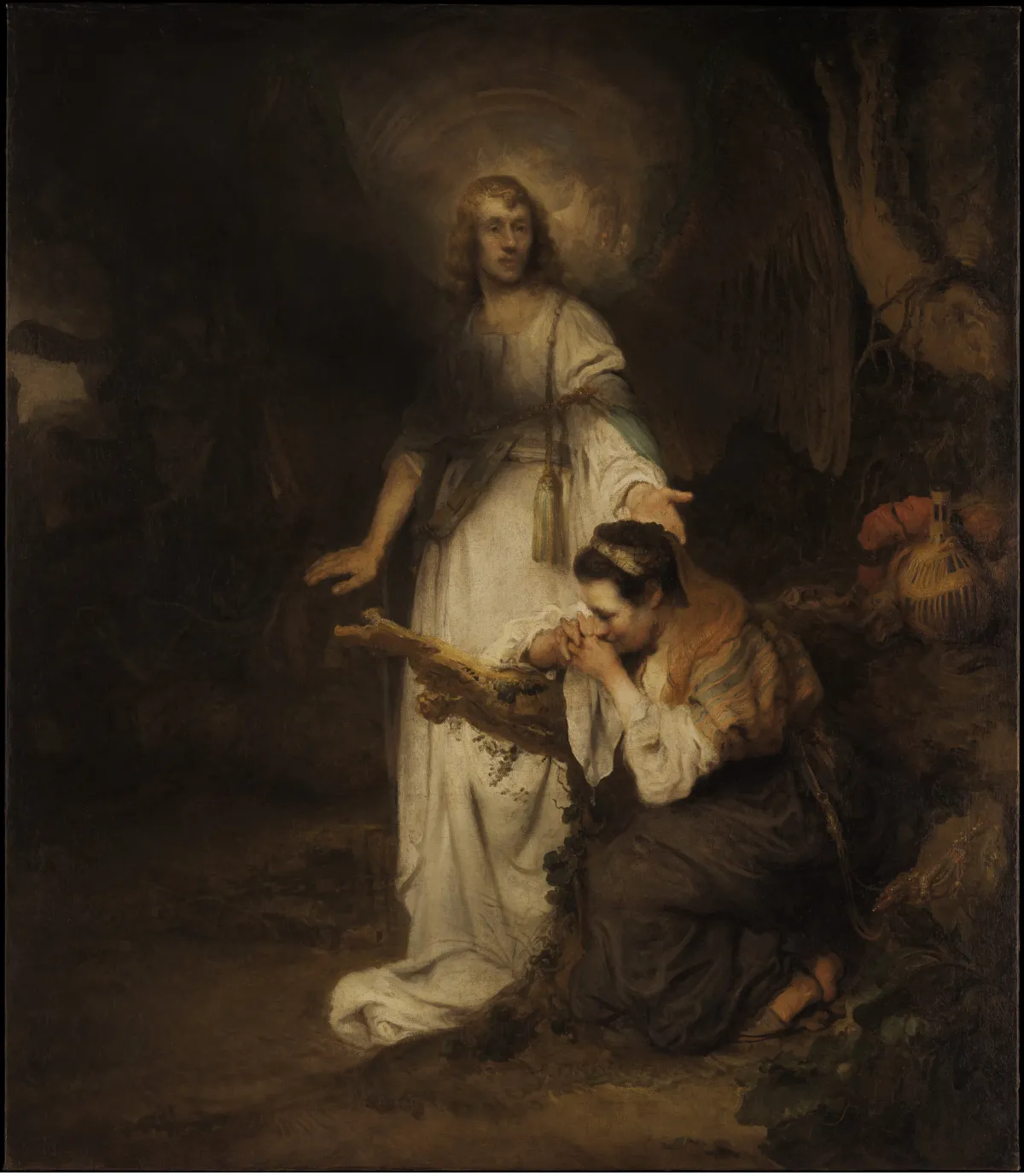
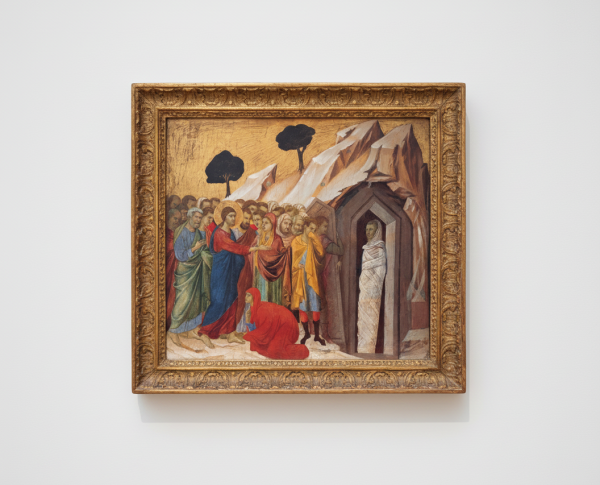
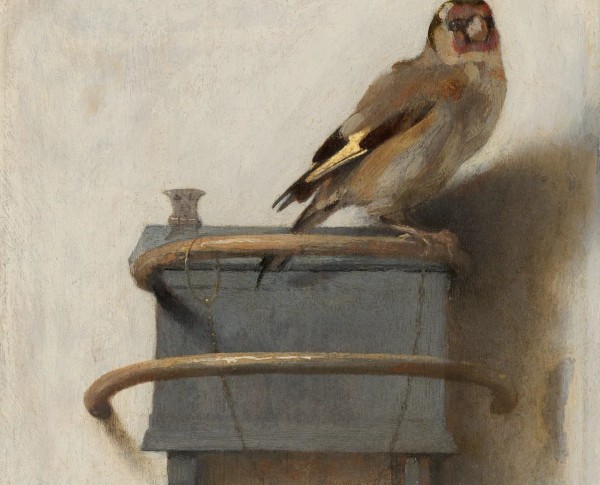
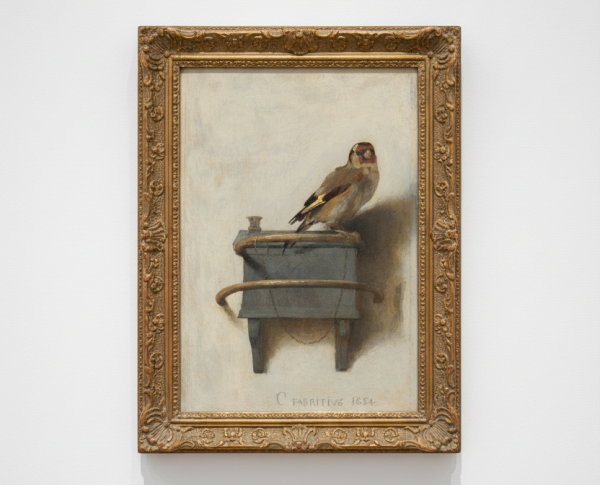
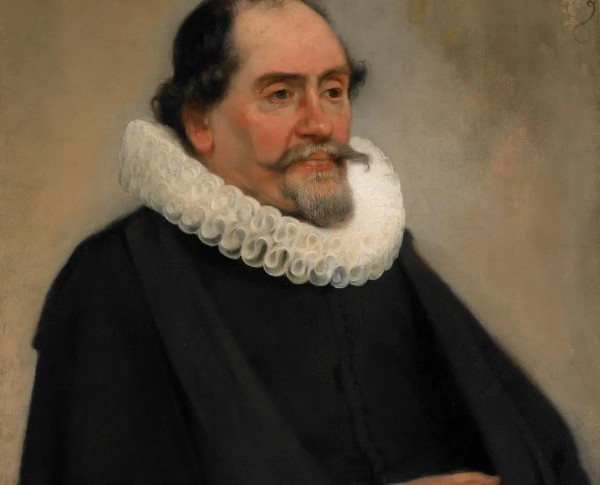
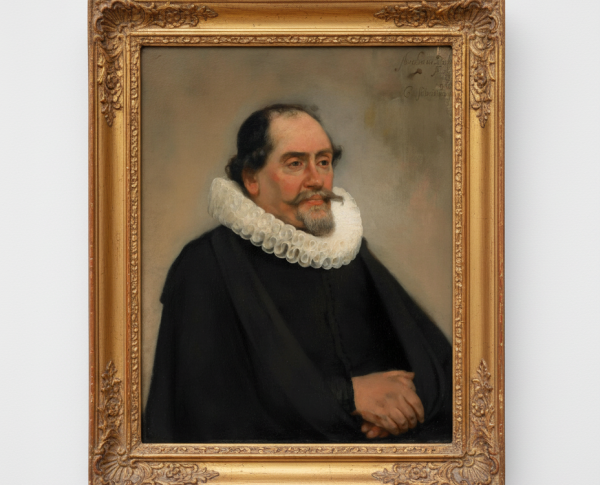
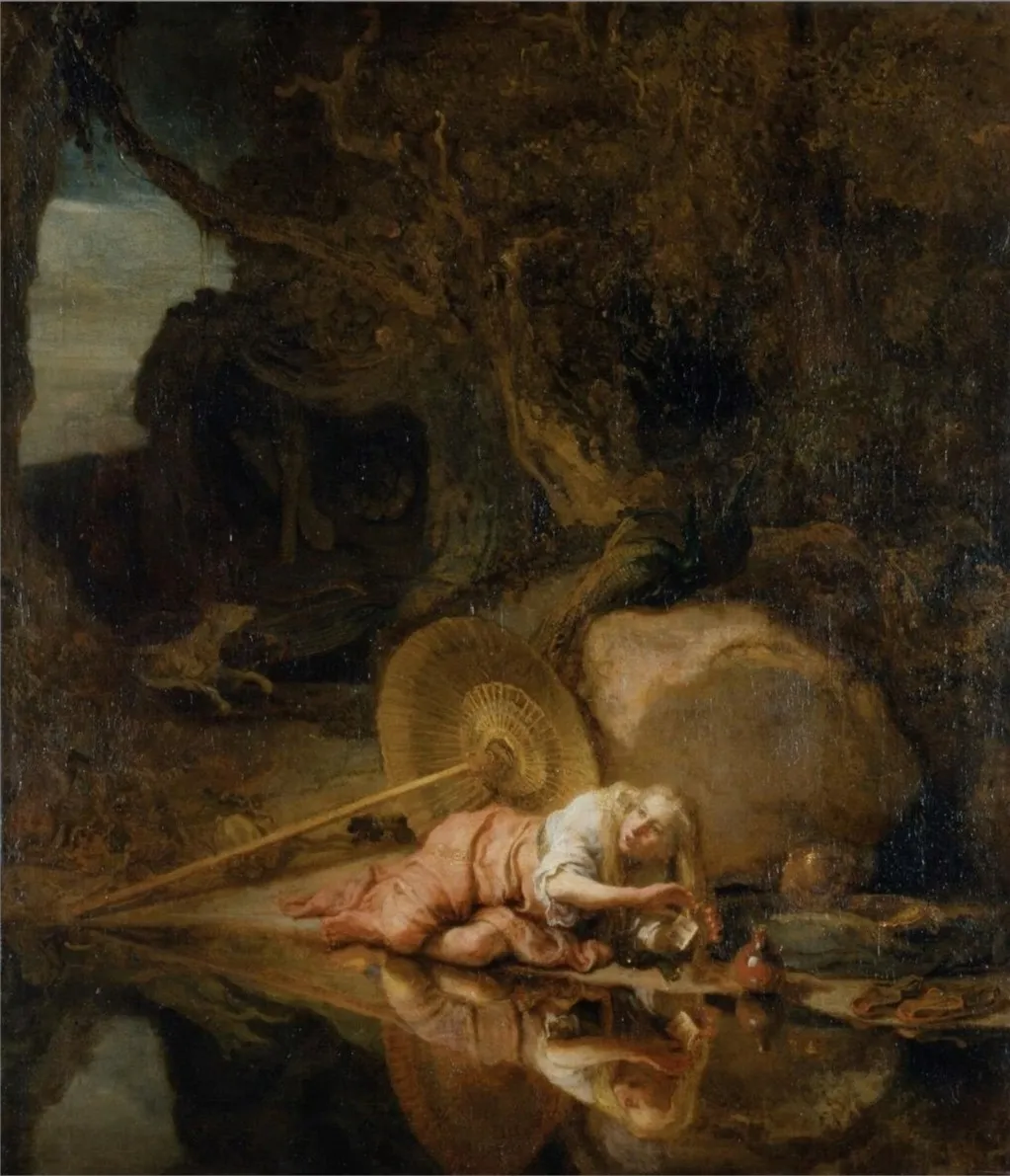
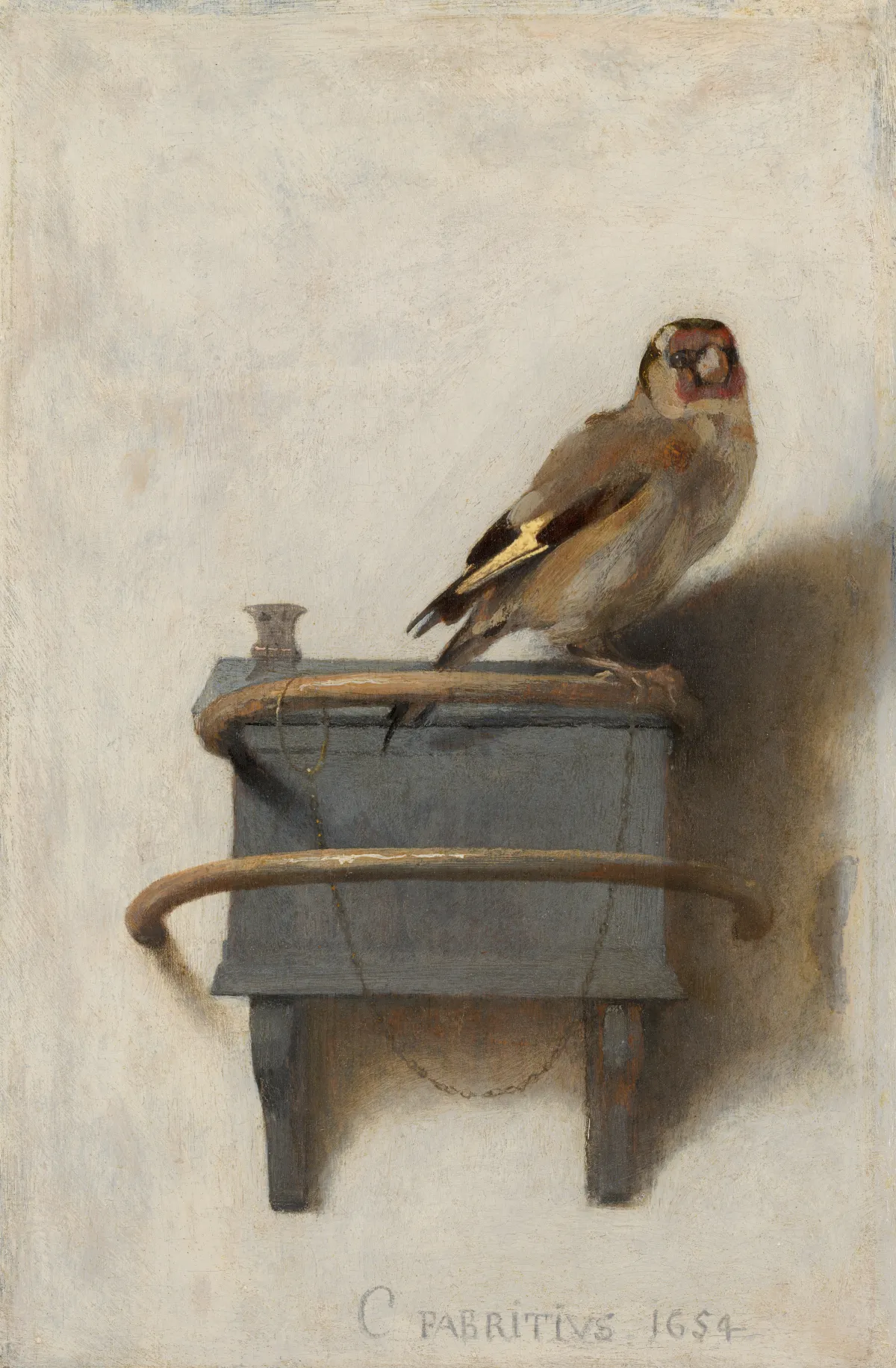
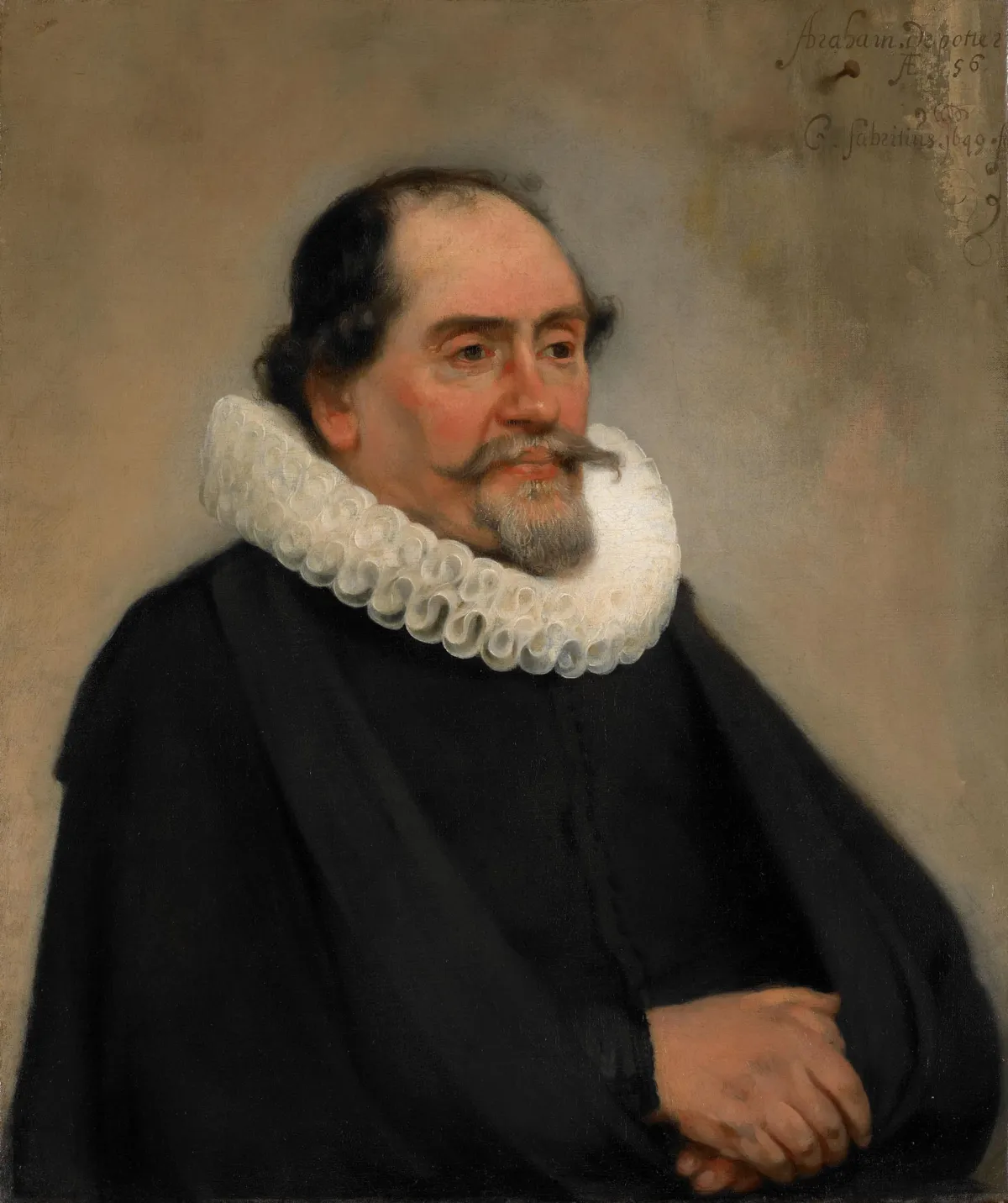
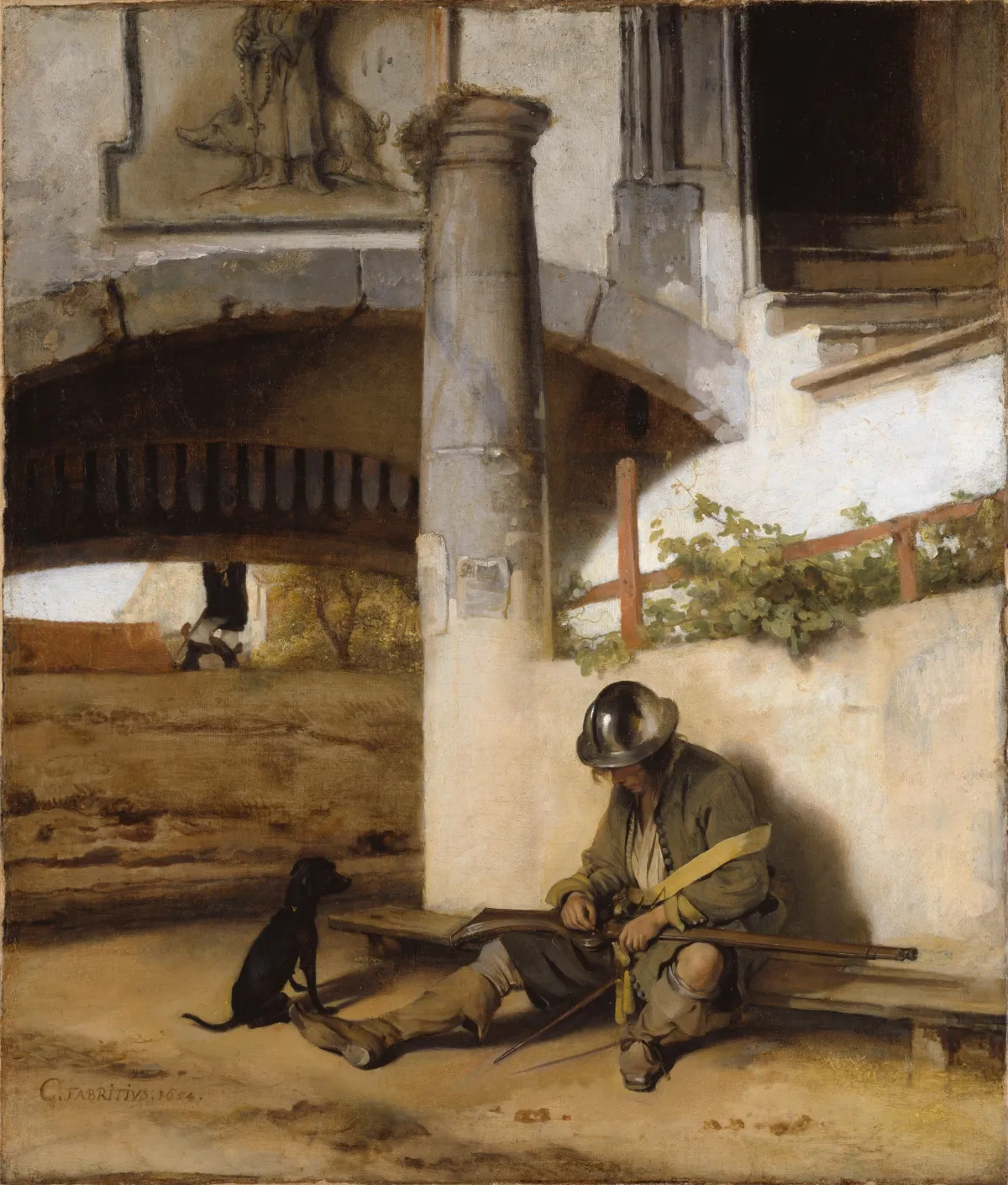
Fabritius’s "Hera hiding during the battle between the gods and the giants" is a prime example of oil on canvas brilliance, showcasing his attention to detail and mastery of light and shadow. As part of the Dutch Golden Age movement, Fabritius’s technique elevates the mythological theme, making every brushstroke significant. Other notable works by the artist, including "The Sentry" and "Portrait of Abraham de Potter," demonstrate his exceptional skill in the medium.
This fine art painting for sale weaves a narrative from ancient mythology, where Hera conceals herself during a fierce clash between gods and giants. Fabritius, a leading figure of the Dutch Golden Age, infuses the scene with symbolism and drama. The narrative style in "Hera hiding during the battle between the gods and the giants" aligns with other compelling pieces like "Man with a Helmet" and "Mercury and Aglauros," making it a treasure for story-loving collectors.
Owning "Hera hiding during the battle between the gods and the giants" by Carel Fabritius means possessing a hand-painted oil painting from the Dutch Golden Age movement. This work stands alongside Fabritius’s celebrated paintings such as "The Sentry" and "Portrait of Abraham de Potter." Collectors seeking a unique addition to their galleries will appreciate the historical value and artistic mastery embodied in this mythical scene, making it a highly sought-after collectible.
When Art Meets History
Carel Fabritius’s “Hera hiding during the battle between the gods and the giants” is a masterful hand-painted oil painting that captures a pivotal mythological moment. Created during the Dutch Golden Age, this artwork reflects the era’s fascination with classical stories and dramatic narratives. Fabritius, a contemporary of Rembrandt, brings a unique perspective to mythological themes, much like those found in related paintings such as “The Night Watch” and “The Return of the Prodigal Son c. 1669.”
Techniques That Speak
Fabritius’s technique in this oil on canvas piece showcases his remarkable ability to blend light and shadow, creating a vivid sense of depth and movement. His brushwork, reminiscent of the Dutch Golden Age, brings out the emotional intensity of the scene. The use of color and composition draws the viewer into Hera’s plight, paralleling the technical brilliance seen in “The Little Street” and “Woman with a Lute,” other masterpieces from the same period.
Emotions on Display
In “Hera hiding during the battle between the gods and the giants,” Fabritius captures a range of emotions—from fear and anticipation to divine power—making this fine art painting for sale especially compelling. Hera’s expressive face and dynamic posture invite viewers to empathize with her situation. The emotional storytelling in this artwork aligns with the narrative depth found in “The Wine Glass” and “The Return of the Prodigal Son c. 1669,” enriching the Dutch Golden Age canon.
Coveted by Collectors
As a rare example of Fabritius’s mythological work, this painting is highly sought after by collectors of Dutch Golden Age art. Its status as a hand-painted oil painting, combined with Fabritius’s reputation and the subject’s dramatic resonance, make it a prized addition to any collection. Alongside works like “The Night Watch” and “The Little Street,” this piece exemplifies the enduring appeal of Dutch Golden Age masterpieces among art enthusiasts and museums worldwide.
Related Dutch Golden Age Hand-Painted Oil Paintings by Other Artists
Other Famous Dutch Golden Age Artists:
Frequently Asked Questions About Hera hiding during the battle between the gods and the giants
What is the historical context of "Hera hiding during the battle between the gods and the giants"?
This painting by Carel Fabritius reflects the mythological narratives prevalent in the 17th century, particularly the conflict between divine beings and giants, which symbolizes the struggle between order and chaos in classical mythology.
Who was Carel Fabritius and what is his significance in art history?
Carel Fabritius was a Dutch painter of the 17th century, known for his innovative use of light and color. He was a pupil of Rembrandt and is celebrated for his unique approach to composition and perspective, which influenced later artists.
What artistic techniques did Fabritius employ in this painting?
Fabritius utilized chiaroscuro to create dramatic contrasts between light and shadow, enhancing the emotional intensity of the scene. His meticulous attention to detail and texture also contributes to the painting's lifelike quality.
What is the symbolic significance of Hera in this painting?
Hera, as the queen of the gods, represents power, femininity, and resilience. Her act of hiding during the battle can symbolize the complexities of leadership and the necessity of strategic retreat in the face of overwhelming conflict.
How does this painting reflect the themes of mythology?
The painting encapsulates the themes of conflict, divine intervention, and the struggle for supremacy that are central to many mythological narratives, illustrating the timeless nature of these stories in human culture.
What are the notable elements of composition in this artwork?
Fabritius employs a dynamic composition that draws the viewer's eye towards Hera, using diagonal lines and contrasting colors to create a sense of movement and tension, effectively capturing the chaos of battle.
What role does color play in "Hera hiding during the battle between the gods and the giants"?
The color palette is carefully chosen to evoke emotion; warm tones highlight the figures of the gods, while cooler hues suggest the ominous presence of the giants, enhancing the narrative tension within the painting.
How does this painting compare to other works of the same period?
Compared to other works of the Baroque period, Fabritius's painting stands out for its subtlety and psychological depth, often focusing on individual characters' emotions rather than grandiose displays of power and violence typical of the era.
What is the significance of the battle between gods and giants in classical mythology?
This battle symbolizes the eternal struggle between civilization and barbarism, order and chaos, reflecting the values and fears of ancient societies regarding divine justice and the human condition.
What impact did "Hera hiding during the battle between the gods and the giants" have on later artists?
The painting influenced subsequent generations of artists by showcasing the potential of mythological themes to convey complex human emotions, encouraging a more introspective approach to storytelling in visual art.






















_GFM_Painting_(1).webp)


 100% Hand-Painted: Finished in 3-6 Weeks

.png)















_(1).webp)