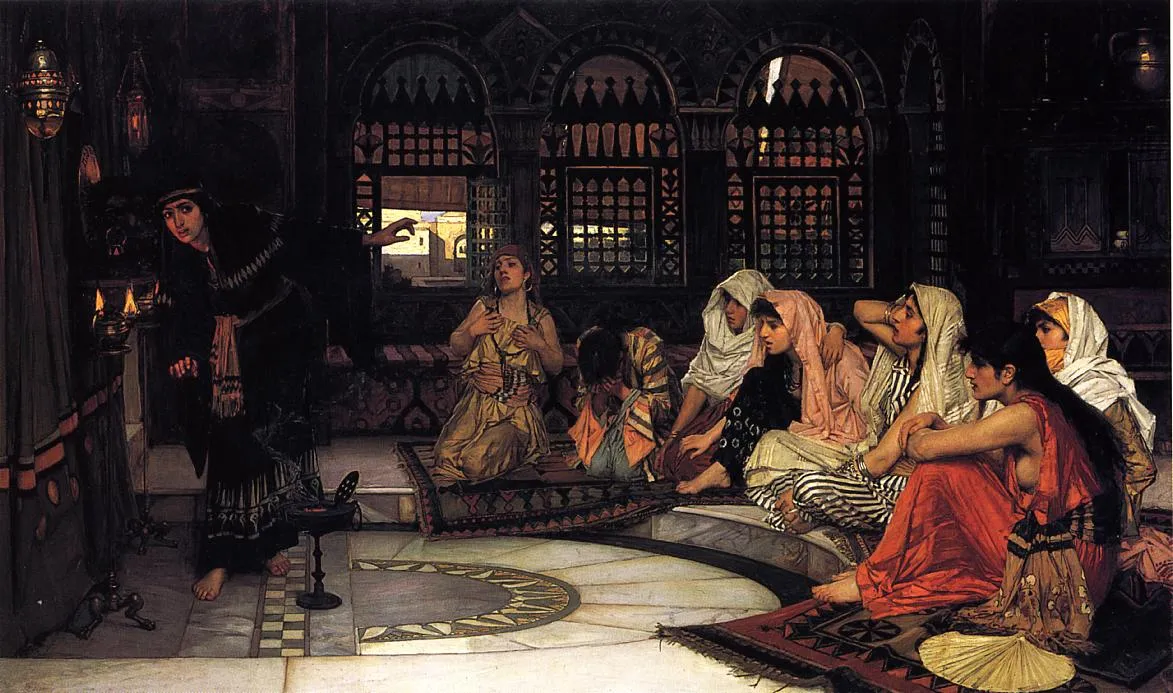
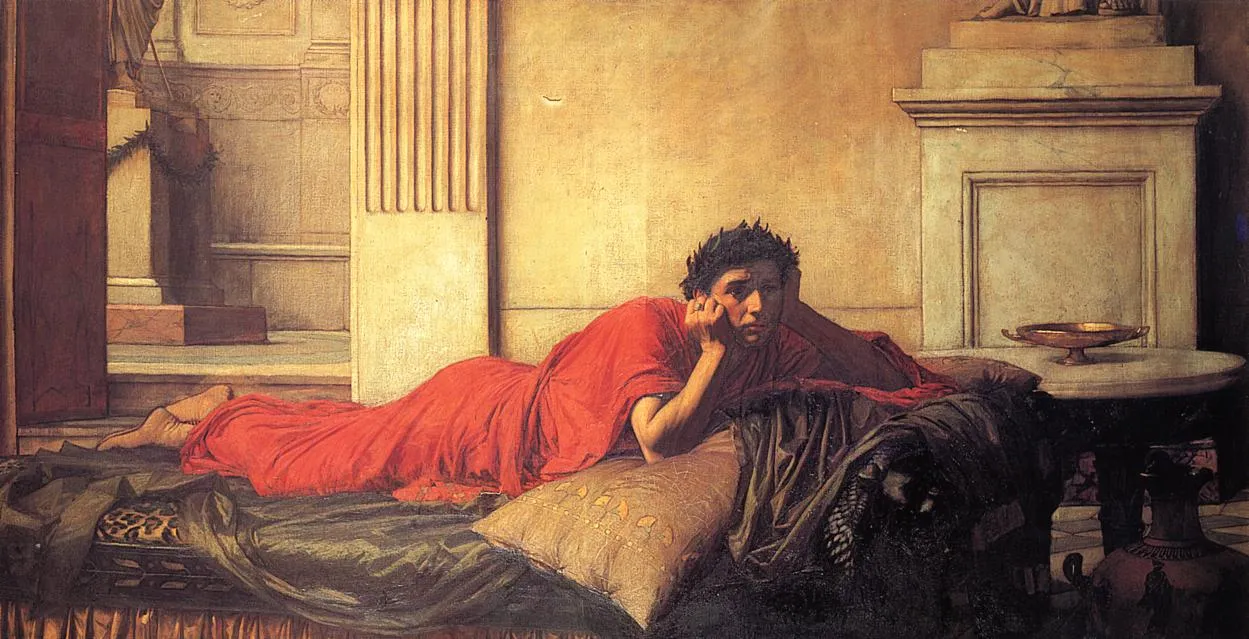
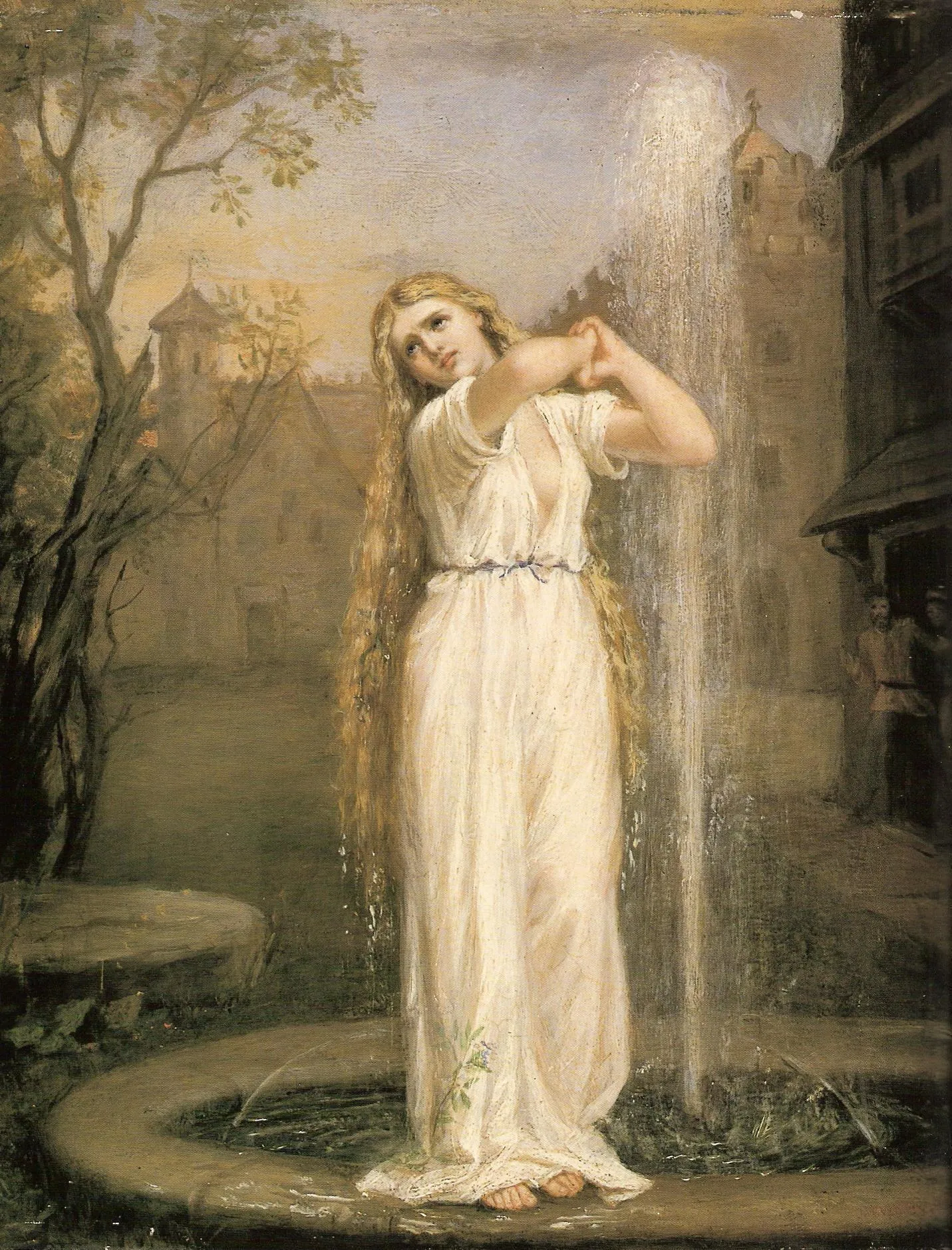
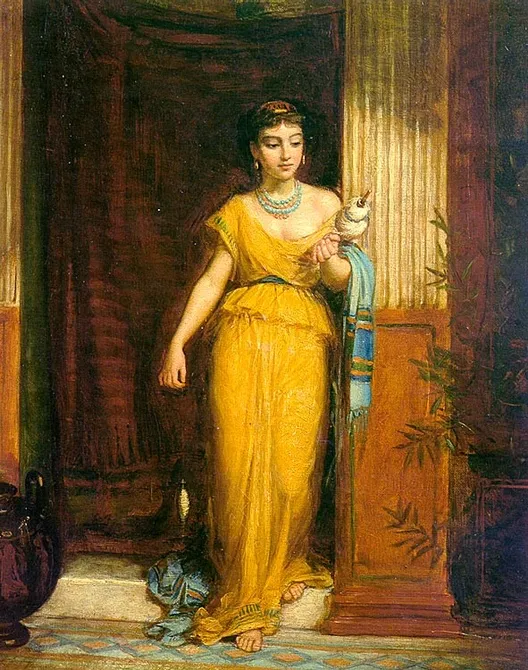
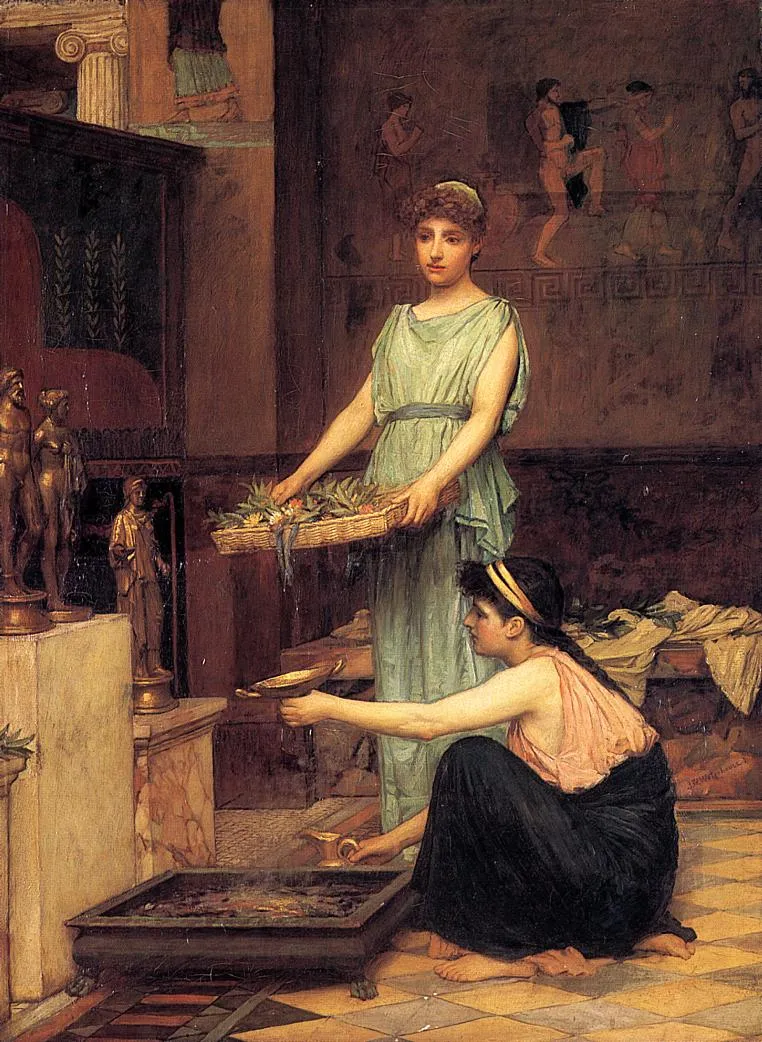
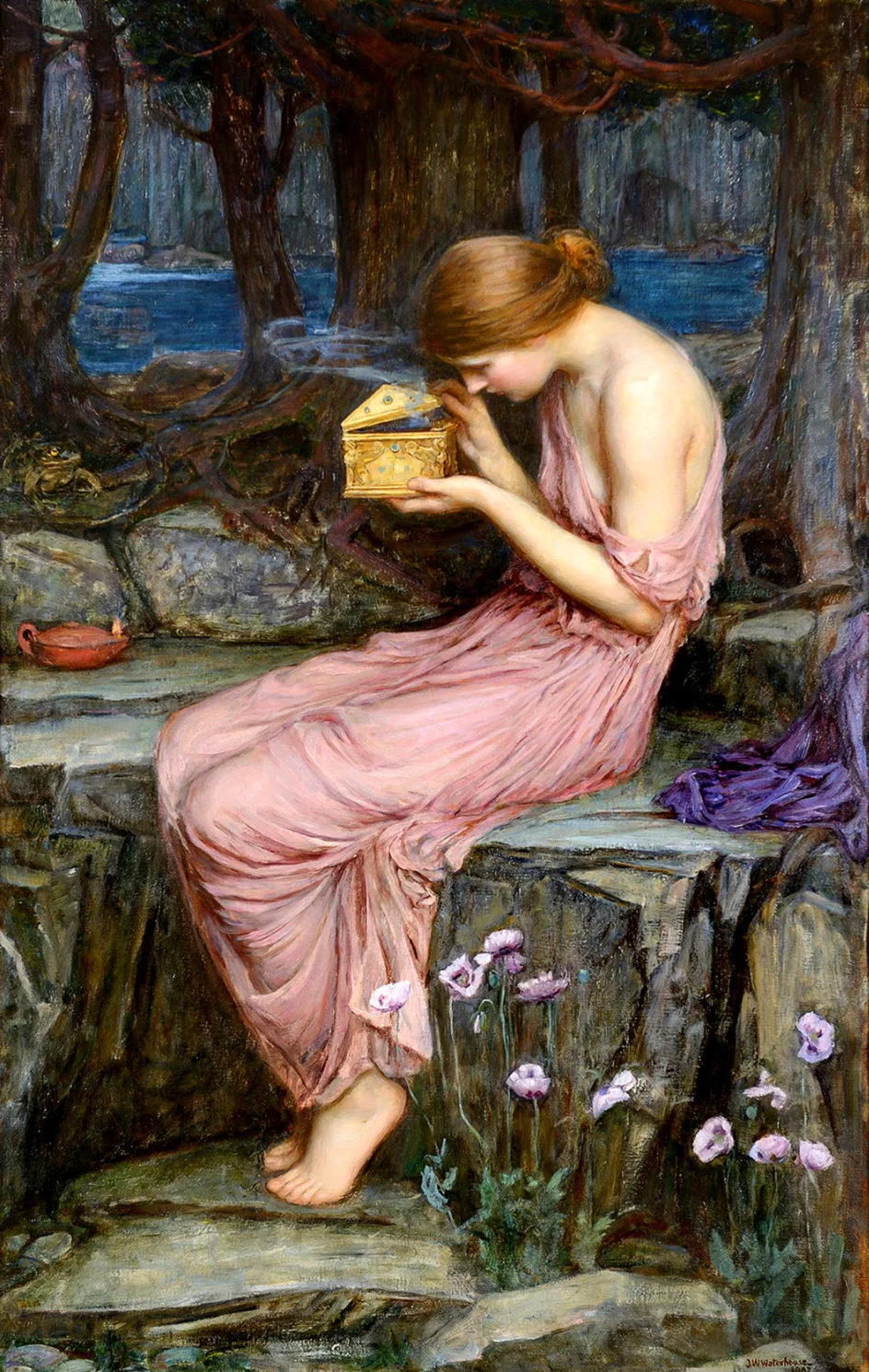
Executed in oil on canvas, "The Household Gods" highlights John William Waterhouse’s technical prowess and the Pre-Raphaelites’ dedication to vibrant color and lifelike form. The artist’s ability to render delicate fabrics and expressive features is evident throughout the composition. This painting complements other Waterhouse pieces, such as "In the Peristyle" and "Undine," making it an exceptional addition for those passionate about the movement’s unique style and its celebration of beauty.
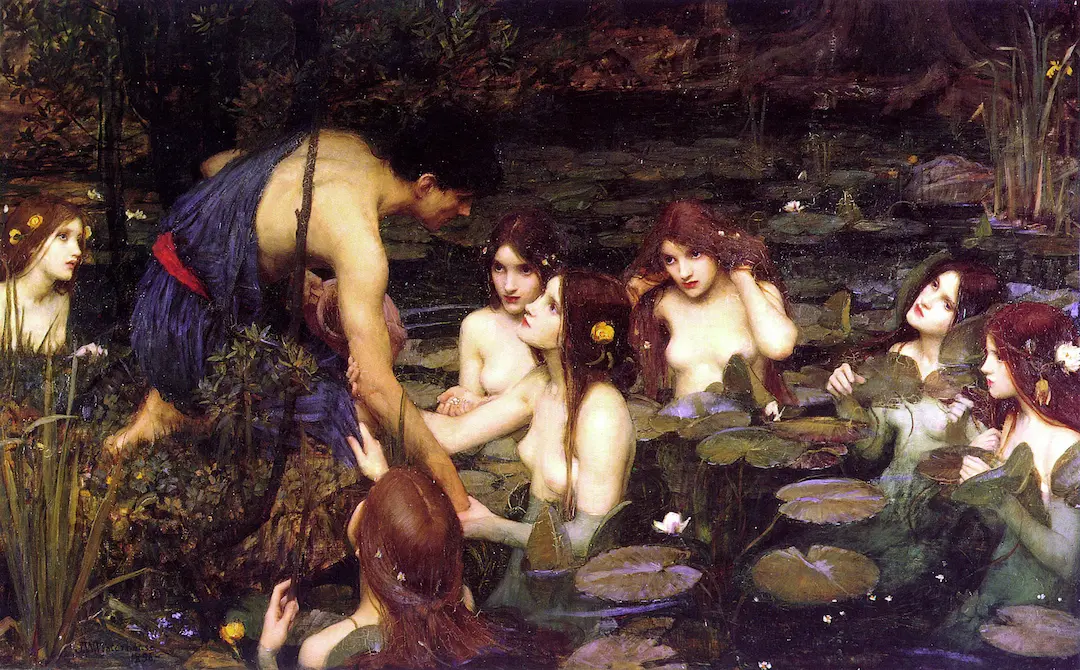
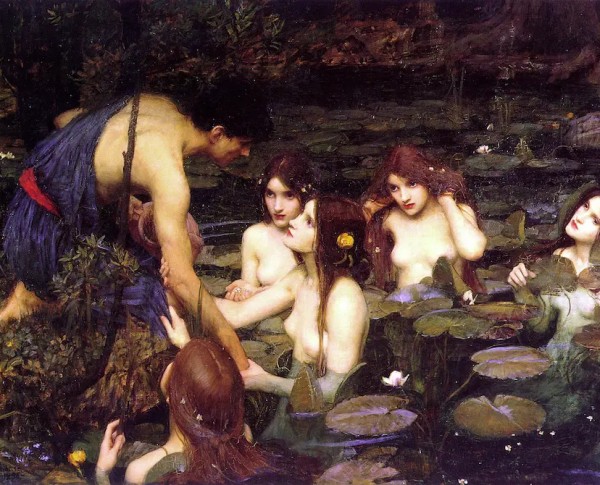
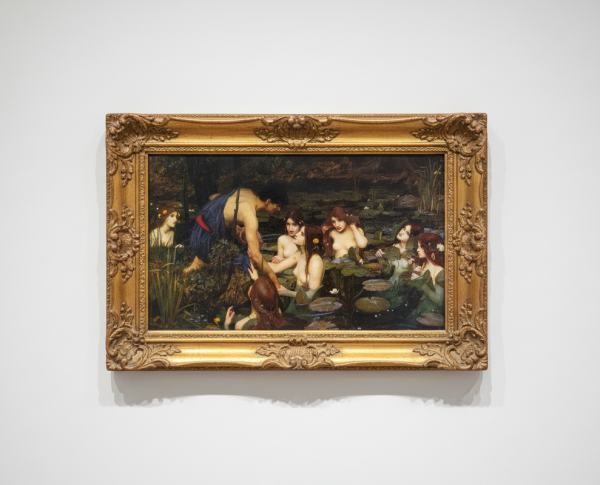
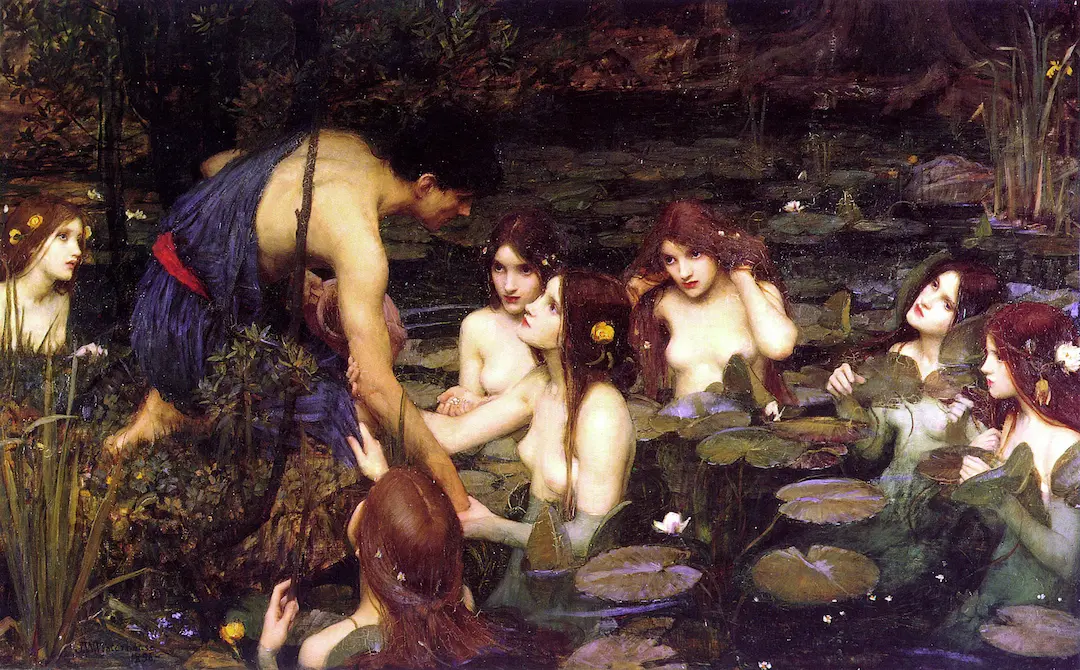
Within "The Household Gods," Waterhouse weaves narratives rich with mythological and domestic symbolism, a hallmark of Pre-Raphaelite fine art painting for sale. The painting’s subtle references invite viewers to uncover deeper meanings and connect with universal themes. Collectors often enhance their galleries with related works like "Hylas and the Nymphs 1896" and "A Neapolitan flax spinner," creating a tapestry of stories through fine art that endures across generations.
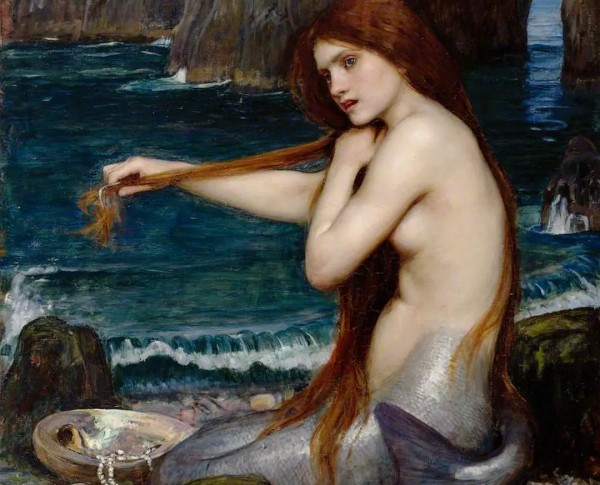
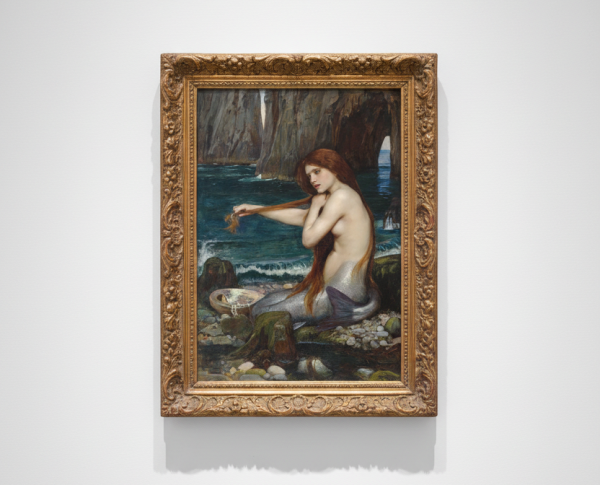
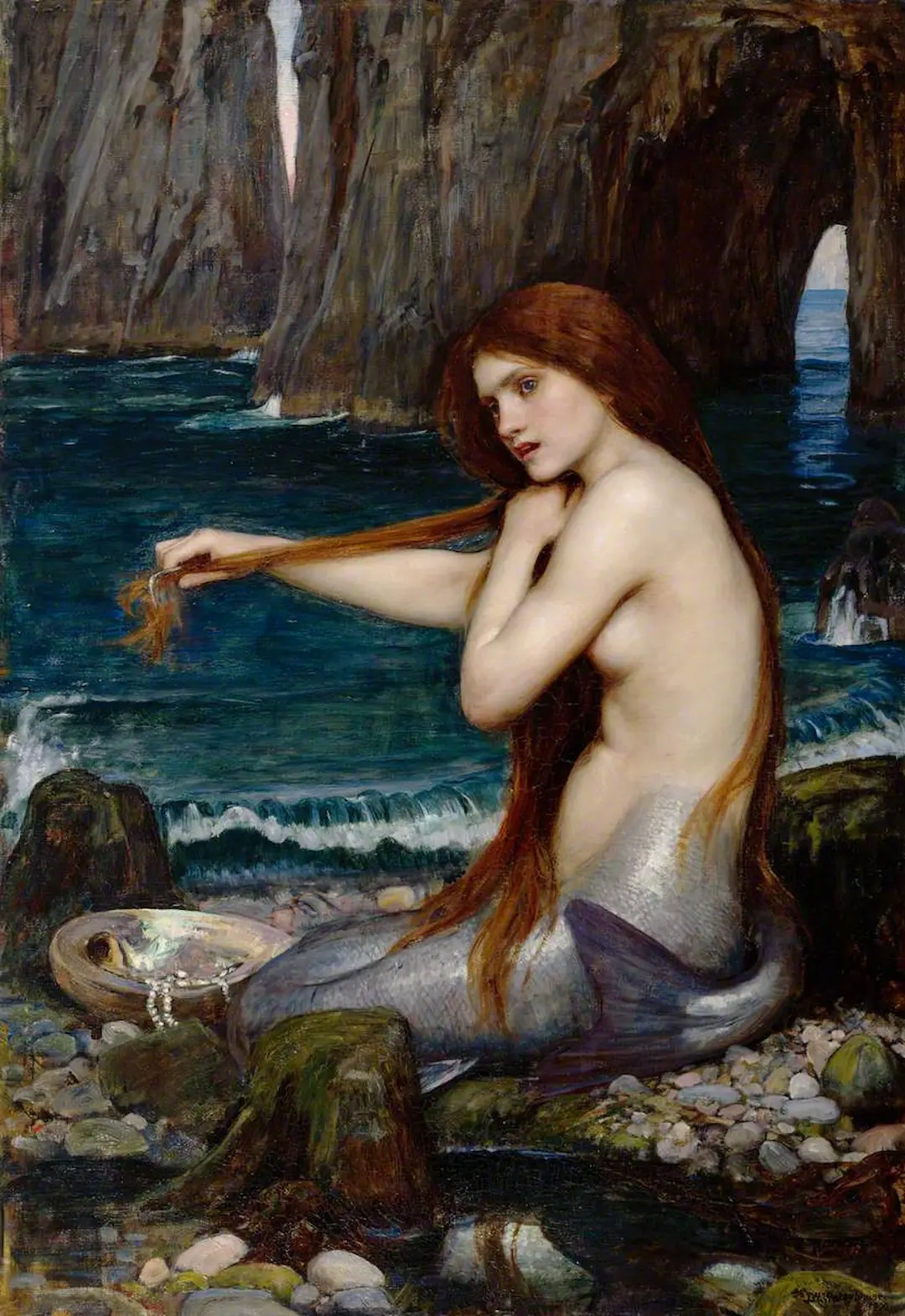
Owning "The Household Gods" is an opportunity to possess a remarkable hand-painted oil painting by John William Waterhouse, a luminary of the Pre-Raphaelites. This artwork, alongside products such as "A Mermaid 1900" or "A Flower Stall," elevates any collection with its timeless elegance. Collectors value these masterpieces for their historical significance and exquisite craftsmanship, ensuring that each piece remains a cherished treasure for years to come.
When Art Meets History
"The Household Gods" by John William Waterhouse stands as a testament to the enduring charm of the Pre-Raphaelites movement. This hand-painted oil painting captures the era’s fascination with myth, symbolism, and domestic rituals. Waterhouse, renowned for works like "Luna" and "Night with her Train of Stars," masterfully weaves historical references into his compositions. As with many Pre-Raphaelite pieces, "The Household Gods" bridges the gap between ancient traditions and Victorian ideals, inviting viewers into a world where art and history intertwine.
Techniques That Speak
John William Waterhouse’s "The Household Gods" is celebrated for its exquisite oil on canvas technique, a hallmark of Pre-Raphaelite artistry. The painting’s luminous colors, intricate details, and delicate brushwork exemplify the movement’s devotion to realism and beauty. Waterhouse’s approach, similar to his technique in "Portrait of the Artist's Husband Henry with a Pipe" and "Mrs I. Holman Hunt," demonstrates a meticulous layering process that brings depth and vibrancy to every element. This commitment to craft makes each canvas a visual masterpiece.
Emotions on Display
In "The Household Gods," Waterhouse conveys a profound sense of intimacy and reverence, qualities often found in Pre-Raphaelite works. The figures’ expressions and gestures evoke themes of devotion, nostalgia, and domestic tranquility. Much like his paintings "Alfred and Charles, Grandchildren of Alfred Tennyson" and "Luna," Waterhouse uses subtle color palettes and soft lighting to draw out emotions. These choices make this fine art painting for sale a captivating exploration of human sentiment, resonating deeply with viewers across generations.
Coveted by Collectors
Collectors highly prize "The Household Gods" for its blend of historical narrative and technical mastery, hallmarks of the Pre-Raphaelites movement. John William Waterhouse’s works, including "Night with her Train of Stars," remain in demand among those seeking exceptional hand-painted oil paintings. The rarity and beauty of such pieces ensure their value in the art market. For enthusiasts and investors alike, owning a Waterhouse original is an opportunity to possess a remarkable chapter of art history.
Related Pre-Raphaelites Hand-Painted Oil Paintings by Other Artists
Other Famous Pre-Raphaelites Artists:
Frequently Asked Questions About The Household Gods
What is the historical context of "The Household Gods"?
"The Household Gods," painted by John William Waterhouse in 1880, reflects the Victorian era's fascination with mythology and the domestic sphere. This period saw a resurgence of interest in classical themes, which Waterhouse adeptly incorporated into his work.
Who are the figures depicted in "The Household Gods"?
The painting features two female figures, often interpreted as personifications of domestic deities. They symbolize the nurturing aspects of home life and the protection of the household, drawing from ancient Roman beliefs about household gods known as Lares and Penates.
What artistic techniques did Waterhouse use in this painting?
Waterhouse employed a rich color palette and soft brushwork, characteristic of the Pre-Raphaelite style. The use of light and shadow enhances the ethereal quality of the figures, while the detailed rendering of fabrics and textures showcases his skill in capturing realism.
What symbolism is present in "The Household Gods"?
The painting symbolizes the sanctity of the home and the protective nature of female figures. The domestic setting and the serene expressions of the women convey a sense of harmony and tranquility, emphasizing the importance of familial bonds.
How does "The Household Gods" reflect Waterhouse's artistic philosophy?
Waterhouse believed in the power of art to evoke emotion and convey narratives. "The Household Gods" exemplifies his philosophy by blending mythological themes with relatable domestic scenes, inviting viewers to reflect on the significance of home and family.
What influences can be seen in Waterhouse's style in this painting?
Waterhouse's style in "The Household Gods" is influenced by the Pre-Raphaelite Brotherhood, particularly in its emphasis on detail, vibrant colors, and themes of beauty and nature. He also drew inspiration from classical mythology, merging it with contemporary Victorian ideals.
What is the significance of the setting in "The Household Gods"?
The setting, which features elements of a domestic interior, serves to ground the mythological figures in a relatable context. This juxtaposition highlights the importance of domestic life while elevating it to a sacred status through the presence of the household deities.
How does the composition of "The Household Gods" contribute to its meaning?
The composition of the painting, with the two figures positioned closely together, creates a sense of intimacy and connection. This arrangement emphasizes the theme of unity within the household and the shared responsibilities of nurturing and protection.
What impact did "The Household Gods" have on the art world during Waterhouse's time?
"The Household Gods" contributed to the popularity of mythological and allegorical subjects in Victorian art. It resonated with audiences who appreciated the blend of beauty, narrative, and moral undertones, solidifying Waterhouse's reputation as a leading figure in the movement.
How is "The Household Gods" viewed in contemporary art discussions?
In contemporary discussions, "The Household Gods" is often analyzed for its representation of gender roles and domesticity. Art historians examine its relevance to modern themes of femininity and the evolving concept of home, reflecting ongoing dialogues about women's roles in society.























_GFM_Painting_(1).webp)


 100% Hand-Painted: Finished in 3-6 Weeks

.png)















_(1).webp)