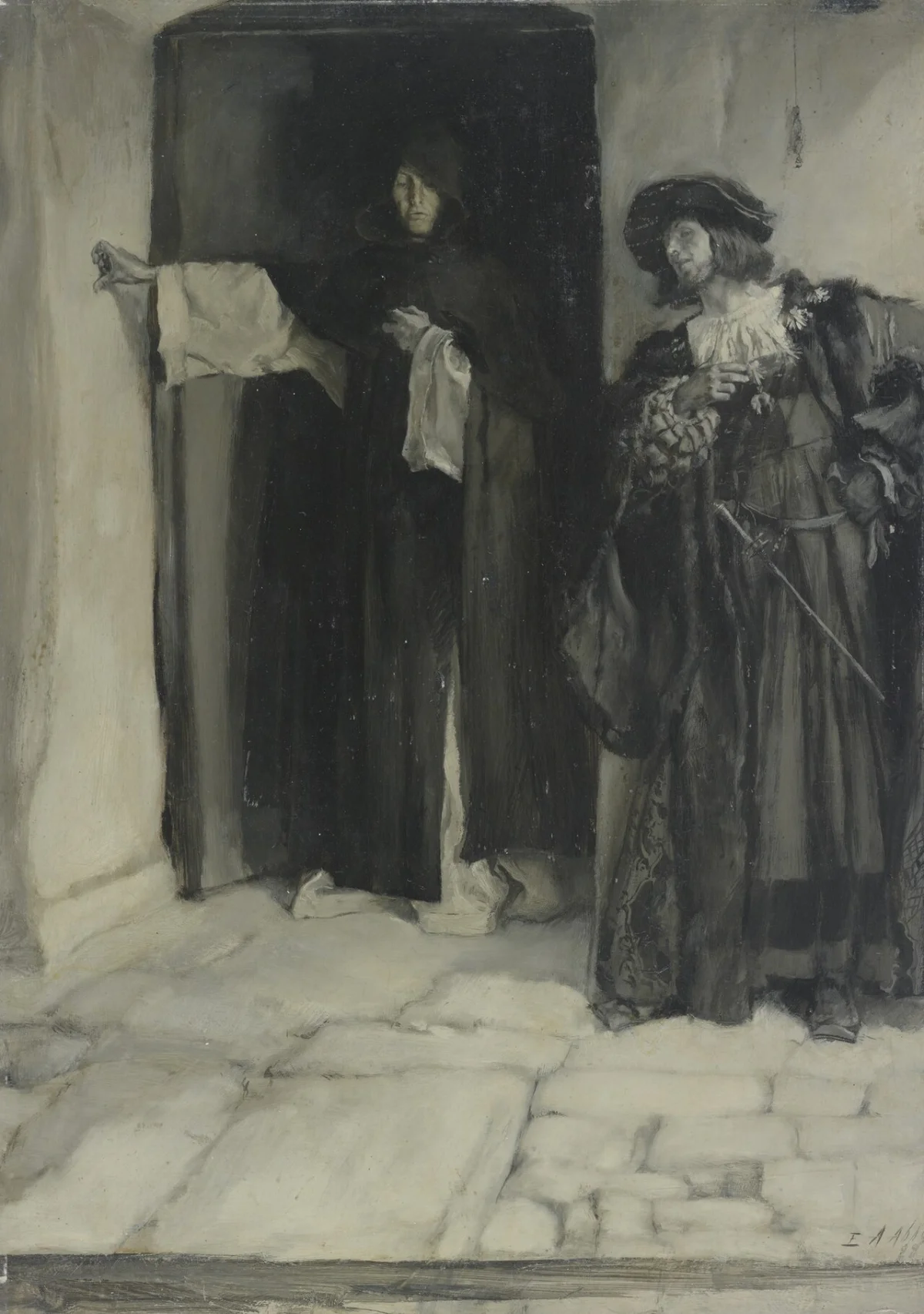
Edwin Austin Abbey’s technique in this oil on canvas is a testament to his meticulous craftsmanship and attention to detail. The composition’s rich textures and refined palette exemplify the Aestheticism movement’s dedication to beauty and harmony. Abbey’s other studies, including "Landscape study" and "Man’s Head in Profile," further illustrate his skill in capturing mood and setting through brushwork, making each oil on canvas a true collector’s delight.
This fine art painting for sale is more than a visual masterpiece—it tells the dramatic story of Eleanor’s public penance, symbolizing themes of power and redemption. Edwin Austin Abbey’s narrative style shines through, inviting viewers to explore the deeper meanings behind the scene. Art lovers drawn to the Aestheticism movement will also appreciate related works like "Seascape with Sailing Boat" and "Architectural study," which offer further insight into Abbey’s symbolic storytelling.
For those seeking a standout addition to their collection, "The Penance of Eleanor, Duchess of Gloucester" by Edwin Austin Abbey is an exceptional fine art painting for sale. Its status within the Aestheticism movement enhances its desirability, and owning such a piece connects collectors to a significant era in art history. Complementary works like "Man’s Head in Profile" and "Architectural study: a column" are also highly valued among discerning collectors.
When Art Meets History
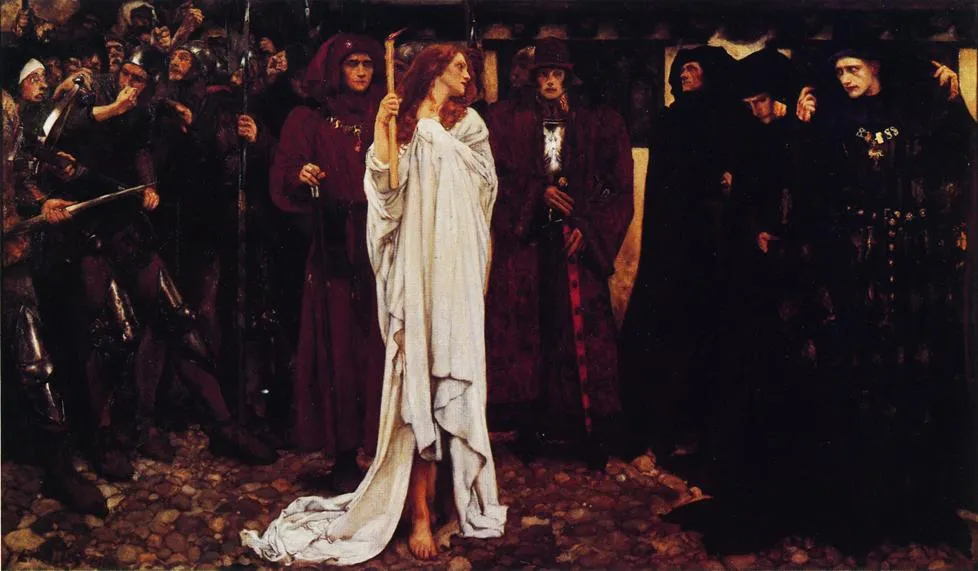
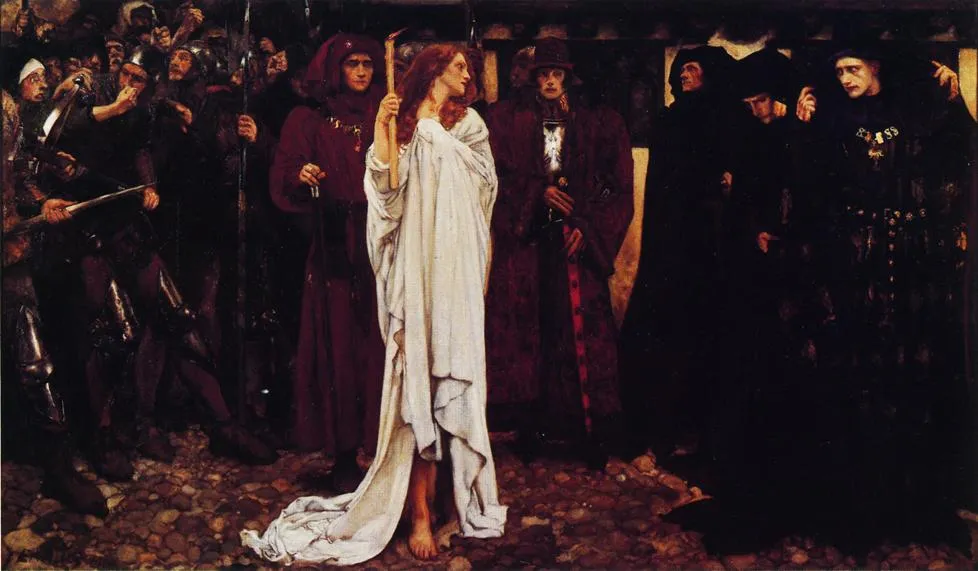
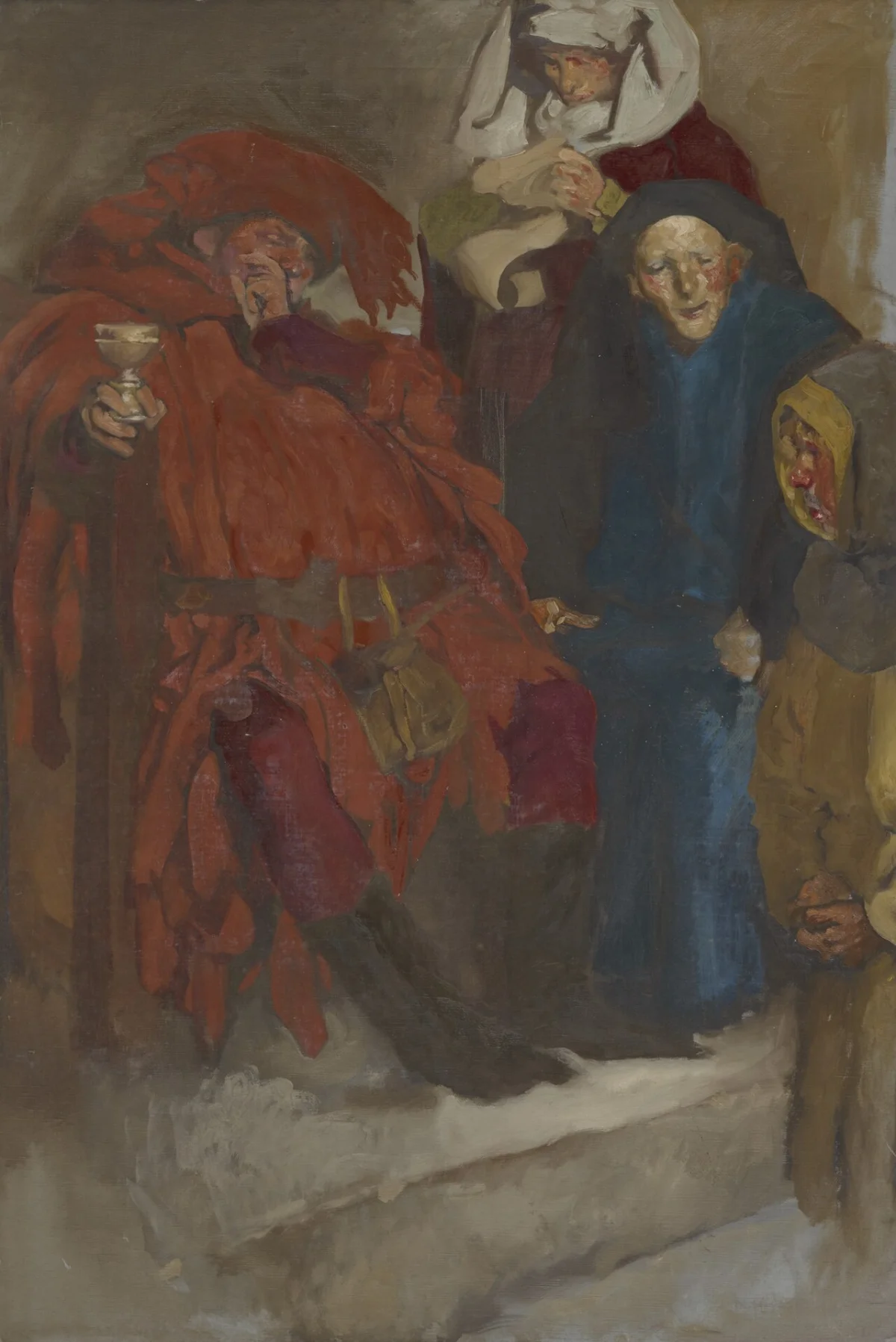
"The Penance of Eleanor, Duchess of Gloucester" by Edwin Austin Abbey is a striking hand-painted oil painting that masterfully captures a pivotal moment in English history. Created during the Aestheticism movement, Abbey's work stands alongside masterpieces like "Quai de Paris" and "Liverpool from Wapping." The artist's attention to historical detail and dramatic narrative immerses viewers in the world of Eleanor, Duchess of Gloucester, making this painting a significant contribution to historical fine art.
Techniques That Speak
Edwin Austin Abbey’s use of oil on canvas in "The Penance of Eleanor, Duchess of Gloucester" demonstrates his command over texture, light, and color. The painting’s luminous palette and intricate brushwork evoke the same sophistication found in related works such as "A Moonlit Evening" and "Old English House by Moonlight." Abbey’s technique, emblematic of the Aestheticism movement, enhances the storytelling power of this masterpiece, making it a must-see for enthusiasts of classic oil on canvas artistry.
Emotions on Display
In "The Penance of Eleanor, Duchess of Gloucester," Abbey conveys deep emotional turmoil through nuanced expressions and atmospheric tension. This fine art painting for sale resonates with viewers, drawing them into Eleanor’s public humiliation and personal suffering. The emotional depth found here is reminiscent of scenes in "Shipping on the Clyde" and other works from the Aestheticism movement, where every gesture and shadow adds to the narrative intensity and human connection.
Coveted by Collectors
As a celebrated fine art painting for sale, "The Penance of Eleanor, Duchess of Gloucester" by Edwin Austin Abbey is highly sought after by collectors who appreciate the Aestheticism movement. Its historical significance and connection to other renowned works like "Quai de Paris" and "Liverpool from Wapping" increase its desirability. Abbey’s ability to merge historical context with artistic innovation ensures that this painting remains a prized piece in any distinguished art collection.
Related Aestheticism Hand-Painted Oil Paintings by Other Artists
Other Famous Aestheticism Artists:
Frequently Asked Questions About The Penance of Eleanor, Duchess of Gloucester
What historical event does "The Penance of Eleanor, Duchess of Gloucester" depict?
This painting illustrates the moment when Eleanor, Duchess of Gloucester, is shown in a state of penance following her alleged involvement in the death of her husband, the Duke of Gloucester, during the political turmoil of the 15th century in England.
Who was Edwin Austin Abbey and what is his significance in art history?
Edwin Austin Abbey was an American painter and illustrator known for his historical subjects and literary themes. He is significant for his ability to blend narrative and visual artistry, particularly in works that explore English history and literature.
What artistic techniques did Abbey employ in this painting?
Abbey utilized a combination of realistic detail and dramatic lighting to enhance the emotional weight of the scene. His use of color and composition guides the viewer's eye towards Eleanor's expression, emphasizing her remorse and the gravity of her situation.
What are the symbolic elements present in the painting?
The painting is rich with symbolism; Eleanor's posture and facial expression convey her deep remorse. The surrounding elements, such as the darkened background and the presence of religious iconography, further symbolize her internal struggle and quest for redemption.
How does the painting reflect the themes of power and guilt?
"The Penance of Eleanor" encapsulates the themes of power and guilt by portraying a noblewoman stripped of her status and dignity due to her actions. The painting invites viewers to contemplate the consequences of political ambition and personal failings.
In what ways does this painting connect to the broader context of the Wars of the Roses?
The painting connects to the Wars of the Roses by highlighting the personal tragedies that occurred amidst the political strife. Eleanor's plight is emblematic of the larger conflicts between the houses of York and Lancaster, illustrating how power struggles affected individuals and families.
What role does the setting play in the narrative of the painting?
The setting, characterized by its somber tones and austere architecture, serves to enhance the mood of despair and reflection. It creates a stark contrast to Eleanor's previously opulent life, emphasizing her fall from grace and the weight of her penance.
How does Abbey's portrayal of Eleanor differ from other historical representations of women in art?
Abbey's portrayal of Eleanor is unique in its focus on her emotional depth and moral complexity, rather than merely depicting her as a passive figure. This approach allows for a more nuanced understanding of women's roles in history and their personal struggles.
What impact did "The Penance of Eleanor, Duchess of Gloucester" have on audiences at the time of its unveiling?
Upon its unveiling, the painting garnered attention for its dramatic subject matter and emotional resonance, prompting discussions about morality, power, and the role of women in history. It was seen as a significant contribution to the genre of historical painting in the late 19th century.
What is the significance of the title "The Penance of Eleanor, Duchess of Gloucester"?
The title signifies the central theme of remorse and atonement in the painting. It encapsulates Eleanor's internal conflict and serves as a reminder of the consequences of her actions, inviting viewers to reflect on the nature of guilt and redemption.






















_GFM_Painting_(1).webp)


 100% Hand-Painted: Finished in 3-6 Weeks

.png)















_(1).webp)