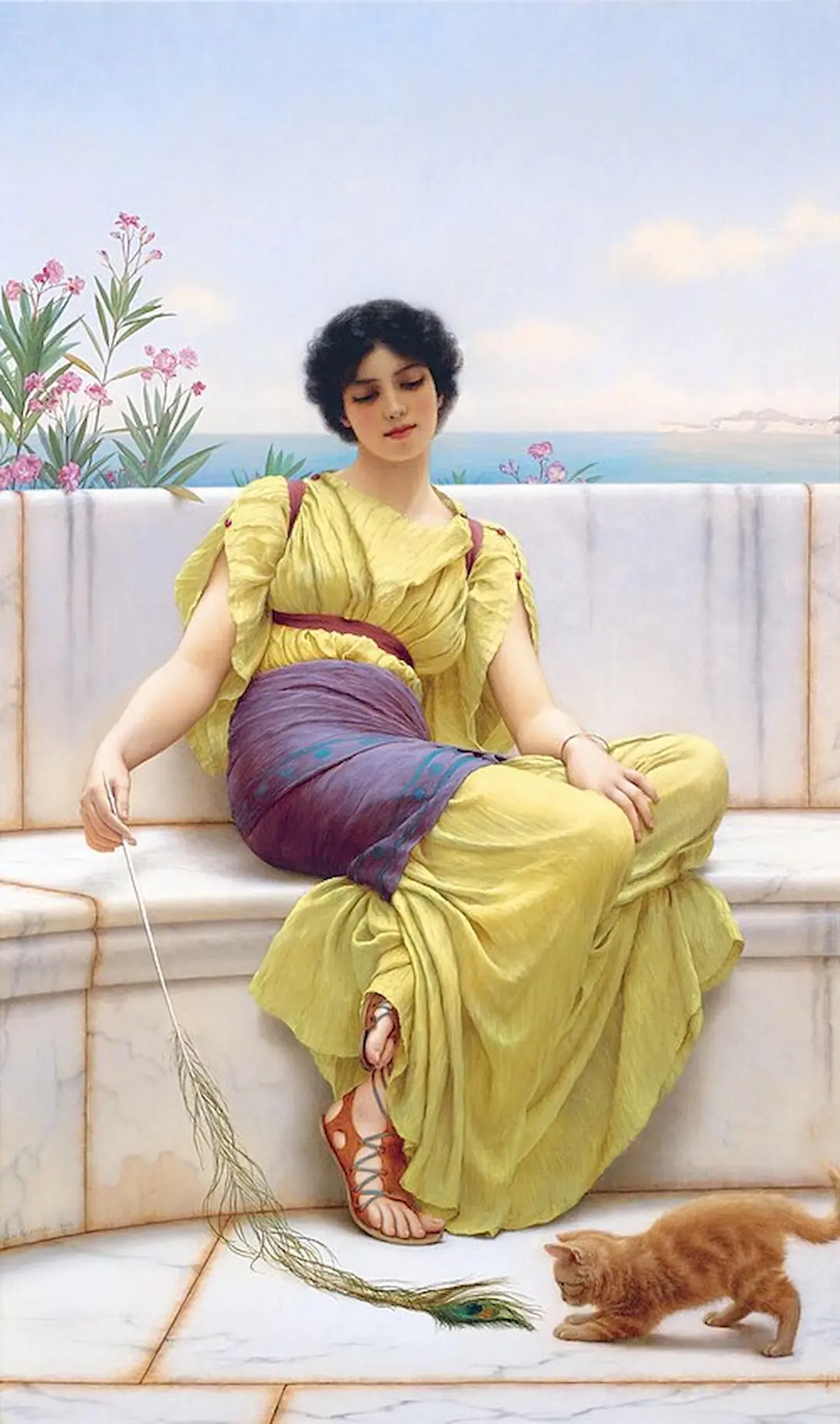
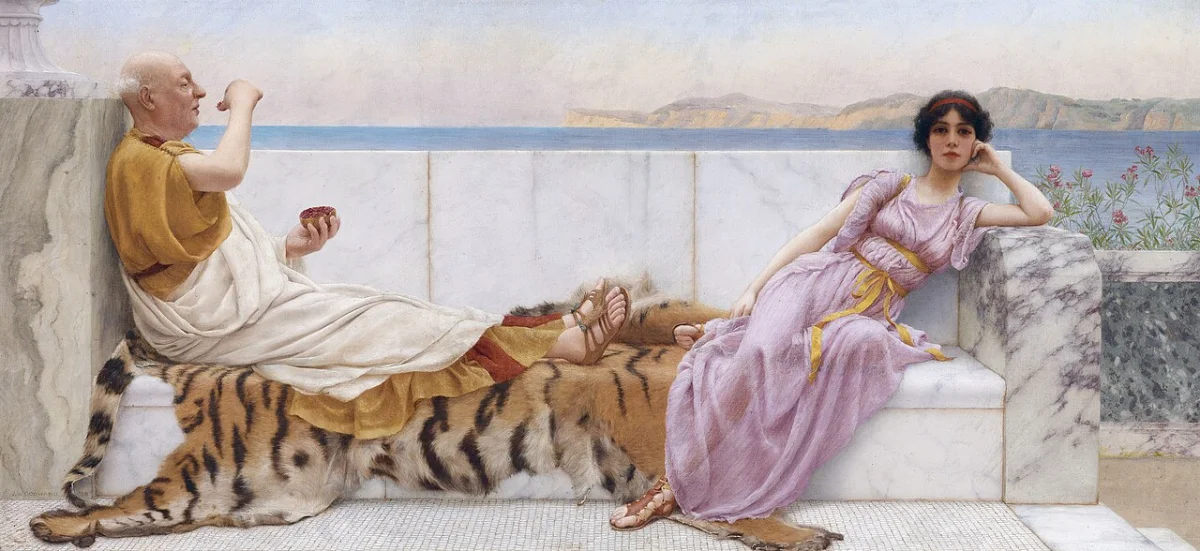
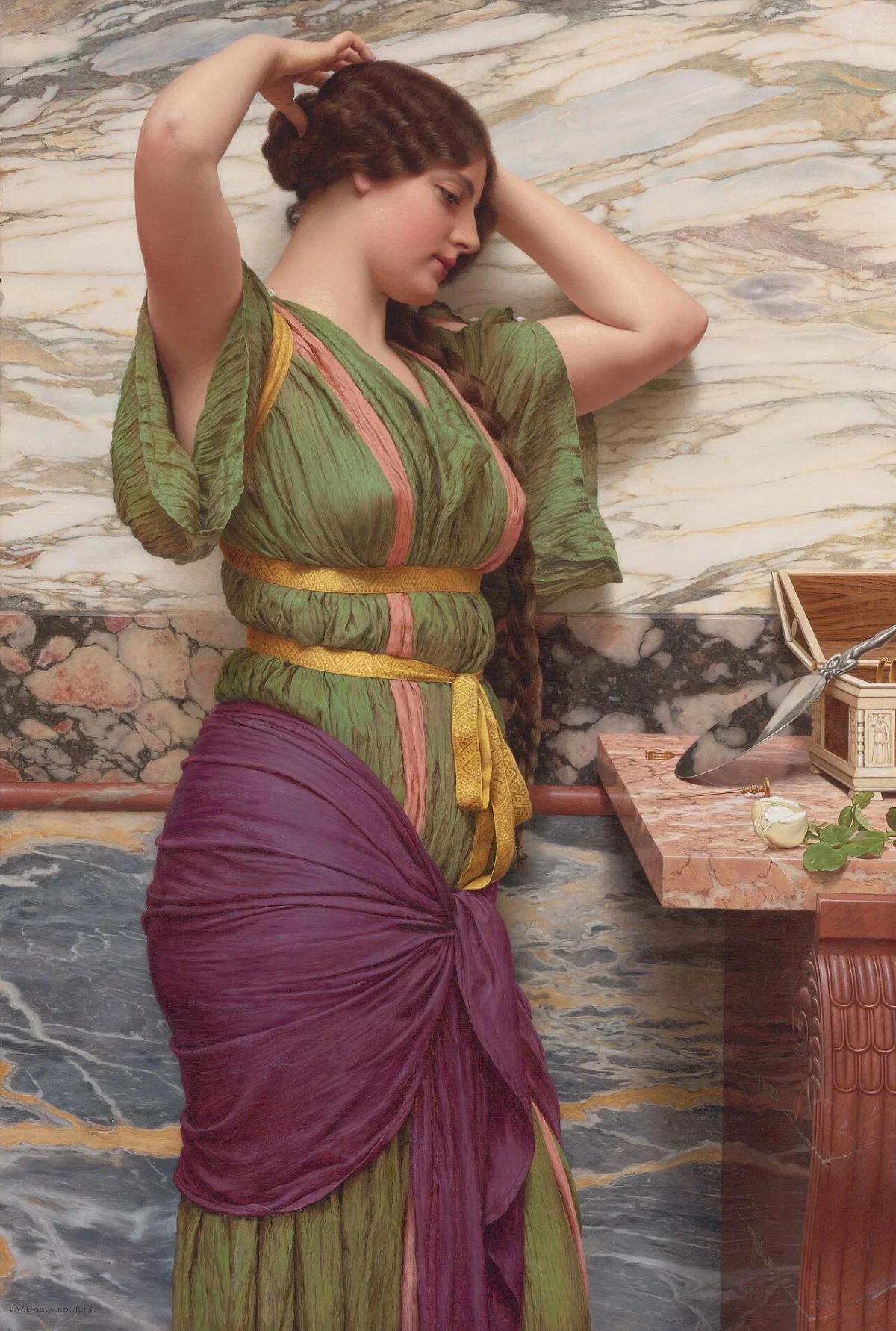
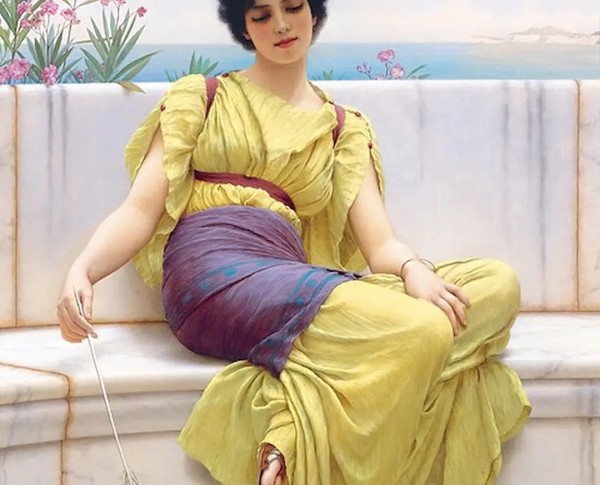
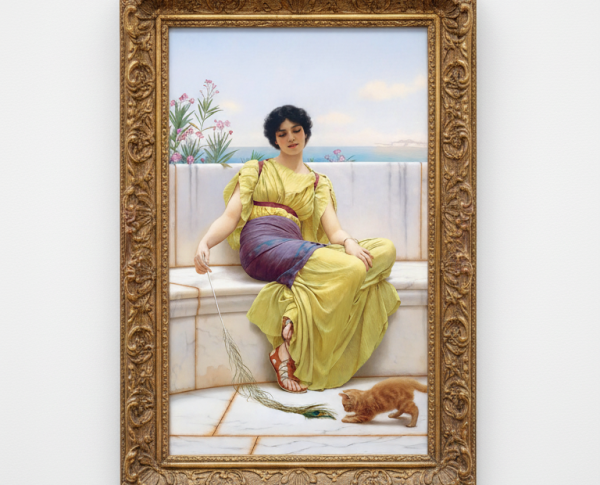
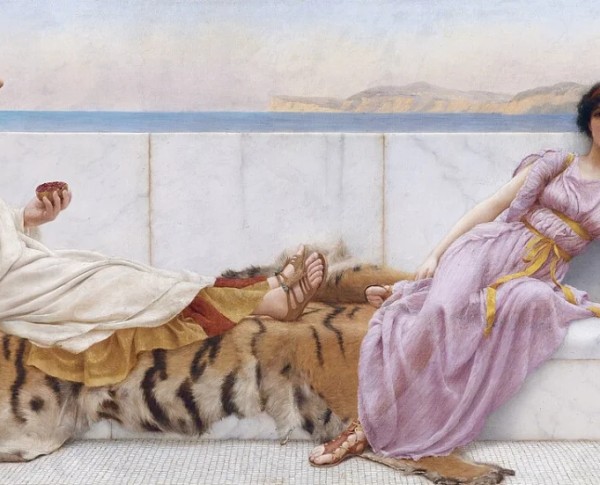
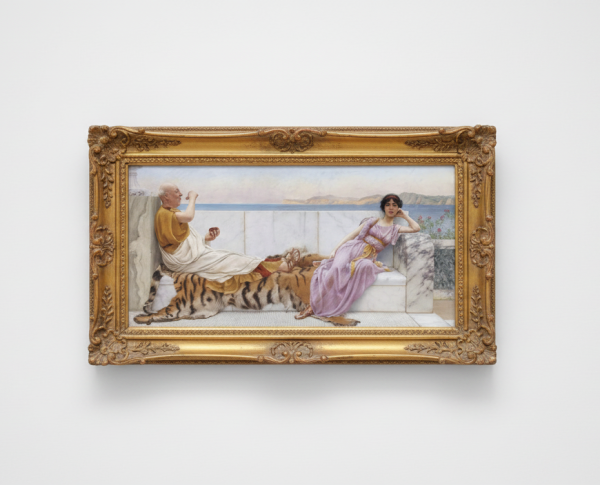
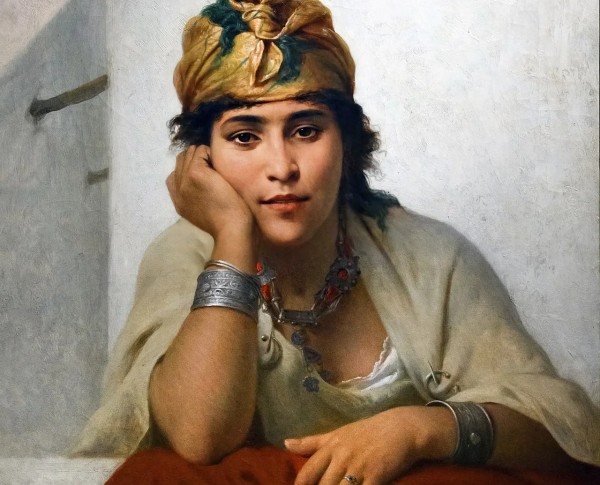
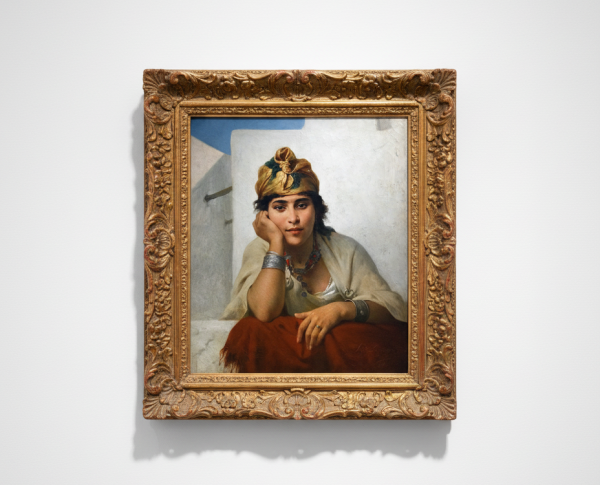
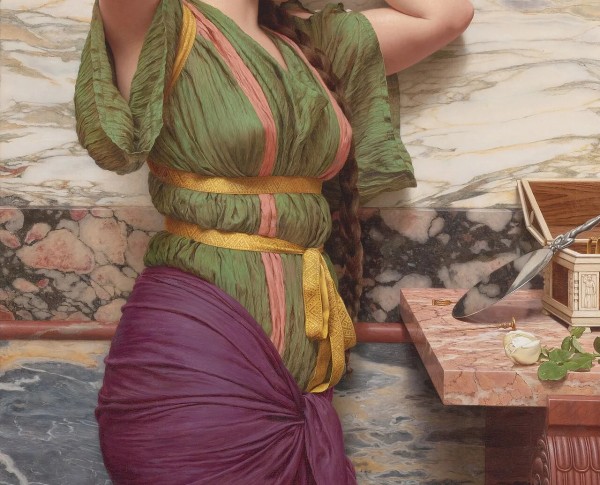
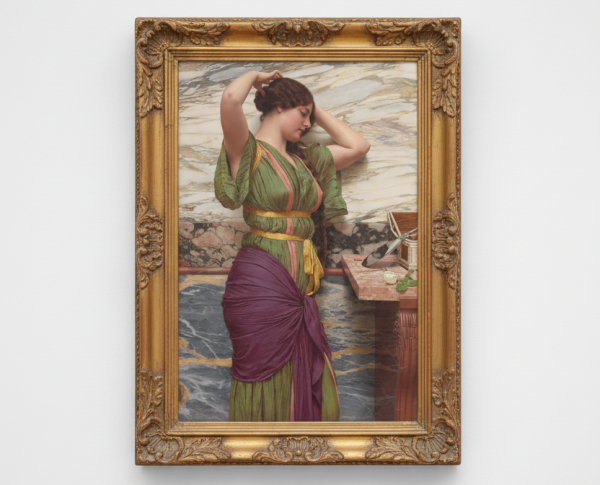
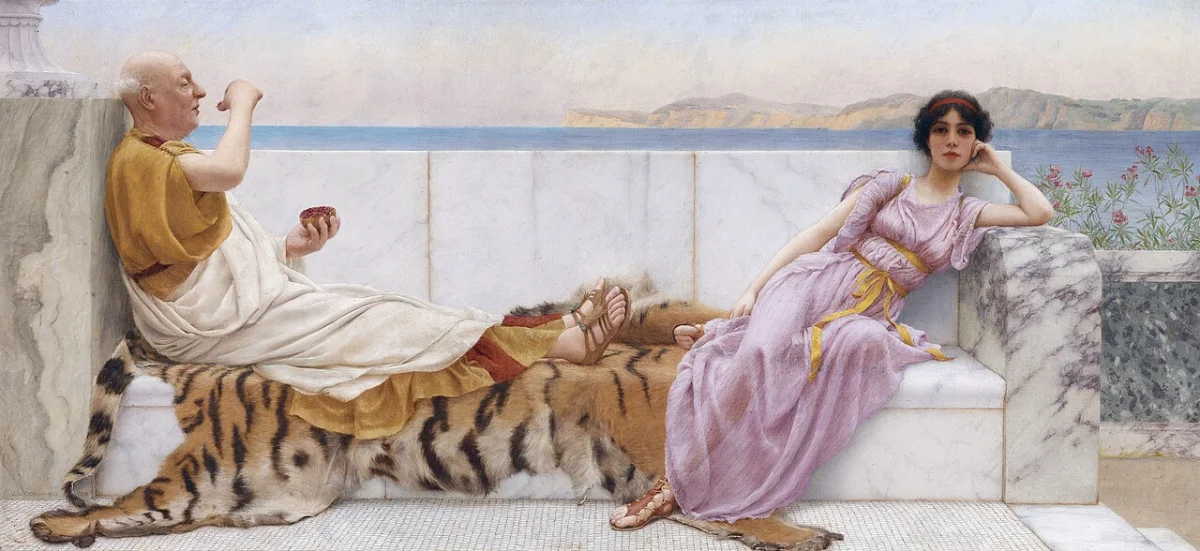
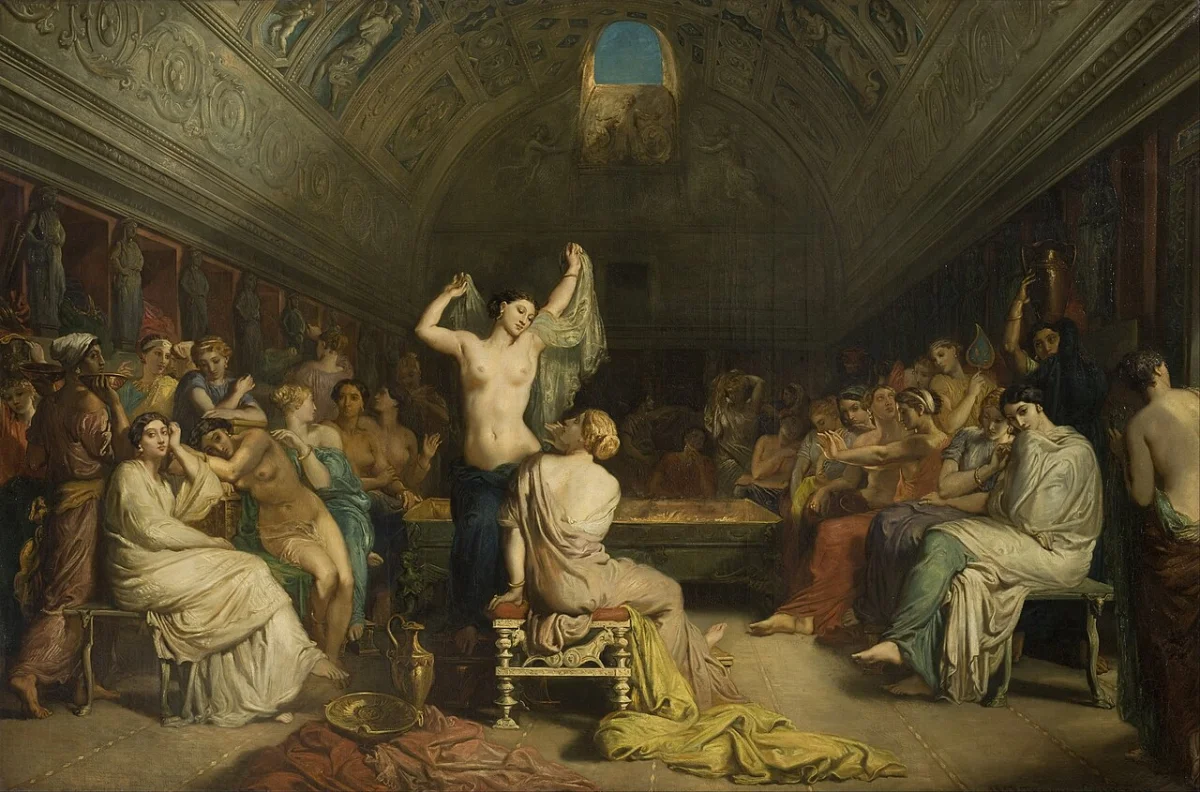
The detailed brushwork in "The Trysting Place" highlights Godward’s technical prowess and commitment to the Neoclassical Academic Realism movement. Each subtle nuance and delicate hue brings the scene to life, emphasizing the artist’s exceptional skill with oil on canvas. Godward’s work, including pieces like "The Melody" and "Nude on the Beach," invites viewers to appreciate the mastery found in every hand-painted oil painting from his distinguished portfolio.
"The Trysting Place" is more than a visual delight; it is imbued with narrative depth and symbolic resonance, hallmarks of Neoclassical Academic Realism. Godward’s composition evokes stories of longing and quiet encounters, themes echoed in related products such as "On the Balcony" and "Mischief and Repose." Each element within this fine art painting for sale is carefully chosen, adding layers of meaning and inviting interpretation from art lovers and collectors alike.
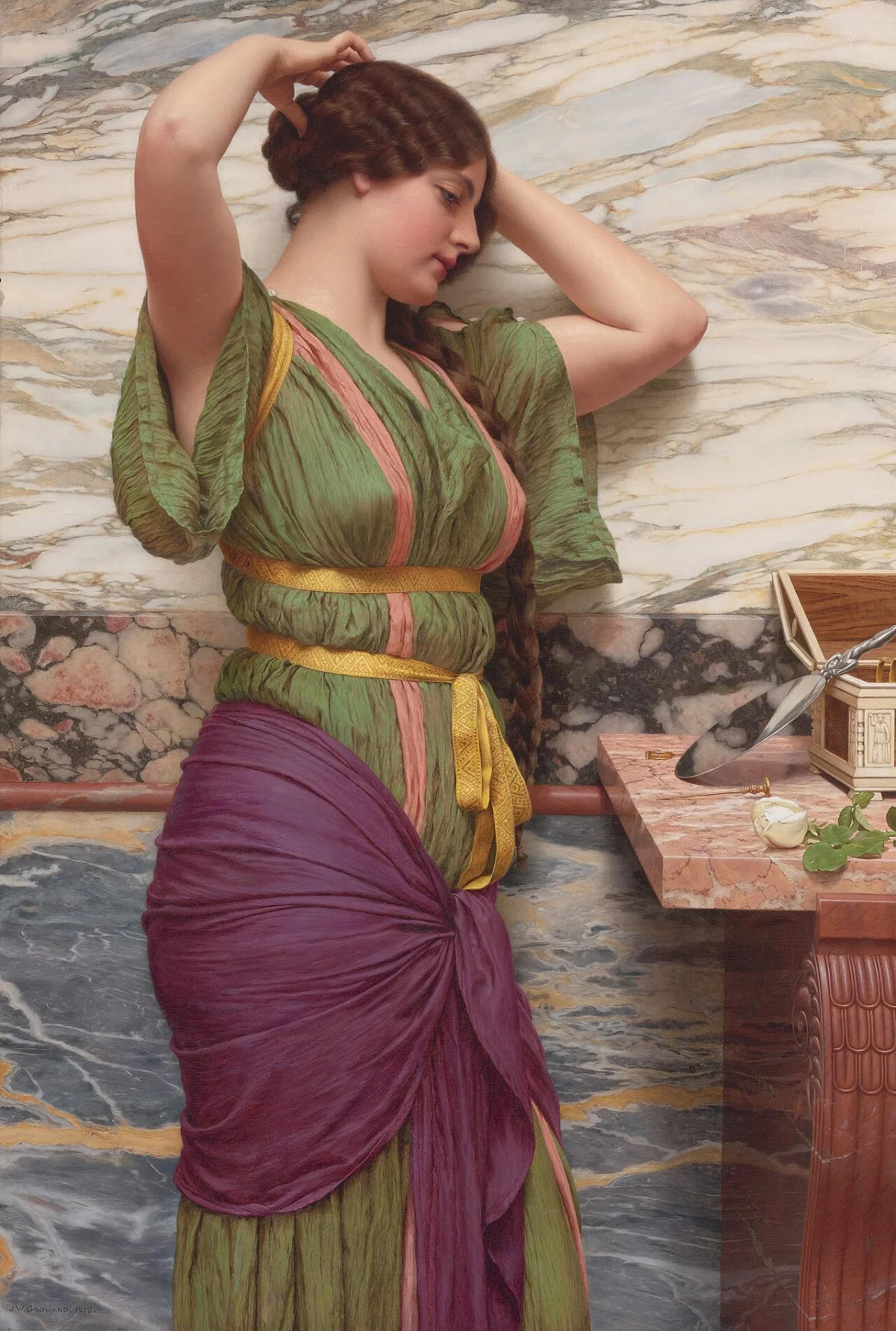
For collectors, "The Trysting Place" by John William Godward is an exceptional acquisition, representing the pinnacle of oil on canvas technique in the Neoclassical Academic Realism movement. Its refined elegance and historical significance make it highly desirable. Those interested in expanding their collection might also consider Godward’s other masterpieces, including "Reverie," "A Fair Reflection," and "The Melody," each a testament to the enduring allure of hand-painted oil paintings.
When Art Meets History
"The Trysting Place" by John William Godward encapsulates the ideals of Neoclassical Academic Realism, a movement renowned for its homage to classical antiquity. Painted during a period when artists sought to revive ancient aesthetics, this hand-painted oil painting stands alongside masterpieces like "Napoleon Crossing the Alps" and "The Death of Socrates." Godward’s meticulous attention to historical accuracy and romanticized settings reflect the era's fascination with Greco-Roman culture and timeless human narratives.
Techniques That Speak
John William Godward’s "The Trysting Place" is an exemplary oil on canvas, showcasing the artist’s deft command of light, texture, and form. His smooth brushwork and delicate layering evoke the marble and silk of antiquity, similar to works such as "Portrait of Antoine-Laurent Lavoisier and his wife." In this painting, Godward’s technique brings the Neoclassical Academic Realism movement to life, inviting viewers to appreciate the technical mastery that defines this distinguished artistic tradition.
Emotions on Display
In "The Trysting Place," Godward masterfully conveys longing and anticipation through his subject’s posture and expression, characteristic of Neoclassical Academic Realism. The painting’s serene ambiance and subtle emotional cues set it apart as a fine art painting for sale that appeals to collectors seeking depth and narrative. This emotional resonance can also be found in related works like "Consecration of the Emperor Napoleon I and Coronation of the Empress Josephine 1805-07" and "Bonaparte, Calm on a Fiery Steed."
Coveted by Collectors
As a testament to John William Godward’s enduring legacy, "The Trysting Place" remains highly coveted by collectors of Neoclassical Academic Realism. Its status as a hand-painted oil painting elevates its value, paralleling the demand for masterpieces like "Crossing the Alps 1801." Collectors are drawn to Godward’s ability to blend historical reverence with technical finesse, making this painting a prized addition to any discerning art collection.
Related Neoclassical Academic Realism Hand-Painted Oil Paintings by Other Artists
Other Famous Neoclassical Academic Realism Artists:
Frequently Asked Questions About The Trysting Place
What is the historical context of "The Trysting Place"?
"The Trysting Place," painted by John William Godward in 1893, reflects the late Victorian era's fascination with classical themes and aesthetics, showcasing a blend of romanticism and neoclassicism prevalent during that time.
What artistic techniques did Godward employ in this painting?
Godward utilized a meticulous approach to detail, employing techniques such as smooth brushwork and vibrant color palettes to create a lifelike representation of his subjects, while also emphasizing the textures of fabrics and natural elements.
What themes are explored in "The Trysting Place"?
The painting explores themes of love, intimacy, and the fleeting nature of romantic encounters, encapsulated in the serene yet charged atmosphere between the figures depicted in the artwork.
Who are the figures depicted in "The Trysting Place"?
The figures are often interpreted as representations of idealized lovers, embodying the classical beauty and emotional depth characteristic of Godward's work, which frequently features women in contemplative poses.
What symbolism is present in "The Trysting Place"?
The painting is rich in symbolism, with elements such as the lush foliage and the soft light suggesting a hidden, private world, while the positioning of the figures conveys a sense of secrecy and intimacy.
How does "The Trysting Place" reflect Godward's artistic style?
This work exemplifies Godward's signature style, characterized by a focus on classical beauty, an emphasis on the female form, and a romanticized portrayal of everyday life, often set against idyllic backdrops.
What influences can be seen in Godward's work?
Godward was influenced by the Pre-Raphaelite movement and classical antiquity, drawing inspiration from ancient Greek and Roman art, which is evident in the poses, drapery, and overall composition of "The Trysting Place."
How does the color palette contribute to the painting's mood?
The warm and harmonious color palette, featuring soft pastels and rich earth tones, enhances the painting's romantic mood, creating an inviting atmosphere that draws the viewer into the intimate scene.
What was the reception of "The Trysting Place" during its time?
Upon its release, "The Trysting Place" received acclaim for its technical prowess and romantic subject matter, solidifying Godward's reputation as a prominent figure in the genre of classical-themed art during the late 19th century.
In what ways does "The Trysting Place" connect to contemporary themes?
The painting's exploration of love and intimacy remains relevant today, inviting viewers to reflect on the nature of relationships and the timeless human experience of connection, transcending its historical context.























_GFM_Painting_(1).webp)


 100% Hand-Painted: Finished in 3-6 Weeks

.png)















_(1).webp)