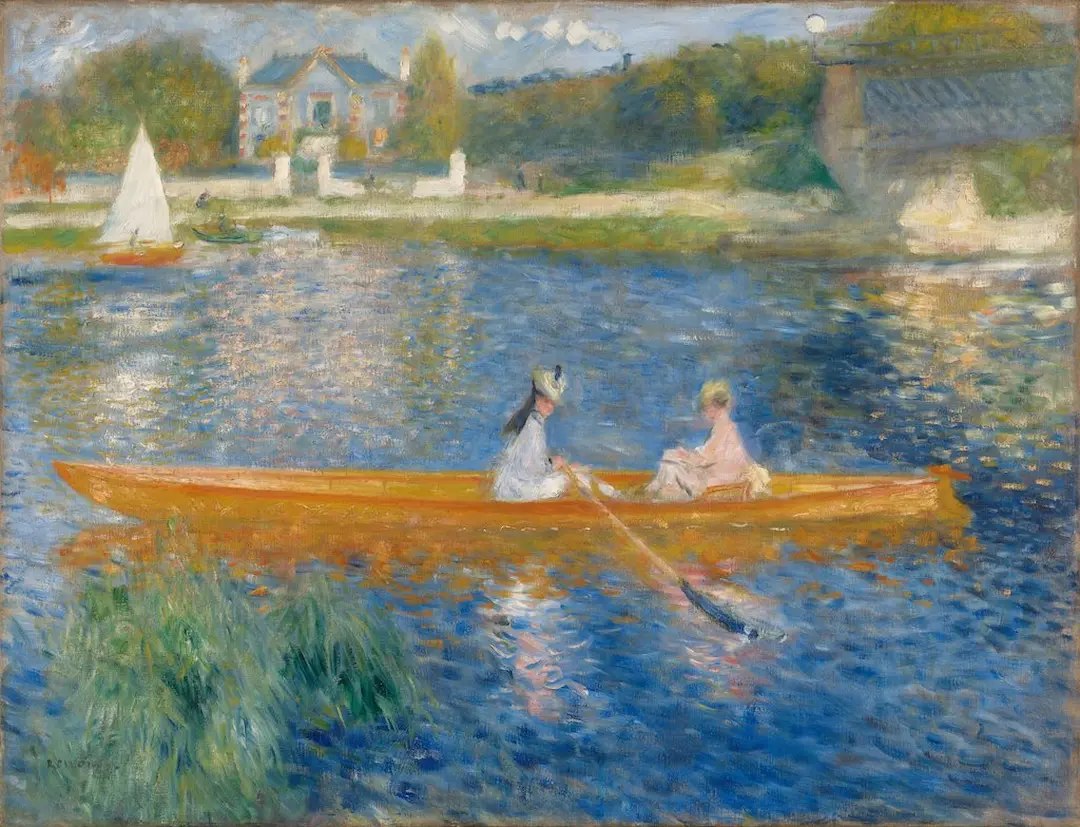
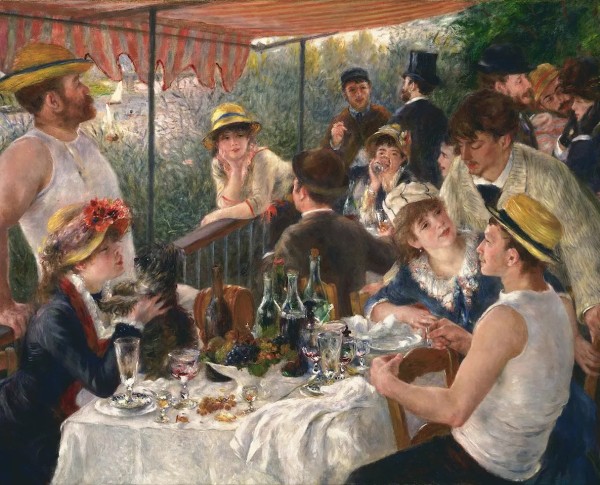
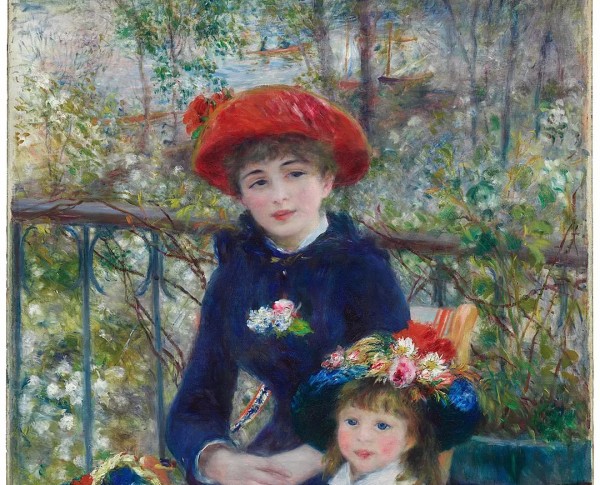
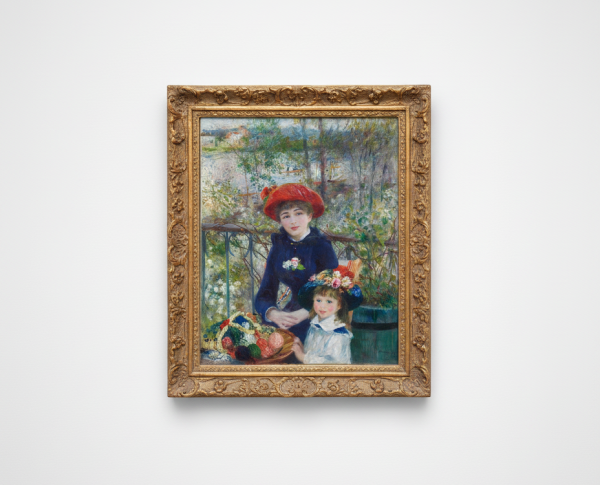
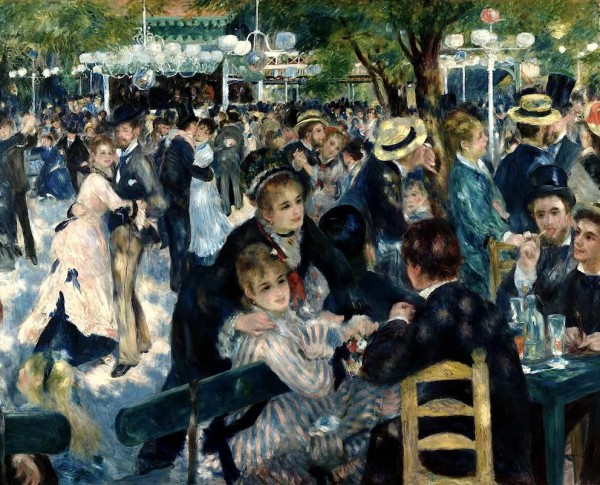
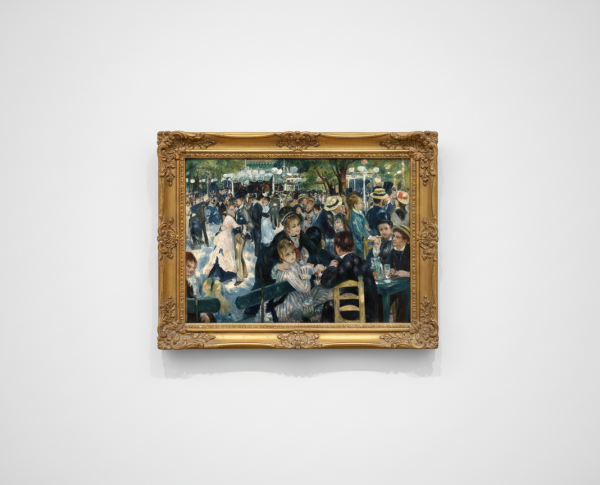
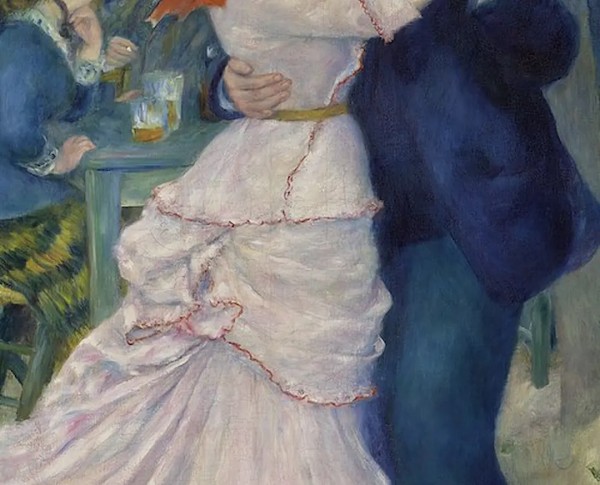
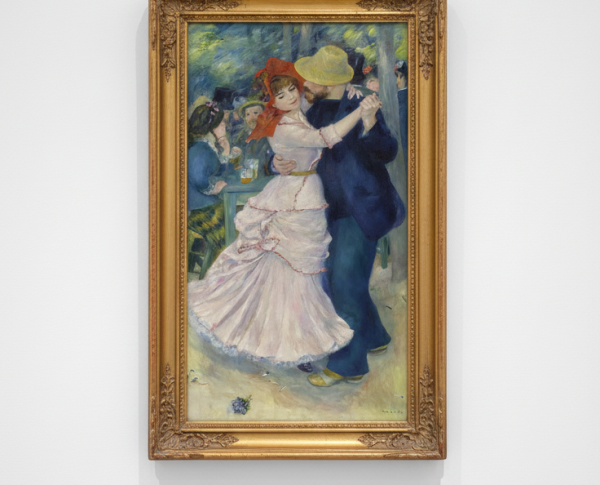
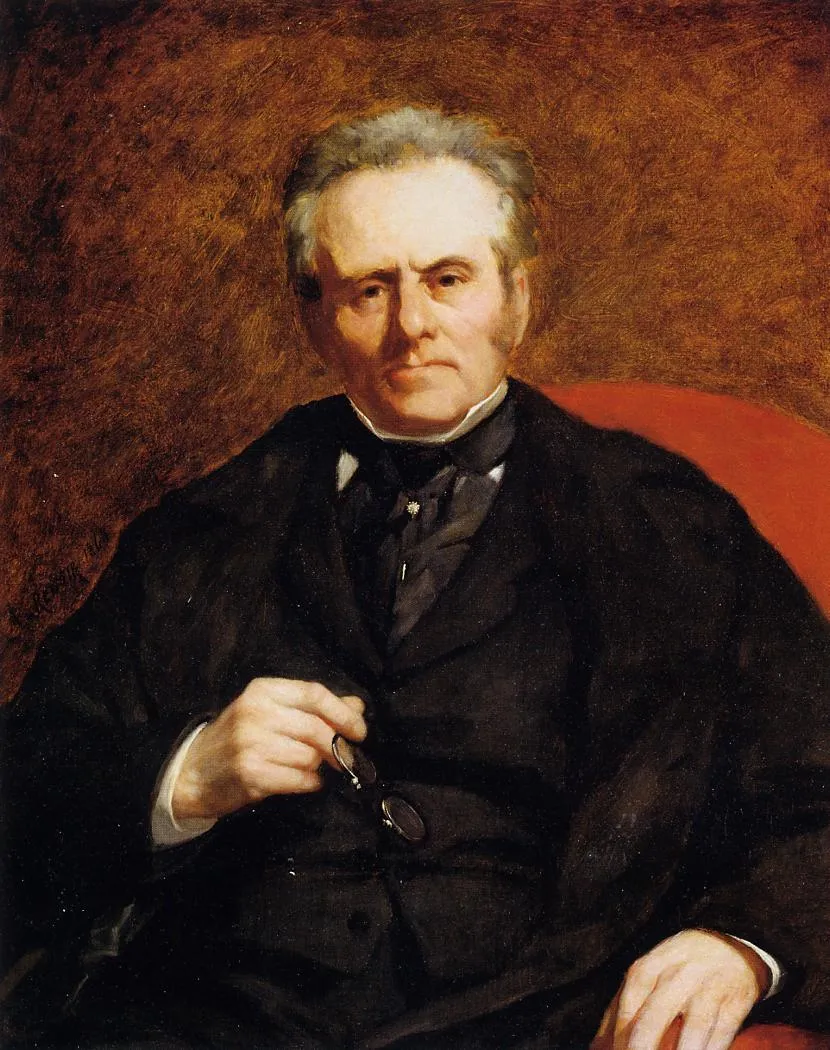
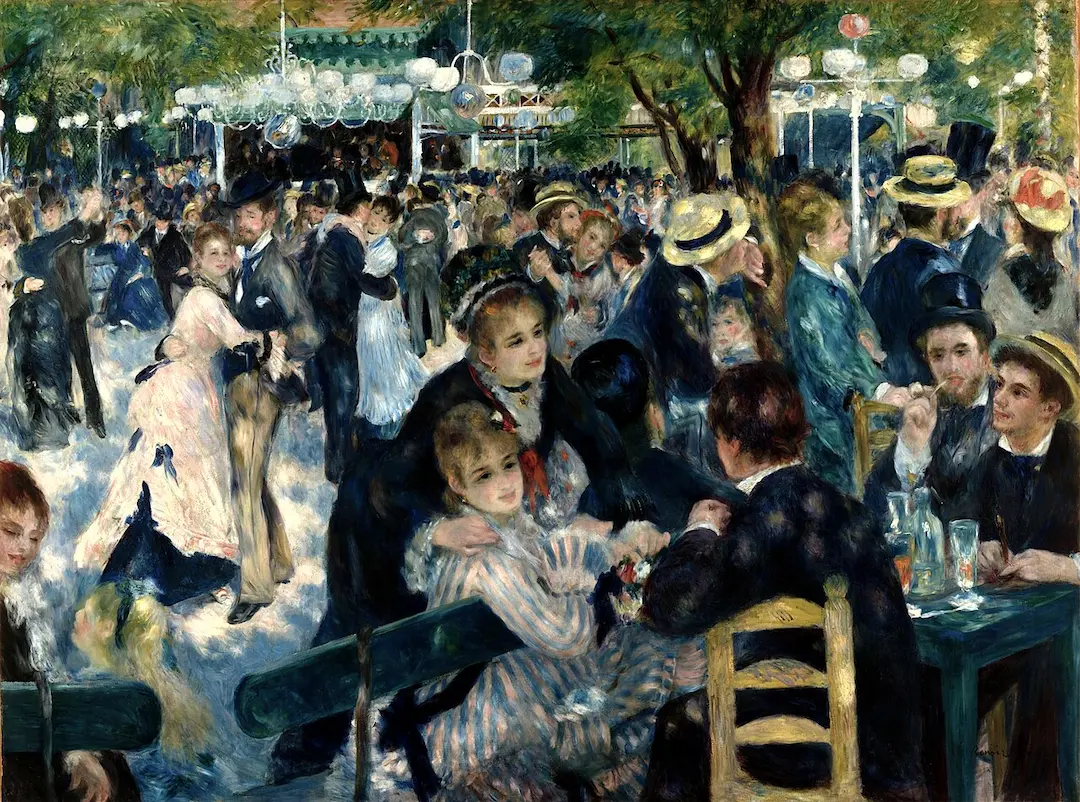
Renoir’s "William Sisley" showcases his unmistakable technique, characterized by loose brushwork and radiant color palettes. Executed in oil on canvas, the painting highlights Renoir’s ability to infuse life into his subjects, making every detail shimmer with intensity. As a masterpiece of Impressionism, it shares its artistic lineage with celebrated works like "Bal du moulin de la Galette" and "Two Sisters Aka On The Terrace," which also embody Renoir’s unique approach to light and texture.
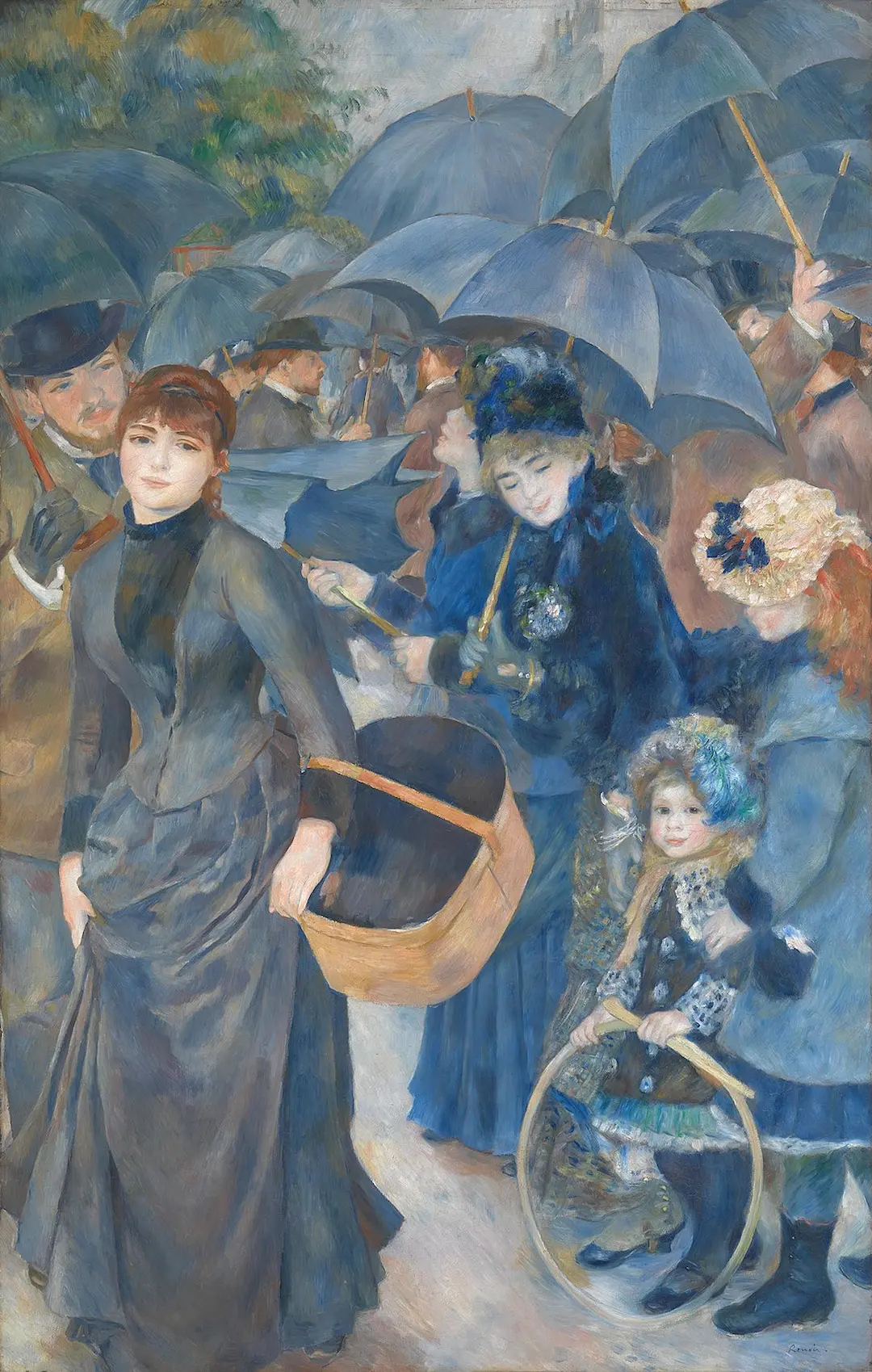
Within the gentle contours and luminous hues of "William Sisley," Renoir weaves stories and symbols reflective of the Impressionist ethos. This fine art painting for sale not only immortalizes a close friend of the artist but also encapsulates the spirit of camaraderie and innovation that defined the movement. Like "Umbrellas" and "Dance At Bougival," this piece invites viewers to explore deeper narratives beneath the surface beauty and technique.
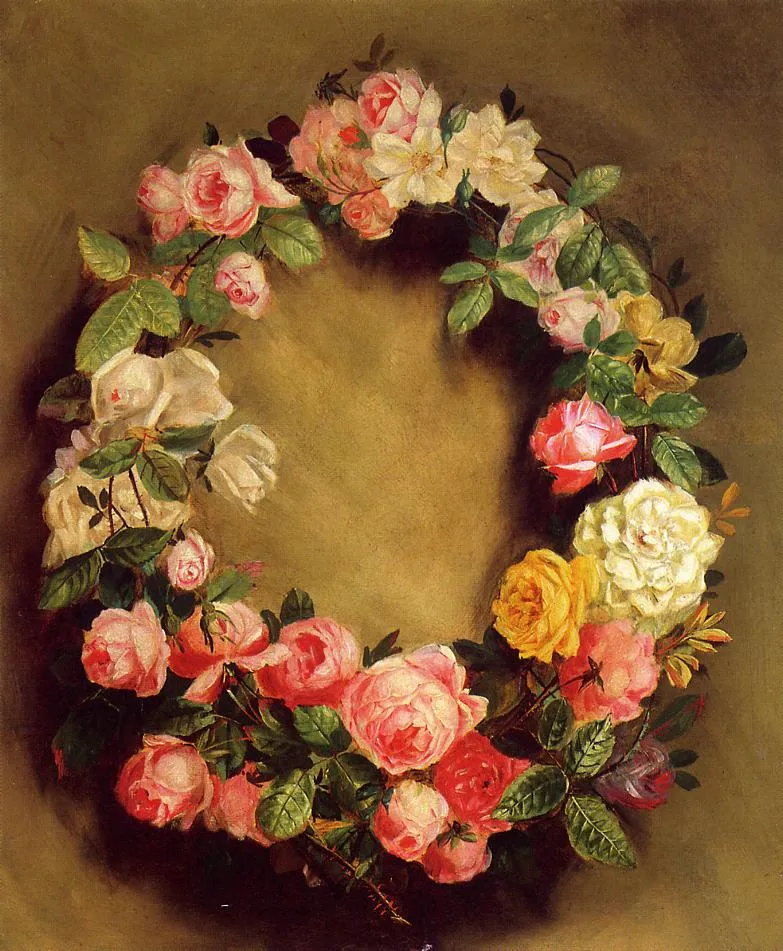
Owning "William Sisley" by Pierre Auguste Renoir means acquiring a remarkable piece of art history from the Impressionism period. This hand-painted oil painting appeals to discerning collectors seeking authenticity and legacy. Pairing it with related products such as "Crown of Roses" or "The Artist’s Mother" creates a curated ensemble that reflects Renoir’s diverse mastery. Each work, including "William Sisley," stands as a testament to the enduring allure of Impressionist fine art.
When Art Meets History
"William Sisley" by Pierre Auguste Renoir is a remarkable example of the Impressionism movement, created during a period when artists sought to capture fleeting moments and the effects of light. This hand-painted oil painting reflects Renoir's deep connection to his contemporaries and the evolving art world of the late 19th century. Similar to masterpieces like "Women in the Garden" and "La Gare Saint Lazare," Renoir's work showcases the innovative spirit that defined Impressionism.
Techniques That Speak
Renoir’s "William Sisley" demonstrates his masterful use of oil on canvas, with loose brushwork and a vibrant palette that brings the subject to life. The artist’s technique, widely admired in Impressionist circles, can also be seen in related works such as "The Pointe of Heve" and "Irises In Monets Garden." Renoir’s ability to capture light and atmosphere is evident in every stroke, making this painting a quintessential example of Impressionist artistry.
Emotions on Display
The emotional undertones in "William Sisley" are palpable, as Renoir skillfully conveys the personality and mood of his subject. This fine art painting for sale resonates with viewers, much like "Poppy Field near Vétheuil," drawing them into a world of subtle expression and warmth. Renoir’s Impressionist approach emphasizes the human element, inviting observers to connect deeply with the figure portrayed and the ambiance of the moment.
Coveted by Collectors
"William Sisley" remains highly sought after by collectors who appreciate the historical significance and beauty of hand-painted oil paintings. As a celebrated work by Pierre Auguste Renoir, it stands alongside other Impressionist treasures such as "Women in the Garden" and "La Gare Saint Lazare." The enduring appeal and rarity of Renoir’s works ensure that this piece holds a special place in the world of fine art painting for sale.
Related Impressionism Hand-Painted Oil Paintings by Other Artists
Other Famous Impressionism Artists:
Frequently Asked Questions About William Sisley
Who is the artist of "William Sisley"?
The artist of "William Sisley" is Pierre Auguste Renoir, a prominent figure in the Impressionist movement.
What is the historical context of "William Sisley"?
"William Sisley" was painted during the late 19th century, a time when Renoir was deeply influenced by the Impressionist style, focusing on light and color.
What artistic techniques did Renoir use in this painting?
Renoir employed loose brushwork and a vibrant color palette, characteristic of Impressionism, to capture the essence of his subject with a sense of immediacy.
Who is William Sisley, and why is he significant?
William Sisley was an English painter and a close friend of Renoir, known for his contributions to the Impressionist movement, particularly in landscape painting.
What themes are explored in "William Sisley"?
The painting explores themes of friendship, artistic camaraderie, and the celebration of the individual within the context of the Impressionist movement.
How does "William Sisley" reflect Renoir's style?
The painting reflects Renoir's style through its emphasis on warmth, the play of light, and the use of color to convey emotion and personality.
What symbolism can be found in "William Sisley"?
The painting symbolizes the bond between artists and the shared experiences of creativity, highlighting the importance of personal connections in the art world.
In what way does "William Sisley" contribute to our understanding of Impressionism?
"William Sisley" contributes to our understanding of Impressionism by showcasing the movement's focus on capturing fleeting moments and the interplay of light and color.
What is the significance of the color palette used in "William Sisley"?
The color palette used in "William Sisley" is significant as it reflects Renoir's ability to evoke mood and atmosphere, enhancing the emotional depth of the portrait.
Where can I view "William Sisley"?
"William Sisley" is part of the collection at [Gallery Name], where it is displayed to highlight the contributions of Renoir to the Impressionist movement.






















_GFM_Painting_(1).webp)


 100% Hand-Painted: Finished in 3-6 Weeks

.png)

















_(1).webp)