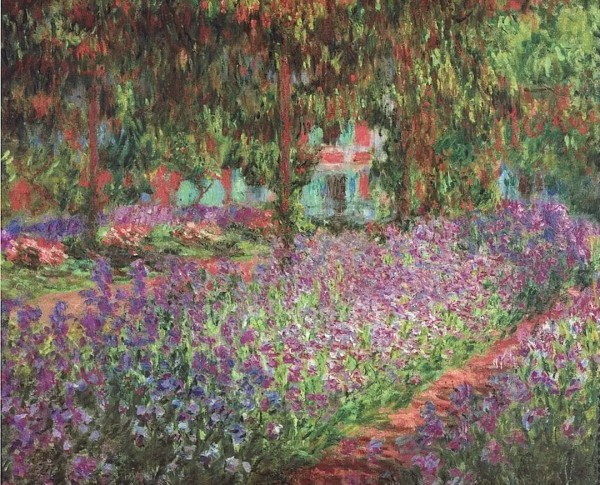
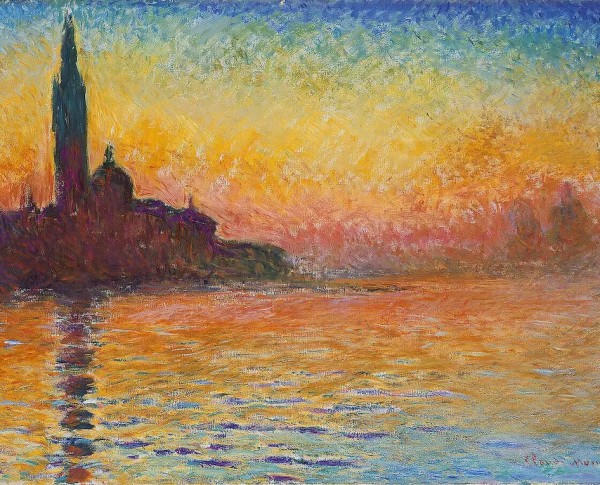
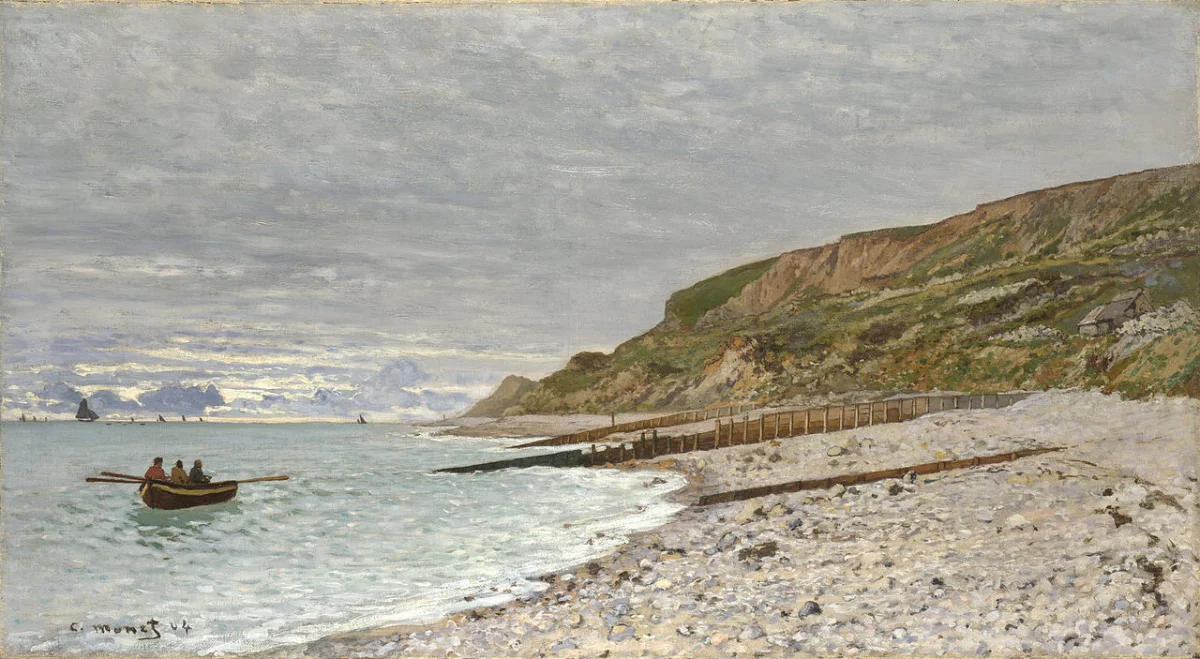
Monet’s "The Pointe of Heve" showcases his remarkable technique with oil on canvas, using vibrant colors and swift brushstrokes to evoke the natural beauty of the French coast. Each stroke reflects Monet’s dedication to capturing the subtleties of light, a hallmark of Impressionism. Similar to "Hauling a Boat Ashore, Honfleur" and "A Farmyard in Normandy," this painting exemplifies the artist’s mastery and remains a celebrated example for those passionate about authentic oil on canvas artworks.
Within "The Pointe of Heve," Claude Monet weaves subtle narratives and symbols, inviting viewers to explore the emotions behind each scene. The painting’s atmosphere echoes the tranquility and movement found in the "Houses of Parliament" series, embodying the Impressionist desire to portray fleeting moments. Collectors searching for a fine art painting for sale are drawn to these evocative stories, making Monet’s work a cherished centerpiece in any curated art selection.
For art lovers and collectors, owning "The Pointe of Heve" by Claude Monet represents a unique opportunity to invest in the legacy of Impressionism. This hand-painted oil painting stands alongside works like "Street of the Bavolle Honfleur," offering a glimpse into Monet’s groundbreaking artistry. As a fine art painting for sale, it appeals to those who value historical significance and timeless beauty, ensuring its place as a prized possession in any distinguished collection.
When Art Meets History
"The Pointe of Heve" by Claude Monet stands out as a significant hand-painted oil painting within the Impressionism movement. Painted during a period of artistic revolution, this masterpiece captures the shifting light and atmosphere of the French coast. Monet, a pioneer of Impressionism, often explored similar themes in related works like "By the Seashore" and "Spring Bouquet." Each stroke in "The Pointe of Heve" reflects a moment in history, where tradition met a bold new vision.
Techniques That Speak
Claude Monet’s "The Pointe of Heve" exemplifies the innovative oil on canvas techniques that define Impressionism. Using quick, broken brushstrokes and a vibrant palette, Monet achieved a luminous effect that brings the landscape to life. This approach, also seen in "Dance At The Moulin De La Galette" and "The Floor Scrapers 1875," allows viewers to experience the fleeting beauty of nature. The painting’s texture and color transitions highlight Monet’s mastery of oil on canvas artistry.
Emotions on Display
Monet’s "The Pointe of Heve" evokes a profound sense of tranquility and wonder, hallmarks of a fine art painting for sale from the Impressionism era. The painting’s gentle interplay of light and shadow captures the mood of a serene coastal morning, drawing viewers into Monet’s emotional world. Similar feelings resonate in his works like "White slave trade" and "Spring Bouquet," where emotion and environment blend seamlessly, making each piece a timeless expression of the artist’s vision.
Coveted by Collectors
Collectors worldwide highly value Monet’s "The Pointe of Heve" as a hand-painted oil painting that embodies the spirit of Impressionism. The painting’s historical significance and innovative style make it a prized addition to any collection. Its connection to related masterpieces such as "Dance At The Moulin De La Galette" and "By the Seashore" only increases its desirability among enthusiasts seeking authentic Impressionist works. Owning such a piece means possessing a true gem of fine art history.
Related Impressionism Hand-Painted Oil Paintings by Other Artists
Other Famous Impressionism Artists:
Frequently Asked Questions About The Pointe of Heve
What is the historical significance of "The Pointe of Heve"?
"The Pointe of Heve" is significant as it exemplifies Claude Monet's mastery of light and color, showcasing his innovative approach to Impressionism during the late 19th century.
When was "The Pointe of Heve" painted?
This artwork was created in 1868, a period when Monet was exploring the effects of natural light on landscapes.
What techniques did Monet use in "The Pointe of Heve"?
Monet employed loose brushwork and a vibrant palette to capture the fleeting effects of light and atmosphere, characteristic of his Impressionist style.
What themes are explored in "The Pointe of Heve"?
The painting explores themes of nature, transience, and the relationship between land and sea, reflecting Monet's fascination with the coastal landscape.
What is the symbolism behind the colors used in "The Pointe of Heve"?
The colors in "The Pointe of Heve" symbolize the harmony of nature, with blues representing the sea and sky, and greens and yellows depicting the lush landscape, evoking a sense of tranquility.
How does "The Pointe of Heve" reflect Monet's artistic evolution?
This painting marks a pivotal moment in Monet's artistic evolution, as it showcases his departure from traditional techniques towards a more modern, impressionistic approach.
Where is "The Pointe of Heve" currently housed?
"The Pointe of Heve" is part of the collection at the Musée d'Orsay in Paris, France, where it continues to be admired by art enthusiasts.
What influences can be seen in "The Pointe of Heve"?
The painting reflects the influence of the Barbizon School, particularly in its focus on natural landscapes, as well as the burgeoning Impressionist movement that Monet helped to define.
What role does light play in "The Pointe of Heve"?
Light plays a crucial role in this painting, as Monet captures its dynamic qualities, illustrating how it transforms the scene and creates a sense of movement and depth.
How does "The Pointe of Heve" compare to other works by Monet?
Compared to other works by Monet, "The Pointe of Heve" is notable for its serene composition and the subtle interplay of colors, reflecting his unique perspective on the beauty of the natural world.























_GFM_Painting_(1).webp)


 100% Hand-Painted: Finished in 3-6 Weeks

.png)















_(1).webp)