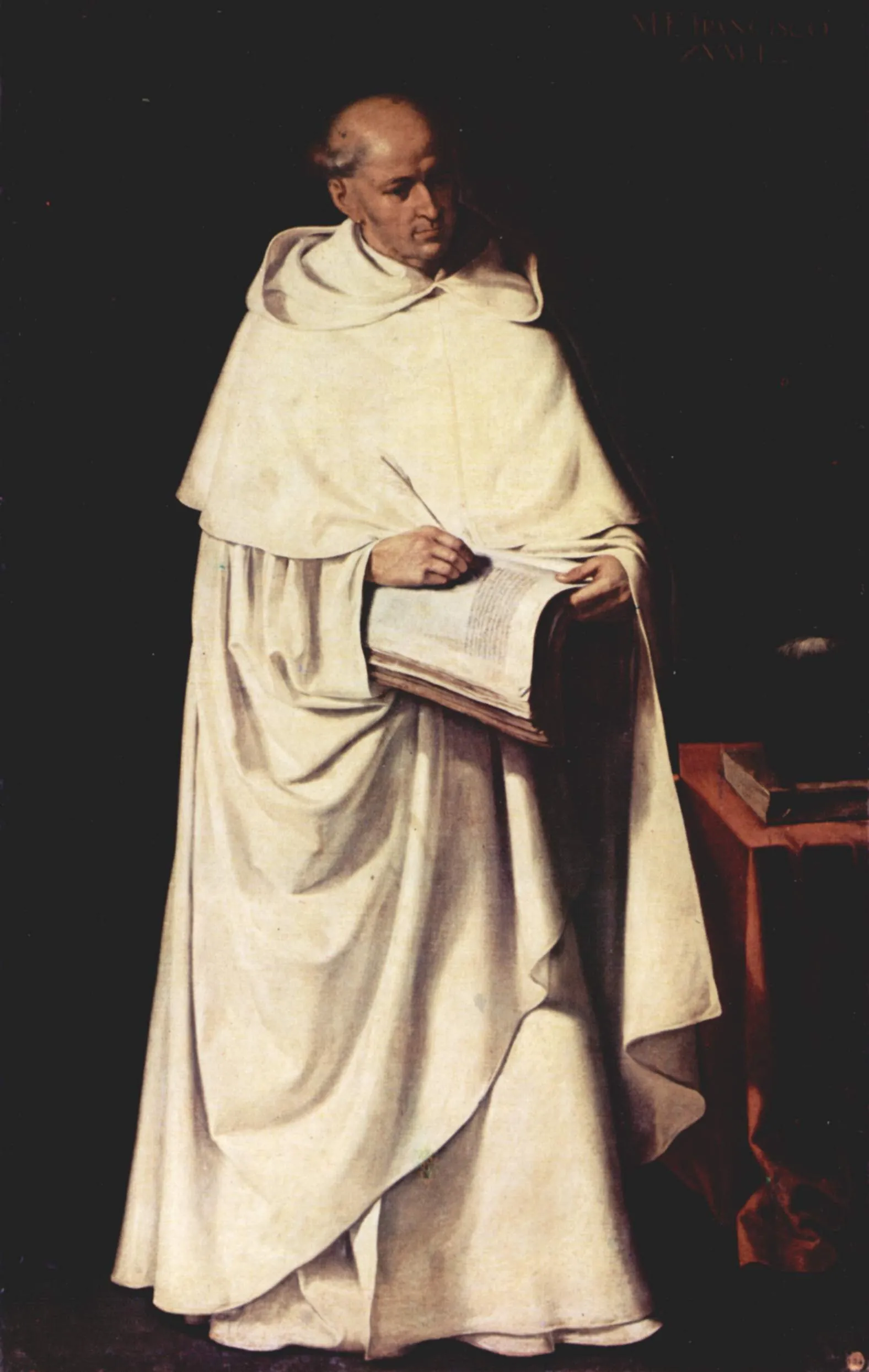
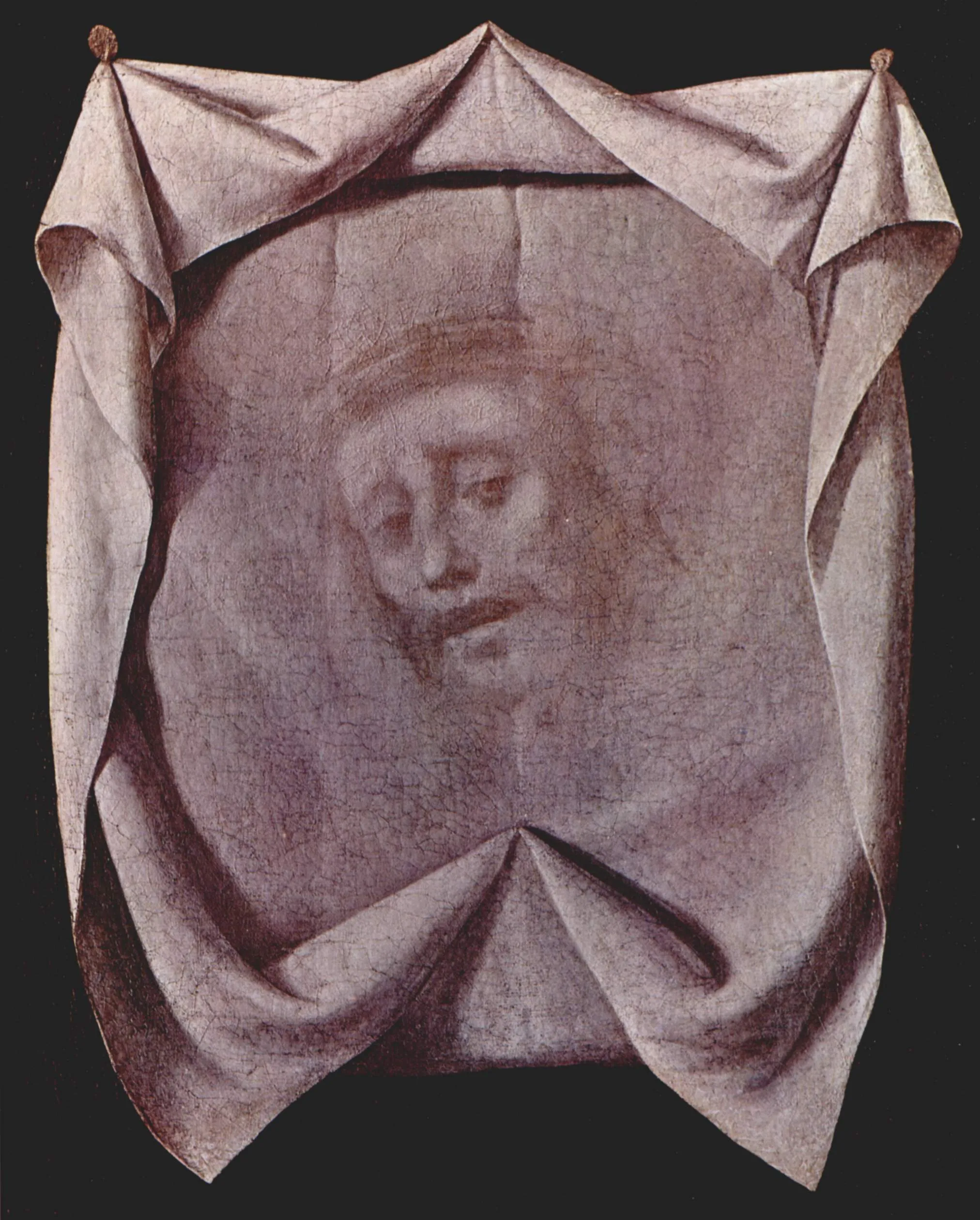
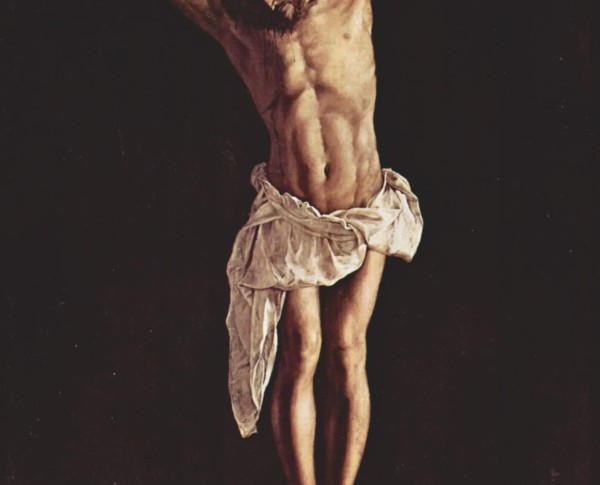
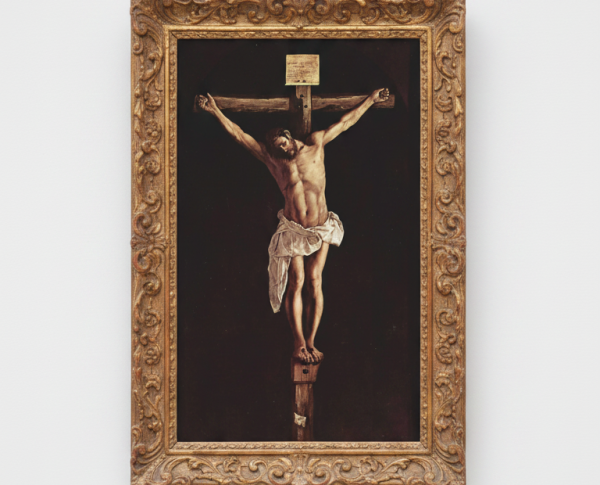
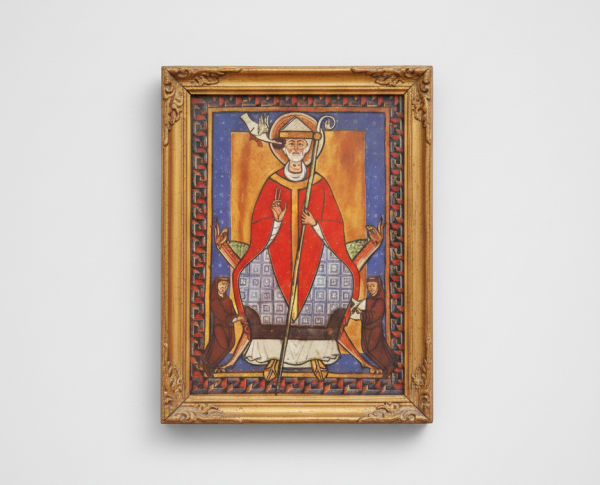
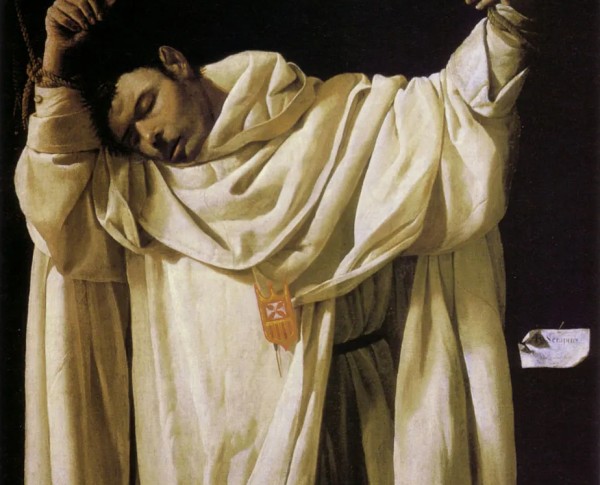
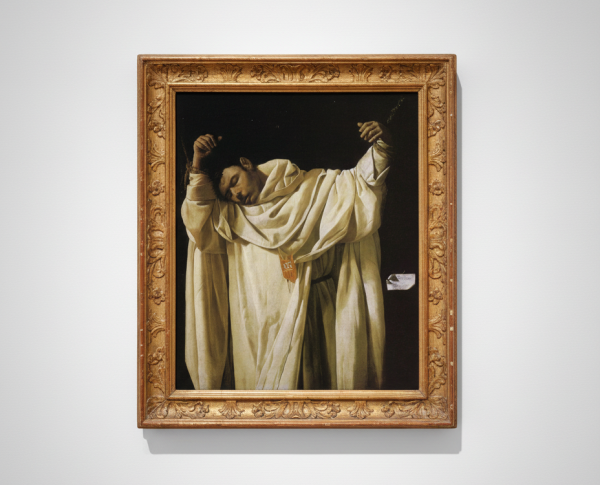
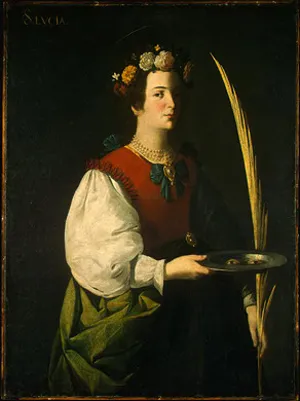
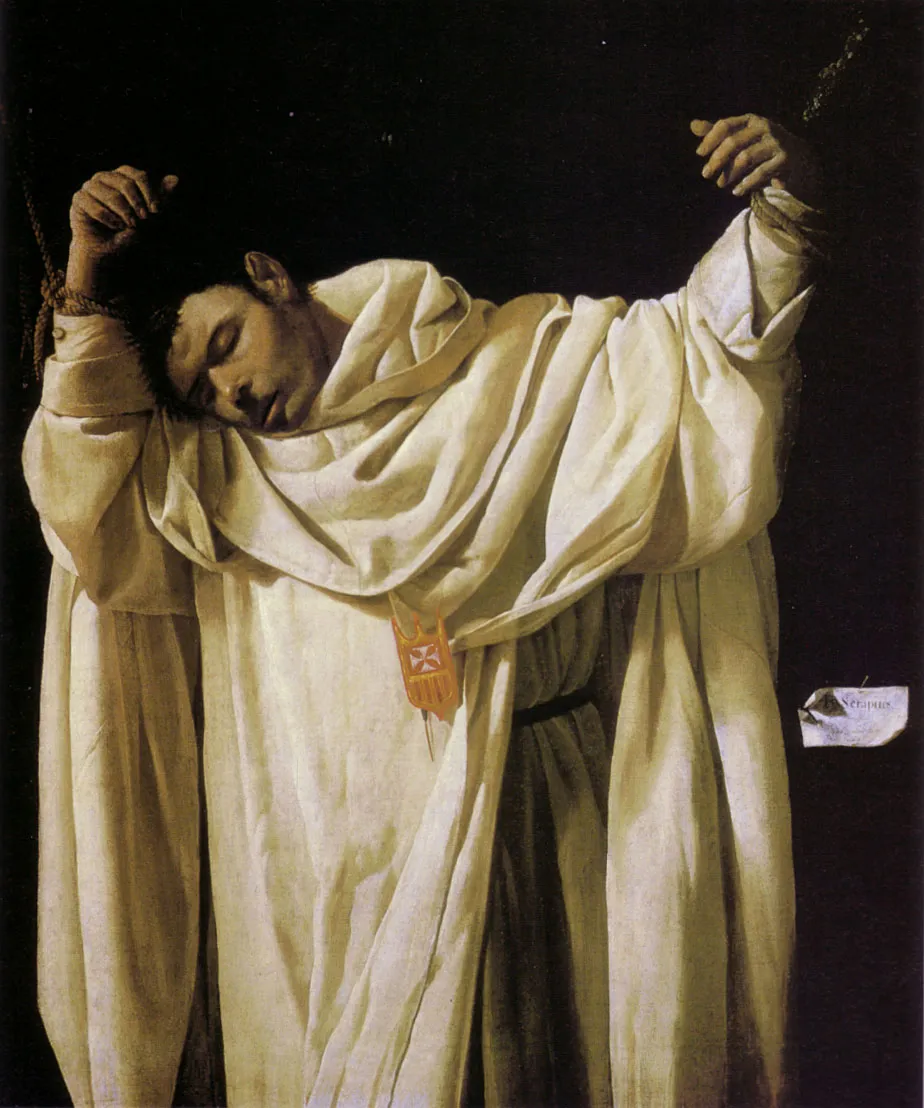
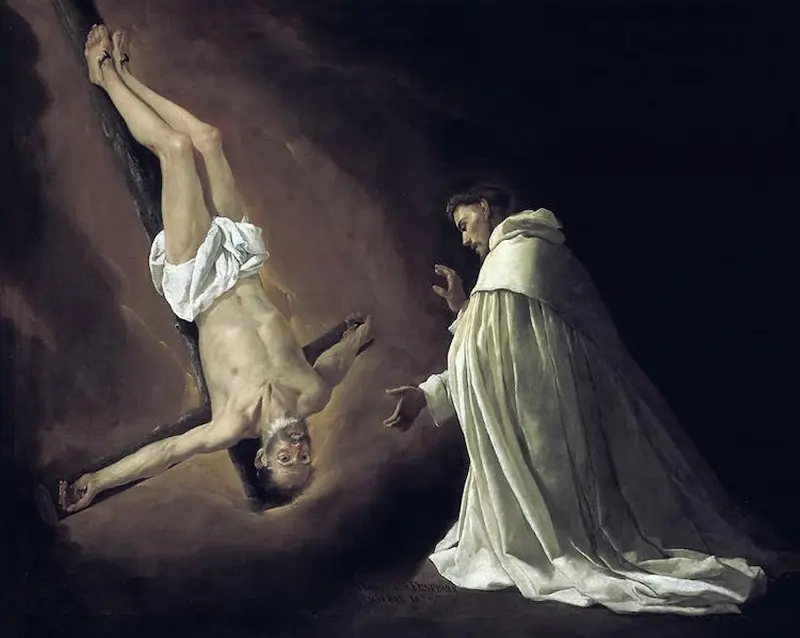
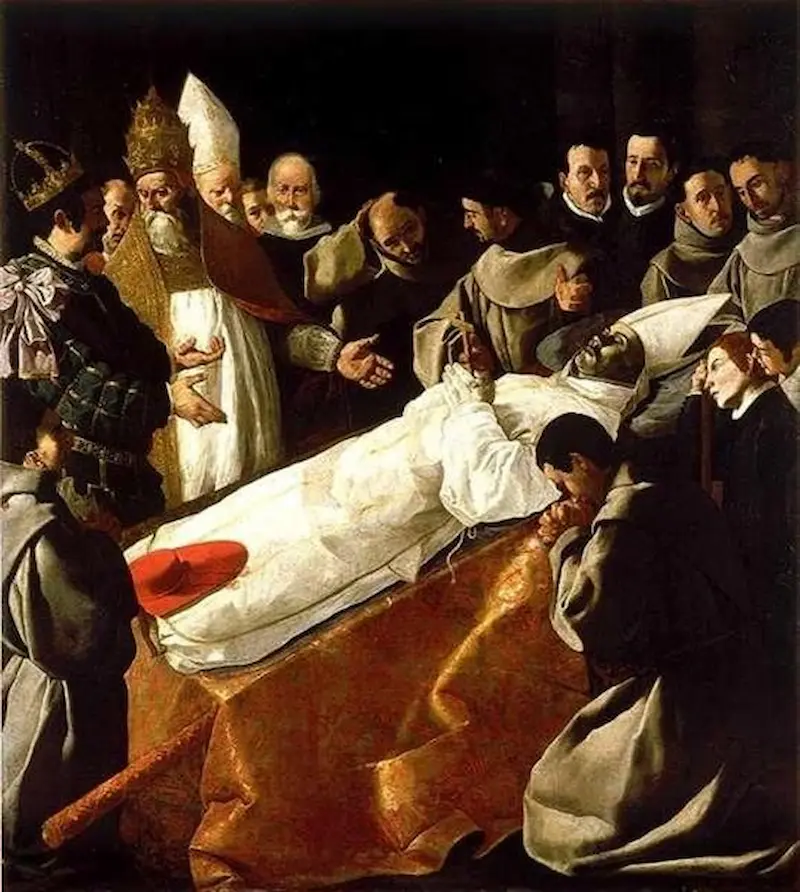
Francisco de Zurbaran’s "Saint Lucy" exemplifies the exquisite technique of oil on canvas, a hallmark of the Baroque era. Through masterful use of light and shadow, Zurbaran brings Saint Lucy’s serene presence to life, inviting viewers into a realm of deep contemplation. The meticulous attention to detail in this painting echoes throughout his other works, such as "The Death of St Bonaventura" and "Vision of St Peter Nolasco," celebrated among collectors and art enthusiasts alike.
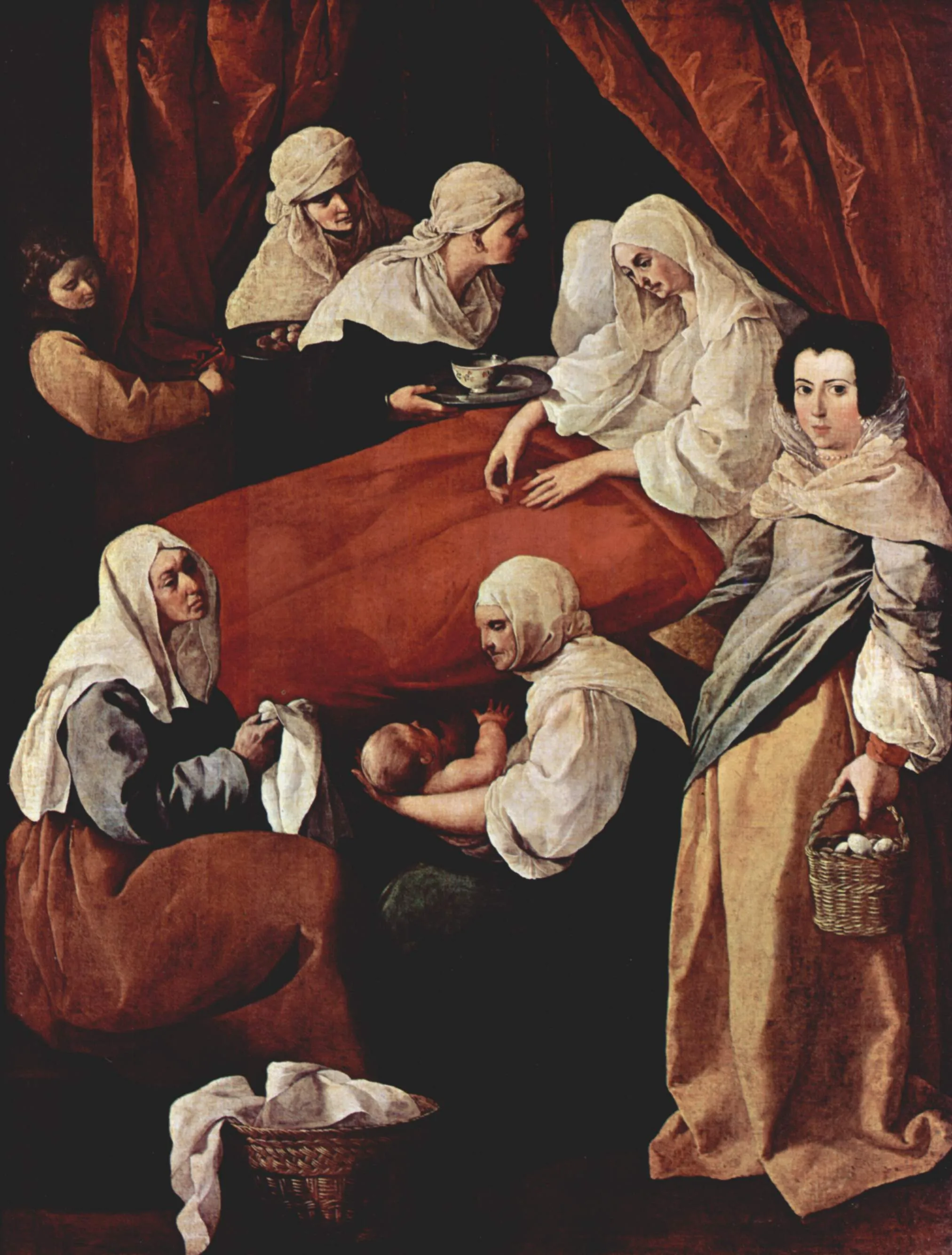
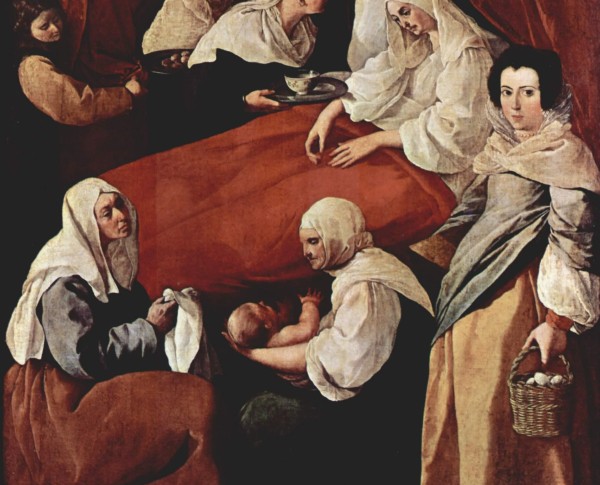
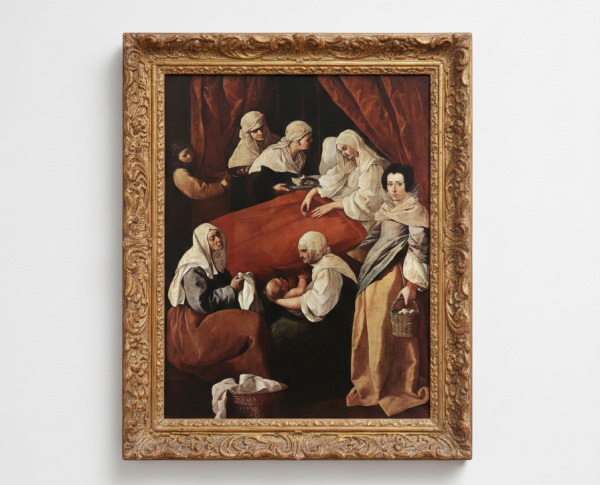
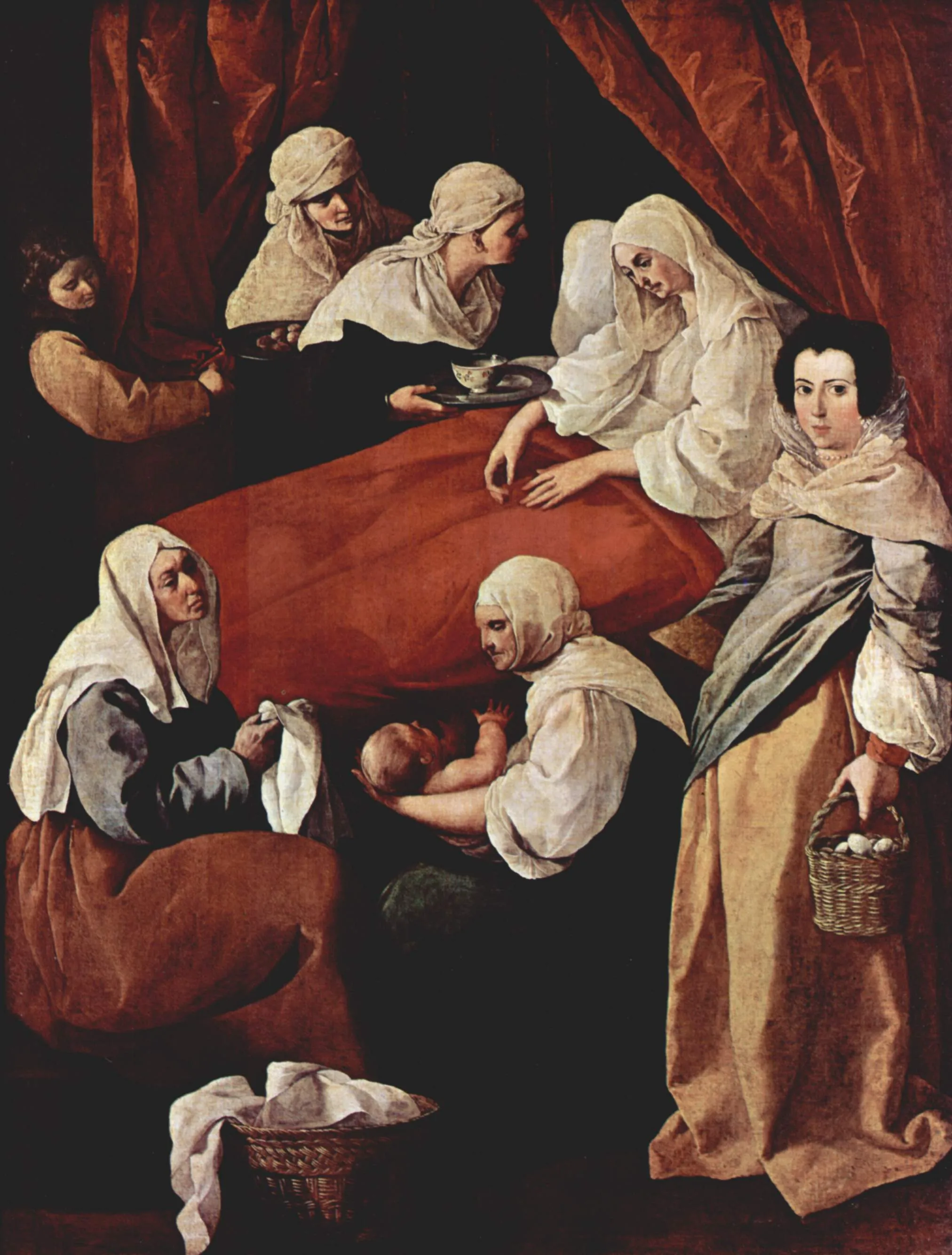
Every fine art painting for sale by Francisco de Zurbaran, including "Saint Lucy," is imbued with rich symbolism and narrative depth. The depiction of Saint Lucy holding her attributes communicates themes of faith, sacrifice, and divine intervention, central to Baroque religious art. Collectors can also explore related pieces like "Apparition of Jesus Child to St Anthony of Padua" and "Birth of the Virgin" to further appreciate Zurbaran’s storytelling genius.
Owning "Saint Lucy" by Francisco de Zurbaran is more than acquiring a fine art painting for sale; it is an invitation to cherish a piece of Baroque heritage. This masterpiece, along with other significant works such as "Appearance of St Peter to St Peter Nolasco," offers collectors a rare glimpse into the spiritual and artistic brilliance of the era. Zurbaran’s paintings remain highly sought after, making them true treasures for discerning art lovers.
When Art Meets History
"Saint Lucy" by Francisco de Zurbaran stands as a testament to the Baroque movement’s deep engagement with spiritual themes and dramatic storytelling. Painted in oil on canvas, this masterwork captures the saint’s serene strength amidst adversity, reflecting the religious fervor of 17th-century Spain. Zurbaran’s approach connects with other iconic works like "Saint Jerome Writing" and "The Calling of Saint Matthew," offering collectors a historical context for this fine art painting for sale.
Techniques That Speak
Francisco de Zurbaran’s "Saint Lucy" exemplifies the meticulous attention to detail and chiaroscuro effects typical of Baroque hand-painted oil paintings. The artist’s use of light and shadow enhances the saint’s ethereal appearance, while the textured brushwork brings life to her garments. Similar techniques can be observed in "Young Sick Bacchus" and "Boy with a Basket of Fruit," making this oil on canvas a remarkable study in Baroque artistry and craftsmanship.
Emotions on Display
"Saint Lucy" by Francisco de Zurbaran is celebrated for its profound emotional resonance, characteristic of Baroque fine art painting for sale. The saint’s calm gaze and gentle posture evoke themes of martyrdom and faith, inviting viewers to contemplate her spiritual journey. This emotive quality aligns with works like "Cardsharps" and "The Calling of Saint Matthew," where human expression and divine presence intertwine, captivating audiences throughout centuries of art appreciation.
Coveted by Collectors
Collectors admire Francisco de Zurbaran’s "Saint Lucy" not only for its historical significance but also for its exquisite execution as a hand-painted oil painting. The Baroque movement’s allure, seen also in "Saint Jerome Writing" and "Boy with a Basket of Fruit," continues to drive demand for such masterpieces. Owning this fine art painting for sale connects collectors with a legacy of devotion, artistry, and the enduring power of oil on canvas in Western art.
Related Baroque Hand-Painted Oil Paintings by Other Artists
Other Famous Baroque Artists:
Frequently Asked Questions About Saint Lucy
What is the historical context of Francisco de Zurbaran's "Saint Lucy"?
"Saint Lucy" was painted during the Spanish Baroque period, a time characterized by dramatic expression and religious themes. Zurbaran, known for his ability to convey spirituality through realism, created this work in the 17th century, reflecting the Counter-Reformation's emphasis on saintly figures.
What are the key artistic techniques used in "Saint Lucy"?
Zurbaran employed chiaroscuro, a technique that contrasts light and shadow, to enhance the three-dimensionality of the figure. The use of rich, deep colors and meticulous attention to detail in the textures of the garments further exemplifies his mastery of oil painting.
What symbolism is present in "Saint Lucy"?
Saint Lucy is often depicted with her eyes on a plate, symbolizing her martyrdom and the belief that she is the patron saint of the blind. This imagery reflects her unwavering faith and the sacrifices made for her beliefs, serving as a powerful reminder of spiritual vision.
How does Zurbaran's portrayal of Saint Lucy compare to other depictions of the saint?
Unlike many artists who focus on the dramatic moments of her martyrdom, Zurbaran's portrayal emphasizes serenity and inner strength. His depiction captures a moment of contemplation, highlighting her spiritual fortitude rather than the violence of her death.
What is the significance of the color palette used in "Saint Lucy"?
The color palette is dominated by warm earth tones, which evoke a sense of warmth and humanity. The use of gold and rich reds in her garments signifies her sanctity and nobility, while the darker background enhances her luminous presence, drawing the viewer's focus to her figure.
What role does light play in "Saint Lucy"?
Light in "Saint Lucy" serves to illuminate the figure, symbolizing divine presence and guidance. The strategic placement of light accentuates her features and the objects around her, creating a spiritual aura that invites contemplation and reverence.
In what ways does "Saint Lucy" reflect the themes of the Baroque period?
The painting embodies Baroque themes such as emotional intensity, realism, and religious devotion. Zurbaran's focus on the individual experience of faith and the dramatic use of light and shadow align with the era's artistic goals of evoking strong emotional responses from the viewer.
What influences can be seen in Zurbaran's style in "Saint Lucy"?
Zurbaran's style in "Saint Lucy" shows influences from Caravaggio's use of realism and dramatic lighting, as well as the Spanish tradition of religious art. His ability to convey deep spirituality through simple yet powerful compositions is a hallmark of his unique artistic voice.
How has "Saint Lucy" been received by art critics and historians?
Art critics and historians have praised "Saint Lucy" for its technical excellence and emotional depth. The painting is often regarded as one of Zurbaran's masterpieces, celebrated for its ability to convey profound spiritual themes through a masterful execution of form and color.
What is the current location of "Saint Lucy" and its significance in art history?
"Saint Lucy" is housed in the collection of the Museo de Bellas Artes in Seville, Spain. Its significance lies not only in its artistic merit but also in its representation of the religious fervor and cultural identity of 17th-century Spain, making it a vital piece in the study of Baroque art.























_GFM_Painting_(1).webp)


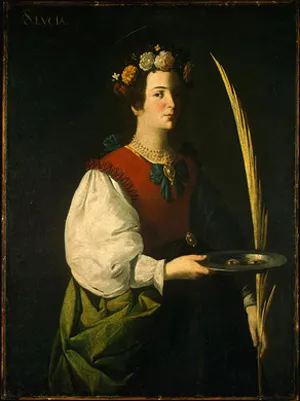
 100% Hand-Painted: Finished in 3-6 Weeks

.png)
















_(1).webp)