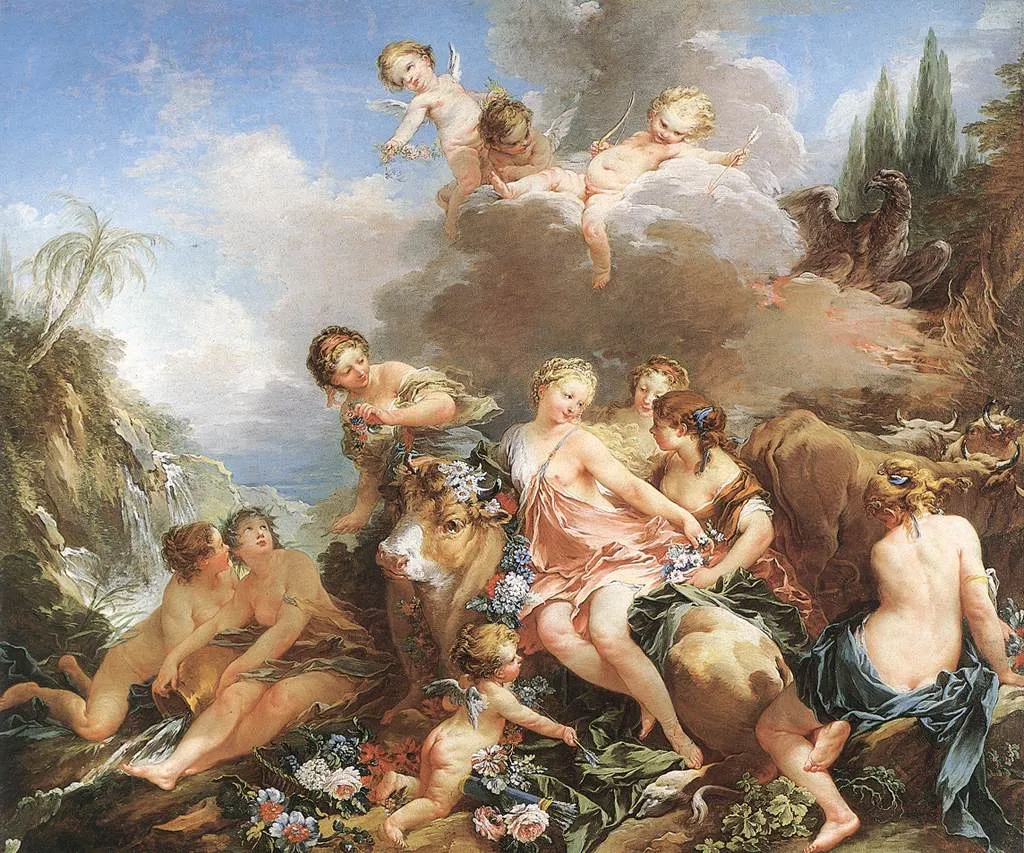
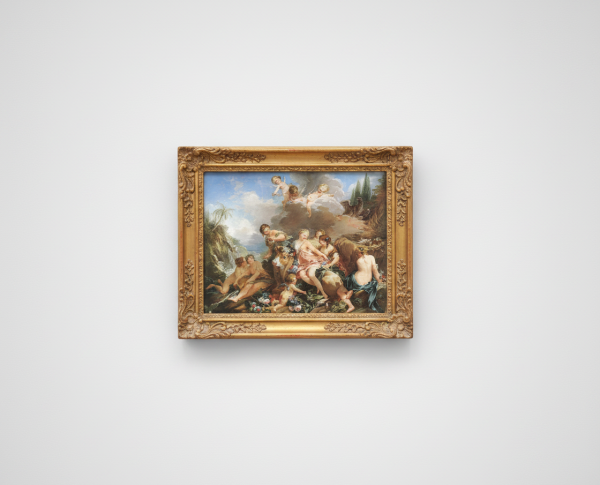
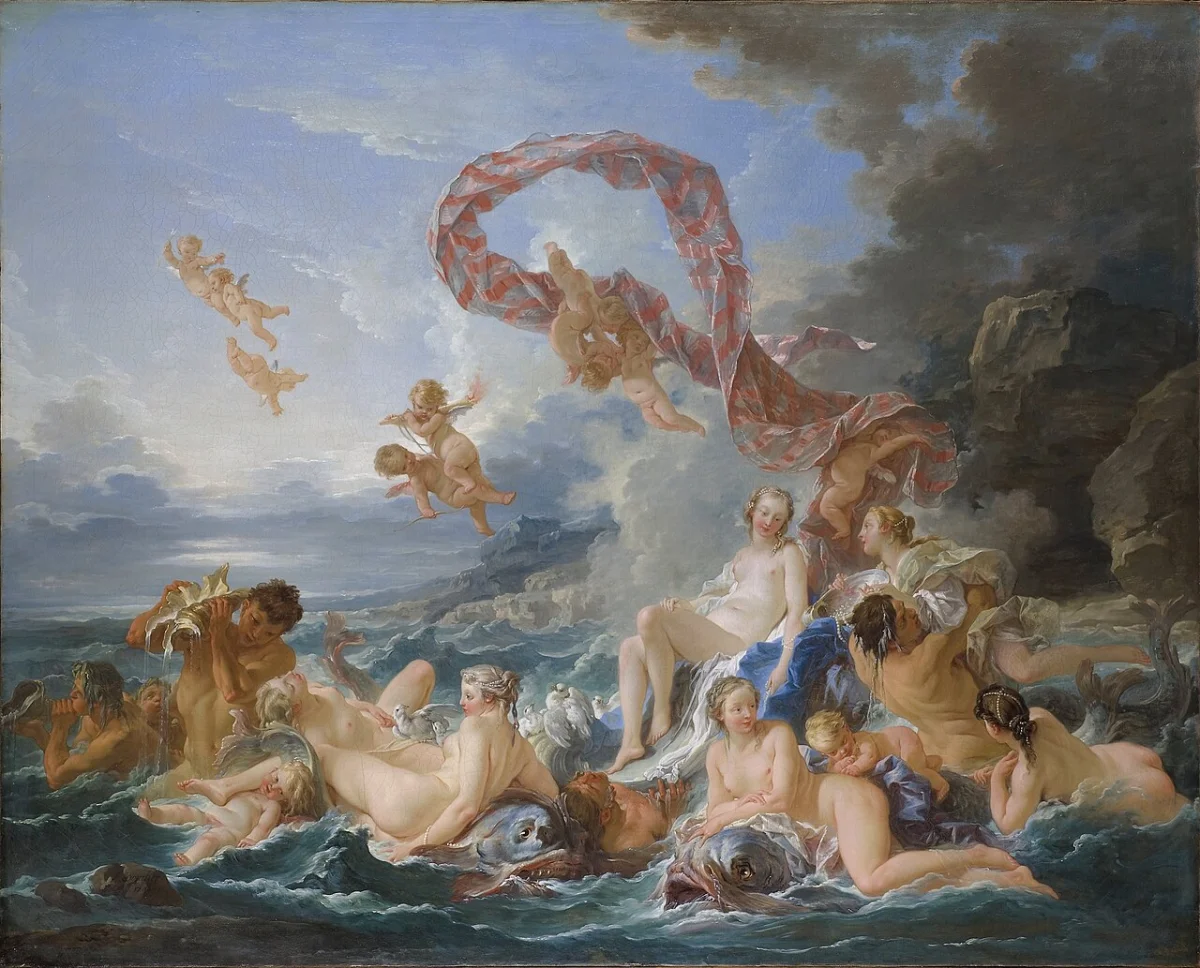
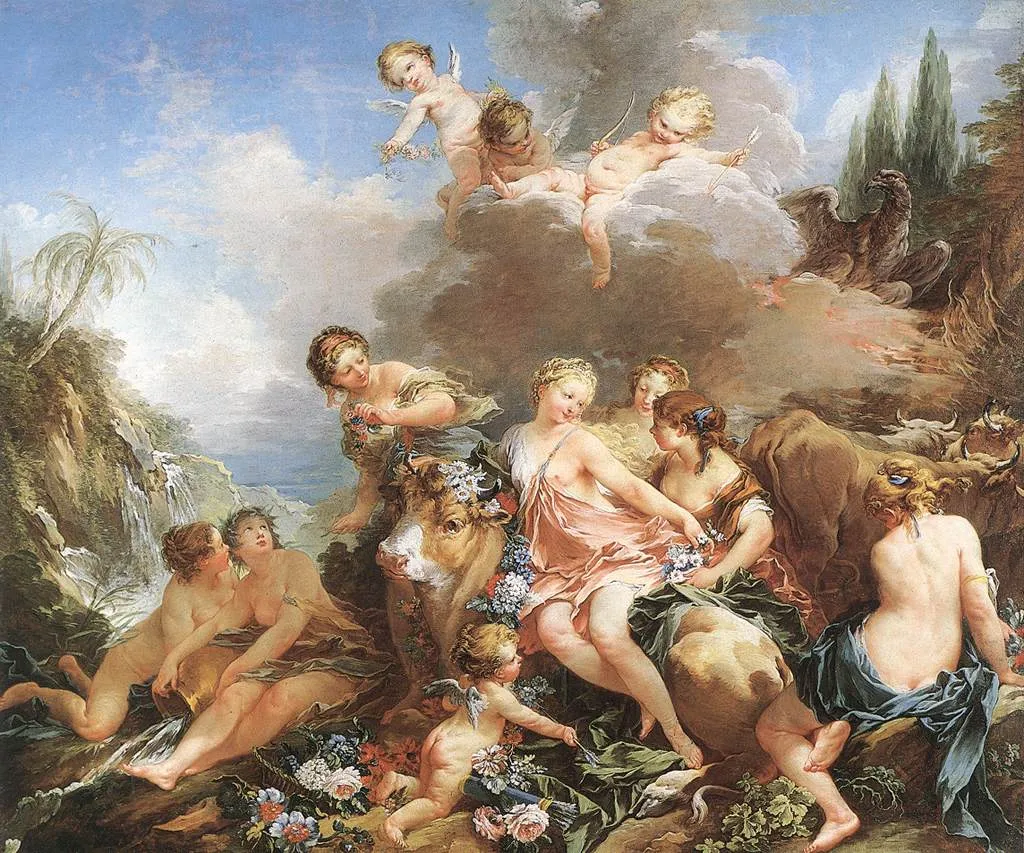
Every detail of "The Birth and Triumph of Venus" showcases Francois Boucher’s virtuosity with oil on canvas. His delicate brushwork and luminous color palette bring the goddess Venus to life, reflecting the ornate aesthetics of the Rococo era. Collectors seeking fine art painting for sale often admire Boucher’s other celebrated works, such as "Seated Nude" and "The Rest on the Flight into Egypt," for their technical brilliance and captivating compositions.
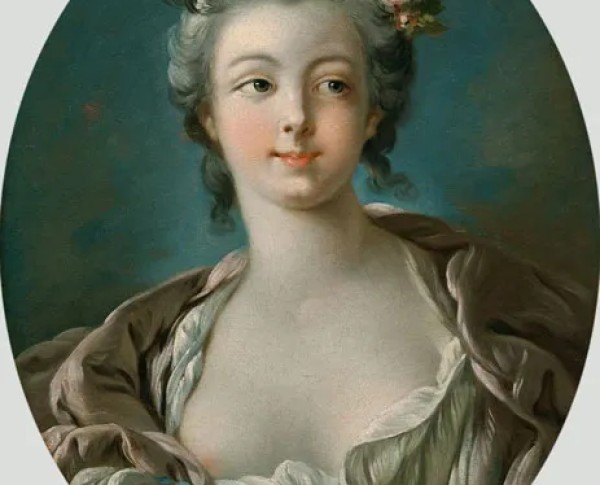
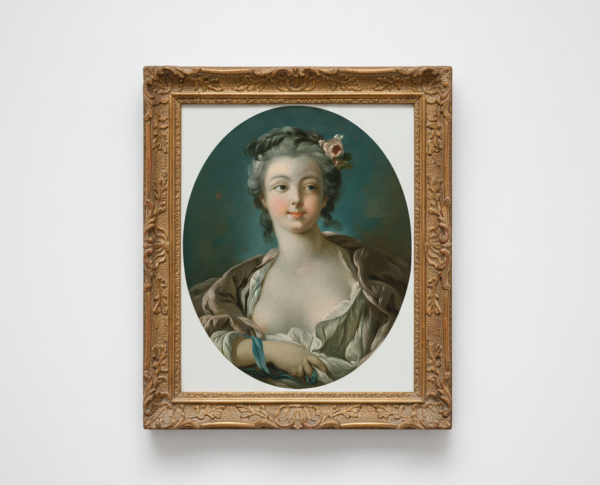
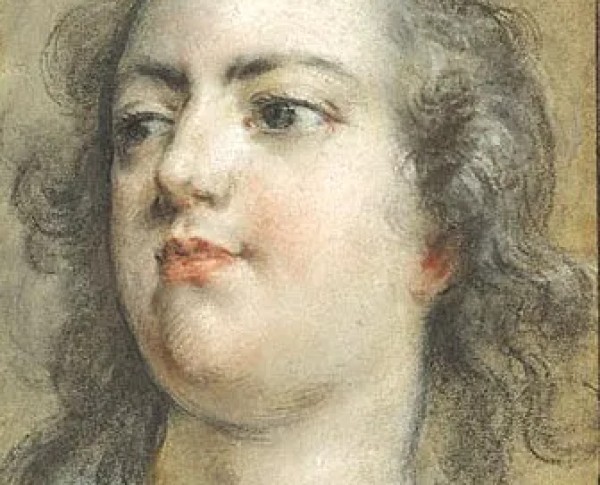
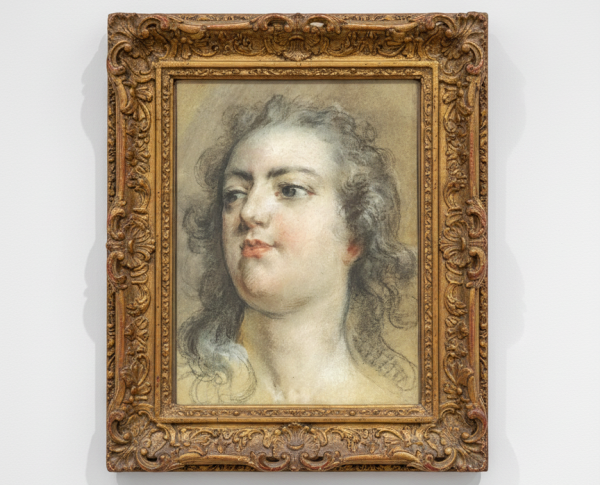
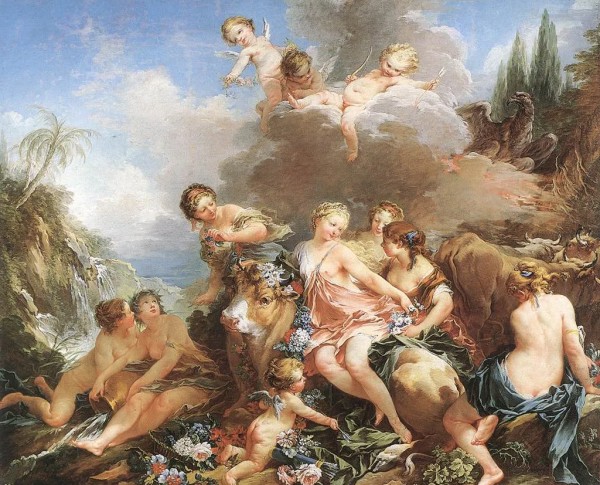
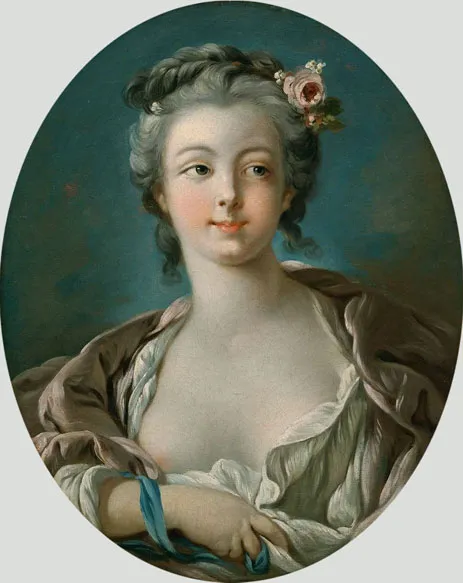
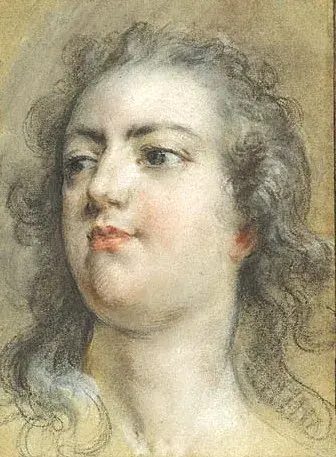
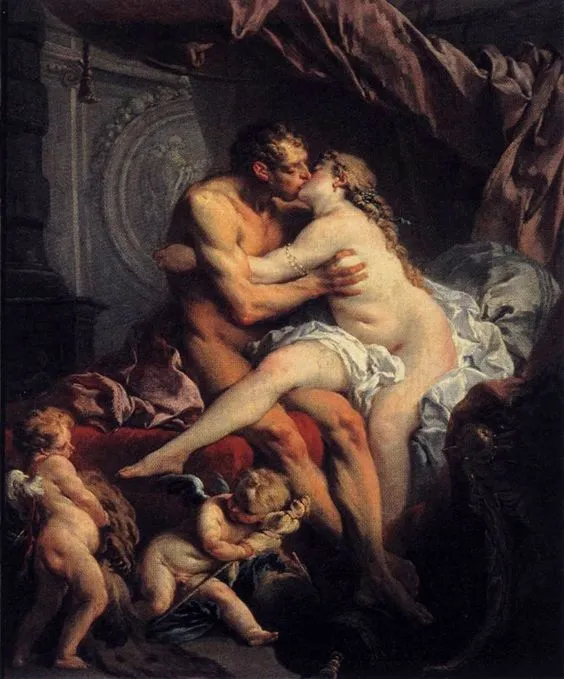
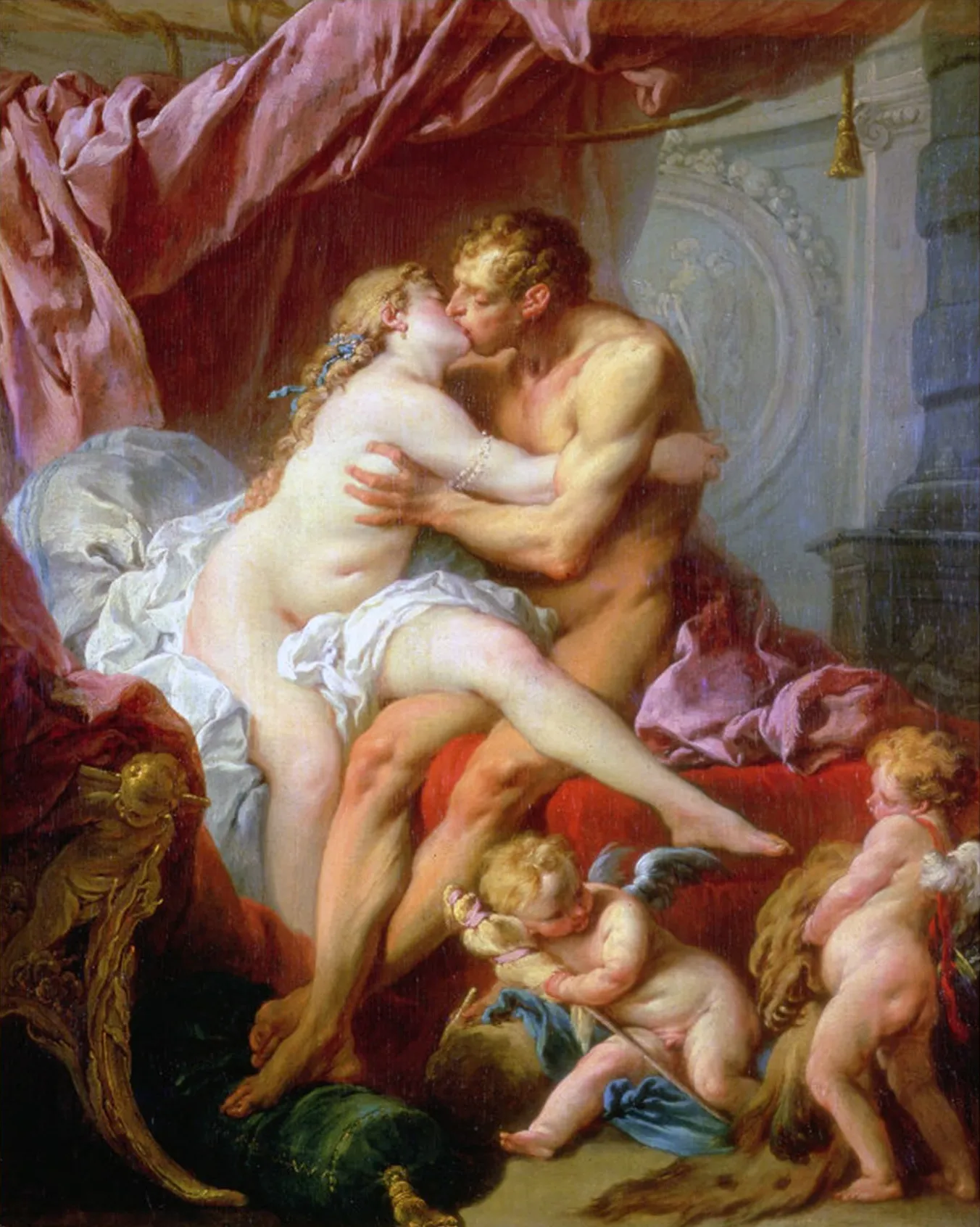
"The Birth and Triumph of Venus" by Francois Boucher is more than just a hand-painted oil painting; it is a visual narrative steeped in classical mythology. The goddess Venus emerges from the sea, surrounded by cherubs and marine motifs, symbolizing beauty and love. Boucher’s storytelling approach is echoed in his other works, including "Young Woman with Flowers in Her Hair wrongly called Portrait of Madame Boucher" and "Hercules and Omphale," which also teem with allegorical meaning.
For enthusiasts of Rococo and fine art painting for sale, "The Birth and Triumph of Venus" by Francois Boucher represents a prized addition to any collection. The richness of the oil on canvas technique and the painting’s mythological theme make it a timeless investment. Collectors often pair this masterpiece with related works like "Seated Nude" or "Hercules and Omphale" to create a curated display of Boucher’s finest Rococo artistry.
When Art Meets History
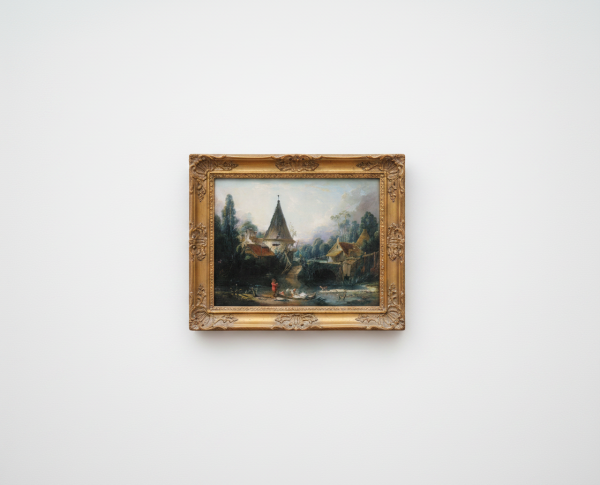
"The Birth and Triumph of Venus" by Francois Boucher stands as a testament to the Rococo movement, capturing the spirit of 18th-century France. This hand-painted oil painting was created during a period when mythological themes flourished in fine art. Boucher’s work can be compared to other masterpieces like "Venice: A Regatta on the Grand Canal" and "The Bucintoro, Ducal Palace, Venice, c.1755," reflecting the opulence and elegance that defined the era.
Techniques That Speak
Boucher’s masterful use of oil on canvas is evident in every brushstroke of "The Birth and Triumph of Venus." The delicate blending of pastel hues and intricate detailing showcase his technical prowess, typical of the Rococo style. Similar techniques appear in related paintings such as "The Entrance to the Grand Canal, Venice, c.1730," revealing the artist’s commitment to capturing light and movement. This oil on canvas work remains a prime example of 18th-century artistic innovation.
Emotions on Display
The emotional depth in "The Birth and Triumph of Venus" is palpable, as Francois Boucher brings the goddess Venus to life with grace and sensuality. The figures radiate joy and whimsy, reflecting the Rococo movement’s emphasis on pleasure and beauty. Like "View of the Mills of Dolo on the Brenta," this fine art painting for sale invites viewers to lose themselves in its enchanting narrative, making it a timeless celebration of love and triumph.
Coveted by Collectors
Original pieces like "The Birth and Triumph of Venus" by Francois Boucher are highly sought after by collectors who appreciate the refinement of Rococo art. The demand for such hand-painted oil paintings is driven by their historical significance and aesthetic allure. Collectors often seek works from the same era, including "The Bucintoro, Ducal Palace, Venice, c.1755," making these masterpieces prized additions to any fine art collection.
Related Rococo Hand-Painted Oil Paintings by Other Artists
Other Famous Rococo Artists:
Frequently Asked Questions About The Birth and Triumph of Venus
What is the historical context of "The Birth and Triumph of Venus"?
"The Birth and Triumph of Venus" was created during the Rococo period in the 18th century, a time characterized by ornate detail and playful themes. Francois Boucher, the artist, was a leading figure in this movement, reflecting the tastes of the French aristocracy.
What themes are explored in this painting?
The painting explores themes of love, beauty, and divine femininity, centering around Venus, the Roman goddess of love. It illustrates her emergence from the sea, symbolizing the birth of beauty and the triumph of love over adversity.
What artistic techniques did Boucher employ in this work?
Boucher utilized soft brushwork, a vibrant color palette, and a dynamic composition to create a sense of movement and sensuality. His use of light and shadow enhances the ethereal quality of Venus and her surroundings.
How does the composition of the painting contribute to its meaning?
The composition is circular, drawing the viewer's eye towards Venus at the center. This arrangement emphasizes her importance and the celebratory nature of her presence, while the surrounding figures enhance the narrative of her triumph.
What symbolism is present in the painting?
The seashell from which Venus emerges symbolizes purity and beauty, while the surrounding cherubs represent love and joy. The presence of other mythological figures highlights the divine nature of love and its impact on humanity.
Who were the primary influences on Boucher's artistic style?
Boucher was influenced by the works of artists such as Antoine Watteau and Jean-Antoine Houdon, as well as classical antiquity. His style reflects a blend of these influences, characterized by a focus on sensuality and decorative elements.
What role did mythology play in Boucher's artwork?
Mythology served as a rich source of inspiration for Boucher, allowing him to explore themes of love, beauty, and human emotion. In "The Birth and Triumph of Venus," he draws on classical mythology to convey deeper meanings about the nature of love.
How does this painting reflect the values of the Rococo period?
The painting embodies the Rococo values of elegance, playfulness, and a celebration of beauty. It reflects the period's focus on leisure and pleasure, as well as the admiration for the feminine form and romantic themes.
What is the significance of Venus in art history?
Venus has been a central figure in art history, symbolizing love, beauty, and desire. Her portrayal in works like Boucher's has influenced countless artists and continues to resonate in contemporary interpretations of femininity and allure.
Where can I see "The Birth and Triumph of Venus" displayed?
The painting is part of the permanent collection at the [Gallery Name], where it is displayed alongside other notable works from the Rococo period, providing visitors with context and insight into Boucher's artistic legacy.























_GFM_Painting_(1).webp)


 100% Hand-Painted: Finished in 3-6 Weeks

.png)















_(1).webp)