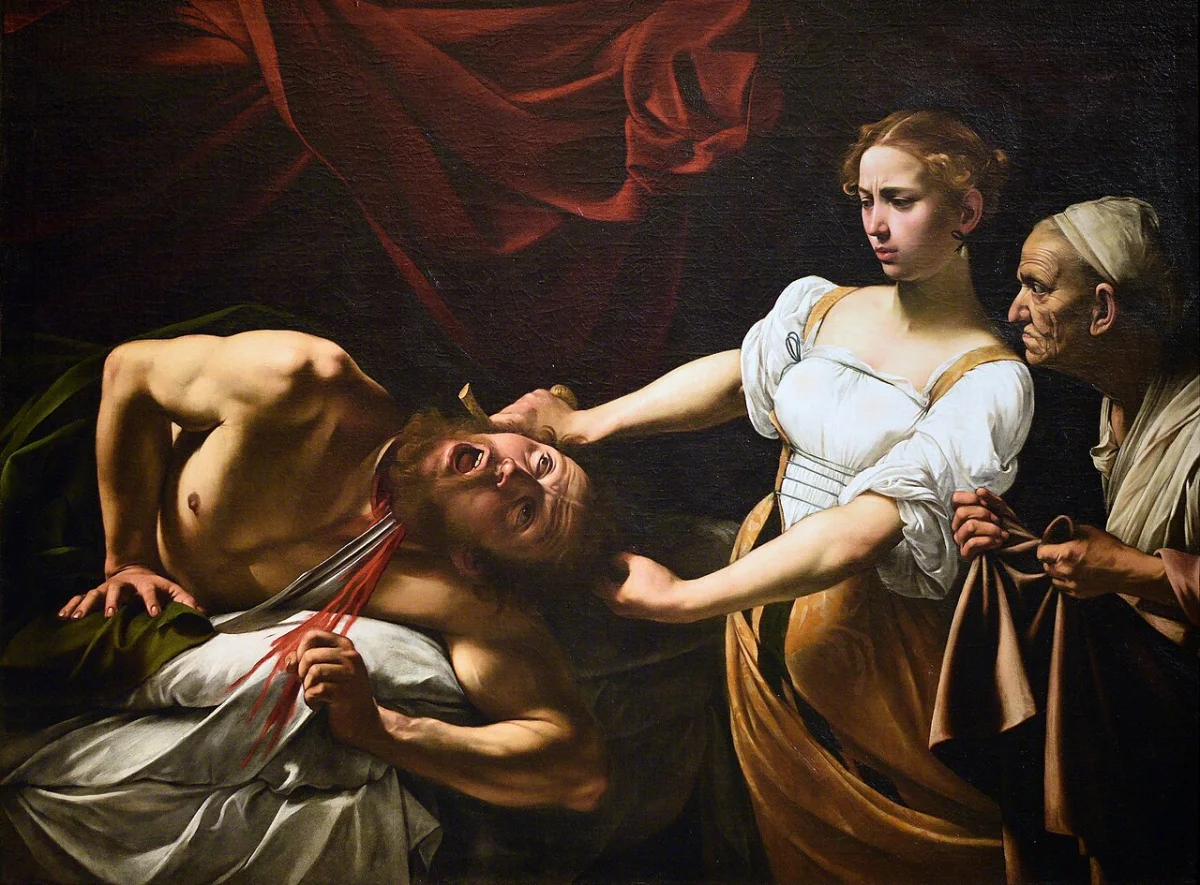
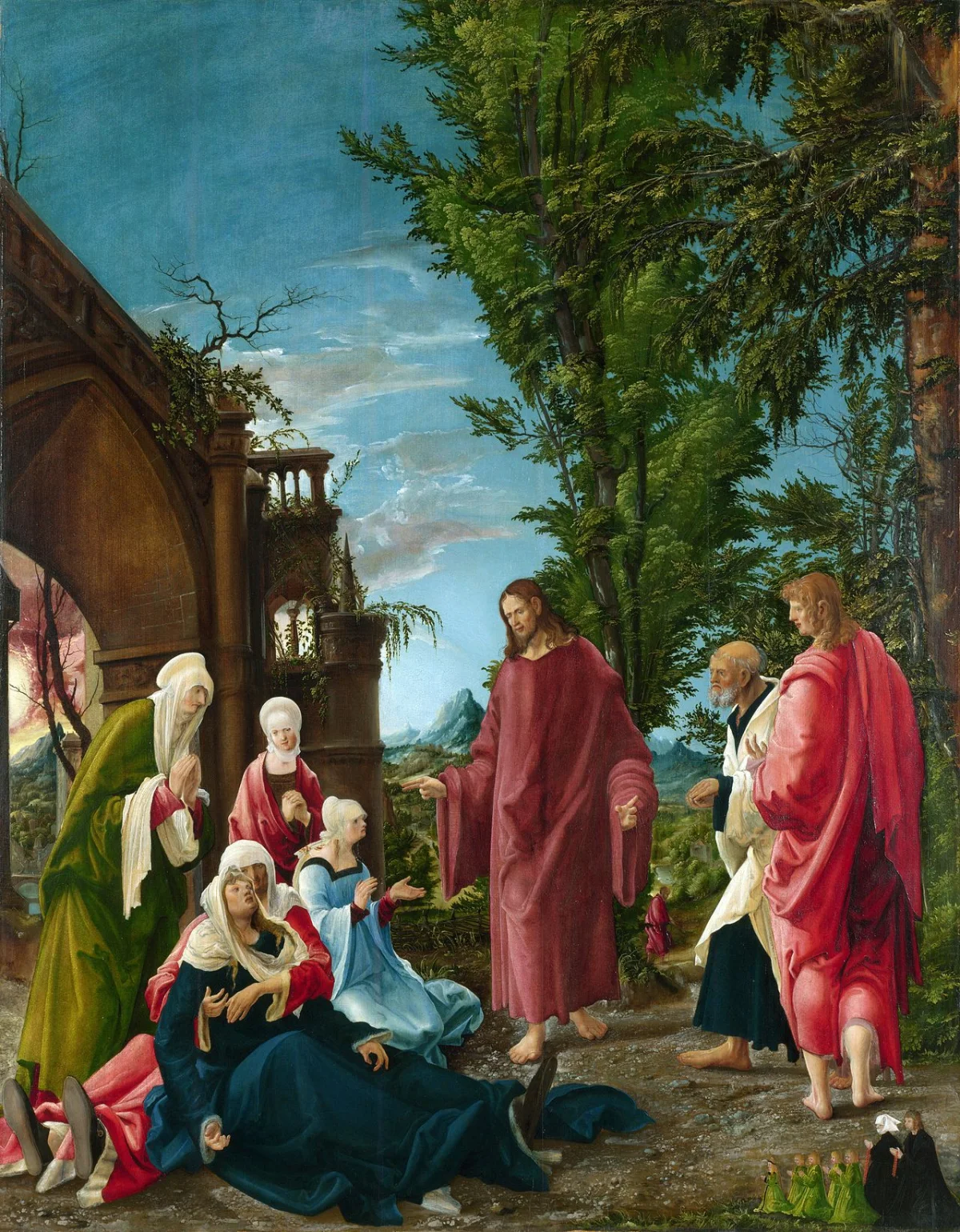
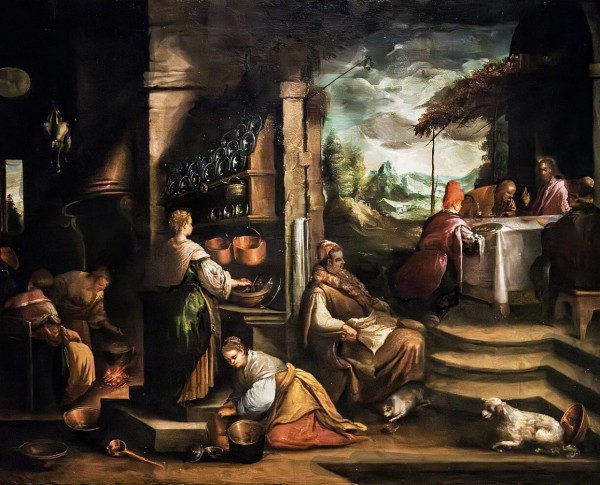
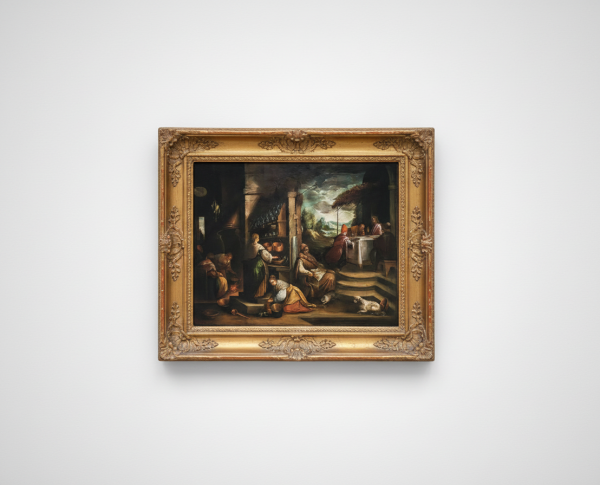
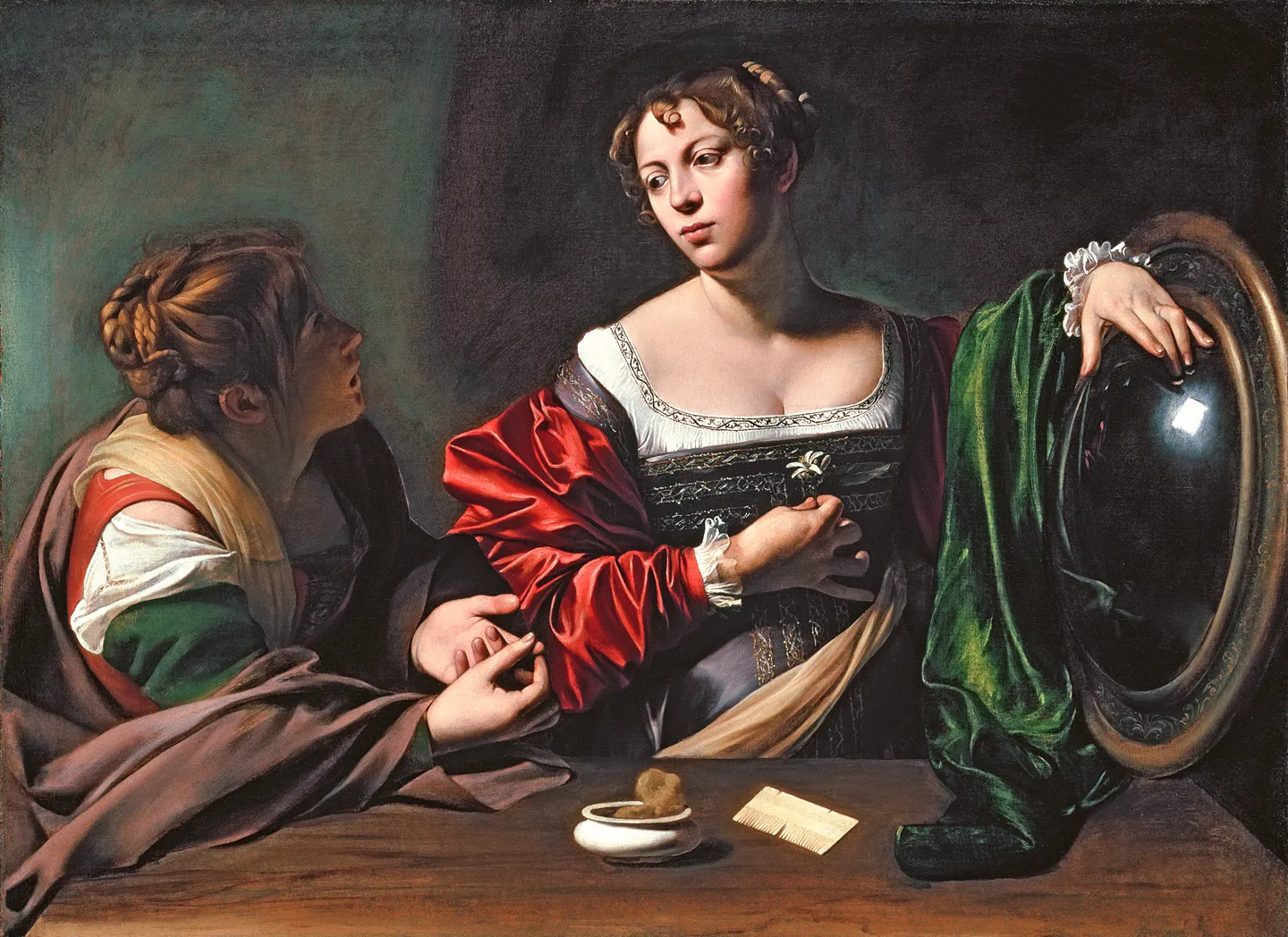
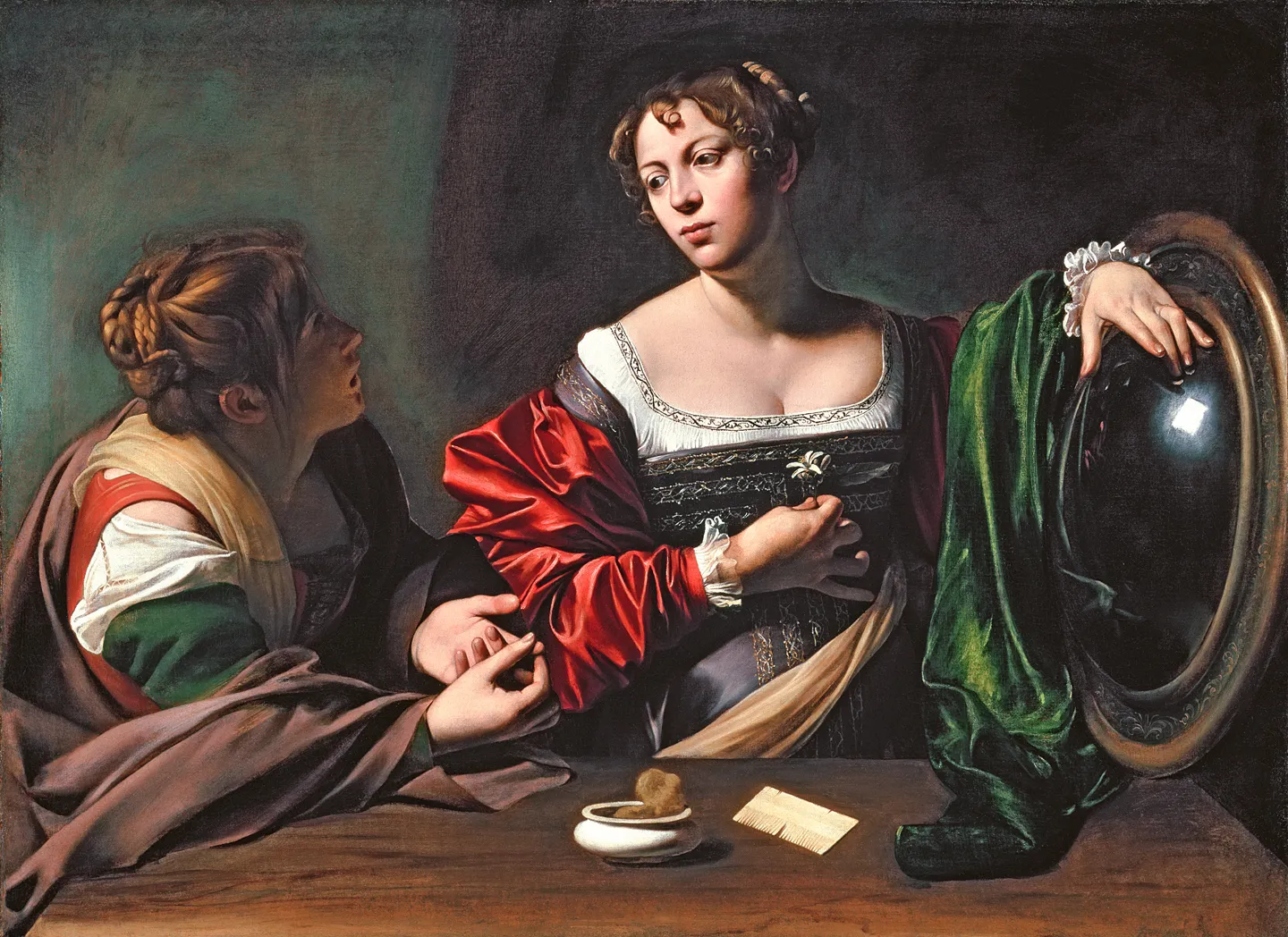
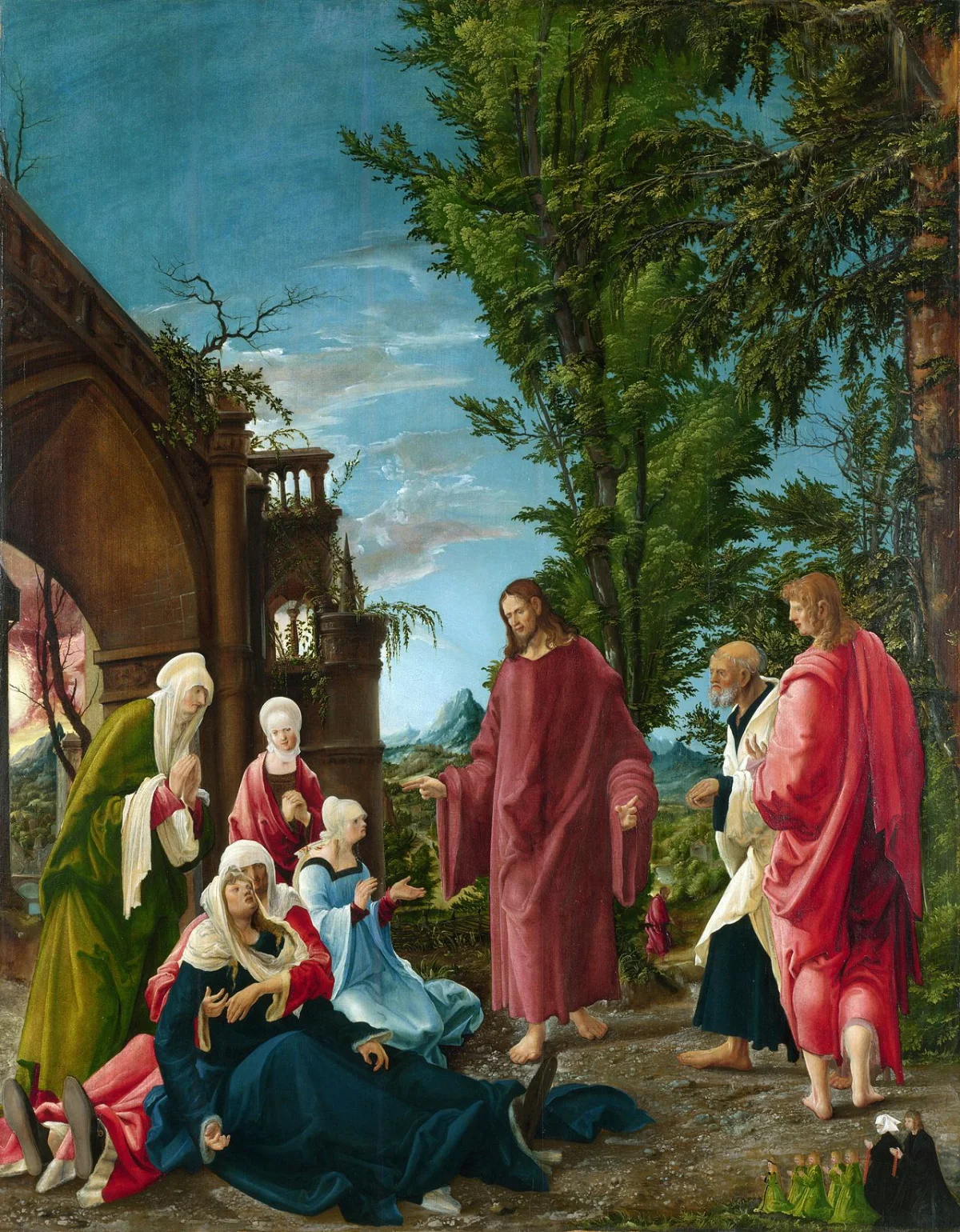
"Martha and Mary Magdalene" is a masterpiece by Caravaggio, a leading figure in the Baroque movement. This hand-painted oil painting captures the intense emotional interplay characteristic of Caravaggio’s style. The piece stands as a testament to his influence on later generations of artists. Collectors and enthusiasts searching for a fine art painting for sale will appreciate its dramatic lighting and lifelike detail, much like his other works such as "Portrait of a Courtesan" and "The Taking of Christ."
Caravaggio’s "Martha and Mary Magdalene" demonstrates his exceptional skill with oil on canvas, a medium he mastered to portray rich textures and vivid contrasts. The Baroque movement is renowned for its dynamic compositions, and this painting exemplifies that tradition. Collectors who admire "Boy Peeling Fruit" or "John the Baptist" will find similar technical brilliance here, making it a desirable fine art painting for sale among connoisseurs of the period.
This hand-painted oil painting is more than a visual feast; it’s a narrative woven with symbolic meaning. Caravaggio’s depiction of the two sisters explores themes of repentance and spirituality, common in Baroque religious art. The artist’s use of light and shadow draws viewers into the story, much like in "Saint Francis of Assisi in Ecstasy" or "Young Sick Bacchus." Such depth makes this fine art painting for sale a cherished addition to any collection.
Owning "Martha and Mary Magdalene" as a hand-painted oil painting is a rare opportunity for collectors and art enthusiasts. Caravaggio’s work is highly sought after in the Baroque movement, and this piece rivals his other celebrated paintings. Those interested in oil on canvas masterpieces like "Portrait of a Courtesan" or "The Taking of Christ" will value this painting’s historical and artistic significance, making it a truly exceptional fine art painting for sale.
When Art Meets History
"Martha and Mary Magdalene" by Caravaggio is a renowned hand-painted oil painting from the Baroque movement, created around 1598. This masterpiece captures a pivotal biblical moment, reflecting both the religious fervor and artistic innovation of its time. Caravaggio’s ability to blend dramatic lighting and realism made this work stand out among his contemporaries. Related masterpieces such as "Self-Portrait" and "Arcadian Landscape" also showcase the evolution of Baroque art and its historical significance.
Techniques That Speak
Caravaggio’s "Martha and Mary Magdalene" is celebrated for its remarkable use of oil on canvas, a medium that enabled deep contrasts and lifelike textures. The artist’s signature chiaroscuro technique, evident in this piece, highlights the emotional interplay between the two figures. Similar technical mastery can be observed in related works like "Mercury and Battus" and "Portrait of Charles II", demonstrating the enduring influence of Baroque innovations in fine art painting.
Emotions on Display
This fine art painting for sale captures the intense emotional exchange between Martha and Mary Magdalene, revealing Caravaggio’s profound understanding of human psychology. The expressive gestures and vivid facial expressions invite viewers to contemplate themes of repentance and redemption. Comparable emotional resonance can be found in "Mountain landscape with lightning", another Baroque-era piece, illustrating the movement’s commitment to portraying deep human experiences through art.
Coveted by Collectors
"Martha and Mary Magdalene" remains a prized hand-painted oil painting among collectors due to its historical importance and masterful execution. Caravaggio’s works, including "Self-Portrait" and "Portrait of Charles II", are highly sought after in the art market. The Baroque movement’s emphasis on dramatic storytelling and technical brilliance ensures that paintings like this continue to be treasured as significant fine art painting for sale.
Related Baroque Hand-Painted Oil Paintings by Other Artists
Other Famous Baroque Artists:
Frequently Asked Questions About Martha and Mary Magdalene
What is the historical context of "Martha and Mary Magdalene"?
"Martha and Mary Magdalene" was painted by Caravaggio in the late 16th century, a time characterized by the Counter-Reformation, which sought to reaffirm Catholic doctrine and values in response to Protestant Reformation. This painting reflects the era's emphasis on religious themes and the emotional depth of biblical narratives.
What artistic techniques did Caravaggio employ in this painting?
Caravaggio is renowned for his use of chiaroscuro, a technique that contrasts light and shadow to create a dramatic effect. In "Martha and Mary Magdalene," he utilizes this technique to enhance the emotional intensity of the figures and to draw the viewer's attention to the expressions and gestures of the characters.
What is the significance of the figures of Martha and Mary Magdalene in the painting?
Martha and Mary Magdalene represent two different responses to Christ's teachings. Martha is often associated with action and service, while Mary embodies contemplation and devotion. This duality highlights the balance between faith and works, a central theme in Christian theology.
How does Caravaggio’s portrayal of women differ from that of his contemporaries?
Caravaggio's portrayal of women, particularly in "Martha and Mary Magdalene," is notable for its realism and emotional depth. Unlike many of his contemporaries who idealized female figures, Caravaggio presents them with raw humanity, emphasizing their psychological states and personal struggles.
What symbolism is present in "Martha and Mary Magdalene"?
The painting is rich in symbolism, with Martha's busy demeanor contrasting with Mary’s serene presence. The objects surrounding them, such as the food and the gestures of their hands, symbolize the tension between worldly concerns and spiritual devotion, inviting viewers to reflect on their own priorities.
What influence did "Martha and Mary Magdalene" have on later artists?
This painting influenced numerous artists in the Baroque period and beyond, inspiring them to explore themes of realism and emotional expression. Caravaggio’s innovative use of light and shadow became a hallmark of Baroque art, shaping the works of artists like Rembrandt and Velázquez.
What is the significance of the setting in the painting?
The setting in "Martha and Mary Magdalene" is intentionally sparse, focusing attention on the figures and their interaction. This minimalist approach enhances the emotional weight of the scene, allowing viewers to engage more deeply with the characters' expressions and the underlying narrative.
How does Caravaggio’s use of color contribute to the painting’s impact?
Caravaggio employs a muted color palette, dominated by earthy tones, which serves to heighten the dramatic effect of the figures. The subtle use of color not only emphasizes the emotional states of Martha and Mary but also creates a sense of intimacy within the scene.
What is the role of light in "Martha and Mary Magdalene"?
The strategic use of light in this painting highlights the emotional and spiritual themes present in the narrative. The light illuminates Mary’s face, symbolizing enlightenment and divine grace, while Martha remains in shadow, representing the earthly concerns that can distract from spiritual reflection.
How does "Martha and Mary Magdalene" reflect Caravaggio's personal style?
This painting exemplifies Caravaggio's signature style, characterized by dramatic realism, emotional intensity, and a focus on everyday life. His ability to capture the human experience in a raw and authentic manner is evident in the expressions and postures of Martha and Mary, making the biblical story relatable to contemporary viewers.























_GFM_Painting_(1).webp)


 100% Hand-Painted: Finished in 3-6 Weeks

.png)















_(1).webp)