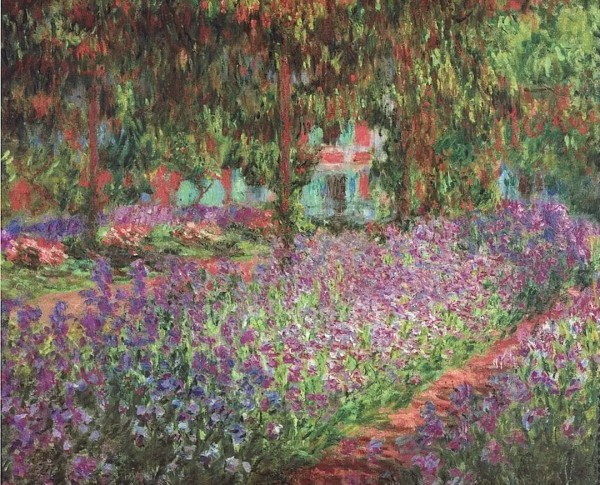
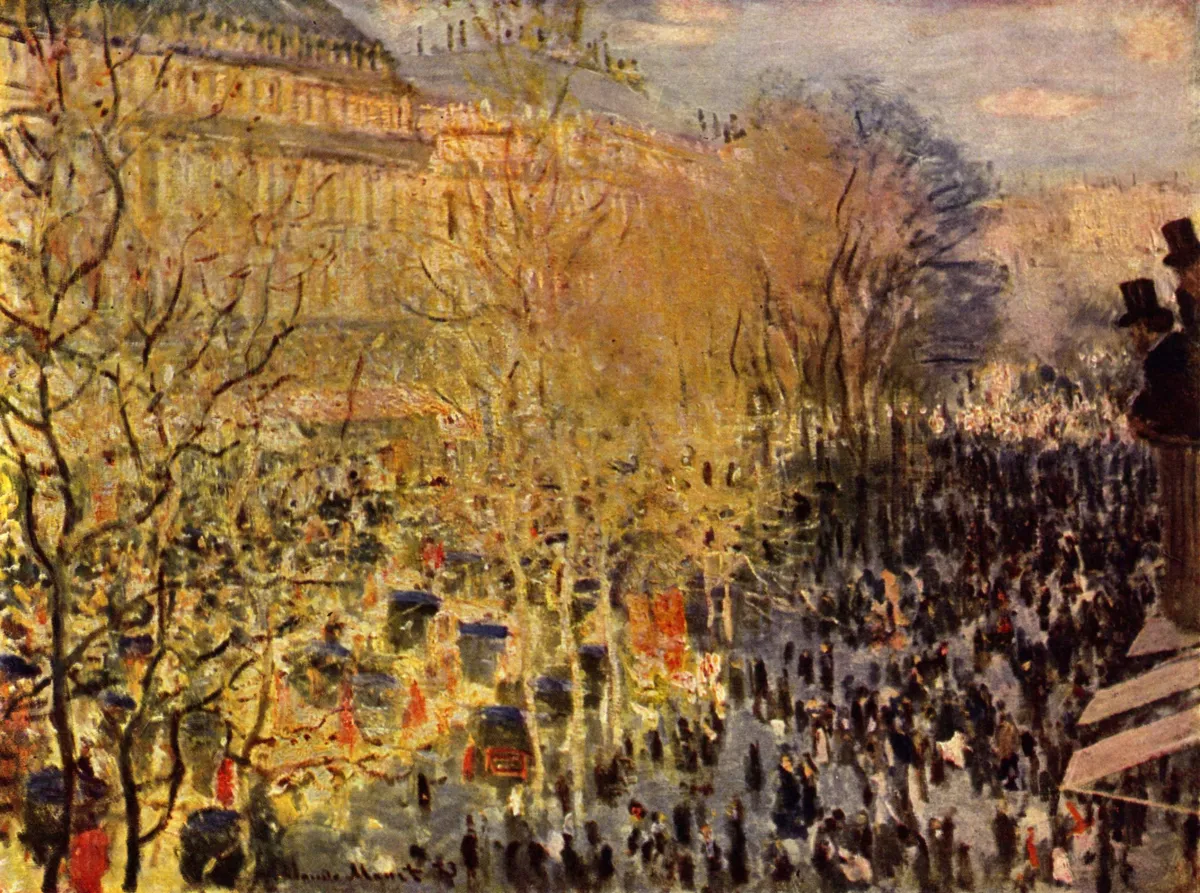
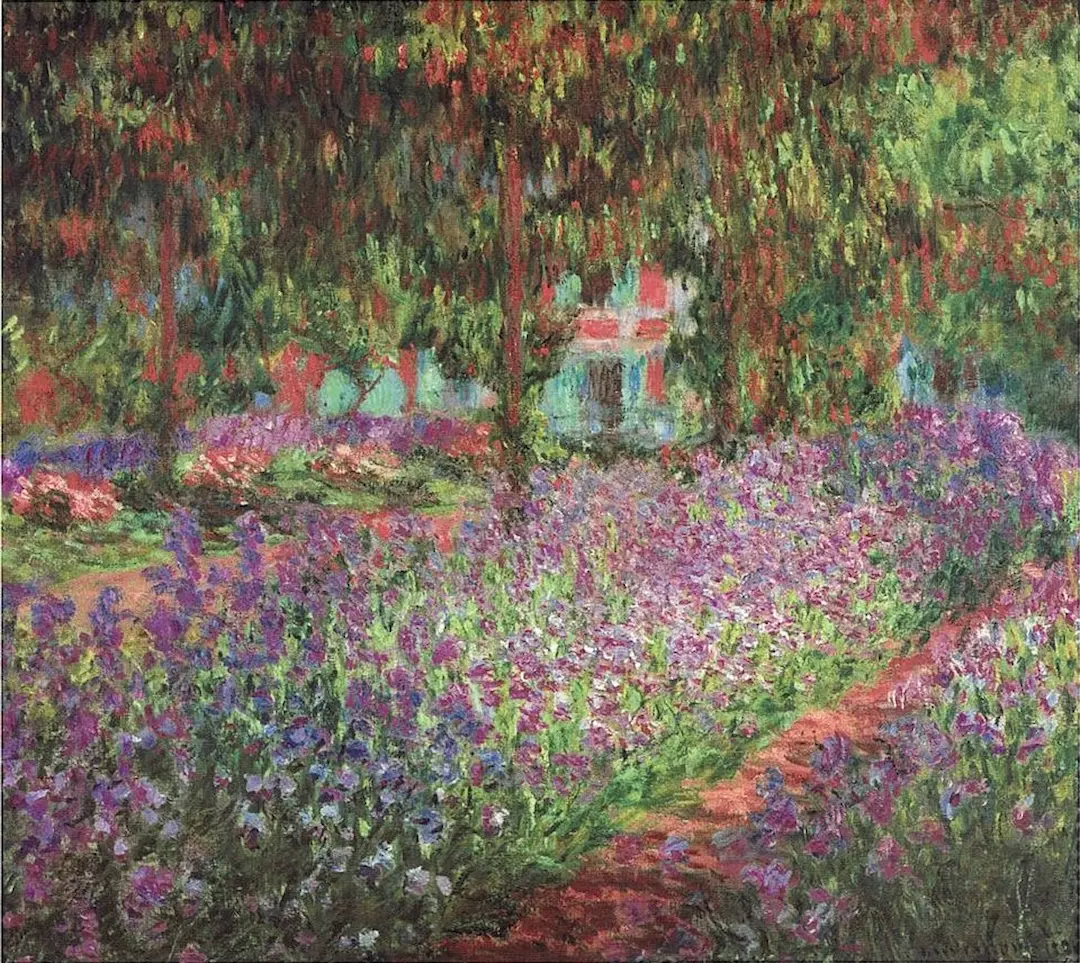
Monet’s technique in "Carnaval Boulevard des Capucines" demonstrates his expert use of oil on canvas, skillfully blending quick, expressive brushstrokes to evoke the bustling energy of the boulevard. The painting’s lively palette and dynamic composition are hallmarks of Impressionism, reflecting Monet’s innovative artistic vision. Collectors and enthusiasts can appreciate similar artistry in pieces like "Irises In Monets Garden" and "Seacoast at Saint-Adresse," which also showcase Monet’s mastery of the medium.
Every detail in "Carnaval Boulevard des Capucines" tells a story, from the festive crowds to the interplay of light and shadow that defines Impressionism. This fine art painting for sale not only captures a moment in Parisian history but also symbolizes the transformative power of art. Monet’s narrative style can be discovered in related works such as "Autoportrait" and "Camille Monet on her deathbed," each offering unique insights into his world and era.
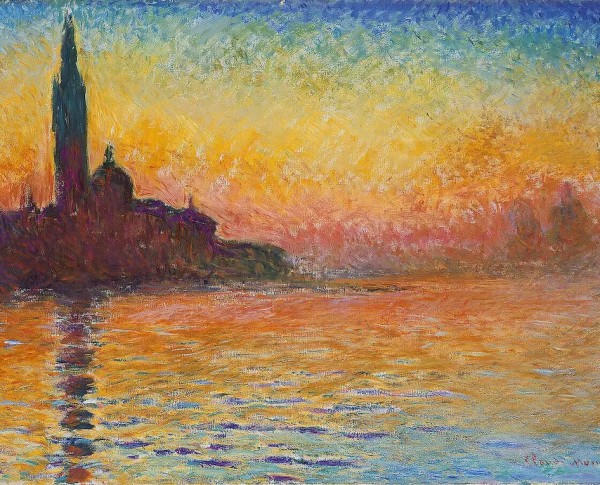
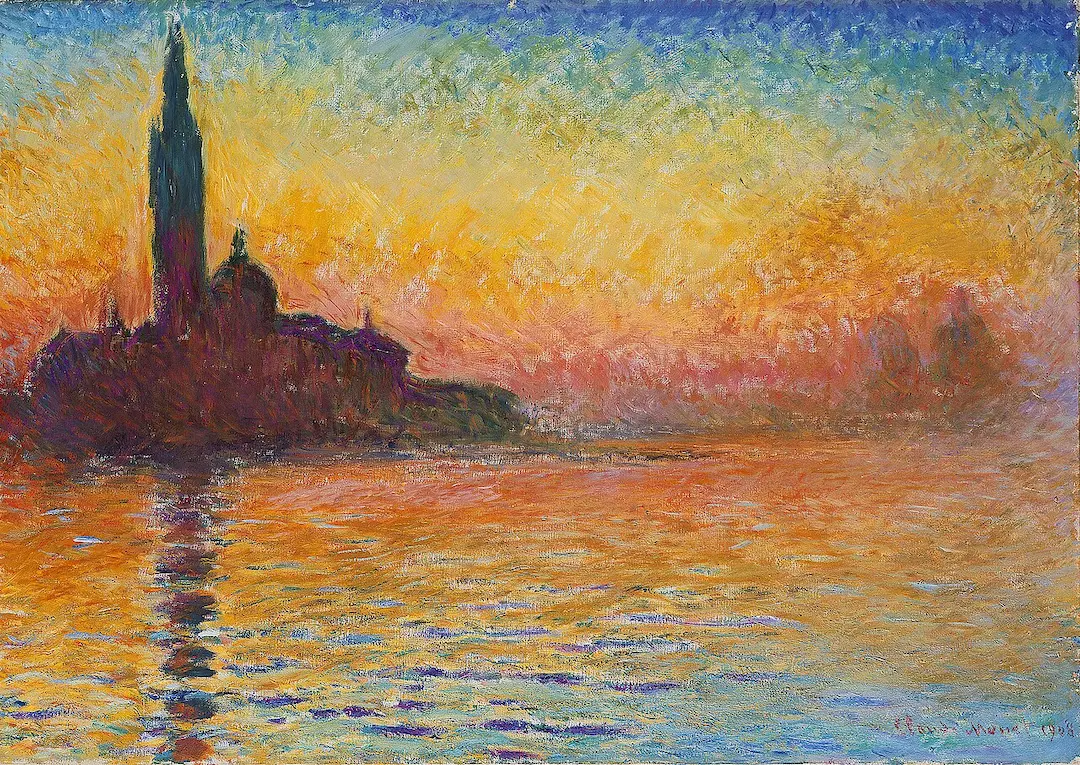
Owning "Carnaval Boulevard des Capucines" is more than acquiring a painting; it is an investment in cultural heritage. As a celebrated Impressionist, Claude Monet’s works like this and "Sunset" remain highly sought after in the art market. This hand-painted oil painting adds timeless elegance to any collection, making it a prized possession for collectors who appreciate the enduring legacy and beauty of Monet’s Impressionist masterpieces.
When Art Meets History
Claude Monet's "Carnaval Boulevard des Capucines" captures the vibrant energy of 19th-century Paris through the lens of Impressionism. This hand-painted oil painting transports viewers to a bustling Parisian street during festivities, immortalizing a fleeting moment in time. Monet, a master of the Impressionist movement, also created iconic works like "The Seine At Asnieres Aka The Skiff" and "Young Girls in Black," each reflecting his fascination with modern life and the dynamic interplay of light and color.
Techniques That Speak
Monet employed his signature broken brushstrokes and rapid application of paint in "Carnaval Boulevard des Capucines," a remarkable oil on canvas. This technique, emblematic of Impressionism, allows the viewer's eye to blend colors and shapes, creating a sense of movement and atmosphere. Similar methods are evident in related paintings such as "The Fisherman" and "Young Spartans Exercising," showcasing Monet's and his contemporaries' innovative spirit and relentless pursuit of capturing life's ephemeral beauty.
Emotions on Display
The lively scene in "Carnaval Boulevard des Capucines" evokes a sense of joy and celebration, hallmark traits of Monet’s fine art painting for sale. Through dappled light and blurred figures, Monet conveys the excitement of the carnival and the collective emotions of the crowd. This emotional depth is echoed in works like "Sleeping Cat" and "Young Girls in Black," where Monet and fellow Impressionists explored the spectrum of human experience through their evocative brushwork and nuanced color palettes.
Coveted by Collectors
As a standout piece within the Impressionism movement, "Carnaval Boulevard des Capucines" is highly sought after by collectors of hand-painted oil paintings. Monet’s ability to capture the spirit of Parisian life ensures enduring interest in his work, alongside masterpieces like "The Seine At Asnieres Aka The Skiff." The painting’s provenance and historical significance make it a prized addition to any fine art collection, further cementing Monet's legacy in art history.
Related Impressionism Hand-Painted Oil Paintings by Other Artists
Other Famous Impressionism Artists:
Frequently Asked Questions About Carnaval Boulevard des Capucines
What is the historical significance of Carnaval Boulevard des Capucines?
Carnaval Boulevard des Capucines, painted in 1876, captures a vibrant scene of Parisian life during the height of the Impressionist movement, showcasing the social and cultural dynamics of the time.
What artistic techniques did Claude Monet use in this painting?
Monet employed loose brushwork and a bright color palette to convey movement and light, characteristic of Impressionism, allowing viewers to experience the lively atmosphere of the carnival.
What does the painting depict in terms of subject matter?
The painting depicts a bustling street scene during the carnival, featuring elegantly dressed Parisians, lively festivities, and the iconic architecture of the Boulevard des Capucines, reflecting the joy and vibrancy of urban life.
How does Carnaval Boulevard des Capucines reflect Impressionist principles?
This artwork exemplifies Impressionist principles through its emphasis on capturing a moment in time, the use of natural light, and the portrayal of everyday life, moving away from traditional artistic conventions.
What symbolism can be found in the painting?
The painting symbolizes the transition of Paris into a modern city, highlighting themes of social interaction, leisure, and the celebration of life, indicative of the changing cultural landscape of the late 19th century.
In what ways did Carnaval Boulevard des Capucines influence future artists?
This work influenced future artists by demonstrating the power of capturing fleeting moments and the importance of light and color, inspiring subsequent movements such as Post-Impressionism and Modernism.
What role did the Boulevard des Capucines play in Parisian culture?
The Boulevard des Capucines was a central location for social gatherings and public events, serving as a cultural hub that reflected the vibrancy and dynamism of Parisian life during the 19th century.
How does this painting compare to Monet's other works?
Compared to Monet's other works, Carnaval Boulevard des Capucines stands out for its urban subject matter and lively depiction of human interaction, differing from his more natural landscapes and serene scenes.
What was the public's reaction to Carnaval Boulevard des Capucines upon its release?
The painting received mixed reactions upon its release, with some critics appreciating its innovative style while others dismissed it as unfinished, reflecting the contentious nature of the Impressionist movement at the time.
Where is Carnaval Boulevard des Capucines currently housed?
Carnaval Boulevard des Capucines is currently housed in the collection of the Musée d'Orsay in Paris, where it remains a significant piece of the Impressionist collection, attracting art enthusiasts from around the world.























_GFM_Painting_(1).webp)


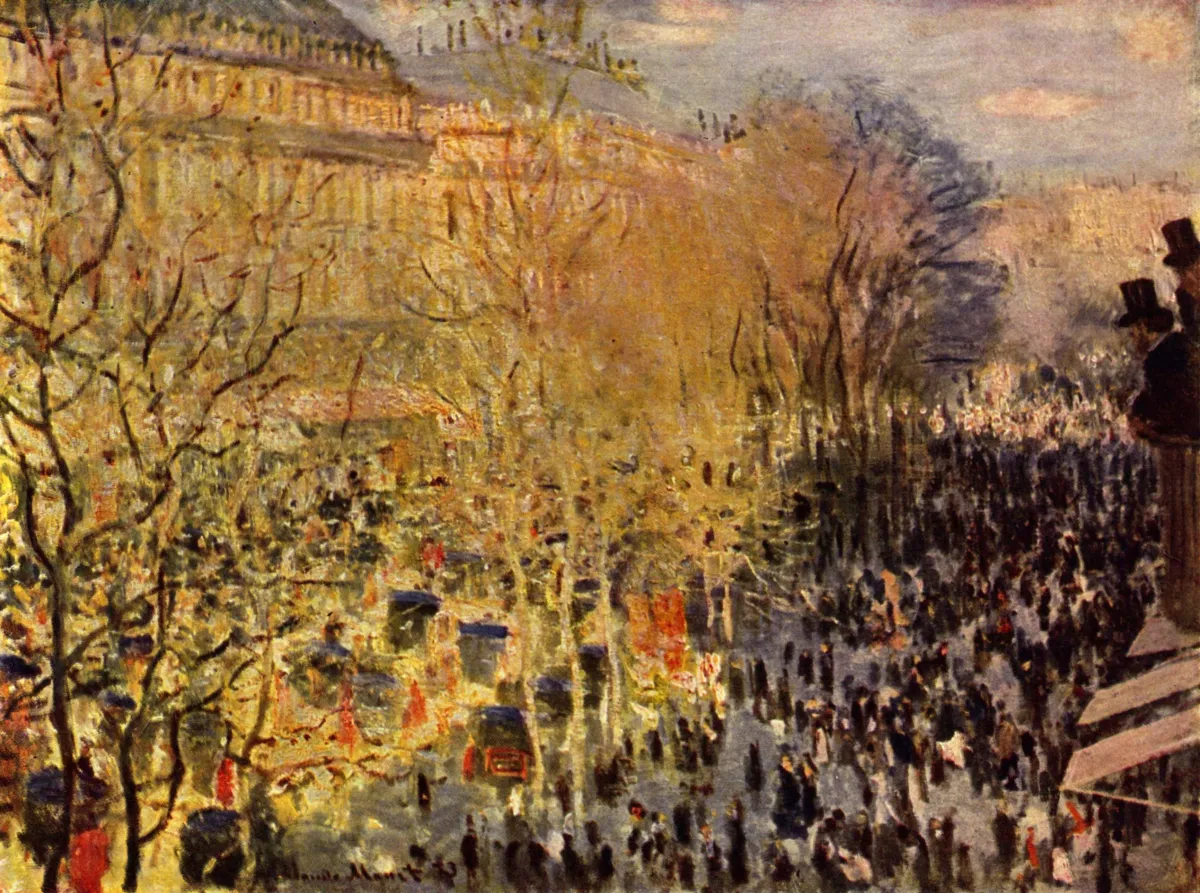
 100% Hand-Painted: Finished in 3-6 Weeks

.png)















_(1).webp)