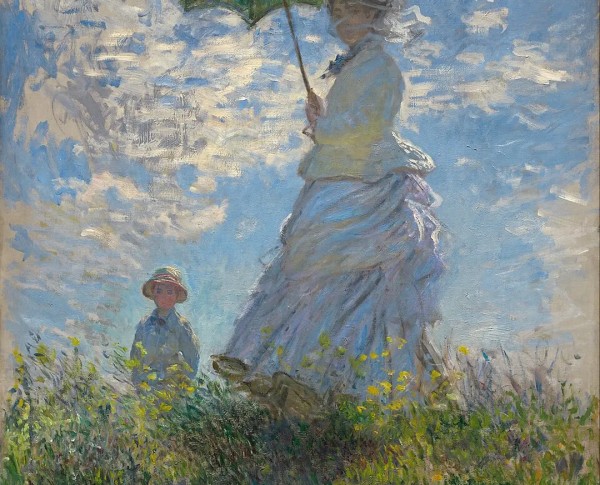
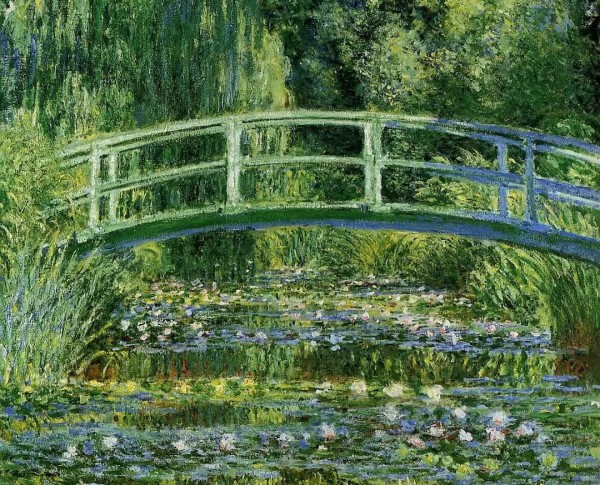
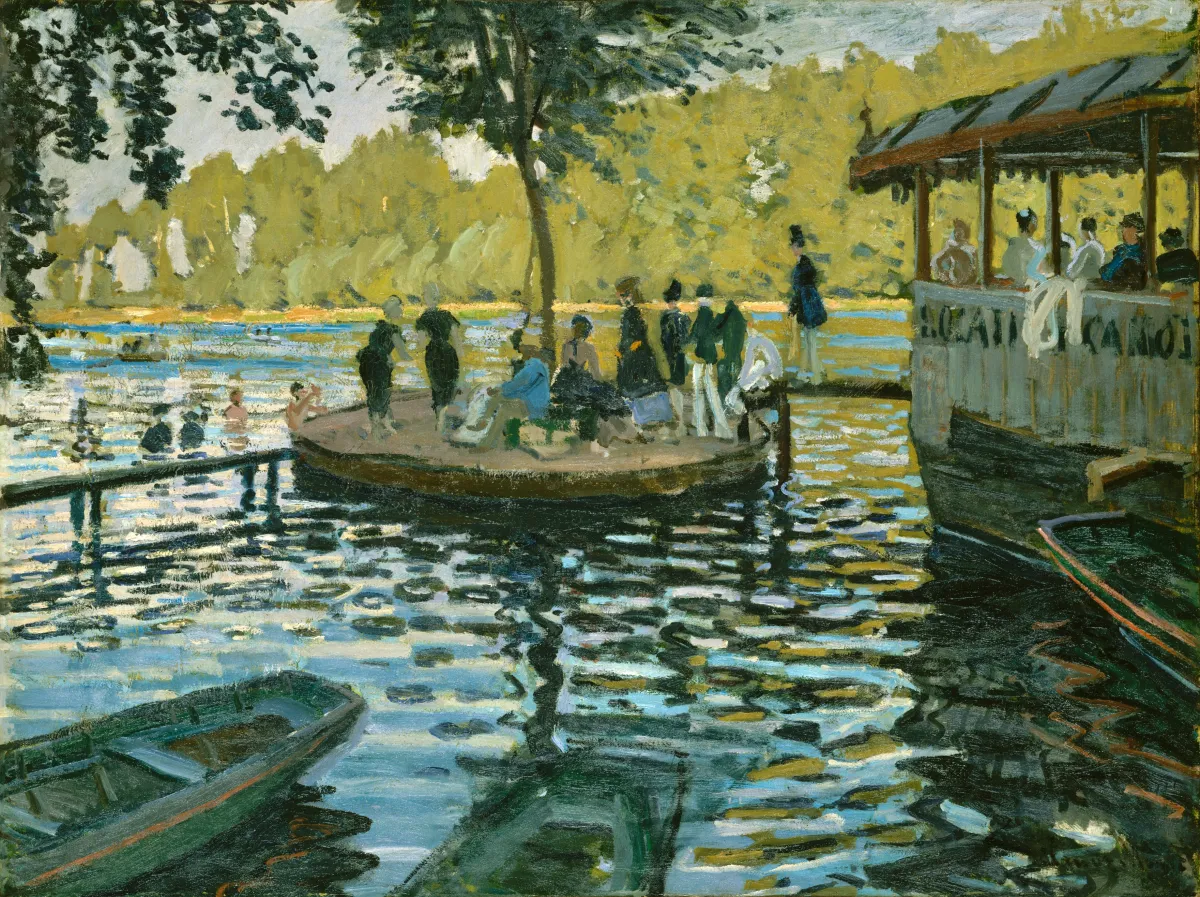
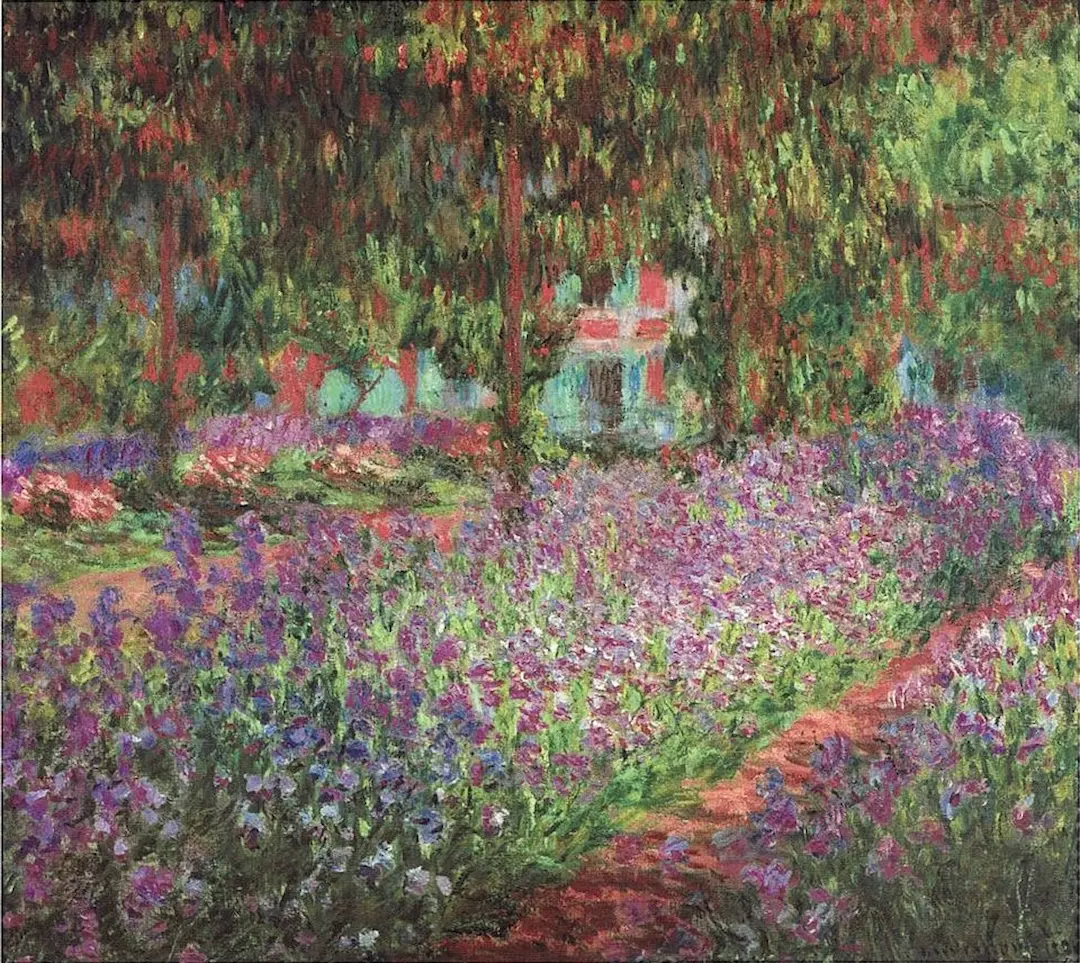
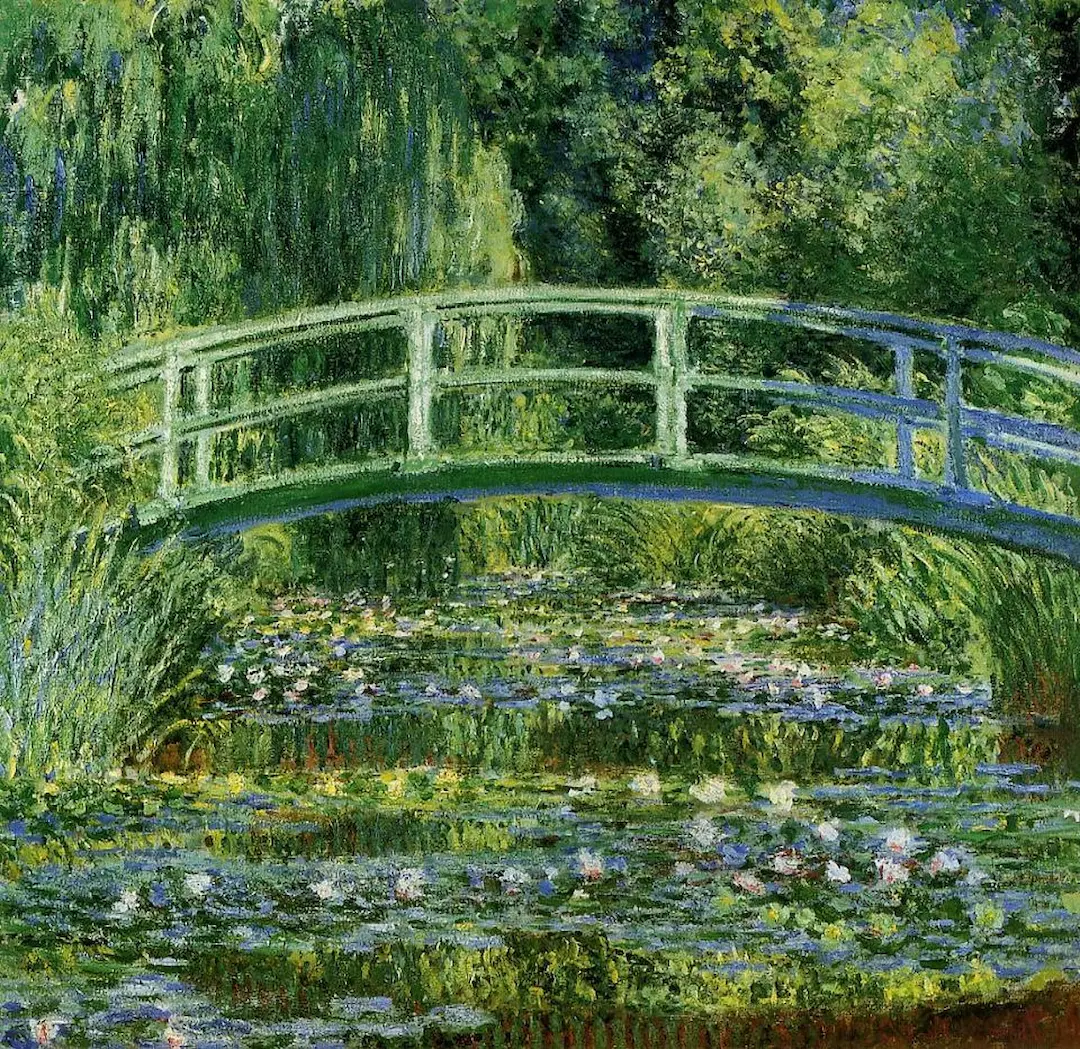
With "La Grenouillère," Monet demonstrates his expert technique using oil on canvas, skillfully blending color and light to evoke the atmosphere of a summer day. His brushwork, characteristic of the Impressionism movement, adds vibrancy and motion to the scene. This oil on canvas masterpiece shares its artistic brilliance with other Monet classics, including "The Water Lily Pond Aka Japanese Bridge" and "Garden at Sainte-Adresse", making it a highlight in any fine art collection.
Beneath the surface of "La Grenouillère," Monet weaves stories of leisure and modernity, reflecting the social life of 19th-century France. This fine art painting for sale invites viewers to imagine the conversations and moments shared by the riverside. As with "A Corner of the Studio" and "Camille," the painting’s symbols and subjects offer glimpses into Monet’s world, making each viewing a journey through history and emotion, perfect for collectors and enthusiasts alike.
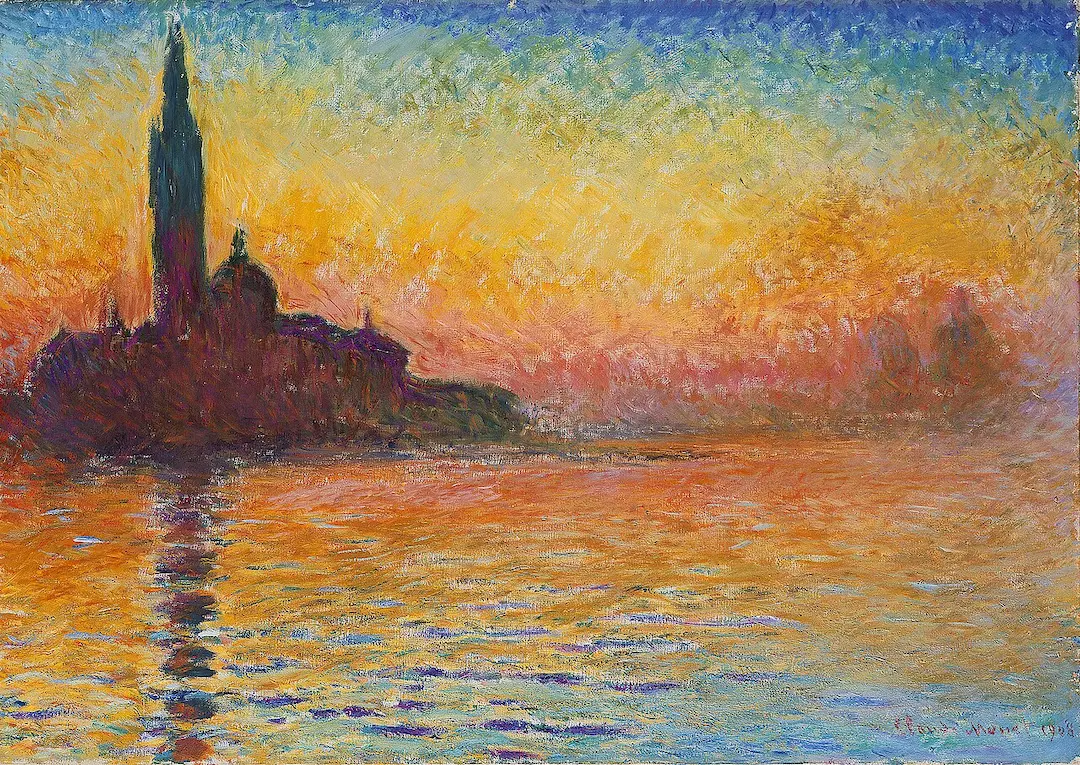
Owning "La Grenouillère" is more than acquiring a piece of art; it is investing in the legacy of Claude Monet and the Impressionism movement. This hand-painted oil painting is a cornerstone for any serious collection, celebrated for its historical significance and aesthetic charm. Collectors often pair it with related products like "Le Grand Canal, Venice" or "Garden at Sainte-Adresse" to create a cohesive and inspiring display of Monet’s finest works.
When Art Meets History
"La Grenouillère" by Claude Monet is a celebrated masterpiece from the Impressionism movement, capturing a lively riverside scene in France during the late 19th century. This hand-painted oil painting reflects not only Monet’s fascination with light and water but also a crucial period in art history. Alongside related works like "Les raboteurs de parquet" and "Sad Inheritance," Monet’s creation marks a turning point where artists began to break away from tradition and embrace modernity.
Techniques That Speak
In "La Grenouillère," Monet employs the distinctive techniques of Impressionism, using loose brushwork and vibrant colors to evoke the fleeting effects of sunlight on water. The oil on canvas medium allows for dynamic texture and depth, a hallmark of Monet's style. This painting shares technical brilliance with works like "White slave trade" and "Racehorses at Longchamp," showcasing how Impressionist artists revolutionized the way landscapes and everyday scenes were depicted.
Emotions on Display
Monet’s "La Grenouillère" radiates a sense of leisure and joy, inviting viewers to experience the lively atmosphere by the river. The fine art painting for sale captures not only the physical setting but also the carefree emotions of its subjects. Like "Umbrellas" and other Impressionist pieces, this work emphasizes mood over detail, making it a timeless favorite for those who appreciate the evocative power of art to convey feeling and atmosphere.
Coveted by Collectors
As one of Monet’s iconic works, "La Grenouillère" is highly sought after by collectors of Impressionist art. Its historical significance and artistic mastery make it a prized hand-painted oil painting in galleries and private collections alike. Alongside related paintings such as "Sad Inheritance" and "Racehorses at Longchamp," owning this masterpiece is considered a testament to discerning taste and a passion for the evolution of modern fine art.
Related Impressionism Hand-Painted Oil Paintings by Other Artists
Other Famous Impressionism Artists:
Frequently Asked Questions About La Grenouillère
What is the historical context of "La Grenouillère"?
"La Grenouillère" was painted in 1869, a time when Impressionism was emerging as a revolutionary art movement. The painting captures a popular leisure spot on the Seine River near Paris, reflecting the social changes of the time as Parisians sought relaxation outside the city.
What artistic techniques did Claude Monet use in "La Grenouillère"?
Monet employed loose brushwork and a vibrant color palette to convey the effects of light and movement on water. His technique of painting en plein air (outdoors) allowed him to capture the transient qualities of the scene, a hallmark of Impressionism.
What are the main subjects depicted in "La Grenouillère"?
The painting features bathers, boats, and the floating café that characterized La Grenouillère. These elements symbolize leisure and the burgeoning middle class's desire for recreation during the late 19th century.
How does "La Grenouillère" exemplify Impressionist principles?
The painting exemplifies Impressionist principles through its focus on capturing a moment in time, the use of light and color to depict atmosphere, and the emphasis on everyday subjects rather than historical or mythological themes.
What is the significance of light in "La Grenouillère"?
Light plays a crucial role in "La Grenouillère," as Monet captures its reflection on the water and the way it interacts with the figures and surroundings. This exploration of light is a defining characteristic of Impressionism, emphasizing the fleeting nature of the moment.
What influence did "La Grenouillère" have on later artists?
"La Grenouillère" influenced later artists by showcasing the potential of Impressionism to capture modern life. Its innovative approach to color and form paved the way for subsequent movements, including Post-Impressionism and modern art.
What emotions does "La Grenouillère" evoke?
The painting evokes a sense of joy and leisure, inviting viewers to experience the carefree atmosphere of a summer day by the river. The vibrant colors and dynamic composition contribute to a feeling of movement and vitality.
How does "La Grenouillère" reflect the social changes of the 19th century?
The painting reflects the social changes of the 19th century by depicting the rise of leisure activities among the middle class. It captures a moment of cultural transformation where outdoor recreation became accessible and popular, symbolizing a shift in societal values.
What role does composition play in "La Grenouillère"?
The composition of "La Grenouillère" is dynamic, with diagonal lines created by the boats and figures leading the viewer's eye through the scene. This arrangement enhances the sense of movement and captures the lively atmosphere of the location.
Why is "La Grenouillère" considered a pivotal work in Monet's career?
"La Grenouillère" is considered pivotal in Monet's career as it marks a significant development in his style, showcasing his mastery of color and light. It also reflects his commitment to the principles of Impressionism, solidifying his role as a leading figure in the movement.






















_GFM_Painting_(1).webp)


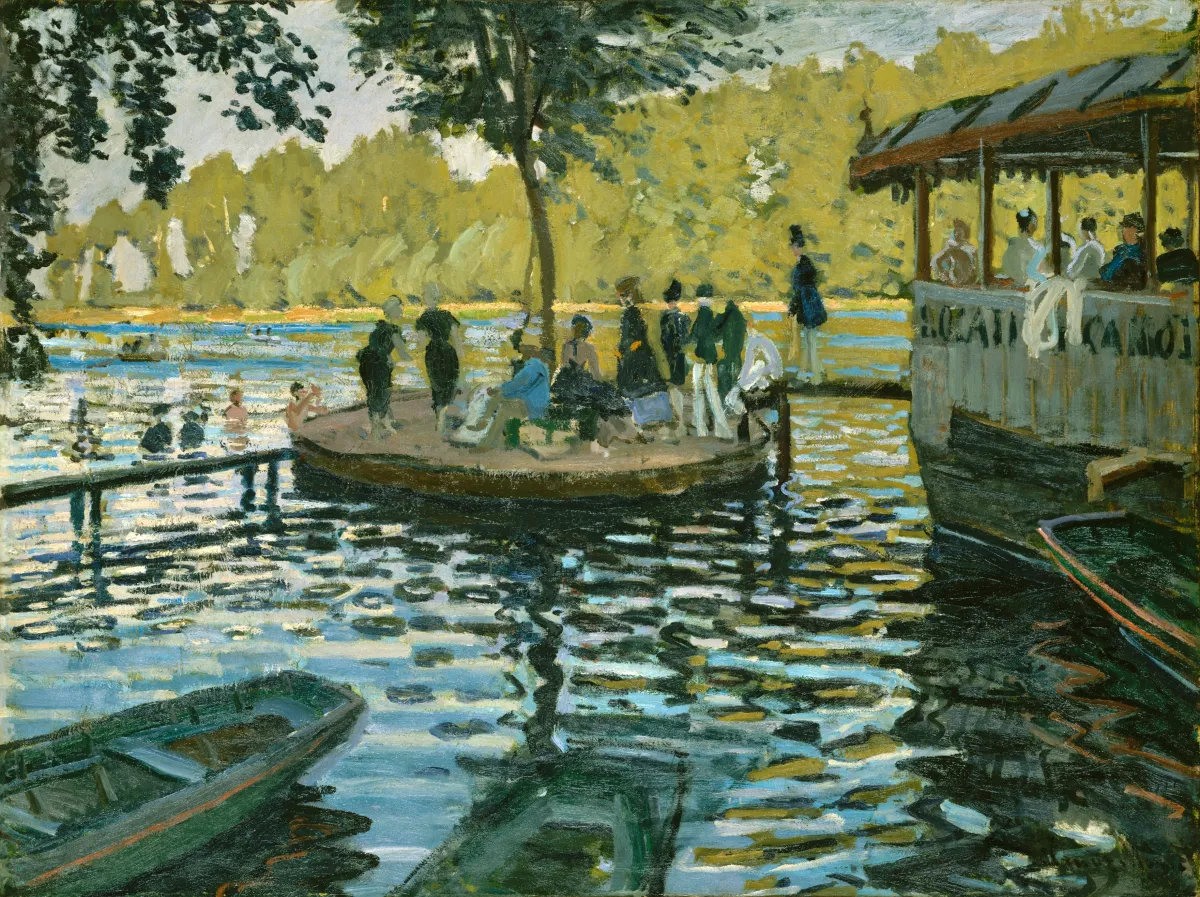
 100% Hand-Painted: Finished in 3-6 Weeks

.png)















_(1).webp)