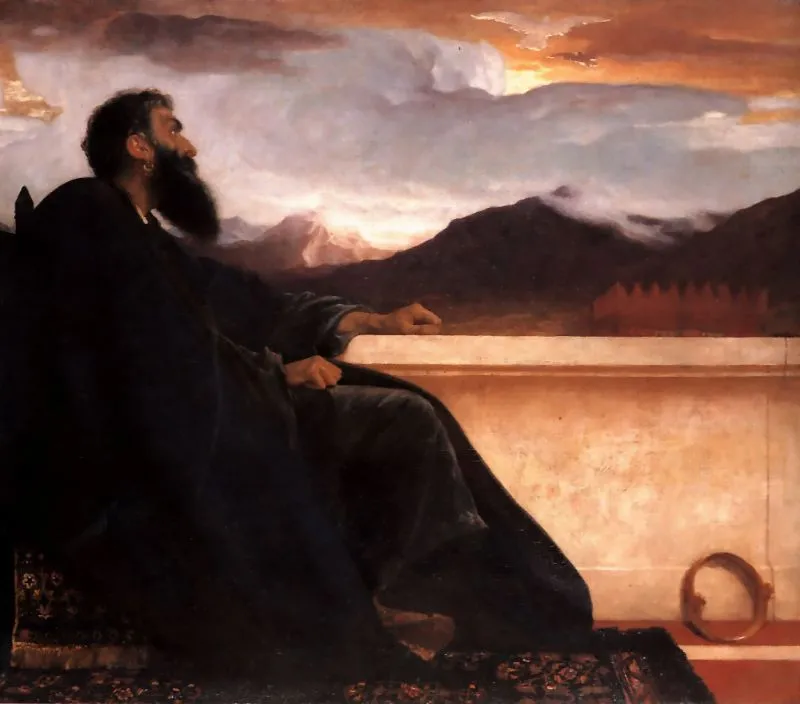
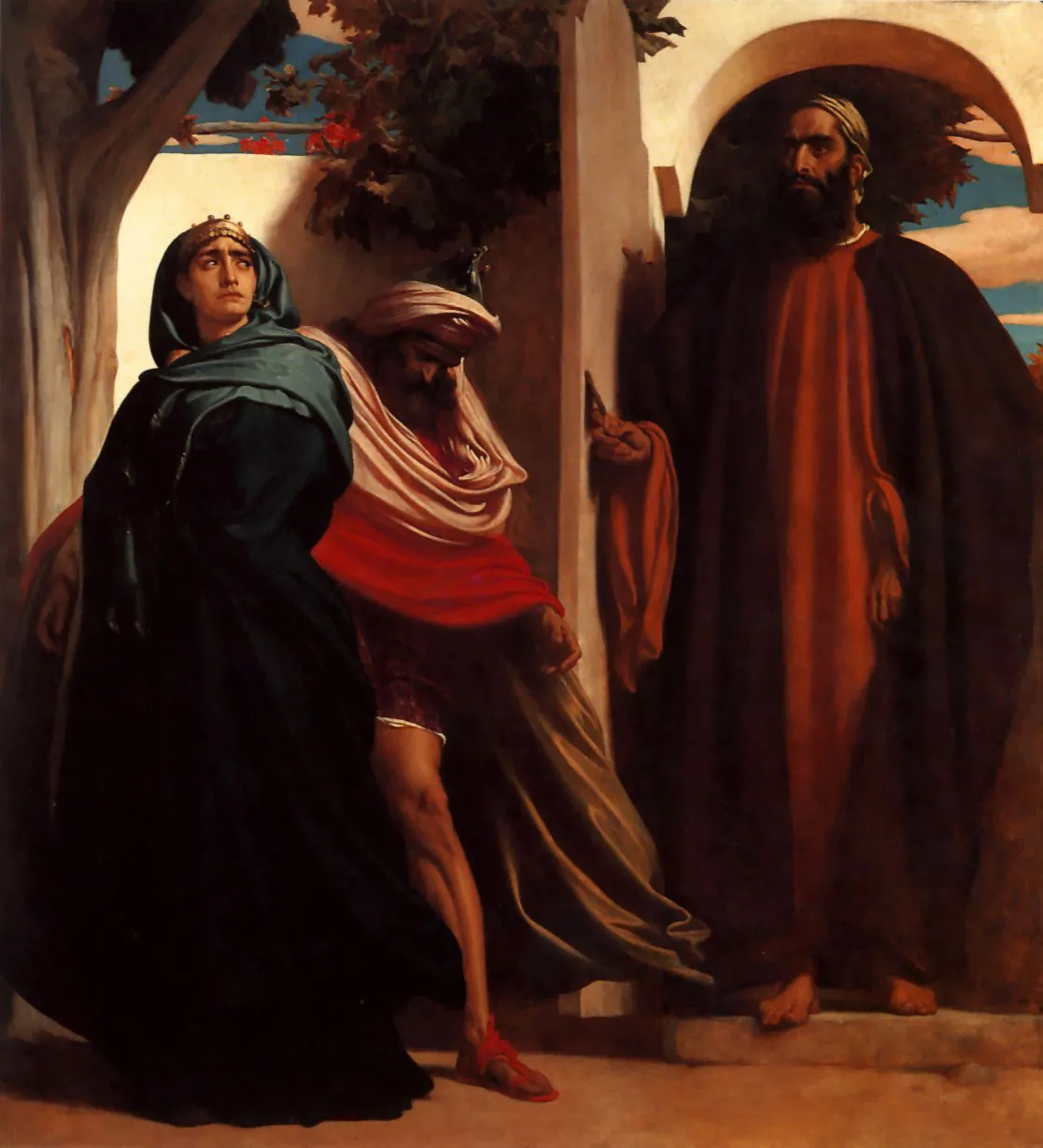
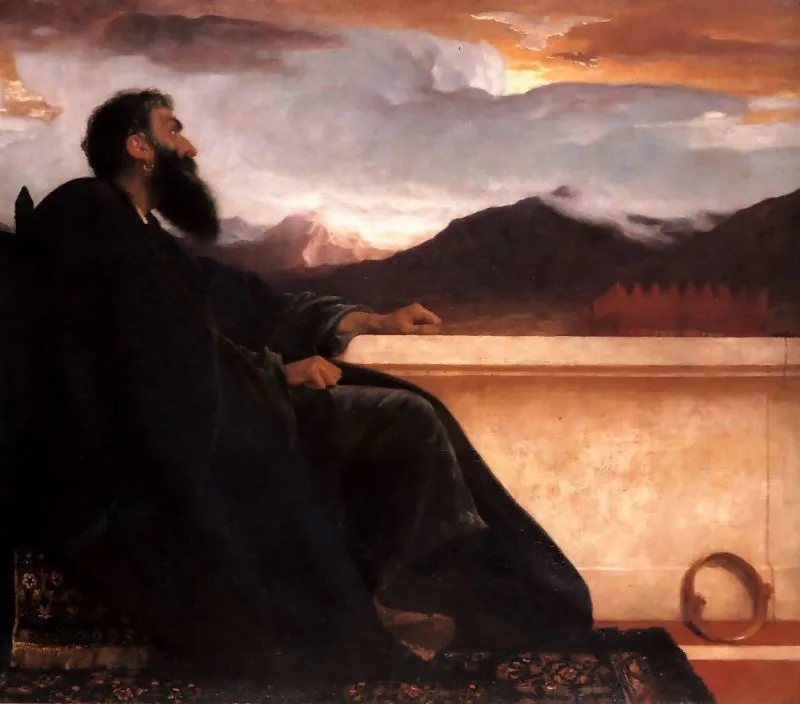
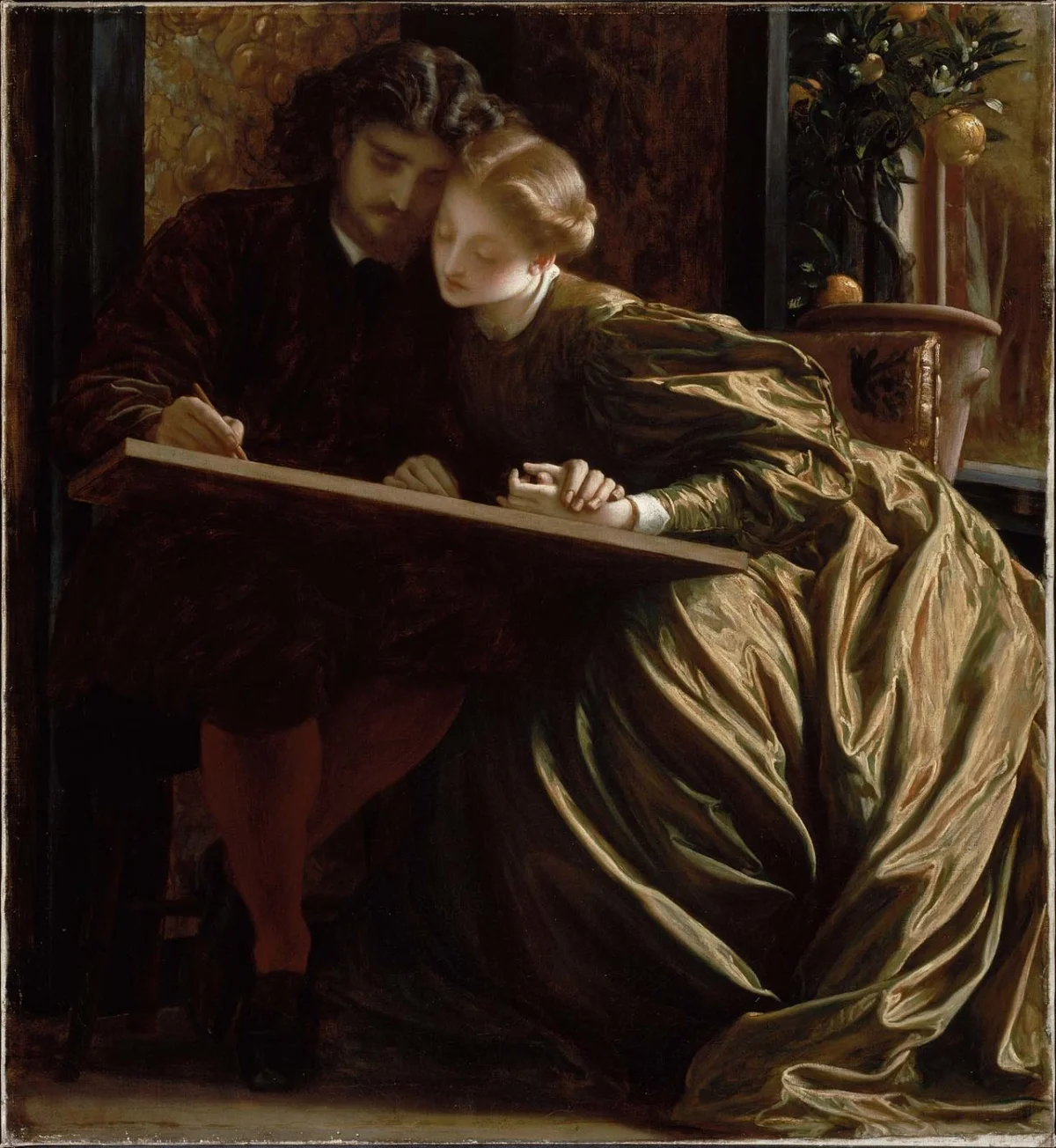
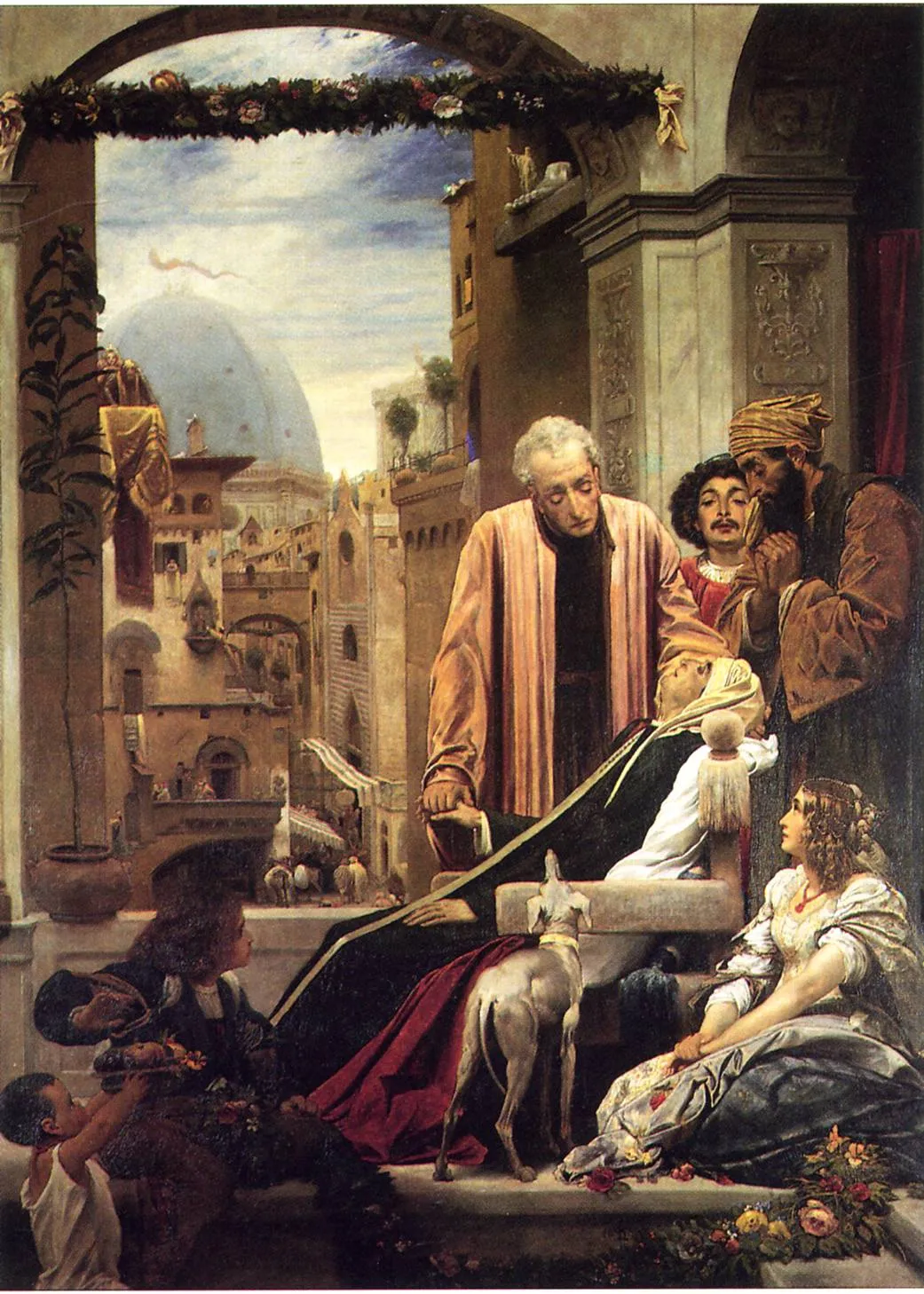
Lord Frederick Leighton’s "David" showcases his remarkable skill with oil on canvas, capturing the hero’s poise and youthful determination. The artist’s meticulous attention to anatomy and drapery reflects the principles of Academic Classicism. Every brushstroke reveals Leighton’s dedication to beauty and precision, a quality shared with his works such as "The Painter's Honeymoon" and "Jezebel and Ahab Met by Elijah." This painting is a striking example of oil on canvas mastery from the era.
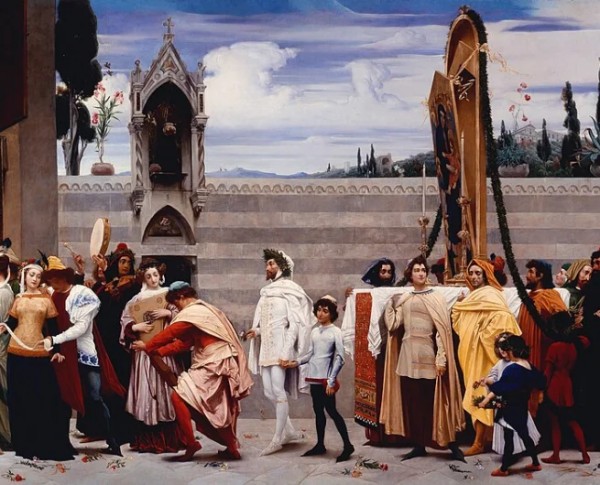
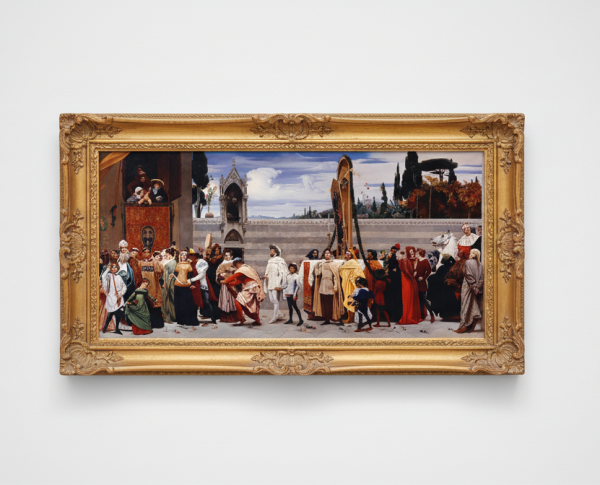
In "David," Lord Frederick Leighton weaves a tapestry of symbolism, drawing from biblical narratives central to Academic Classicism. The composition’s subtle details—David’s contemplative gaze and poised stance—invite viewers to explore themes of courage and faith. This hand-painted oil painting resonates with the storytelling found in Leighton’s other masterpieces like "Samson" and "The Death of Brunelleschi," making it a rich subject for art lovers and collectors seeking meaningful fine art painting for sale.
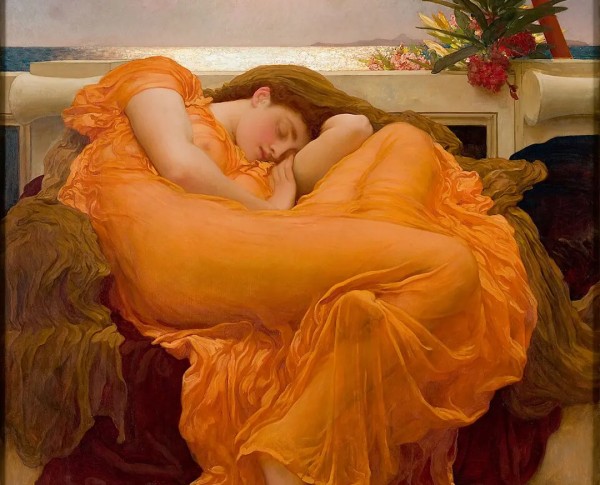
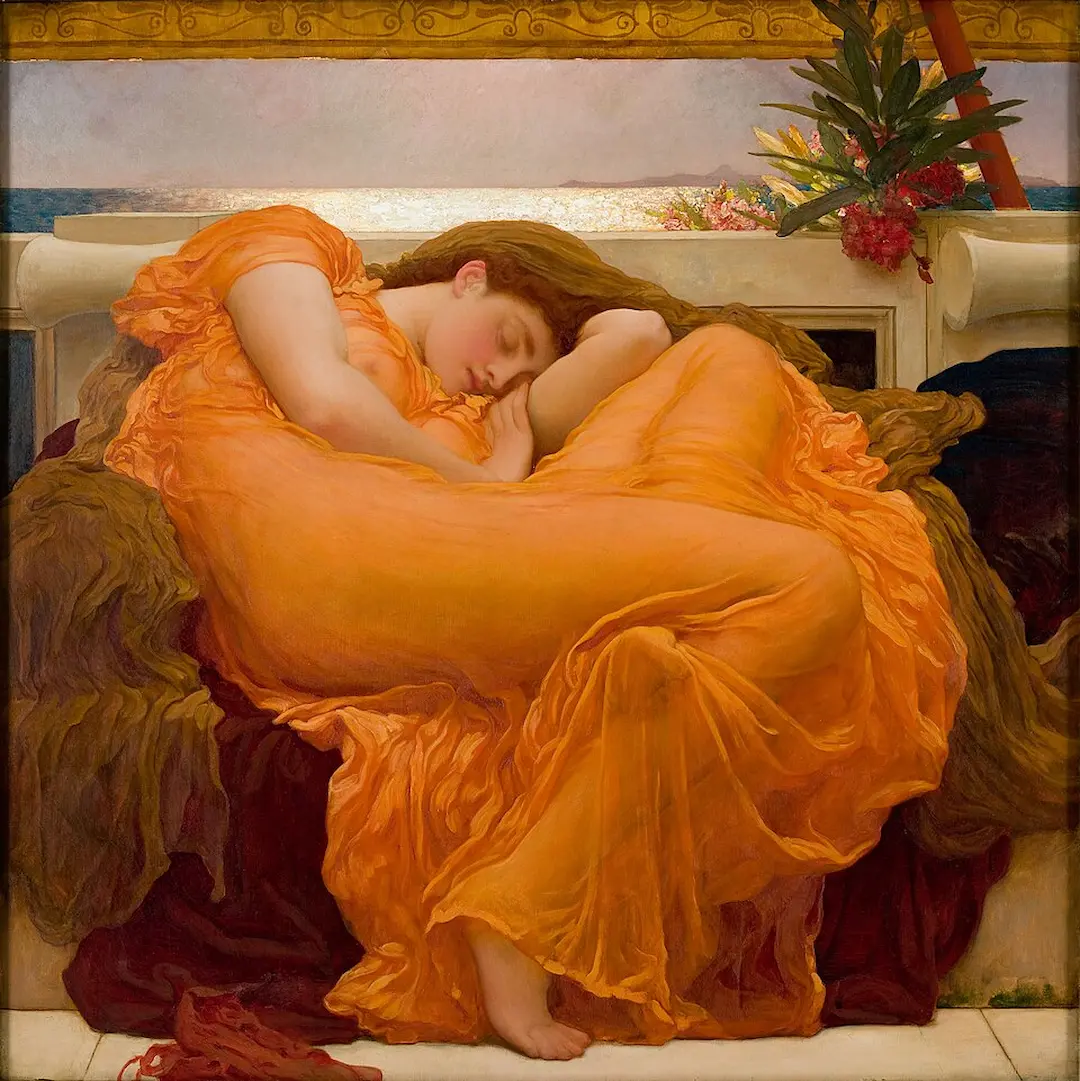
For collectors, "David" by Lord Frederick Leighton represents a prized acquisition within the Academic Classicism movement. This fine art painting for sale is not only a visual marvel but also a piece of history, echoing the grandeur of Leighton’s best-known works like "Flaming June." Owning such an oil on canvas piece connects collectors to a legacy of artistic excellence, alongside related products that define the pinnacle of nineteenth-century fine art painting for sale.
When Art Meets History
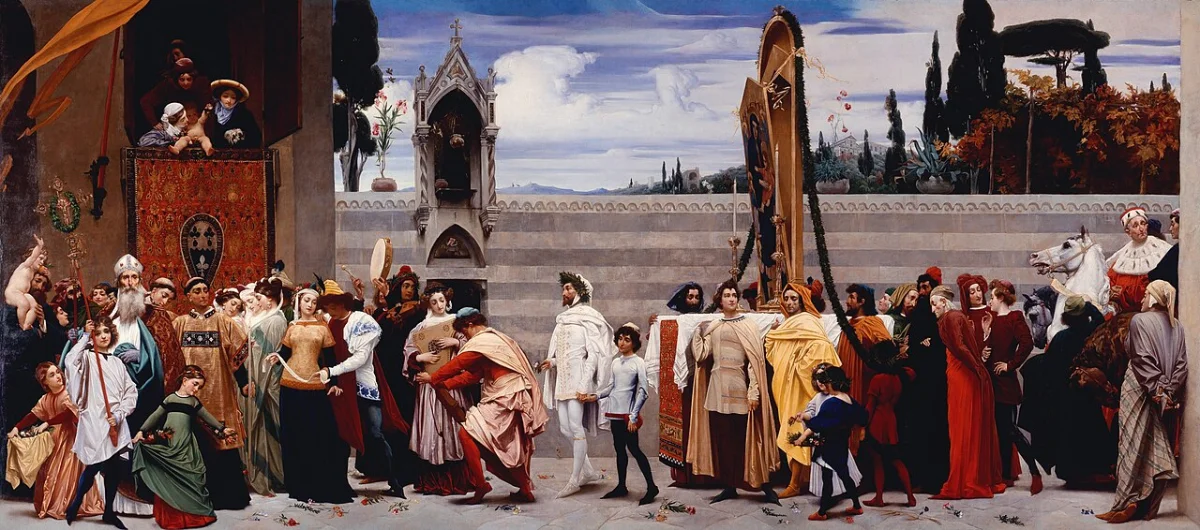
"David" by Lord Frederick Leighton stands as a remarkable example of Academic Classicism, bridging the gap between historical narrative and artistic expression. This hand-painted oil painting draws inspiration from biblical tales, much like Leighton’s contemporaries who also explored classical themes. As in "Nymphes et Satyre" and "Dante et Virgile au Enfers," Leighton’s "David" invites viewers into a past era, where heroic figures and dramatic stories come alive on canvas, preserving history through masterful artistry.
Techniques That Speak
Lord Frederick Leighton’s "David" exemplifies the refined techniques of the Academic Classicism movement, particularly through his use of oil on canvas. Every brushstroke demonstrates his commitment to realism, harmony, and precise anatomy, echoing the technical mastery seen in "Dionysia" and "The Duel After the Masquerade." The painting’s luminous skin tones and detailed textures reveal Leighton’s ability to manipulate oil on canvas, creating depth and life that captivates both art lovers and fellow painters alike.
Emotions on Display
"David" by Lord Frederick Leighton is more than a fine art painting for sale; it’s an emotional journey captured in pigment and form. The Academic Classicism movement, also evident in works like "Half Length Figure," sought to evoke profound feelings through poised yet expressive figures. In "David," you sense the subject’s resolve and contemplation, a testament to Leighton’s mastery in conveying human emotion. The painting’s subtle drama and psychological depth ensure its lasting appeal.
Coveted by Collectors
Collectors around the world seek out "David" by Lord Frederick Leighton as a prime example of Academic Classicism, often alongside related masterpieces such as "Nymphes et Satyre" and "Dionysia." This hand-painted oil painting is cherished not just for its historical significance but also for its enduring beauty and technical excellence. As a fine art painting for sale, "David" continues to attract discerning collectors, cementing Leighton’s legacy in the world of classic European art.
Related Academic Classicism Hand-Painted Oil Paintings by Other Artists
Other Famous Academic Classicism Artists:
Frequently Asked Questions About David
What is the historical context of "David" by Lord Frederick Leighton?
"David" was painted in the late 19th century, a period characterized by a revival of interest in classical themes and the human form. This era saw artists drawing inspiration from ancient history and mythology, reflecting the cultural currents of the time.
What artistic techniques did Leighton employ in "David"?
Lord Frederick Leighton utilized a combination of classical composition and vibrant color palettes. His mastery of light and shadow, along with meticulous attention to detail, enhances the three-dimensionality of the figure, creating a lifelike representation.
What is the significance of the figure of David in art history?
The figure of David has been a prominent subject in art history, symbolizing bravery, faith, and the triumph of good over evil. Leighton's interpretation reflects these themes while also emphasizing the beauty and strength of the human form.
How does Leighton's "David" compare to other representations of David in art?
Unlike earlier representations, such as Michelangelo's David, which focus on the moment of victory, Leighton's portrayal captures a contemplative moment, emphasizing the psychological depth and moral complexity of the character.
What materials were used in the creation of "David"?
Leighton's "David" is an oil painting on canvas, a medium that allows for rich color and texture. The artist's technique showcases his skill in blending colors and creating a luminous effect.
What themes are explored in "David"?
The painting explores themes of heroism, moral integrity, and the struggle between good and evil. David's poised stance and expression convey a sense of inner strength and resolve, inviting viewers to reflect on their own values.
What influences can be seen in Leighton's style in "David"?
Leighton's style in "David" reflects influences from the Pre-Raphaelite movement and classical art. His focus on idealized beauty and emotional expression aligns with the Romantic ideals prevalent during his time.
What role does color play in "David"?
Color in "David" serves to enhance the emotional impact of the painting. Leighton employs a rich palette to highlight the figure's muscular form and the drapery, creating a dynamic contrast that draws the viewer's eye.
How does "David" reflect Victorian values?
"David" embodies Victorian ideals of masculinity, virtue, and moral fortitude. The painting's emphasis on the heroic figure aligns with the era's fascination with strength and ethical leadership.
What is the current location of "David"?
The painting "David" is housed in a prominent art collection, where it continues to be appreciated for its artistic merit and historical significance. Visitors can view it as part of exhibitions that celebrate 19th-century art.























_GFM_Painting_(1).webp)


 100% Hand-Painted: Finished in 3-6 Weeks

.png)















_(1).webp)