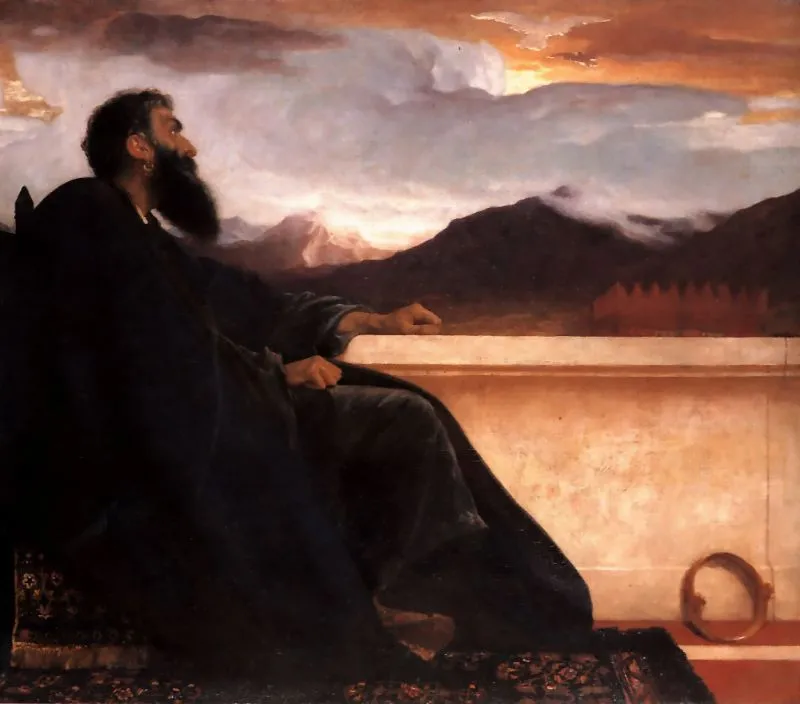
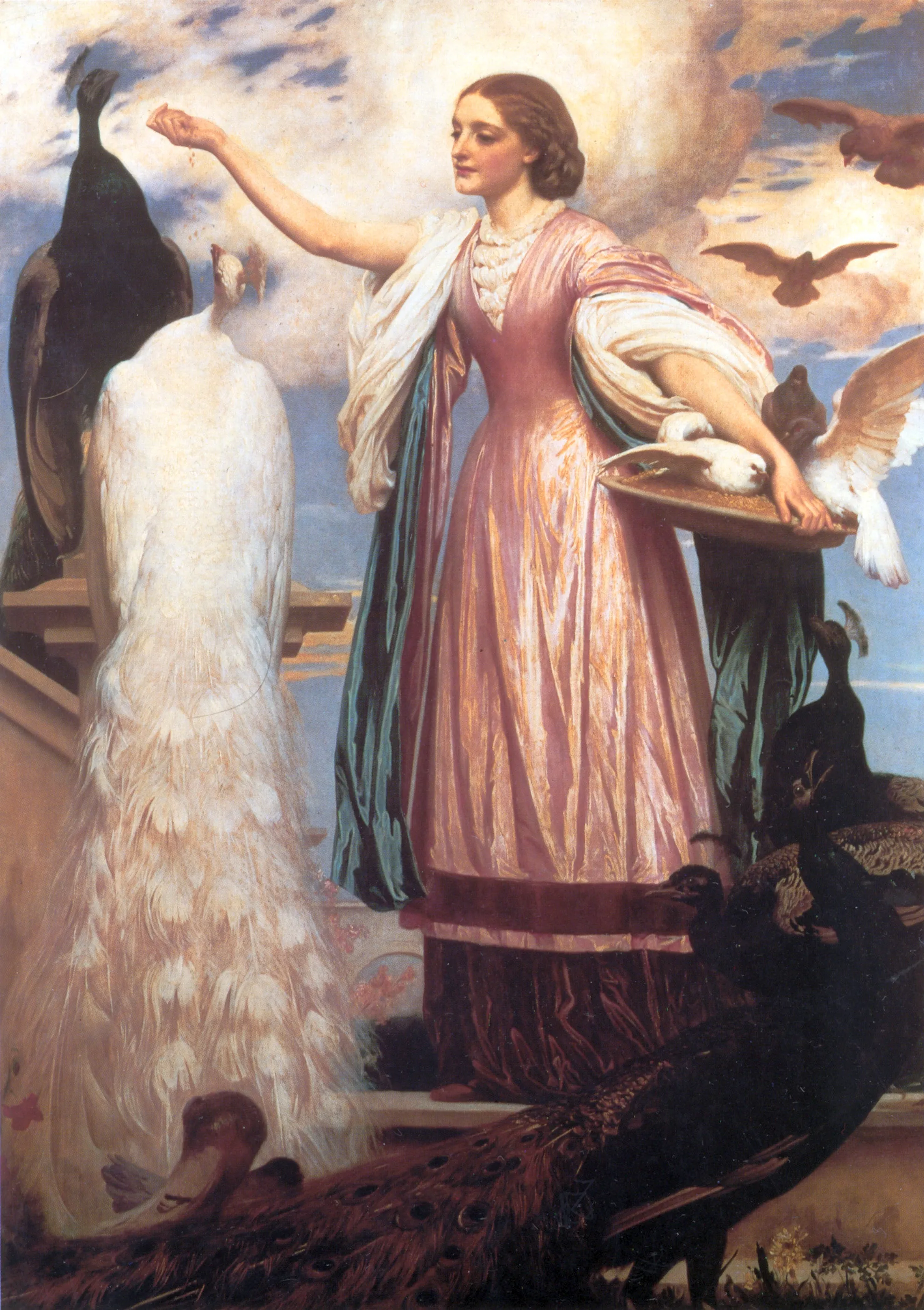
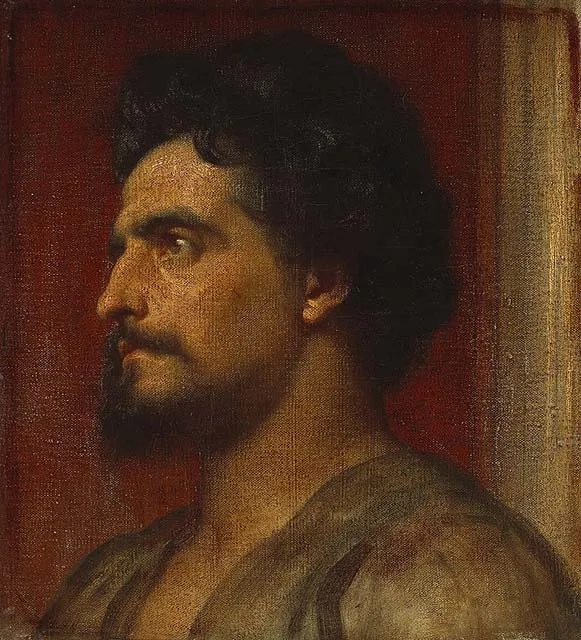
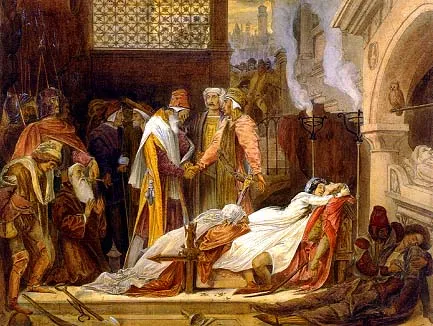
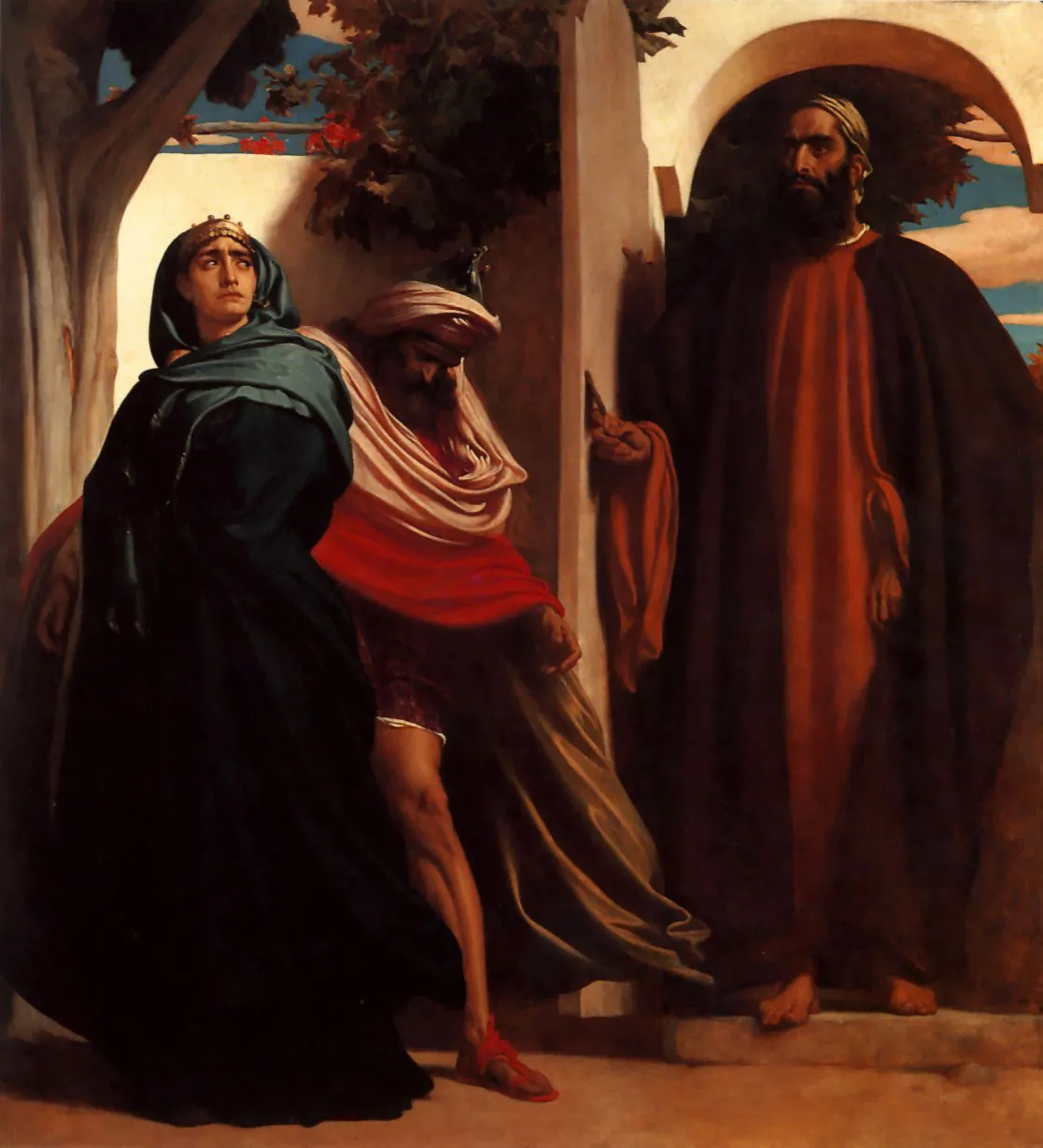
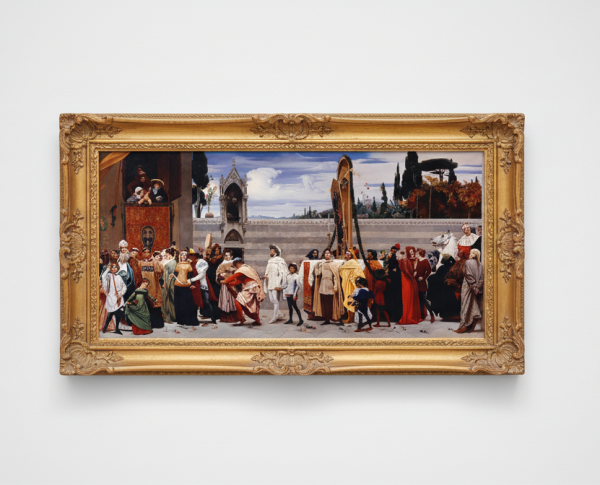
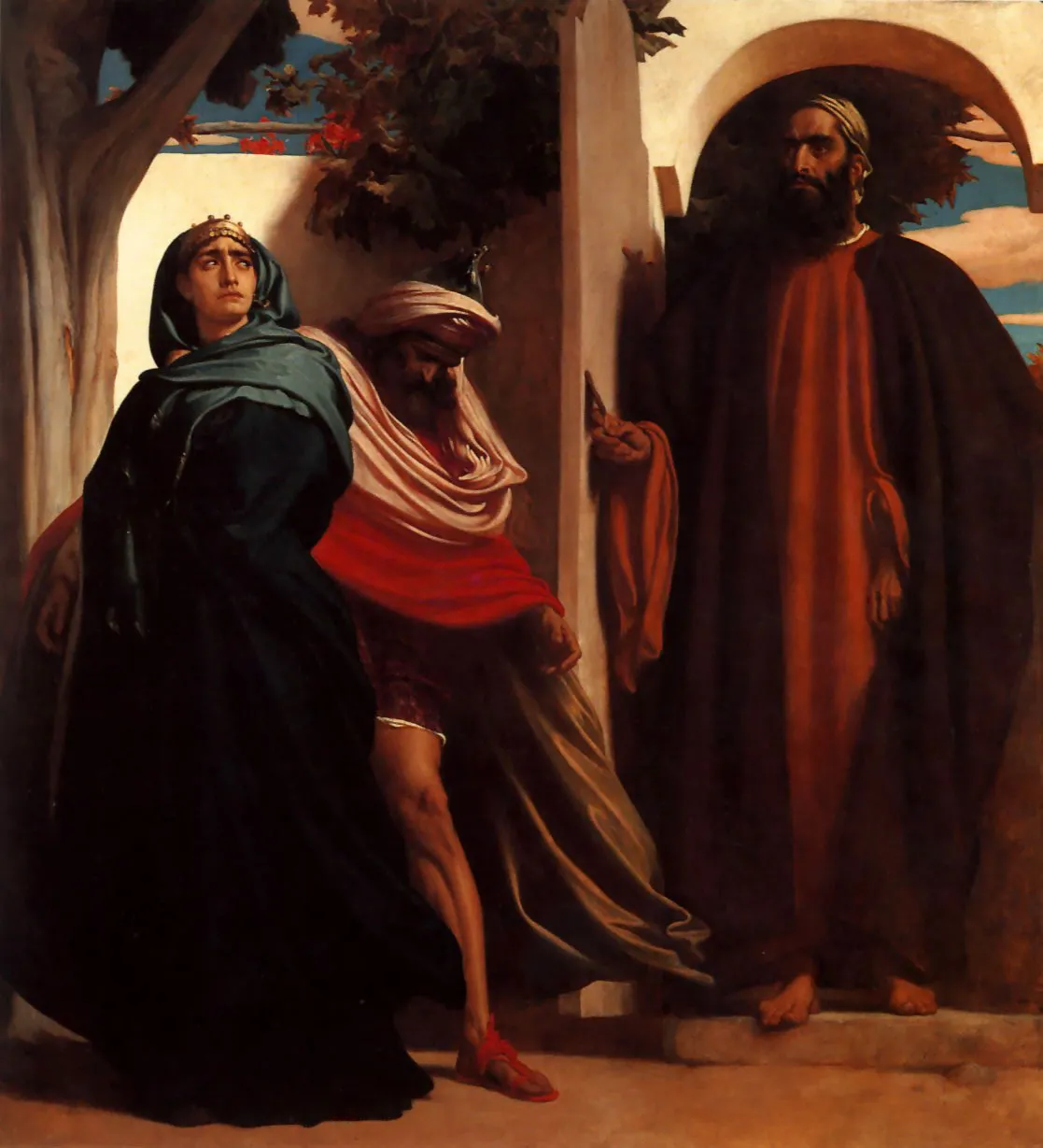
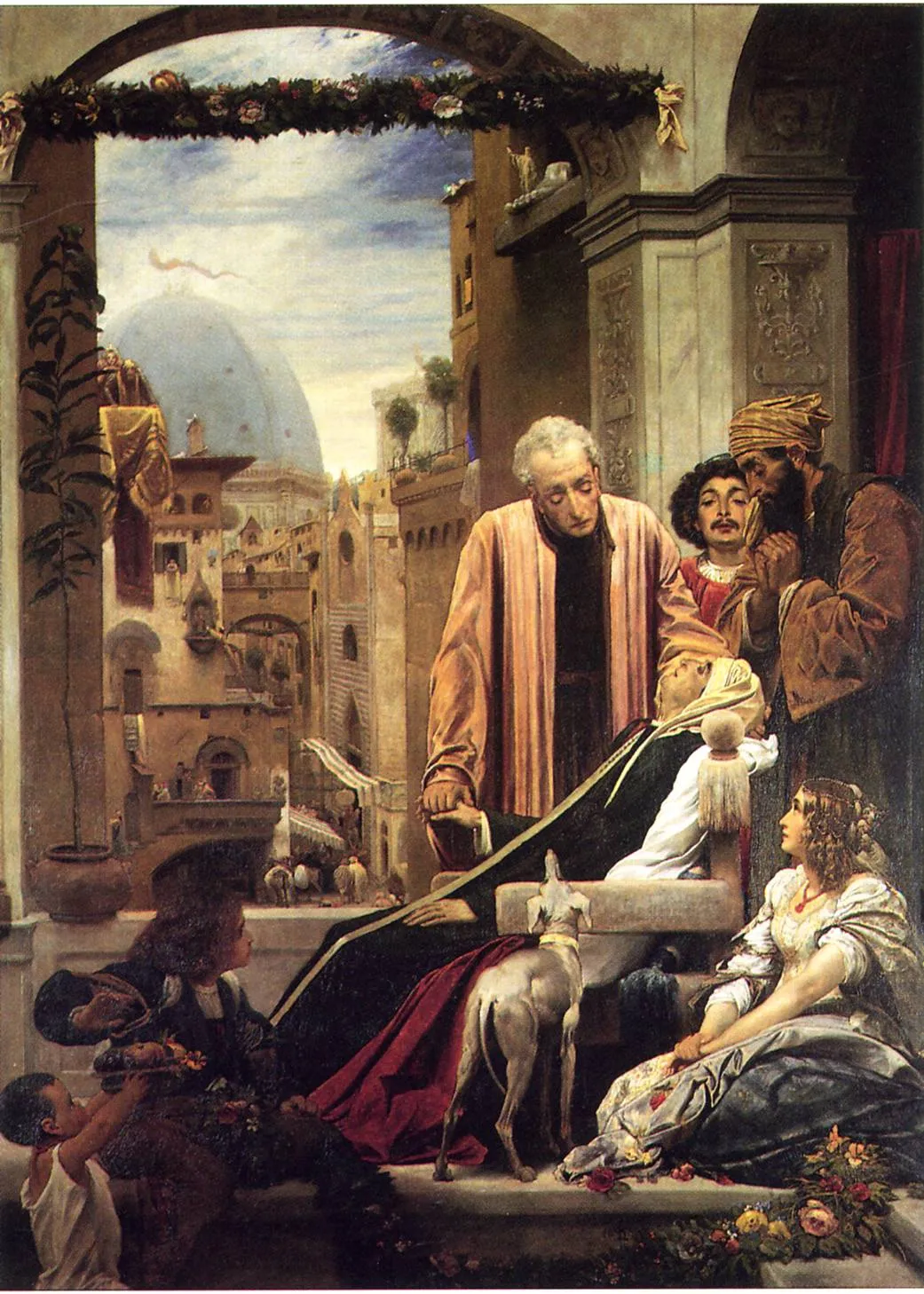
Lord Frederick Leighton’s "Jezebel and Ahab Met by Elijah" exemplifies his exceptional skill with oil on canvas. Every brushstroke is meticulously rendered, capturing the dramatic tension and emotional depth characteristic of Academic Classicism. The fine details and luminous colors set this work apart, aligning it with related masterpieces such as "A Roman Lady" and "The Fisherman and the Siren." This painting is a brilliant example of the technical prowess valued by collectors of classic oil paintings.
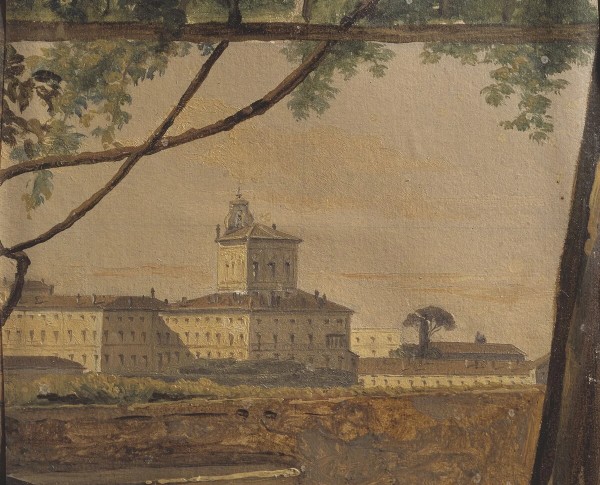
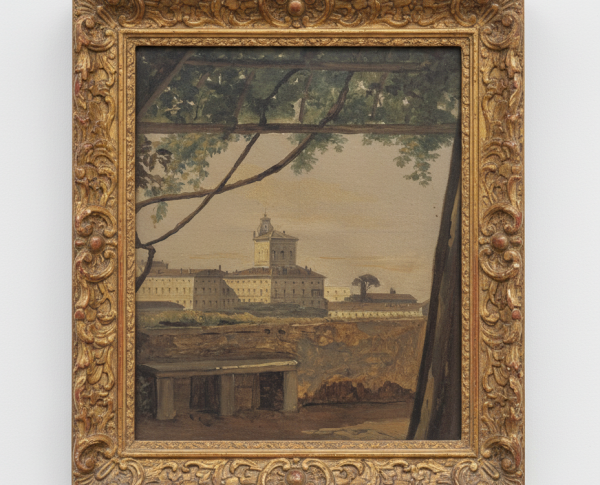
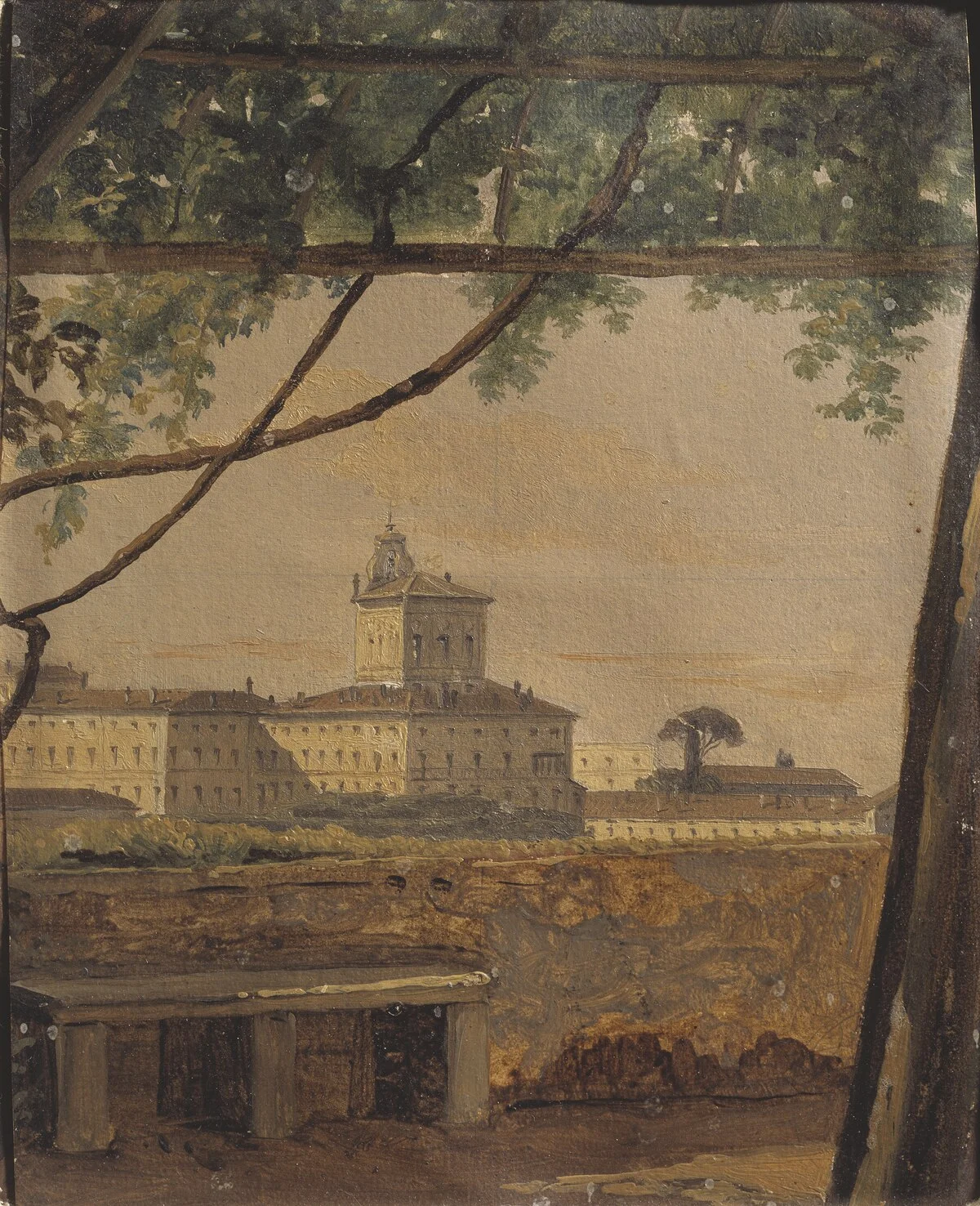
This fine art painting for sale delves deep into the dramatic biblical encounter between Jezebel, Ahab, and the prophet Elijah. Lord Frederick Leighton’s interpretation, rooted in the Academic Classicism movement, is rich in symbolism and narrative detail. Like "The Villa Malta, Rome" and "An Italian Lady," this work invites viewers to explore layered stories within its composition, making it not only a visual feast but also a profound exploration of morality and power.
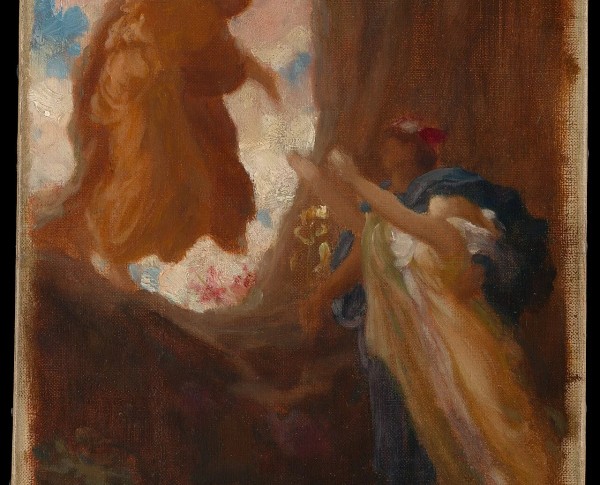
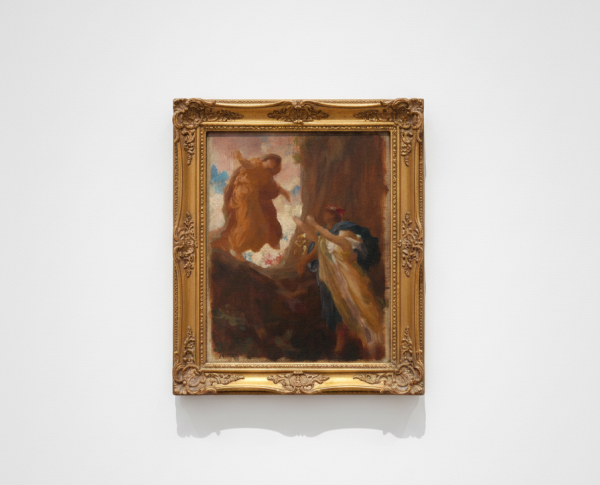
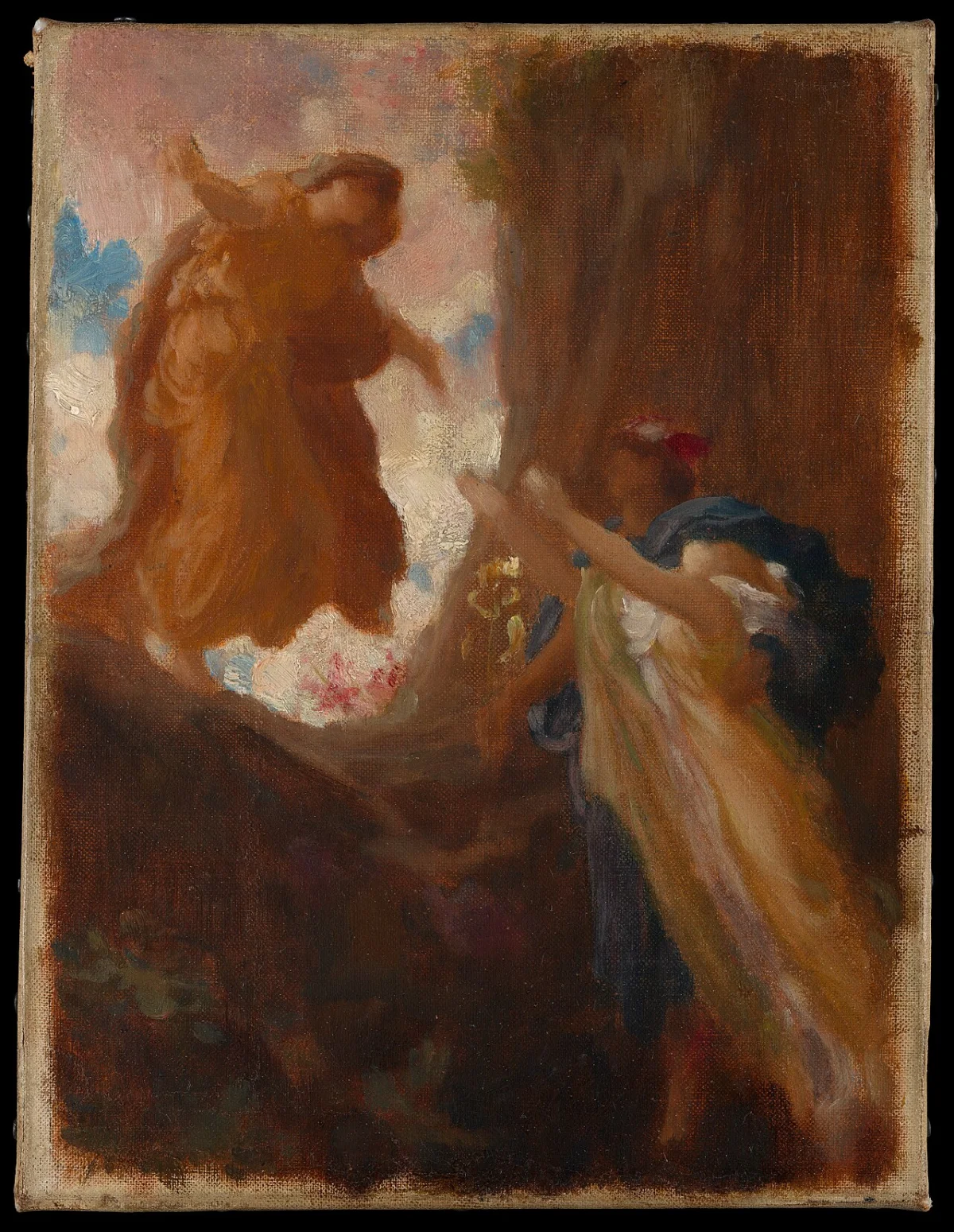
For art collectors, "Jezebel and Ahab Met by Elijah" by Lord Frederick Leighton is a prized acquisition, representing the pinnacle of Academic Classicism. The hand-painted oil painting stands alongside sought-after works like "The Return of Persephone" and "A Roman Lady," making it an essential addition to any distinguished collection. Its rich narrative and technical excellence ensure that this fine art painting for sale will remain a cherished masterpiece for generations to come.
When Art Meets History
"Jezebel and Ahab Met by Elijah" by Lord Frederick Leighton is a masterful example of Academic Classicism, blending biblical narrative with artistic grandeur. This hand-painted oil painting captures a pivotal moment from scripture, where the prophet Elijah confronts the infamous royal couple. Leighton, renowned for works like "Le Ravissement de Psyche" and "Venus Rising," channels both drama and accuracy, making this piece a standout among fine art painting for sale from the 19th century.
Techniques That Speak
Leighton's use of oil on canvas in "Jezebel and Ahab Met by Elijah" showcases his exceptional command of Academic Classicism techniques. The artist’s meticulous brushwork and careful attention to detail evoke the luminous, lifelike quality seen in related paintings such as Gérôme’s "Bonaparte Before the Sphinx." Through layered glazes and precise anatomy, Leighton achieves a timeless realism, making this oil on canvas a testament to the technical prowess of 19th-century academic painters.
Emotions on Display
In "Jezebel and Ahab Met by Elijah," Lord Frederick Leighton masterfully conveys a spectrum of emotions using the expressive potential of oil on canvas. Jezebel’s defiance, Ahab’s uncertainty, and Elijah’s righteous indignation are palpable, echoing the emotional depth found in works like "Nymphes et Satyre." This hand-painted oil painting invites viewers to experience the intensity of the biblical encounter, characteristic of the Academic Classicism movement’s focus on narrative expression.
Coveted by Collectors
As a prime example of Academic Classicism, "Jezebel and Ahab Met by Elijah" is highly sought after by art collectors and enthusiasts. The painting is often compared to other masterpieces such as "Venus Rising" and "Le Ravissement de Psyche," as well as works by Léon Gérôme. With its historical significance and exquisite craftsmanship, this fine art painting for sale holds a prestigious place in the world of collectible oil on canvas artworks.
Related Academic Classicism Hand-Painted Oil Paintings by Other Artists
Other Famous Academic Classicism Artists:
Frequently Asked Questions About Jezebel and Ahab Met by Elijah
What historical event does the painting depict?
The painting illustrates the biblical confrontation between the prophet Elijah and the Israelite king Ahab, along with his wife Jezebel, as described in the Old Testament. This encounter emphasizes themes of morality and divine judgment.
Who were Jezebel and Ahab in biblical history?
Jezebel was a Phoenician princess and the wife of King Ahab of Israel. She is often portrayed as a symbol of idolatry and immorality due to her promotion of the worship of Baal, which conflicted with the worship of Yahweh.
What artistic style is employed in this painting?
Lord Frederick Leighton utilized the Academic style, characterized by its emphasis on classical themes, meticulous detail, and dramatic use of color and light, which are evident in the depiction of the figures and their surroundings.
What is the significance of the figures' expressions and poses?
The expressions and poses of the figures convey a sense of tension and confrontation. Elijah's commanding presence contrasts sharply with Ahab's apprehension and Jezebel's defiance, highlighting the moral struggle central to the narrative.
How does Leighton use color to enhance the painting's themes?
Leighton employs a rich palette, using warm tones to evoke a sense of drama and intensity. The contrasting colors of Elijah's garments and the background serve to emphasize his role as a divine messenger amidst the moral decay represented by Ahab and Jezebel.
What symbolism is present in the painting?
The painting is rich in symbolism; Elijah represents divine authority and truth, while Jezebel embodies temptation and falsehood. Their interaction symbolizes the eternal conflict between good and evil, faith and idolatry.
In what year was "Jezebel and Ahab Met by Elijah" created?
This painting was completed in 1878, during a period when Leighton was deeply engaged with themes of morality and spirituality in his work, reflecting the Victorian era's fascination with biblical narratives.
What influences can be seen in Leighton's work?
Leighton's work is influenced by classical art, the Renaissance, and the Pre-Raphaelite movement. His attention to the human form and emotional expression draws from these traditions, while also incorporating contemporary Victorian themes.
What role does composition play in the painting?
The composition is carefully arranged to guide the viewer's eye through the interaction of the figures. The placement of Elijah at the forefront creates a focal point, reinforcing his role as the central figure in the moral confrontation.
How does this painting reflect Victorian values?
This painting reflects Victorian values by emphasizing moral lessons and the consequences of sin, as well as the importance of faith. The dramatic portrayal of biblical figures resonates with the era's interest in morality and spirituality.























_GFM_Painting_(1).webp)


 100% Hand-Painted: Finished in 3-6 Weeks

.png)















_(1).webp)