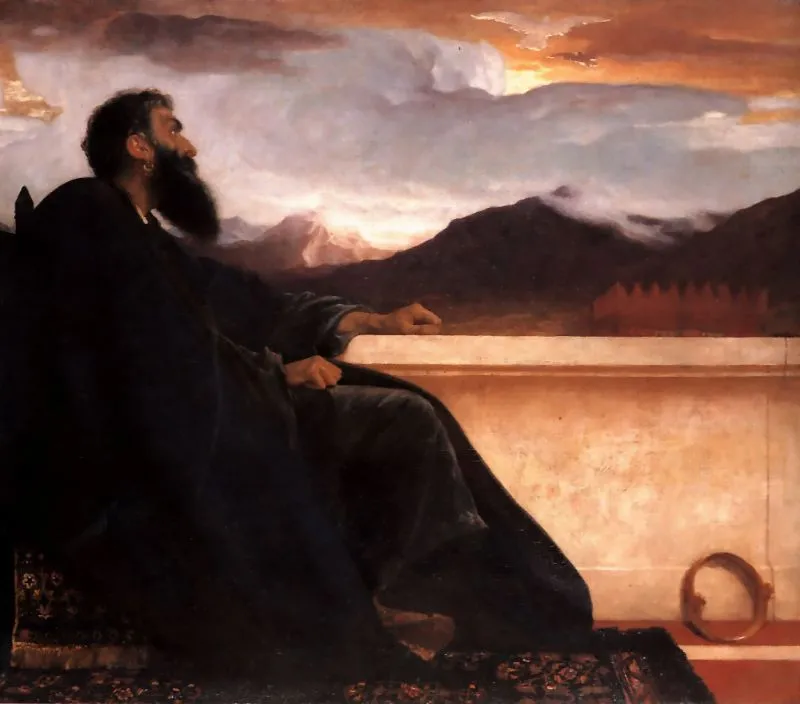
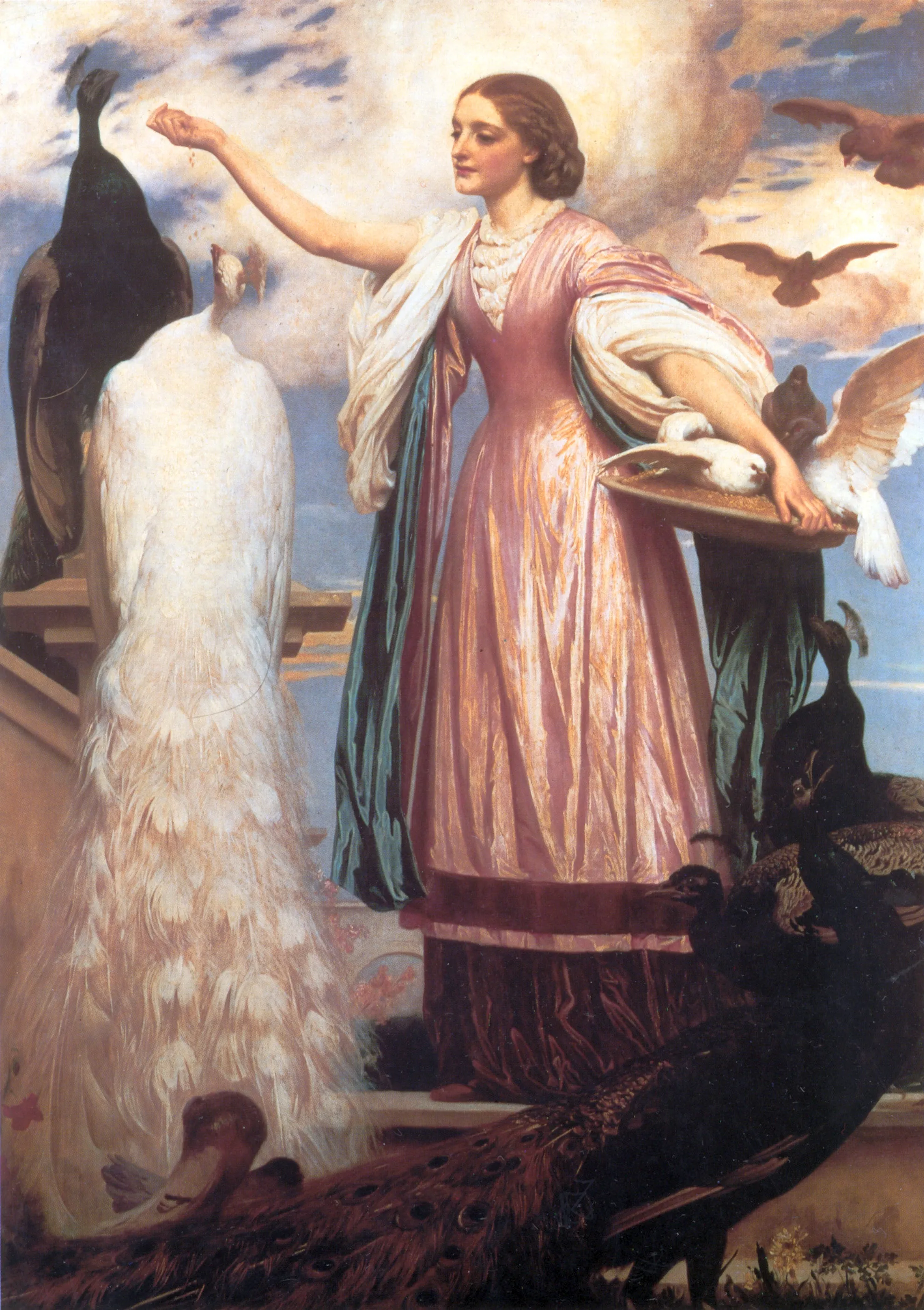
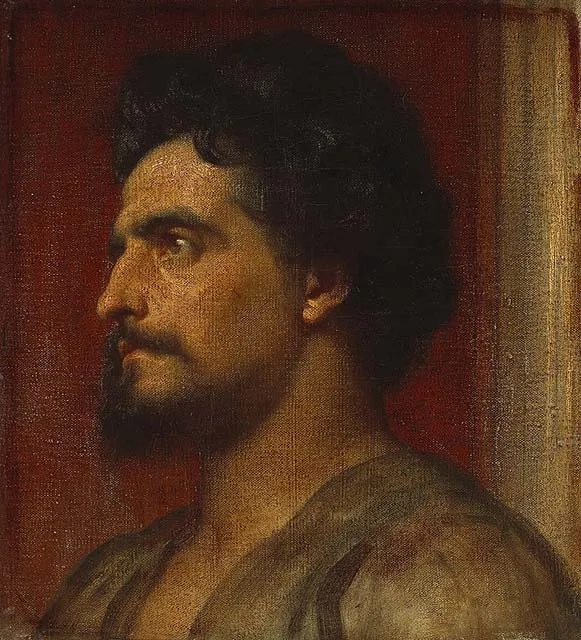
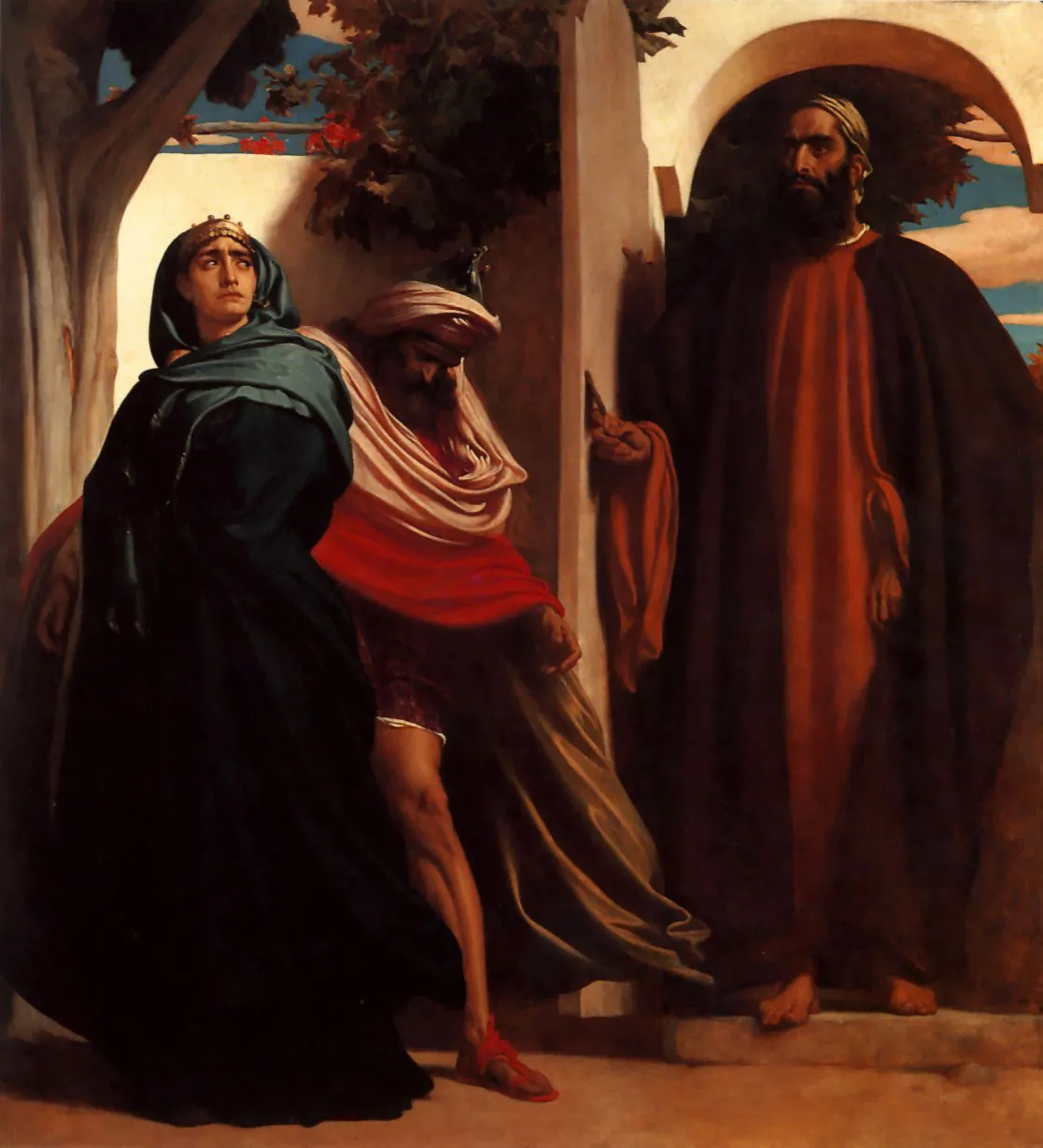
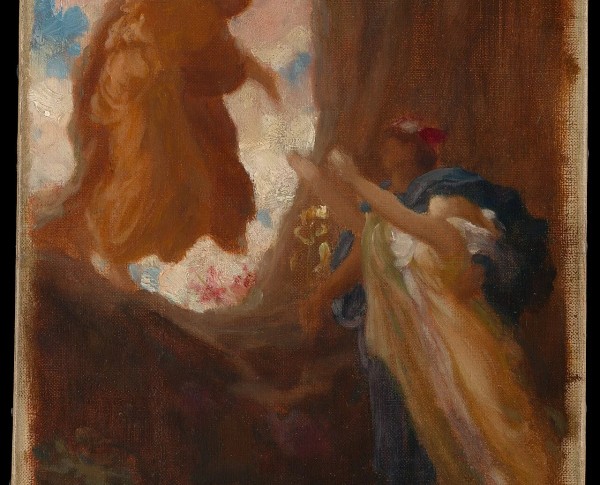
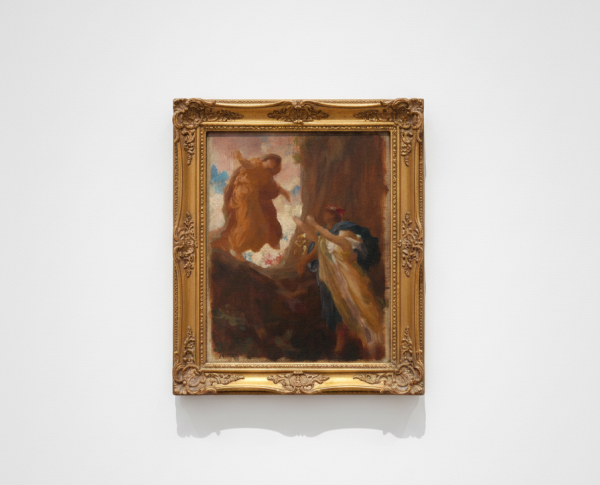
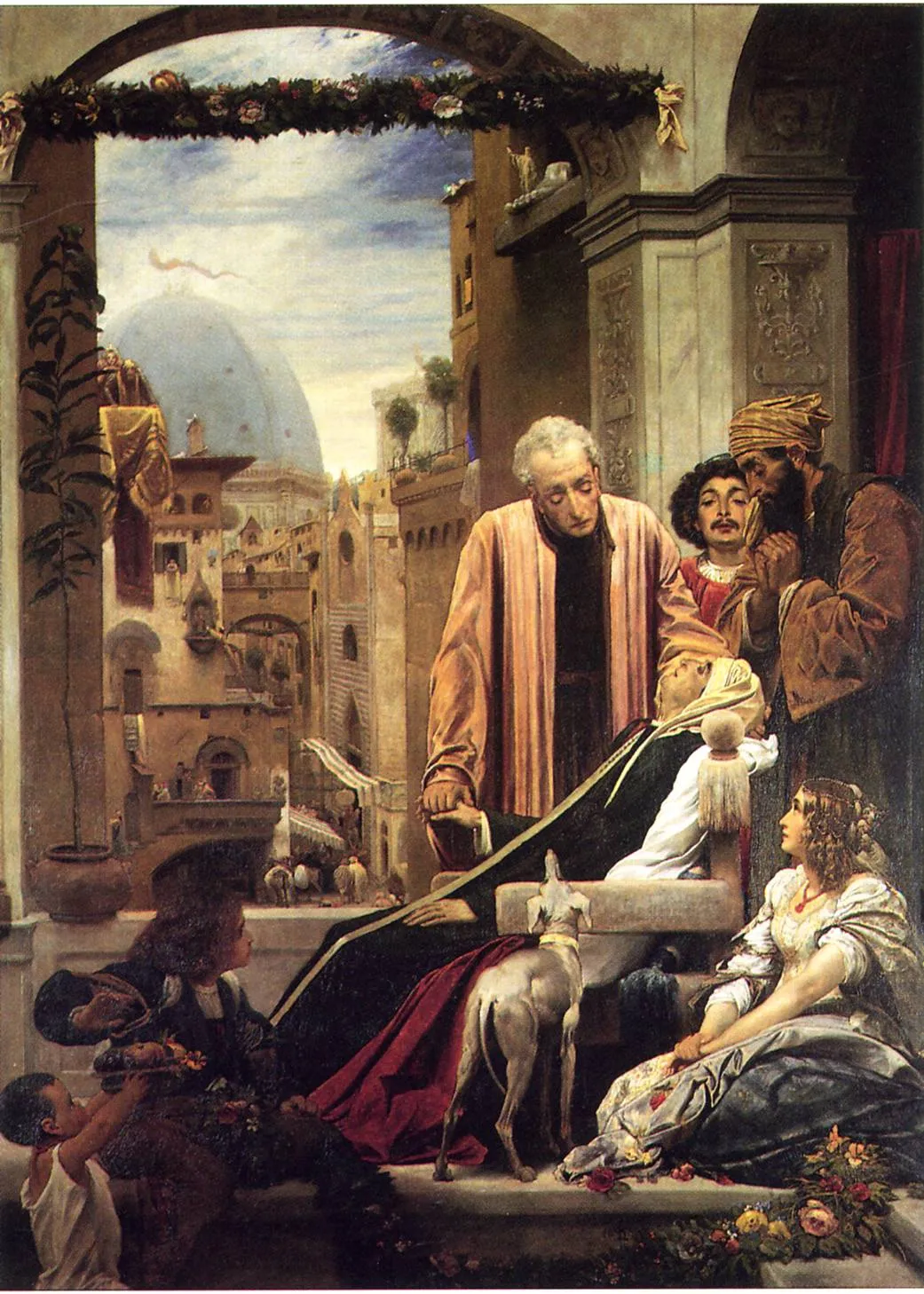
Lord Frederick Leighton's "Samson" exemplifies the refined skills of the Academic Classicism movement through its exquisite oil on canvas technique. Each brushstroke showcases Leighton's dedication to anatomical accuracy and dynamic composition, elevating the subject’s strength and vulnerability. This piece, along with other celebrated works like "The Fisherman and the Siren" and "Actaea, the Nymph of the Shore," demonstrates the timeless elegance and technical prowess that define Leighton's artistic legacy.
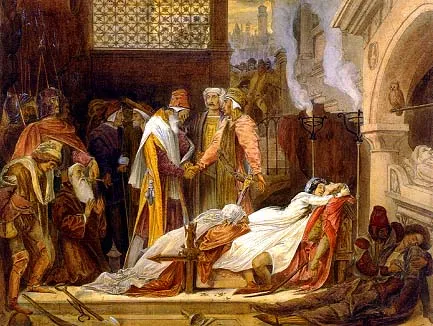
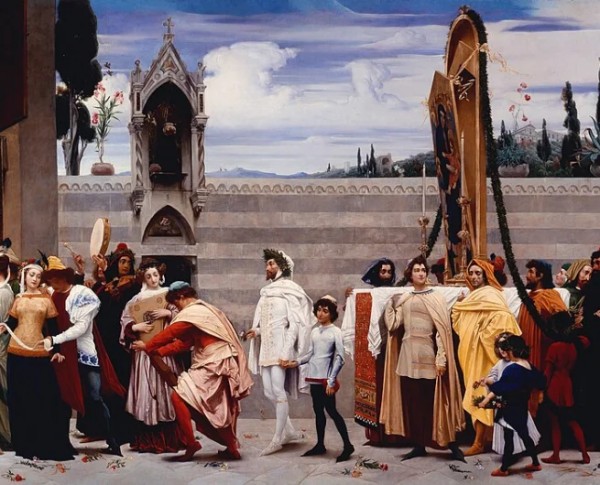
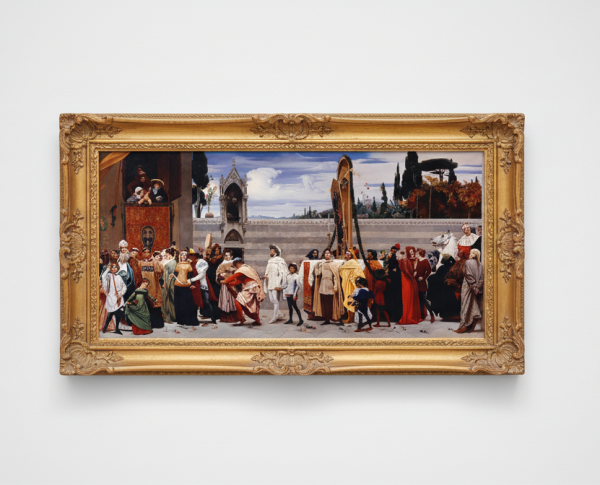
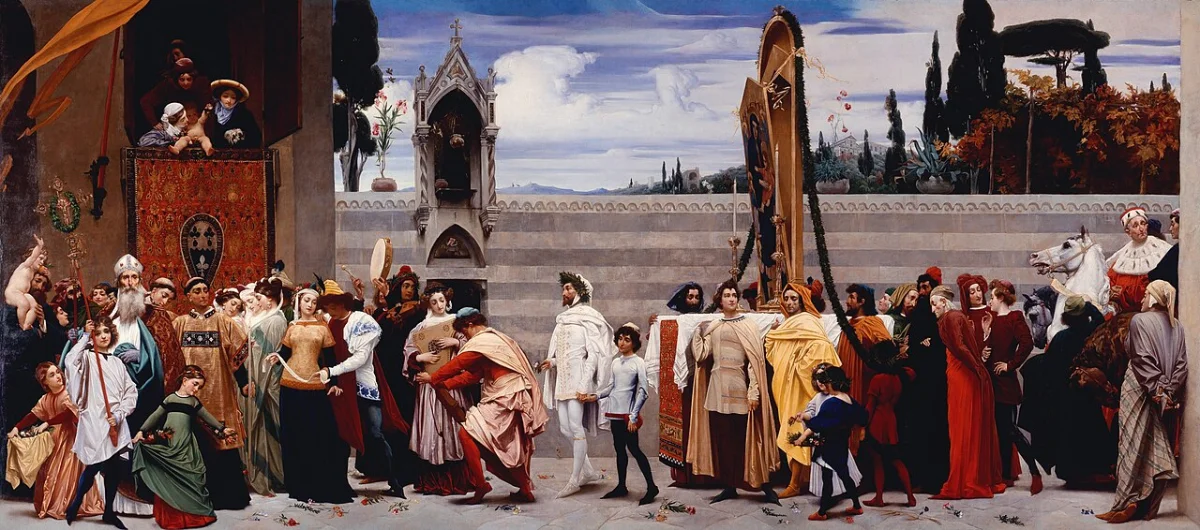
The narrative depth of "Samson" is unmistakable, as Lord Frederick Leighton weaves classical themes and powerful symbolism into this fine art painting for sale. The depiction of Samson’s legendary strength and tragic fate resonates with viewers, inviting contemplation of human frailty and heroism. Art lovers often pair this painting with works like "The Death of Brunelleschi" and "Cimabue's Celebrated Madonna" to explore the rich storytelling traditions of Academic Classicism.
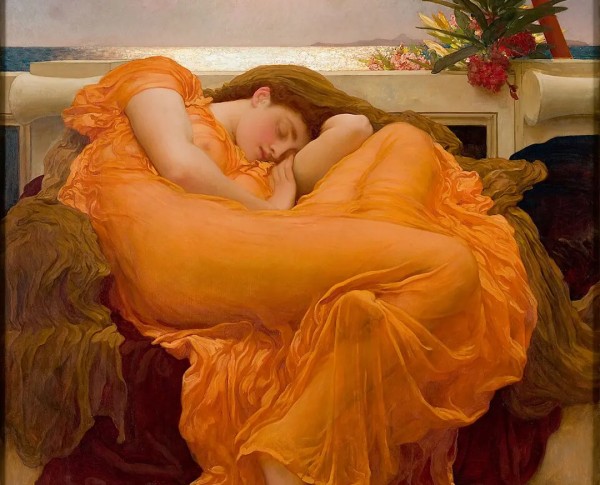
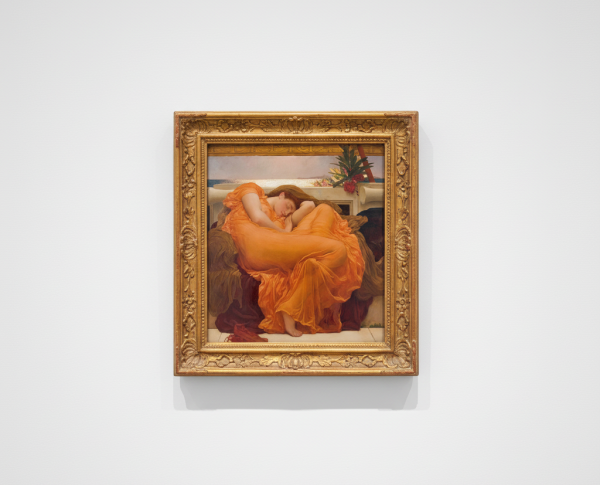
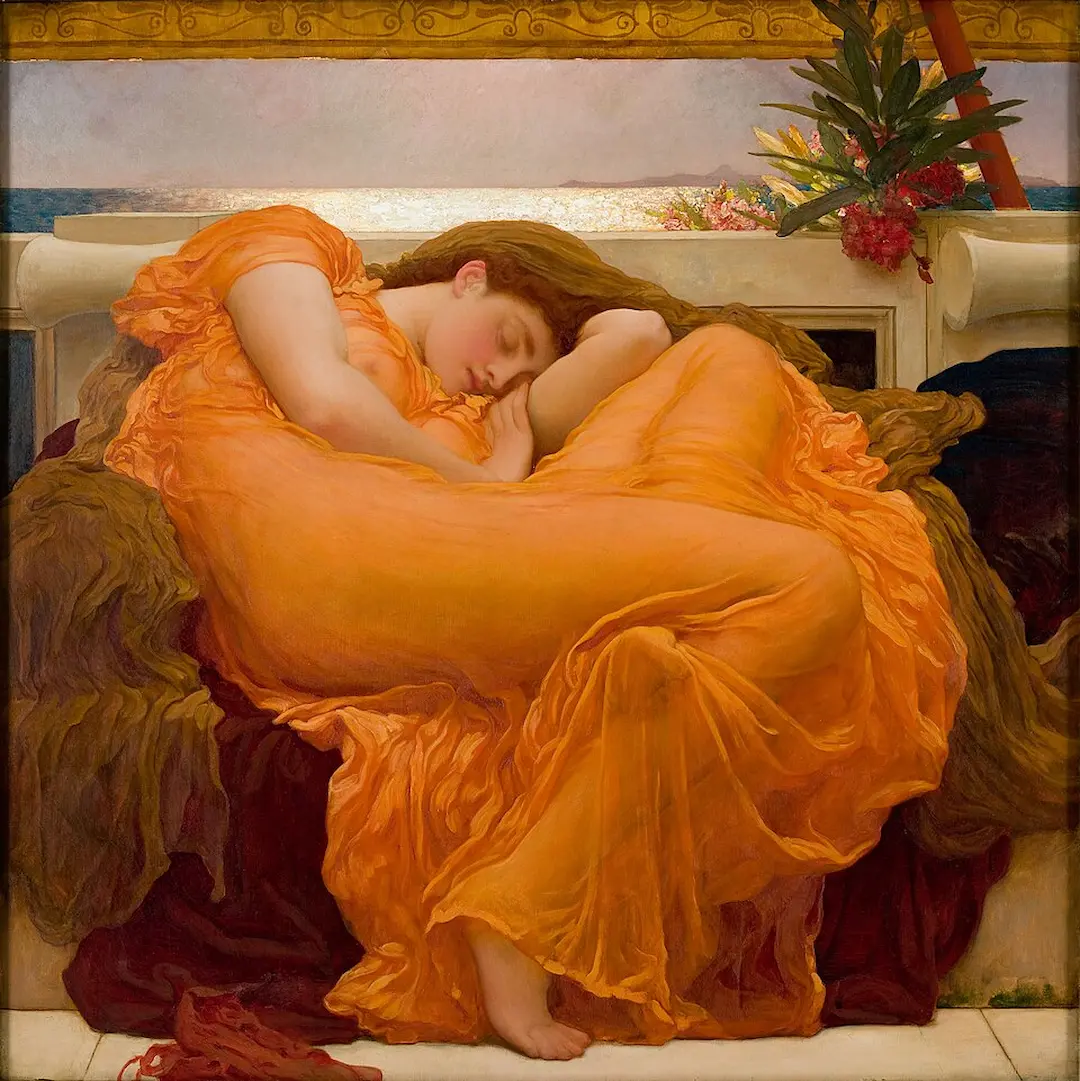
Owning "Samson" by Lord Frederick Leighton is a unique opportunity to possess a hand-painted oil painting that embodies the grandeur of Academic Classicism. This painting, along with related masterpieces such as "Flaming June" and "A Roman Lady," offers collectors a glimpse into the height of nineteenth-century fine art. Each artwork is a testament to the era’s artistic vision, making them prized additions for any discerning collector of classic oil on canvas works.
When Art Meets History
"Samson" by Lord Frederick Leighton stands as a testament to the grandeur of the Academic Classicism movement. This hand-painted oil painting draws inspiration from biblical tales, blending mythological themes with historical depth. Leighton's meticulous attention to detail is reminiscent of other masterpieces like "Léon Gérôme (vesoul, – Paris, ), Portrait of Marie-Célina Brieu" and "L'innocence (Innocence)." Through "Samson," Leighton bridges the gap between narrative storytelling and the timeless allure of classicism.
Techniques That Speak
Lord Frederick Leighton’s "Samson" showcases his mastery of oil on canvas, a hallmark of the Academic Classicism movement. His brushwork brings muscular forms and dramatic lighting to life, much like his contemporaries in works such as "Dionysia" and "Song of the Angels." The painting’s rich textures and layered colors demonstrate Leighton’s ability to harness the medium, creating depth and realism that elevate this oil on canvas to an exquisite level of craftsmanship.
Emotions on Display
In "Samson," Lord Frederick Leighton captures the intensity of human struggle and redemption, hallmarks of the Academic Classicism movement. The painting’s expressive gestures and vivid facial features evoke deep empathy, inviting viewers to connect emotionally. Much like in "L'innocence (Innocence)" and "Song of the Angels," Leighton’s artistry communicates vulnerability and strength. This fine art painting for sale is a profound example of how classic themes can stir powerful emotions through visual storytelling.
Coveted by Collectors
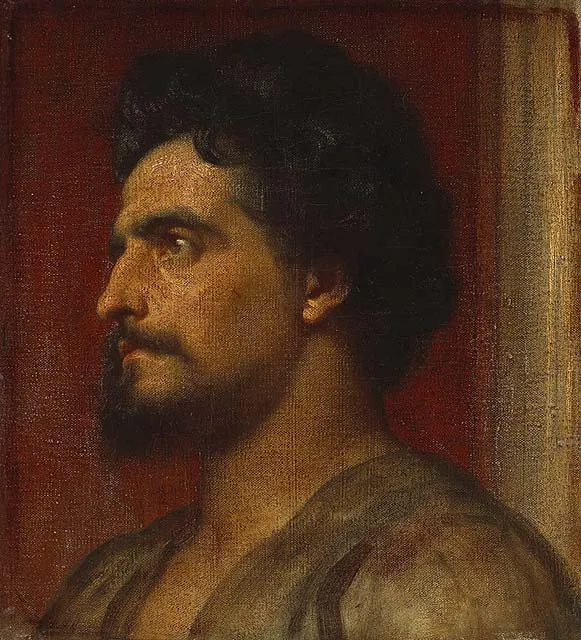
"Samson" by Lord Frederick Leighton is highly sought after among art enthusiasts, making it a prized fine art painting for sale. Its connection to the Academic Classicism movement and its resonance with other notable works, such as "Portrait of Marie-Célina Brieu" and "Dionysia," enhance its desirability. Collectors value Leighton’s exceptional skill and the painting’s timeless appeal, ensuring "Samson" remains a cherished piece in any distinguished art collection.
Related Academic Classicism Hand-Painted Oil Paintings by Other Artists
Other Famous Academic Classicism Artists:
Frequently Asked Questions About Samson
What is the historical context of the painting "Samson"?
"Samson" was created during the late 19th century, a period marked by the Pre-Raphaelite movement and a revival of interest in classical themes. Lord Frederick Leighton, the artist, was influenced by the Renaissance and sought to depict biblical stories with a modern sensibility.
What biblical story does "Samson" depict?
The painting illustrates the story of Samson, a biblical figure known for his immense strength, which he derived from his uncut hair. The artwork captures the moment of his betrayal by Delilah, symbolizing themes of love, betrayal, and the loss of power.
What artistic techniques did Leighton use in "Samson"?
Leighton employed a combination of classical realism and dramatic lighting to enhance the emotional impact of the scene. His use of vibrant colors and intricate details reflects his mastery of oil painting and his ability to convey movement and expression.
What symbolism is present in "Samson"?
The painting is rich in symbolism, particularly the contrast between strength and vulnerability. Samson's disheveled hair represents lost power, while the presence of Delilah signifies temptation and betrayal, highlighting the duality of human nature.
How does "Samson" reflect the artist's style?
Lord Frederick Leighton's style is characterized by a blend of classical themes and modern techniques. In "Samson," his attention to anatomical accuracy, dynamic composition, and emotional depth exemplifies his commitment to portraying the human experience through art.
What influences can be seen in Leighton's portrayal of the figures?
Leighton's figures are influenced by classical sculpture and Renaissance art, showcasing idealized forms and dramatic poses. This approach emphasizes the narrative quality of the painting, inviting viewers to engage with the emotional turmoil of the characters.
What role does color play in "Samson"?
Color plays a crucial role in conveying mood and emotion in "Samson." The rich, warm tones create a sense of intimacy and drama, while the contrasting cooler hues highlight the tension between the characters, enhancing the overall narrative impact.
What is the significance of the setting in "Samson"?
The setting of "Samson" is deliberately ambiguous, allowing the focus to remain on the figures and their emotional exchange. This choice emphasizes the timeless nature of the story and its relevance to universal themes of love and betrayal.
How has "Samson" been received by art critics and historians?
"Samson" stands as a significant piece within Leighton's oeuvre, showcasing his ability to convey complex human emotions through classical themes. It reflects his dedication to exploring the intricacies of the human condition, contributing to his lasting legacy in the art world.























_GFM_Painting_(1).webp)


 100% Hand-Painted: Finished in 3-6 Weeks

.png)















_(1).webp)