When Art Meets History
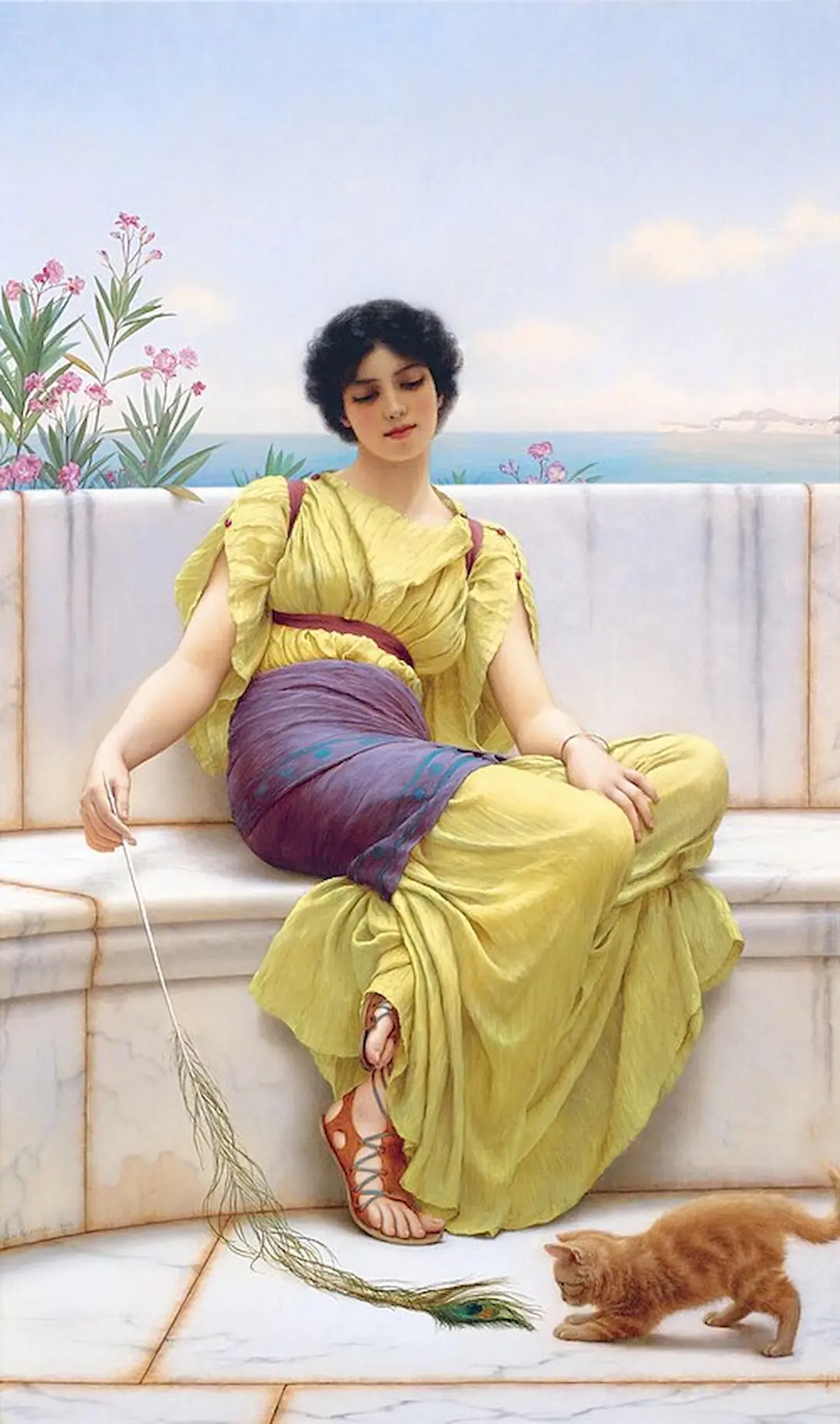
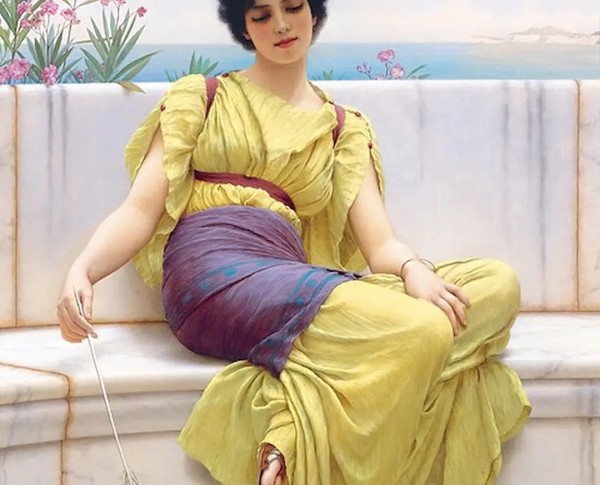
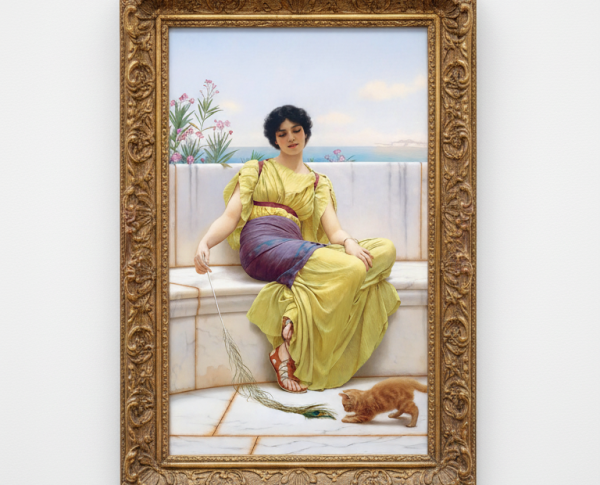
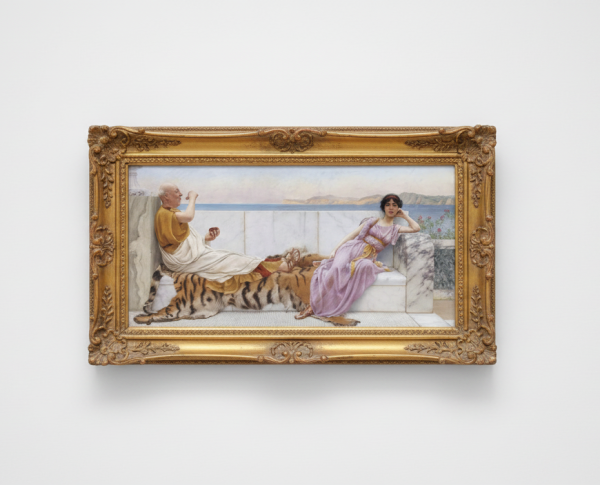
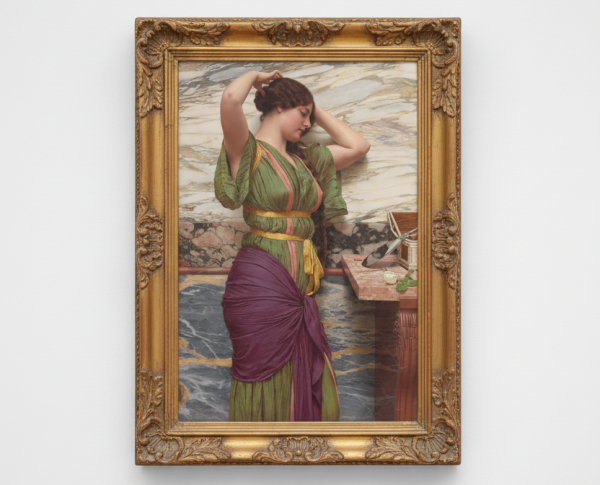
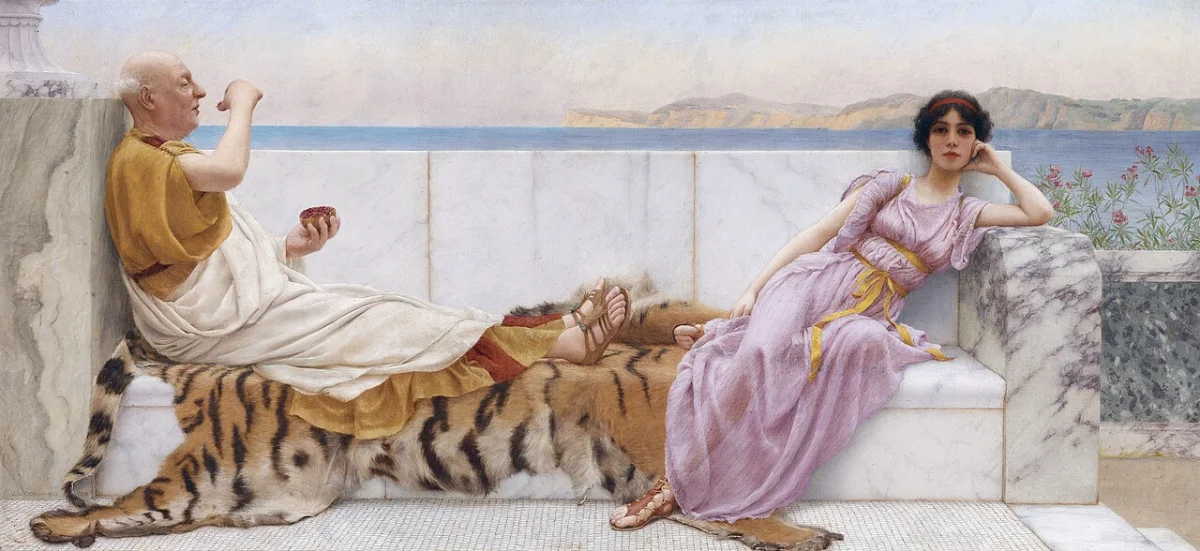
"Coast Of Capri" by John William Godward is a stunning testament to the Neoclassical Academic Realism movement. This hand-painted oil painting captures the tranquil beauty of Capri’s coastline, echoing the classical inspirations seen in related works like "The Death of Socrates" and "Bonaparte, Calm on a Fiery Steed." Godward’s meticulous attention to historical detail invites viewers to step back in time, making this masterpiece a highlight among fine art enthusiasts and collectors alike.
Techniques That Speak
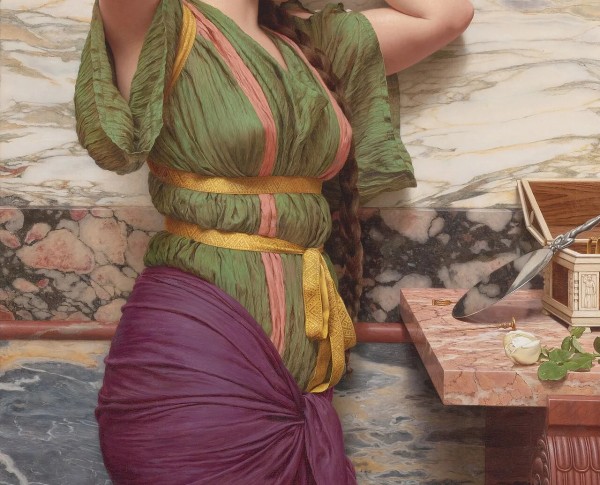
Godward’s "Coast Of Capri" showcases his mastery of oil on canvas, a technique shared by other Neoclassical masters such as Jacques-Louis David. The painting’s luminous colors and delicate brushwork evoke the Mediterranean’s serene atmosphere, reminiscent of "Crossing the Alps 1801" and "Napoleon Crossing the Alps." Through precise layering and blending, Godward achieves remarkable depth and realism, cementing his status as an exemplary artist within the Neoclassical Academic Realism movement.
Emotions on Display
In "Coast Of Capri," John William Godward conveys a sense of peace and timelessness, inviting viewers to immerse themselves in the calm seascape. The serene mood, typical of Neoclassical Academic Realism, is also found in works like "Consecration of the Emperor Napoleon I and Coronation of the Empress Josephine 1805-07." This fine art painting for sale resonates with those who appreciate subtle emotional expression, making it a cherished choice for art lovers seeking tranquility through visual storytelling.
Coveted by Collectors
"Coast Of Capri" remains a highly sought-after piece among collectors of Neoclassical Academic Realism. As with iconic works like "Portrait of Antoine-Laurent Lavoisier and his wife," this hand-painted oil painting by John William Godward stands out for its elegance and historical context. Collectors value the painting’s refined technique and evocative subject matter, ensuring its place alongside the finest oil on canvas masterpieces in galleries and private collections around the world.
Related Neoclassical Academic Realism Hand-Painted Oil Paintings by Other Artists
Other Famous Neoclassical Academic Realism Artists:
Frequently Asked Questions About Coast Of Capri
What is the historical context of "Coast Of Capri"?
"Coast Of Capri" was painted in the early 20th century, a period marked by a resurgence of interest in classical themes and aesthetics in art. John William Godward was part of the Neo-Classical movement, which sought to revive the ideals of beauty and harmony found in ancient art.
Who was John William Godward?
John William Godward was a British painter known for his exquisite depictions of classical subjects and his meticulous attention to detail. His works often feature beautiful women in serene landscapes, reflecting both the influence of classical antiquity and the aesthetics of the late Victorian era.
What artistic techniques are evident in "Coast Of Capri"?
The painting showcases Godward's mastery of color and light, with a vibrant palette that captures the Mediterranean landscape. His use of soft brushwork and detailed textures creates a sense of realism, while the composition draws the viewer's eye toward the serene figure in the foreground.
What themes are explored in "Coast Of Capri"?
The painting explores themes of beauty, tranquility, and the relationship between humanity and nature. The serene setting of Capri serves as a backdrop for the contemplative figure, symbolizing a harmonious existence amidst the splendor of the natural world.
What is the significance of the figure in the painting?
The figure in "Coast Of Capri" represents an idealized version of femininity, embodying grace and beauty. This portrayal reflects the artistic conventions of the time, where women were often depicted as muses or symbols of inspiration, connecting the viewer to themes of desire and admiration.
How does "Coast Of Capri" reflect the influence of classical art?
The painting draws heavily on classical motifs, including the serene landscape and the idealized figure. Godward's work is reminiscent of ancient Roman and Greek art, which celebrated the beauty of nature and the human form, thus bridging the gap between classical ideals and modern interpretation.
What role does color play in "Coast Of Capri"?
Color plays a crucial role in "Coast Of Capri," as Godward employs a vibrant and harmonious palette to evoke a sense of warmth and tranquility. The interplay of light and shadow enhances the three-dimensionality of the scene, inviting viewers to immerse themselves in the idyllic setting.
How does the composition of "Coast Of Capri" affect its interpretation?
The composition is carefully arranged to guide the viewer's gaze from the foreground figure to the expansive landscape beyond. This deliberate structuring emphasizes the connection between the figure and the natural environment, enhancing the painting's themes of harmony and beauty.
What impact did "Coast Of Capri" have on later artists?
"Coast Of Capri" and Godward's other works influenced subsequent generations of artists who sought to explore themes of beauty and idealism. His meticulous attention to detail and classical subject matter paved the way for later movements that celebrated the aesthetic qualities of art.
In what ways does "Coast Of Capri" exemplify the Neo-Classical movement?
The painting exemplifies the Neo-Classical movement through its emphasis on classical themes, idealized beauty, and a focus on harmony and proportion. Godward's work reflects a return to the values of antiquity, showcasing a blend of romanticism and realism that characterizes this artistic period.























_GFM_Painting_(1).webp)


 100% Hand-Painted: Finished in 3-6 Weeks

.png)
















_(1).webp)