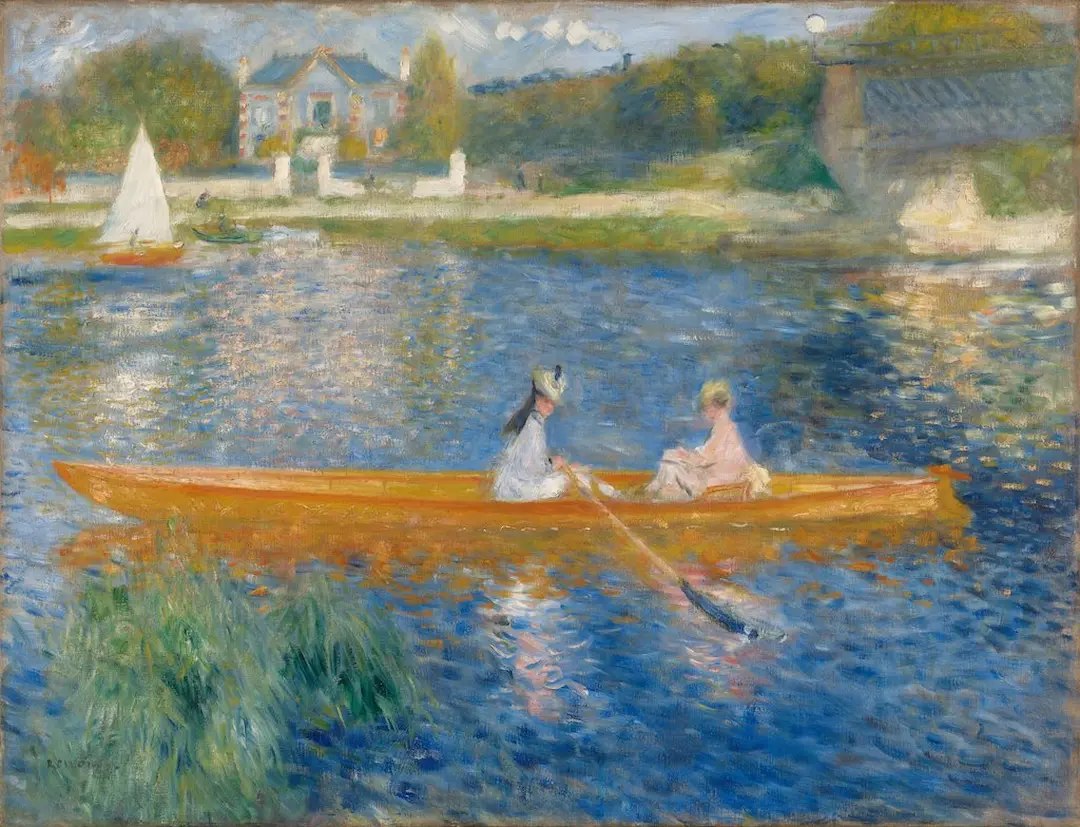
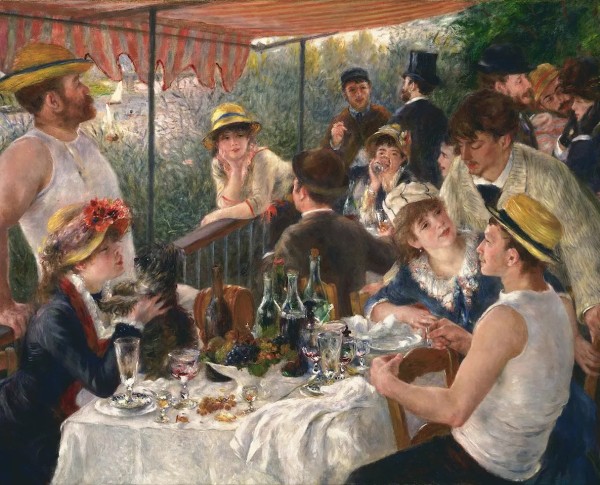
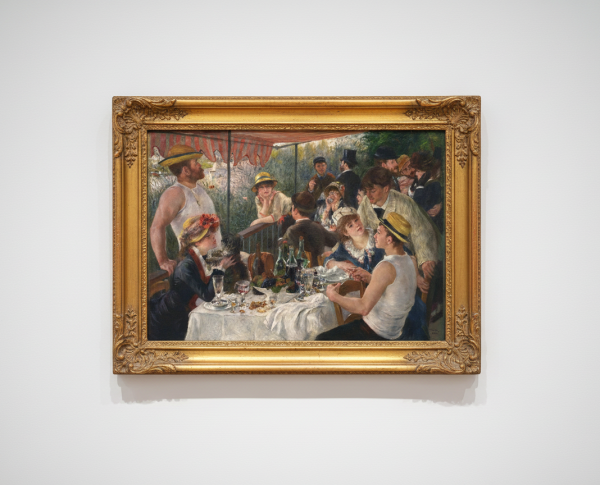
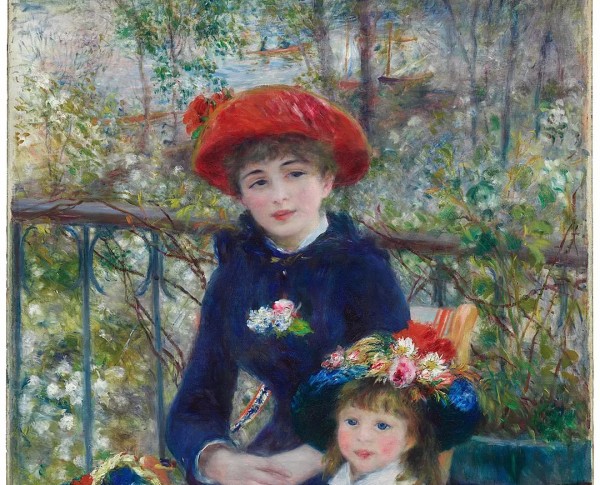
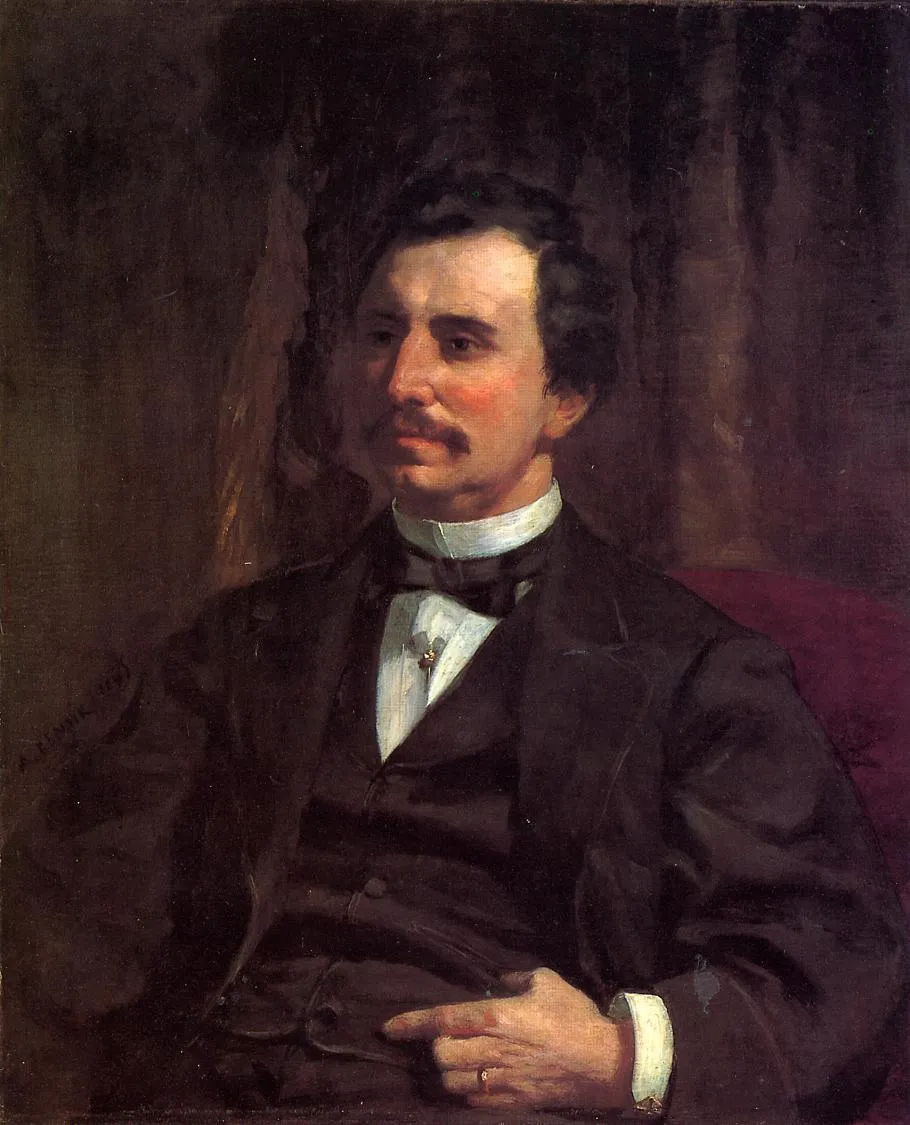
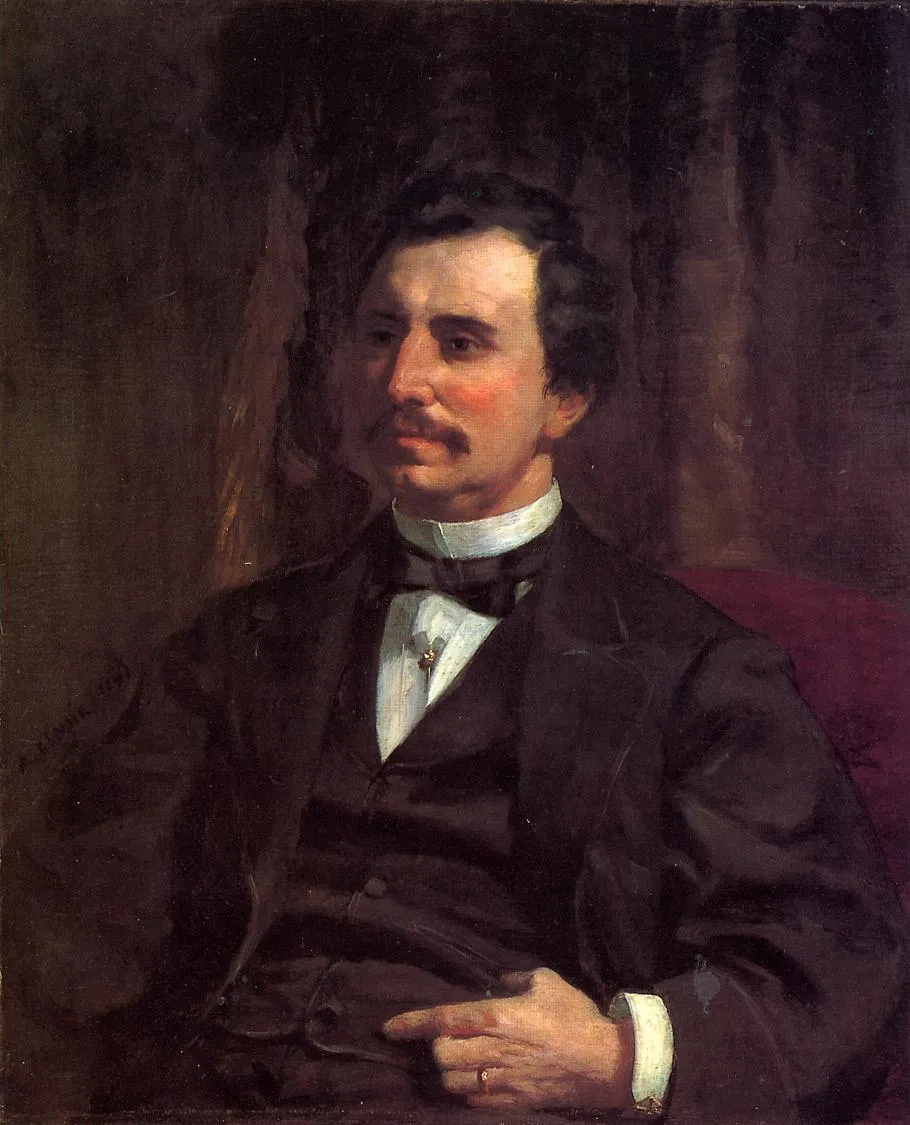
Pierre Auguste Renoir’s skill is evident in every aspect of this oil on canvas work. The gentle, fluid brushwork and vibrant palette are trademarks of the Impressionism movement, bringing a sense of immediacy and warmth to "Colonel Barton Howard Jenks." Renoir’s technique can also be admired in related paintings such as "Reclining Nude" and "The Artist s Mother," where the artist’s mastery of light and form is equally celebrated in each hand-painted oil painting.
"Colonel Barton Howard Jenks" is more than an oil on canvas; it’s a narrative woven through Renoir’s nuanced depiction of his subject. The subtle interplay of colors and the colonel’s poised expression invite viewers to imagine the story behind the portrait. Similar to "By the Seashore" and other Impressionist works, Renoir’s paintings often contain hidden symbols and personal stories, making each fine art painting for sale a doorway to deeper understanding and appreciation.
For art enthusiasts seeking a fine art painting for sale, "Colonel Barton Howard Jenks" by Pierre Auguste Renoir is an exceptional choice. As part of the Impressionism movement, this hand-painted oil painting offers timeless elegance and historical significance. Collectors often pair such masterpieces with related works like "Ambroise Vollard" or "Girls At The Piano2," enhancing the allure and value of their art collections with these iconic oil on canvas creations.
When Art Meets History
"Colonel Barton Howard Jenks" by Pierre Auguste Renoir stands as a remarkable example of the Impressionism movement. This hand-painted oil painting captures not only the likeness but the spirit of its distinguished subject. Renoir’s close attention to detail and historical context creates a vivid narrative, much like his other works such as "Racehorses at Longchamp" and "Boatyard near Honfleur." Collectors and enthusiasts alike recognize this portrait as a pivotal piece in the evolution of Impressionist portraiture.
Techniques That Speak
Renoir’s mastery of oil on canvas is fully evident in "Colonel Barton Howard Jenks." Using light, color, and loose brushwork, he brings the Colonel's personality to life, echoing the vibrancy seen in "Impression, Sunrise" and "Farm near Honfleur." The Impressionism movement’s hallmarks—visible brushstrokes and dynamic composition—define this painting. Renoir’s technique invites viewers to experience the atmosphere and emotion of the scene, elevating the traditional portrait into a living moment.
Emotions on Display
In "Colonel Barton Howard Jenks," Pierre Auguste Renoir conveys deep emotion through subtle expressions and luminous color. The fine art painting for sale radiates warmth and dignity, reflecting the subject’s inner character. Similar to the evocative mood in "Port-Goulphar, Belle-Île," Renoir’s Impressionist style captures fleeting feelings and the passage of time. Collectors value how the painting’s emotional depth bridges the gap between artist, subject, and viewer, making it a timeless masterpiece.
Coveted by Collectors
As with many works by Pierre Auguste Renoir, "Colonel Barton Howard Jenks" is highly sought after in the art market. This hand-painted oil painting, part of the renowned Impressionism movement, attracts collectors who appreciate its historical significance and artistic excellence. Alongside related paintings like "Racehorses at Longchamp" and "Impression, Sunrise," this portrait stands as a testament to Renoir’s enduring appeal and the lasting value of Impressionist masterpieces in today’s collections.
Related Impressionism Hand-Painted Oil Paintings by Other Artists
Other Famous Impressionism Artists:
Frequently Asked Questions About Colonel Barton Howard Jenks
Who is the artist of "Colonel Barton Howard Jenks"?
The painting "Colonel Barton Howard Jenks" was created by the renowned French artist Pierre Auguste Renoir, known for his contributions to the Impressionist movement.
What is the historical context of the painting?
This painting was completed in 1910, a time when Renoir was transitioning from Impressionism to a more classical style, reflecting both personal and societal changes in France.
Who was Colonel Barton Howard Jenks?
Colonel Barton Howard Jenks was a prominent American figure, known for his military service and contributions to society, which Renoir sought to capture in this portrait.
What artistic techniques did Renoir employ in this painting?
Renoir utilized soft brush strokes and a vibrant color palette, characteristic of his later works, to convey warmth and personality in the portrayal of Colonel Jenks.
What themes are explored in "Colonel Barton Howard Jenks"?
The painting explores themes of identity, honor, and the human experience, encapsulating the dignity of military service through the subject's expression and posture.
How does this painting reflect Renoir's artistic evolution?
This work marks a significant point in Renoir's evolution, showcasing a shift towards a more structured composition and a deeper engagement with the subject's character.
What symbolism can be found in the painting?
The use of light and shadow in the painting symbolizes the duality of public duty and personal identity, reflecting the complexities of Colonel Jenks' life as a military leader.
What is the significance of the color palette used in this artwork?
The warm and earthy tones used by Renoir in "Colonel Barton Howard Jenks" evoke a sense of familiarity and approachability, enhancing the viewer's connection to the subject.
How does "Colonel Barton Howard Jenks" compare to Renoir's other portraits?
This portrait stands out due to its formal composition and the psychological depth it conveys, distinguishing it from Renoir's more casual and spontaneous earlier works.
What impact did "Colonel Barton Howard Jenks" have on the art community?
The painting contributed to the discourse on portraiture in the early 20th century, influencing how artists approached the representation of individuals in a more personal and intimate manner.






















_GFM_Painting_(1).webp)


 100% Hand-Painted: Finished in 3-6 Weeks

.png)

















_(1).webp)