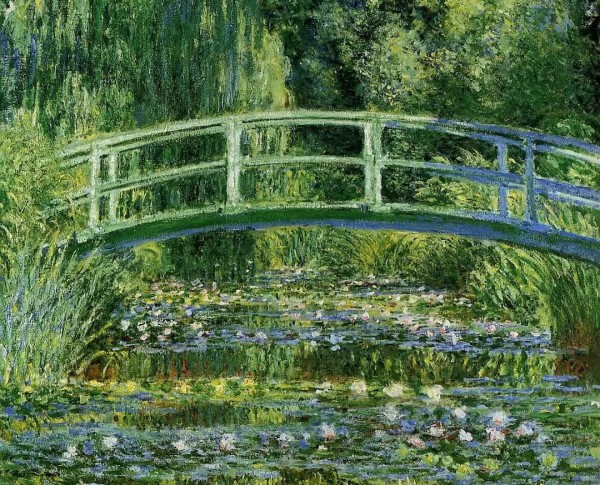
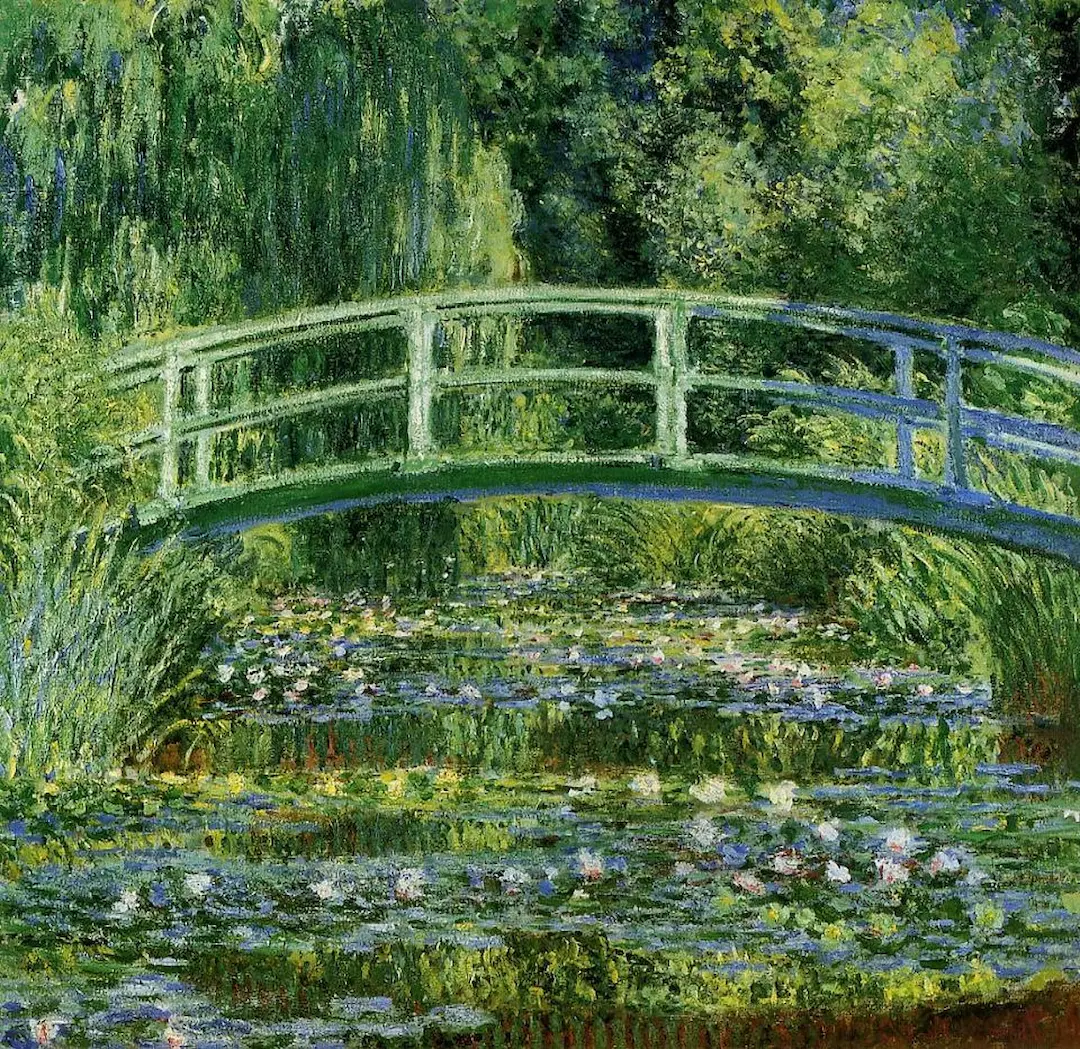
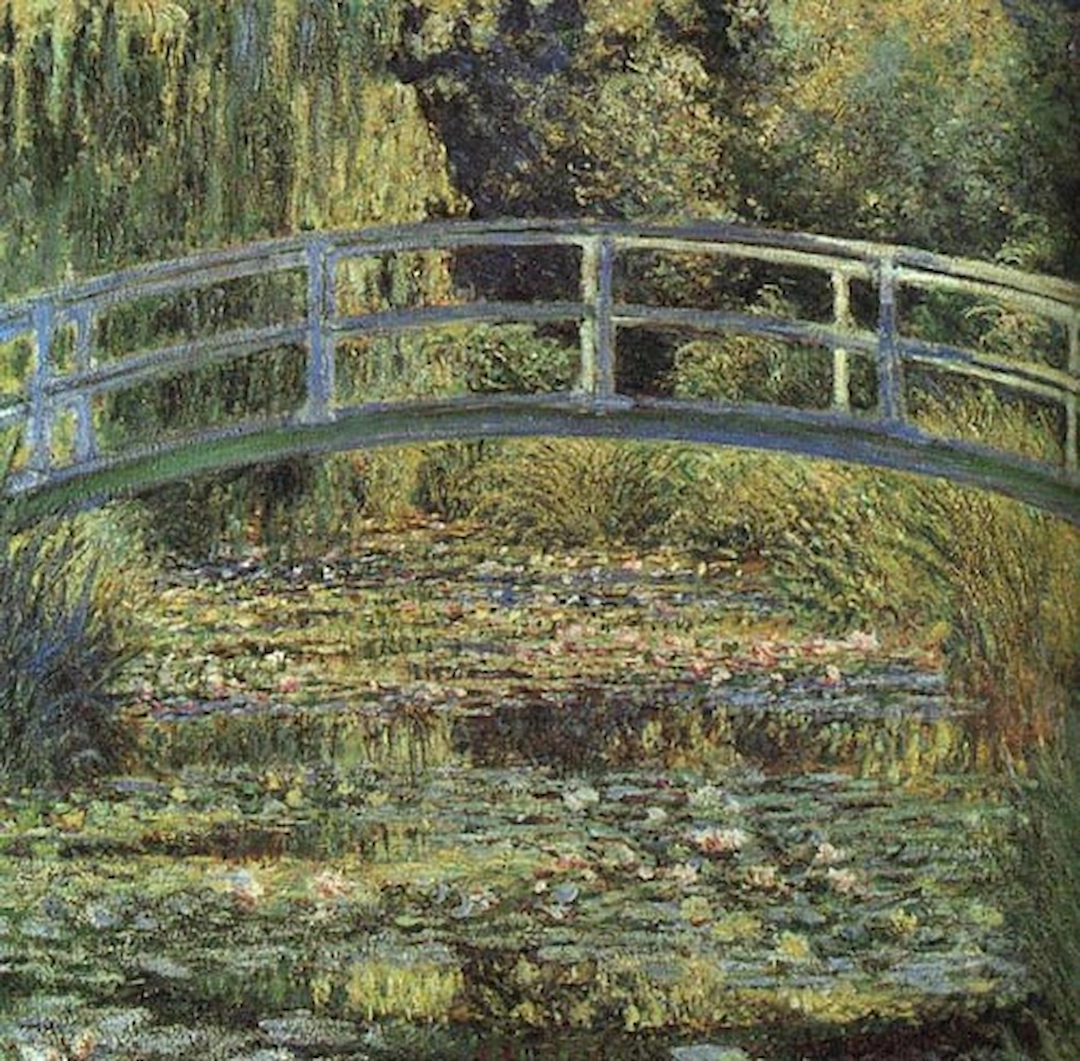
Monet’s "Boatyard near Honfleur" showcases his unparalleled technique with oil on canvas, utilizing swift, vibrant brushwork to evoke a sense of movement and life. The artist’s mastery is evident in the way he captures fleeting moments, much like in "The Water Lily Pond Aka Japanese Bridge" and "Haystacks." This piece stands as a prime example of Impressionist innovation, making it a coveted addition for anyone seeking a true Monet oil on canvas artwork.
Every detail in "Boatyard near Honfleur" tells a story, with boats and shimmering water symbolizing the harmonious relationship between humanity and nature. This fine art painting for sale resonates with themes found in Monet’s "Woman in the Garden" and "Water Lily Pond." The scene invites viewers to step into a tranquil moment along the Honfleur coast, reflecting the Impressionism movement’s focus on capturing everyday beauty and fleeting impressions.
Owning "Boatyard near Honfleur" by Claude Monet is a rare opportunity for collectors of Impressionism. This hand-painted oil painting holds the charm and vibrancy that define Monet’s style, alongside related products like "Wild Poppies, Near Argenteuil" and "Haystacks." Whether displayed in a private collection or public space, it remains a fine art painting for sale that embodies the timeless allure of Monet’s artistic legacy.
When Art Meets History
"Boatyard near Honfleur" by Claude Monet stands as a remarkable example of the Impressionism movement, capturing a pivotal moment in art history. Painted with exquisite detail, this hand-painted oil painting reflects Monet’s fascination with light and atmosphere. Alongside masterpieces like "Two Sisters Aka On The Terrace" and "Racehorses at Longchamp," the painting showcases the transformative power of Impressionism, forever changing how landscapes and daily life were depicted in fine art.
Techniques That Speak
Claude Monet's "Boatyard near Honfleur" demonstrates the artist's mastery of oil on canvas, a technique that became synonymous with the Impressionist style. Monet’s loose brushwork and vibrant color palette bring the bustling boatyard to life. Similar to works such as "A Girl with a Watering Can" and "Ballet Rehearsal, 1873," this painting reveals Monet’s innovative approach, which captures fleeting moments and changing light, making each scene both immediate and timeless.
Emotions on Display
The emotional resonance of "Boatyard near Honfleur" is unmistakable, as Monet’s Impressionist vision invites viewers into a tranquil yet lively riverside scene. This fine art painting for sale evokes a sense of nostalgia and serenity, much like "And They Still Say Fish is Expensive!" and other related paintings. Through subtle shifts in color and light, Monet conveys the mood of the moment, allowing the viewer to experience the gentle rhythms of 19th-century French life.
Coveted by Collectors
"Boatyard near Honfleur" remains highly sought-after among art enthusiasts, celebrated for its significant place in the Impressionism movement. This hand-painted oil painting is not only a testament to Monet’s genius but also a prized collectible, much like his other iconic works. Collectors recognize the enduring value of Monet’s creations, with each oil on canvas piece representing a vital chapter in the evolution of modern art and maintaining strong demand in galleries and auctions worldwide.
Related Impressionism Hand-Painted Oil Paintings by Other Artists
Other Famous Impressionism Artists:
Frequently Asked Questions About Boatyard near Honfleur
What is the historical context of "Boatyard near Honfleur"?
"Boatyard near Honfleur" was painted in 1867, during a period when Claude Monet was exploring the effects of light and color in his work. This era marked the rise of Impressionism, a movement that sought to capture fleeting moments in time.
What artistic techniques did Monet use in this painting?
Monet employed loose brushwork and a vibrant color palette to convey the atmosphere of the scene. His technique involved layering colors to create depth and movement, characteristic of his Impressionist style.
What is the significance of the location depicted in the painting?
The painting captures the boatyard near Honfleur, a picturesque port in Normandy, France. This location was significant for Monet as it represented the maritime culture and the beauty of the French coastline, which inspired many of his works.
How does "Boatyard near Honfleur" reflect Impressionist principles?
This painting exemplifies Impressionist principles through its focus on natural light and everyday subjects. Monet's intention was to depict a moment in time rather than a detailed, realistic representation, emphasizing the transient effects of light on the water and boats.
What colors dominate the painting, and what do they symbolize?
The painting features a palette of blues, greens, and warm earth tones. These colors symbolize tranquility and the natural beauty of the landscape, while also reflecting the changing light conditions typical of coastal scenes.
In what ways does this painting showcase Monet's fascination with water?
Monet's depiction of the water in "Boatyard near Honfleur" illustrates his lifelong fascination with aquatic environments. The reflections and movement of the water are rendered with fluid brushstrokes, capturing the dynamic nature of the scene.
What role do the boats play in the composition of the painting?
The boats serve as focal points that draw the viewer's eye into the composition. They represent the working life of the harbor and add a sense of scale and context to the natural surroundings, enhancing the overall narrative of the painting.
How did "Boatyard near Honfleur" influence future artists?
This work influenced future generations of artists by demonstrating the power of capturing light and atmosphere. Monet's innovative approach inspired subsequent movements, including Post-Impressionism and modern art, encouraging artists to explore color and form.
What emotions does "Boatyard near Honfleur" evoke in viewers?
The painting evokes feelings of serenity and nostalgia, inviting viewers to appreciate the beauty of everyday life. The harmonious colors and soft brushwork create a calming effect, allowing for personal reflection on the scene.
Where can I view "Boatyard near Honfleur" today?
"Boatyard near Honfleur" is part of the collection at the Musée d'Orsay in Paris. Visitors can experience the painting firsthand and explore other works by Monet and his contemporaries within the museum's Impressionist collection.























_GFM_Painting_(1).webp)

1.webp)

 100% Hand-Painted: Finished in 3-6 Weeks
1.webp)

.png)















_(1).webp)