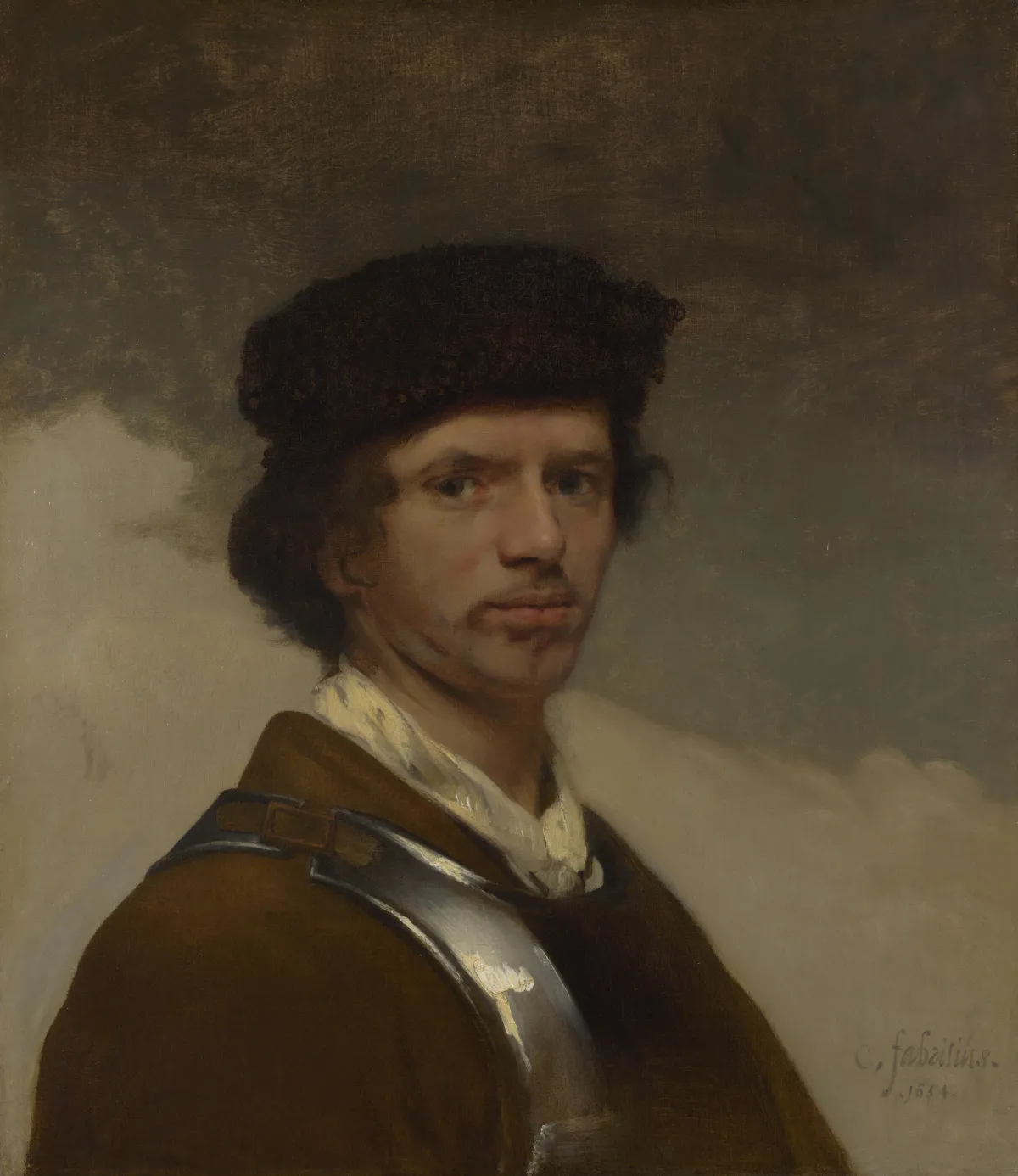
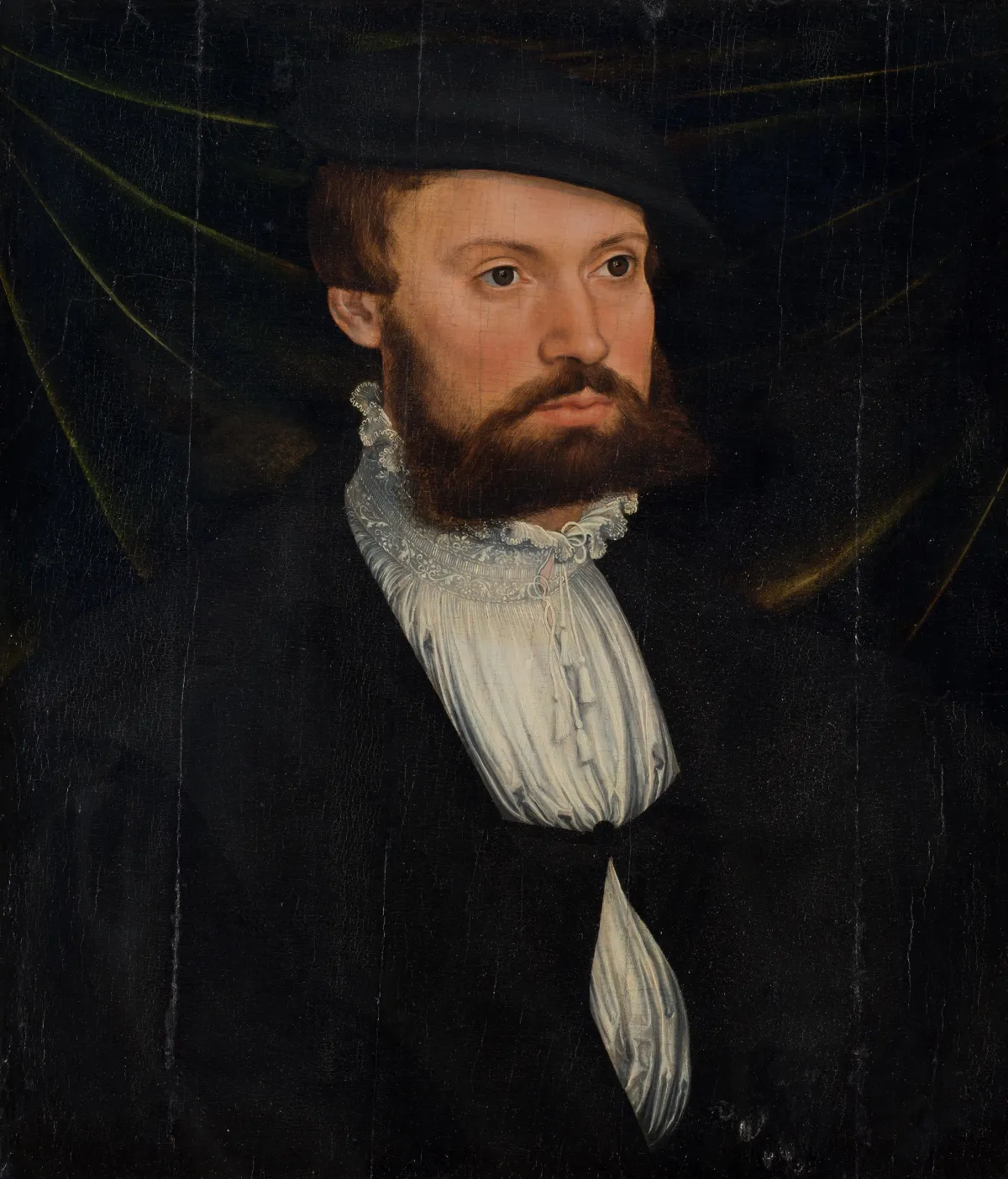
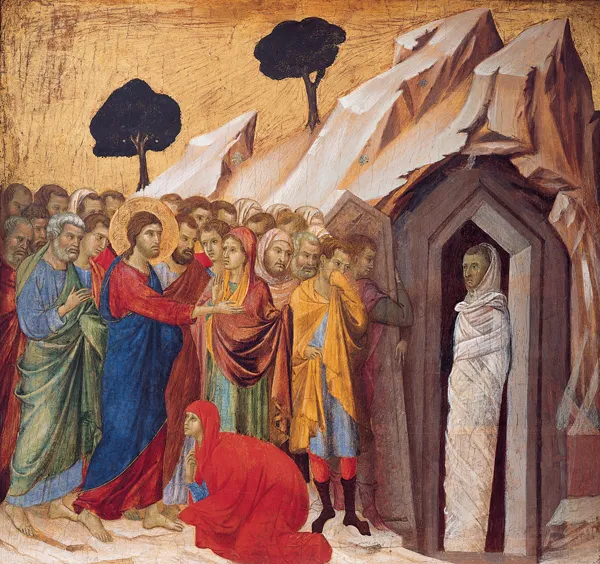
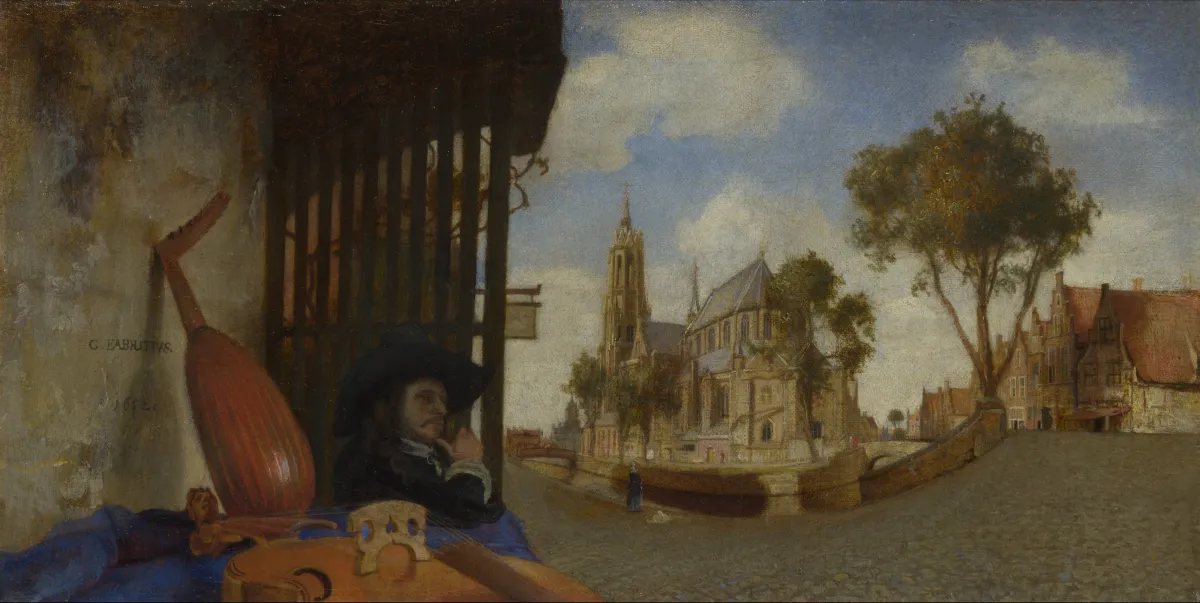
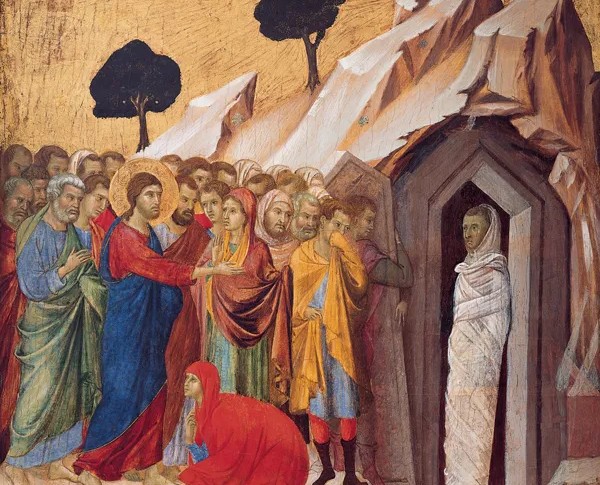
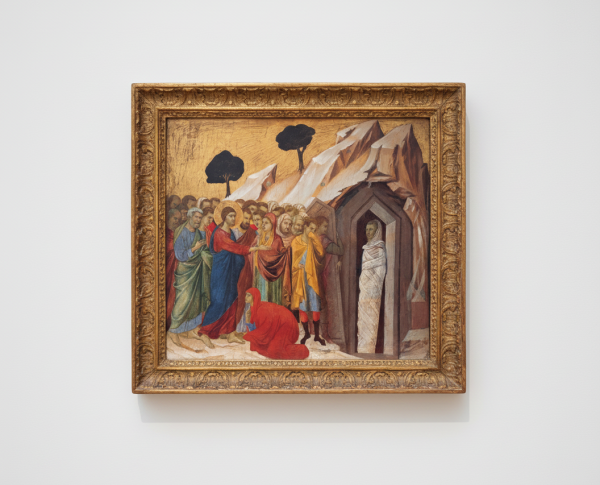
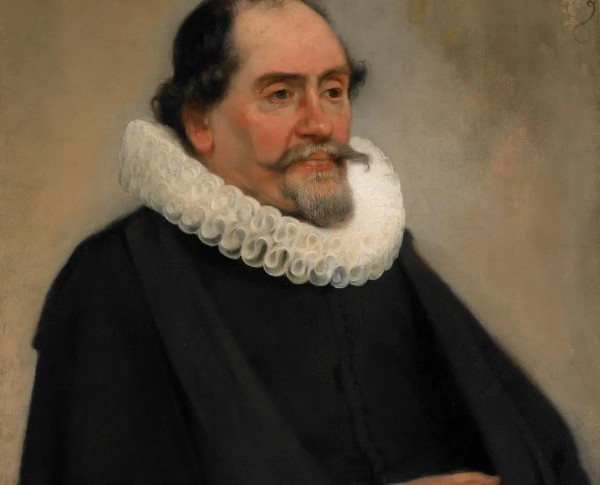
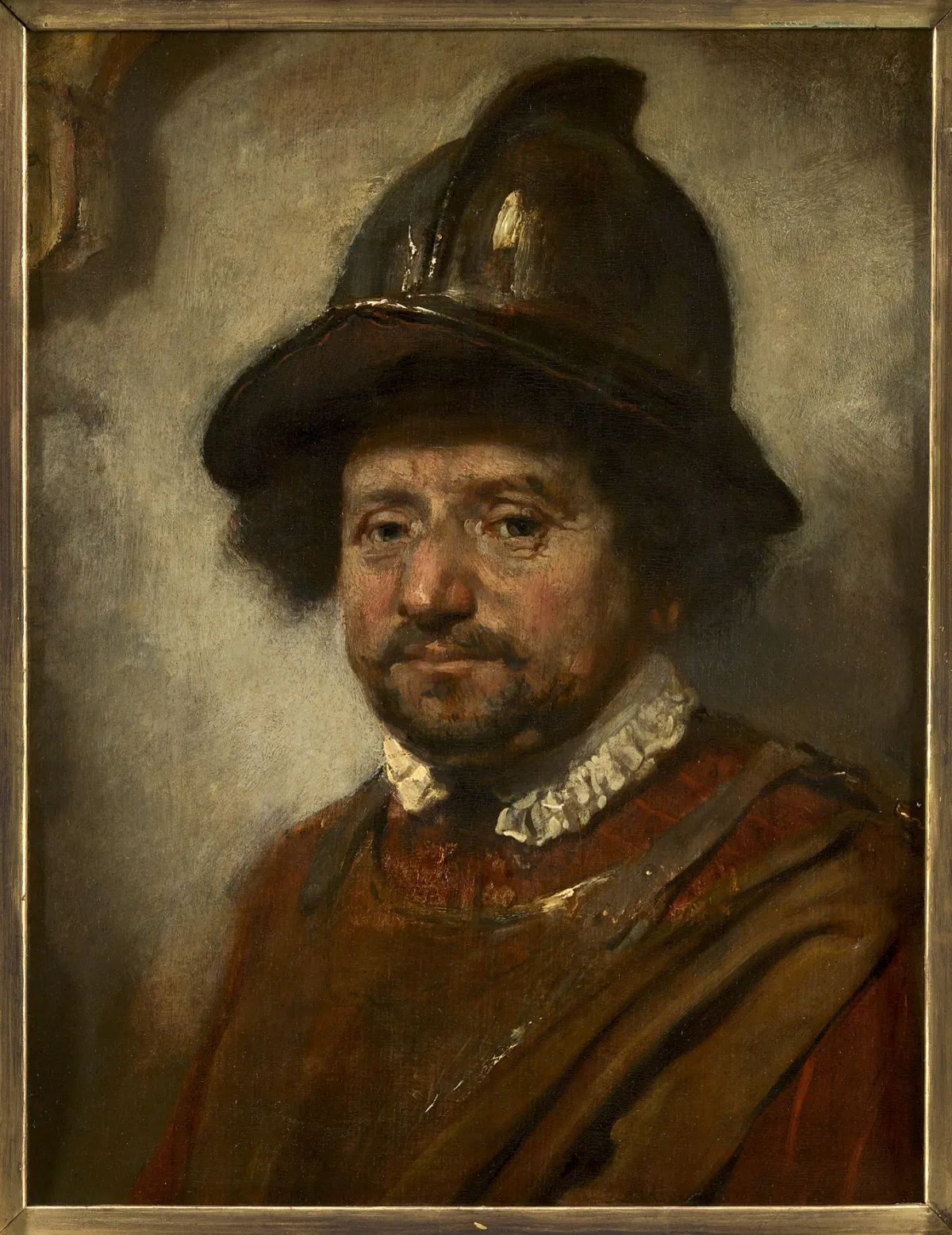
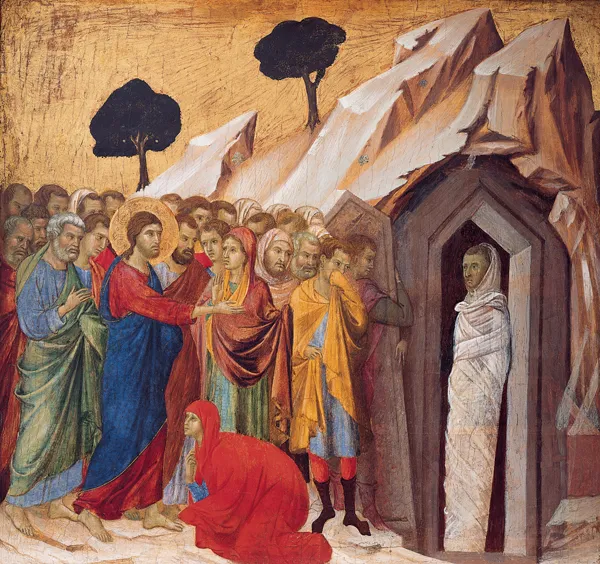
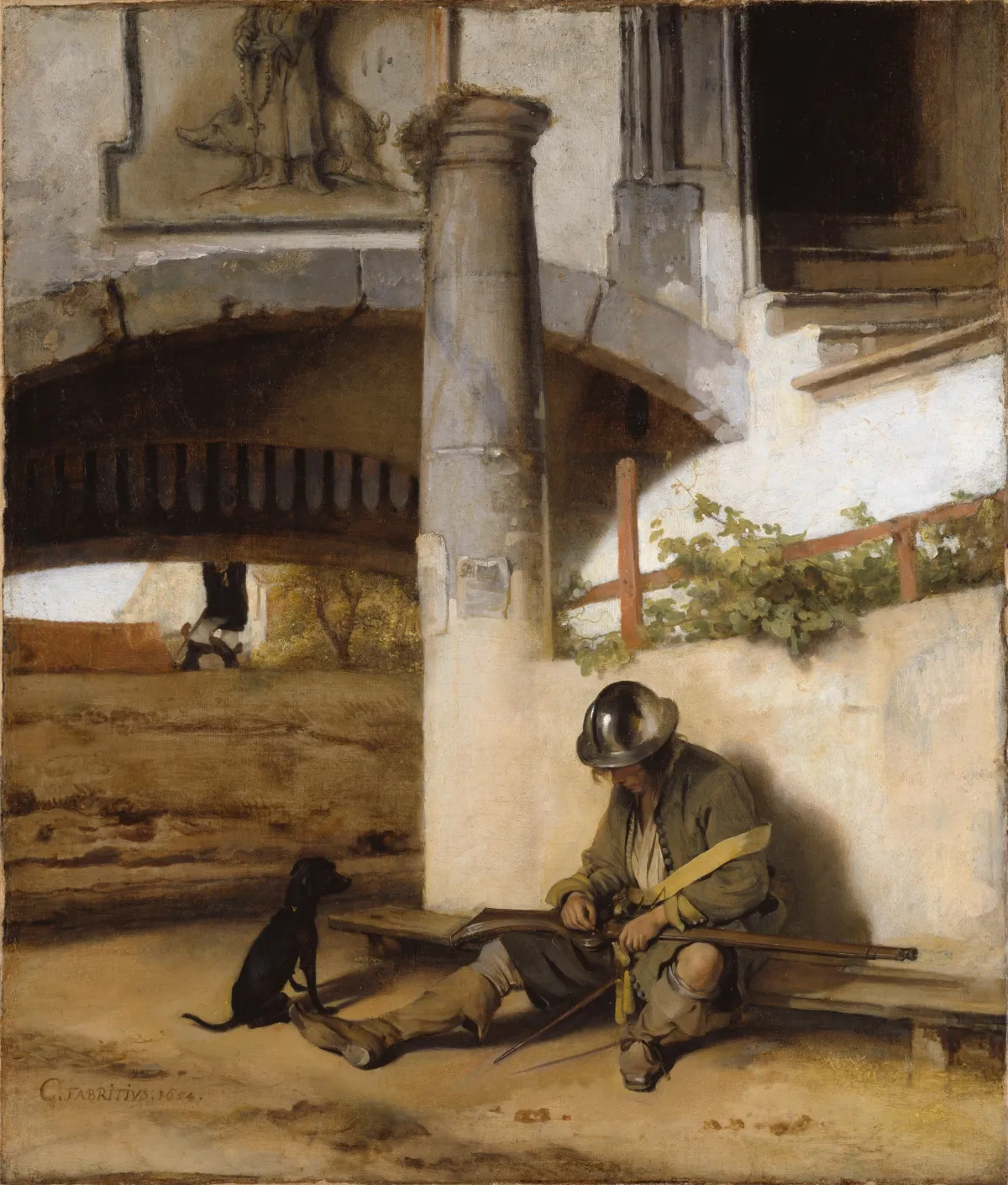
Carel Fabritius’s "Man with a Helmet" showcases his exceptional skill with oil on canvas, a medium cherished in the Dutch Golden Age. The artist’s meticulous brushwork and keen attention to light exemplify his technical prowess. Fabritius’s approach in this painting can be compared to his other works like "Young Man in a Fur Cap" and "The Raising of Lazarus," where each stroke contributes to the narrative and emotional resonance of the composition.
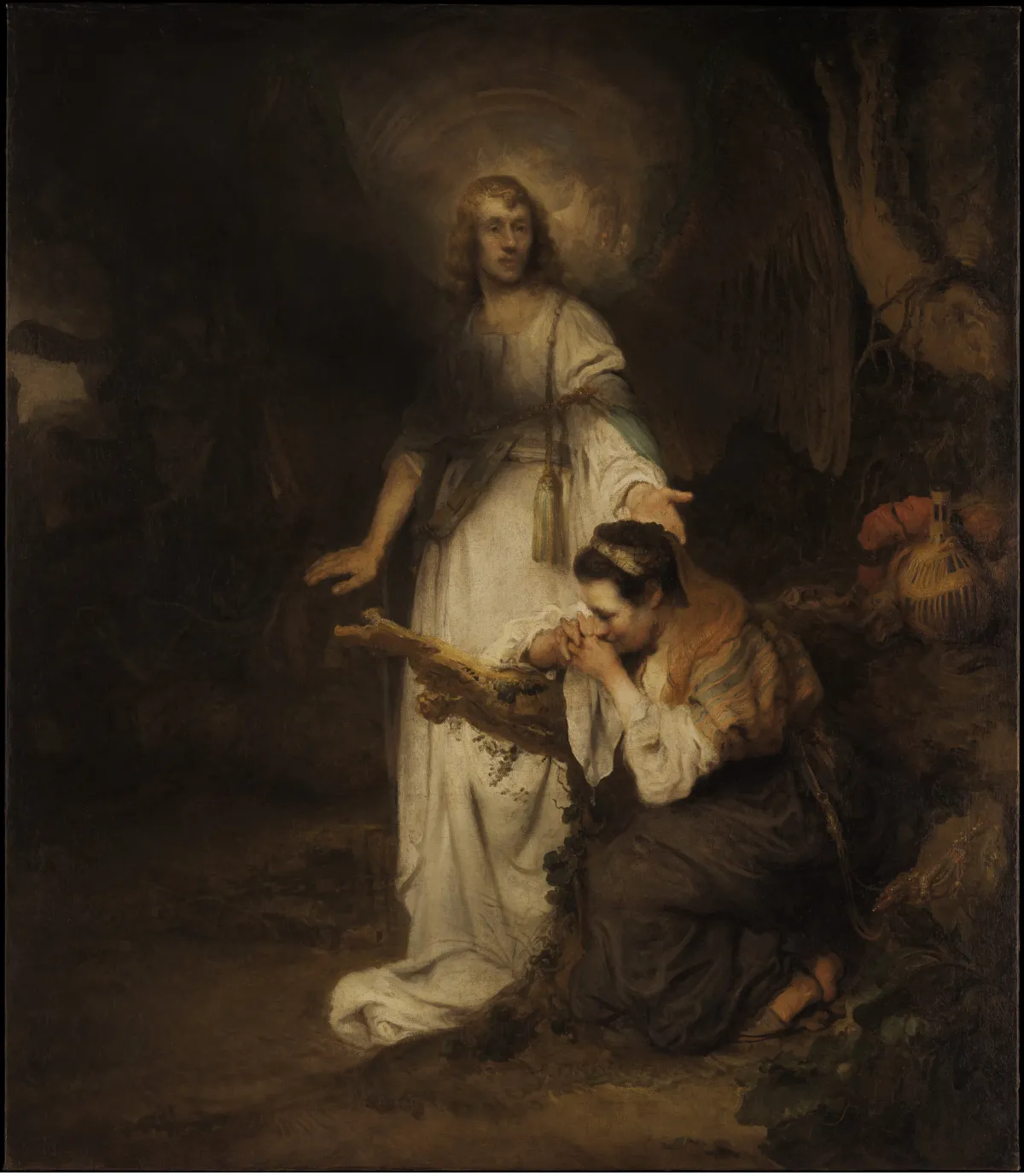
Within "Man with a Helmet," Fabritius weaves subtle stories and rich symbols, reflecting the complex social and historical context of the Dutch Golden Age. This fine art painting for sale is admired for its enigmatic subject and symbolic armor, inviting viewers to ponder the sitter’s identity. Related pieces such as "Mercury and Aglauros" and "Hera hiding during the battle between the gods and the giants" similarly incorporate layers of meaning, making them prized among collectors.
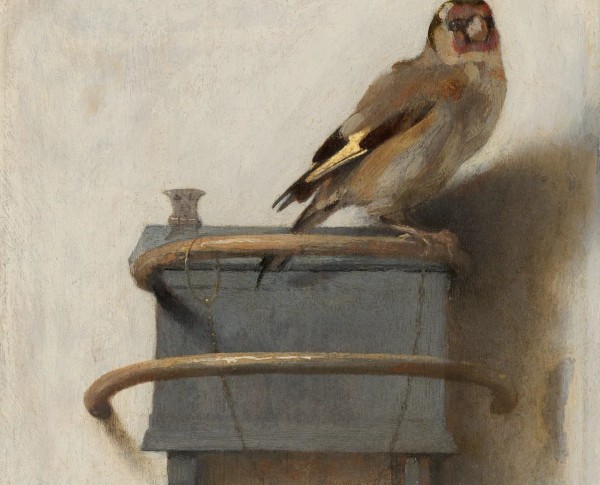
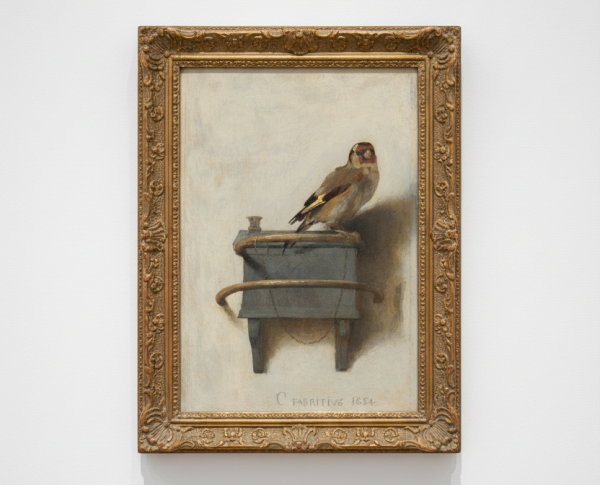
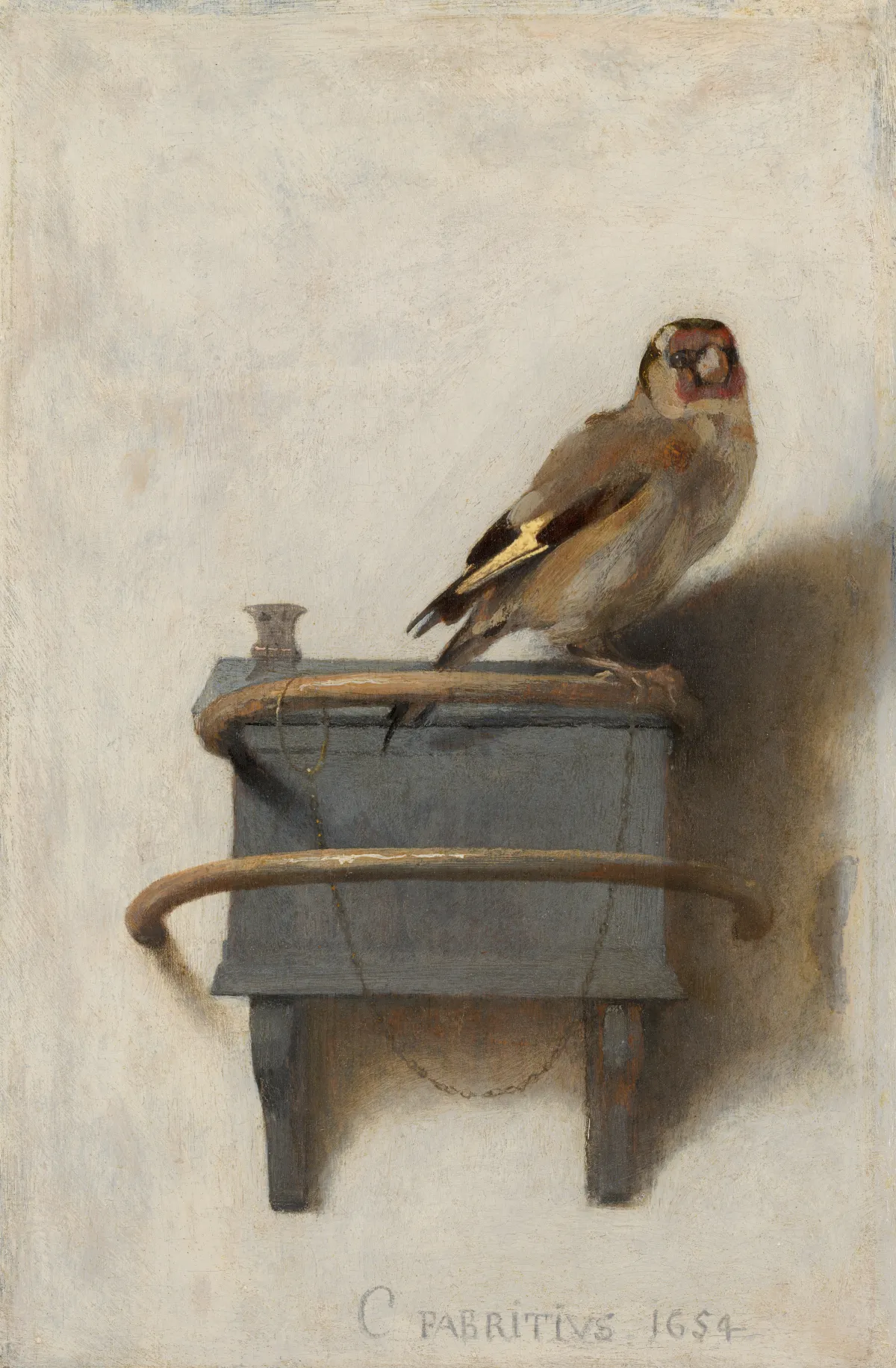
Owning a work like "Man with a Helmet" by Carel Fabritius means acquiring a hand-painted oil painting that embodies the essence of the Dutch Golden Age. Collectors value such pieces for their historical significance and aesthetic excellence. Art lovers often pursue related products, including "The Goldfinch" and "The Sentry," to enrich their collections with paintings that narrate the grandeur and ingenuity of this remarkable artistic movement.
When Art Meets History
"Man with a Helmet" by Carel Fabritius stands as a striking example of the Dutch Golden Age, a period renowned for its masterful artistry and innovation. This hand-painted oil painting captures not just a figure, but a moment in history, reflecting the era’s fascination with character studies and realism. Fabritius, a student of Rembrandt, contributed to the movement alongside works like "The Art of Painting" and "The Procuress," blending technique with storytelling in every brushstroke.
Techniques That Speak
Carel Fabritius’s "Man with a Helmet" is celebrated for its remarkable use of oil on canvas, a medium that allowed for subtle gradations of light and shadow. Fabritius’s technique, influenced by his contemporaries, is evident in the lifelike textures and dramatic contrasts. The painting, much like "Saint Praxedis" and "The Astronomer c. 1668," showcases the technical prowess characteristic of Dutch Golden Age artists, making each detail a testament to the artist’s skill and vision.
Emotions on Display
The subject in "Man with a Helmet" exudes quiet strength and introspection, inviting viewers to ponder the character’s story. Fabritius’s skillful portrayal of emotion is a hallmark of his work and the Dutch Golden Age movement. In this fine art painting for sale, the sitter’s gaze and posture evoke curiosity and empathy, paralleling the emotional depth found in related paintings like "Allegory of the Catholic Faith" and "The Procuress," where humanity is rendered with remarkable sensitivity.
Coveted by Collectors
"Man with a Helmet" remains a sought-after masterpiece among art enthusiasts and collectors of Dutch Golden Age works. The painting’s rarity, historical significance, and exquisite craftsmanship increase its desirability, especially as a hand-painted oil painting by Carel Fabritius. Collectors often seek pieces like this alongside celebrated works such as "The Art of Painting" and "The Astronomer c. 1668," recognizing the enduring value and prestige of owning a piece of art history.
Related Dutch Golden Age Hand-Painted Oil Paintings by Other Artists
Other Famous Dutch Golden Age Artists:
Frequently Asked Questions About Man with a Helmet
What is the historical context of "Man with a Helmet"?
"Man with a Helmet" was painted by Carel Fabritius in the mid-17th century, during the Dutch Golden Age, a period characterized by great wealth and cultural achievement in the Netherlands.
Who was Carel Fabritius?
Carel Fabritius was a Dutch painter and a student of Rembrandt. He is known for his innovative use of light and color, as well as his unique approach to composition, which influenced later artists.
What artistic techniques are employed in "Man with a Helmet"?
The painting showcases Fabritius's mastery of chiaroscuro, the contrast of light and shadow, which enhances the three-dimensionality of the figure. The use of fine brushwork and a limited color palette also exemplifies his skill.
What does the helmet symbolize in the painting?
The helmet in the painting can symbolize protection and valor, reflecting the themes of military honor and the complexities of identity during the turbulent times of the 17th century.
How does "Man with a Helmet" reflect Dutch culture of the time?
The painting reflects the Dutch fascination with portraiture and the individual, as well as the cultural importance placed on military service and the representation of men in positions of power and responsibility.
What is the significance of the color palette used in the painting?
Fabritius employs a muted color palette, primarily composed of earthy tones, which evokes a sense of realism and intimacy, allowing the viewer to connect more deeply with the subject's expression and demeanor.
How does the composition of "Man with a Helmet" contribute to its impact?
The composition is carefully balanced, with the figure positioned slightly off-center, drawing the viewer's eye to the subject's contemplative expression and the intricate details of the helmet, enhancing the overall narrative of the painting.
What influence did Rembrandt have on Fabritius's work?
Rembrandt's influence is evident in Fabritius's use of light and shadow, as well as his focus on capturing the psychological depth of his subjects, which is a hallmark of Rembrandt's style.
What can be inferred about the subject's character from the painting?
The subject's serious expression and the presence of the helmet suggest a man of importance, possibly a soldier or a leader, indicating themes of duty, honor, and the weight of responsibility.
What is the legacy of "Man with a Helmet" in the art world?
"Man with a Helmet" is regarded as a significant work in the history of Dutch painting, illustrating Fabritius's innovative techniques and contributing to the understanding of portraiture in the 17th century, influencing future generations of artists.






















_GFM_Painting_(1).webp)


 100% Hand-Painted: Finished in 3-6 Weeks

.png)















_(1).webp)