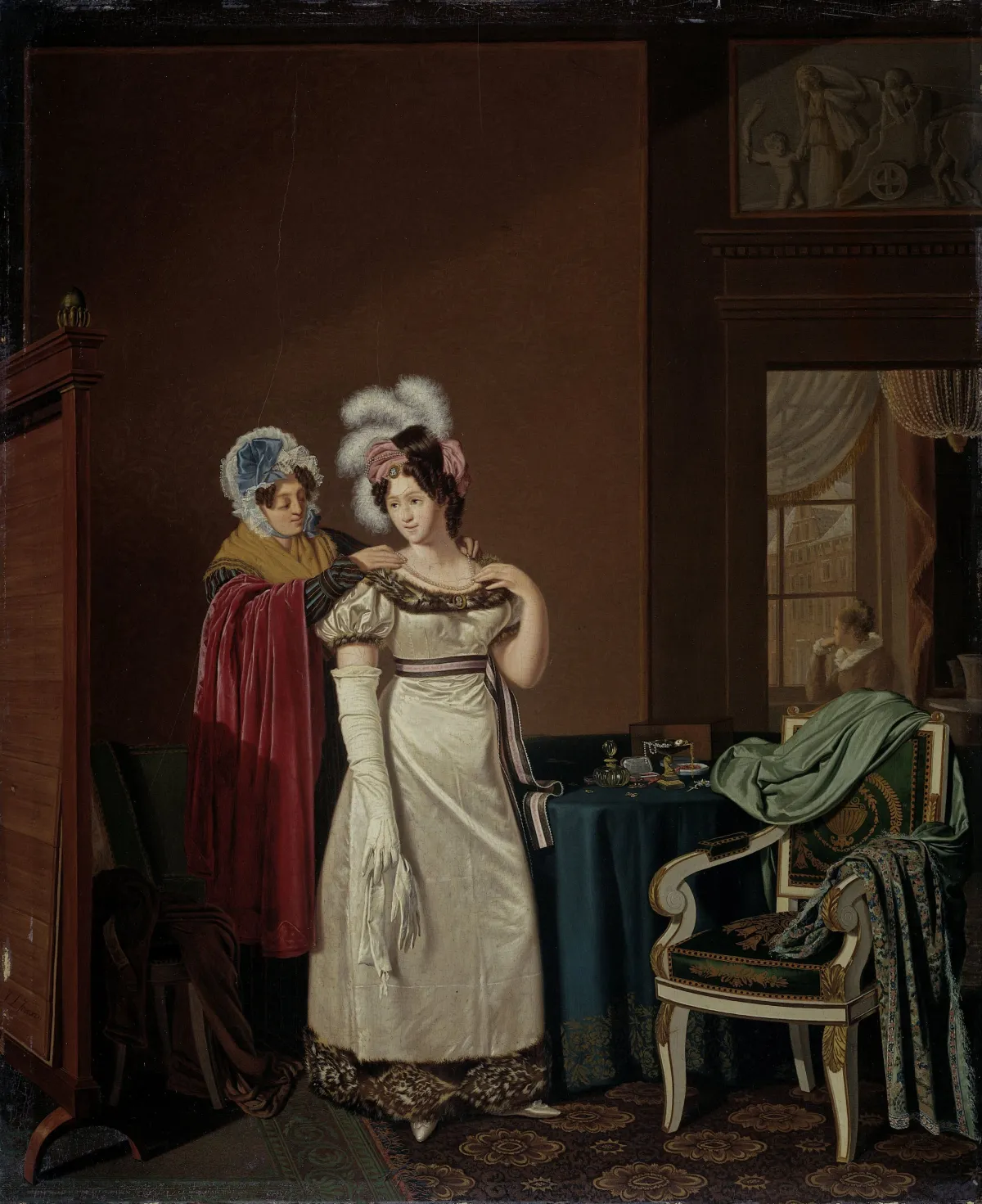
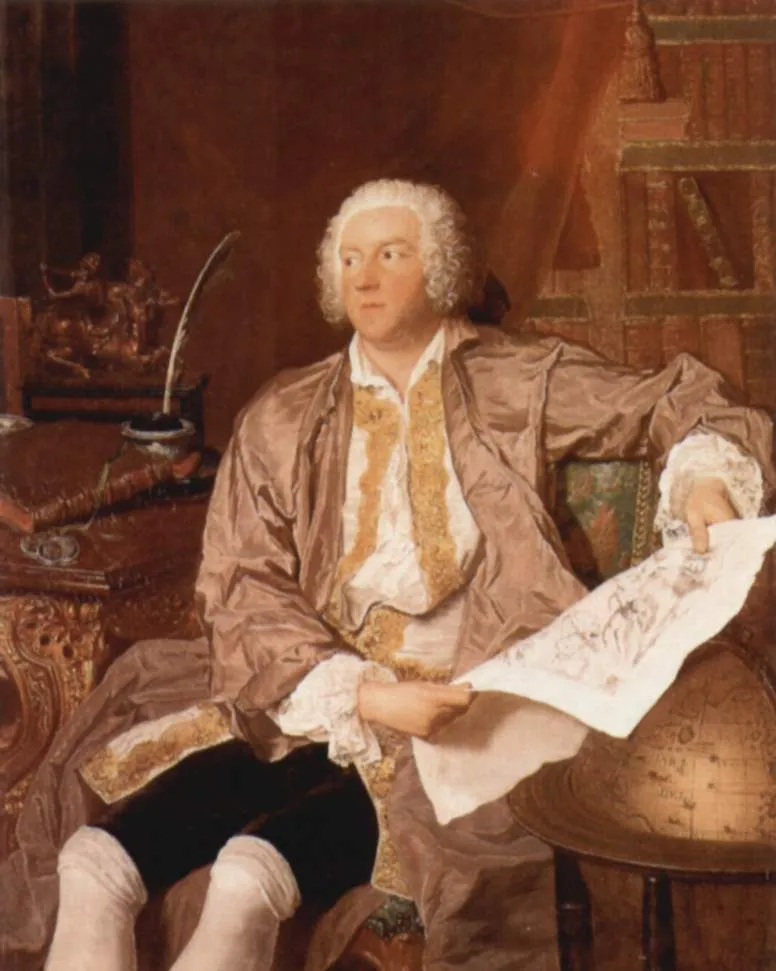
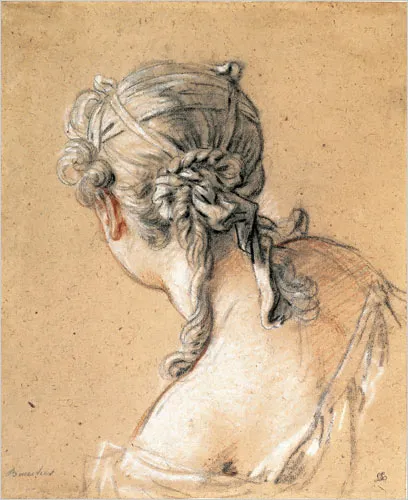
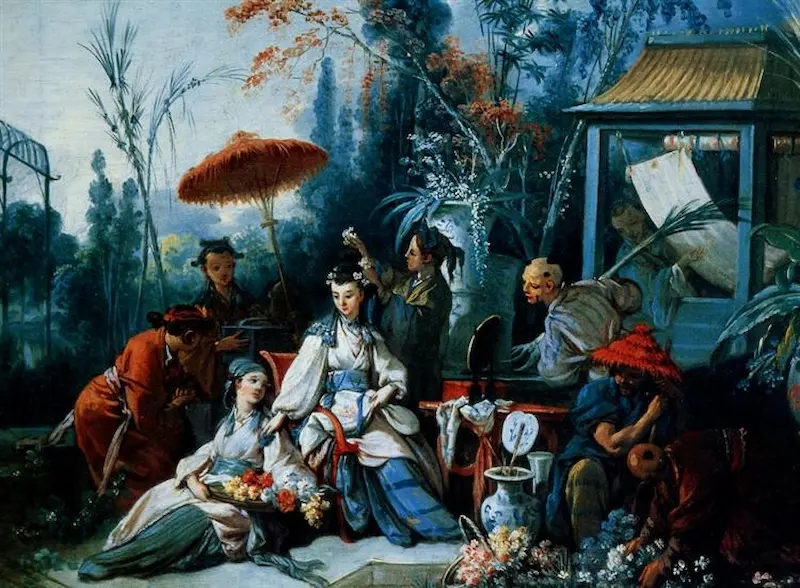
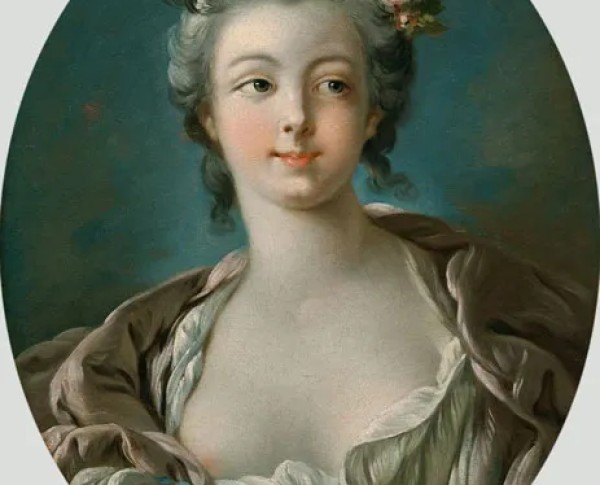
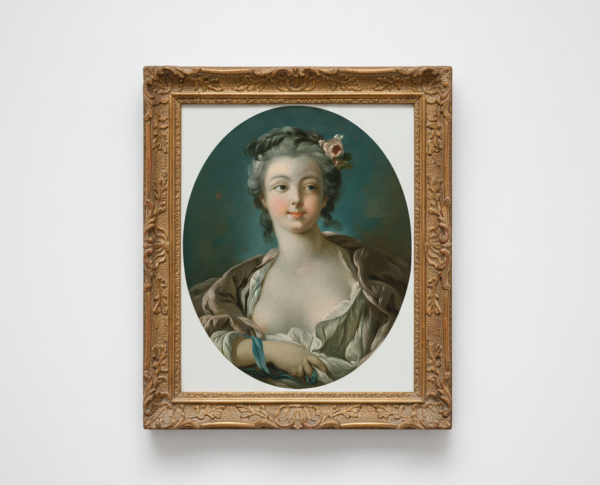
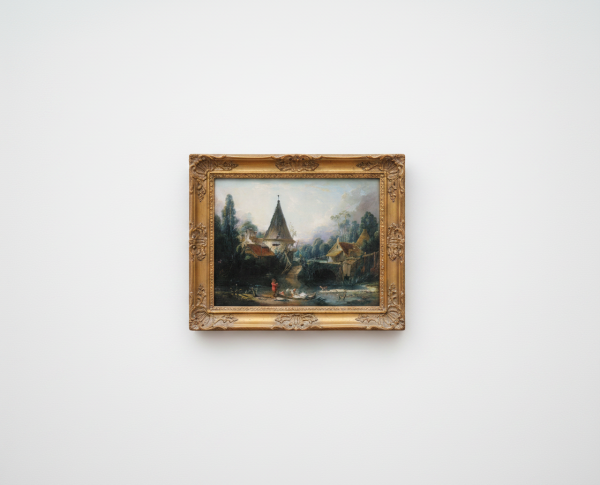
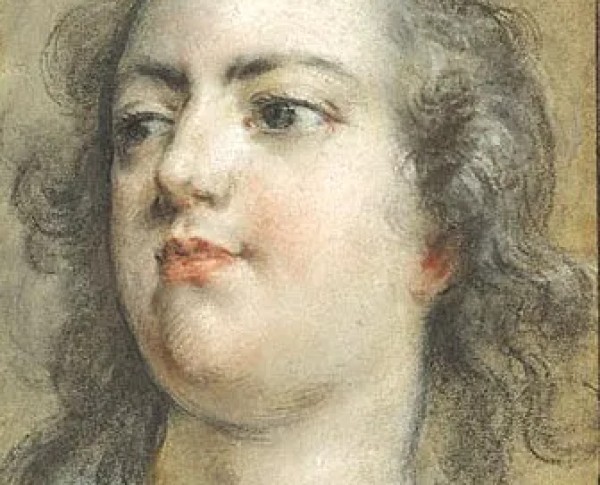
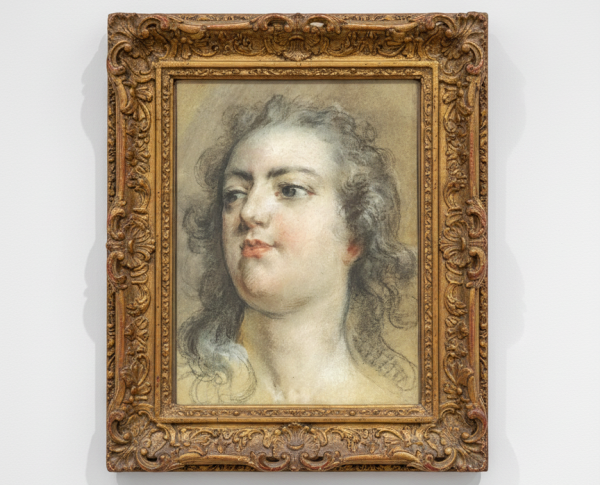
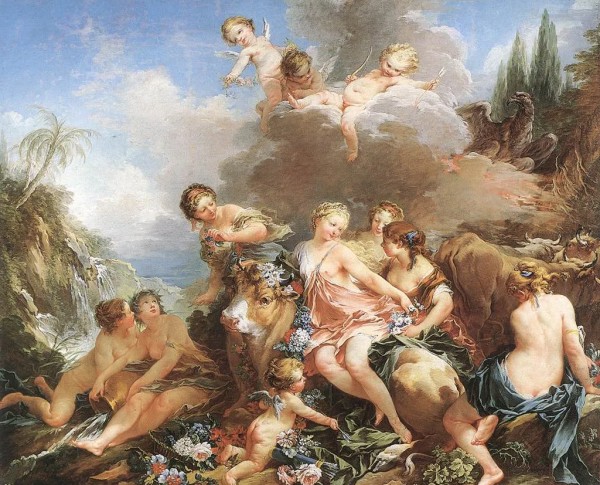
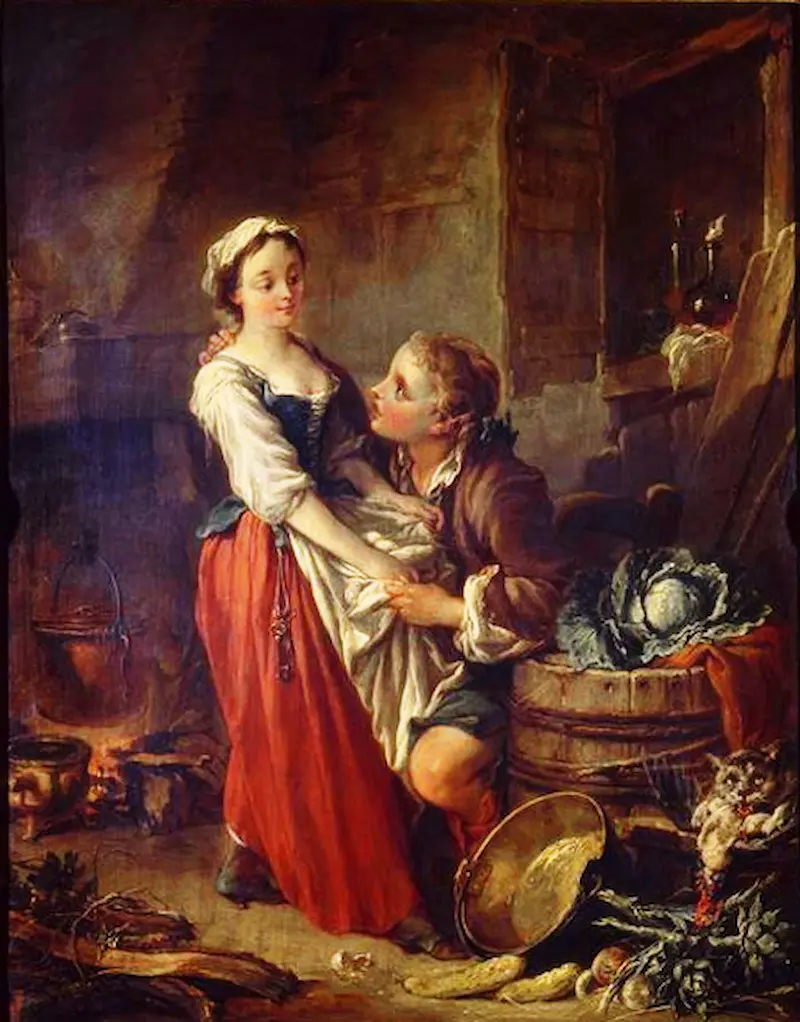
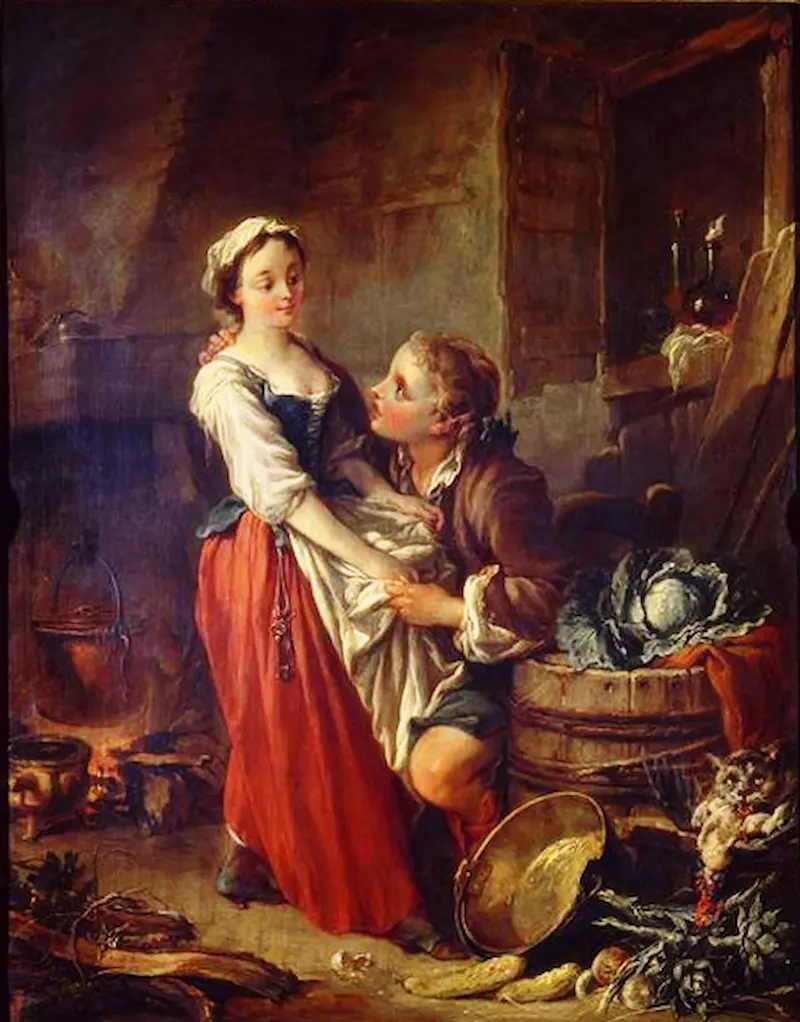
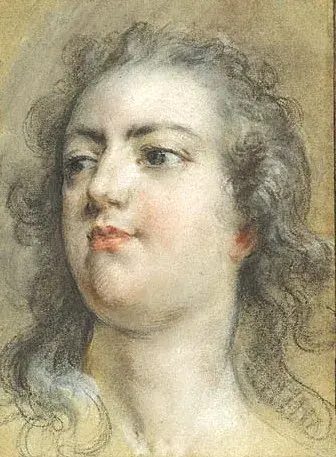
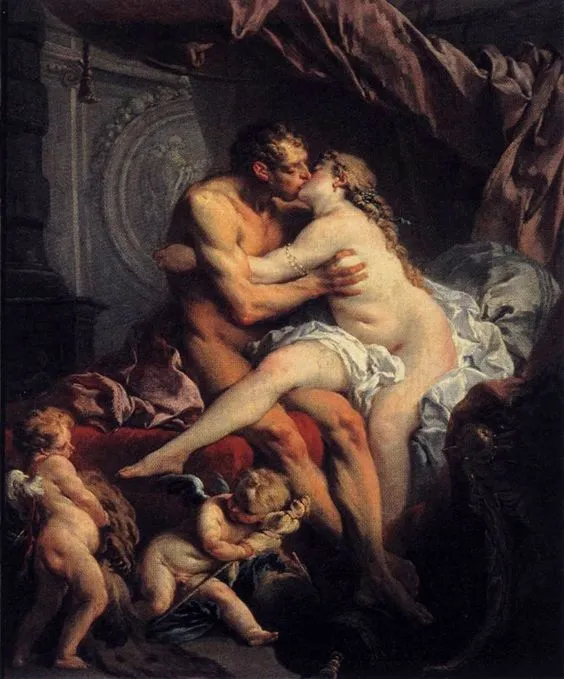
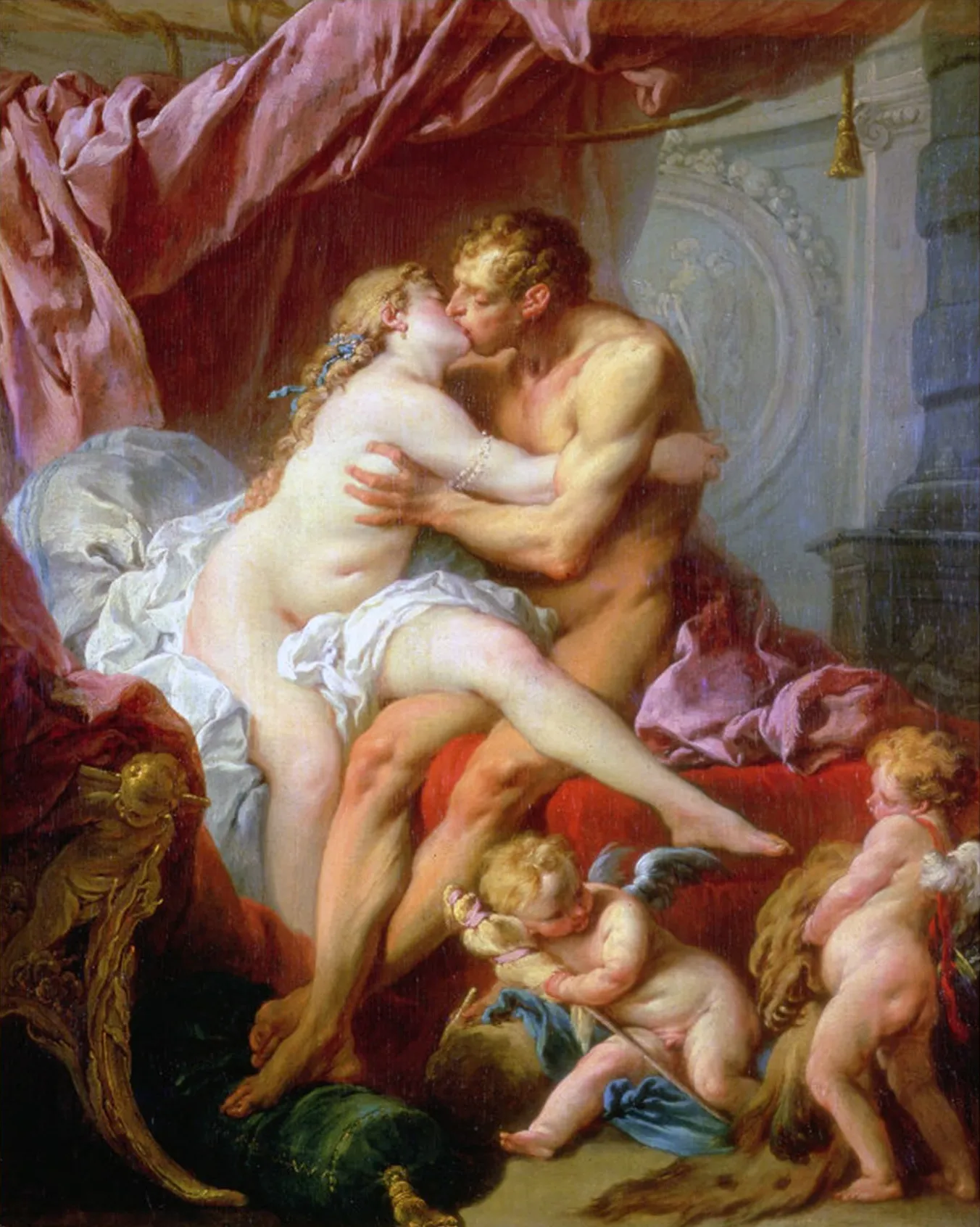
"The Beautiful Kitchen" exemplifies Boucher’s remarkable skill in manipulating oil on canvas to create a harmonious and lively domestic scene. Each brushstroke captures the delicate interplay of light and color, hallmarks of the Rococo movement. This painting, alongside masterpieces like "Hercules and Omphale" and "Head of King Louis XV," showcases Boucher’s ability to transform everyday moments into timeless treasures, making every oil on canvas a celebration of artistic innovation.
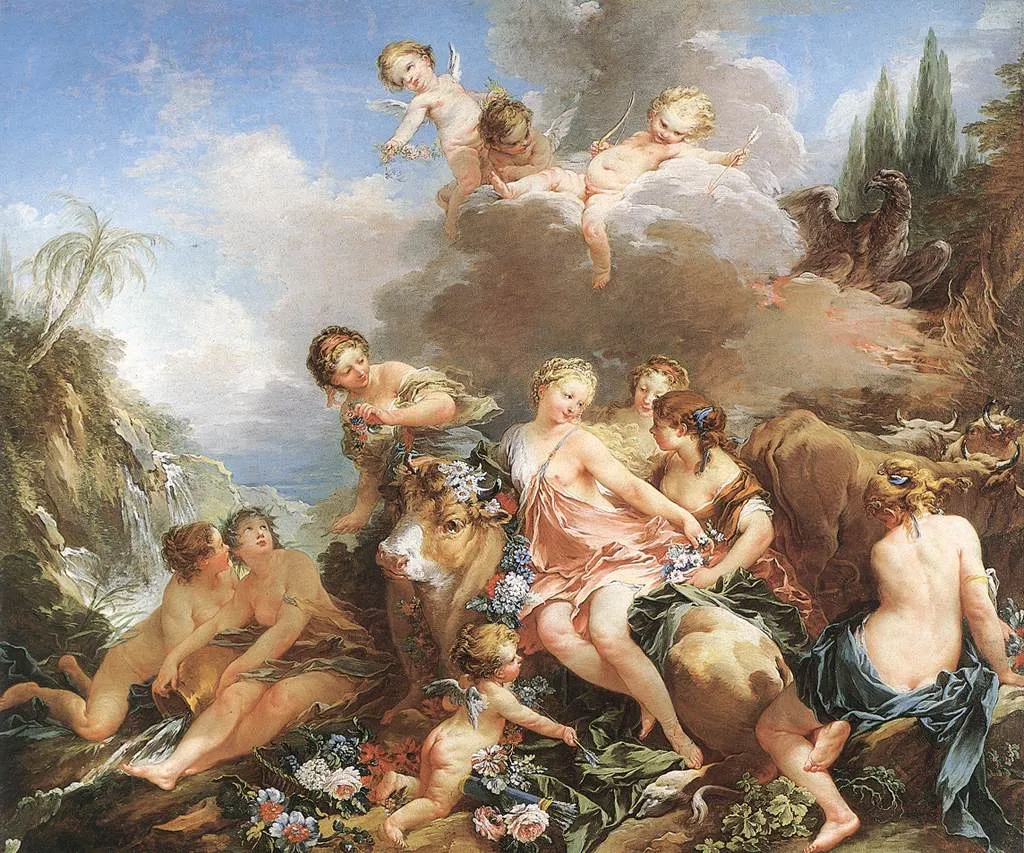
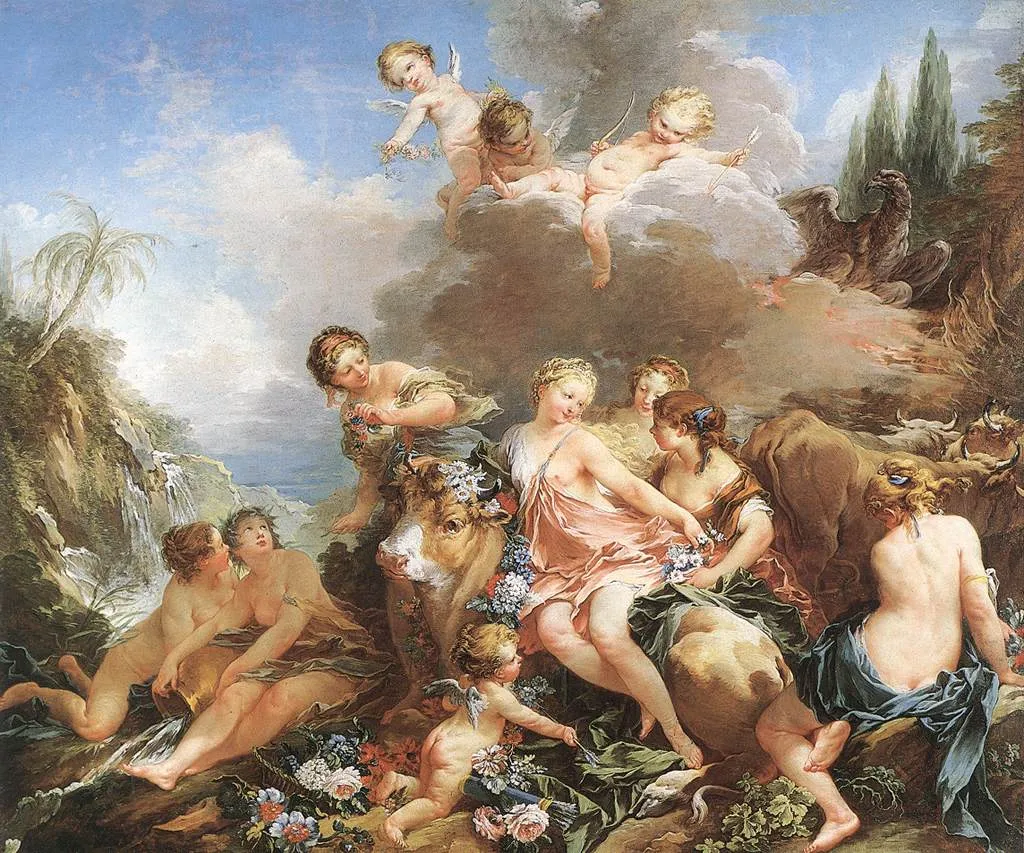
Every element within "The Beautiful Kitchen" tells a story, weaving together symbols of abundance and domestic bliss through Boucher’s expert hand. As a fine art painting for sale, it offers collectors a glimpse into 18th-century life, echoing the emotional depth found in "The Rape of Europa" and other works. The Rococo movement’s love for subtle storytelling is alive in this piece, making it a must-have for those who appreciate art with rich narrative layers.
Owning "The Beautiful Kitchen" by Francois Boucher means possessing a piece of Rococo history, crafted with the finest hand-painted oil painting techniques. Collectors seeking a unique addition to their gallery will find this artwork pairs beautifully with related products such as "Hercules and Omphale" or "Head of King Louis XV." This fine art painting for sale is an invitation to celebrate the splendor of one of art history’s most beloved movements.
When Art Meets History
"The Beautiful Kitchen" by Francois Boucher exemplifies the Rococo movement, capturing the elegance and charm of 18th-century French interiors. Boucher, renowned for his mastery in creating hand-painted oil paintings, brings to life the warmth and vibrancy of domestic scenes. This oil on canvas artwork invites viewers into a world of refined taste and intricate detail, echoing the atmosphere found in related paintings such as "The Bucintoro, Ducal Palace, Venice" and "The Entrance to the Grand Canal, Venice."
Techniques That Speak
Francois Boucher’s technique in "The Beautiful Kitchen" showcases his expertise with oil on canvas, a medium that allows for rich color and delicate transitions. The Rococo movement is known for its lightness and ornate detail, both of which are evident in Boucher’s brushwork and composition. The artist’s approach is similar to what is seen in "Venice: A Regatta on the Grand Canal," where every stroke adds vibrancy and depth, making this a remarkable fine art painting for sale.
Emotions on Display
"The Beautiful Kitchen" radiates with the playful and intimate emotions characteristic of Rococo art. Boucher, through his hand-painted oil painting, invites the viewer to experience the warmth and joy of everyday life in 18th-century France. This emotional depth, also visible in "The Piazza San Marco in Venice," makes the painting more than just a visual feast—it becomes a window into the artist’s world, offering a glimpse of domestic bliss and refined comfort.
Coveted by Collectors
Collectors prize "The Beautiful Kitchen" not only for its historical significance but also for its stunning execution as an oil on canvas masterpiece. As with Boucher’s other works and related paintings like "The Entrance to the Grand Canal, Venice," this piece is highly sought after in the world of fine art painting for sale. The painting’s blend of Rococo elegance and technical brilliance ensures its continued appeal among art enthusiasts and collectors alike.
Related Rococo Hand-Painted Oil Paintings by Other Artists
Other Famous Rococo Artists:
Frequently Asked Questions About The beautiful kitchen
What is the historical context of "The beautiful kitchen"?
"The beautiful kitchen" was created during the Rococo period in the 18th century, a time characterized by ornate decoration and a focus on themes of leisure and pleasure. This painting reflects the domestic life and the appreciation for culinary arts prevalent in French society at the time.
Who was Francois Boucher and what is his significance in art history?
Francois Boucher was a prominent French painter known for his exuberant and decorative style. He played a key role in the development of the Rococo movement and is celebrated for his sensual and idyllic representations of everyday life, particularly in domestic settings like that depicted in "The beautiful kitchen."
What artistic techniques did Boucher employ in this painting?
Boucher utilized soft brushwork and a vibrant color palette to create a sense of warmth and intimacy in "The beautiful kitchen." His use of light and shadow enhances the three-dimensionality of the figures and objects, drawing the viewer into the scene.
What themes are explored in "The beautiful kitchen"?
The painting explores themes of domesticity, comfort, and the joys of culinary preparation. It highlights the importance of the kitchen as a central space in the home, celebrating the art of cooking and the nurturing aspects of domestic life.
How does "The beautiful kitchen" reflect Rococo aesthetics?
The painting embodies Rococo aesthetics through its playful composition, delicate details, and emphasis on lighthearted themes. The lush surroundings and the intimate portrayal of figures are hallmarks of the style, which often sought to evoke a sense of pleasure and beauty.
What symbolic elements can be found in "The beautiful kitchen"?
Symbolically, the kitchen represents nourishment and care, while the various food items and utensils signify abundance and the pleasures of domestic life. The figures engaged in cooking may also symbolize the nurturing role traditionally associated with women in the 18th century.
In what ways does the painting reflect social norms of the 18th century?
"The beautiful kitchen" reflects the social norms of the 18th century by portraying an idealized domestic scene that emphasizes the roles of women as caretakers and homemakers. It illustrates the societal values placed on hospitality and the importance of the home as a center of family life.
What influences can be seen in Boucher's style in this work?
Boucher's style in "The beautiful kitchen" shows influences from earlier Baroque artists, particularly in the use of dramatic compositions and rich textures. However, he diverges into a more playful and light-hearted approach characteristic of Rococo, focusing on charm and elegance.
How does "The beautiful kitchen" compare to other works by Boucher?
Compared to other works by Boucher, "The beautiful kitchen" showcases his ability to blend genre painting with still life elements. While many of his pieces focus on mythological or pastoral themes, this painting emphasizes everyday life, demonstrating his versatility as an artist.
What impact did "The beautiful kitchen" have on later artistic movements?
"The beautiful kitchen" influenced later artistic movements by establishing a precedent for the depiction of domestic scenes in art. Its focus on everyday life and the celebration of domestic spaces paved the way for later Realist and Impressionist artists who sought to capture the authenticity of daily experiences.























_GFM_Painting_(1).webp)


 100% Hand-Painted: Finished in 3-6 Weeks

.png)
















_(1).webp)