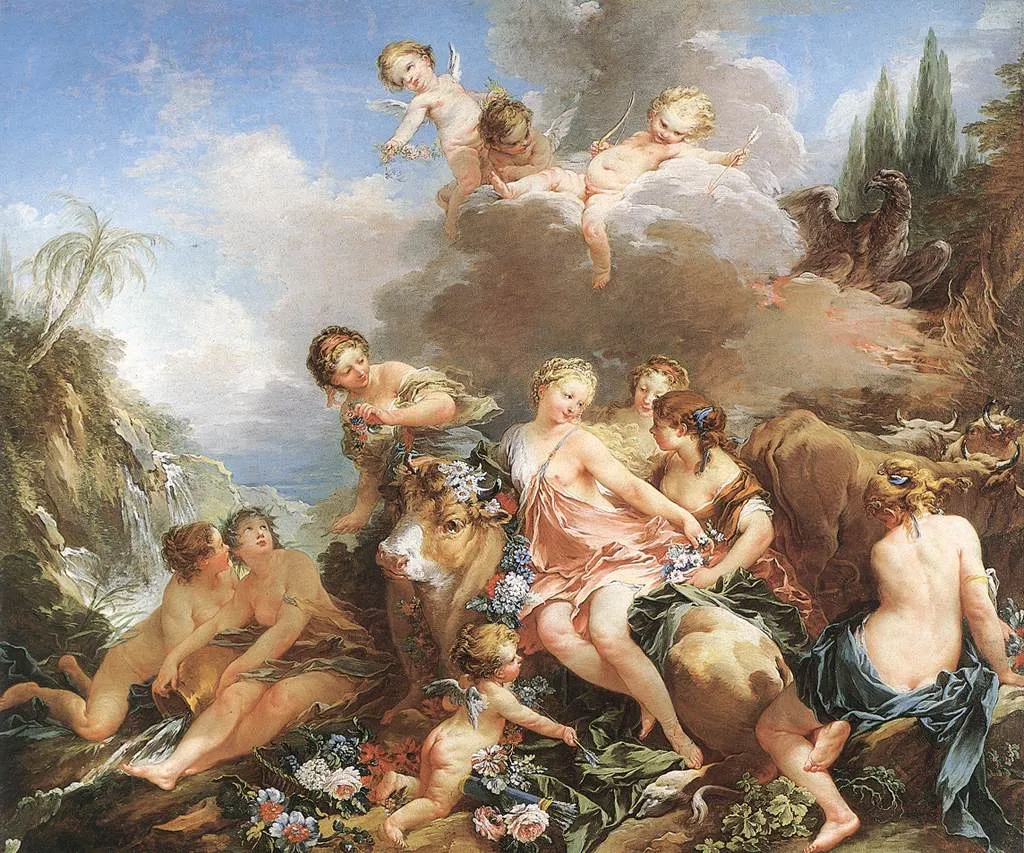
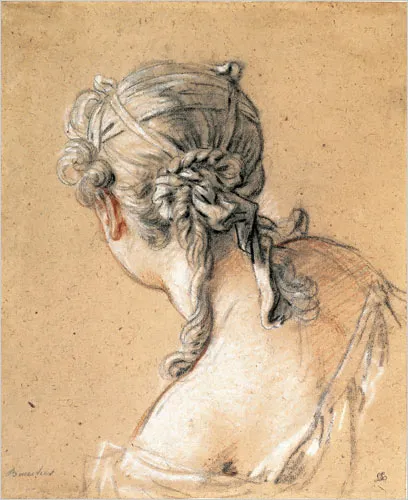
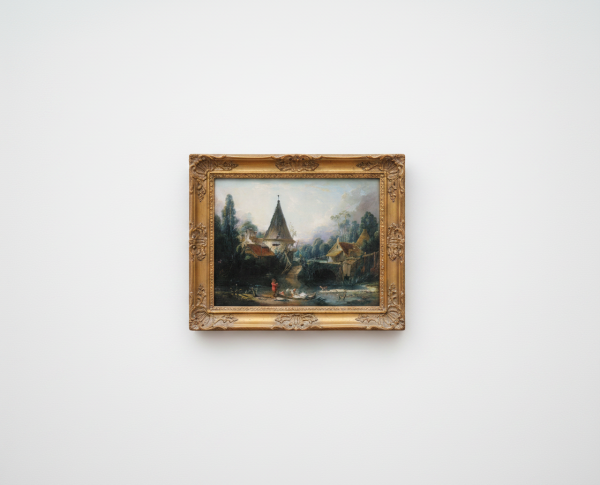
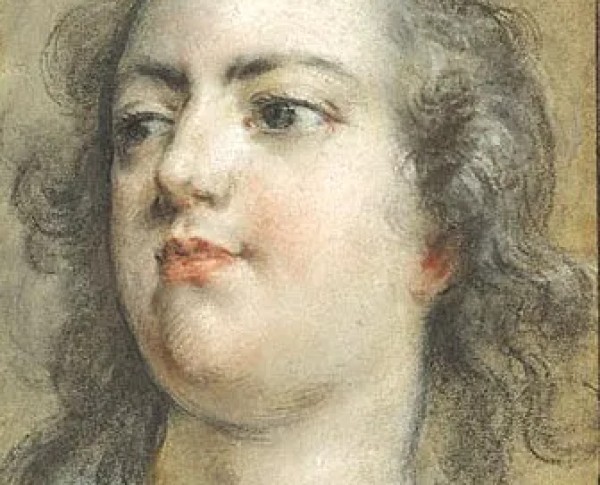
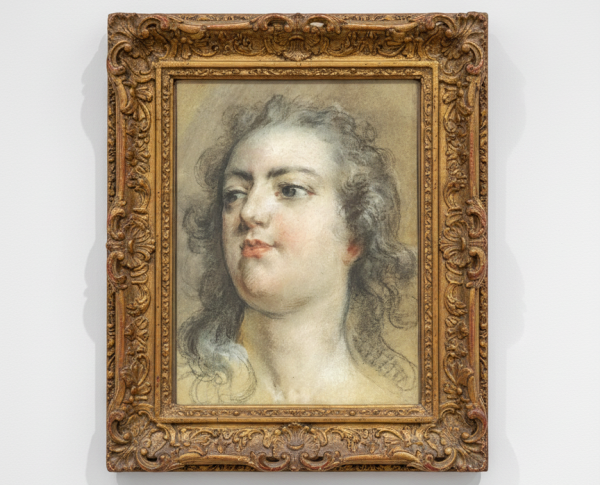
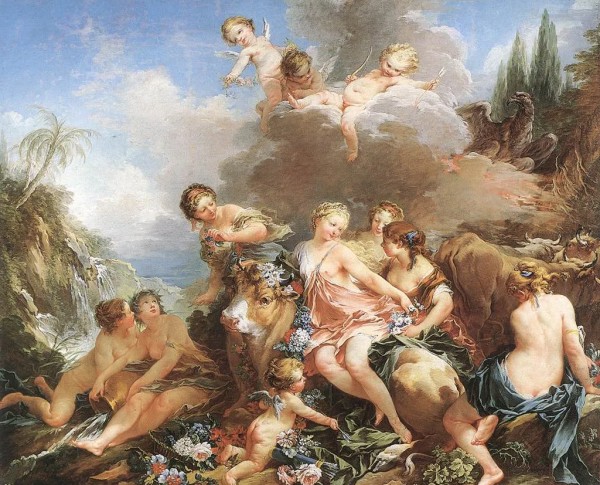
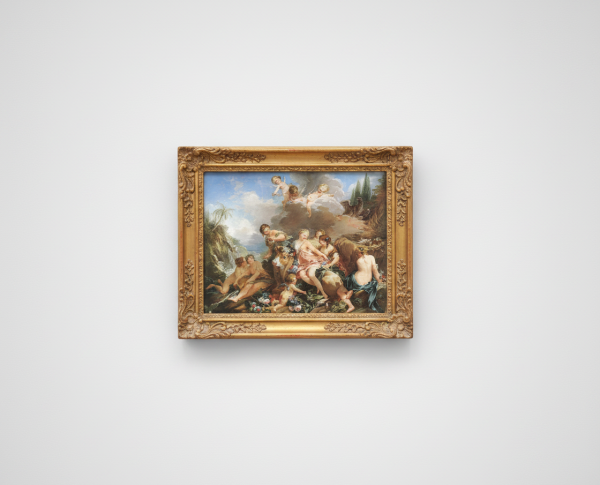
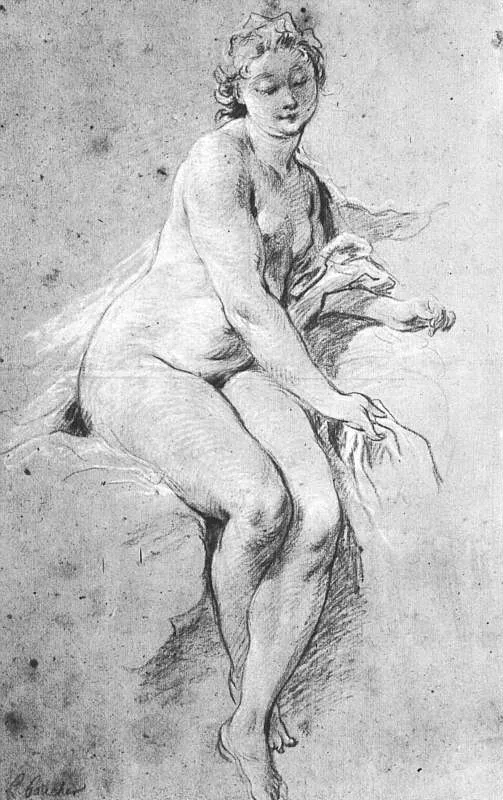
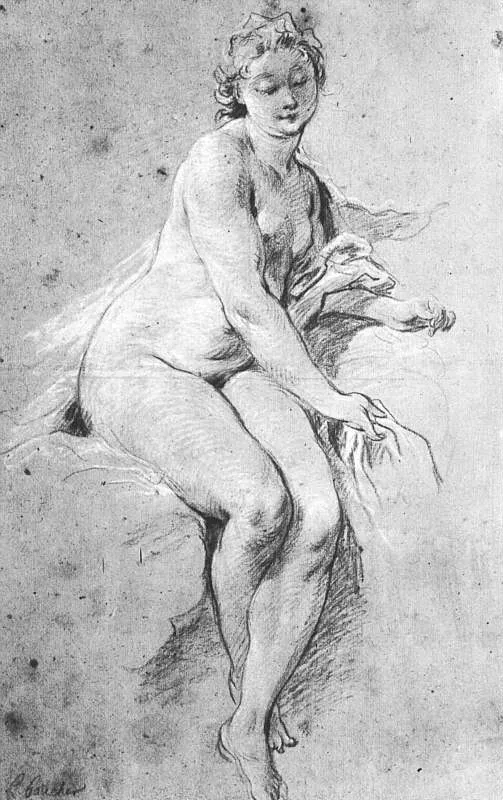
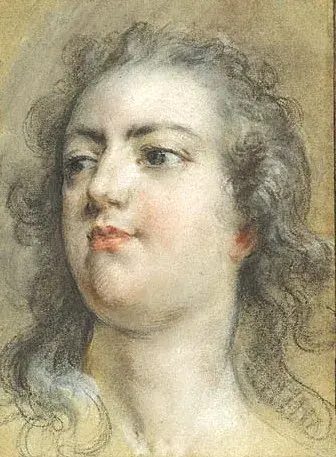
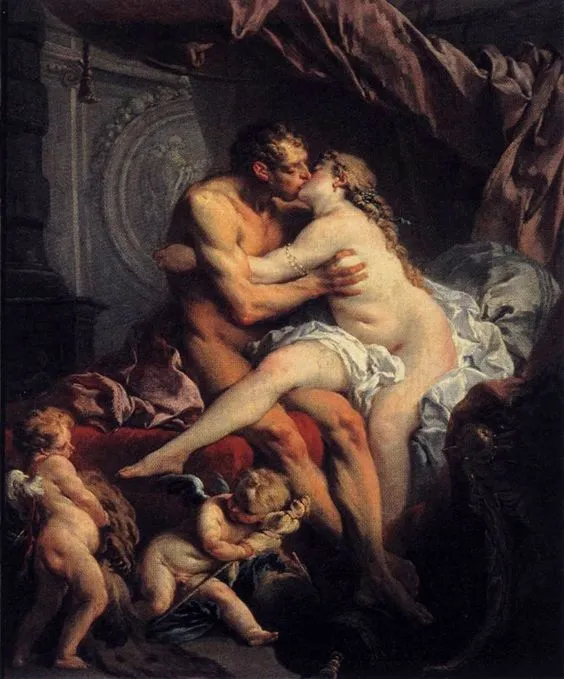
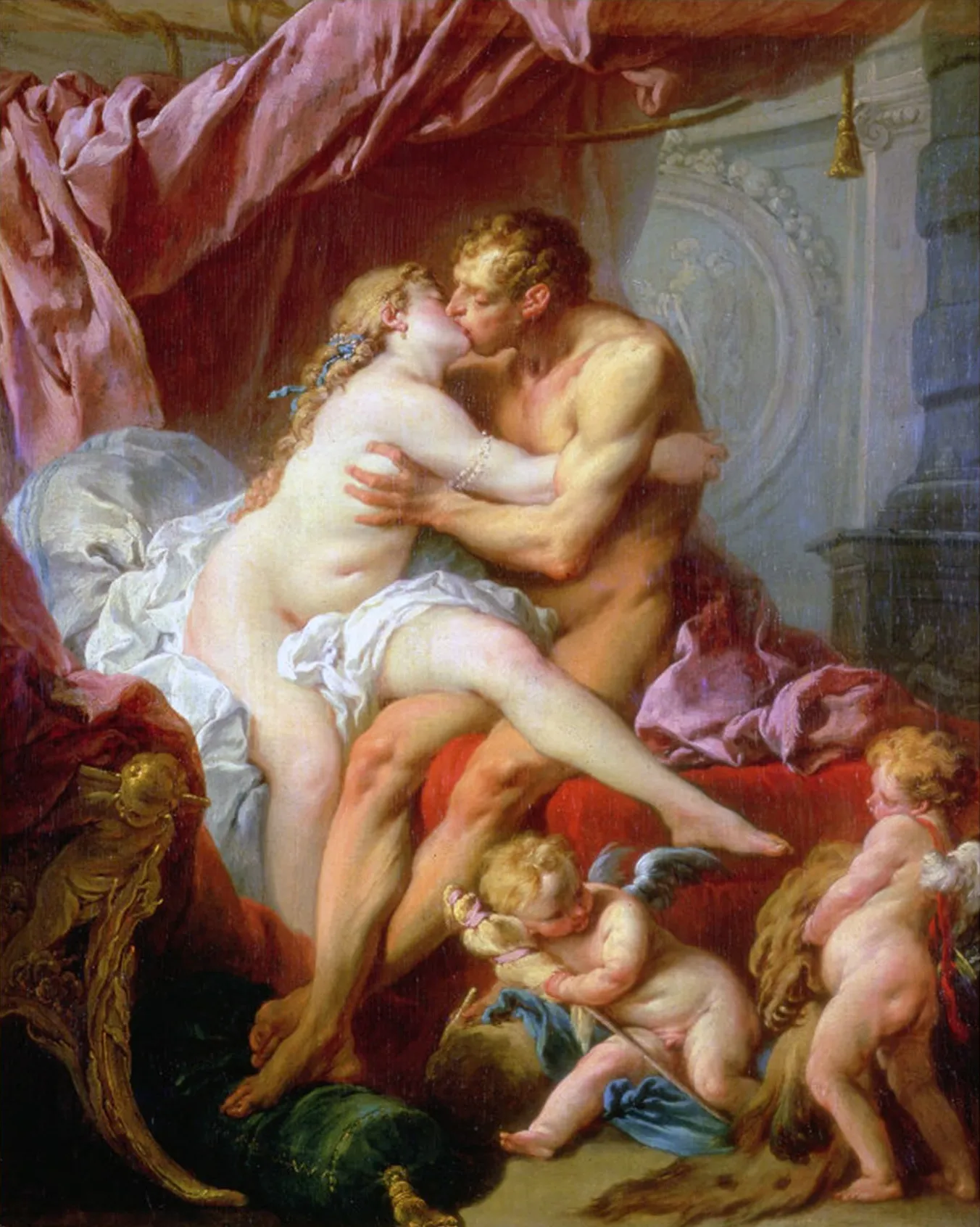
Francois Boucher’s "Seated Nude" exemplifies mastery in oil on canvas, showcasing delicate brushwork and soft, luminous color palettes characteristic of Rococo art. The artist’s expert technique brings the subject to life, echoing a sense of intimacy and refinement. Comparable works by Boucher, such as "Hercules and Omfala" and "Head of King Louis XV," further highlight his command over the medium, making each canvas a true masterpiece in the world of fine art.
Within "Seated Nude," Francois Boucher weaves subtle narratives and symbolic gestures, inviting viewers to interpret the layers of meaning embedded in this fine art painting for sale. The relaxed pose and luxurious setting reflect Rococo ideals of pleasure and beauty. Similar elements appear in "Hercules and Omphale" and "The beautiful kitchen," offering a glimpse into the societal values and artistic trends of Boucher’s era, making these works enduringly fascinating.
For art collectors, "Seated Nude" by Francois Boucher represents an exquisite addition to any collection, embodying the sophistication of the Rococo movement. This hand-painted oil painting stands alongside notable works like "The Painter in his Studio" and "Head of King Louis XV," each a testament to Boucher’s legacy. With its timeless allure, "Seated Nude" remains a sought-after masterpiece among those seeking authentic and historically significant pieces for their fine art collections.
When Art Meets History
"Seated Nude" by Francois Boucher is a hallmark of the Rococo movement, capturing the elegance and sensuality of 18th-century France. This hand-painted oil painting reflects Boucher’s mastery in portraying the human form with grace and delicacy. Alongside related works like "The Piazza San Marco in Venice" and "The Entrance to the Grand Canal, Venice, c.1730," "Seated Nude" stands as a testament to the period’s fascination with beauty and refinement, making it a cherished piece in art history.
Techniques That Speak
Francois Boucher’s "Seated Nude" demonstrates his exceptional skill with oil on canvas, utilizing soft brushstrokes and subtle color transitions to create a lifelike, luminous effect. The Rococo movement, known for its ornate style and attention to detail, is evident in every curve and contour. Comparing this to related paintings such as "The Bucintoro, Ducal Palace, Venice, c.1755," one can appreciate Boucher's unique ability to capture light and texture in every fine detail.
Emotions on Display
The emotional resonance of "Seated Nude" by Francois Boucher lies in its intimate portrayal of the subject, evoking feelings of serenity and vulnerability. This fine art painting for sale invites viewers to connect with the sitter’s quiet confidence and delicate poise, hallmarks of the Rococo movement. Like "View of the Mills of Dolo on the Brenta," Boucher’s work transcends mere representation, offering a glimpse into the emotional world of 18th-century French society.
Coveted by Collectors
Collectors worldwide prize Francois Boucher’s "Seated Nude" for its exquisite craftsmanship and historical significance within the Rococo movement. As a hand-painted oil painting, it stands alongside masterpieces like "The Entrance to the Grand Canal, Venice, c.1730" and "The Bucintoro, Ducal Palace, Venice, c.1755." Its enduring appeal and rarity make it a sought-after treasure, ensuring its place in prestigious collections and galleries dedicated to fine art and European history.
Related Rococo Hand-Painted Oil Paintings by Other Artists
Other Famous Rococo Artists:
Frequently Asked Questions About Seated Nude
What is the historical context of "Seated Nude"?
"Seated Nude" was created during the Rococo period in the 18th century, a time characterized by ornate detail, light colors, and themes of leisure and pleasure. Francois Boucher, a prominent artist of this era, often depicted sensual subjects, reflecting the values and aesthetics of the French aristocracy.
What artistic techniques did Boucher employ in "Seated Nude"?
Boucher utilized soft brushwork and a delicate color palette to create a sense of intimacy and warmth in "Seated Nude." His use of chiaroscuro enhances the three-dimensionality of the figure, while the flowing lines contribute to the overall sensuality of the composition.
What themes are explored in "Seated Nude"?
The painting explores themes of beauty, sensuality, and the human form. It reflects the Rococo fascination with the female nude as an object of desire, celebrating the female figure in a manner that emphasizes both elegance and vulnerability.
How does "Seated Nude" reflect the values of the Rococo period?
"Seated Nude" epitomizes Rococo values through its emphasis on pleasure, beauty, and the celebration of the human body. The relaxed posture of the figure and the intimate setting suggest a retreat from the rigidity of court life, aligning with the era's focus on personal enjoyment and aesthetic pleasure.
What symbolism can be found in "Seated Nude"?
The nude figure symbolizes purity and beauty, while her relaxed pose may suggest themes of leisure and sensuality. Additionally, the soft drapery and surrounding elements can be interpreted as symbols of femininity and grace, enhancing the overall narrative of the painting.
What influence did Boucher have on later artists?
Francois Boucher's work, including "Seated Nude," greatly influenced later artists, particularly in the realms of Romanticism and Impressionism. His approach to color, light, and the depiction of the human form inspired subsequent generations to explore similar themes in their own unique styles.
How does "Seated Nude" compare to other works by Boucher?
What role did the female nude play in Rococo art?
The female nude was a central motif in Rococo art, often symbolizing beauty, love, and sensuality. Artists like Boucher celebrated the female form as an embodiment of idealized beauty, reflecting societal attitudes toward women and the nature of desire during the 18th century.
What materials and methods were used in the creation of "Seated Nude"?
Boucher typically worked with oil paints on canvas, allowing for rich color saturation and depth. His method involved layering glazes to achieve luminosity, which is evident in the gentle transitions of light and shadow in "Seated Nude."
How has "Seated Nude" been received by critics and art historians?
"Seated Nude" has been praised for its technical mastery and its embodiment of Rococo ideals. Critics and art historians often highlight Boucher's ability to convey emotion and intimacy through his depiction of the female form, solidifying his reputation as a leading figure of 18th-century art.























_GFM_Painting_(1).webp)


 100% Hand-Painted: Finished in 3-6 Weeks

.png)















_(1).webp)