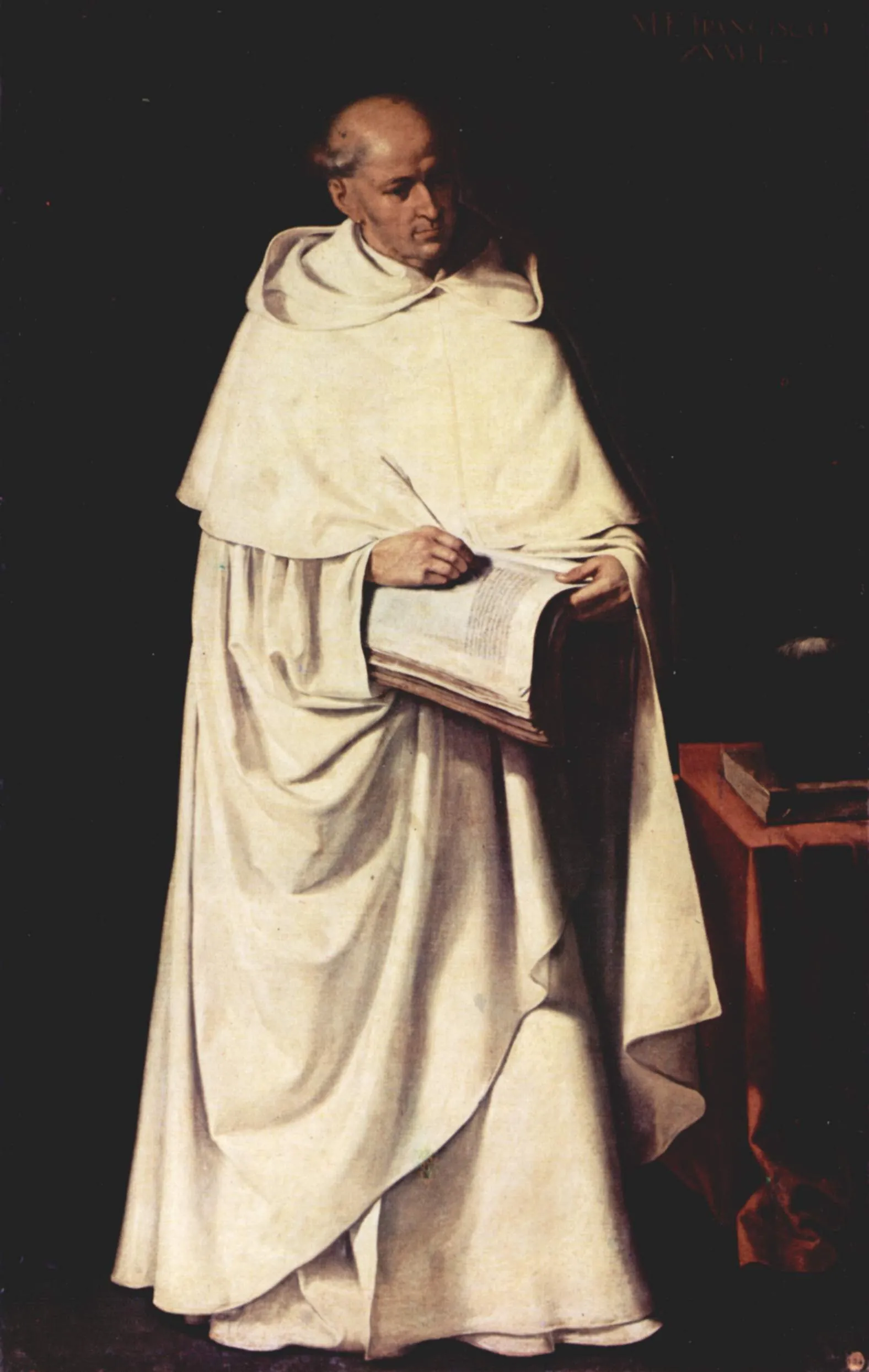
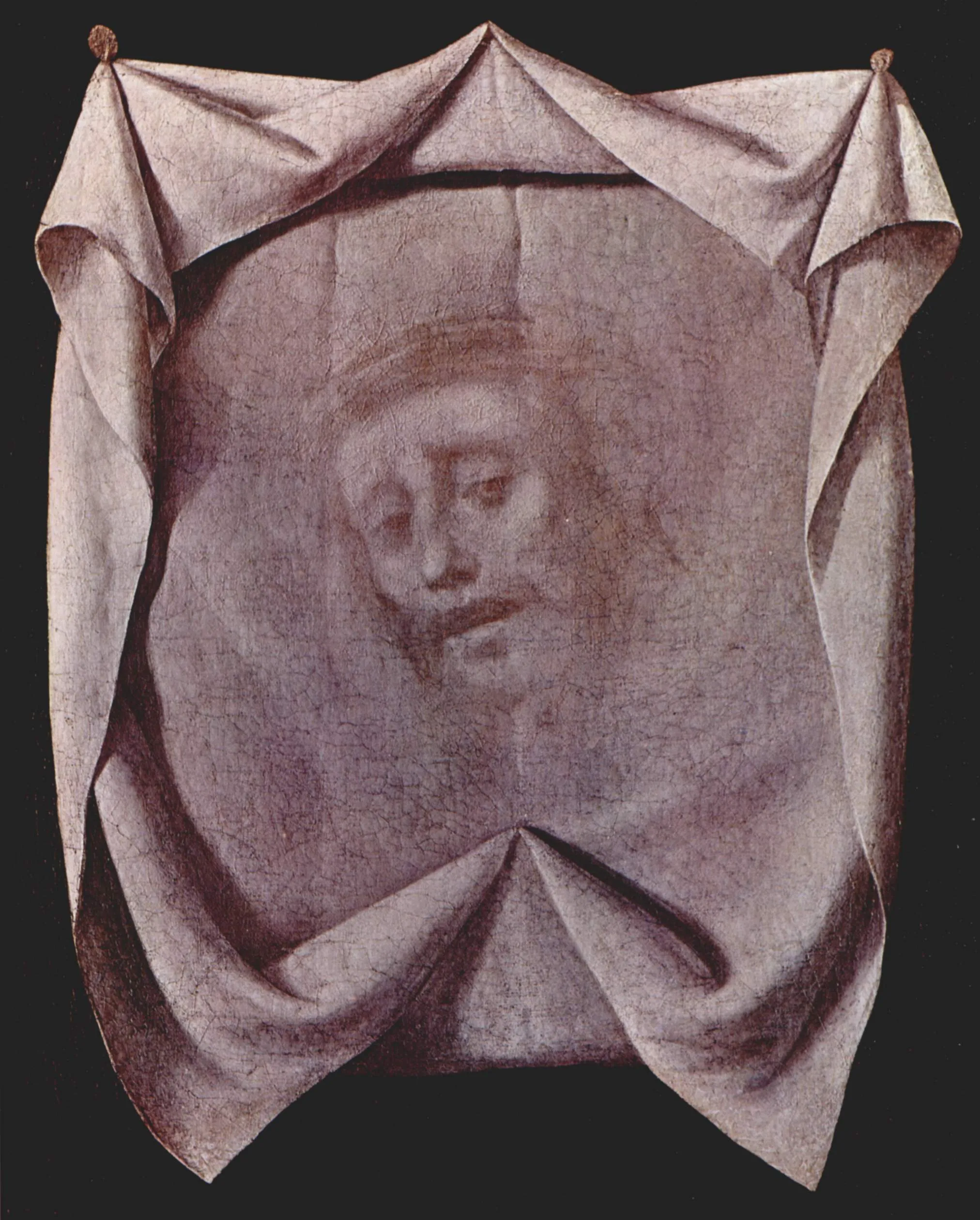
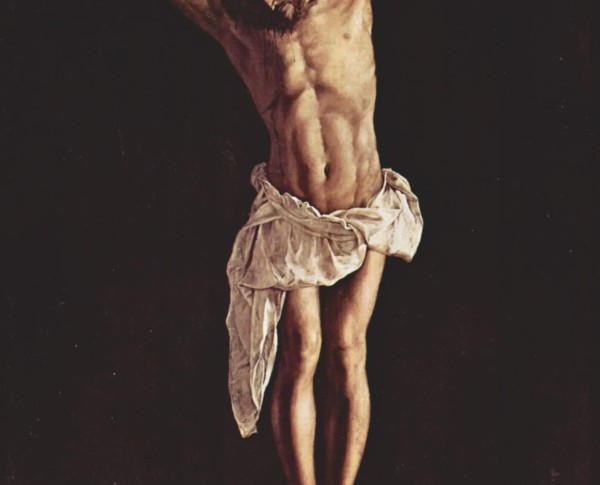
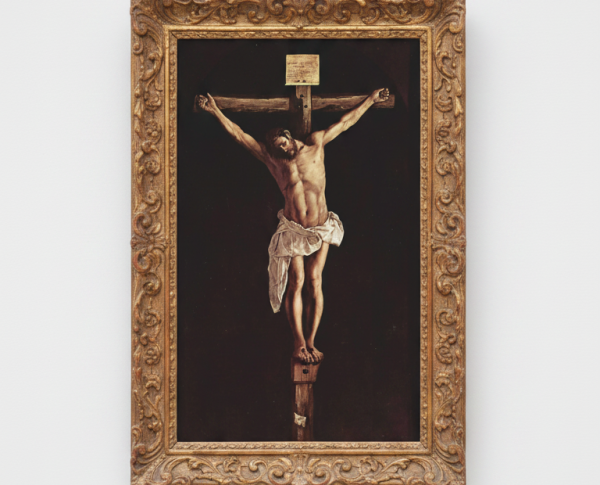
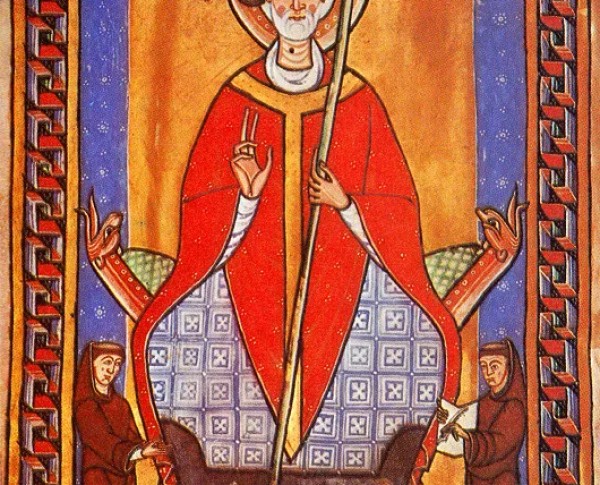
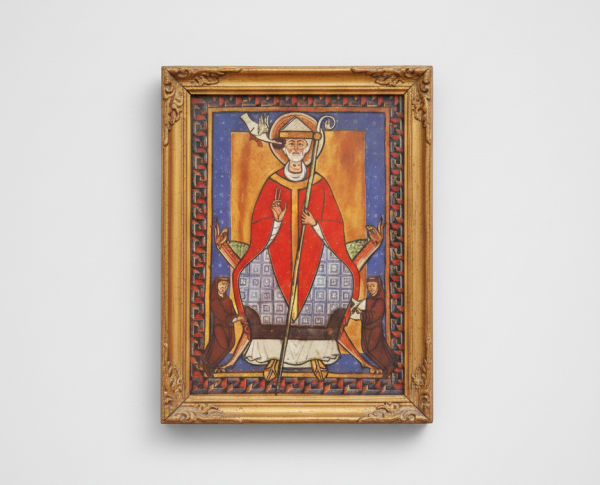
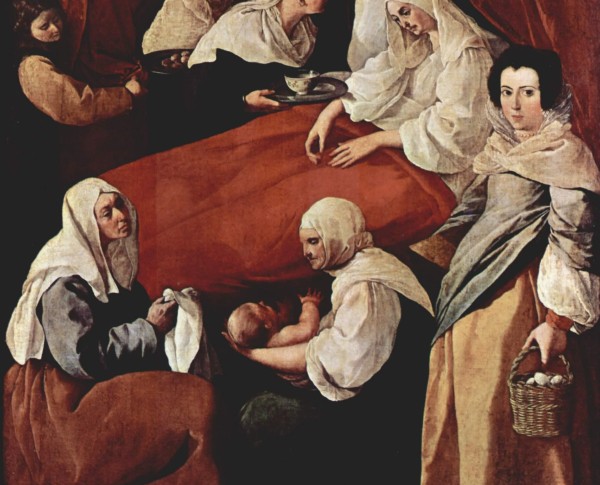
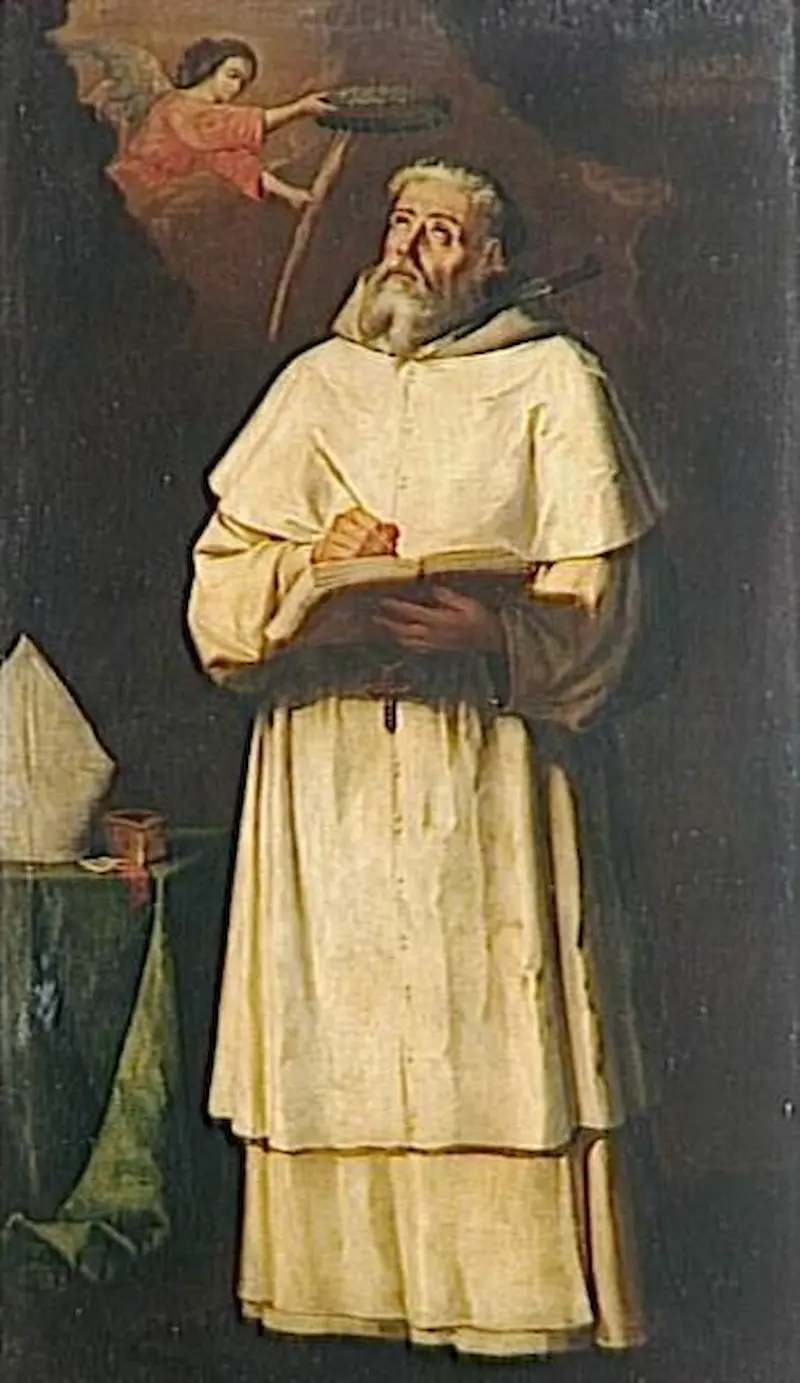
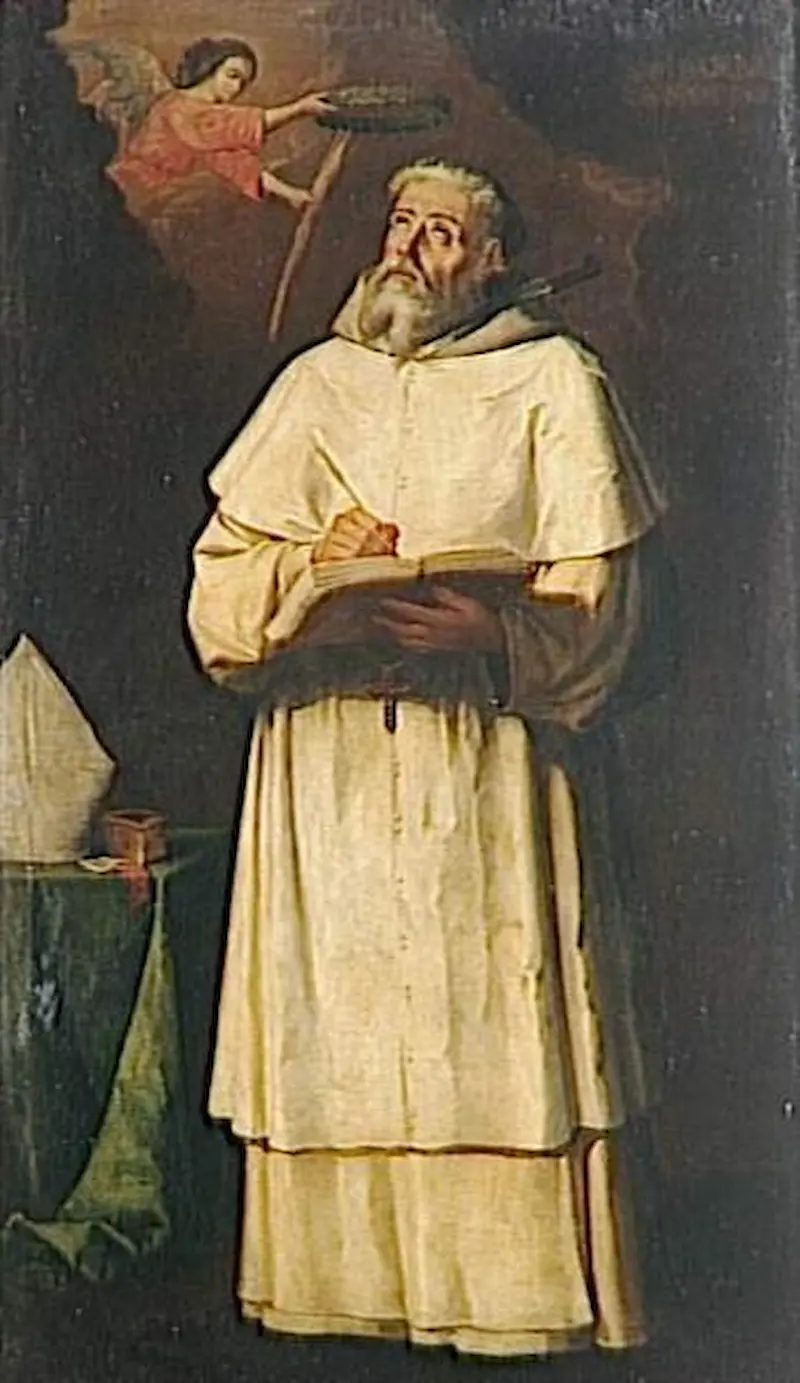
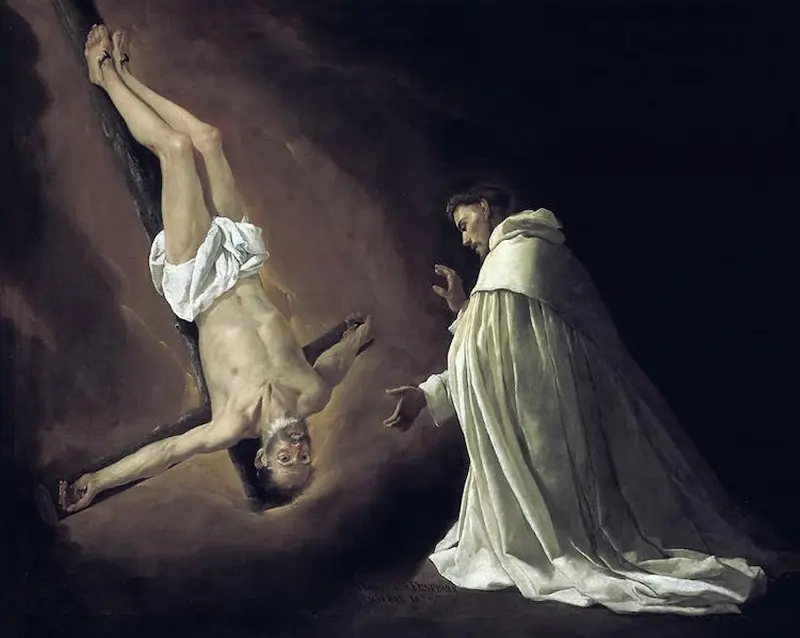
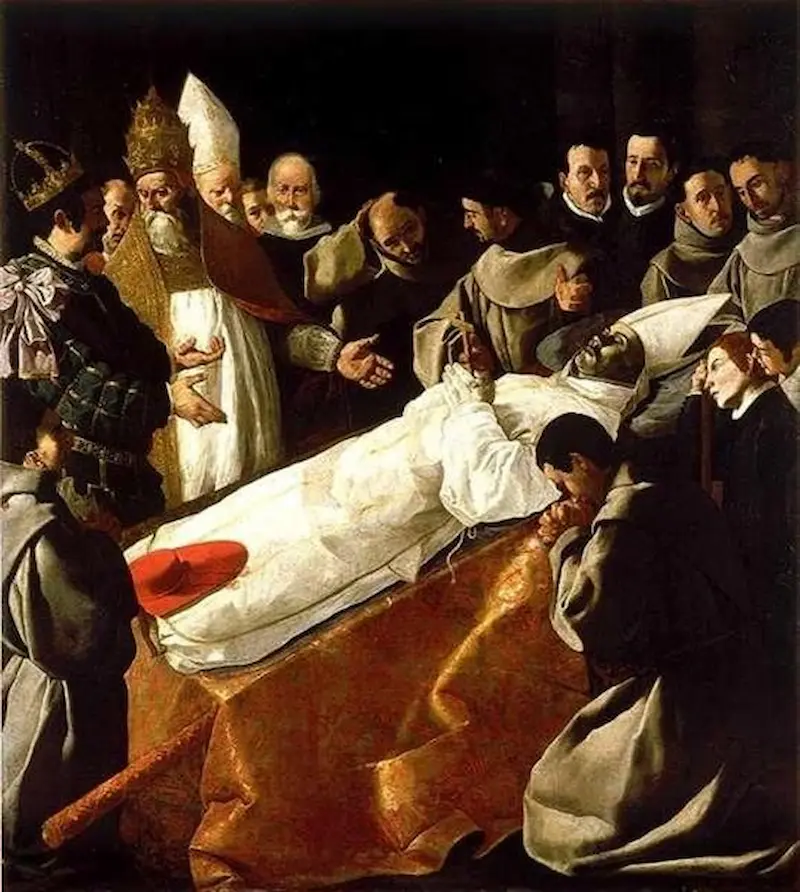
Francisco de Zurbaran’s "St Pierre Pascal, Bishop of Jaen" exemplifies the refined technique of oil on canvas that defines the Baroque era. His use of light and shadow brings the bishop’s character to life, reflecting Zurbaran’s commitment to realism and depth. Other masterpieces like "Vision of St Peter Nolasco" and "Apparition of Jesus Child to St Anthony of Padua" share this meticulous attention to detail, making each painting a testament to the artist's enduring genius.
In "St Pierre Pascal, Bishop of Jaen," Francisco de Zurbaran weaves a narrative rich in symbolic detail, making this fine art painting for sale a prized addition to any collection. The bishop’s attire and contemplative pose invite viewers to reflect on themes of faith and sacrifice. Works such as "Appearance of St Peter to St Peter Nolasco" and "Cup of Water and a Rose on a Silver Plate" similarly blend symbolism and storytelling, hallmark traits of the Baroque movement.
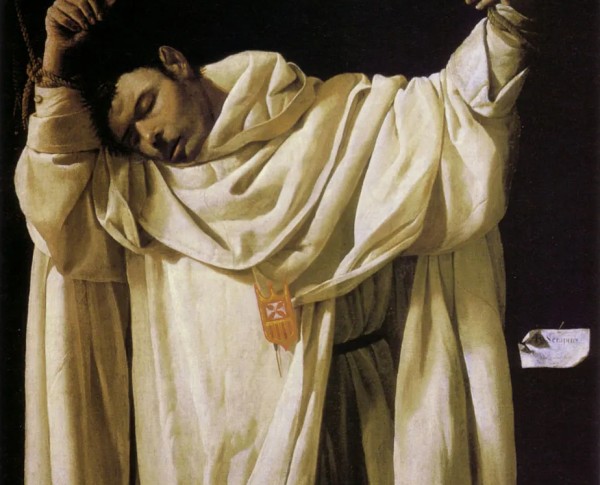
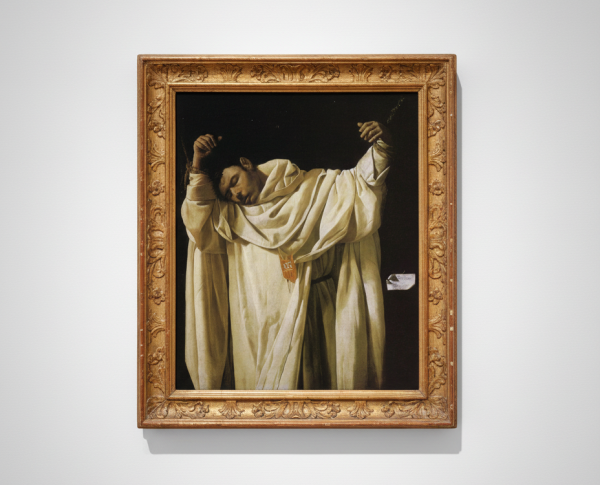
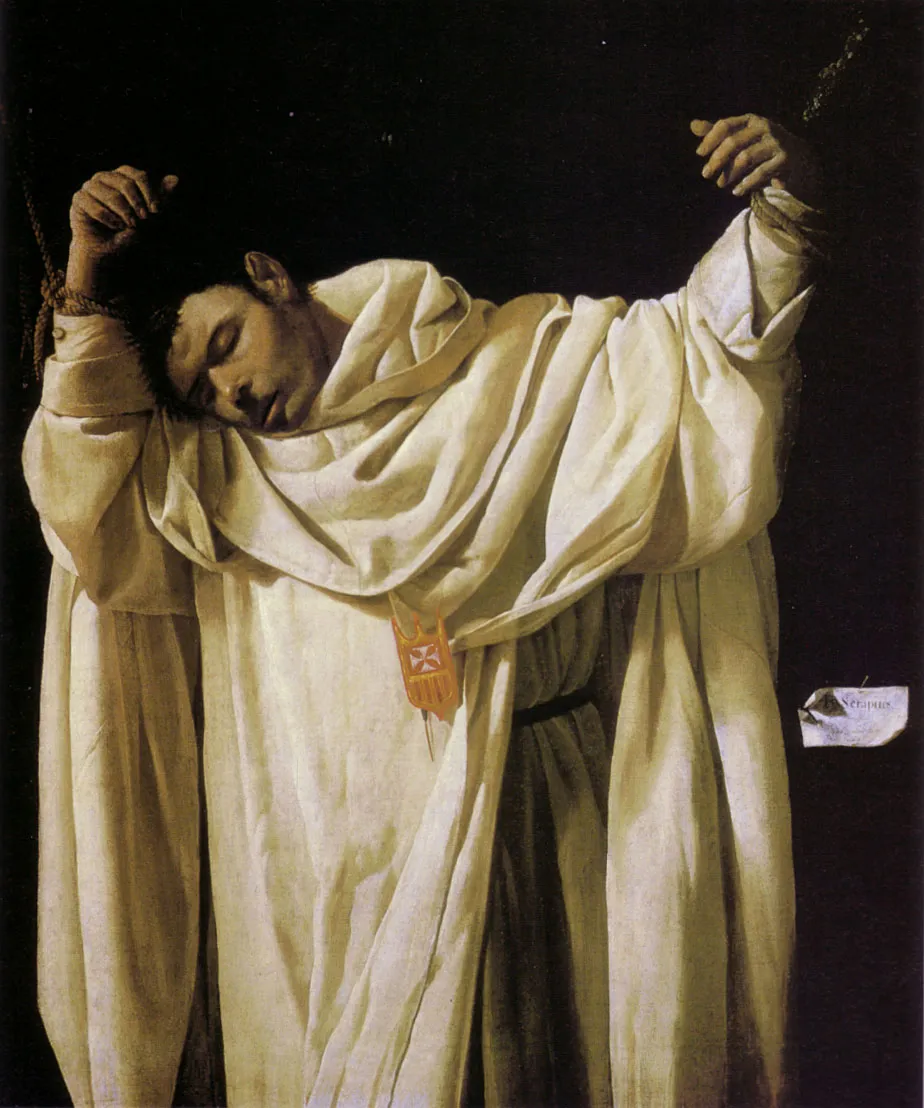
Owning a hand-painted oil painting like "St Pierre Pascal, Bishop of Jaen" by Francisco de Zurbaran is a true privilege for art enthusiasts. As a leading figure of the Baroque movement, Zurbaran’s work commands admiration and respect. Collectors often seek related products, including "Beato Serapio" and "Vision of St Peter Nolasco," to enrich their portfolios with timeless religious subjects rendered in exquisite oil on canvas technique.
When Art Meets History
"St Pierre Pascal, Bishop of Jaen" by Francisco de Zurbaran is a masterful example of the Baroque movement, capturing a pivotal figure in Spanish ecclesiastical history. This hand-painted oil painting not only immortalizes the Bishop but also reflects the grandeur and drama characteristic of the era. As with related paintings like "Supper at Emmaus" and "Penitent Magdalene," Zurbaran’s work offers a window into the historical and spiritual significance of his subjects, blending narrative depth with artistic excellence.
Techniques That Speak
Francisco de Zurbaran’s use of oil on canvas in "St Pierre Pascal, Bishop of Jaen" demonstrates his remarkable skill in rendering textures and light. The painting’s meticulous brushwork and dramatic contrasts are hallmarks of the Baroque style, evident in masterpieces such as "Cardsharps" and "Amor Vincit Omnia." Zurbaran’s technical mastery elevates the portrait, making it a standout among oil on canvas works from the 17th century and a testament to his enduring legacy.
Emotions on Display
In "St Pierre Pascal, Bishop of Jaen," Zurbaran’s expressive style brings forth a profound sense of devotion and solemnity. The bishop’s contemplative gaze and the play of light evoke deep spiritual emotion, reminiscent of the mood found in "Saint Francis of Assisi in Ecstasy." This fine art painting for sale captures the inner world of its subject, making the viewer feel an intimate connection to both the sitter and the artist’s vision.
Coveted by Collectors
As a renowned hand-painted oil painting from the Baroque movement, "St Pierre Pascal, Bishop of Jaen" remains highly sought after by collectors of Francisco de Zurbaran’s works. Its connection to related paintings like "Supper at Emmaus" and "Penitent Magdalene" further increases its desirability. The painting’s historical significance and exceptional artistry make it a prized addition to any collection, ensuring its place among the most treasured fine art painting for sale today.
Related Baroque Hand-Painted Oil Paintings by Other Artists
Other Famous Baroque Artists:
Frequently Asked Questions About St Pierre Pascal, Bishop of Jaen
Who is depicted in "St Pierre Pascal, Bishop of Jaen"?
The painting depicts St. Pierre Pascal, a prominent figure in the Catholic Church known for his piety and dedication to the faith, serving as the Bishop of Jaen.
What is the historical significance of St. Pierre Pascal?
St. Pierre Pascal is recognized for his contributions to the Church during a tumultuous period in Spain, providing spiritual guidance and leadership that helped solidify the Catholic faith in the region.
What artistic style is employed in this painting?
Francisco de Zurbarán is known for his Baroque style, characterized by dramatic lighting, realistic detail, and a focus on religious themes, all of which are evident in this work.
What materials were used in the creation of this painting?
Zurbarán typically used oil on canvas for his works, allowing for rich color depth and intricate detail, which enhances the visual impact of the painting.
What are the key symbolic elements in "St Pierre Pascal, Bishop of Jaen"?
The painting features various symbols, including the bishop's attire, which signifies his ecclesiastical authority, and the book he holds, representing knowledge and the teachings of the Church.
How does Zurbarán convey the character of St. Pierre Pascal in this painting?
Zurbarán conveys St. Pierre Pascal's character through his serene expression and dignified posture, reflecting his holiness and commitment to his spiritual duties.
What is the significance of the color palette used in the painting?
The color palette is dominated by deep, rich hues, which are typical of Zurbarán's work, creating a sense of solemnity and reverence appropriate for a religious figure.
In what context was "St Pierre Pascal, Bishop of Jaen" created?
This painting was created during the 17th century, a time when religious art was flourishing in Spain, reflecting the Counter-Reformation's emphasis on the power of the Church and its saints.
What influence did Zurbarán have on later artists?
Zurbarán's mastery of light and shadow, along with his ability to convey deep spirituality, influenced many later artists, particularly those within the Baroque tradition.
Where can I view "St Pierre Pascal, Bishop of Jaen"?
This painting is part of the collection at [insert gallery name], where visitors can appreciate its historical and artistic significance firsthand.























_GFM_Painting_(1).webp)


 100% Hand-Painted: Finished in 3-6 Weeks

.png)















_(1).webp)